Nestled in the Eastern Himalayas, Bhutan is one of the world’s most unique travel destinations. Known globally as the Land of Happiness, Bhutan is a country that measures progress not by economic output, but by Gross National Happiness. For travellers seeking depth over speed and meaning over luxury, Bhutan offers an experience unlike anywhere else on Earth.
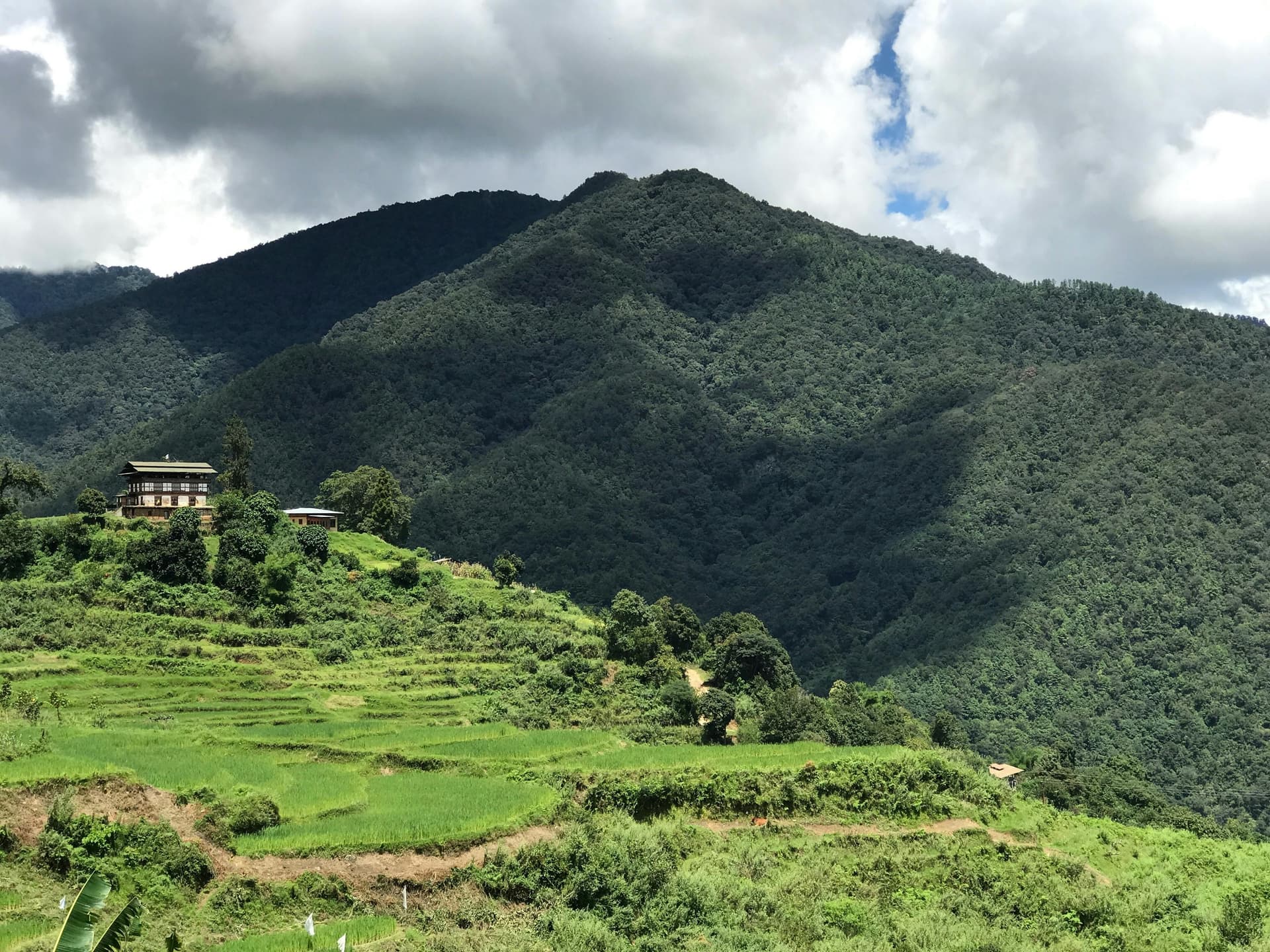
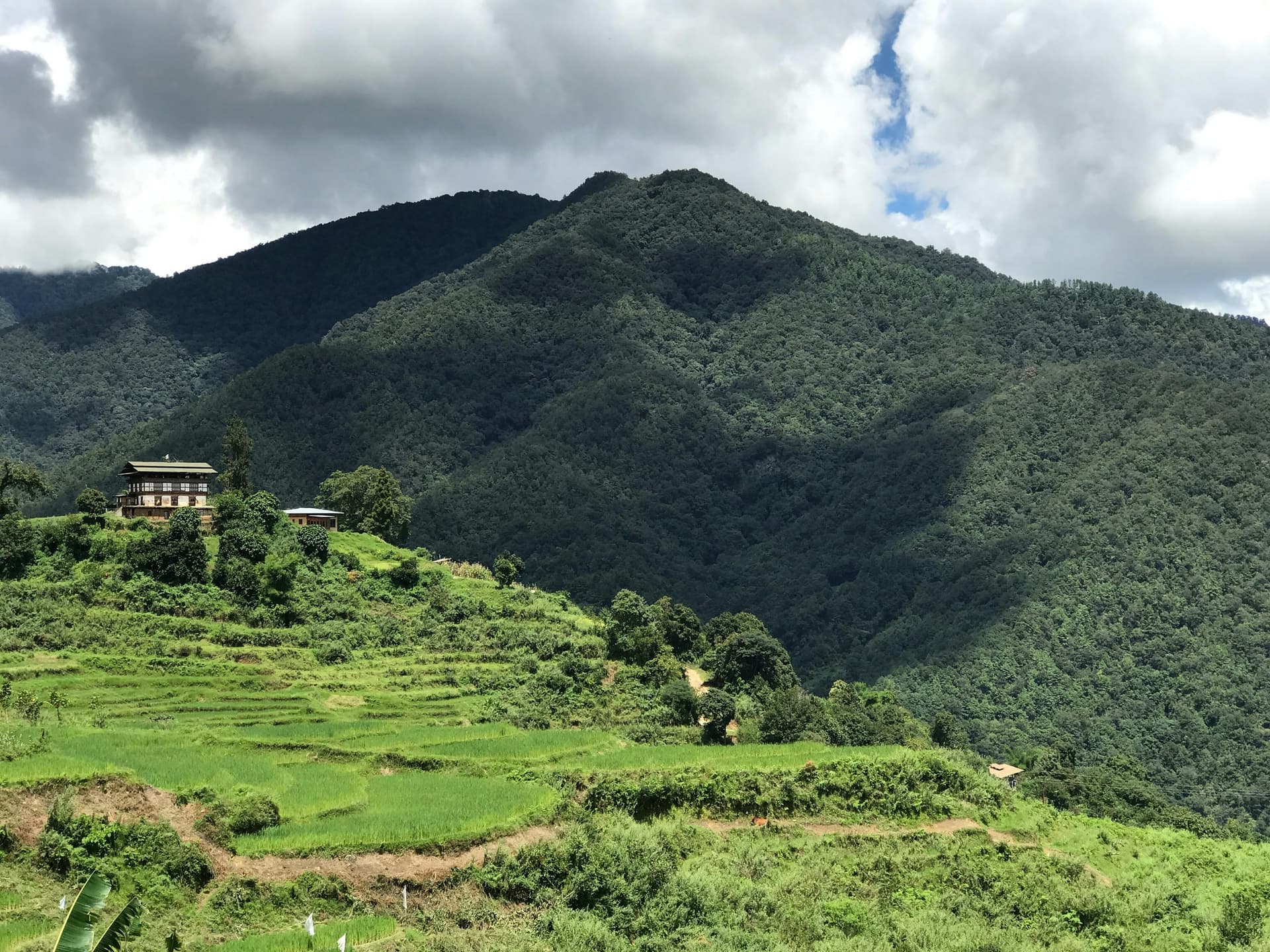
This Himalayan kingdom remains intentionally untouched by mass tourism. Its monasteries cling to dramatic cliffs, valleys remain pristine, traditions are deeply respected, and daily life moves at a calm, mindful pace. Visiting Bhutan is not just a journey across landscapes—it is a journey inward.
Why Visit Bhutan?
Bhutan stands apart in a world driven by fast travel and constant consumption. The country follows a High Value, Low Impact tourism philosophy, ensuring that its environment, culture, and spiritual heritage remain preserved for future generations.
What makes Bhutan special is its authenticity. There are no crowded tourist traps, no overwhelming commercialization, and no rush. Instead, visitors encounter genuine hospitality, clean mountain air, ancient rituals, and landscapes that feel timeless.
Bhutan is ideal for travellers who value:
- Cultural depth over nightlife
- Nature over noise
- Spiritual calm over chaos
Top Places to Visit in Bhutan
Paro Taktsang (Tiger’s Nest Monastery)
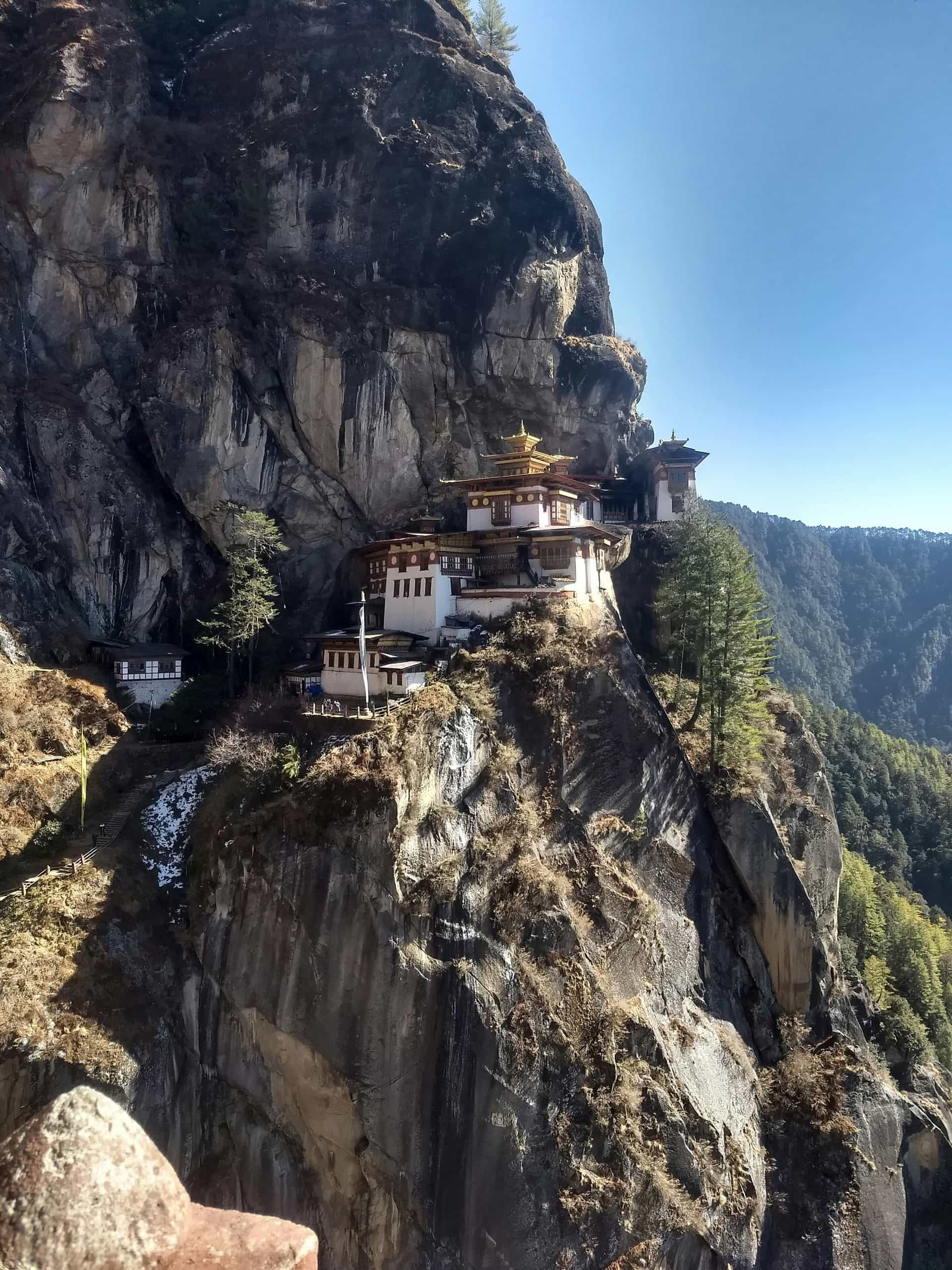
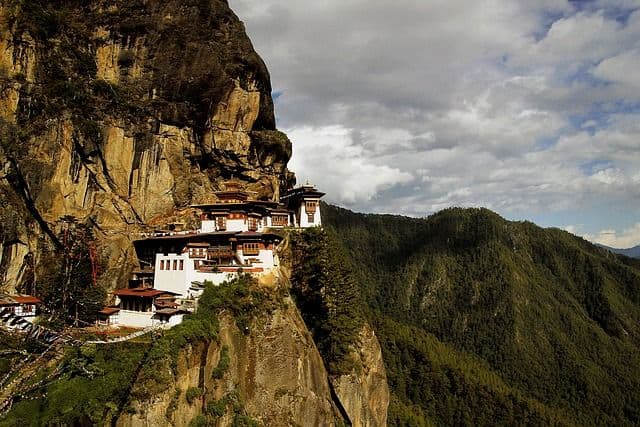
Perhaps Bhutan’s most iconic landmark, Paro Taktsang, also known as Tiger’s Nest Monastery, is dramatically perched on a cliff 3,000 feet above the Paro Valley. The monastery is believed to be the meditation site of Guru Padmasambhava, who introduced Buddhism to Bhutan.
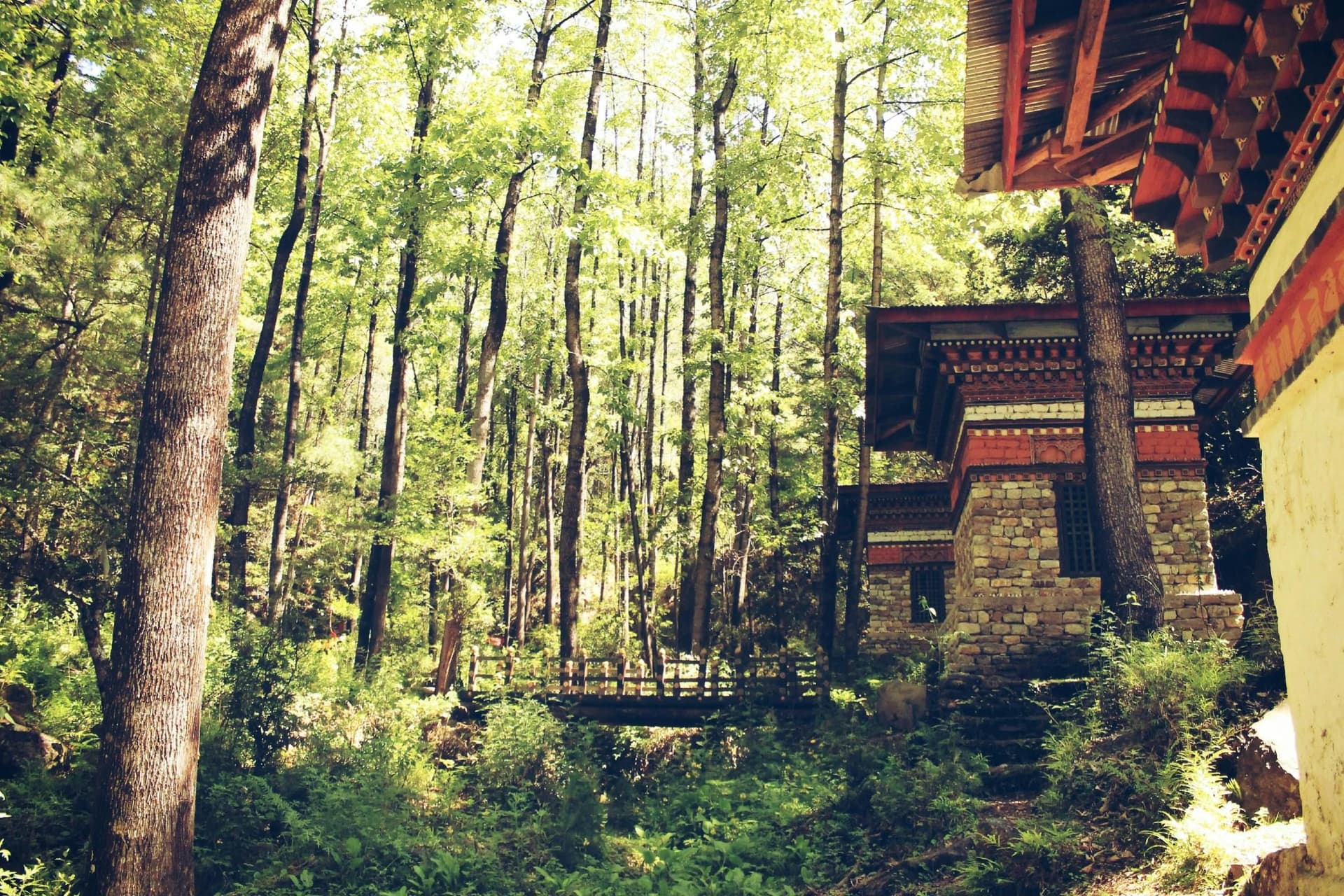
The trek to Tiger’s Nest is as rewarding as the destination itself. Pine forests, prayer flags, and panoramic valley views accompany travellers on the climb, making it both a physical and spiritual journey.
Punakha Dzong
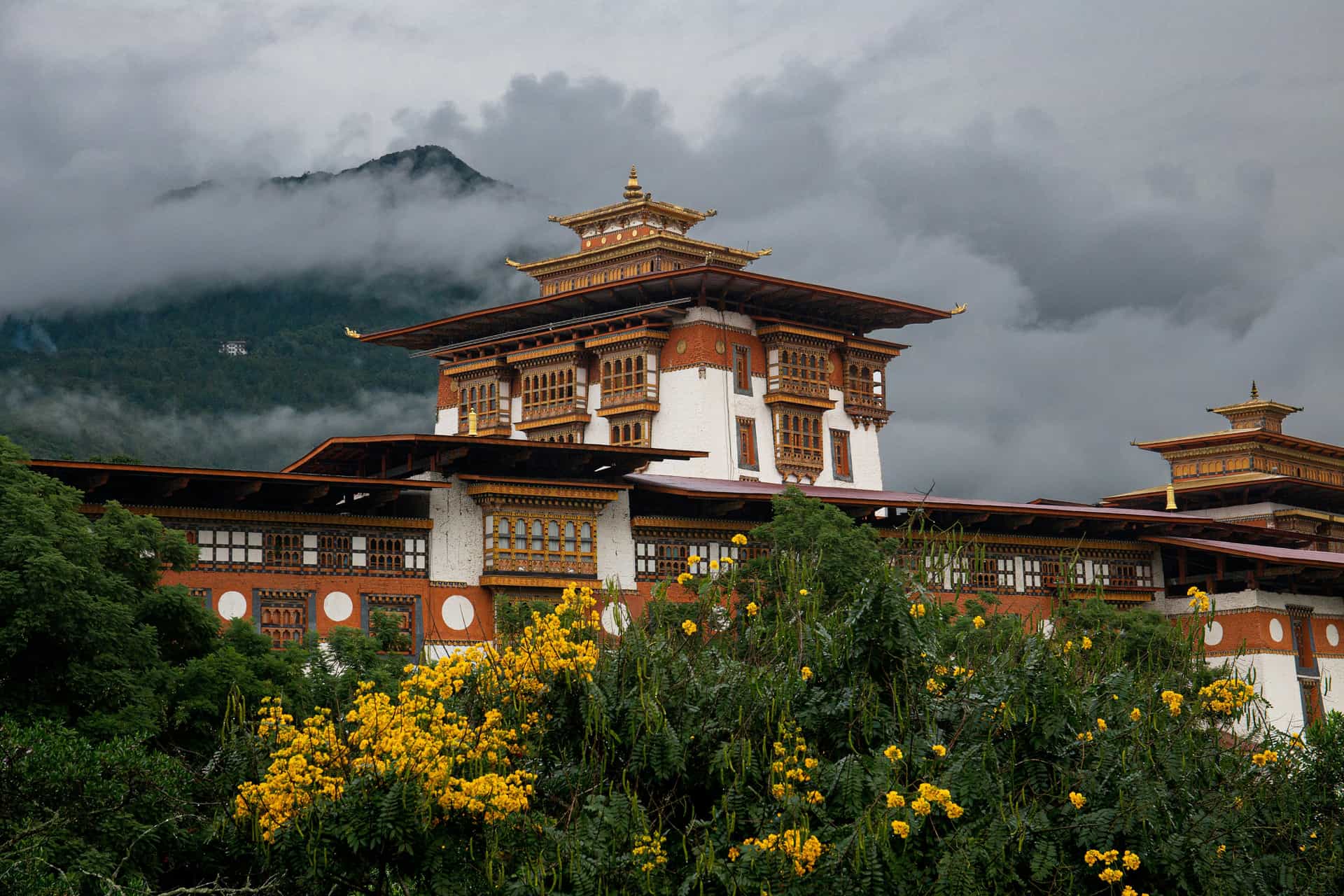
Known as the Palace of Great Happiness, Punakha Dzong is one of Bhutan’s most beautiful architectural masterpieces. Situated between two rivers, it served as Bhutan’s former capital and remains deeply significant to the country’s religious life.
The dzong’s whitewashed walls, golden roofs, and serene surroundings create a powerful sense of peace and grandeur.
Thimphu – The Cultural Capital
Bhutan’s capital, Thimphu, blends tradition and modernity seamlessly. It is the only capital city in the world without traffic lights, symbolising Bhutan’s calm and orderly pace of life.
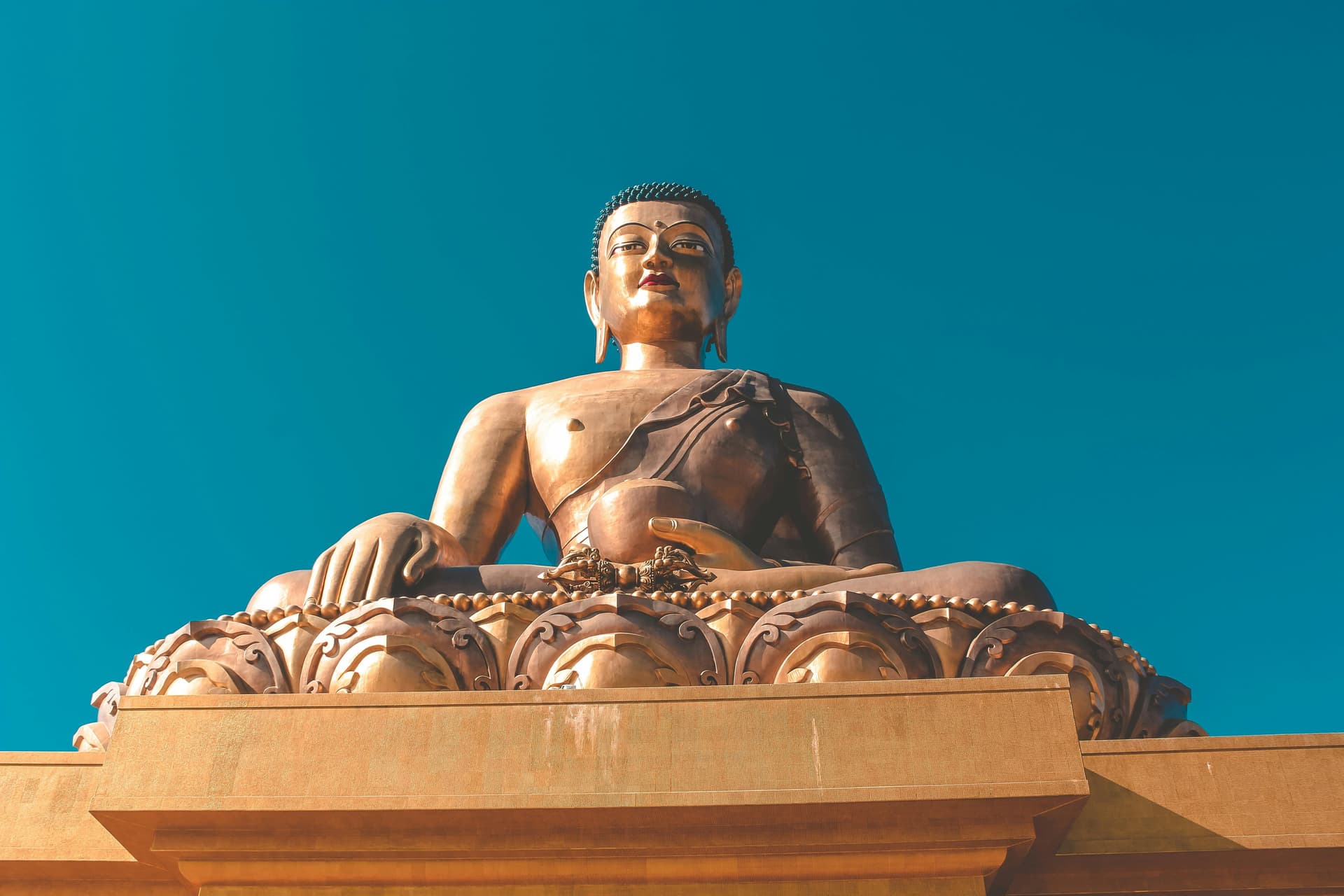
Key attractions include the National Memorial Chorten, the massive Buddha Dordenma statue overlooking the valley, local craft markets, and traditional architecture that reflects Bhutanese identity.
Bumthang Valley
Often referred to as the spiritual heart of Bhutan, Bumthang Valley is a region of sacred temples, ancient monasteries, and peaceful villages. It is ideal for travellers interested in Bhutan’s history, legends, and religious traditions.
Bumthang offers a slower pace and deeper connection to Bhutanese culture, making it perfect for reflective travel.
Unique Experiences in Bhutan
Traditional Festivals (Tsechus)
Bhutan’s festivals, known as Tsechus, are vibrant cultural celebrations held in monasteries and dzongs across the country. These festivals feature masked dances, spiritual rituals, traditional music, and community gatherings.
Attending a Tsechu provides rare insight into Bhutanese beliefs and social life, allowing travellers to witness centuries-old traditions that remain deeply relevant today.
Himalayan Treks
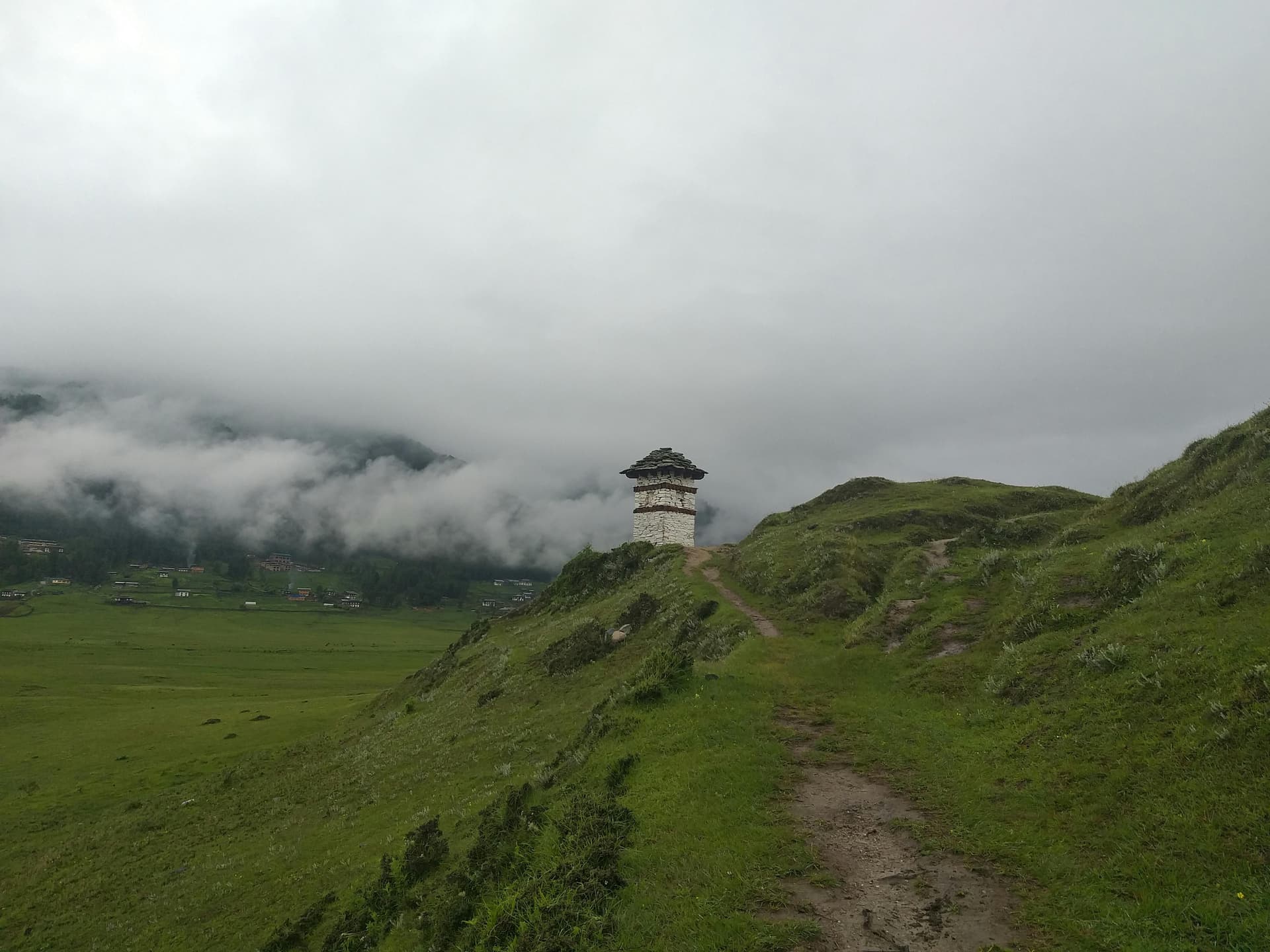
Bhutan is a paradise for trekking enthusiasts. From moderate routes like the Druk Path Trek to challenging high-altitude journeys such as the Snowman Trek, Bhutan’s trails offer breathtaking scenery and solitude.
Unlike crowded trekking destinations elsewhere, Bhutan’s trails remain peaceful and pristine, often passing through remote villages and untouched forests.
Traditional Hot Stone Baths
One of Bhutan’s most soothing experiences is the traditional hot stone bath. Heated river stones are placed in wooden tubs filled with mineral-rich water and herbs. The result is a deeply relaxing soak believed to have healing properties.
After long days of walking or trekking, these baths offer physical relief and cultural immersion.
Bhutanese Food & Cuisine
Bhutanese cuisine is simple, hearty, and deeply connected to local produce. The most famous dish, Ema Datshi, is a spicy cheese and chilli preparation that reflects Bhutan’s love for bold flavours.
Other common foods include red rice, buckwheat pancakes, momos, and seasonal vegetables. Meals are often shared, reinforcing Bhutan’s strong sense of community.
Sustainable & Responsible Tourism
Bhutan’s tourism model ensures that travel benefits local communities while preserving nature and culture. A daily sustainable development fee covers accommodation, meals, transport, and guides—removing the need for bargaining or excessive spending.
Visitors are encouraged to respect local customs, dress modestly near religious sites, and travel mindfully.
Best Time to Visit Bhutan
- October to December: Clear skies, ideal for trekking and festivals
- March to May: Spring blooms, rhododendrons, pleasant weather
Each season offers a distinct experience, but Bhutan remains beautiful year-round.
Essential Travel Tips for Bhutan
- Travel must be booked through licensed tour operators
- Pack layered clothing for changing mountain weather
- Carry comfortable walking shoes
- Respect photography rules at monasteries
- Embrace slow travel—Bhutan rewards patience
Why Bhutan Leaves a Lasting Impact
Bhutan is not a destination that overwhelms—it gently transforms. Travellers often leave with a renewed perspective on happiness, simplicity, and balance. The country’s landscapes inspire awe, its traditions encourage reflection, and its people exemplify contentment rooted in community and culture.
Conclusion
Bhutan is more than a place to visit—it is a place to experience deeply. In a world of fast travel and constant noise, Bhutan offers stillness, meaning, and connection. For travellers seeking spiritual depth, natural beauty, and mindful exploration, Bhutan stands as one of the most rewarding journeys in the world.