Guide to Turtuk Village: History, Balti Culture, and Travel Essentials
Turtuk is a remote and picturesque village in the Nubra Valley of Ladakh, recognized as the northernmost village in India. Located on the banks of the Shyok River, approximately 205 km from Leh, it serves as a gateway to the Siachen Glacier. Once part of the ancient Silk Route connecting India, China, and Central Asia, Turtuk remained under Pakistani control until 1971, when it was reclaimed by India during the war.
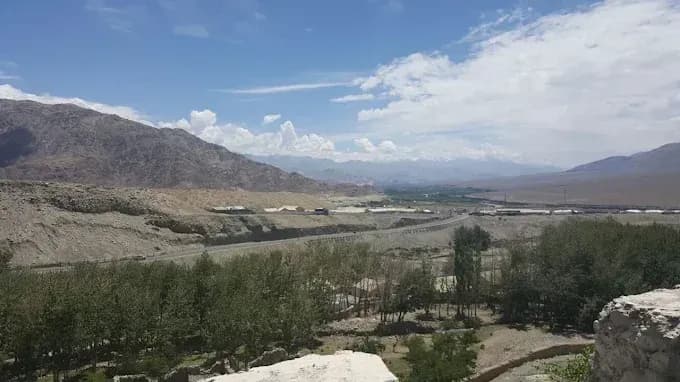
Opened to tourism in 2010, the village offers a rare opportunity to immerse yourself in Balti culture amidst narrow lanes, stone houses, and lush orchards. At an altitude of 3,001 meters (9,846 feet), Turtuk is one of the lowest-altitude villages in Ladakh, providing a milder climate compared to the surrounding high-altitude desert.
How to Reach Turtuk Village
To reach Turtuk, you must first arrive in Leh, which is well-connected to major Indian cities.
- By Air: Kushok Bakula Rimpochee Airport in Leh receives direct flights from Delhi, Mumbai, Srinagar, Chandigarh, and Jammu. From Leh, you can hire a private cab or take a shared taxi to Nubra Valley.
- By Road: You can reach Leh via the Manali-Leh highway or the Srinagar-Leh highway. Once in Leh, the journey to Turtuk via Khardung La and Diskit takes approximately 8–9 hours.
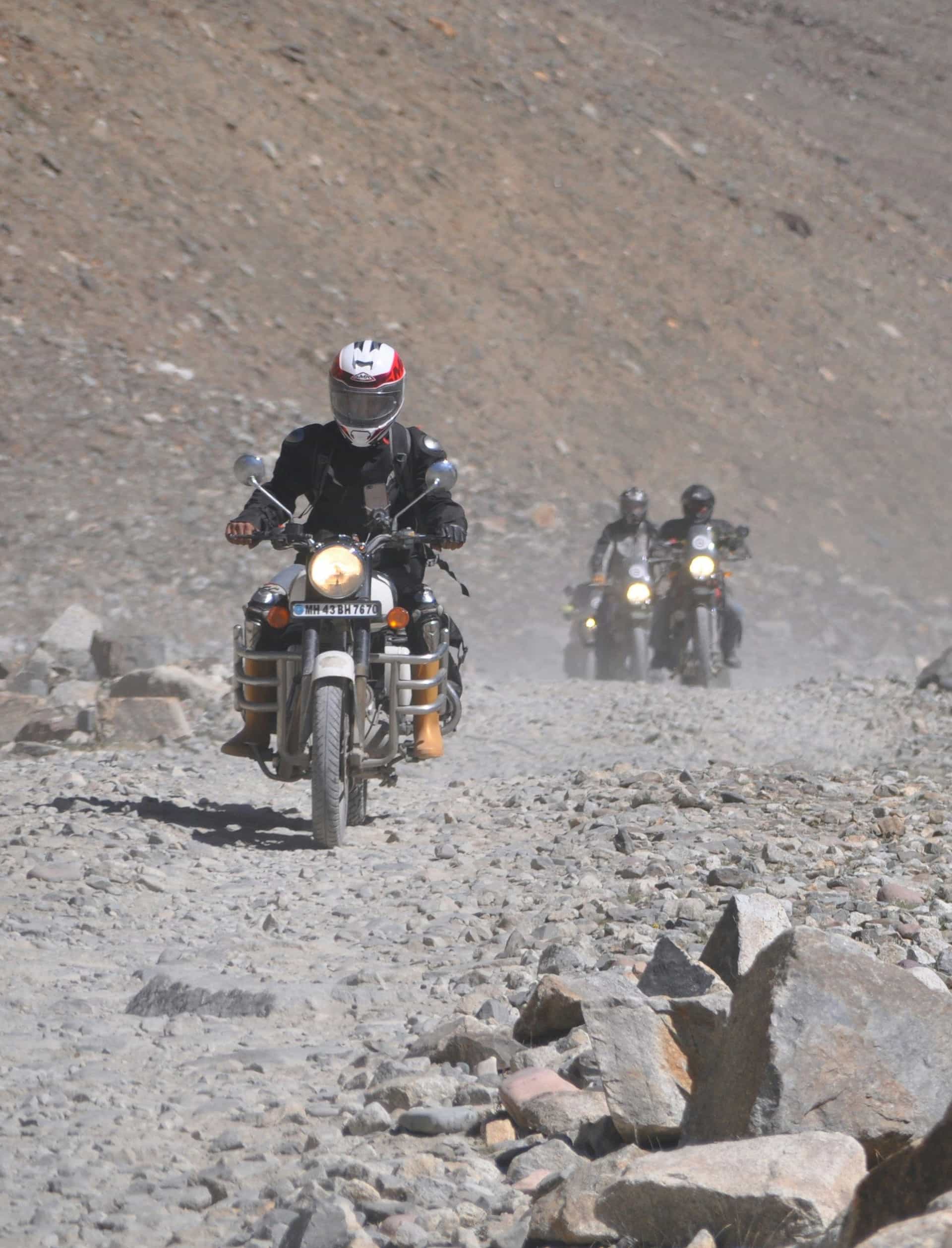
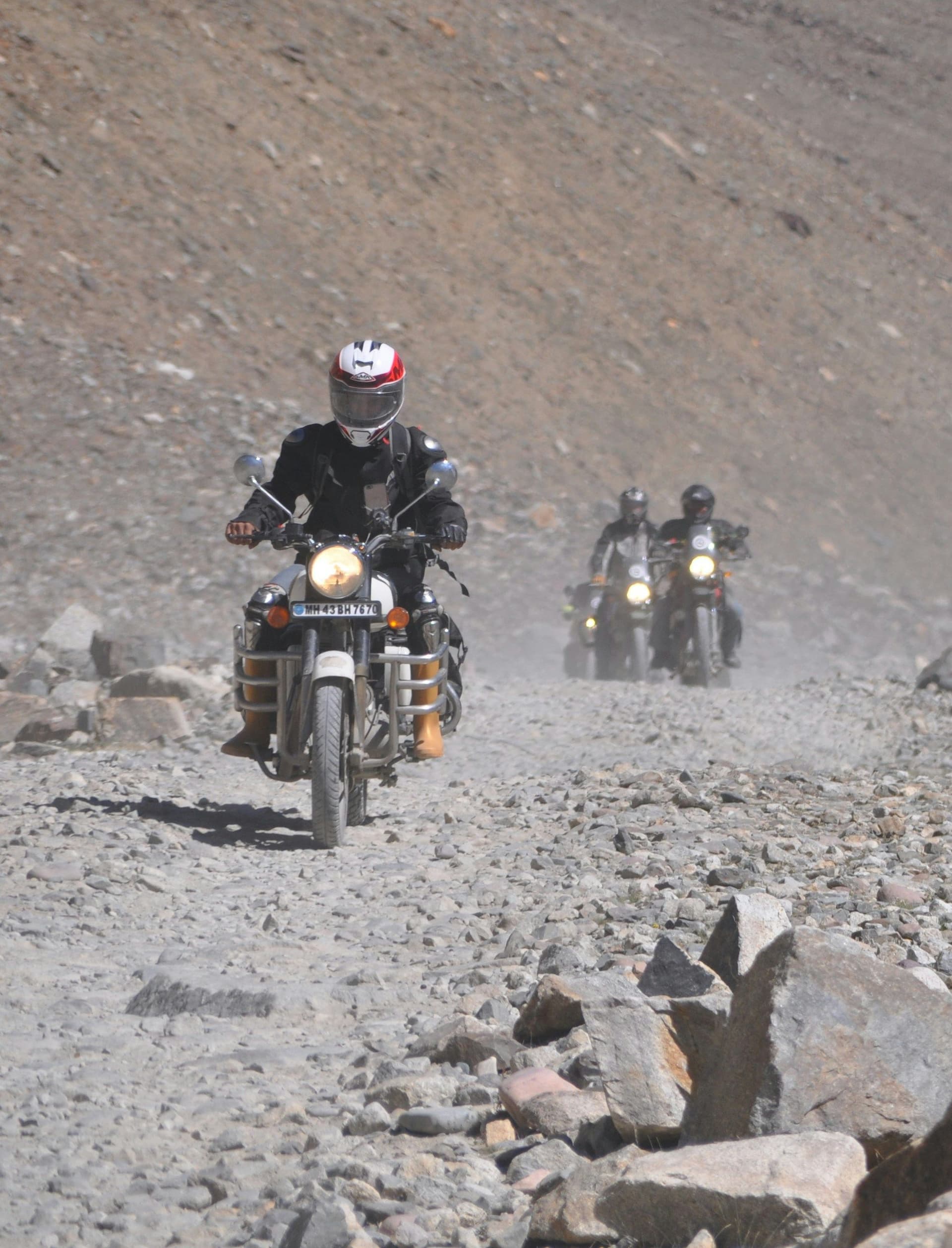
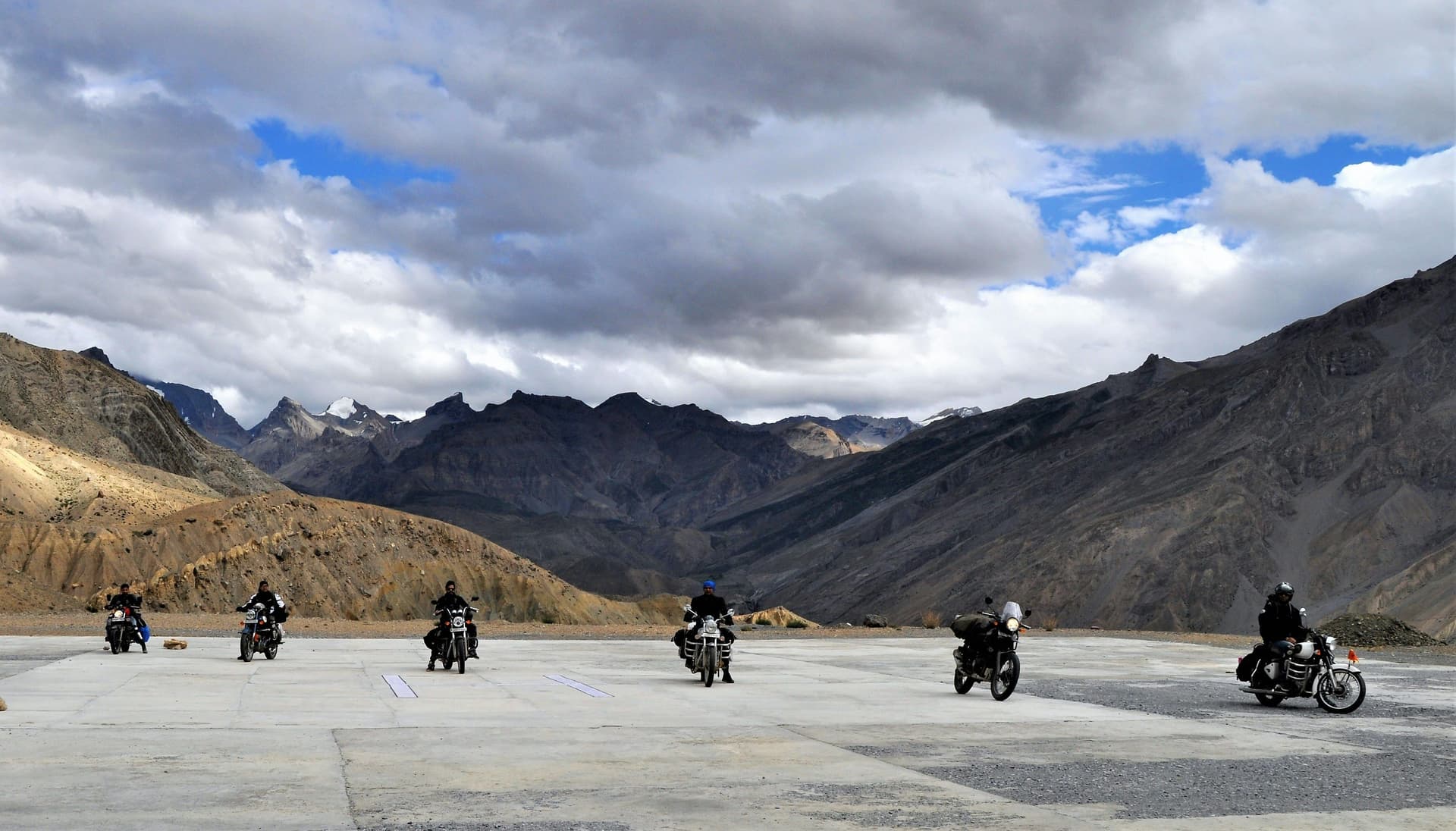
- By Bike: Renting a bike in Leh is a popular choice for adventurers seeking to navigate the rugged terrain of the Nubra Valley.
Best Time to Visit Turtuk Village
The summer months are the most favorable for visiting, as the village transforms into a green paradise against the backdrop of barren mountains.
- Summer (May to June): This is the ideal time to visit. Roads are accessible, and the weather is pleasant, with temperatures ranging from 5°C to 10°C. It is also the best time to witness apricot blooms.
- Monsoon (July to September): The village is less crowded during this period. This is the best season to see lush green fields and trees laden with ripe apricots.
- Winter (October to March): Temperatures frequently drop below zero, ranging from -6°C to 22°C. Most guesthouses and homestays remain closed during this time due to the extreme cold.
Key Attractions and Activities
Cultural Immersion
The people of Turtuk are Muslim Baltis, and their heritage is a unique mix of Tibetan, Central Asian, and Ladakhi influences.
- Balti Heritage House and Museum: This site showcases ancient artifacts, traditional attire, and historic photographs that depict the rich Balti customs and language.
- Brokpa Fort: A visit to this fort offers insights into the tribal norms and legacy of the Brokpas, dating back thousands of years.
Natural Beauty
- Shyok River: Often called the "River of Death" due to its unpredictable currents, walking along its turquoise waters provides a serene contrast to the rugged brown valley.
- Apricot Orchards: Known as the "Apricot Capital of India", visitors can explore the orchards and purchase organic apricots, jams, and walnuts as souvenirs.
- Turtuk Waterfall: A popular trekking destination that offers refreshing views of the cascading water and the surrounding Karakoram range.
Nearby Places to Explore
- Thang Village: Located just 2 km from the Line of Control (LoC), Thang offers a direct view of Pakistani villages and army posts.
- Diskit Monastery: The oldest and largest monastery in Nubra Valley, famous for its 108 ft Maitreya Buddha statue facing the Shyok River.
- Hunder: Famous for its cold desert sand dunes and double-humped Bactrian camels.
- Panamik Hot Springs: Located 150 km from Turtuk, these sulfur-rich springs are believed to have medicinal properties.
Essential Travel Tips
- Permits: An Inner Line Permit (ILP) is mandatory for Indian travelers, while foreign tourists require a Protected Area Permit (PAP).
- Acclimatization: Spend at least one day in Leh to acclimatize before heading to the higher altitudes of the Nubra Valley.
- Connectivity and Cash: Mobile networks are non-existent or extremely weak, and there are no ATMs in the village; carry sufficient cash from Leh.
- Photography: Respect local privacy and always ask for permission before taking photographs of the residents.
Frequently Asked Questions
Can you see Pakistan from Turtuk? While you can see the high-altitude peaks of Pakistan-administered Baltistan, a direct view of Pakistani villages is best experienced from the nearby Thang Village, which is closer to the Line of Control.
Is K2 visible from Turtuk? K2 is not visible from Turtuk, as it is located approximately 140 km away and is blocked by the high peaks of the Karakoram range.
Where should I stay in Turtuk? Turtuk offers various homestays, guesthouses, and luxury camps, such as Maha Guest House and Turtuk Holiday, which provide a chance to experience authentic Balti hospitality.