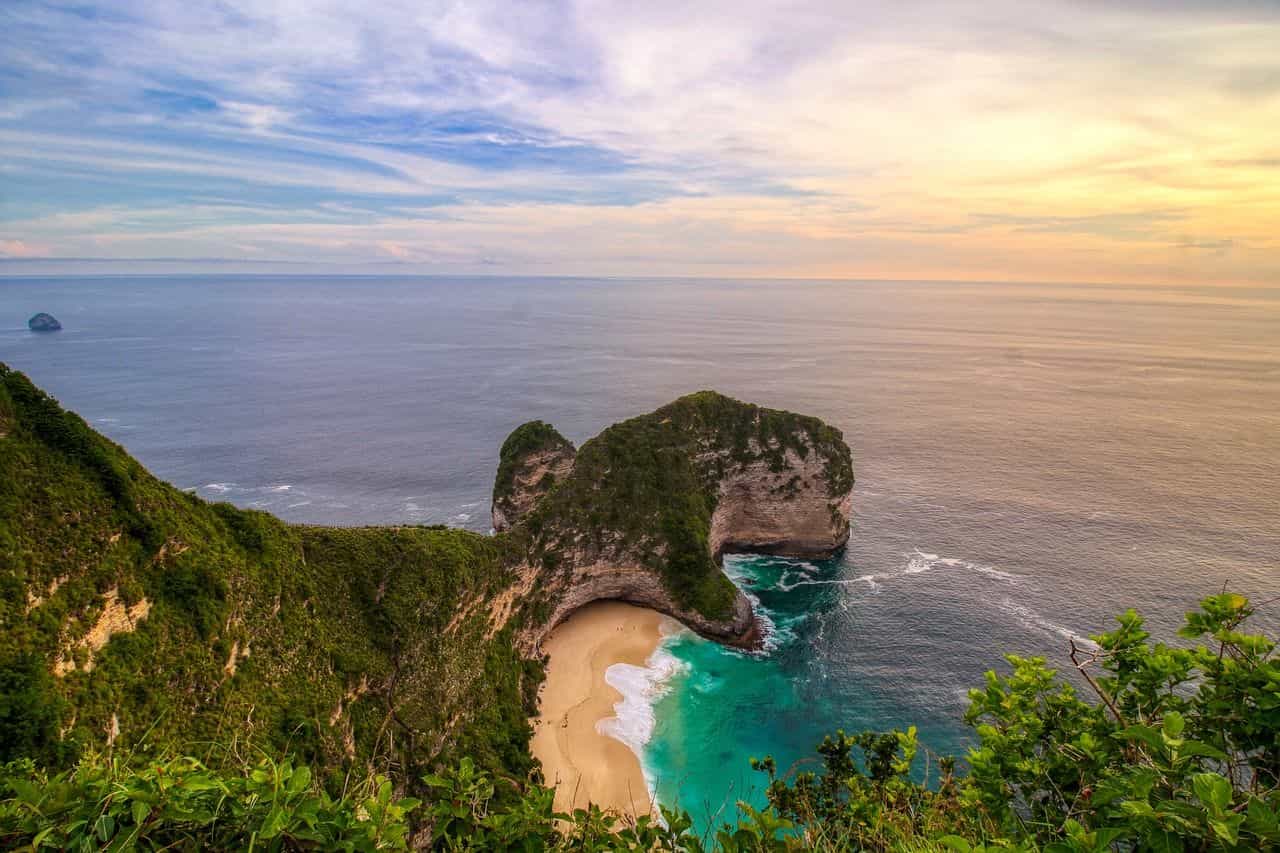
Planning a Bali itinerary often seems straightforward until you arrive and realize how much time can disappear in traffic. While Bali looks relatively compact on a map, moving between popular regions can easily consume several hours each day if your route is not planned carefully.
Many travelers make the mistake of choosing a single base and attempting long day trips across the island. The result is more time spent in vehicles and less time enjoying Bali itself.
A smarter approach is to move gradually through the island instead of repeatedly crossing it. This 10-day Bali itinerary follows a North-to-East travel flow that reduces unnecessary driving, minimizes travel fatigue and allows you to experience different sides of Bali at a more comfortable pace.
If you're still planning your overall trip, start with our Bali Travel Guide for a complete overview of the island.
Before You Start: Bali Arrival Essentials
Before beginning your Bali itinerary, take care of a few important travel requirements.
Bali Tourist Levy
International visitors are required to pay Bali's tourist levy.
Key points:
- IDR 150,000 per person
- Can be paid online before arrival
- Keep the payment confirmation accessible
- Tourism officers may occasionally request proof of payment at selected attractions
Completing this before arrival helps avoid unnecessary delays during your trip.
Arrival Preparation Checklist
Before departure, ensure you have:
- A valid passport
- Visa documentation if required
- Bali Tourist Levy confirmation
- Arrival declaration requirements completed
- Airport transfer arrangements confirmed
Preparing these in advance helps create a smoother arrival experience.
Why Many Bali Itineraries Feel Rushed
A common Bali itinerary follows a simple pattern:
- Stay in one location
- Take daily trips across the island
- Return to the same hotel every evening
While convenient in theory, this often leads to:
- Long travel days
- Increased traffic exposure
- Less time exploring destinations
- Travel fatigue
A route-based itinerary solves many of these problems by working with Bali's geography rather than against it.
Why the North-to-East Route Works Better
Instead of constantly backtracking, this route moves through three complementary regions:
- Uluwatu
- Sidemen
- Amed
Each destination naturally connects to the next, reducing unnecessary travel and allowing more time for experiences.
Feature | Traditional One-Base Trip | North-to-East Flow |
| Daily Driving Time | 4–6 Hours | 1–2 Hours |
| Traffic Exposure | High | Lower |
| Travel Pace | Fast | Relaxed |
| Overall Experience | Rushed | Balanced |
The result is a more enjoyable and less stressful Bali trip.
Why This Route Works Better Than Staying in One Area
Many first-time visitors choose a single base such as Ubud, Seminyak or Canggu and then attempt day trips across the island.
While this can work for shorter holidays, it often means spending several hours on the road each day. Popular attractions may appear close together on a map, but Bali's traffic can significantly increase travel times.
The North-to-East Flow takes a different approach. Instead of returning to the same hotel every night, travelers gradually move across the island, allowing each region to be experienced more deeply while reducing unnecessary driving.
The result is a trip that feels less rushed and more immersive.
Why These Three Regions Work So Well Together
Region | Best For |
| Uluwatu | Beaches, cliffside sunsets, coastal scenery |
| Sidemen | Rice terraces, traditional villages, slow travel |
| Amed | Snorkeling, diving, quiet coastal experiences |
| Ubud | Culture, cafés, shopping, day trips |
| Seminyak / Canggu | Nightlife, restaurants, beach clubs |
This combination creates a balanced itinerary that includes Bali's coastline, countryside and eastern shore without constantly crossing the island.
Route Logistics: Travel Times Between Regions
One of the biggest advantages of this itinerary is that each transfer is manageable and purposeful.
Route | Approximate Travel Time |
| Airport → Uluwatu | 45–60 Minutes |
| Uluwatu → Sidemen | 2–3 Hours |
| Sidemen → Amed | 1.5–2 Hours |
| Amed → Airport | 3–4 Hours |
Rather than repeatedly crossing Bali, travelers gradually move across the island, reducing cumulative travel time throughout the trip.
Who Is This Bali Route Best For?
This itinerary works especially well for:
- First-time Bali visitors
- Couples and honeymooners
- Slow-travel enthusiasts
- Travelers seeking a balance of beaches, culture, and relaxation
- Visitors wanting to avoid excessive driving
This route may be less suitable for travelers focused primarily on nightlife or those visiting Bali for fewer than five days.
Overview of the 10-Day Bali Itinerary
This route is designed to move logically across Bali while keeping transfer days manageable.
Days 1–3: Uluwatu
Start your journey on Bali's southern peninsula, where dramatic cliffs, beaches and sunsets provide a relaxed introduction to the island.
Days 4–6: Sidemen
Move inland to experience rice terraces, village life and a quieter side of Bali away from the busiest tourist hubs.
Days 7–10: Amed
Finish on Bali's eastern coastline with snorkeling, diving, fishing villages and a slower pace that allows you to unwind before returning home.
Together, these destinations create a route that balances sightseeing, culture, nature and relaxation while minimizing unnecessary travel time.
Days 1–3: Uluwatu — A Relaxed Start to Your Bali Itinerary
Uluwatu is one of the easiest places to begin a Bali trip after arriving at Ngurah Rai International Airport.
What to Experience
- Uluwatu Temple
- Kecak Fire Dance
- Cliffside sunset viewpoints
- Oceanfront cafés
- Surf beaches and scenic lookouts
Why Uluwatu Works First
Beginning your trip here minimizes immediate travel time after arrival and allows you to settle into Bali before moving inland.
Travelers interested in contemporary cafés, beach clubs and design-focused spaces may also enjoy Bali's modern lifestyle experiences.
Days 4–6: Sidemen — Bali's Peaceful Highlands
Sidemen offers a quieter alternative to Bali's more visited destinations.
What to Experience
- Rice terrace walks
- Traditional weaving villages
- Mount Agung viewpoints
- Local cafés surrounded by nature
- Village life and cultural experiences
Why Sidemen Works in the Middle
Sidemen acts as a natural bridge between southern Bali and the eastern coastline while offering a slower pace of travel.
Travelers seeking less crowded destinations should also explore Bali's quiet alternatives.
Days 7–10: Amed — Ending with Coastal Calm
Amed provides a relaxing conclusion to the journey.
What to Experience
- Snorkeling and diving
- Sunrise views
- Traditional fishing villages
- Black-sand beaches
- Fresh seafood restaurants
Why Amed Works as the Final Stop
Rather than ending your trip in Bali's busiest areas, Amed allows you to slow down and enjoy a more peaceful atmosphere before returning home.
Should You Use a Scooter for This Route?
Many travelers rent scooters in Bali, but it is important to understand where they work best.
Scooters Are Ideal For
- Exploring Uluwatu locally
- Discovering Sidemen's villages
- Short trips around Amed
For Regional Transfers
Long-distance transfers between Uluwatu, Sidemen, and Amed are often more comfortable with a private driver.
Benefits include:
- Reduced fatigue
- Better luggage handling
- Improved comfort
- Less stress navigating unfamiliar roads
For most visitors, drivers are the easiest option for transfer days.
How This Route Helps You Avoid Bali Traffic
Traffic is one of Bali's most common travel frustrations.
The North-to-East Flow reduces traffic exposure by eliminating repeated cross-island journeys.
Instead of returning to the same base every night, travelers move progressively across the island.
Benefits include:
- Less time in vehicles
- More time at destinations
- Fewer early departures
- A more relaxed travel experience
This is one of the simplest ways to make a Bali itinerary feel significantly smoother.
Why Not Use Ubud as a Single Base?
Ubud is one of Bali's most popular destinations and remains a great choice for travelers interested in culture, cafés and shopping.
However, many visitors underestimate how much time can be spent traveling back and forth from Ubud to other parts of the island.
For example:
- Ubud to Uluwatu can take several hours each way during busy periods.
- Ubud to Amed is a long day trip that often feels rushed.
- Repeated cross-island journeys can quickly become tiring.
The North-to-East Flow reduces this problem by allowing travelers to stay closer to the experiences they want to enjoy rather than commuting across Bali every day.
Is This the Right Bali Itinerary for You?
This route is ideal if you:
- Prefer fewer long driving days
- Enjoy slower and more immersive travel
- Want a balance of beaches, nature, and culture
- Are visiting Bali for around 10 days
- Prefer quieter destinations over busy nightlife hubs
You may prefer a different itinerary if your trip focuses primarily on nightlife, surfing or luxury resort stays concentrated in one area.
Final Thoughts
The North-to-East Flow offers a practical alternative to traditional Bali itineraries by reducing travel time, minimizing traffic frustration and helping travelers experience each destination more fully.
By starting in Uluwatu, continuing through Sidemen and ending in Amed, you create a route that naturally balances beaches, culture, scenery and relaxation.
If you'd rather have the logistics planned for you, you can also explore our Bali Tour Packages, many of which follow similar principles of balanced routing and comfortable travel.
Travel slowly, move strategically and allow Bali to reveal itself one region at a time.