Thailand is a destination that can be enjoyed throughout the year, but the overall experience changes significantly depending on when you visit. Weather conditions, crowd levels, festival calendars, pricing and even air quality vary from season to season. Choosing the right time to travel is therefore one of the most important planning decisions you can make.
Some travellers look for perfect beach weather, others prefer quieter months with lower hotel prices, while many plan their trip around iconic festivals. The good news is that every season offers something different if you understand how Thailand’s climate works.
If you are planning a complete itinerary, start with our Thailand travel guide to understand destinations, travel styles and route planning before deciding the best season for your trip.
This guide explains the best time to visit Thailand based on weather patterns, regional differences, travel style and seasonal experiences so you can confidently choose the right months for your journey.
Quick Answer: When Is the Best Time to Visit Thailand?
For most travellers, the best time to visit Thailand is from November to February, when temperatures are cooler, humidity is lower and conditions are ideal for sightseeing and island travel.
However, Thailand remains travel-friendly throughout the year. The “best” time ultimately depends on whether you prefer perfect weather, fewer crowds or better travel value.
Which Month Should You Choose? (Quick Decision Guide)
If you want a fast recommendation:
- Best overall weather: November to February
- Fewer crowds: May to June
- Festival experiences: April and November
- Budget-friendly travel: May to September
- Best atmosphere for photography: November
This quick overview helps narrow your choices before exploring the detailed season breakdown.
Thailand’s Seasons Explained
Thailand has a tropical climate that can be broadly divided into three seasons. Understanding how each season actually feels helps avoid unrealistic expectations.
Cool & Dry Season (November to February)
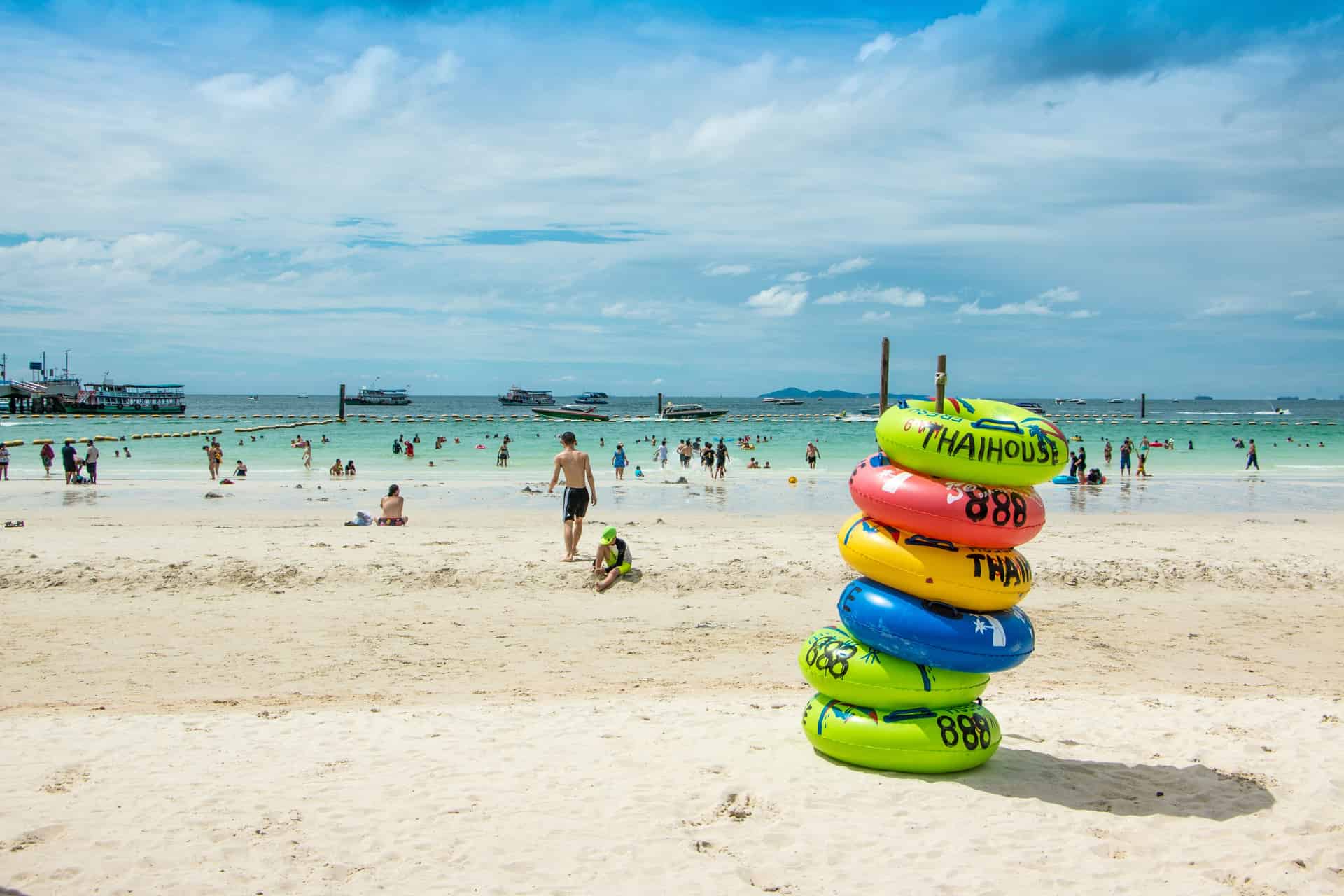
This is the most popular period for travel. Temperatures are comfortable, humidity is manageable, and many regions experience clear skies. Beaches look their best, island transfers are smoother and city sightseeing becomes more pleasant.
Because of the favourable weather, this is also peak tourist season. Flights and hotels tend to be more expensive, especially around holiday periods. First-time visitors usually find this season the most predictable and comfortable.
Hot Season (March to May)
Temperatures rise noticeably across the country during these months, especially in inland cities like Bangkok. Coastal destinations can feel more comfortable thanks to sea breezes, but afternoons often become intense.
2026 Heat Advisory:
Forecasts suggest a stronger hot season, with temperatures in some areas feeling extreme during peak afternoon hours.
Practical tip:
Plan outdoor sightseeing early in the morning or after sunset and prioritise hotels with strong air-conditioning during this period.
This season is still popular because it includes Thailand’s biggest cultural celebrations.
Green or Rainy Season (June to October)
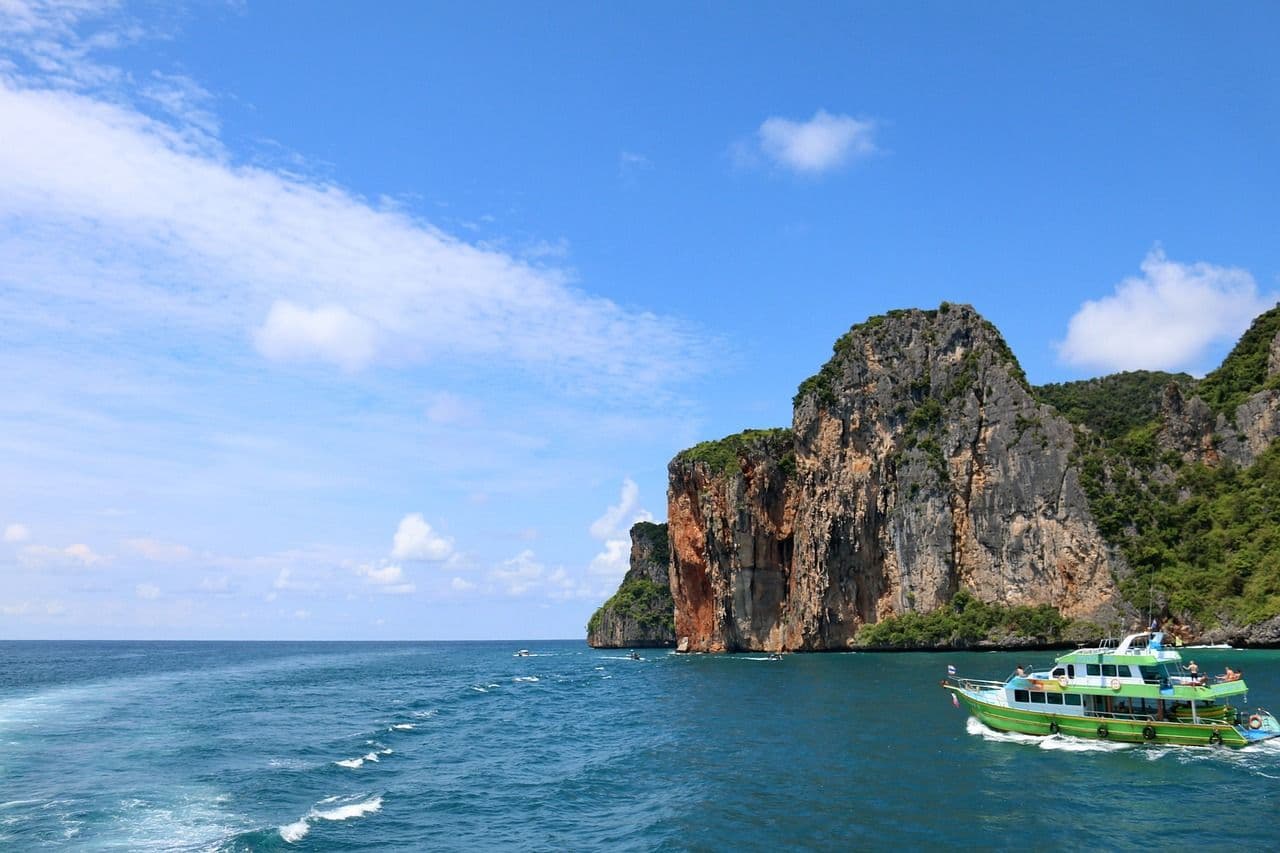
The rainy season is often misunderstood. Instead of constant rain, many destinations experience short but heavy showers followed by sunshine. Landscapes turn greener, waterfalls become more impressive and crowds reduce significantly.
This is an attractive period for travellers who prioritise value and flexibility. Hotel prices are often lower, and popular destinations feel calmer compared to peak months.
The Coast-Switching Strategy (Pro Travel Tip)
One of the smartest ways to plan a Thailand trip is to choose your coastline based on the season.
Travel Month | Best Coast to Visit | Why |
| May – Sept | Gulf Coast (Koh Samui, Koh Tao) | Lower rainfall than Andaman coast |
| Nov – April | Andaman Coast (Phuket, Krabi) | Calm seas and ideal beach conditions |
| Oct – Nov | Inland cities | Great for culture and sightseeing |
Many experienced travellers simply switch coasts instead of avoiding Thailand during rainy periods.
Major Thailand Festivals (2026)
Festival tourism plays a big role in travel planning because these events can completely change the atmosphere of a trip.
Songkran (Water Festival): April 13–15, 2026
In cities like Bangkok and Chiang Mai, celebrations often extend from April 11–16, turning entire streets into water festivals.
Yi Peng Lantern Festival (Chiang Mai): November 24–25, 2026
Known for stunning lantern releases, this is one of Thailand’s most photographed events.
Loy Krathong (Festival of Lights): November 25, 2026
Celebrated nationwide with floating candle offerings on rivers and lakes.
Booking early is recommended if travelling during these festivals.
Northern Thailand Burning Season (Important Planning Tip)
Between mid-February and early April, parts of Northern Thailand can experience haze caused by agricultural burning. This period often surprises travellers who are not aware of seasonal air quality changes.
Practical advice:
Check daily air quality using apps like IQAir. If AQI levels rise above 150, many travellers choose to shift plans toward southern islands where sea breezes usually keep air clearer.
Being aware of this seasonal factor helps avoid one of the most common travel regrets.
Month-by-Month Travel Snapshot
January: Excellent weather nationwide and peak travel conditions.
February: Comfortable weather plus Chinese New Year celebrations make Bangkok especially vibrant.
March: Hot season begins, temperatures rise quickly.
April: Hottest month and home to Songkran water festival.
May: Early green season brings quieter travel and better hotel rates.
June: Landscapes become greener with occasional showers.
July: Mix of sunshine and rain, fewer tourists overall.
August: Budget-friendly period with relaxed atmosphere.
September: Rainiest month in some regions but manageable for flexible travellers.
October: Transition month with improving conditions.
November: Start of peak season and ideal festival atmosphere.
December: Cool, dry weather and festive travel energy.
Best Time to Visit Thailand by Travel Style
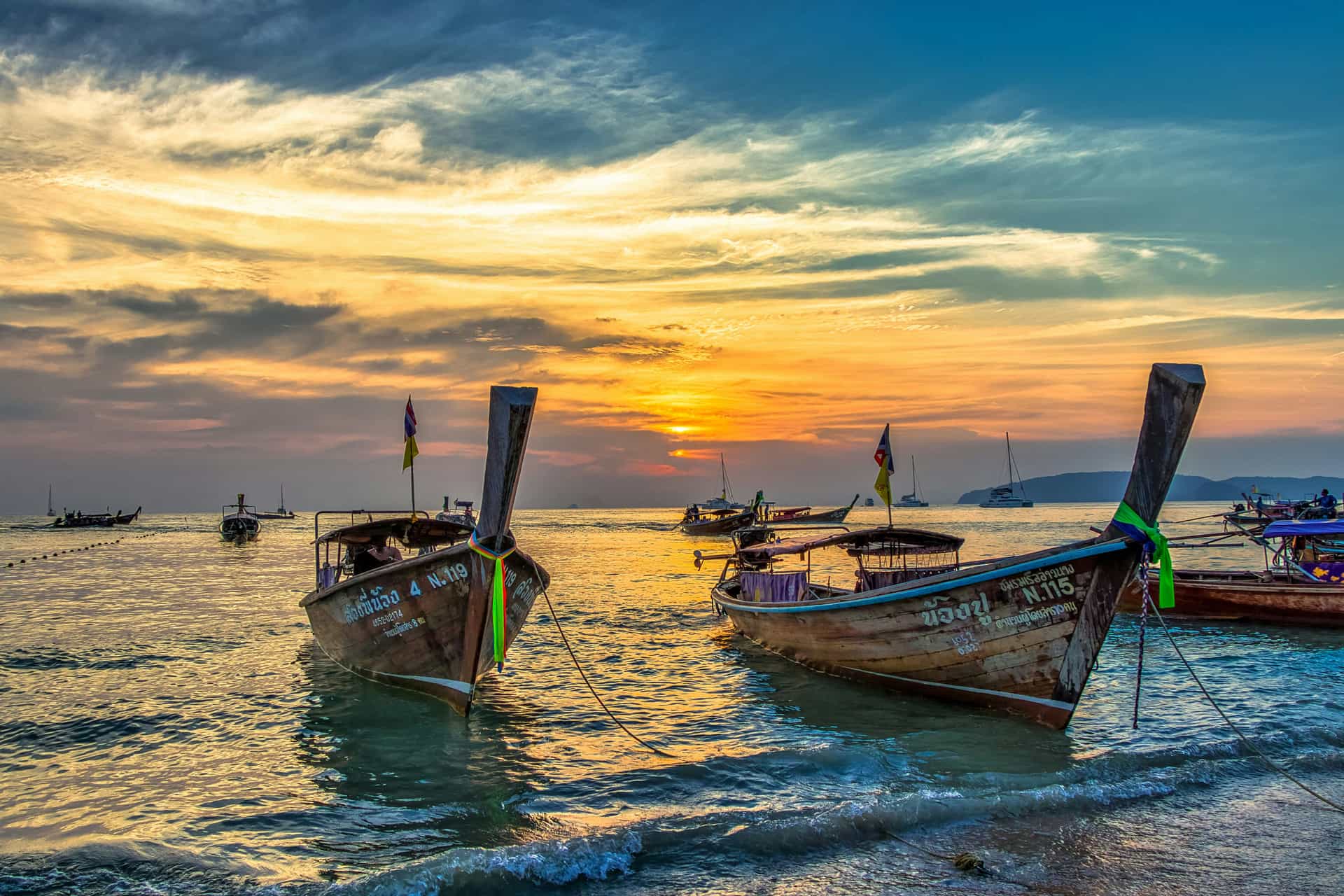
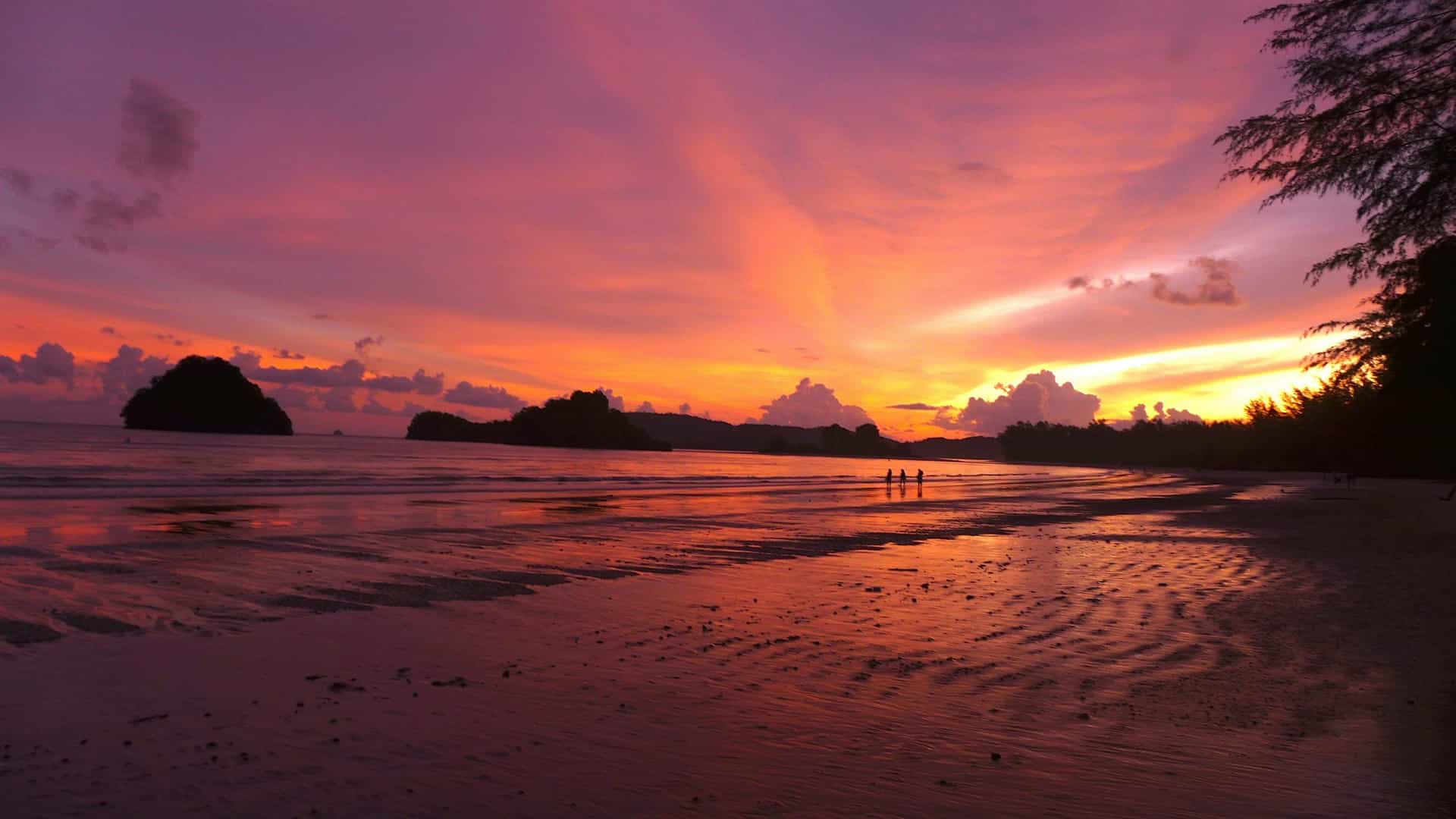
Romantic travellers often prefer November to February for comfortable evenings and beautiful beach sunsets. Families usually choose the same months because the weather conditions are easier with children. Budget travellers may enjoy green season months when accommodation prices drop, while cultural travellers often plan around April and November festivals for a more immersive experience.
Expert Travel Insight
Many experienced travellers choose their travel dates first and then select destinations that match the season, rather than choosing destinations first. This simple adjustment often creates smoother itineraries and better overall travel experiences.
Final Thoughts
The best time to visit Thailand depends less on finding a single perfect month and more on matching your travel goals with seasonal conditions. Peak season offers easy weather and energy, while quieter months bring better value and a more relaxed pace.
Understanding weather patterns, festivals and regional differences helps you plan smarter and enjoy Thailand regardless of when you travel.