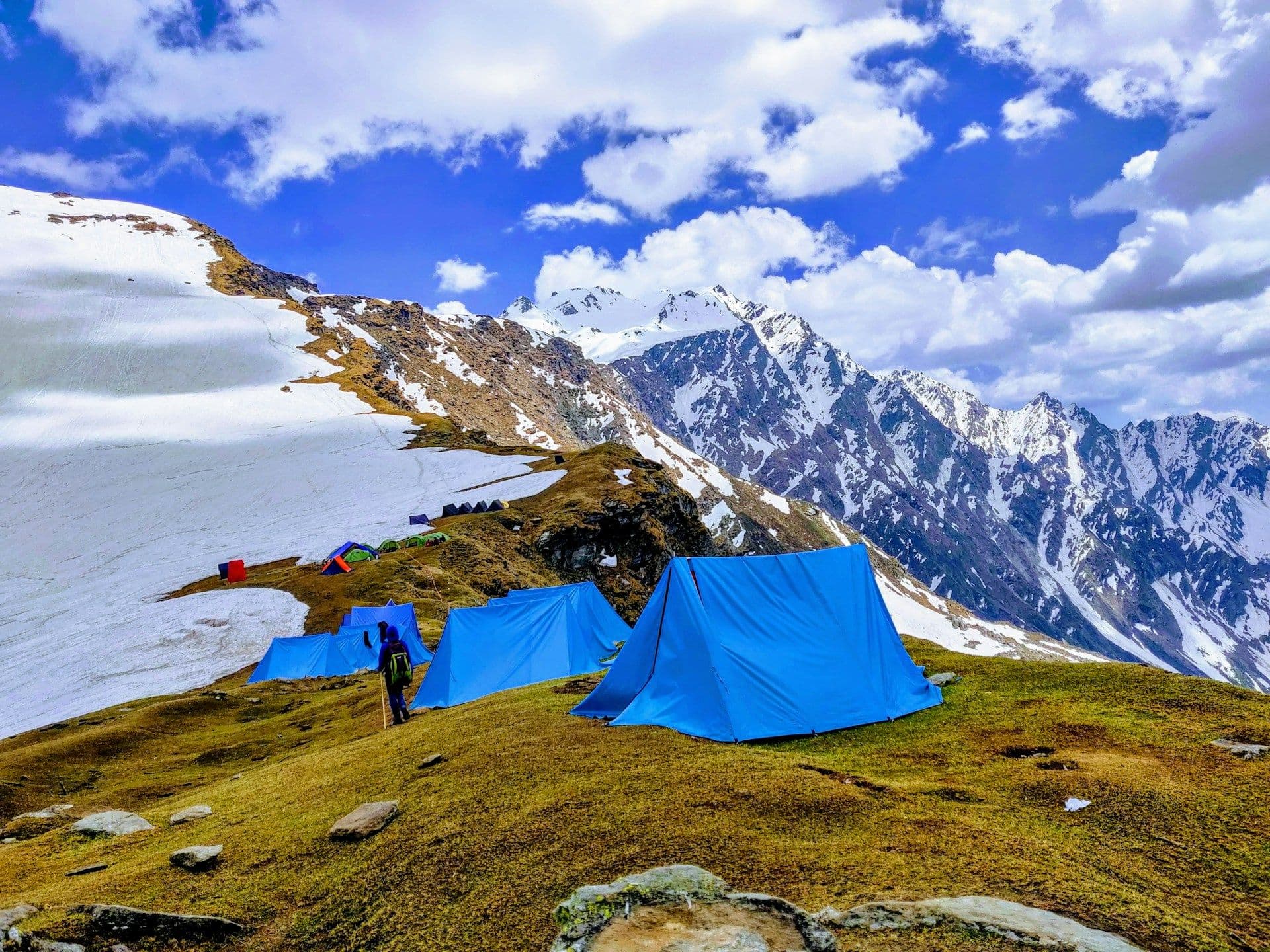
Kasol is one of those places that almost every Himachal traveler considers at some point.
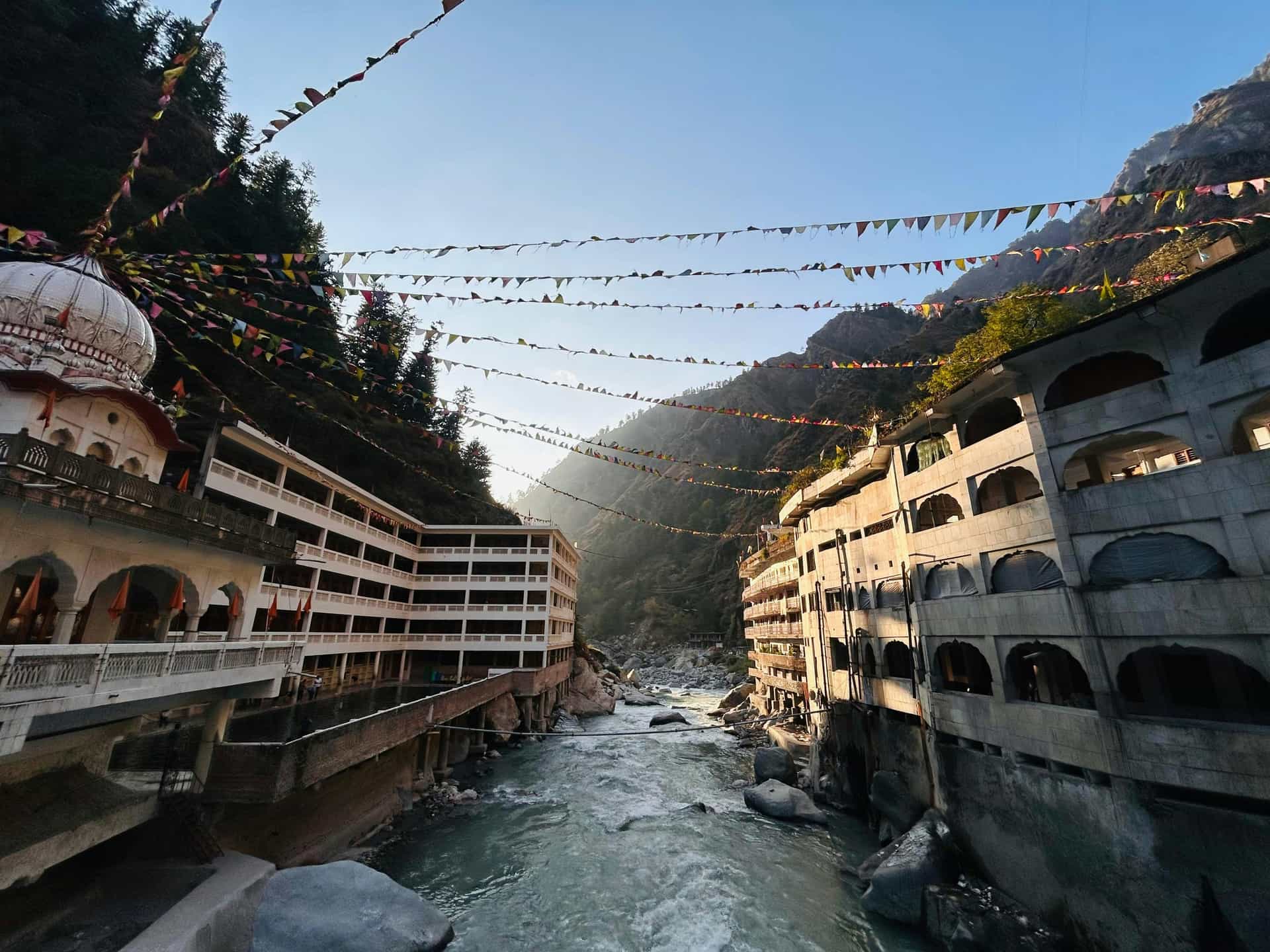
It is no longer just a quiet backpacker stop. It has grown into a major gateway to the Parvati Valley, known for its cafés, river views and easy access to nearby villages and treks.
What makes Kasol interesting today is the contrast it offers. One part feels busy and social, while just a short walk away, the pace slows down completely and the surroundings feel calm and isolated.
This guide helps you understand what Kasol is really like right now, so your trip feels like a well-planned escape instead of a crowded stop.
For many travelers, Kasol becomes their first introduction to backpacking culture in Himachal Pradesh before exploring destinations like Manali, Bir Billing or Tirthan Valley.
Quick Answer (For Fast Planning)
- Best for café culture, social vibe, and short mountain trips
- Ideal duration 2 to 3 days, 4 days if you explore nearby villages
- Budget usually ranges between ₹4,000 to ₹12,000+, depending on your travel style, stay preferences and whether you combine Kasol with other Himachal destinations.
- Nearby places Grahan, Chalal, Tosh, Manikaran
Reality Checklist
Before planning your trip, it helps to understand a few important changes that many older blogs do not mention.
Feature | 2026 Reality | What It Means for You |
| Kheerganga | Camping banned | Plan it as a day trek |
| Malana | Strict rules | No touching locals or property |
| Network | Strong in Kasol | Weak or no signal in villages |
| Waste rules | Strict enforcement | Carry reusable bottles |
These details might seem small, but they can directly affect your experience. Tirthan is usually preferred by travelers looking for riverside stays, quieter cafés and less crowd.
What Kasol is Really Like
Kasol is not a destination where you follow a fixed itinerary or move from one attraction to another.
The experience here is shaped by how you spend your time. You might start your day sitting by the Parvati River, take a slow walk through the market and end it in a café overlooking the mountains. There is no pressure to do more, which is what many travelers enjoy.
At the same time, the main market can feel busy, especially during weekends or peak seasons. However, within a short walk toward Chalal or Katagla, the surroundings become quieter and more relaxed.
This shift between crowded and calm is what defines Kasol. Kasol is often the starting point for exploring the larger Parvati Valley region and its nearby villages. If you are confused between café culture and quieter slow travel, this detailed Kasol vs Tirthan comparison can help
Why Visit Kasol
Kasol works best for travelers who want a simple mountain trip without complicated planning.
It offers a mix of accessibility, social energy, and nearby exploration options. You do not need to plan every hour of your day here, which makes it ideal for short and flexible trips.
It is especially popular among:
- first-time Himachal travelers
- Solo travelers looking for community
- small groups planning a quick escape
- people combining work and travel
Unlike Manali, which feels more activity-driven and commercial in some areas, Kasol is usually preferred by travelers looking for a slower and more flexible mountain experience. Travelers looking for a more relaxed and backpacker-oriented experience often compare Kasol with Manali before planning their trip..
Best Time to Visit Kasol
Kasol can be visited throughout the year, but each season offers a different experience.
March to June
This is the most popular time due to pleasant weather and easy access. Expect more crowds.
September to November
This is considered the best time for clear views, balanced weather and fewer tourists.
December to February
Winters are cold, and nearby villages like Tosh may receive snow. The experience is quieter but requires preparation.
July to August
Monsoon season brings heavy rainfall and possible travel disruptions. It is usually not recommended.
If you are still unsure about snowfall, monsoon or peak-season timing, this Himachal weather guide explains seasonal conditions in detail.
If you are planning a longer Himachal circuit beyond Kasol, understanding seasonal conditions across different regions can help you plan your route more efficiently.
Things to Do in Kasol
Kasol is more about how you spend your time than how many places you visit.
You might begin your day with a relaxed breakfast in a café, take a riverside walk in the afternoon and explore nearby villages the next day. The experience is simple, but it becomes memorable when you do not rush it.
- Café hopping is one of the main highlights, with a wide variety of food and ambience
- Walking to Chalal offers a quieter alternative to the main market
- Visiting Grahan gives you a no-road village experience with a slower pace
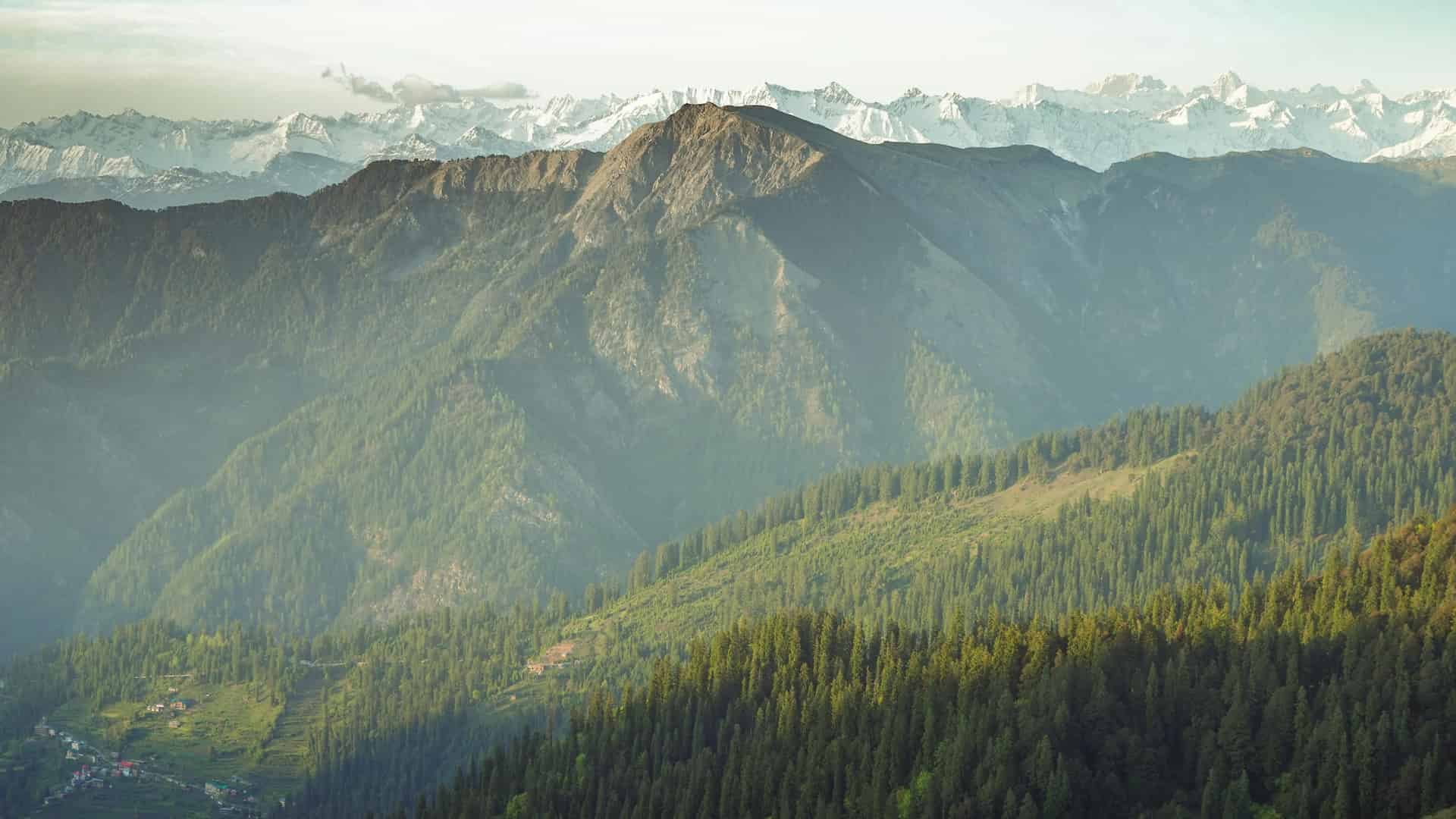
- Exploring Tosh offers scenic mountain views, slower cafés and a quieter atmosphere compared to Kasol market.
- Trekking options like Kheerganga attract beginners
The key is to avoid trying to do everything in a short time. Many travelers also combine Kasol with nearby Himachal destinations instead of visiting only the Parvati Valley.
If Kasol introduces you to Himalayan trekking, more offbeat experiences like the Yulla Kanda trek can feel like a natural next step later in your Himachal journey
Where to Stay in Kasol
Your stay location plays a big role in how your trip feels.
The main market area is convenient but can be crowded. Many travelers prefer staying slightly away from the center in areas like Chalal or Katagla, where the environment is quieter and closer to nature.
Accommodation options include:
- Budget hostels ₹500 to ₹1,000
- Mid-range stays ₹1,500 to ₹3,000
- Riverside stays ₹2,000 and above
Choosing the right location often matters more than choosing the most expensive option.
Food in Kasol
Food is a major part of the Kasol experience.
The café culture here has evolved over time and now includes a mix of international and local influences. You will find Israeli dishes, continental options and simple Indian meals across most cafés.
Meals are not just about eating but about spending time in a relaxed setting, often with views of the river or mountains.
- Café meals ₹200 to ₹500
- Local meals ₹150 to ₹300
Along with Israeli cafés and continental food, trying local Himachali meals adds a different side to the experience.b
What’s Changing in Kasol
Kasol is evolving with changing travel preferences and understanding these shifts helps set the right expectations.
- Workation culture is growing, with more travelers staying longer and working from cafés
- Village stays in places like Grahan and Kalga are becoming more popular than staying in the main market
- There is increased awareness around sustainability and waste management
- Social media often shows a quieter version of Kasol, while the market area can be crowded in reality
Being aware of these trends helps you plan your trip more realistically.
Who Kasol is For
Kasol is a good choice if:
- You enjoy social travel environments
- You prefer flexible plans over strict itineraries
- You like spending time in cafés and nature
Who Kasol is Not For
Kasol may not suit you if:
- You are looking for complete silence
- You prefer remote, untouched locations
- You want a structured sightseeing experience
Important Travel Tips
- avoid peak weekends if possible
- carry some cash for smaller places
- Download offline maps before visiting villages
- respect local rules and environment
Planning Your Trip Smartly
Kasol works best when you keep expectations realistic and avoid overplanning.
Instead of trying to cover too many places, focus on a few experiences and give yourself time to enjoy them.
If you want a structured plan, you can refer to the 3-Day Tirthan + Shangarh itinerary to understand how to balance your trip. If you are planning to combine both regions in one trip, this Kasol-Manali itinerary can help you balance the route properly.
For travelers planning a larger mountain trip beyond Parvati Valley, this Himachal Pradesh travel guide can help structure the route better.