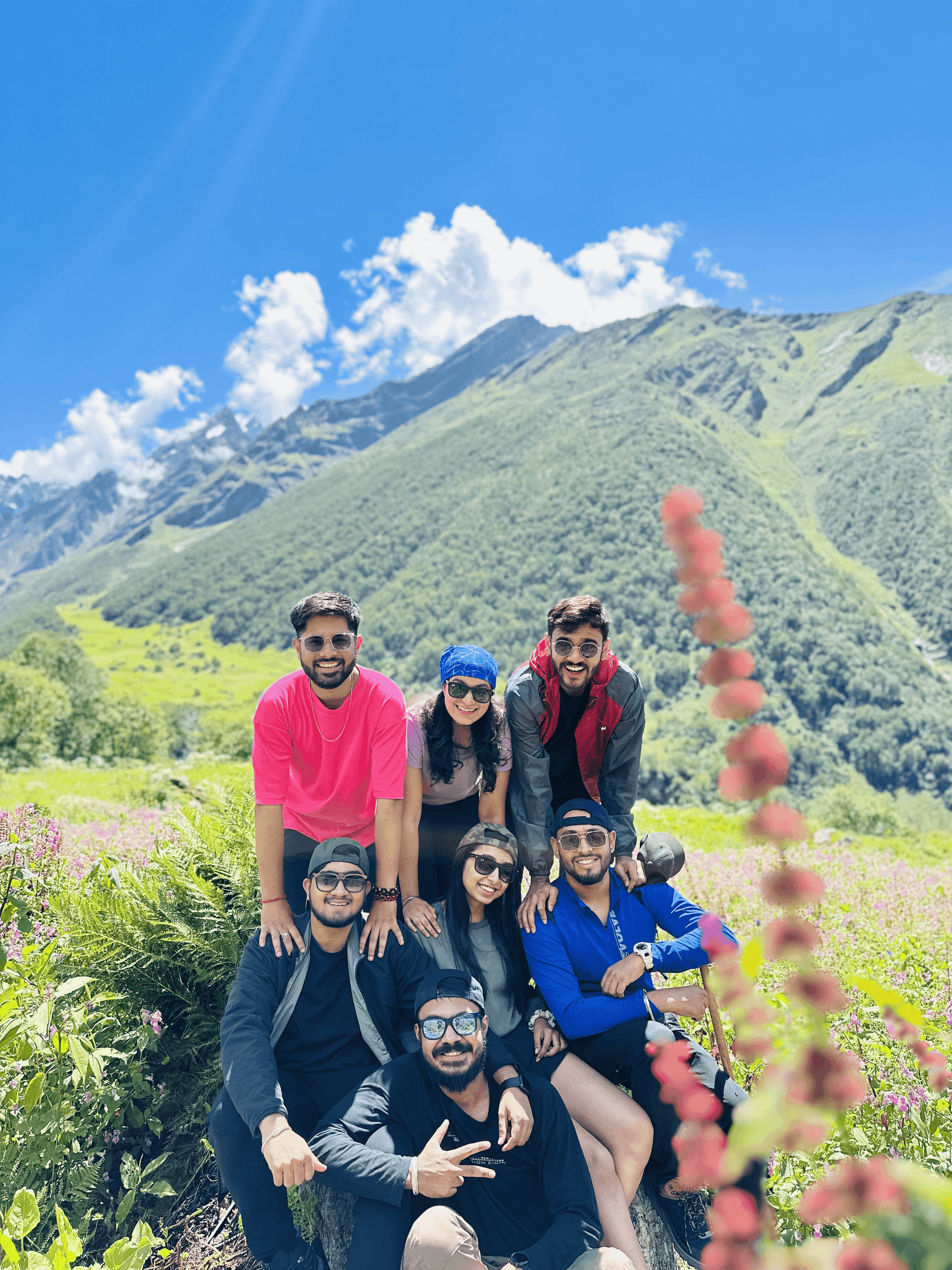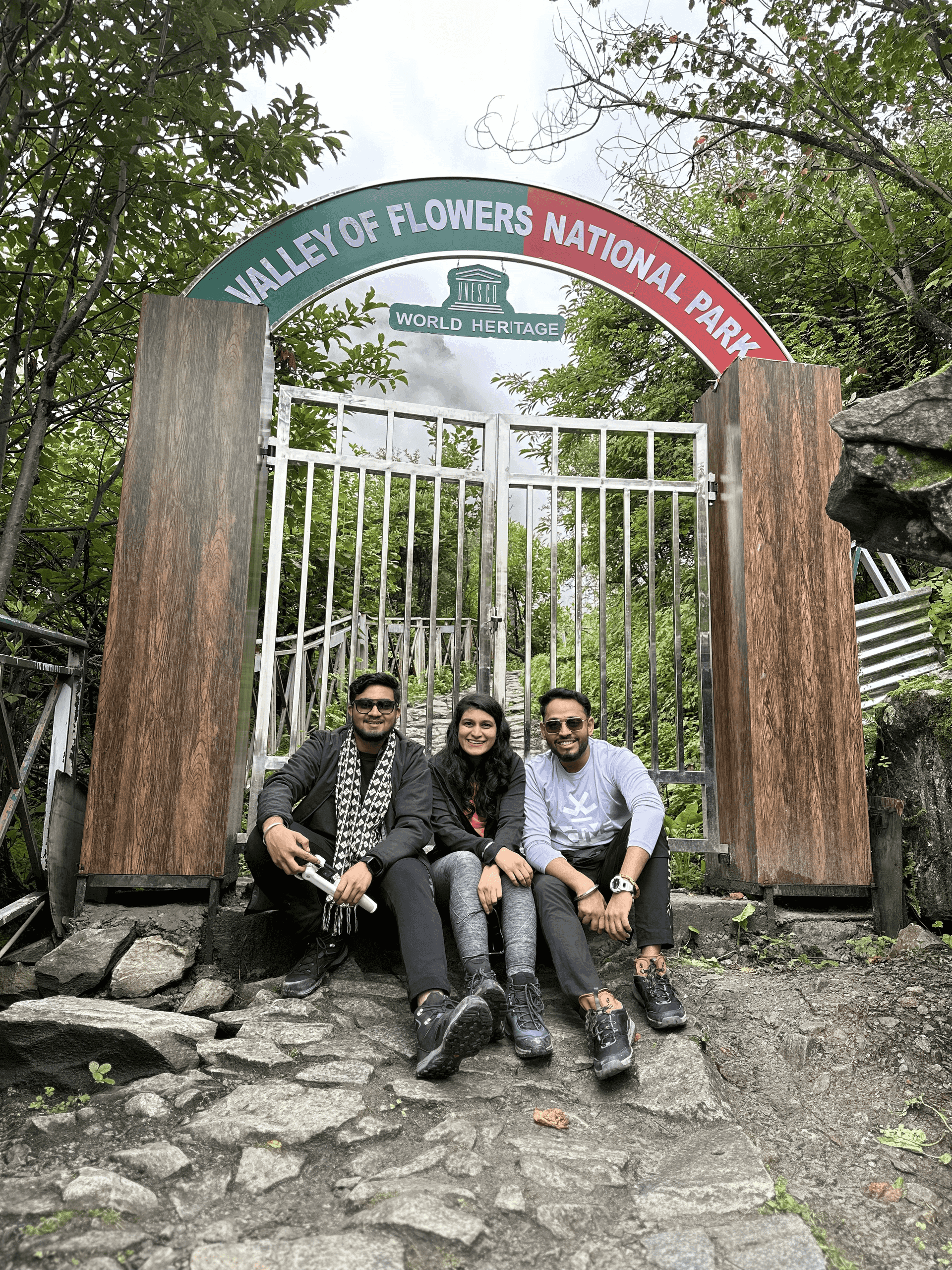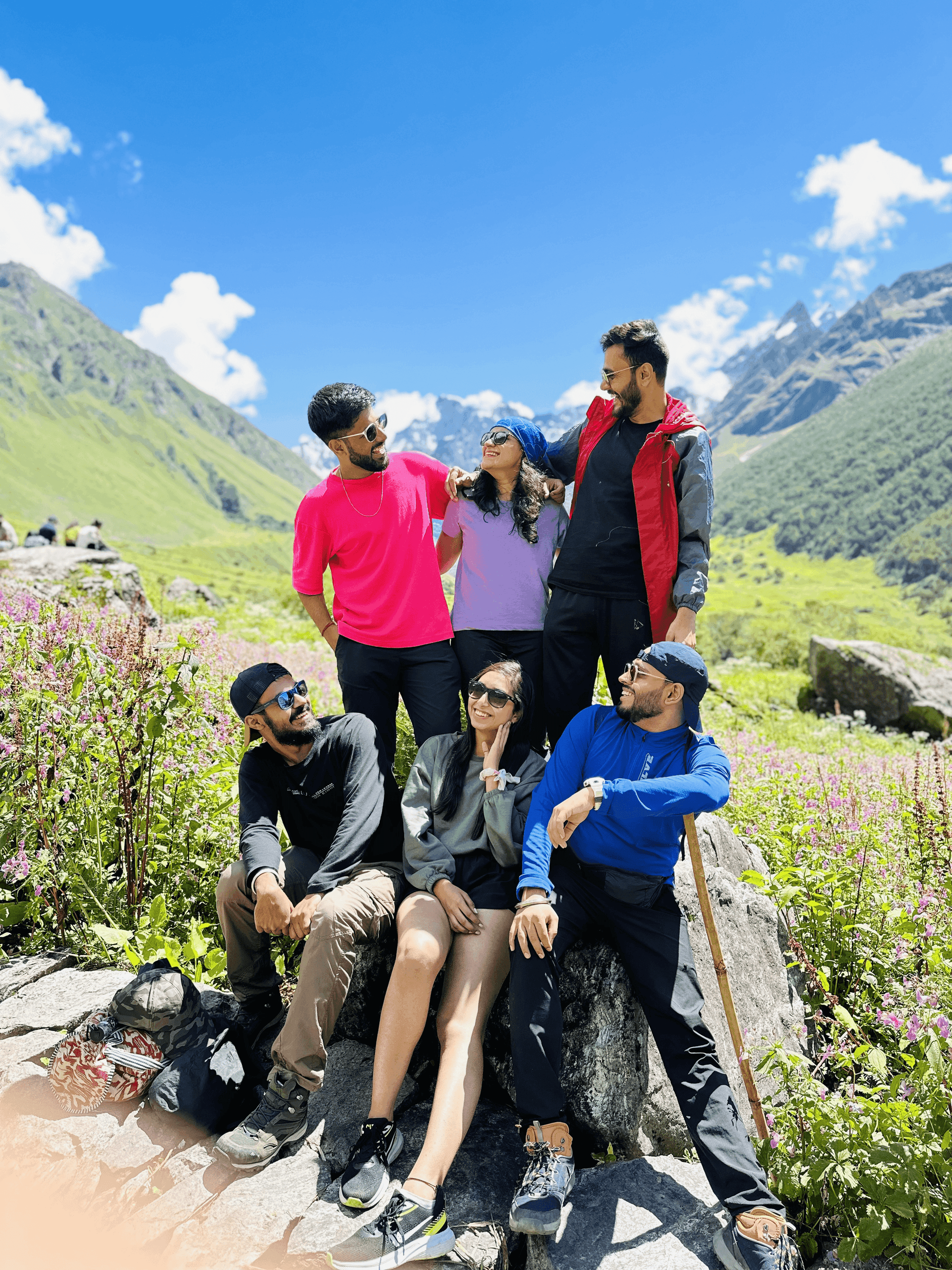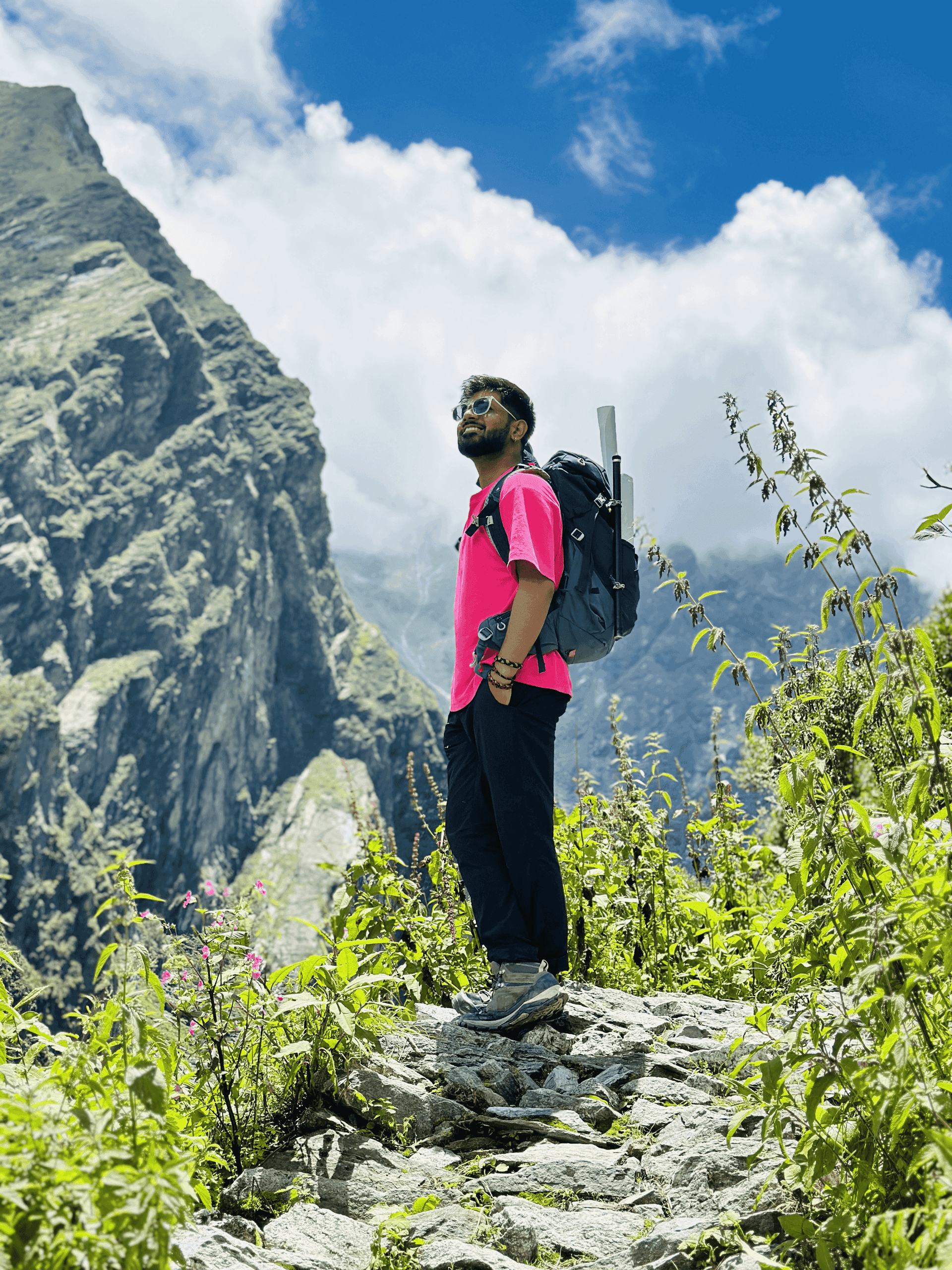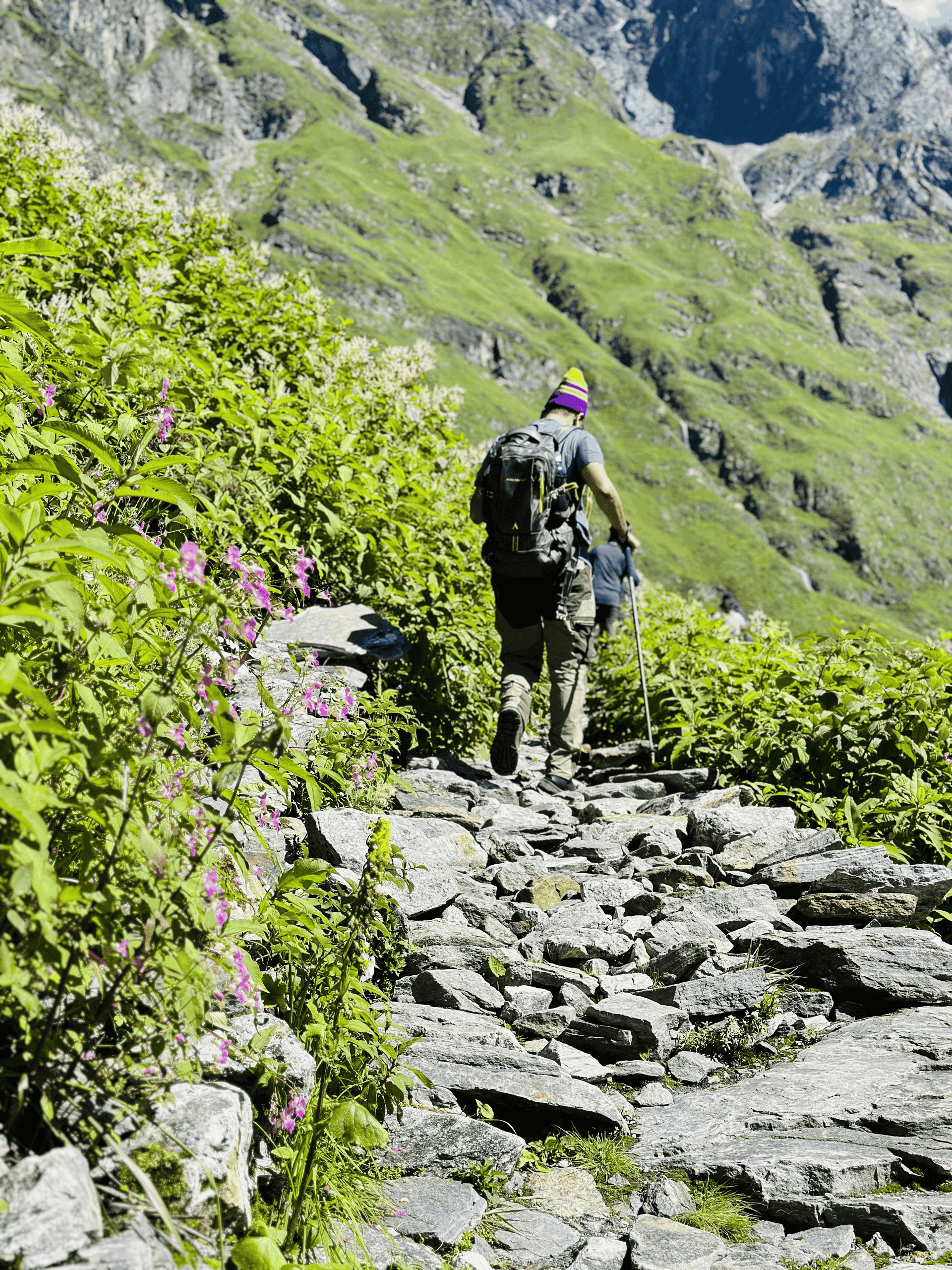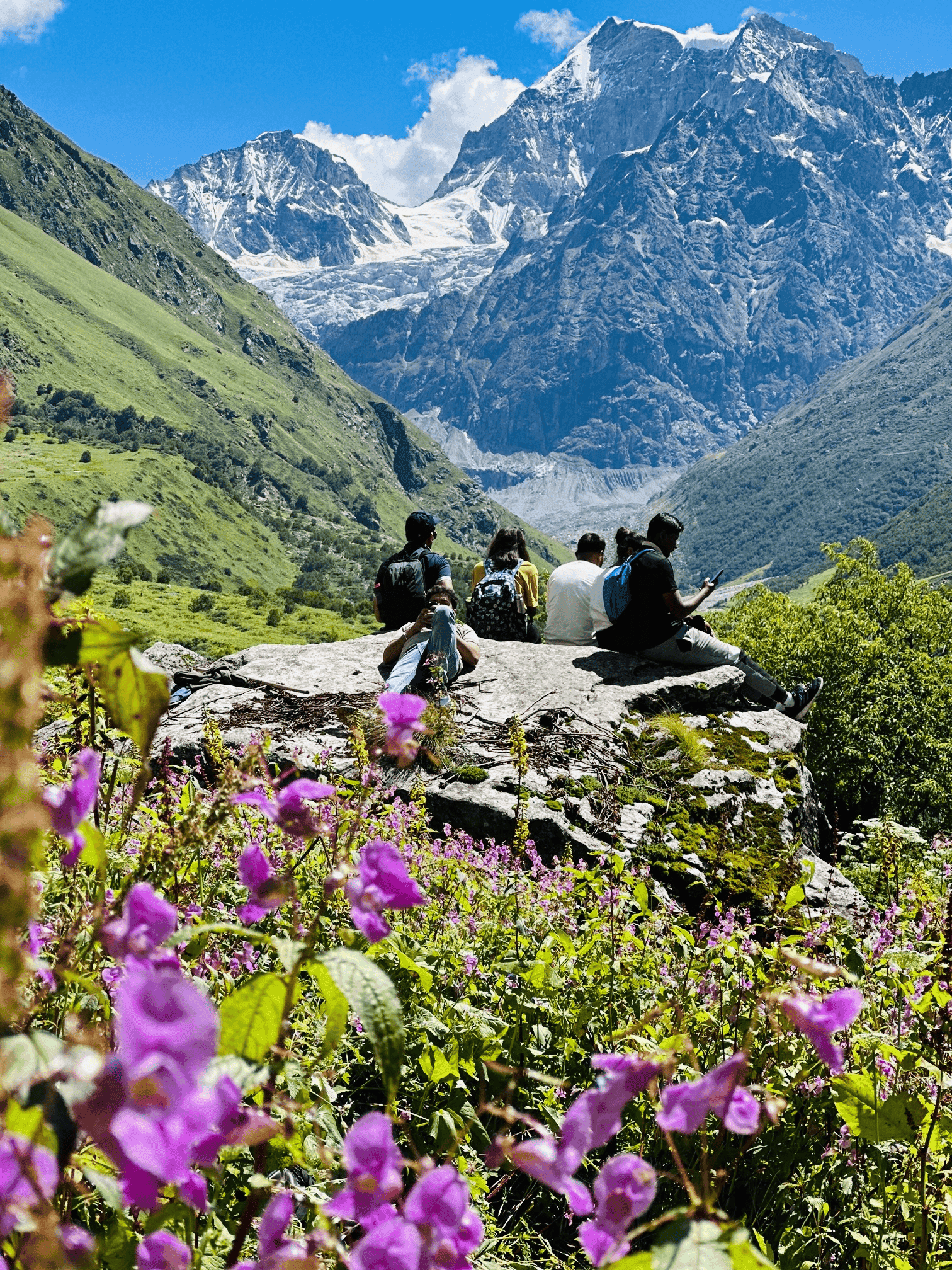
There are places in the Himalayas that feel almost unreal. The Valley of Flowers is one of them.
Imagine walking through vast alpine meadows covered in thousands of blooming flowers, surrounded by misty mountains, flowing streams and clouds drifting gently across the valley floor. It’s peaceful, colorful and unlike anywhere else in India.
Located in the heart of Uttarakhand, this UNESCO World Heritage Site comes alive during the monsoon and attracts travelers from around the world. If you’re planning a Himalayan escape, this guide covers everything you need to know before visiting the Valley of Flowers in the upcoming 2026 season.
If you want to explore more mountain journeys in the region, you can also check our Uttarakhand Tour Packages for additional Himalayan experiences.
Why the Valley of Flowers Is So Special
The Valley of Flowers isn’t about extreme adventure. It’s about immersion in nature.
Every monsoon, the valley transforms into a living canvas filled with alpine blooms, green meadows and dramatic mountain backdrops. More than 500 species of flowers grow here, creating one of the most unique ecosystems in the Himalayas.
What makes it special:
- UNESCO World Heritage status
- Rare Himalayan flora and biodiversity
- Seasonal bloom visible only for a short period
- Peaceful, non-technical trekking experience
It’s a trek that feels slow, scenic and deeply calming.
Where Is the Valley of Flowers Located?
The Valley of Flowers lies within the Nanda Devi Biosphere Reserve in Chamoli district, Uttarakhand.
The usual trekking route passes through:
- Govindghat
- Pulna Village
- Ghangaria (base village)
- Valley of Flowers National Park
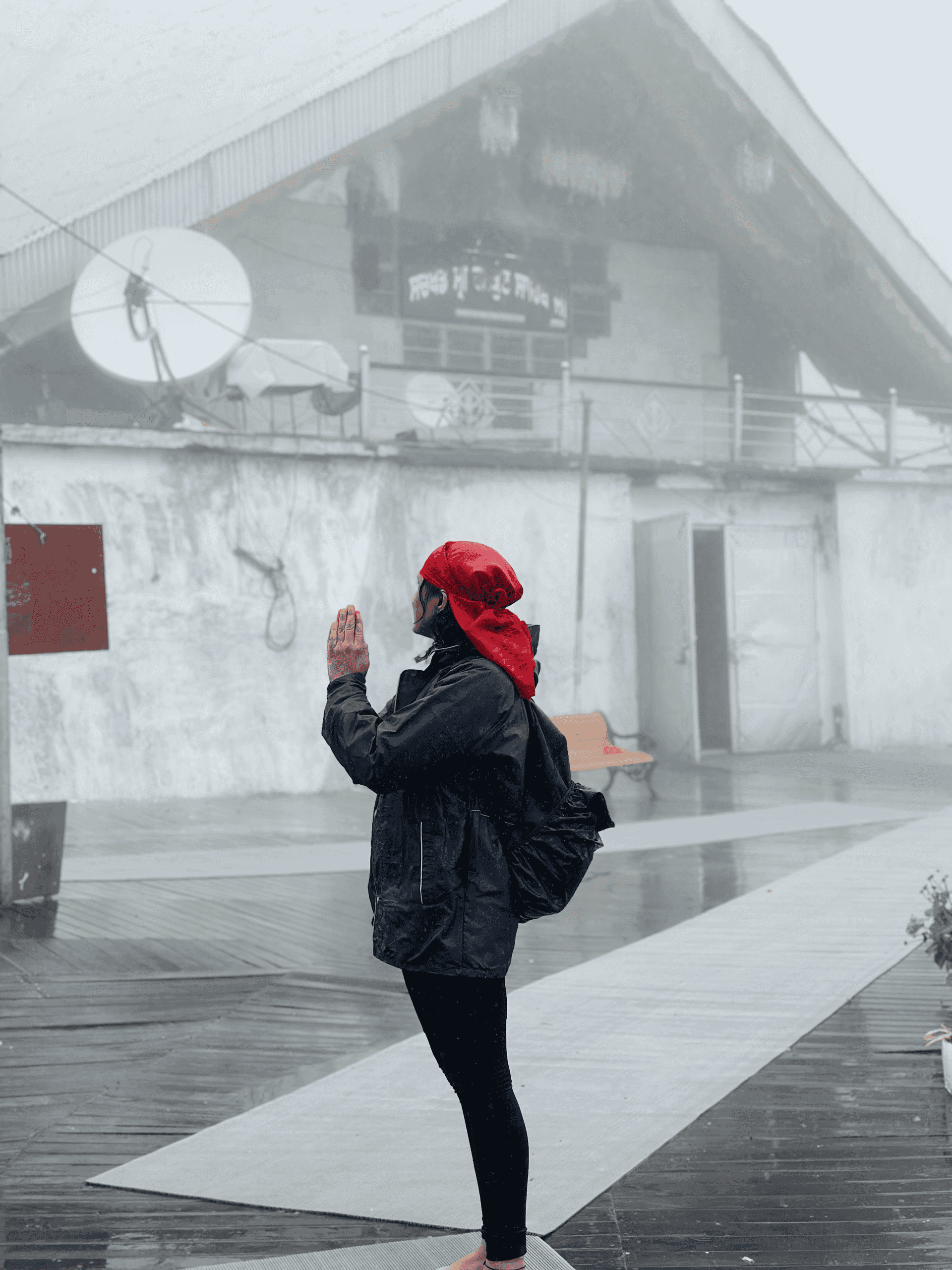
Ghangaria also serves as the base for the famous Hemkund Sahib trek. Reaching the crystal-clear glacial lake at around 14,100 ft is a spiritual highlight many travelers combine with the floral valley experience.
Best Time to Visit Valley of Flowers
The valley is open only for a short season each year.
Best season: July to September
Peak bloom period: Mid-July to August
Why this time works:
- Monsoon rain triggers flowering
- Landscapes become lush and vibrant
- Maximum floral diversity appears
While the Valley of Flowers is India’s premier monsoon trek, travelers who love rainy-season scenery can also explore destinations like Meghalaya for waterfalls and lush green landscapes.
Trek Difficulty & Basic Overview
The trek is considered moderate, making it beginner-friendly with basic preparation.
Approx trek distance: 38–40 km (round trip)
Maximum altitude: ~14,100 ft (Hemkund Sahib optional)
Duration: 5–6 days
You don’t need technical trekking skills, but moderate stamina helps since trails can be slippery during the monsoon.
Reality Check: What Most Guides Don’t Tell You
This part is important.
Because the trek happens during monsoon:
- Trails may be muddy and slippery
- Rain is frequent
- Landslides can occasionally delay roads
- Accommodation in Ghangaria is basic
- Mobile network is limited
These aren’t drawbacks, they’re simply part of the real Himalayan experience. Being mentally prepared makes the journey much more enjoyable.
The Moment Everyone Remembers
Most trekkers describe the same feeling.
After hours of walking through forests and gradual climbs, the valley suddenly opens up. Endless meadows stretch ahead while clouds drift slowly across the mountains. The silence feels almost surreal.
It doesn’t feel like arriving somewhere. It feels like stepping into a different world.
Who This Trek Is Perfect For
This trek is ideal for:
- First-time Himalayan trekkers
- Nature and photography lovers
- Travelers looking for scenic, non-technical treks
- Monsoon adventure seekers
- Slow travelers and spiritual explorers
If you want breathtaking Himalayan views without extreme difficulty, this is one of the best options in India.
Approx Cost Expectations
Costs vary depending on travel style.
Independent travel: ₹8,000 – ₹12,000 approx
Guided group trek: ₹12,000 – ₹20,000 approx
Many travelers choose a guided Valley of Flowers Trek package because permits, stays and logistics are pre-arranged, making the overall experience smoother.
Packing Essentials
Monsoon trekking needs smart packing.
Must-carry items:
- Waterproof jacket/poncho
- Trekking shoes with a good grip
- Quick-dry clothing
- Warm layers for evenings
- Backpack rain cover
- Trekking pole (optional)
Pack light, but prioritize weather protection.
Typical Valley of Flowers Itinerary (Overview)
Day 1: Rishikesh to Govindghat
Day 2: Trek to Ghangaria
Day 3: Explore Valley of Flowers
Day 4: Optional Hemkund Sahib trek
Day 5: Trek back to Govindghat
Day 6: Return journey
This pace allows enough time to enjoy the experience without rushing.
Why Many Travelers Choose Guided Treks
Managing logistics during monsoon can be challenging for first-time trekkers.
Joining a structured Valley of Flowers group trek helps because:
- Logistics are pre-arranged
- Group support improves safety
- Trip leaders assist throughout
- You focus more on the experience than planning
What to Do After Valley of Flowers (If You Have Extra Time)
Many travelers extend their journey for 2–4 extra days to explore more of the region.
Badrinath Temple
One of the Char Dham pilgrimage sites, Badrinath is close to the trek route and offers beautiful mountain views alongside spiritual significance.
Auli
Known for sweeping Himalayan views and alpine meadows, Auli is a relaxing extension without heavy trekking.
Joshimath
A peaceful stop to rest, explore local culture and slow down after your trek.
Rishikesh
Perfect for winding down with riverside cafés, yoga and relaxed mountain-town vibes before heading home.
Is Valley of Flowers Worth It?
Absolutely.
This trek isn’t about speed or thrill. It’s about slowing down and experiencing nature at its most alive. The short blooming season makes every visit feel special and many travelers describe it as one of their most peaceful Himalayan journeys.
Plan Your Valley of Flowers Journey
If you’ve dreamed of walking through Himalayan meadows filled with blooming flowers, this is your sign to start planning your trip with Desh Videsh Travels. The season is short, the landscapes are unforgettable and the experience stays with you long after the trek ends.
The mountains bloom only for a few weeks each year. Don’t miss your chance to witness them at their best.