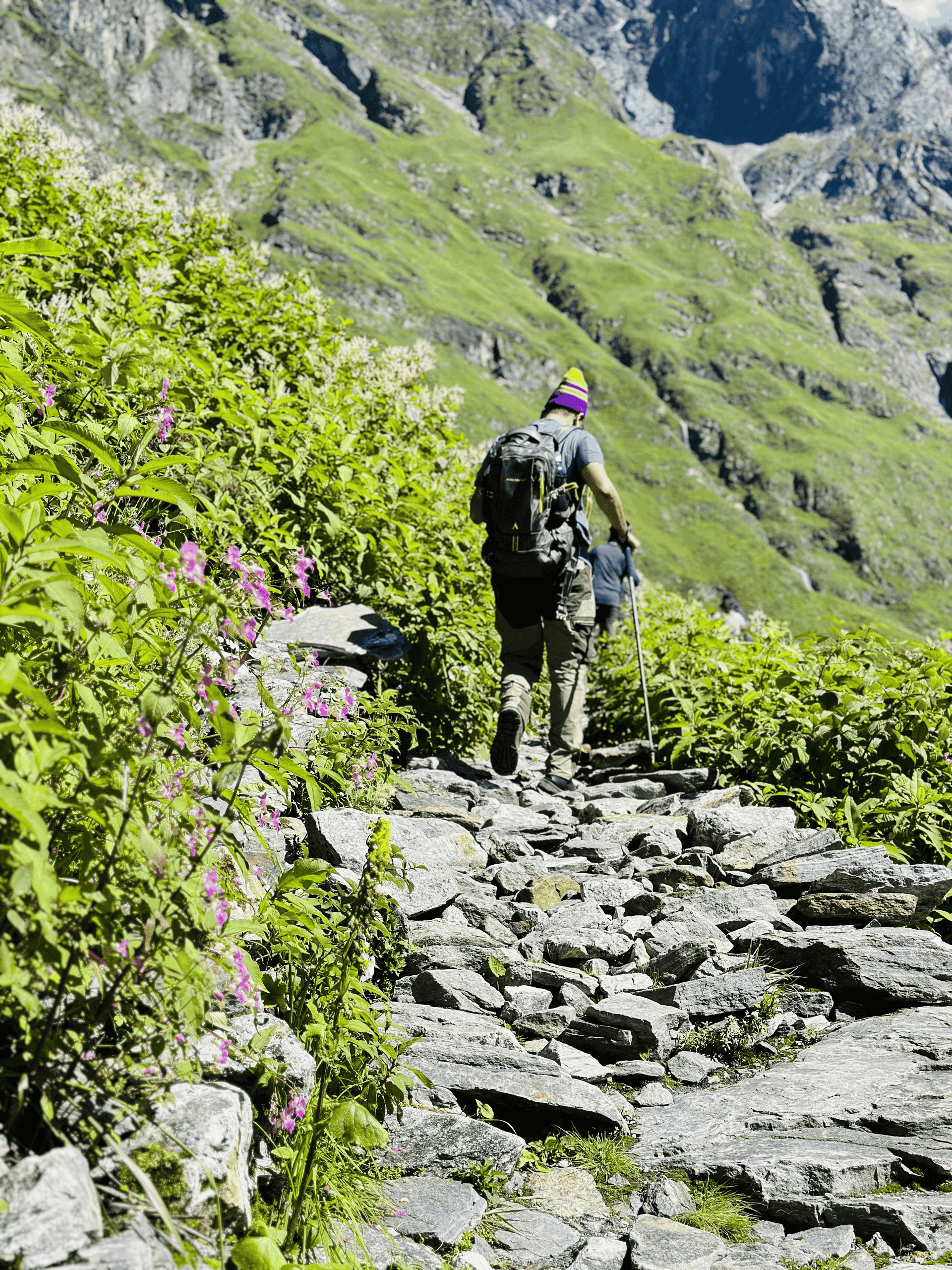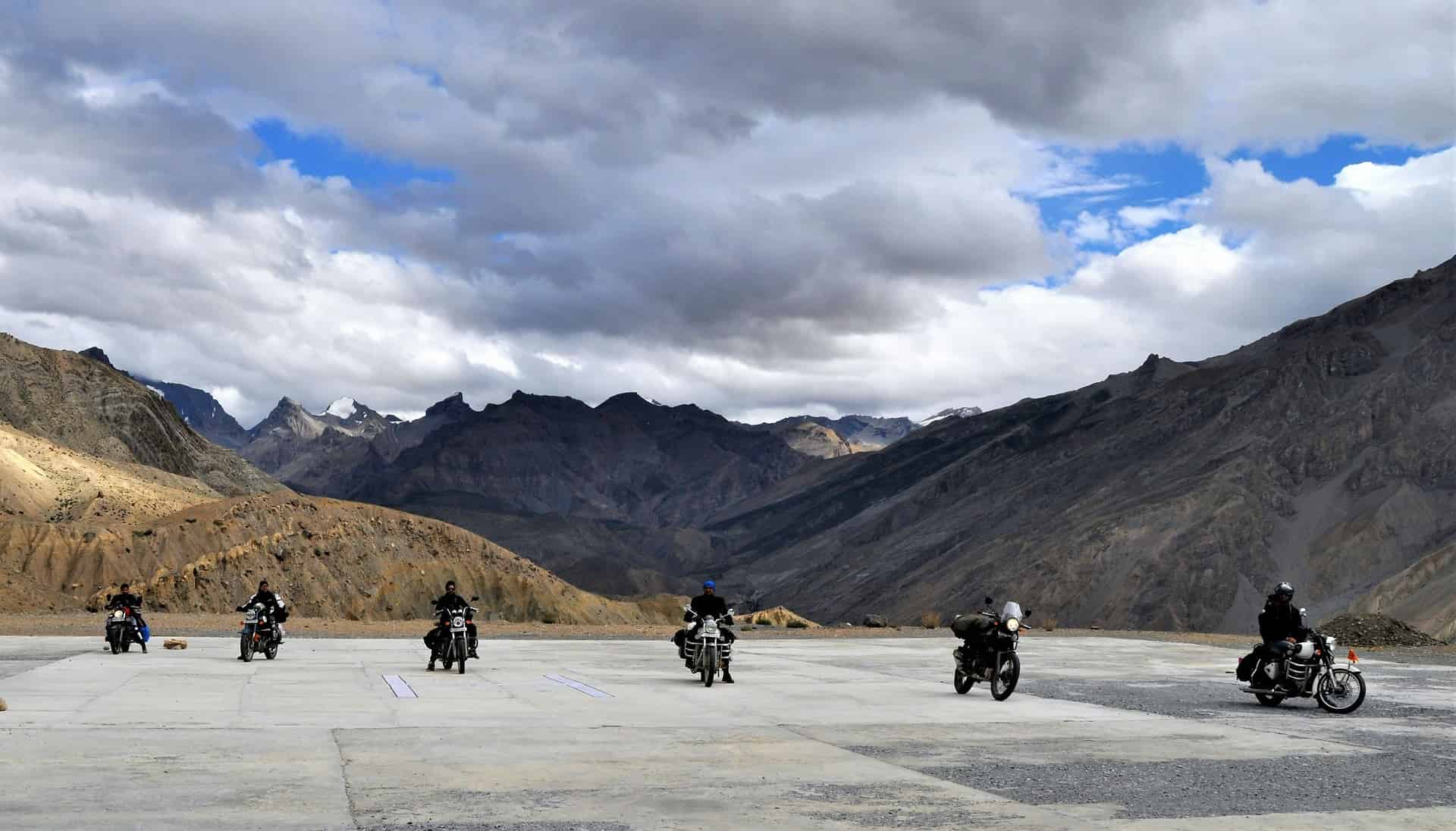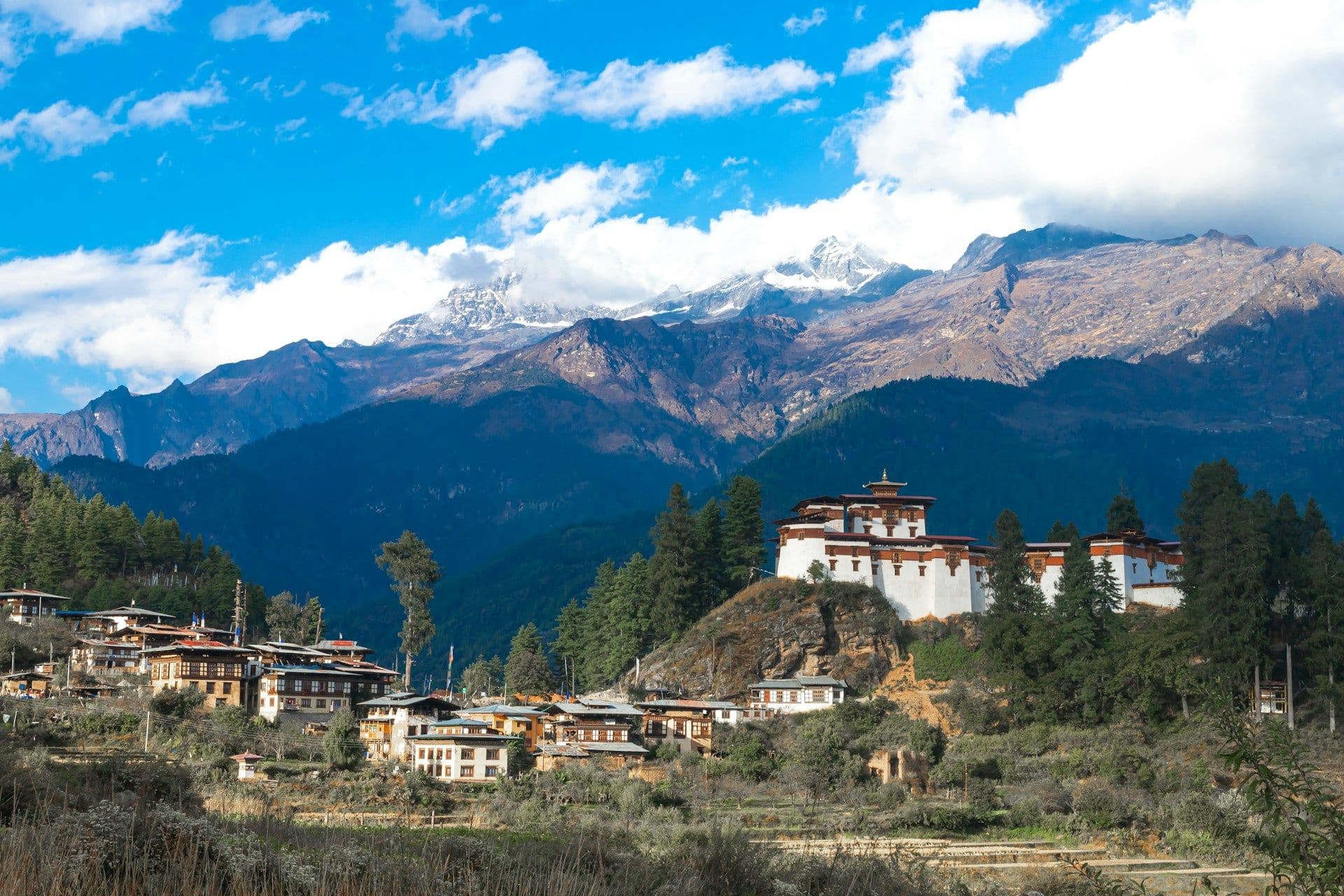
There Is No Single “Best Time” for Bhutan
Most blogs will tell you that spring or autumn is the best time to visit Bhutan.
That is only partially true.
Bhutan changes significantly with the seasons. The experience you get in March is very different from July or December. Choosing the wrong time does not ruin your trip, but it can affect visibility, travel conditions and overall experience.
The best time to visit Bhutan depends on your travel style, weather preference and the kind of experience you are looking for.
Quick Answer: When Should You Visit Bhutan
The best time to visit Bhutan is between March to May and October to November for clear skies and stable weather.
If you want fewer crowds and a quieter experience, December to February can also be a good option.
The monsoon months from June to September are less ideal due to rain and road conditions.
Bhutan Travel Seasons Snapshot
Season | Months | What to Expect | Travel Suitability |
| Spring | Mar to May | Clear skies, blooming landscapes | Best |
| Summer | Jun to Sep | Rain, landslides possible | Avoid if possible |
| Autumn | Oct to Nov | Crisp weather, best views | Best |
| Winter | Dec to Feb | Cold, fewer tourists | Good alternative |
Month-by-Month Travel Overview
Month | Travel Experience | Recommendation |
| Jan | Cold, quiet | Good for fewer crowds |
| Feb | Cold, clear skies | Good |
| Mar | Pleasant, start of spring | Best |
| Apr | Blooming landscapes | Best |
| May | Warm, clear | Best |
| Jun | Rain begins | Avoid |
| Jul | Heavy rain | Avoid |
| Aug | Rain continues | Avoid |
| Sep | Improving weather | Moderate |
| Oct | Clear skies | Best |
| Nov | Crisp weather | Best |
| Dec | Cold but peaceful | Good |
Bhutan Festival and Travel Calendar
Month | Weather | Key Festival | Why It Matters |
| Feb | Cold, clear | Punakha Tshechu | Cultural experience, fewer crowds |
| Mar–Apr | Pleasant | Paro Tshechu | Peak season, vibrant festivals |
| Apr | Mild, blooming | Rhododendron Festival | Scenic landscapes |
| Sep | Fresh after rains | Gangtey Tshechu | Unique valley experience |
| Oct | Clear skies | Jomolhari Festival | Ideal for trekking and views |
| Dec | Cold, dry | Trongsa Tshechu | Quiet travel, fewer tourists |
Festivals in Bhutan usually follow the lunar calendar, so dates vary slightly each year. Planning around them can significantly enhance your experience.
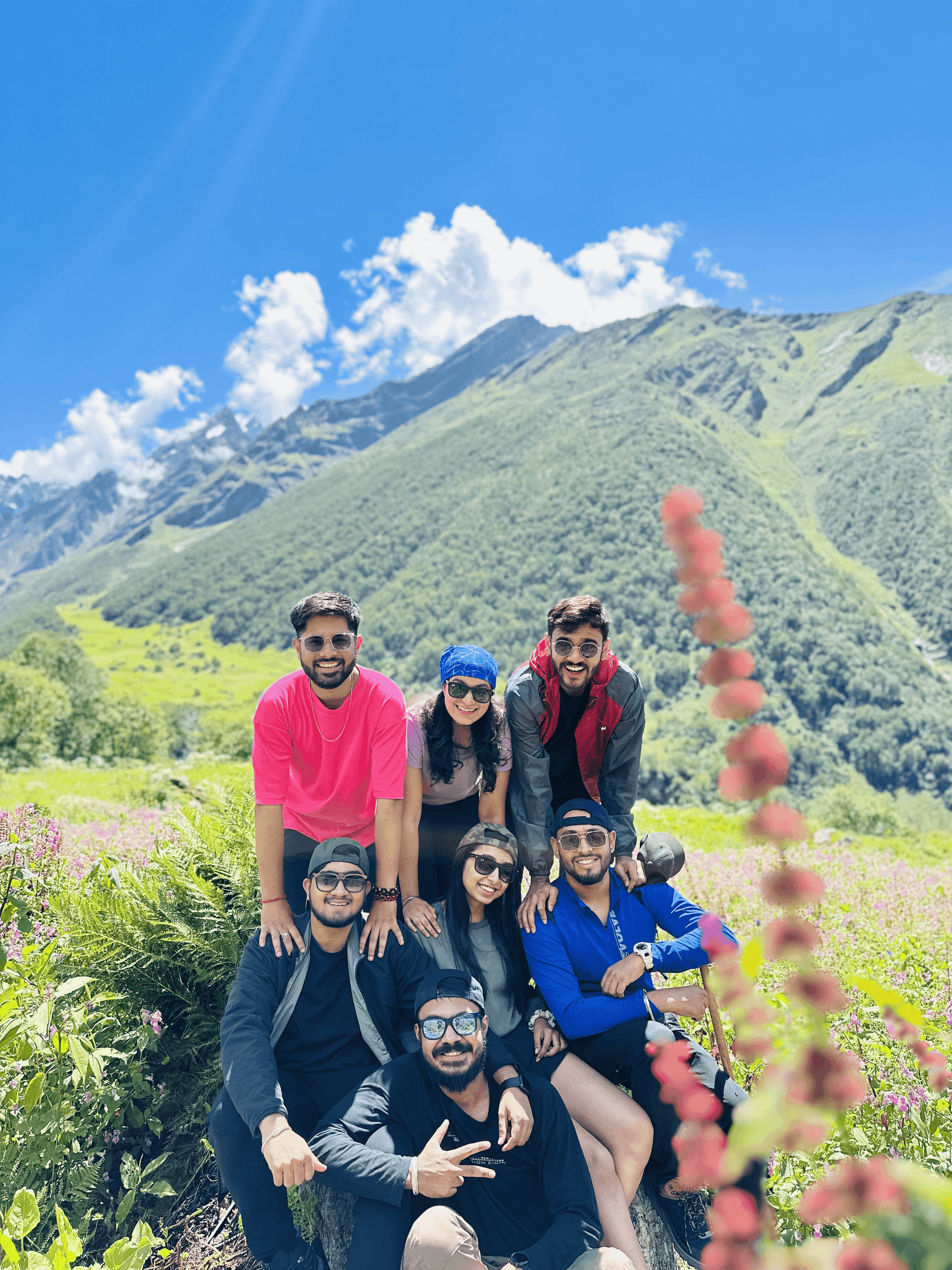
Spring (March to May): Most Balanced Travel Experience
Spring is considered one of the best times to visit Bhutan.
What you can expect:
- Pleasant weather
- Clear mountain views
- Comfortable travel conditions
- Active local life
Packing tip: Light layers work best as temperatures vary between day and evening.
This season is ideal if you want a well-rounded experience without major trade-offs.
Autumn (October to November): Best for Clear Views and Trekking
Autumn offers the most stable weather and visibility.
What stands out:
- Sharp mountain views
- Clear skies throughout the day
- Comfortable temperatures
- Ideal conditions for trekking
Packing tip: Carry light layers along with a slightly warmer jacket for evenings.
This is the best time if scenic landscapes and outdoor activities are your priority.
Winter (December to February): Fewer Crowds, Quieter Experience
Winter is often overlooked but can be a good option.
What to expect:
- Cold mornings and evenings
- Fewer tourists
- Better availability of hotels
Packing tip: Warm layers are essential, especially for mornings and nights.
The Phobjikha Valley becomes a seasonal home to black-necked cranes between late October and February, making it a unique experience for wildlife enthusiasts.
This works well if you want a quieter trip and do not mind colder temperatures.
Monsoon (June to September): Travel with Caution
Monsoon months bring challenges.
What to expect:
- Heavy rainfall
- Landslide risks
- Limited visibility
Packing tip: Waterproof clothing and flexible travel plans are important.
Travel is still possible, but delays and disruptions are more common during this period.
What Most Travelers Don’t Consider
- Weather affects road travel more than sightseeing
- Visibility can change quickly in mountainous regions
- Travel delays are more likely during monsoon
- Winter reduces crowds but also limits outdoor comfort
Understanding these factors helps you plan more realistically.
How to Choose the Right Time for Your Trip
Instead of asking what the best time is, focus on what matters most to you.
- Want the best views → October or April
- Want fewer crowds → December to February
- Want the safest travel conditions → Spring or autumn
- Want a quieter experience → Winter
If you want the best overall experience without worrying about weather or visibility, spring and autumn remain the safest choices for most travelers.
Does Travel Cost Change by Season
Yes, timing can influence cost to some extent.
- Spring and autumn: Higher demand and limited availability
- Winter: Better deals and more flexibility
- Monsoon: Lower demand but possible disruptions
Traveling slightly outside peak months can help balance cost and experience.
Planning Your Trip Better
Choosing the right time is only one part of planning your Bhutan trip.
To build your route, read the detailed Bhutan itinerary for 5 to 7 days.
To understand your budget better, explore the detailed Bhutan trip cost breakdown.
Prefer a Smooth Trip in the Right Season
Many travelers prefer visiting during stable months to avoid delays and unpredictable weather.
If you want a structured experience where timing, permits and logistics are handled, you can explore Bhutan tour packages by Desh Videsh Travels.