Most people search for the best time to visit Kashmir, expecting one answer.
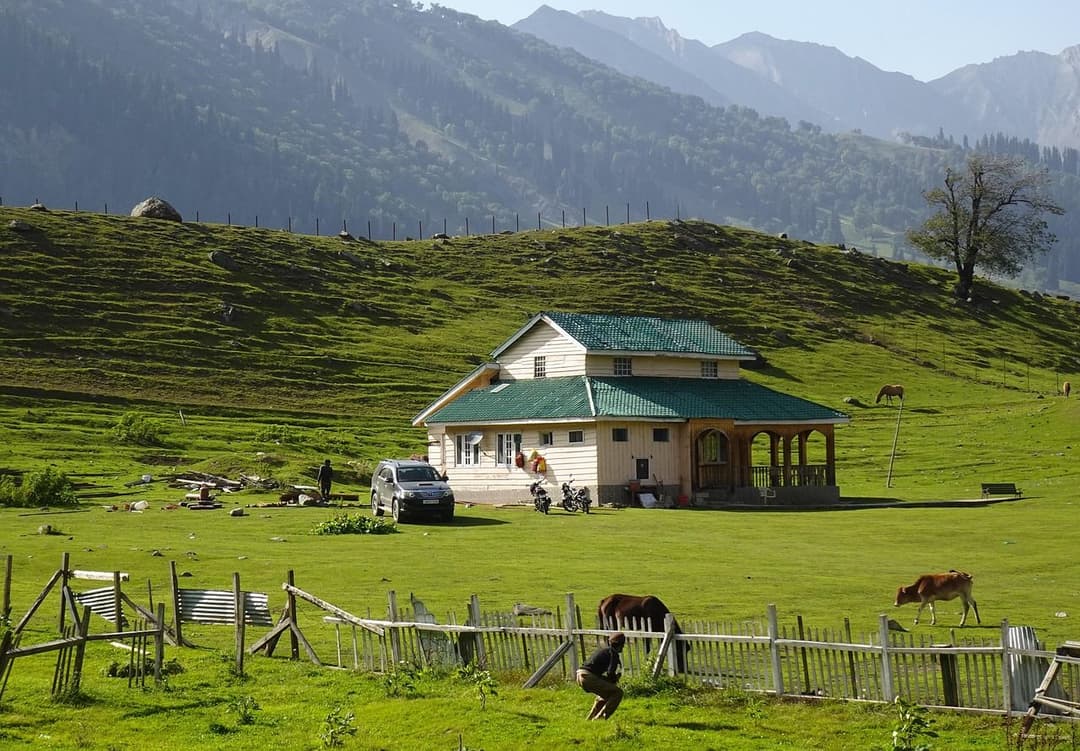
There isn’t one. Kashmir changes completely every few months and the same place can feel entirely different depending on when you visit. A green valley in spring can turn golden in autumn and completely white in winter.
If you’re planning your trip from scratch, it helps to understand the complete Kashmir travel guide, so your travel dates align with your route and overall experience.
Quick Answer: When Should You Visit Kashmir?
- Spring (March–May): Flowers and fresh greenery
- Summer (June–August): Comfortable weather and full access
- Autumn (September–November): Golden landscapes and fewer crowds
- Winter (December–February): Snow and winter experiences
The best time depends on your goal. This is why the same itinerary can feel completely different depending on when you visit.
Live Update (Useful Before You Plan)
Before you choose your dates, it helps to understand what currently affects travel in Kashmir. These factors change each year slightly but directly impact your experience.
- Tulip bloom usually peaks in early to mid-April
- Gondola tickets require advance booking during peak periods
- Nights in Pahalgam remain cooler than Srinagar
- Crowd levels shift quickly between spring and summer
Why Timing Matters More Than You Think
Kashmir is not just a destination. It’s a seasonal experience. The landscape, pace and even the kind of activities you can do change significantly through the year.
A well-timed trip feels smooth and balanced, while a poorly timed one can feel crowded or limited. Choosing the right season improves your experience without increasing your budget.
Season Breakdown: What Kashmir Feels Like Across the Year
Spring (March to May): Fresh, Colorful and Busy
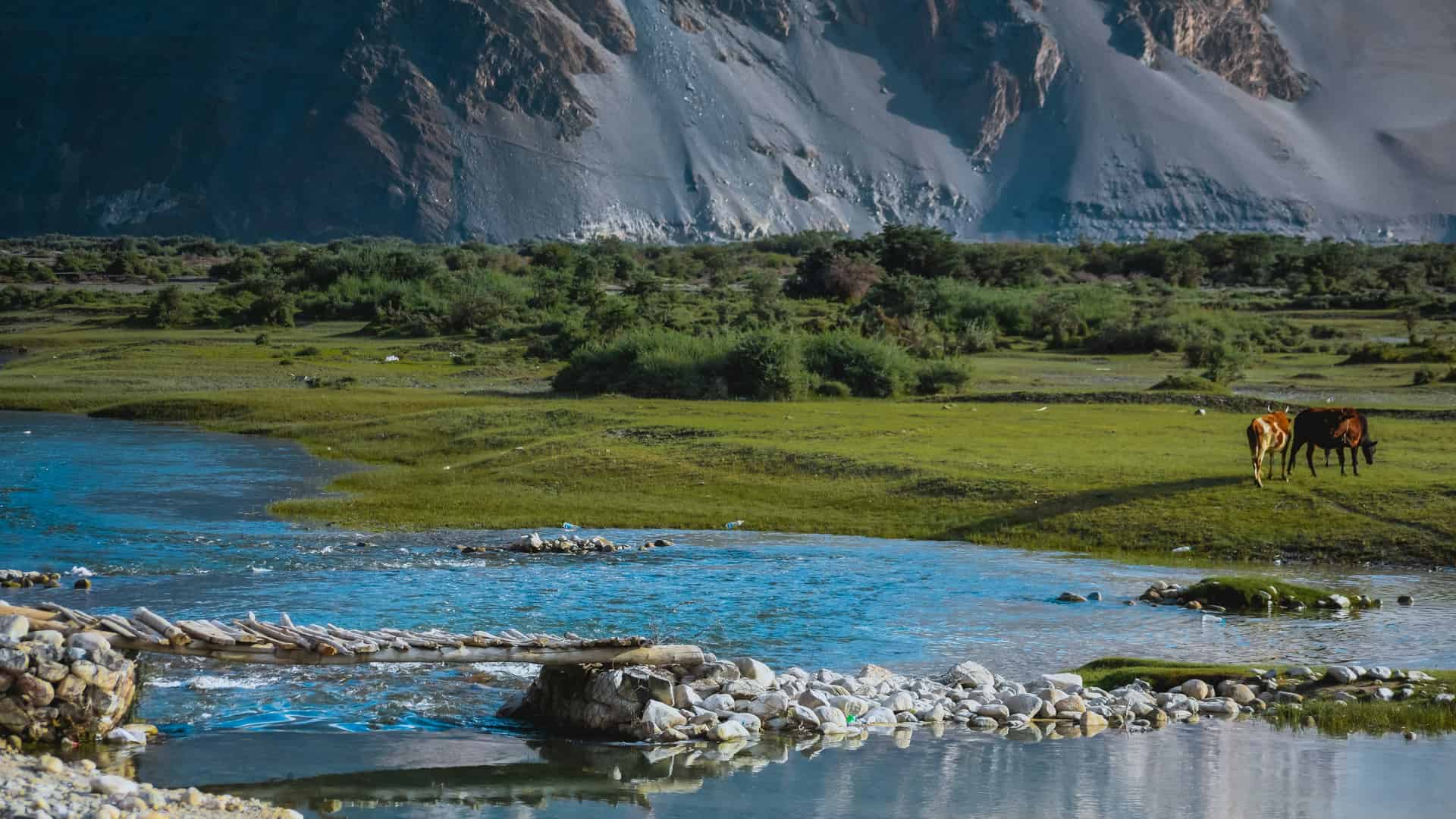
Spring is when Kashmir comes back to life. Snow melts, gardens bloom and the valley turns green again. The overall atmosphere feels vibrant and lively, making it one of the most visually appealing times to visit.
This season works best for first-time travelers and those interested in sightseeing and photography. However, it also attracts heavy tourist crowds and prices tend to be slightly higher during peak bloom periods.
Summer (June to August): Easy and Comfortable
Summer is the most convenient time to visit Kashmir. The weather remains stable, roads are clear and all major destinations are accessible, making travel smooth and predictable.
This season is ideal for families and travelers who prefer comfort over exploration challenges. The only drawback is that it is also the busiest time, so you can expect higher prices and crowded attractions.
Autumn (September to November): Calm and Scenic
Autumn offers a quieter and more scenic version of Kashmir. The landscape turns golden as chinar trees change color and the atmosphere becomes calmer compared to peak seasons.
This is a great time for couples and photographers who prefer a slower pace. The weather is slightly cooler, especially in the evenings, but the reduced crowd levels make the experience more relaxed and enjoyable.
Winter (December to February): Snow and Silence
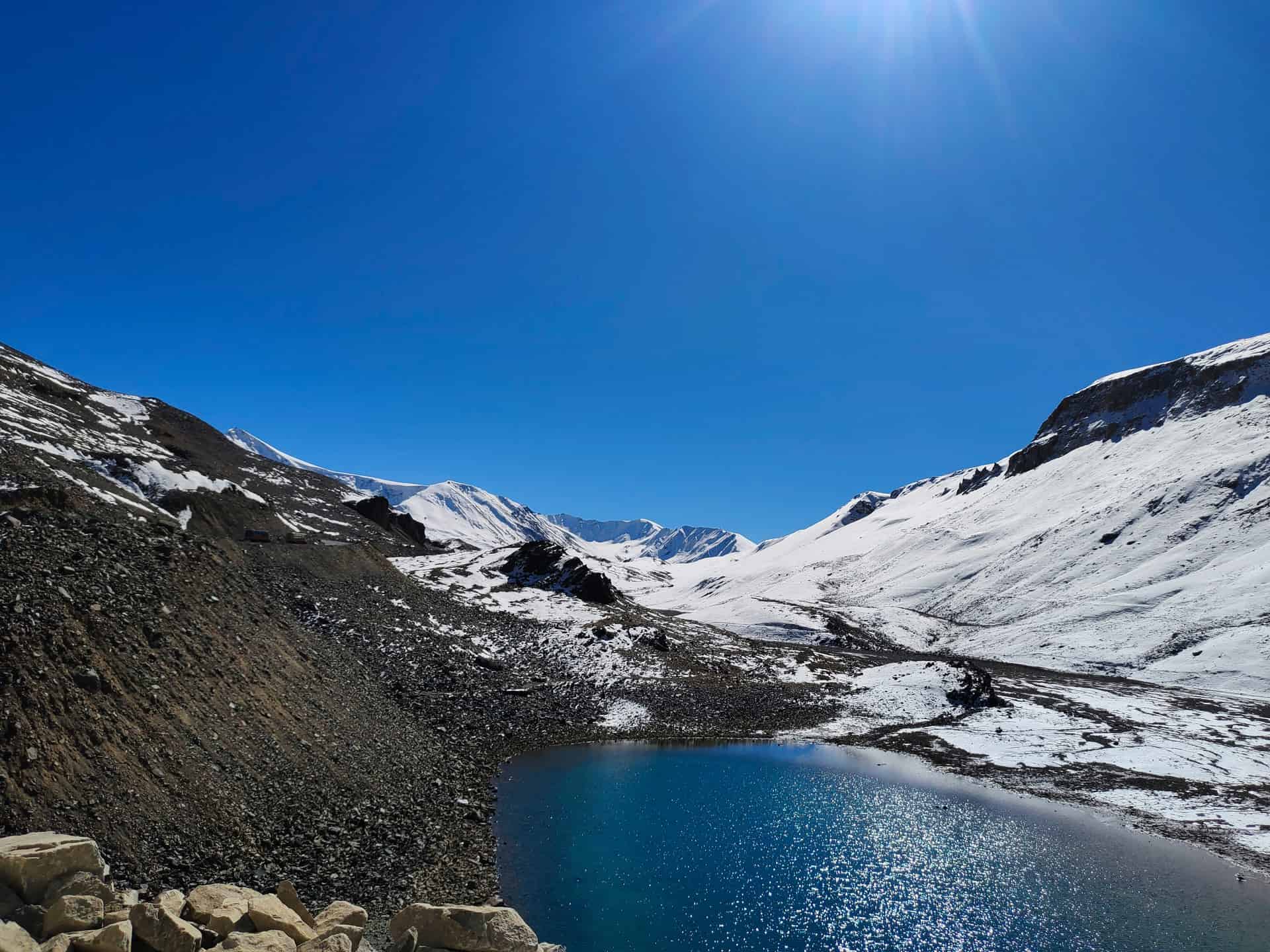
Winter transforms Kashmir into a snow-covered landscape. The pace of life slows down and the focus shifts toward snow experiences, especially in higher-altitude areas like Gulmarg.
This season is perfect for snow lovers and honeymoon travelers looking for a unique experience. However, cold temperatures and possible travel delays mean you need better planning and some flexibility in your schedule. Here's the full guide to Kashmir in the winter.
Which Season Should You Choose?
Choosing the right time depends entirely on your travel intent. Each season offers a different version of Kashmir, so the decision should be based on experience, not just weather.
If you want snow, winter is the best choice. For greenery and flowers, spring works well. Summer is ideal for comfort and easy travel, while autumn suits those looking for fewer crowds and scenic beauty.
Who Should Visit When (Decision Section)
Different travelers benefit from different seasons and aligning your travel style with the right time can significantly improve your experience.
First-time travelers usually prefer spring or summer because travel is easier and more predictable. Couples often enjoy autumn or winter, when the atmosphere feels calmer and more intimate. Families typically choose summer for convenience, while budget travelers can find better value during autumn or late winter.
How Season Affects Your Itinerary
Your itinerary changes depending on when you visit Kashmir. Travel conditions, activity options and pacing all vary by season, which directly affects how you plan your days.
Winter trips tend to be slower with fewer accessible locations, while summer allows a full itinerary. Spring and autumn offer a balanced pace, making them suitable for most travelers. For a structured plan, refer to the Kashmir itinerary (5–7 days).
Cost Impact by Season
Your travel timing has a direct impact on your budget. Prices fluctuate based on demand, accessibility and season-specific experiences.
Spring and summer usually have the highest prices due to demand. Autumn offers more moderate pricing, while winter can be mixed, with lower hotel rates but higher activity costs. For detailed planning, check the Kashmir trip cost guide.
Common Mistakes to Avoid
Many travelers choose the wrong time simply because they focus only on the weather. This often leads to mismatched expectations.
Avoid expecting snow outside of winter, ignoring crowd levels, or planning an itinerary that doesn’t match the season. Understanding what each season offers helps you avoid these common mistakes.
Practical Tips
A few simple planning steps can make your trip smoother regardless of the season you choose.
- Book early for spring and summer
- Carry layers in all seasons
- Keep buffer time in winter
- Choose your stay location wisely
Choosing the right time is only one part of planning a good trip.
If you want a Kashmir trip that is well-timed, well-paced and easy to manage, you can explore our Kashmir tour packages, designed around seasonal experiences.