When is the best time to visit Masai Mara and does it really make a difference to your safari experience?
Most travelers assume that the Great Migration months are always the best time to go. But in reality, choosing the right time is not just about wildlife. It also affects how crowded your safari feels, how much you spend and what kind of experience you actually get.
For example, traveling in late June versus early July can change both your cost and overall experience significantly.
This guide breaks down exactly when you should visit the Masai Mara based on wildlife, migration timing, weather and cost, so you can plan your safari with clarity instead of guesswork.
Quick Answer
The best time to visit Masai Mara for the Great Migration is from mid-July to September.
For better value, consider June or October, when you can still experience strong wildlife activity with fewer crowds and lower overall costs.
What Is the Best Time to Visit Masai Mara?
The best time to visit Masai Mara depends on what kind of safari experience you are looking for.
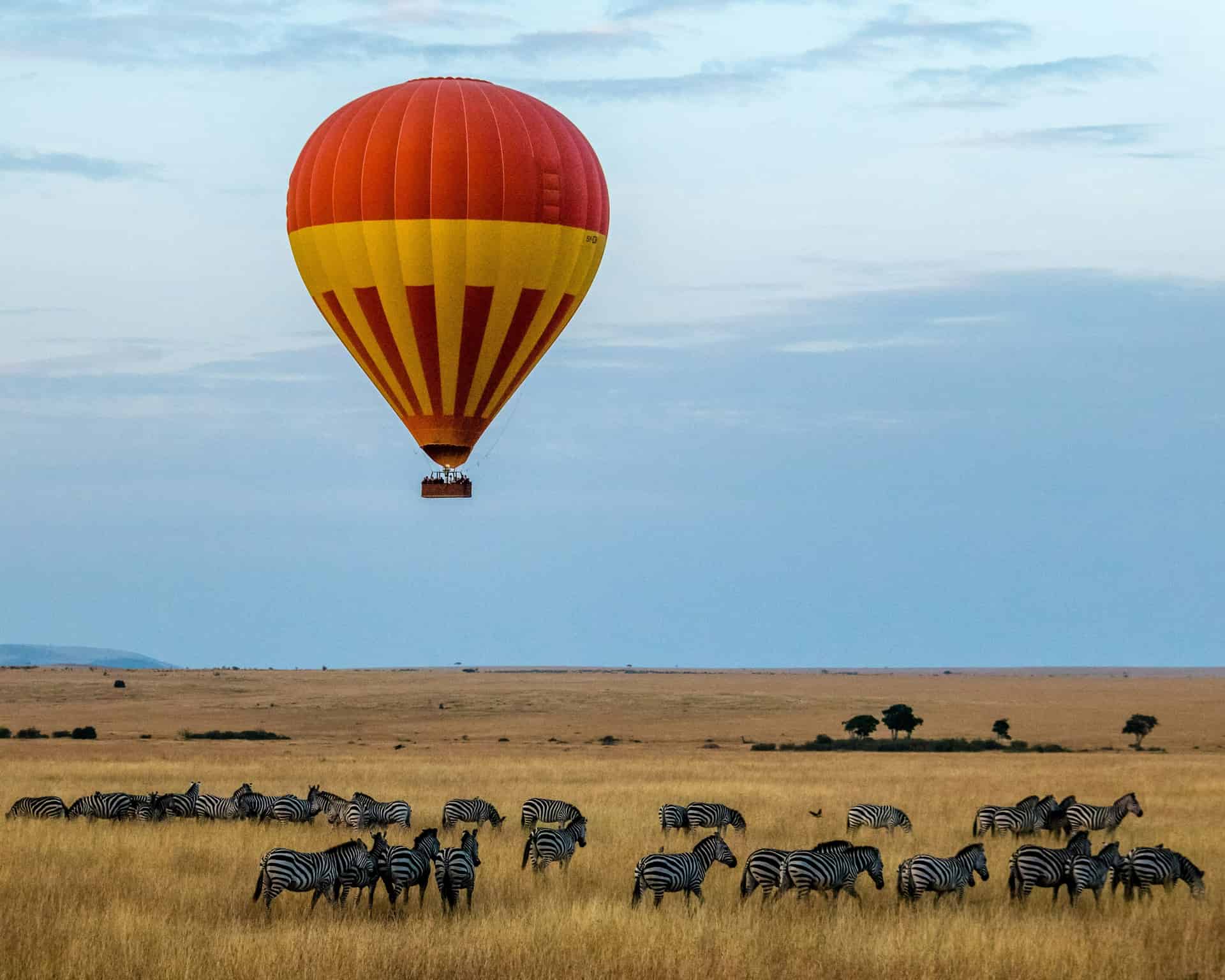
If your priority is dramatic wildlife action and witnessing the Great Migration, then July to October is considered the peak period. This is when large herds move into the reserve and predator activity is at its highest.
However, this comes with higher costs and increased crowd levels.
On the other hand, months like January to March offer a quieter experience with excellent wildlife sightings, making them ideal for travelers who prefer fewer crowds and better value.
The key is not just choosing the best time, but choosing the right time based on your travel style and expectations.
How Your Travel Dates Affect Safari Cost
In recent years, when you travel has become just as important as where you stay.
- Park fees increase significantly from July onwards
- The difference between late June and early July can noticeably impact your total safari cost
- Peak season also brings higher accommodation demand and pricing
This means choosing your travel dates carefully can help you balance experience and budget more effectively.
For a complete breakdown of pricing and what influences your safari budget, you can refer to our Masai Mara safari cost guide.
Masai Mara Month-by-Month Guide
June (Season Shift Begins)
- transition from rains to dry season
- landscapes begin to clear
- Wildlife movement gradually increases
best for:
- early planners
- Travelers looking to avoid peak crowds
June is often overlooked, but it marks the beginning of improved safari conditions. As the grass starts thinning and water sources reduce, animals become easier to spot compared to the previous months.
July to September (Peak Migration Season)
- Great Migration enters Masai Mara
- river crossings begin
- The highest wildlife density
best for:
- first-time safari travelers
- witnessing dramatic wildlife moments
From July onwards, safari costs increase due to higher park fees and demand, making this the most premium time to visit.
October (Hidden Gem Month)
- migration still present
- fewer crowds compared to peak months
- strong predator activity due to shorter grass
best for:
- photographers
- balanced experience seekers
October offers one of the best combinations of wildlife and relatively moderate pricing.
November to December (Short Rains + Transition)
- occasional rainfall
- greener landscapes return
- moderate crowd levels
best for:
- flexible travelers
- quieter safari experience
These months offer a mix of changing landscapes and moderate wildlife activity. While the rains can be unpredictable, they also bring fresh scenery and a calmer atmosphere compared to peak season.
January to March (Green Season – Best Value)
- lush green landscapes
- excellent predator sightings
- fewer tourists
best for:
- photographers
- budget-conscious travelers
This is also a great time to observe animal behavior in a calmer setting, without heavy tourist movement.
April to May (Low Season – Rainy Period)
- heavier rainfall
- fewer safari vehicles
- lowest prices
best for:
- travelers looking for deals
- those comfortable with weather uncertainty
Season Comparison: Experience vs Cost
Season | Experience | Crowd | Cost |
| June | Migration build-up | Low | Medium |
| July–Sept | Peak migration | High | High |
| October | Balanced | Medium | Medium |
| Jan–March | Green season | Low | Lower |
| April–May | Rainy | Very Low | Lowest |
Best Time Based on Your Travel Style
Choosing the right time becomes easier when you align it with your travel preferences.
First-Time Travelers
July to September
This is the most popular period because it offers the highest chances of witnessing iconic safari moments like river crossings and large herd movements.
Budget Travelers
January to March
Lower park fees and fewer crowds make this a great option for travelers who want a meaningful safari experience without peak season pricing.
Photographers
January to March or October
These months offer better lighting conditions, fewer vehicles around sightings and more natural wildlife behavior.
Luxury Travelers
July to October
Premium camps and lodges operate at full capacity during peak season, offering the most refined safari experience along with the best wildlife density.
Common Mistakes to Avoid
1. Choosing Dates Without Understanding Costs
Peak season significantly increases safari pricing and even a slight shift in travel dates can impact your overall budget.
For a detailed breakdown, you can refer to our Masai Mara safari cost guide.
2. Expecting Constant Action
Safaris are not theme parks. Even during peak migration, there are quiet periods and patience plays a big role in the experience.
3. Ignoring Itinerary Planning
The structure of your safari directly affects what you see and how much you experience.
For a clearer understanding, you can explore our Masai Mara itinerary guide.
4. Leaving Planning Too Late
Peak season bookings fill up quickly. Delaying your planning can limit your options or significantly increase your costs.
Final Thoughts
If you want dramatic wildlife moments, peak migration months are ideal. If you prefer a quieter and more relaxed experience, the green season offers excellent value.
Every season offers something unique and the experience is shaped as much by timing as it is by how you approach it. If you’re planning your safari and want to explore curated options, you can also check out our Africa tour packages to understand different routes, experiences and travel styles.