What has actually changed in planning a Masai Mara safari and why are travelers suddenly paying more for what seems like the same trip?
If you have been researching this journey, you have probably noticed that it is no longer just about choosing a lodge and booking flights. Park fees have increased, entry rules are stricter, and even small timing mistakes can add unexpected costs.
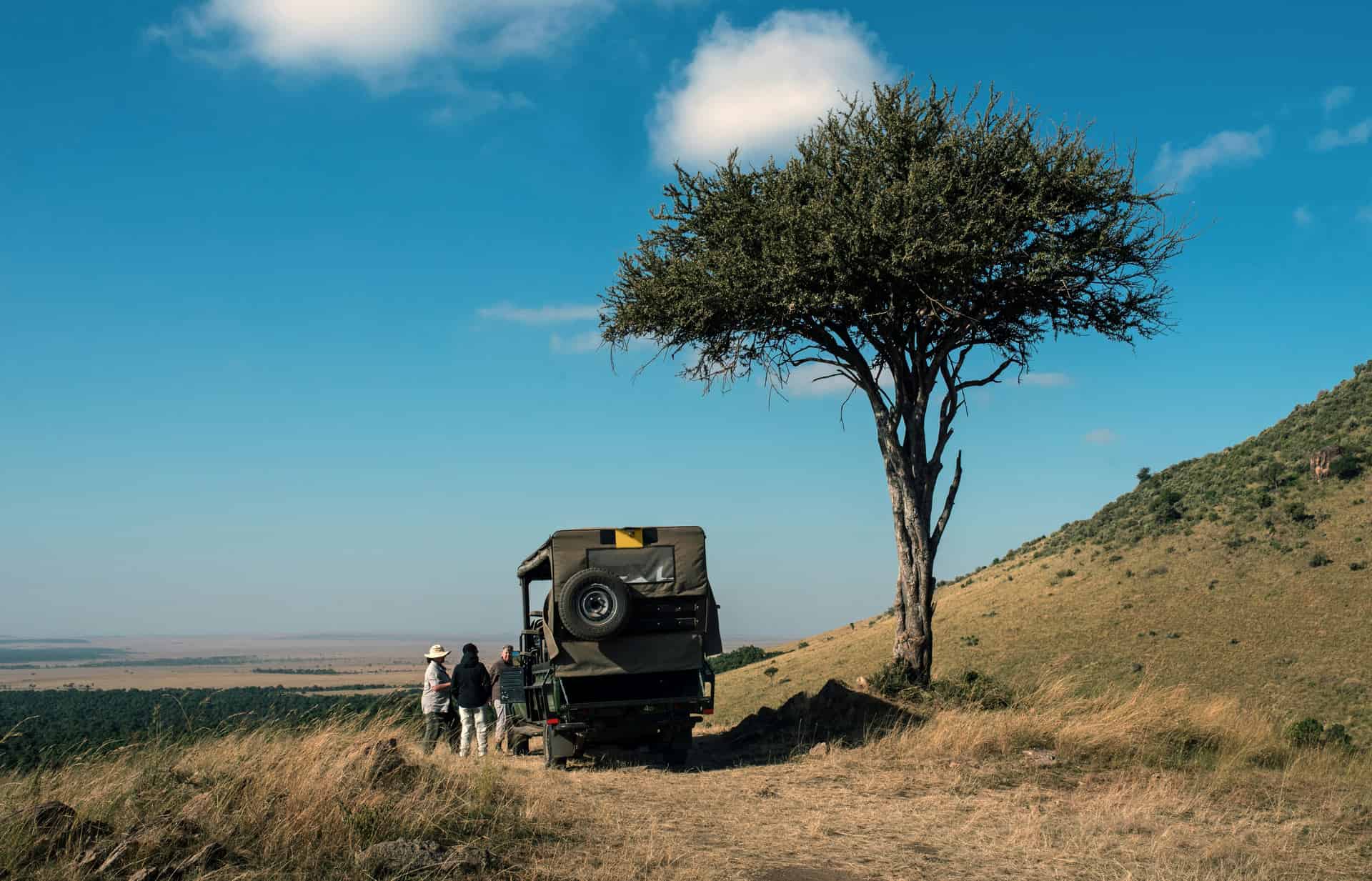
At the same time, the experience itself has not changed. You still wake up before sunrise, drive through open savannahs and wait for moments that unfold without warning.
This guide breaks down what really matters, including the updated cost from India, park fee structure, the best time for migration, and what a realistic 4-day safari actually looks like.
What Is the Total Cost of a Masai Mara Safari from India?
For most Indian travelers, a mid-range 4-day Masai Mara safari typically costs between ₹1.8L to ₹2.6L per person.
This usually includes internal flights from Nairobi, full-board accommodation in a tented camp, park fees and guided game drives.
Budget options do exist, but they often involve long road journeys and accommodations outside the main reserve, which can impact your overall experience.
A large part of the cost increase in recent years comes from revised park fees and stricter entry rules, not just accommodation or flights.
Park Fee Breakdown (Non-Residents)
Park fees form a significant portion of your safari budget, and they are structured by season:
- High Season (July to December): $200 per adult per day
- Low Season (January to June): $100 per adult per day
These fees are charged per day and directly affect how you plan your itinerary.
Important Tip: Park entry is valid from 6 AM to 6 PM. Even entering late in the afternoon counts as a full day, so planning your arrival time carefully can help avoid unnecessary expenses.
When Is the Best Time for the Great Migration?
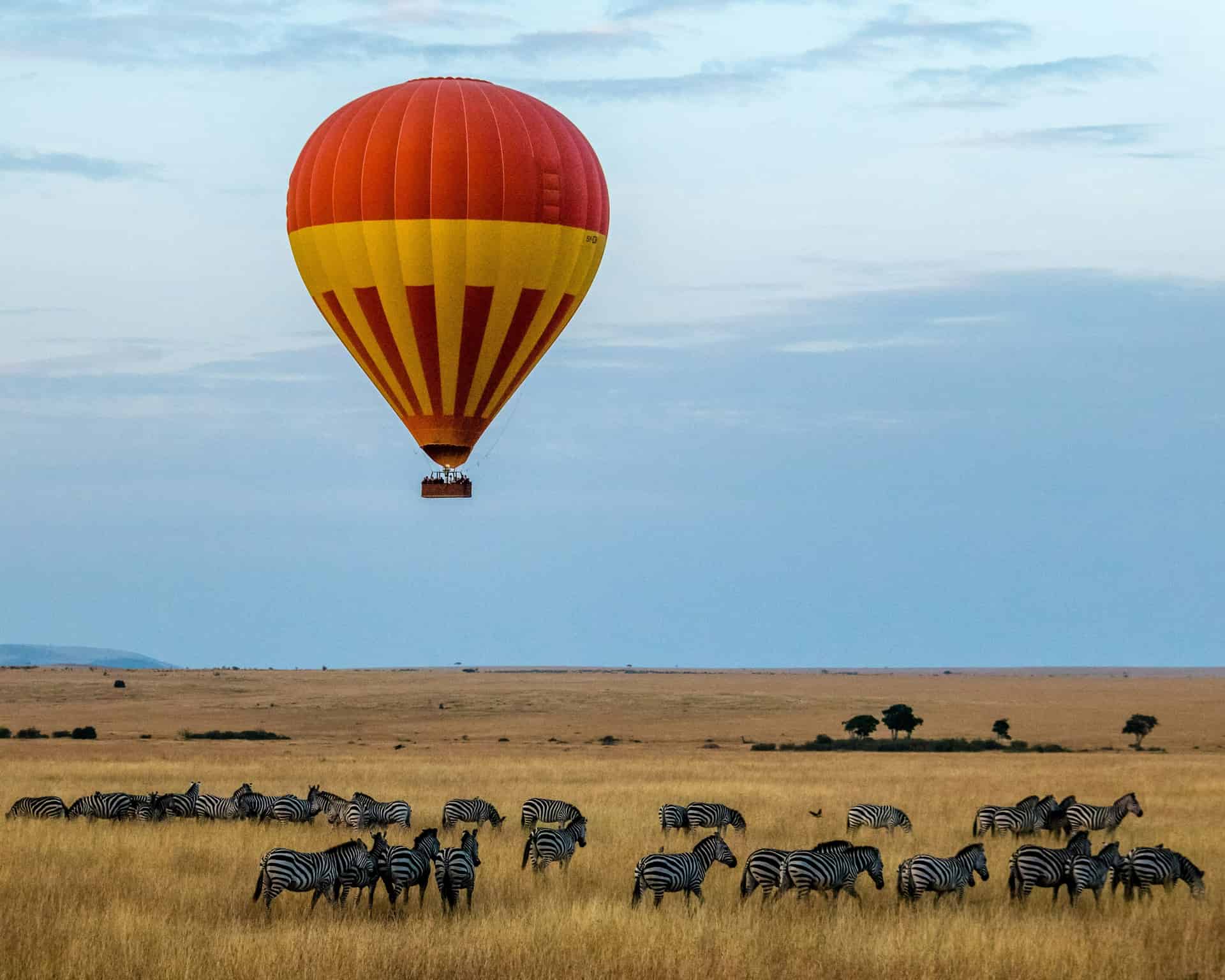
The best time to witness the Great Migration in Masai Mara is between mid-July and late September.
This is when large herds of wildebeest and zebras move into the reserve, often leading to dramatic river crossings. These moments are intense, chaotic, and completely unpredictable.
- Mid-July: Herds begin arriving
- August to mid-September: Peak river crossing activity
- October: Fewer crowds with strong predator movement
If you are looking for better value, January to March offers lower park fees and excellent wildlife sightings even without migration.
How to Plan a 4-Day Masai Mara Itinerary (Realistic View)
A 4-day itinerary is the most common choice for travelers from India, but what matters is how those days are actually experienced.
What most first-time travelers do not expect is how much time is spent simply waiting and how those quiet moments often lead to the most memorable sightings.
Day 1: Arrival and First Impressions
Most travelers take a short flight from Nairobi to Masai Mara, which takes around 45 minutes. This allows you to begin your first game drive by afternoon.
Your first drive is about adjusting to the environment. The vast landscapes, the silence and the realization that wildlife is completely unrestricted begin to shape your experience.
Day 2: The Most Active Safari Day
This day begins before sunrise, when the reserve is at its most active.
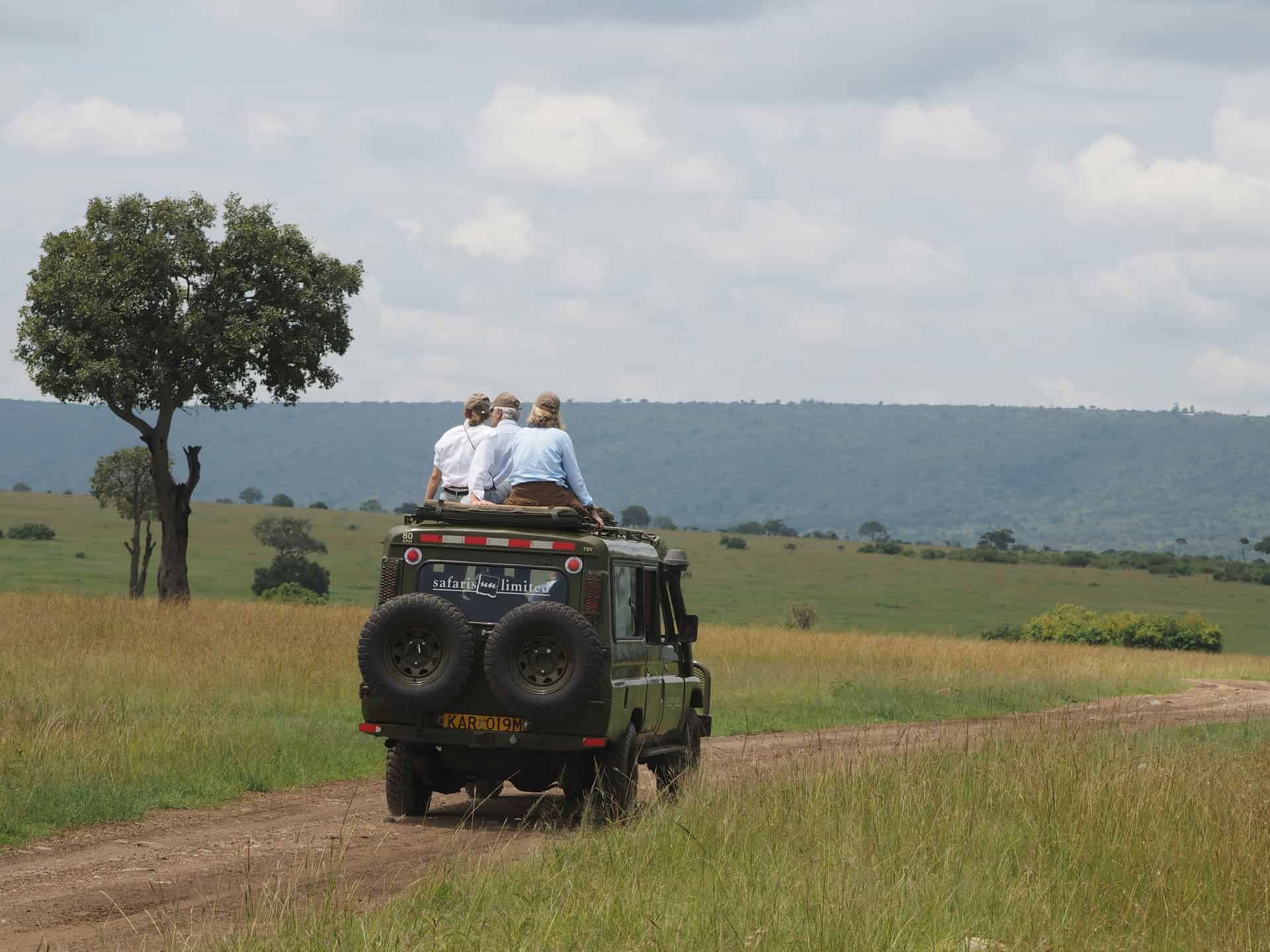
Early morning drives often bring the most exciting sightings. You may spend time tracking predators, observing animal behavior or simply moving through the landscape waiting for something to unfold.
Some drives are quiet and slow, while others turn intense within moments. That unpredictability is what defines the safari experience.
Day 3: Migration, Exploration and Perspective
By the third day, you start noticing more than just animals.
If you are visiting during migration season, this is when many travelers explore river crossing zones. These events are never guaranteed, but when they happen, they are unforgettable.
Even outside migration, this day often brings a deeper connection with the environment, where smaller details become just as meaningful as major sightings.
Day 4: Final Drive and Departure
The last day feels slower and more reflective.
You may go for a short morning drive or simply enjoy the surroundings before heading back to Nairobi. By now, the safari feels less like an activity and more like an experience you have settled into.
If you are still understanding how a safari actually feels beyond just planning, you can also read our detailed Masai Mara safari guide that explains the full experience in depth.
Kenya eTA for Indian Travelers
Kenya has replaced the traditional visa system with an Electronic Travel Authorization.
- Cost: Approximately $34 or ₹2,900
- Processing Time: Around 3 to 5 working days
- Requirement: Confirmed accommodation details before applying
The process is simple but should be completed in advance.
Masai Mara vs South Africa Safari: Which One Should You Choose?
Many travelers compare these two safari experiences before making a decision.
Masai Mara offers a more raw and wildlife-focused experience, with open landscapes, high predator density and the Great Migration.
South Africa offers a more structured experience, with easier logistics, well-developed infrastructure, and the option to combine safari with city travel.
Your choice depends on whether you want a more immersive wildlife experience or a balanced trip with comfort and variety.
How This Fits Into Your Overall Safari Planning
If you are still exploring options, it helps to review broader Africa Tour Packages to understand how different safari experiences compare and which suit your travel style.
Final Thoughts
Planning a Masai Mara safari now requires more attention to detail than before, but that does not take away from the experience.
Once you are there, the logistics fade into the background. What stays with you are the quiet drives, the unexpected sightings, and the moments that feel completely unplanned.