What does a safari actually feel like?
Is it just about spotting lions and elephants or is there something more to it?
Most first-time travelers from India start with these questions. And the answer usually surprises them.
A safari in Masai Mara is not about ticking animals off a list. It is about long, quiet drives where nothing seems to happen, followed by moments that unfold suddenly and stay with you for years. It is unpredictable, slow at times and incredibly real.
If you are planning your first African safari, this guide will help you understand what Masai Mara actually feels like, how to plan it properly, what it costs in 2026, and whether it is the right experience for you.
What You’ll Learn in This Guide
- What a Masai Mara safari actually feels like
- best time to visit, including the Great Migration
- realistic safari cost from India
- How to plan your trip smoothly
Is Masai Mara Safari Worth It?
Yes, Masai Mara offers one of the most raw and rewarding safari experiences, especially for first-time travelers who want to see wildlife in a completely natural and open environment.
What Makes Masai Mara Unique?
Masai Mara stands out because it does not feel staged.
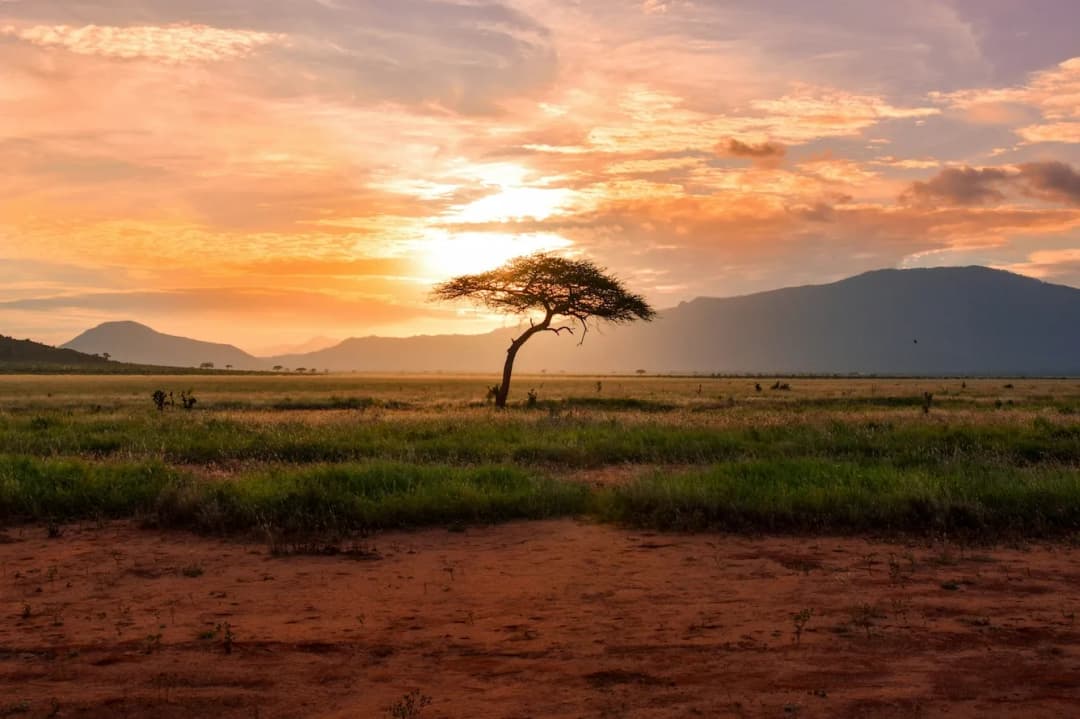
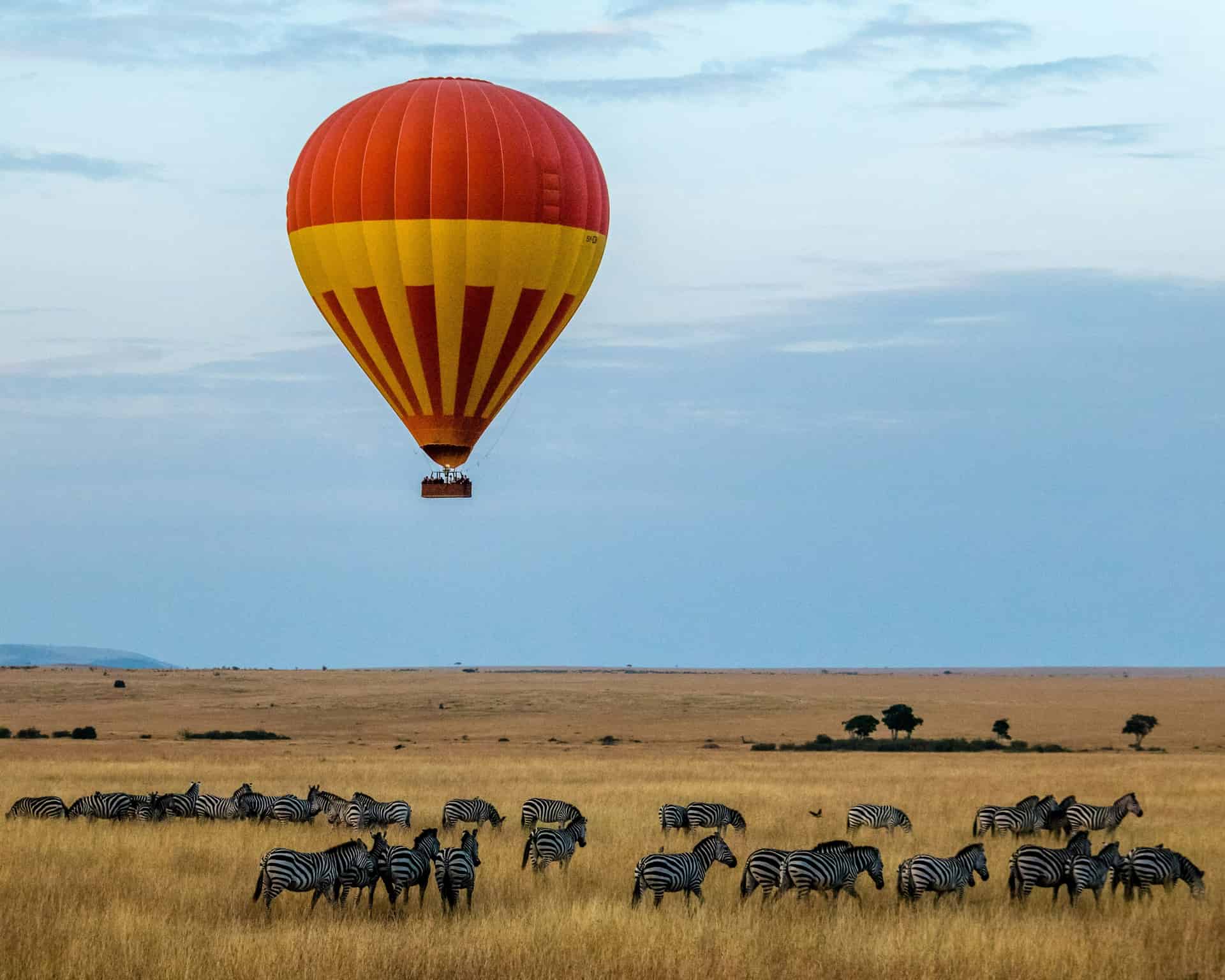
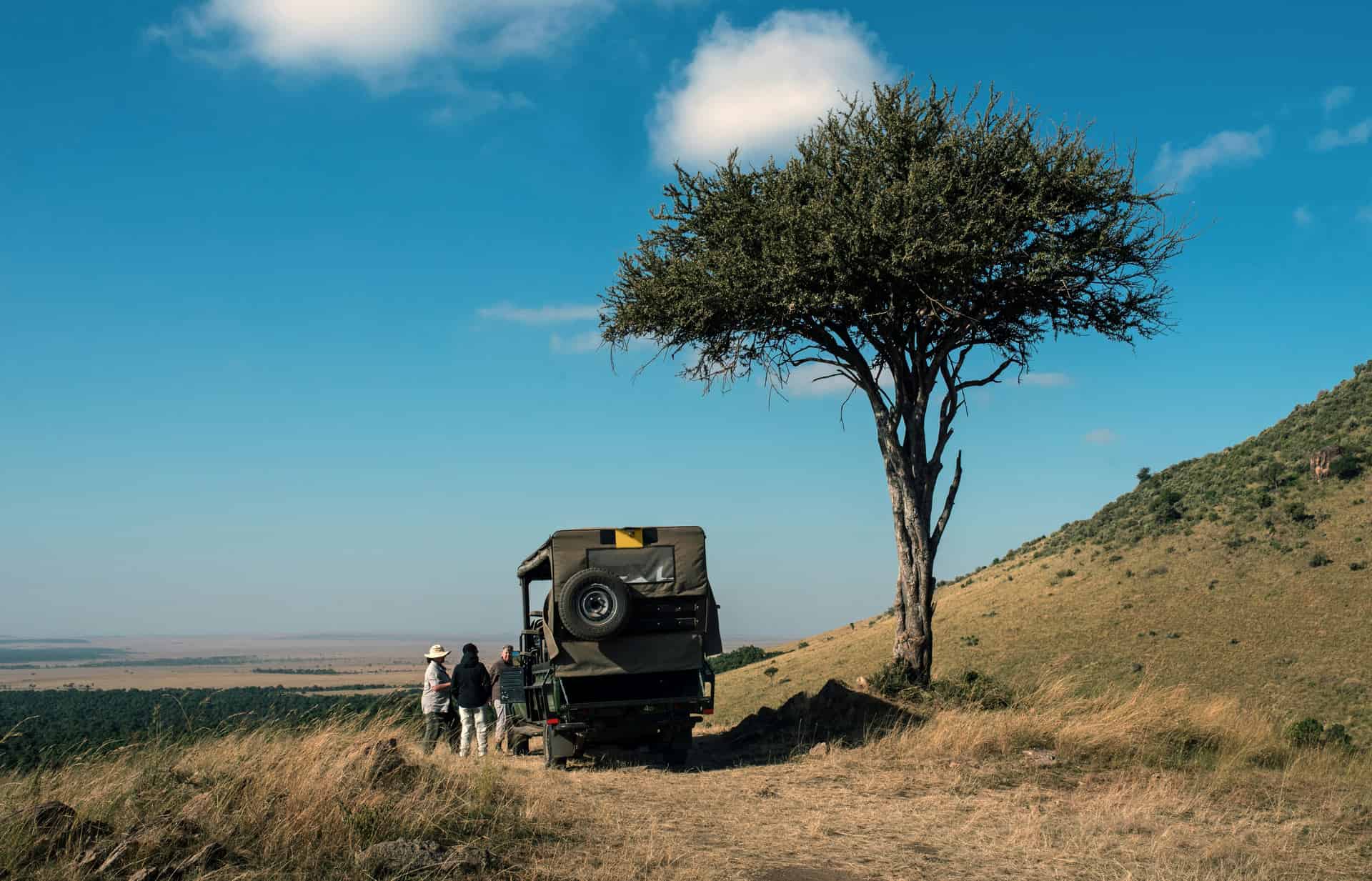
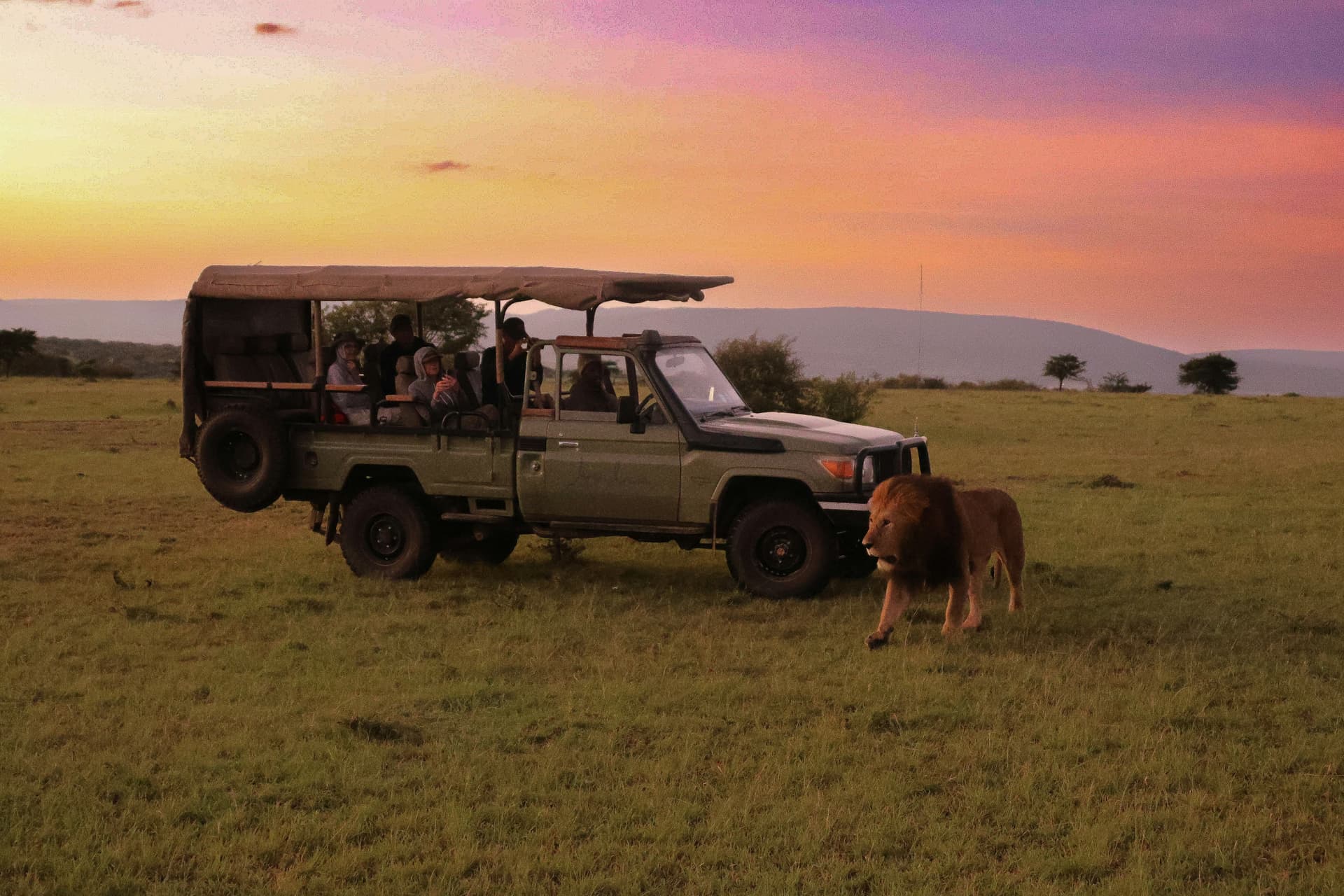
Wildlife moves freely across vast open landscapes and every sighting feels natural rather than guaranteed. You might drive for an hour without seeing much and then suddenly come across a pride of lions resting under a tree or a herd of elephants crossing slowly in front of you.
Compared to South Africa safaris, which are more structured and lodge-focused, Masai Mara offers a more raw and unpredictable wildlife experience.
It is also part of the larger Serengeti ecosystem, which hosts the Great Migration, one of the most dramatic wildlife movements on the planet.
What Does a Masai Mara Safari Experience Feel Like?
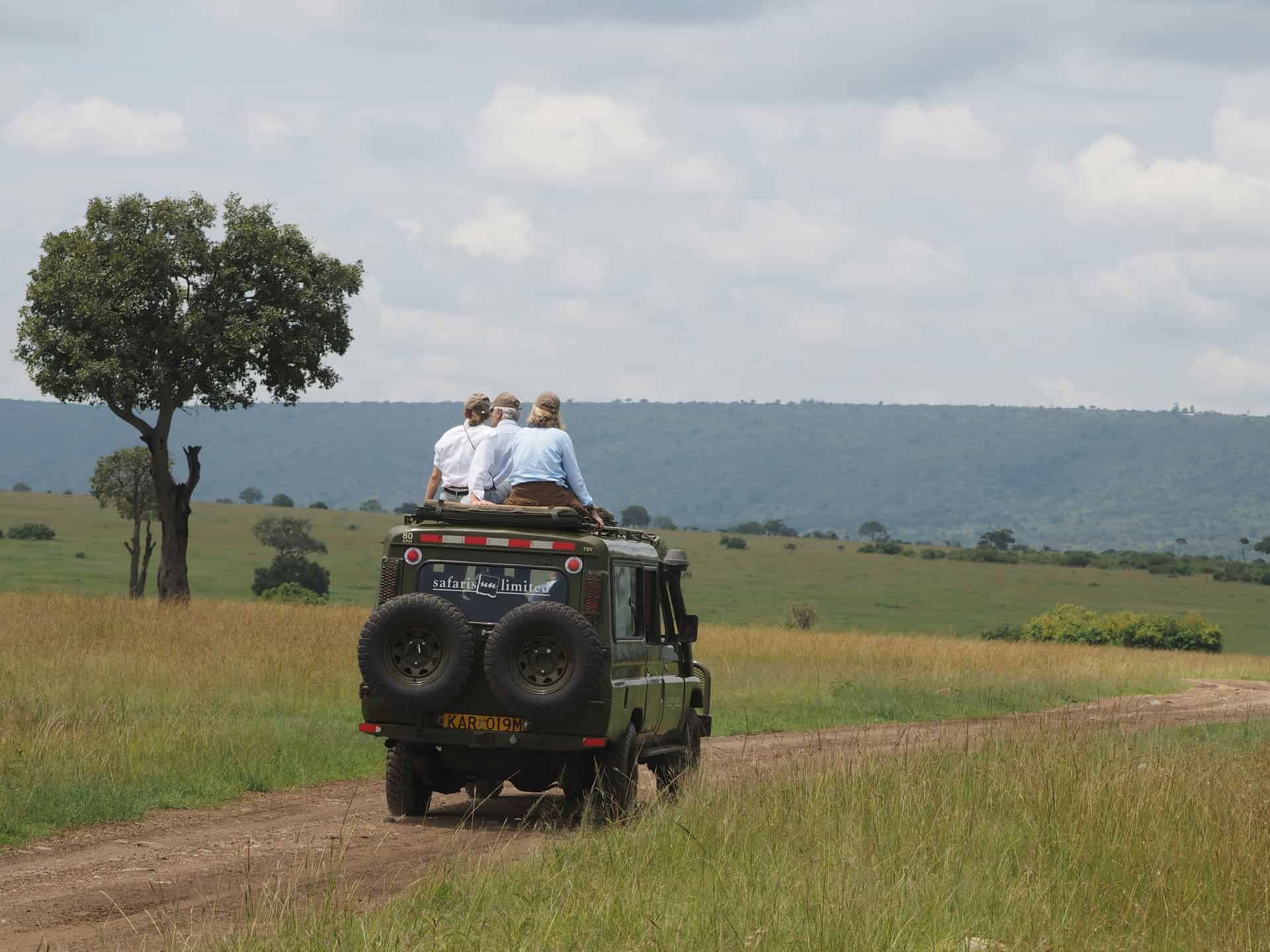
Your day begins before sunrise. The air is cool, the surroundings are silent and the first light slowly reveals the vast landscape.
Game drives are not rushed. There are long stretches where nothing seems to happen. And then suddenly everything changes. A lion appears just meters away. A herd crosses your path. A cheetah pauses and scans the horizon.
Some drives are calm and reflective, others are intense and unpredictable. That contrast is what makes every safari feel different.
How to Plan a Masai Mara Safari from India
Planning a safari requires more coordination than a typical international trip.
Most travelers fly from India to Nairobi, followed by either a domestic flight to the Mara or a long road journey. Road transfers are cheaper but can take five to six hours. A fly-in safari saves time and allows you to start your experience sooner.
Accommodation plays a major role. From luxury lodges to tented camps, where you stay directly impacts your safari experience. Staying closer to wildlife zones improves your chances of better sightings.
If you are exploring options, it also helps to look at broader Africa Tour Packages to understand how Masai Mara fits into a complete safari journey.
How Much Does a Masai Mara Safari Cost from India? (2026 Update)
A Masai Mara safari is not a budget trip, but it offers a completely different kind of experience.
For Indian travelers, a four to six day safari usually ranges between ₹1.5L to ₹3L per person, depending on accommodation, season and inclusions.
One of the biggest updates in 2026 is the park fee structure:
- Peak Season July to December: $200 per adult per day
- Low Season January to June: $100 per adult per day
These fees form a significant part of your total cost.
Pro tip. Park entry follows a strict 6 AM to 6 PM rule. Even entering at 4 PM counts as a full day, so timing your arrival properly can save you money.
If you want a clearer breakdown of updated park fees, itinerary structure and what actually impacts your safari cost, you can read our detailed guide on Masai Mara safari cost and itinerary.
Best Time to Visit Masai Mara (Including Great Migration)
The best time depends on the kind of experience you want.
Between July and October, the Great Migration takes place. This is when massive herds enter Masai Mara, and river crossings become the highlight. These moments are chaotic, intense and completely unpredictable.
- Mid July: Arrival of herds
- August to mid-September: Peak crossing activity
- October: Fewer crowds with strong predator action
If you prefer fewer tourists, December to March offers a calmer but still rewarding experience.
The green season from April to June is quieter and more affordable, though sightings can be less predictable.
Kenya eTA for Indian Travelers
The traditional visa system has been replaced with an Electronic Travel Authorization.
- Cost: around $34 or ₹2,900
- Processing time: at least five working days
- Requirement: confirmed accommodation before applying
It is a simple online process, but it should be completed in advance.
How Many Days Are Enough for Masai Mara?
For most travelers, a four day and three night stay is ideal.
A two-night trip usually gives you only one full day inside the reserve, which can feel limited, especially considering the daily park fees.
With three nights, you get multiple game drives, better chances of sightings and a more relaxed experience.
A fly-in safari can also help maximize your time.
Who Should Choose a Masai Mara Safari?
Masai Mara is ideal for:
- first-time safari travelers
- wildlife and nature enthusiasts
- honeymoon or premium experience seekers
- travelers looking for something beyond typical city trips
It may not be ideal if you:
- prefer fast-paced itineraries
- expect guaranteed sightings
- We are looking for a low-budget international trip
Common Mistakes to Avoid
Many travelers reduce the quality of their experience due to small planning mistakes.
Expecting constant action is one of the biggest mistakes. Safaris require patience and some drives will be slow.
Another issue is underestimating travel time. Long road journeys can be exhausting and reduce your game drive time.
Choosing the wrong season without understanding what to expect can also lead to disappointment.
Practical Tips for First-Time Safari Travelers
Wear neutral-colored clothing so you blend into the environment. Early mornings and evenings can be cold, so layering is important.
Binoculars and a camera help, but even without them, wildlife sightings can be surprisingly close.
Always follow your guide’s instructions. You are in a natural environment and safety depends on awareness and distance.
Final Thoughts
A Masai Mara safari is not just about seeing wildlife. It is about experiencing nature in its rawest form.
Some moments will be quiet. Others will be intense. But the unpredictability is what makes it unforgettable.
It is the kind of journey that stays with you long after it ends.