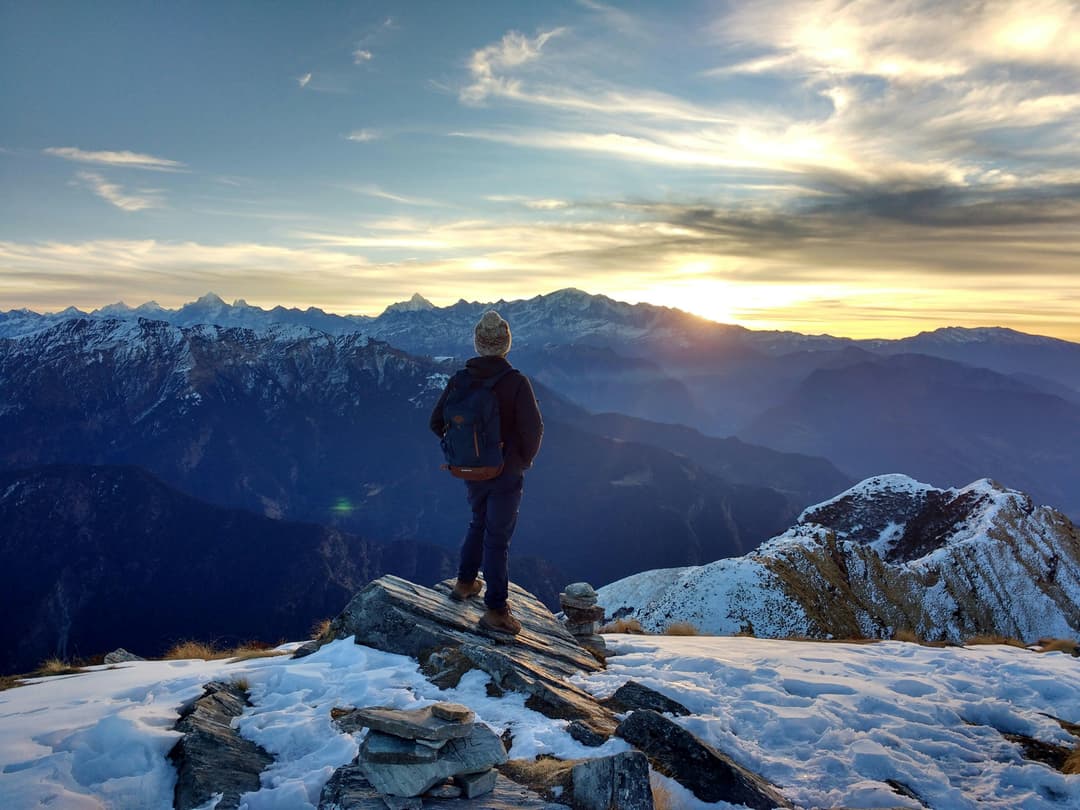
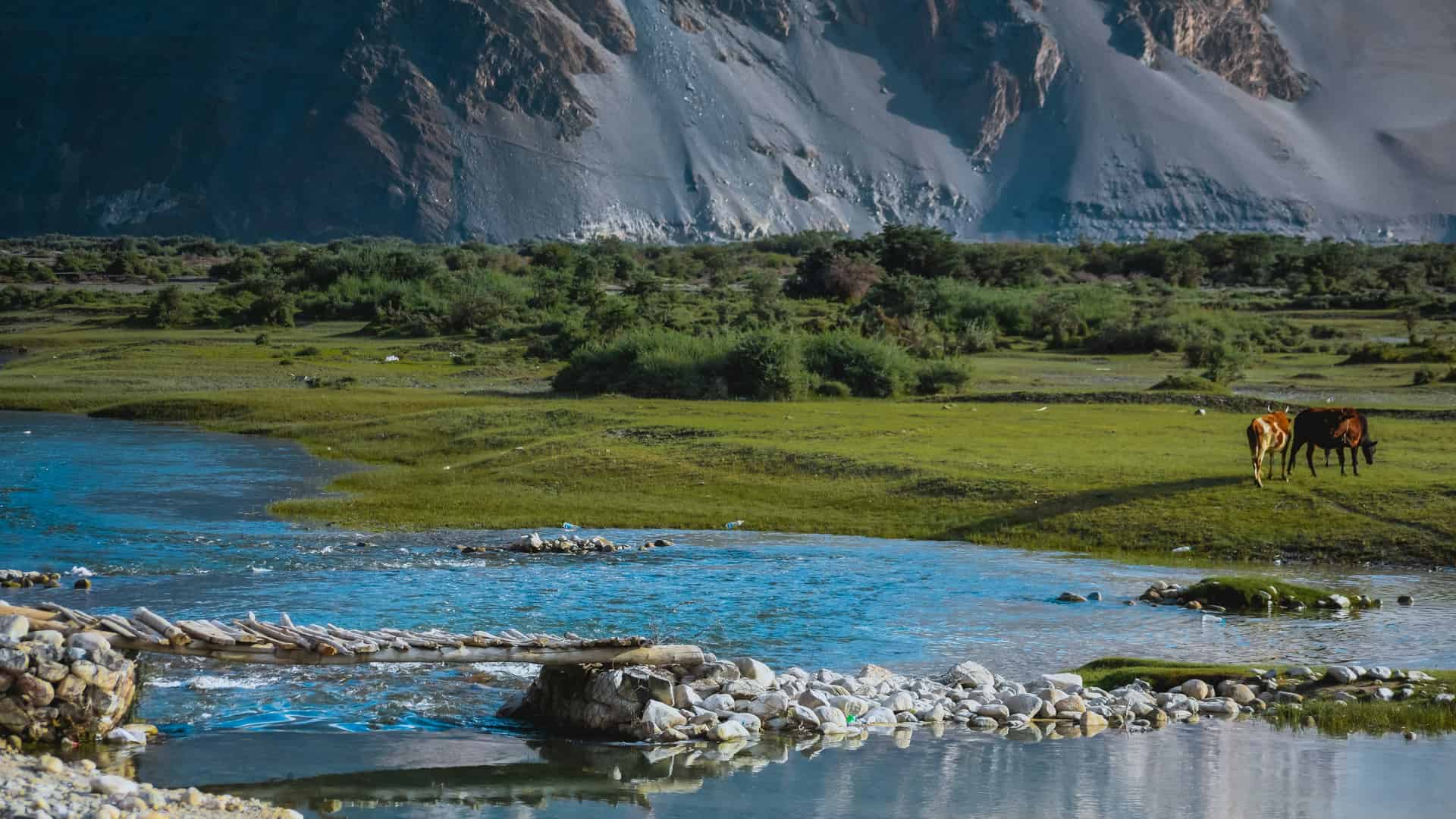
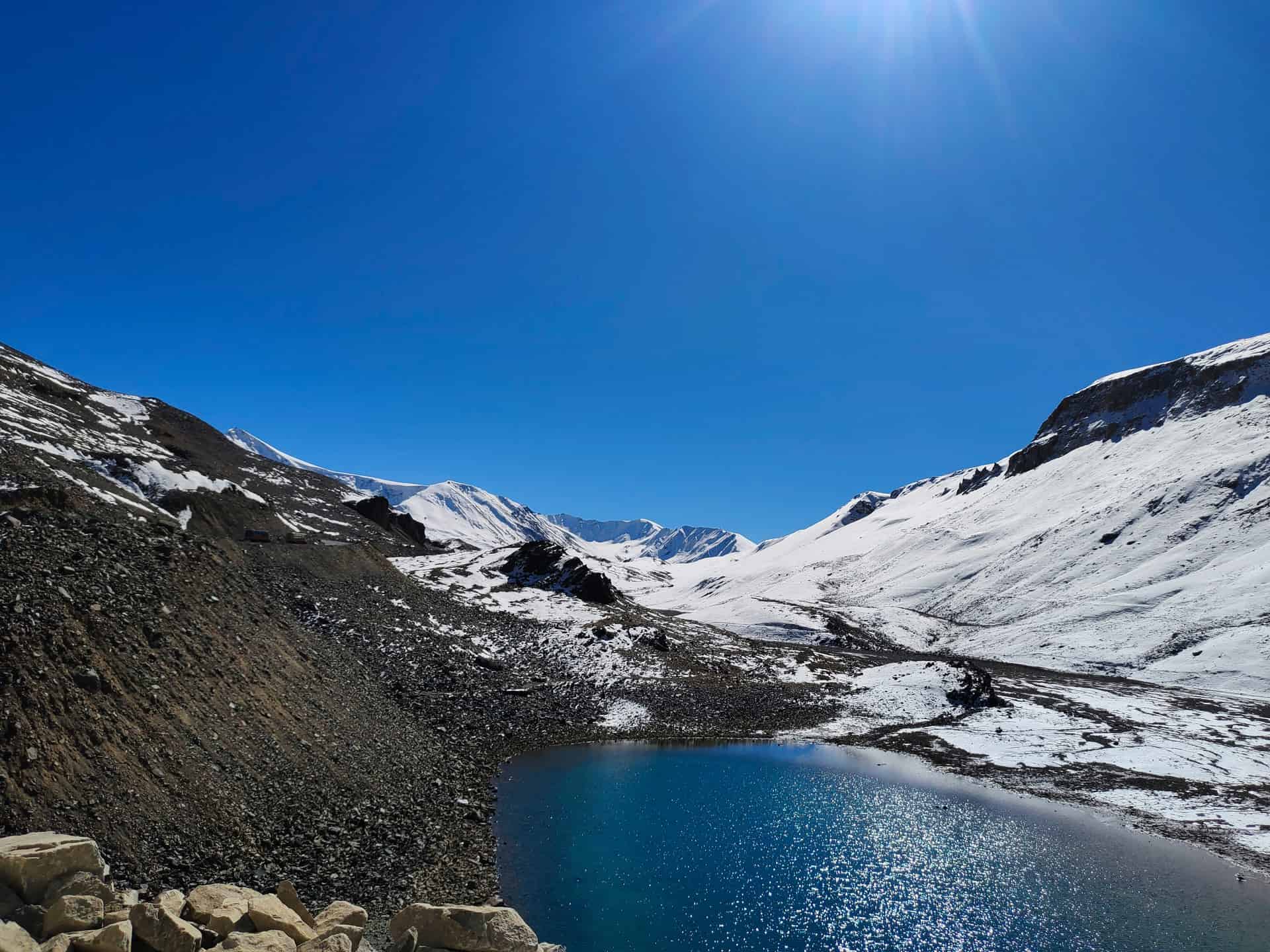
The Char Dham Yatra is one of the most sacred pilgrimage journeys in India, drawing thousands of devotees to the Himalayan state of Uttarakhand each year. The pilgrimage connects four revered temples nestled across the Garhwal Himalayas: Yamunotri Temple, Gangotri Temple, Kedarnath Temple and Badrinath Temple.
Because these temples are located in remote Himalayan valleys connected by winding mountain roads and trekking routes, planning the journey carefully is essential. Most pilgrims follow a 10–12 day travel plan that allows enough time for temple visits, mountain travel and acclimatization.
This guide presents a complete Char Dham itinerary, including the traditional pilgrimage route, day-by-day travel plan, and key stops along the journey to help travelers plan their pilgrimage smoothly.
Char Dham Yatra Itinerary Overview
Day | Route | Key Destination |
| Day 1 | Haridwar → Barkot | Travel to Yamunotri region |
| Day 2 | Barkot → Yamunotri → Barkot | Visit Yamunotri Temple |
| Day 3 | Barkot → Uttarkashi | Travel to Gangotri region |
| Day 4 | Uttarkashi → Gangotri → Uttarkashi | Visit Gangotri Temple |
| Day 5 | Uttarkashi → Guptkashi | Travel toward Kedarnath |
| Day 6 | Guptkashi → Kedarnath | Trek to Kedarnath Temple |
| Day 7 | Kedarnath → Guptkashi | Return trek |
| Day 8 | Guptkashi → Badrinath | Visit Badrinath Temple |
| Day 9 | Badrinath → Rudraprayag | Scenic Himalayan drive |
| Day 10 | Rudraprayag → Haridwar | Return journey |
Traditional Route of the Char Dham Yatra
The Char Dham pilgrimage traditionally follows a west-to-east route across the Garhwal Himalayas.
Most pilgrims start their journey from gateway cities such as Haridwar, Rishikesh, or Dehradun.
The traditional pilgrimage sequence is:
Haridwar / Rishikesh
→ Yamunotri
→ Gangotri
→ Kedarnath
→ Badrinath
This order aligns with the geography of the Garhwal Himalayas and the origins of the sacred rivers flowing through the region.
Best Time to Follow This Char Dham Itinerary
The Char Dham temples are located in high-altitude Himalayan regions and remain closed during winter because of heavy snowfall. The pilgrimage season usually runs from May to October, with the busiest travel period during May–June and September–October.
Weather conditions, road accessibility and altitude should always be considered while planning the itinerary.
10–12 Day Char Dham Yatra Itinerary
Below is a commonly followed itinerary that allows pilgrims to complete the journey comfortably.
Day 1: Haridwar / Rishikesh to Barkot
Distance: 180–200 km | Travel time: 7–8 hours
The pilgrimage typically begins from Haridwar or Rishikesh.
Pilgrims travel toward Barkot, a peaceful hill town located near the Yamunotri route. The journey passes through scenic valleys, forested hills, and winding mountain roads of the Garhwal Himalayas.
Overnight stay in Barkot.
Day 2: Barkot to Yamunotri and Return
Travelers drive to Janki Chatti, the starting point of the Yamunotri trek.
From here pilgrims undertake a 5–6 km trek to Yamunotri Temple, the first temple of the Char Dham pilgrimage.
Pilgrims often visit the natural hot springs near the temple before offering prayers.
After the visit, travelers return to Barkot for an overnight stay.
Day 3: Barkot to Uttarkashi
Distance: 80–90 km | Travel time: 4–5 hours
The journey continues toward Uttarkashi, a scenic town located along the Bhagirathi River.
Uttarkashi is known for its temples and peaceful Himalayan setting, and pilgrims often spend the evening preparing for the next day’s visit to Gangotri.
Day 4: Uttarkashi to Gangotri and Return
Travelers proceed toward Gangotri Temple, the second temple of the Char Dham Yatra.
The temple is believed to mark the origin of the sacred Ganges River. Surrounded by dramatic mountain landscapes and glaciers, Gangotri offers one of the most spiritually significant stops of the pilgrimage.
After offering prayers, pilgrims return to Uttarkashi.
Day 5: Uttarkashi to Guptkashi
Distance: 220 km | Travel time: 8–9 hours
The next leg of the journey leads toward Guptkashi, an important transit town on the route to Kedarnath.
The route passes through mountain roads and river valleys, offering views of the Mandakini River basin.
Pilgrims usually stay overnight here before beginning the Kedarnath trek.
Day 6: Guptkashi to Kedarnath
Travelers reach Gaurikund, the starting point of the Kedarnath trek.
From here pilgrims begin the 16–18 km trek toward Kedarnath Temple, one of the most revered Shiva temples in India. The trekking route offers breathtaking views of snow-covered Himalayan peaks and the Mandakini River valley.
Some travelers choose guided trekking routes or organized Kedarnath tour packages for convenience.
Day 7: Kedarnath to Guptkashi
After morning prayers at Kedarnath Temple, pilgrims begin the return trek toward Gaurikund. From there travelers drive back to Guptkashi for an overnight stay.
Day 8: Guptkashi to Badrinath
Distance: 185 km | Travel time: 7–8 hours
Travelers proceed toward Badrinath Temple, the final temple of the Char Dham pilgrimage. Located along the Alaknanda River, Badrinath is surrounded by dramatic Himalayan peaks and holds immense spiritual importance in Hindu tradition.
Day 9: Badrinath to Rudraprayag
After visiting Badrinath Temple, pilgrims travel toward Rudraprayag. This town marks the confluence of the Alaknanda and Mandakini rivers and is an important stop along the pilgrimage route.
Day 10: Rudraprayag to Haridwar / Rishikesh
Distance: 160–170 km | Travel time: 6–7 hours
The final day of the journey returns travelers to Haridwar or Rishikesh, completing the Char Dham pilgrimage.
Total Distance of the Char Dham Yatra
The full Char Dham pilgrimage typically covers 1,600–1,800 kilometers by road, depending on the starting location and the travel route. Travelers should be prepared for long mountain drives, winding roads and changing weather conditions throughout the journey.
Alternative Short Char Dham Itinerary
Some travelers prefer shorter travel plans.
These may include:
- helicopter-based Char Dham tours
- 7–8 day road itineraries
- Kedarnath-only pilgrimages
The duration of the journey depends on transportation choices and travel conditions.
Travel Tips for Planning the Char Dham Itinerary
Pilgrims planning the journey should keep a few practical tips in mind:
- start travel early to avoid mountain traffic
- Carry warm clothing due to changing weather conditions
- allow time for altitude acclimatization
- Complete Char Dham registration before beginning the journey
These preparations help make the pilgrimage safer and more comfortable.
Planning Your Char Dham Journey
Before finalizing your itinerary, it is helpful to understand the pilgrimage route, travel requirements, and estimated costs.
Travelers can read our Char Dham Yatra guide to learn about the temples and pilgrimage route. You can also explore our Char Dham Yatra cost guide to estimate the travel budget.
If you are exploring destinations across the region, our Uttarakhand travel guide explains major places to visit in the state.
Final Thoughts
The Char Dham Yatra is not only a pilgrimage but also an unforgettable journey through the Himalayan landscapes of Uttarakhand.
Following a well-planned itinerary allows pilgrims to visit Yamunotri Temple, Gangotri Temple, Kedarnath Temple and Badrinath Temple comfortably while experiencing the spiritual atmosphere of the Himalayas.
For travelers planning this sacred journey, thoughtful preparation and a clear route plan can make the pilgrimage smoother and more meaningful. Guides and travel insights shared by Desh Videsh Travels aim to help travelers explore the region with better planning and deeper understanding of the journey.