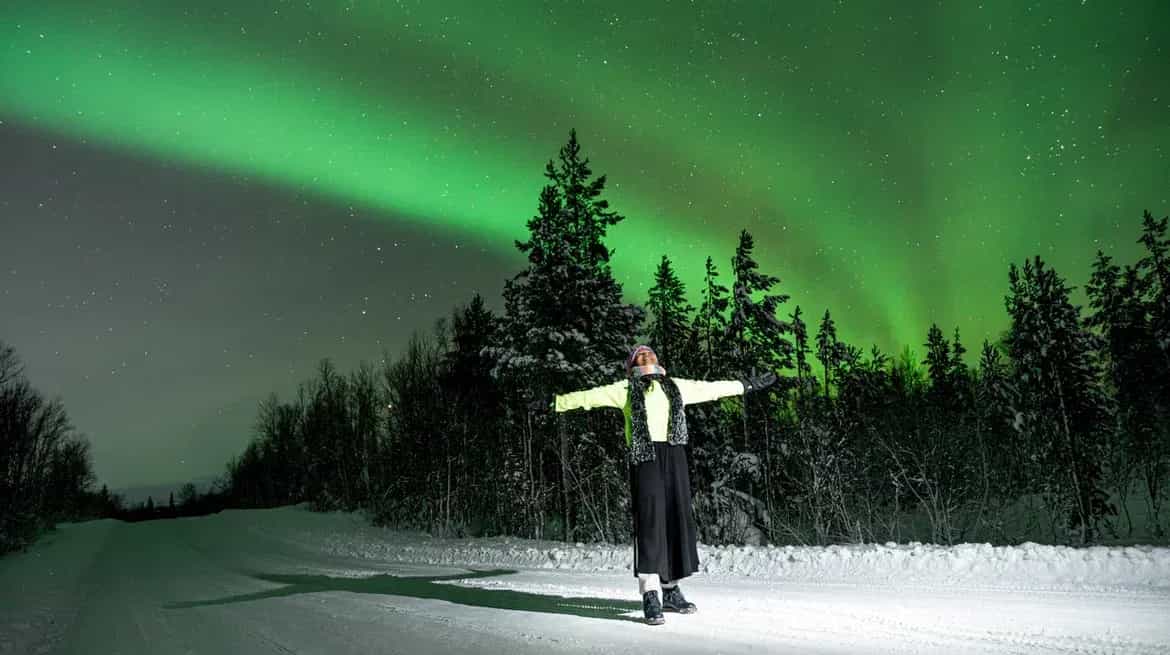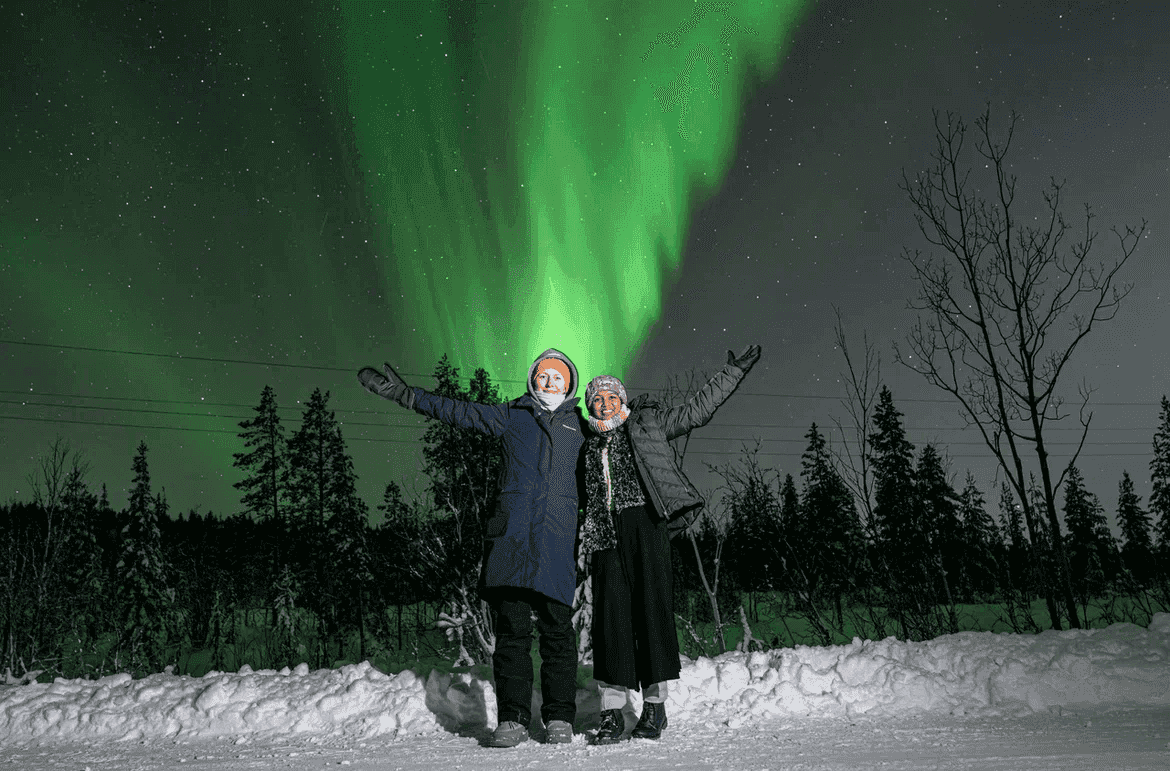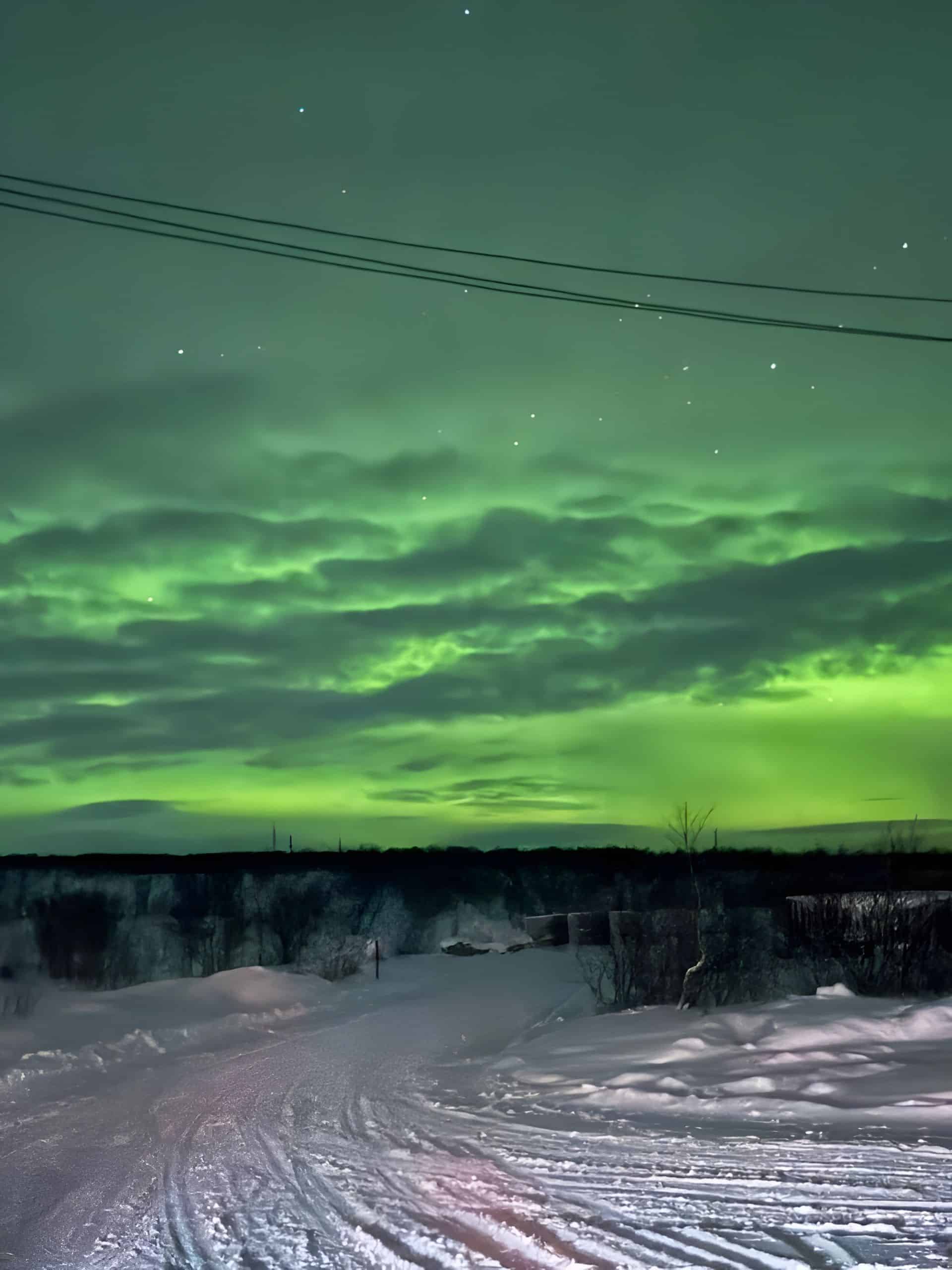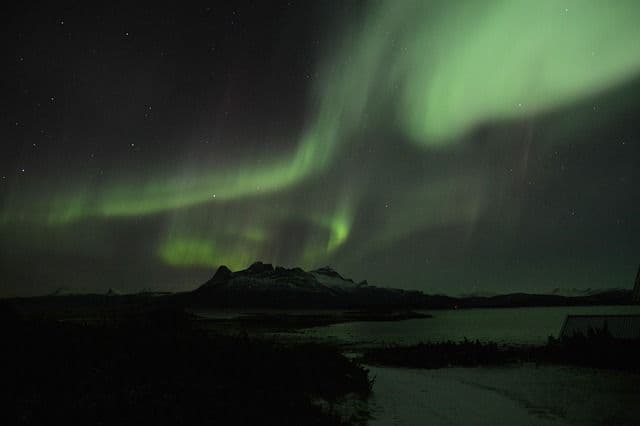
Russia is one of the countries where you can experience the Northern Lights and the Murmansk Region on the Kola Peninsula is one of the most practical areas for an aurora-focused trip.
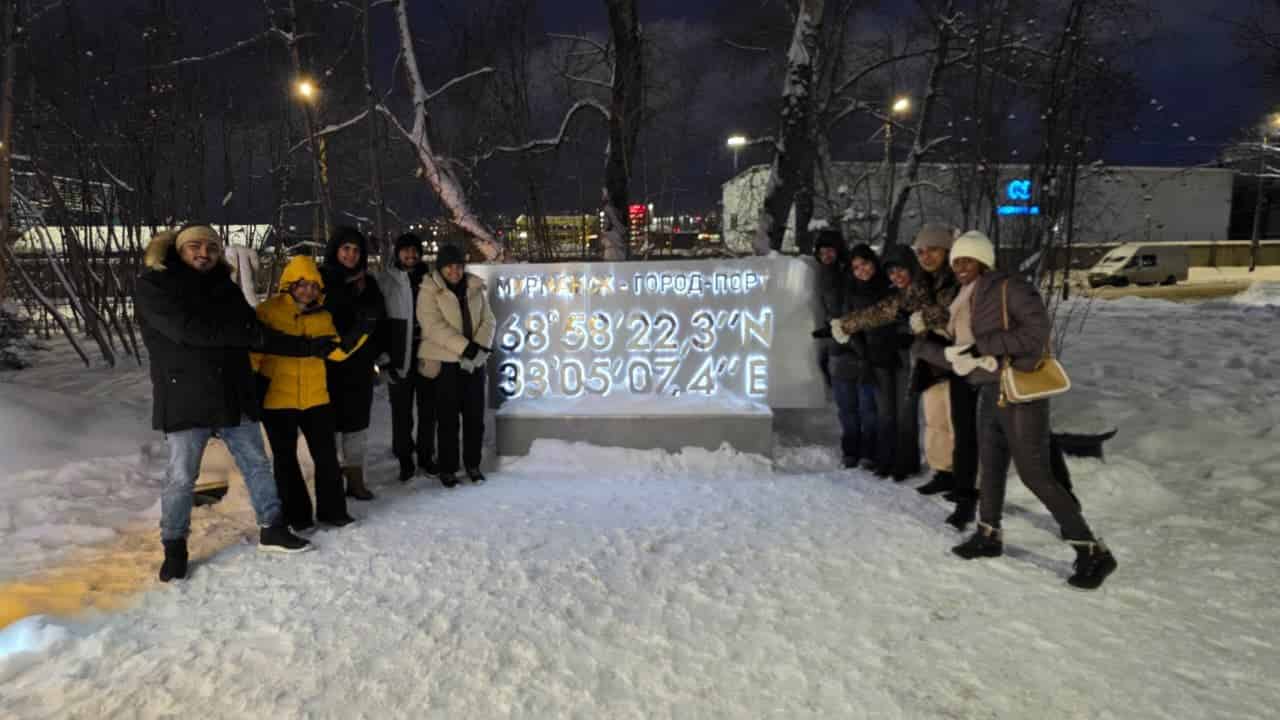
For most travelers, Murmansk is the main base. From the city, you can explore the wider Kola Peninsula and join evening excursions to darker areas where the Northern Lights can be viewed away from urban lights.
The experience can also be combined with the landscapes and culture of the Russian Arctic. Depending on your itinerary, that could mean visiting the Barents Sea coast at Teriberka, exploring the tundra around Lovozero or experiencing the Khibiny Mountains around Kirovsk.
If you are planning a Northern Lights trip to Russia, the important questions are where to go, when to visit, how aurora hunting works and what you need to know before traveling.
Can You See the Northern Lights in Russia?
Yes. The Northern Lights are visible in northern Russia and the Murmansk Region on the Kola Peninsula is one of the country's most practical areas for an aurora-focused trip.
Much of the Murmansk Region lies beyond the Arctic Circle, giving it long periods of darkness during the colder months. This makes the region well suited to Northern Lights viewing when other conditions are favorable.
Murmansk is particularly useful as a base because travelers can stay in the city and head into darker surroundings for evening excursions. You do not need to spend your entire trip in a remote Arctic settlement.
The main viewing challenge is finding a combination of darkness, clear skies and suitable aurora activity. This is why many Northern Lights excursions operate outside the city rather than from a single fixed viewing point.
Where Can You See the Northern Lights in Russia?
The Kola Peninsula is the main region to consider for a Northern Lights trip in Russia, with Murmansk as the primary base and destinations such as Teriberka offering different Arctic landscapes and experiences.
Location | Best known for | Role in a Northern Lights trip |
| Murmansk | Arctic city and regional hub | Main base for accommodation, transport and aurora excursions |
| Teriberka | Barents Sea coast and Arctic landscapes | Coastal scenery that can complement an aurora experience |
| Lovozero | Tundra and Sámi cultural heritage | Cultural and wilderness experience |
| Kirovsk | Khibiny Mountains and winter activities | Mountain scenery and wider winter experiences |
Murmansk should be your main base if the Northern Lights are the priority. Teriberka can add dramatic Barents Sea scenery to the trip, while Lovozero and Kirovsk are better suited to travelers who want to combine aurora viewing with cultural, tundra, mountain or winter experiences.
What Is the Best Time to See the Northern Lights in Russia?
The Northern Lights viewing season around Murmansk broadly runs from late summer or early autumn into April, with the darkest months offering the most practical viewing opportunities. Local tourism sources commonly describe September to April as the main period for Northern Lights trips.
The best period depends on the type of Arctic experience you want.
Period | What to expect | Best for |
| Late September to October | Dark nights return while conditions are generally milder than mid-winter | Travelers who prefer autumn conditions and Arctic landscapes |
| November to January | Very long nights, snow-covered landscapes, and colder temperatures | Travelers prioritizing darkness and a classic winter setting |
| February to March | Long dark evenings, winter scenery, and gradually increasing daylight | A balance of aurora viewing and winter activities |
| Early April | Aurora viewing can still be possible, but daylight increases | Travelers with flexible dates |
Murmansk tourism sources also highlight December and January as popular winter months for Aurora hunting, while local excursions operate across the wider September to April period.
If the Northern Lights are the main purpose of your trip, staying for several nights gives you more flexibility than relying on one evening.
How Does Solar Cycle 25 Affect Northern Lights Viewing?
Solar Cycle 25 reached its solar maximum in 2024, according to NASA and NOAA, making the cycle relevant to travelers interested in auroral activity. Solar maximum is the most active phase of the Sun's approximately 11-year cycle, when solar activity can produce stronger space-weather events that contribute to auroral displays.
This does not mean the Northern Lights will appear every night. Short-term solar activity, cloud cover, darkness and local visibility still determine what can actually be seen from the ground.
For travelers planning a Northern Lights trip in 2026, Solar Cycle 25 provides useful context for why solar activity remains an important part of current aurora forecasts.
What Are the Chances of Seeing the Northern Lights in Murmansk?
There is no reliable fixed percentage for seeing the Northern Lights on a Murmansk trip. Your viewing opportunity depends mainly on aurora activity, cloud cover, darkness, visibility and light pollution.
The key factors are:
- Aurora activity: Stronger geomagnetic activity can produce more visible displays.
- Cloud cover: Thick cloud can completely block an otherwise active aurora.
- Darkness: Long winter nights provide a larger viewing window.
- Light pollution: Darker areas outside Murmansk can make weaker displays easier to see.
- Timing: Aurora activity can change during the night.
This is why an aurora trip works better with some flexibility in both timing and location.
What Is a Northern Lights Experience in Murmansk Like?
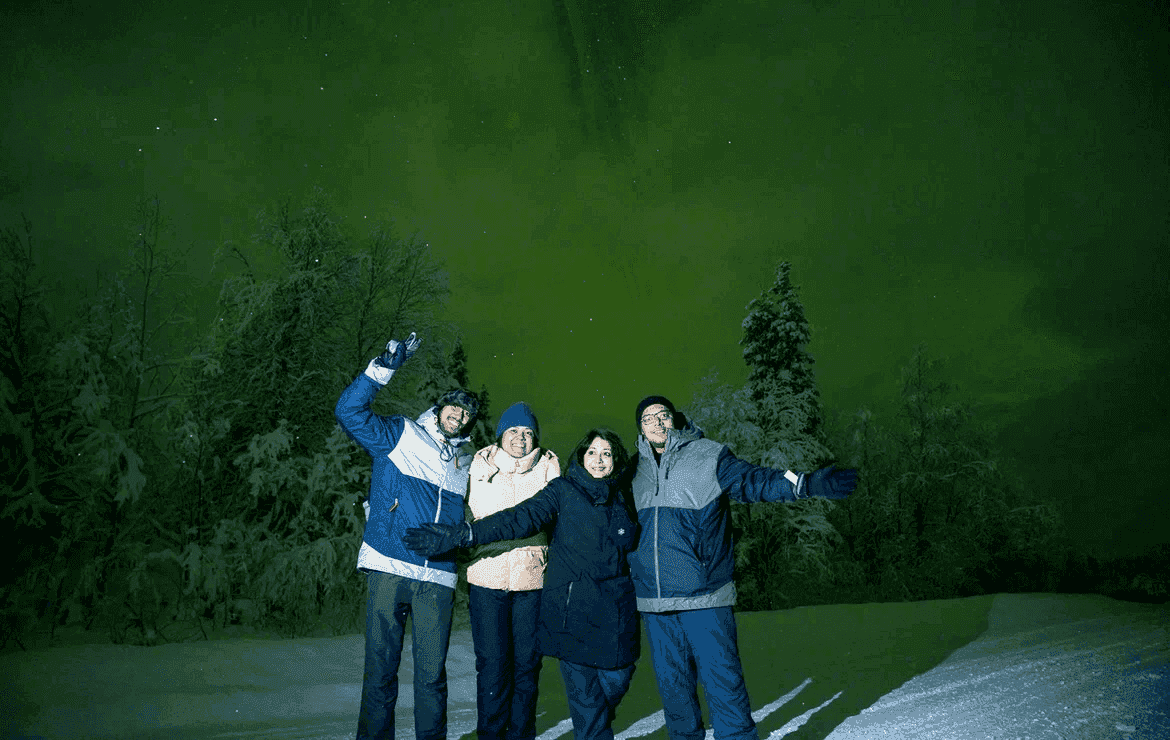
A Northern Lights experience in Murmansk usually involves leaving the city after dark and traveling into the Kola Peninsula in search of darker skies and suitable viewing conditions.
A typical evening begins with pickup from your hotel or a meeting point in Murmansk. From there, the excursion heads toward a viewing area outside the city.
Once you arrive, there may be some waiting while the sky is monitored. If cloud cover affects visibility, the excursion may move to another location. Some local excursions adjust departure times and routes according to the forecast rather than following a completely fixed schedule.
The experience can last several hours, so plan for a late evening outdoors. If the Northern Lights are the main reason for your trip, allowing several nights in Murmansk gives you more opportunities to go out when conditions are suitable.
How Does Aurora Hunting in Murmansk Work?
Aurora hunting means using current weather and aurora forecasts to decide where and when to look for the Northern Lights rather than staying at one fixed viewing point.
A typical excursion involves:
- Checking the evening weather and aurora forecast
- Leaving Murmansk after dark
- Traveling toward areas with darker and clearer skies
- Waiting for suitable viewing conditions
- Changing locations if cloud cover affects visibility
- Watching and photographing the aurora when it appears
The route and distance can vary depending on the conditions. Some excursions stay relatively close to Murmansk, while others travel farther into the Kola Peninsula.
For travelers unfamiliar with the region, the main benefit of a guided aurora hunt is local coordination. You do not have to decide where to drive late at night or continually monitor forecasts yourself.
Most importantly, aurora hunting is a search based on conditions, not a guaranteed trip to a fixed viewing spot.
What Should You Know Before Visiting Murmansk for the Northern Lights?
A Northern Lights trip to Murmansk involves a few practical considerations beyond choosing the right season. Check your Russia entry requirements, payment options, route to Murmansk and any access restrictions that may affect your excursions.
Check Russia's Entry Requirements
Visa requirements depend on your nationality and can change, so check the current rules before booking your trip. Travelers who are eligible for Russia's Unified e-Visa can apply online, but you should confirm the latest eligibility, entry points, validity and permitted stay through the official Russian e-Visa system.
Indian travelers should check the requirements specifically for an Indian passport before departure.
Getting to Murmansk
Murmansk Airport (MMK) is the main air gateway for the region. For many international itineraries, the practical route is to connect through Moscow before taking a domestic flight to Murmansk.
Flight schedules can change, so check the connection for your travel dates. If your itinerary requires changing airports in Moscow, allow sufficient connection time.
A Few Other Things to Keep in Mind
Foreign-issued cards may not work reliably in Russia due to international sanctions, so confirm payment options with your hotel and tour operator before departure.
Some parts of the Kola Peninsula also have access restrictions because of military installations and border areas. If your excursion includes a remote or restricted area, confirm access requirements with your operator in advance.
Finally, aurora hunting can mean spending several hours outdoors at night. Pack warm layers, insulated outerwear, gloves, a hat and suitable winter footwear, particularly if traveling during the colder months.
If seeing the Northern Lights is high on your travel list, Murmansk offers a practical way to experience the aurora while exploring the Russian Arctic. Just remember that the Northern Lights are a natural phenomenon, so the best trips allow some flexibility around weather, darkness and aurora activity.
Plan Your Northern Lights Trip to Russia
The Northern Lights are best approached as part of the journey rather than as a guaranteed one-night attraction. Choose the right season, allow enough time in the Murmansk region and plan your excursions around the conditions available during your stay.
If you would rather have the major trip arrangements organized for you, explore our Russia tour package for the itinerary, inclusions and trip details.