Europe brings together historic cities, alpine landscapes, Mediterranean coastlines, diverse cuisines and centuries of cultural heritage across a relatively compact region. For travelers from India, it also offers the opportunity to experience multiple countries in one trip, with well-connected cities and extensive rail and air networks.
From Paris and Rome to the Swiss Alps, Amsterdam, Barcelona, and Prague, the right Europe itinerary depends on your interests, trip length, budget and the countries you want to combine.
This Europe Travel Guide from India covers the best destinations and regions to visit, itinerary ideas, approximate trip costs, the best time to travel, essential travel information and practical tips for planning a multi-country European holiday.
Best Regions and Countries to Visit in Europe
Europe is made up of diverse regions, and the best destinations for your trip depend on your interests, budget, and available time. For a first trip, it is usually better to combine destinations that are geographically well connected rather than trying to cover too much of the continent.
Western Europe
Western Europe is a popular starting point for first-time visitors, combining major landmarks, museums, historic cities, and well-connected travel routes.
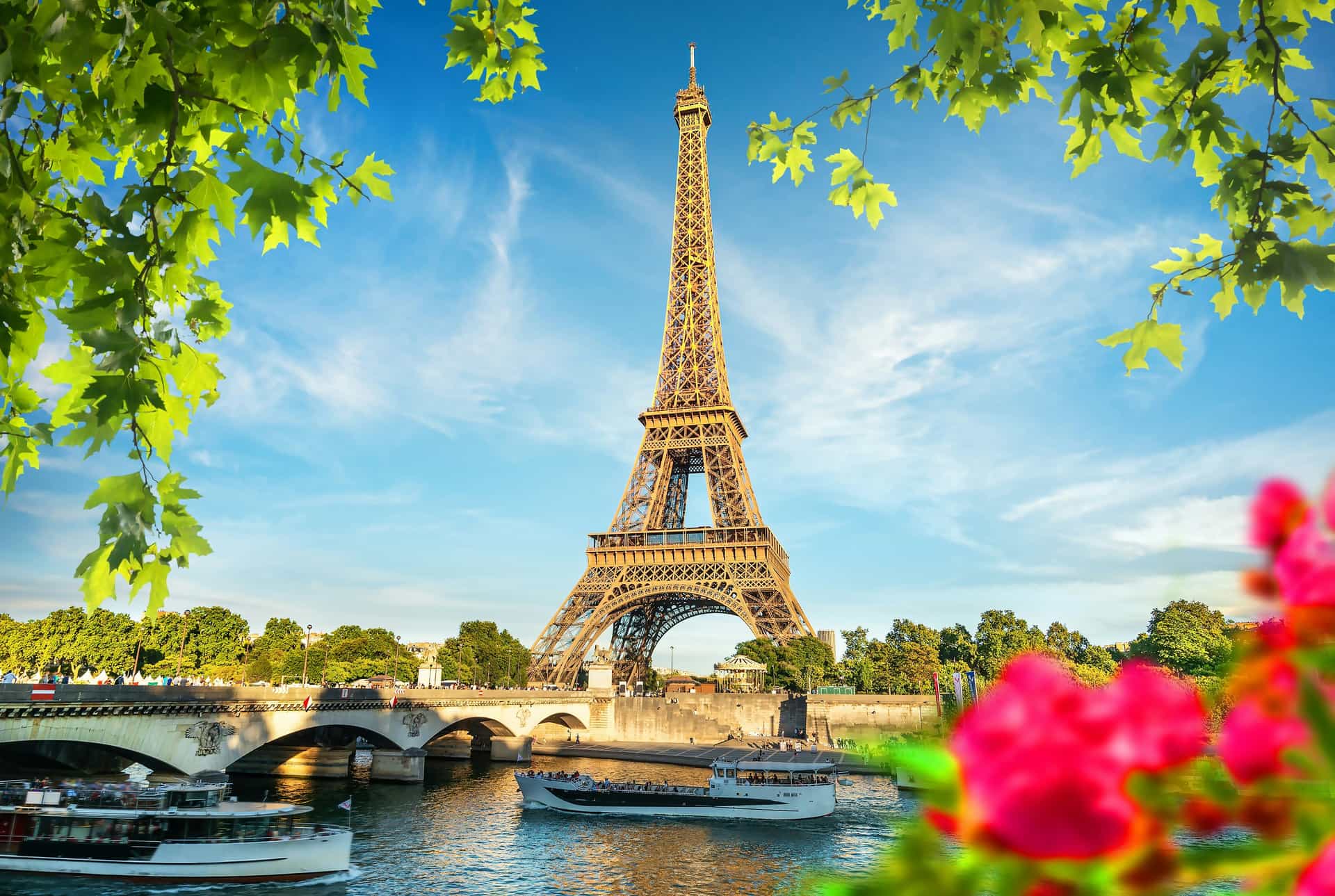
- France: Paris is known for its landmarks, museums, architecture and cuisine, while destinations such as Nice offer a Mediterranean experience.
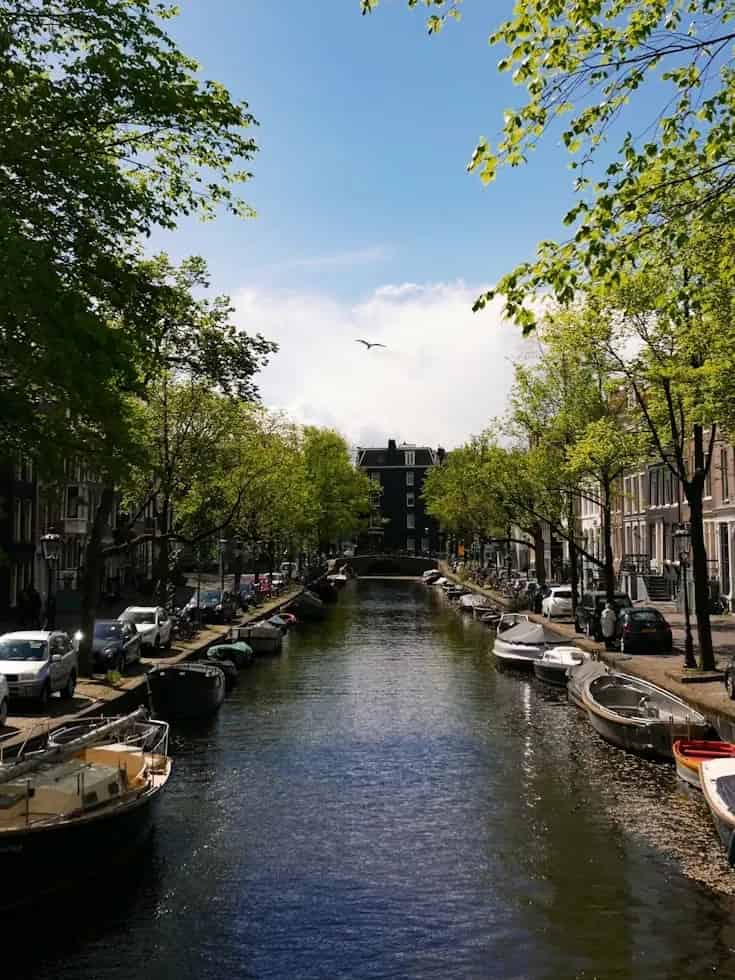
- Netherlands: Amsterdam combines canals, museums, historic neighborhoods and a strong cycling culture.
- Belgium: Brussels and Bruges offer historic architecture, medieval streets, public squares and Belgian food traditions.
Central Europe
Central Europe is a strong choice for travelers interested in historic cities, architecture, cultural experiences and alpine scenery.
- Germany: Berlin and Munich combine history, culture, architecture and modern city experiences.
- Czech Republic: Prague is known for its historic center, castle district, bridges and distinctive architecture.
- Austria: Vienna and Salzburg offer imperial architecture, classical music heritage, museums and access to alpine landscapes.
Southern Europe
Southern Europe is ideal for travelers looking for history, food, beaches, Mediterranean landscapes and lively city experiences.
- Italy: Rome, Florence, and Venice combine ancient history, Renaissance art, architecture and Italian cuisine.
- Spain: Barcelona, Madrid and Seville offer architecture, food, festivals, beaches and vibrant city life.
- Portugal: Lisbon and Porto combine historic neighborhoods, coastal scenery, viewpoints and local food.
Europe Itinerary Ideas
There is no single best Europe itinerary. Your route depends on how many days you have, which countries interest you and how much time you want to spend moving between destinations. For a multi-country trip, combining nearby destinations usually makes the journey easier and less rushed.
7-Day Europe Itinerary
A week in Europe works best with a compact route rather than trying to cover several distant countries.
Paris → Brussels → Amsterdam
This route combines major landmarks, historic city centers, museums, canals, and food experiences while keeping intercity travel relatively manageable.
10-Day Europe Itinerary
With 10 days, you can add another major destination while still keeping the route focused.
Paris → Switzerland → Italy
This combination works well for travelers who want a mix of iconic cities, alpine scenery, and European cultural experiences.
15-Day Europe Itinerary
With two weeks or more, you have greater flexibility to combine several countries.
France → Switzerland → Italy → Austria
A longer itinerary allows more time for scenic destinations and cultural experiences, but the route should still be planned around geographic proximity rather than simply maximizing the number of countries.
If this is your first trip to Europe, our First-Time Europe Trip Planning Guide goes deeper into choosing the right number of countries, deciding how many days to spend in each place and avoiding an overly packed itinerary.
How Much Does a Europe Trip Cost from India?
The cost of a Europe trip from India depends on the countries you visit, trip length, travel season, accommodation, and travel style. A multi-country itinerary can become significantly more expensive when it includes high-cost destinations such as Switzerland or frequent intercity travel.
As a broad planning estimate:
Travel Style | Approximate Cost Per Person | Typical Trip Length |
| Budget | ₹1.5–2.2 lakh | 7–10 days |
| Mid-range | ₹2.5–3.5 lakh | 7–10 days |
| Luxury | ₹4.5 lakh+ | 7–10 days |
These are broad estimates for planning a holiday in Europe and can vary based on your flights, accommodation, local transportation, sightseeing, travel dates and the countries included in your itinerary.
For a detailed breakdown of flights, accommodation, food, transportation, sightseeing, visa expenses and daily budgets, see our Europe Trip Cost Guide.
Europe Entry Rules: ETIAS and EES
Entry requirements for Europe depend on your nationality, destination, and travel plans. For Indian travelers visiting Schengen countries for tourism, a Schengen visa is generally required before travel.
Europe is also introducing new digital border systems that travelers should understand before their trip.
EES (Entry/Exit System) records the entry and exit of eligible non-EU short-stay travelers at participating European external borders, including biometric information.
ETIAS (European Travel Information and Authorisation System) is intended for visa-exempt travelers. It does not replace a Schengen visa for travelers who require one.
If you are traveling from India, check the latest entry and visa requirements for your destination before booking your trip.
For detailed information on Schengen visas, EES, ETIAS and European border procedures, see our ETIAS & EES Europe Entry Rules Guide.
Best Time to Visit Europe
Europe is a year-round destination, but the best time to visit depends on the countries you plan to visit, the experiences you want, your budget, and your tolerance for crowds.
Season | What to Expect | Best For |
| Spring (April–June) | Mild weather, blooming landscapes and generally lighter crowds | City sightseeing, nature and multi-country trips |
| Summer (July–August) | Long days, warmer weather, peak crowds and higher demand | Beaches, festivals, hiking and northern Europe |
| Autumn (September–October) | Pleasant weather in many regions, fewer crowds and seasonal experiences | City trips, food, wine regions and scenic travel |
| Winter (November–March) | Cold weather in much of Europe, Christmas markets and ski season | Winter experiences, Christmas markets and skiing |
The best season can vary significantly depending on your destination. Southern Europe can have very different weather and travel conditions from Northern or Central Europe during the same month.
For a detailed month-by-month breakdown, regional weather guide, seasonal experiences, and advice on when to visit different parts of Europe, see our Best Time to Visit Europe Guide.
How to Travel Around Europe
Europe has an extensive network of trains, flights, buses and local public transportation, making it relatively easy to combine multiple destinations in one trip.
Trains are often the most convenient option between major cities, particularly for shorter and medium-distance routes. High-speed and international rail services connect many popular destinations.
Flights can be useful for longer distances or routes where flying saves significant travel time. When comparing flights with trains, also consider airport transfers, baggage rules and check-in time.
Buses can be a budget-friendly option on some routes, although they may take longer than trains.
For most multi-country trips, a combination of trains, flights and local transportation works best. Plan your route first, then choose the transport option that offers the best balance of time, convenience and cost for each journey.
Plan Your Europe Trip
Planning a Europe trip depends on your route, travel style, budget and the countries you want to explore.
If you are looking for a ready-made itinerary with accommodation, transportation and sightseeing, explore our Europe tour packages.
Prefer to travel independently and keep your trip flexible? Read our Europe Backpacking Guide for Indians for practical advice on routes, budgets, accommodation, transportation and packing.