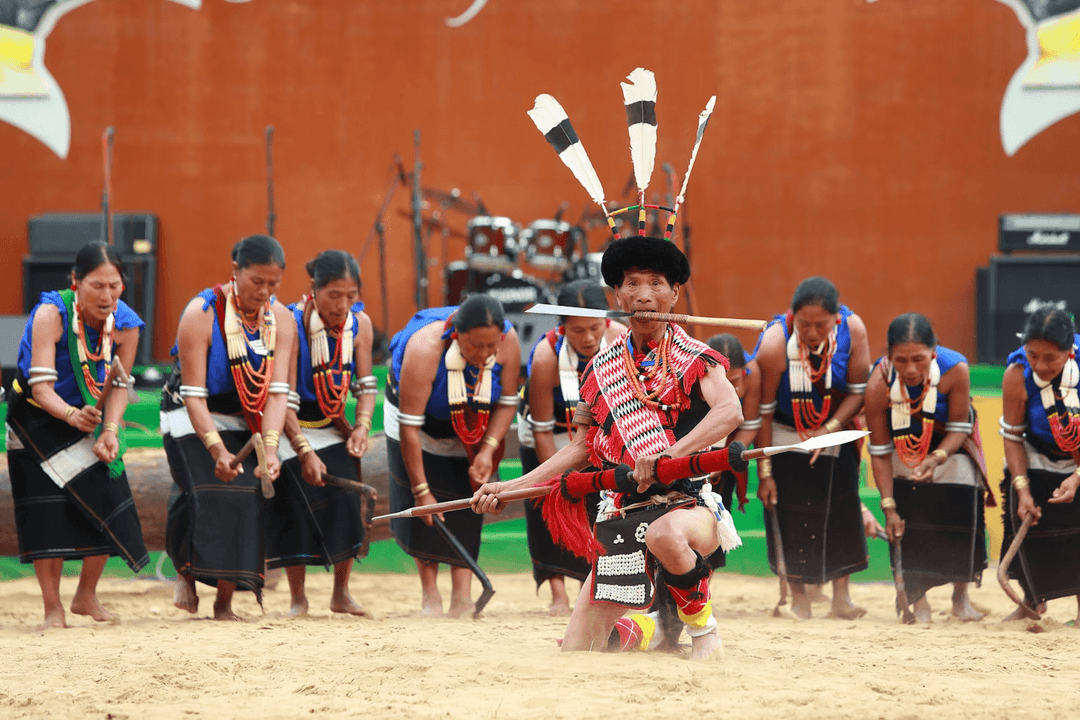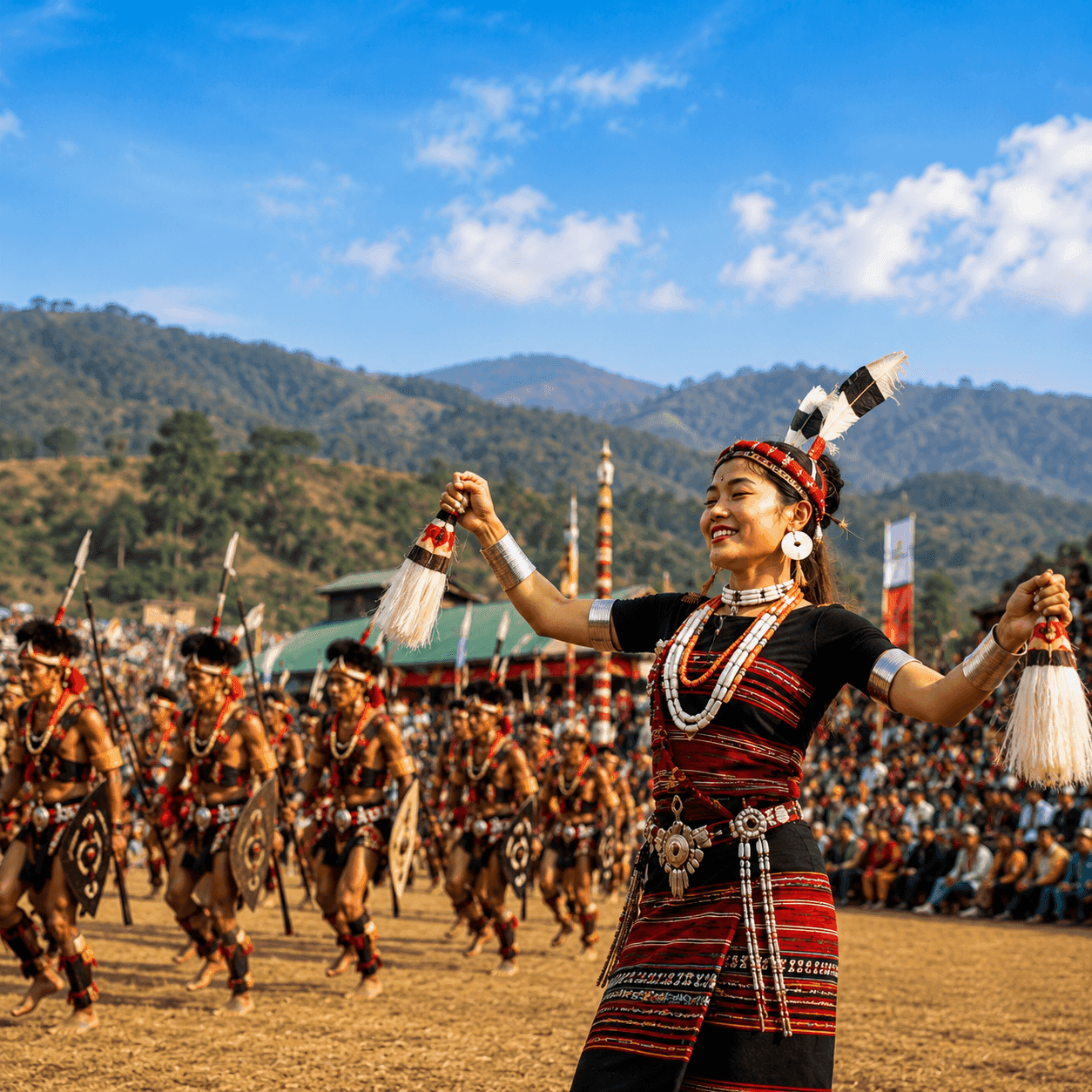
Imagine walking through a heritage village where every few steps introduce you to a different tribe, each celebrating its traditions through music, dance, food, crafts and storytelling. That's exactly what the Hornbill Festival offers.
Held every December at Kisama Heritage Village, just outside Kohima, the Hornbill Festival brings together the rich cultural heritage of Nagaland's major Naga tribes in one place. Often called the "Festival of Festivals," it is one of India's most celebrated cultural events and one of the best reasons to visit Northeast India.
More than just a festival, it's an opportunity to experience traditional tribal morungs, cultural performances, authentic Naga cuisine, local handicrafts and the warm hospitality that makes Nagaland unique.
This guide covers everything you need to plan your visit, including festival dates, entry requirements, permits, travel costs, accommodation, suggested itinerary and practical travel tips for a memorable Hornbill Festival experience.
Hornbill Festival 2026 at a Glance
Details | Information |
| Festival | Hornbill Festival |
| Location | Kisama Heritage Village, near Kohima, Nagaland |
| Festival Dates | 1 December to 10 December 2026* |
| Duration | 10 Days |
| Nearest City | Kohima |
| Nearest Airport | Dimapur Airport |
| Nearest Railway Station | Dimapur Railway Station |
| Distance from Kohima | Approximately 12 km |
| Ideal Trip Duration | 4–6 Days |
| Best For | Cultural Experiences, Photography, Food, Music & Heritage |
| Entry Requirement | Indian and international travellers should check the latest entry requirements before travelling to Nagaland. |
*The festival is traditionally organised from 1–10 December every year. Visitors should refer to the official programme closer to their travel dates for the latest schedule and event updates.
Entry Requirements for Visiting Nagaland
Before planning your Hornbill Festival trip, it's important to understand the entry requirements for Nagaland. Since regulations can change, always verify the latest guidelines through the official government channels before travelling.
For Indian Citizens
Indian citizens visiting Nagaland may be required to obtain an Inner Line Permit (ILP), depending on the applicable regulations and exemptions.
The easiest way to apply is through the official Nagaland Inner Line Permit Portal. It's advisable to submit your application well before your departure date to avoid any last-minute delays.
Keep the following documents ready while applying:
- A valid government-issued photo ID
- A recent passport-size photograph
- Basic travel details
If you're travelling during the Hornbill Festival, complete the permit formalities before booking your final transport to Nagaland.
For International Travellers
Foreign nationals should check the latest entry requirements for Nagaland before planning their visit, as procedures may vary depending on nationality and prevailing government regulations.
In addition to holding a valid Indian visa where applicable, travellers should ensure they comply with any registration or documentation requirements in force at the time of travel.
Checking the latest advisory before departure helps ensure a smooth journey.
Why Visit the Hornbill Festival?
There are many cultural festivals in India, but few offer the opportunity to experience the traditions of an entire state in one place.
The Hornbill Festival is special because it brings together the customs, music, cuisine, architecture, handicrafts and performing arts of Nagaland's diverse tribal communities. Instead of travelling across different districts to understand the state's culture, visitors can experience much of it within the beautifully designed Kisama Heritage Village.
Beyond the cultural showcases, the festival has evolved into a vibrant celebration that blends tradition with contemporary entertainment. During your visit, you can watch colourful tribal performances in the morning, enjoy authentic Naga food in the afternoon and attend live music events or the popular Night Carnival in Kohima after sunset.
For many travellers, this combination of heritage, hospitality and modern festivities makes the Hornbill Festival one of the most rewarding cultural experiences in India.
What Makes the Hornbill Festival Unique?
Several factors set the Hornbill Festival apart from other cultural events across the country.
Experience the Culture of Multiple Naga Tribes
Every participating tribe showcases its unique traditions through traditional houses (morungs), folk dances, music, attire, crafts and cuisine. It's one of the few places where visitors can experience such cultural diversity in a single location.
Witness Living Traditions
The performances are more than stage shows. They reflect customs and traditions that have been preserved and passed down through generations, offering visitors an authentic glimpse into Naga heritage.
Enjoy Authentic Local Cuisine
The festival is an excellent place to discover regional flavours that are difficult to find elsewhere in India. From smoked meats and bamboo shoot dishes to local vegetarian preparations, the food is an integral part of the experience.
Shop Directly from Local Artisans
The festival marketplace features handwoven textiles, bamboo and cane products, tribal jewellery, wood carvings, pottery and other handmade souvenirs crafted by local communities.
Discover More Than a Festival
Many travellers combine the Hornbill Festival with sightseeing around Kohima, making it an excellent introduction to Nagaland and the wider Northeast region.
Is the Hornbill Festival Worth Visiting?
If you're looking for a holiday that combines culture, local experiences, scenic landscapes, and meaningful interactions, the Hornbill Festival is well worth considering.
Rather than focusing on monuments or theme parks, the festival offers something more immersive. You'll have the opportunity to meet local communities, explore traditional architecture, taste regional cuisine and witness customs that have shaped Nagaland's identity for generations.
It's especially rewarding for travellers who enjoy cultural tourism, photography, local food and destinations that remain relatively untouched by mass tourism.
For first-time visitors to Northeast India, the Hornbill Festival is one of the most memorable ways to begin exploring the region.
Hornbill Festival 2026 Dates & Daily Experience
The Hornbill Festival 2026 is scheduled to take place from 1 December to 10 December at Kisama Heritage Village, around 12 kilometres from Kohima. Over ten days, the festival showcases Nagaland's diverse tribal heritage through cultural performances, indigenous games, traditional cuisine, music festivals, craft exhibitions and evening entertainment.
Although every day offers something unique, your experience can vary depending on when you visit. Choosing the right days can help you enjoy the festival with fewer crowds or witness its biggest celebrations.
When Should You Visit the Hornbill Festival?
If you're flexible with your travel dates, here's what you can expect throughout the festival.
Festival Period | What to Expect | Best For |
| 1–2 December | Grand opening ceremony, tribal processions, cultural performances | First-time visitors & photographers |
| 3–7 December | Full cultural programmes, morung visits, handicrafts, food stalls and indigenous games | Families, couples & culture lovers |
| 8–10 December | Cultural shows, shopping, concerts and closing celebrations | Travellers looking for a relaxed experience |
For most travellers, 3–7 December offers the best balance of activities and manageable crowds.
A Typical Day at the Hornbill Festival
While the official programme changes every year, the daily experience usually follows a similar rhythm.
Morning (9:00 AM – 12:00 PM)
The festival grounds begin to come alive as visitors explore the traditional tribal morungs before the main performances start.
During this time you can:
- Watch traditional dance performances.
- Interact with artisans demonstrating local crafts.
- Explore tribal architecture.
- Visit exhibitions before they become crowded.
Traveller Tip: Arriving before 9:30 AM gives you better opportunities for photography and a more relaxed experience before larger tour groups arrive.
Afternoon (12:00 PM – 4:00 PM)
This is when the festival is at its busiest.
You can spend your afternoon:
- Sampling authentic Naga cuisine.
- Watching indigenous games and wrestling demonstrations.
- Shopping for handcrafted souvenirs.
- Exploring cultural exhibitions and workshops.
Many visitors also take this time to interact with local communities and learn about the traditions of different Naga tribes.
Evening (After 5:00 PM)
As the sun sets, the celebrations continue beyond Kisama Heritage Village.
Depending on the official programme, evenings may include:
- Live music performances.
- Cultural concerts.
- Fashion and art events.
- The popular Night Carnival in Kohima.
- Food streets and local markets.
If you're staying in Kohima, don't head back to your hotel immediately after the daytime events. Some of the festival's liveliest experiences take place in the evening.
Top Experiences You Shouldn't Miss
With hundreds of performances spread across ten days, it's impossible to see everything. If you're visiting for the first time, these experiences deserve a place on your itinerary.
Explore the Tribal Morungs
One of the festival's biggest highlights is walking through the traditional morungs, where different Naga tribes showcase their architecture, customs, music, handicrafts and local cuisine.
Each morung offers a completely different experience, making this one of the most memorable parts of the festival.
Watch Traditional Cultural Performances
Throughout the day, you'll witness colourful folk dances, ceremonial rituals, warrior dances, and musical performances representing Nagaland's tribal heritage.
These performances are not staged solely for tourists; they reflect traditions that have been preserved for generations.
Taste Authentic Naga Cuisine
Food is an essential part of the Hornbill Festival experience.
Some popular dishes include:
- Smoked pork
- Bamboo shoot preparations
- Sticky rice
- Axone (fermented soybean dishes)
- Traditional chutneys
- Seasonal local vegetables
Food Tip: Some traditional dishes include Raja Mircha (Bhut Jolokia or Ghost Pepper), one of the world's hottest chillies. If you're not used to extremely spicy food, ask vendors about the spice level before ordering.
Shop for Handmade Souvenirs
The handicraft market is one of the best places to support local artisans.
Popular purchases include:
- Handwoven shawls
- Bamboo crafts
- Cane products
- Tribal jewellery
- Wood carvings
- Handmade home décor
Buying directly from local artisans helps support traditional craftsmanship and local communities.
Enjoy the Hornbill Music Festival
The Hornbill Festival isn't only about tradition.
Modern music events featuring local and independent artists have become an important part of the celebrations, attracting visitors from across India.
How to Reach the Hornbill Festival
Kisama Heritage Village is easily accessible via Kohima, making it convenient for travellers arriving by air, train or road.
By Air
The nearest airport is Dimapur Airport, which has regular flight connections from major Indian cities.
From Dimapur:
- Dimapur Airport to Kohima: 70–75 km (approximately 2.5–3 hours)
- Kohima to Kisama Heritage Village: 12 km (20–30 minutes)
Shared taxis and private cabs are available throughout the festival period.
By Train
The nearest major railway station is Dimapur Railway Station, which is well connected to Guwahati and several other cities in Northeast India.
From the station, shared taxis and buses regularly operate towards Kohima. While railway connectivity in Nagaland continues to improve, Dimapur remains the primary rail gateway for most visitors.
By Road
If you're travelling from neighbouring states, Kohima is well connected by road with Assam and other parts of Northeast India.
During the festival, additional taxis and shared vehicles usually operate between Kohima and Kisama Heritage Village to accommodate the increased number of visitors.
Entry Tickets
Visitors generally need an entry ticket to access the festival grounds. Ticket categories and prices may change each year, while certain concerts or special events may require separate tickets. It's advisable to check the latest official information before your trip.
Local Tip
One mistake many first-time visitors make is trying to see everything in a single day. The Hornbill Festival is designed to be explored at a relaxed pace. Spending at least two full days at Kisama Heritage Village allows you to experience the cultural performances, explore the tribal morungs, enjoy the local cuisine and browse the handicraft markets without feeling rushed.
Where to Stay During the Hornbill Festival
Choosing the right place to stay can make a big difference to your overall experience. Since the Hornbill Festival attracts thousands of visitors every year, accommodation in and around Kohima gets booked well in advance.
If you're planning to visit during the festival, book your stay by August or September whenever possible. By October, many of the best hotels and homestays are fully booked, leaving limited availability and higher prices.
Stay in Kohima (Recommended)
Kohima is the most convenient base for attending the festival. Located about 12 kilometres from Kisama Heritage Village, it offers the widest range of accommodation, restaurants, cafés and transport options.
Most visitors stay in Kohima and travel to the festival venue each day by taxi or shared vehicle.
Best for:
- First-time visitors
- Families
- Couples
- Travellers looking for more hotel options
Stay Near Kisama Heritage Village
If you prefer spending more time at the festival and less time commuting, consider staying near Kisama.
Accommodation options here are limited but convenient, especially for photographers and visitors attending early morning or late evening events.
Best for:
- Photographers
- Festival enthusiasts
- Short stays
Stay in a Local Homestay
For a more authentic experience, consider booking a local homestay.
Many homestays are run by local families and offer comfortable accommodation along with home-cooked meals and warm Naga hospitality. It's a great way to experience local culture beyond the festival grounds.
Best for:
- Solo travellers
- Budget travellers
- Cultural experiences
Estimated Accommodation Costs
Accommodation Type | Average Price Per Night |
| Budget Homestay | ₹1,500–₹3,000 |
| Budget Hotel | ₹2,500–₹4,500 |
| Mid-range Hotel | ₹5,000–₹8,000 |
| Premium Hotel | ₹8,000+ |
Prices are approximate and usually increase during the festival because of high demand.
How Much Does a Hornbill Festival Trip Cost?
The total cost of your trip depends on when you book, where you're travelling from and the type of accommodation you choose.
Flights are usually the biggest expense, especially if booked close to the festival dates. Booking transport and accommodation a few months in advance can help keep your overall budget under control.
Estimated Budget for a 5-Day Trip (Per Person)
Expense | Budget Traveller | Mid-Range Traveller |
| Return Flights | ₹8,000–₹18,000 | ₹12,000–₹22,000 |
| Accommodation | ₹7,500–₹12,000 | ₹18,000–₹30,000 |
| Food | ₹2,000–₹3,500 | ₹4,000–₹6,000 |
| Local Transport | ₹2,000–₹4,000 | ₹4,000–₹7,000 |
| Festival Entry & Activities | ₹1,000–₹3,000 | ₹2,000–₹5,000 |
| Shopping & Miscellaneous | ₹2,000–₹5,000 | ₹5,000–₹10,000 |
Estimated Total Trip Cost
Travel Style | Estimated Budget |
| Budget Traveller | ₹25,000–₹45,000 |
| Mid-Range Traveller | ₹45,000–₹80,000 |
Budget Tip: Booking flights 8–10 weeks before the festival and staying in a homestay can significantly reduce your overall travel expenses.
What to Eat at the Hornbill Festival
Food is one of the highlights of the Hornbill Festival, with stalls representing different Naga communities serving regional specialities that are rarely available elsewhere in India.
If you're visiting for the first time, don't miss the opportunity to try authentic local cuisine.
Popular Dishes to Try
- Smoked Pork
- Bamboo Shoot Curry
- Axone (Fermented Soybean)
- Sticky Rice
- Smoked Chicken
- Fresh River Fish Preparations
- Traditional Chutneys
- Millet-Based Dishes
Vegetarian Options
Although Naga cuisine is often associated with meat dishes, you'll also find a variety of seasonal vegetables, bamboo shoot preparations, mushrooms, local beans and rice-based dishes suitable for vegetarians.
Food Tip
Many traditional chutneys and curries are prepared using Raja Mircha (Bhut Jolokia or Ghost Pepper), one of the hottest chillies in the world. If you're not comfortable with extremely spicy food, ask the vendor about the spice level before ordering.
Suggested 5-Day Hornbill Festival Itinerary
If you're travelling from another part of India, five days is enough to experience the festival while exploring Kohima and its nearby attractions.
Day 1 – Arrive in Dimapur and Travel to Kohima
- Arrive at Dimapur Airport or Railway Station.
- Drive to Kohima.
- Check in to your hotel or homestay.
- Spend the evening exploring local cafés and markets.
Overnight: Kohima
Day 2 – Explore the Hornbill Festival
Spend the day at Kisama Heritage Village enjoying:
- Traditional dance performances
- Tribal morungs
- Local handicrafts
- Indigenous games
- Food stalls
- Cultural exhibitions
In the evening, head to Kohima to experience the Night Carnival if scheduled during your visit.
Overnight: Kohima
Day 3 – Experience More of the Festival
Use your second day to explore areas you may have missed.
You can:
- Watch additional cultural performances.
- Shop for handmade souvenirs.
- Attend music events.
- Try different regional cuisines.
- Interact with local artisans.
A second day allows you to enjoy the festival at a more relaxed pace instead of rushing through the venue.
Overnight: Kohima
Day 4 – Explore Around Kohima
Take a break from the festival and discover some of Kohima's most popular attractions.
Recommended places include:
- Kohima War Cemetery
- Kohima Cathedral
- Local markets
- Scenic viewpoints
If you're an experienced trekker and weather conditions are favourable, you can also plan a day trip to Dzukou Valley.
Overnight: Kohima
Day 5 – Return to Dimapur
After breakfast, drive back to Dimapur for your onward flight or train.
If time permits, stop at local viewpoints or markets along the way before continuing your journey.
If the Hornbill Festival is on your travel bucket list, let Desh Videsh Travels take care of the planning. From comfortable stays and local transportation to a well-crafted itinerary covering the Hornbill Festival and the highlights of Nagaland, we'll help you enjoy the journey without the hassle.
Explore our Nagaland Tour Packages and experience the best of Nagaland with confidence.
How to Save Money on Your Hornbill Festival Trip
Travelling during Nagaland's biggest festival doesn't have to be expensive if you plan ahead.
- Book flights early: Airfares usually increase as December approaches.
- Reserve accommodation in advance: Booking by August or September gives you better prices and more choices.
- Travel with friends or family: Sharing taxis and accommodation can reduce costs.
- Use shared taxis between Kohima and Kisama: They're often more economical than hiring a private vehicle every day.
- Carry some cash: While digital payments are accepted at many places, smaller vendors and local markets may still prefer cash.
A little planning goes a long way in helping you enjoy the festival without stretching your budget.
Essential Travel Tips for the Hornbill Festival
A little preparation can make your Hornbill Festival trip far more enjoyable. December is one of the busiest travel periods in Nagaland, so planning ahead helps you avoid unnecessary delays and lets you spend more time enjoying the festival.
Weather in December
The Hornbill Festival takes place during Nagaland's winter season. Days are usually pleasant for sightseeing, while mornings and evenings can be noticeably cold.
Time of Day | What to Expect |
| Morning | Cool with occasional mist |
| Afternoon | Pleasant and comfortable |
| Evening | Cold |
| Night | Chilly, especially outdoors |
Average temperatures generally range between 5°C and 18°C, although conditions may vary slightly each year.
Layering your clothing is the best way to stay comfortable throughout the day.
What to Pack
Packing wisely will help you enjoy long hours at the festival without discomfort.
Clothing
- Warm jacket
- Light sweater or fleece
- Comfortable walking shoes
- Full-sleeve T-shirts or shirts
- Woollen cap and scarf
- Extra pair of socks
Travel Essentials
- Government-issued photo ID
- Printed or digital copy of your accommodation booking
- Mobile charger and power bank
- Reusable water bottle
- Sunscreen and sunglasses
- Personal medicines
- Small backpack for day trips
Photography Essentials
If you're planning to photograph the festival, consider carrying:
- Camera with spare batteries
- Extra memory cards
- Lens cleaning cloth
- Rain cover for your camera bag (weather can change unexpectedly)
Local Transport
Most visitors stay in Kohima and travel to Kisama Heritage Village each day.
Available transport options include:
- Shared taxis
- Private taxis
- Hotel-arranged transport
- Festival shuttle services (if announced for the season)
Traffic can become slow during peak hours, particularly on weekends. Leaving early in the morning not only helps you avoid congestion but also gives you more time to explore before larger crowds arrive.
Mobile Network & Payments
Mobile connectivity is generally available in Kohima, although internet speeds may slow down during the festival because of increased visitor traffic.
To avoid inconvenience:
- Download offline maps before travelling.
- Keep digital copies of your hotel booking and travel documents.
- Carry some cash, as smaller food stalls and local vendors may not always accept digital payments.
Responsible Travel
The Hornbill Festival is more than a tourist attraction, it's a celebration of the traditions and heritage of Nagaland's indigenous communities.
Travelling responsibly helps preserve these traditions while supporting local livelihoods.
You can contribute by:
- Buying handicrafts directly from local artisans.
- Choosing locally owned cafés, restaurants and homestays.
- Following photography guidelines during cultural performances.
- Disposing of waste responsibly.
- Respecting local customs and traditions.
Simple actions like these help ensure tourism benefits local communities while preserving the authenticity of the festival.
Common Mistakes First-Time Visitors Should Avoid
Many first-time travellers make small planning mistakes that can affect their overall experience. Here are a few to avoid.
Waiting Too Long to Book
Hotels, homestays, and flights are in high demand during the festival. Booking a few months in advance usually gives you better availability and prices.
Trying to Cover Everything in One Day
The festival offers hundreds of performances, exhibitions, and cultural experiences over ten days. Spending at least two days at the venue allows you to enjoy the atmosphere without rushing.
Underestimating the Weather
December afternoons are pleasant, but temperatures drop quickly after sunset. Carrying a warm jacket is essential if you plan to stay for evening events.
Ignoring Local Etiquette
The Hornbill Festival celebrates traditions that are deeply meaningful to local communities. Always be respectful when photographing performers or entering tribal morungs, and ask permission when appropriate.
Arriving Late
The festival grounds become busier as the day progresses. Arriving early allows you to explore the morungs, interact with artisans, and photograph performances before the crowds increase.
Is the Hornbill Festival Right for You?
The Hornbill Festival isn't just another sightseeing destination. It's an immersive cultural experience that appeals to travellers looking to discover a different side of India.
You'll Enjoy the Festival If You:
- Love learning about local cultures and traditions.
- Enjoy photography and colourful festivals.
- Like trying regional cuisine.
- Prefer meaningful travel experiences over conventional tourist attractions.
- Want to explore Northeast India beyond the usual destinations.
It May Not Be the Best Choice If You:
- Prefer luxury beach holidays or resort vacations.
- Are looking primarily for nightlife or shopping malls.
- Have very limited time and can only spare a day or two.
For travellers who appreciate authentic cultural experiences, the Hornbill Festival offers memories that last long after the journey ends.
Final Thoughts
The Hornbill Festival is one of the best ways to experience the culture, traditions and hospitality of Nagaland. From vibrant tribal performances and authentic local cuisine to handcrafted souvenirs and unforgettable cultural experiences, it offers a journey unlike any other.