Quick Answer
Food in Iceland is expensive and limited compared to other destinations. Vegetarian options are available mainly in cities like Reykjavik, but planning is required. Most travelers manage food costs using supermarkets, simple meals and occasional dining.
What to Expect from Food in Iceland
Food in Iceland is simple, functional and often expensive. Unlike destinations known for diverse cuisine, Iceland focuses more on availability than variety.
Once you move outside major towns, food options become limited. This makes planning an important part of your trip, especially for longer journeys or road trips.
How Expensive is Food in Iceland
Food is one of the biggest expenses during an Iceland trip.
Average Cost (Per Person)
- Restaurant meal: ₹3,500 – ₹6,000
- Fast food or casual meal: ₹1,500 – ₹2,500
- Coffee and snack: ₹800 – ₹1,200
Eating out daily can significantly increase your total travel cost.
The most practical approach is to combine supermarket meals, self-cooking and occasional dining. For overall budgeting, refer to the Iceland trip cost from India guide.
Drinking Water in Iceland (Save Money Easily)
Tap water in Iceland is clean, safe and of very high quality.
You do not need to buy bottled water. Carry a reusable bottle and refill it anywhere, including hotels and public places.
This simple habit can save money daily and is widely followed by travelers.
What Food is Iceland Known For?
Some of the most popular foods in Iceland include:
- hot dogs (popular street food)
- lamb-based dishes
- seafood such as salmon and cod
- skyr (traditional Icelandic yogurt)
While these are widely available, not all may suit vegetarian travelers.
Vegetarian Food in Iceland: The Reality
Vegetarian food is available, but not always convenient.
In Reykjavik
Reykjavik offers a good range of vegetarian options, including:
- vegetarian burgers
- soups and salads
- pizza and pasta
Restaurants and cafes in the city cater well to vegetarian diets.
Outside Reykjavik
Options become limited.
Most places offer:
- basic veggie burgers
- fries
- simple soups
Choices are fewer and can feel repetitive over multiple days.
Practical Vegetarian Strategy
Common vegetarian-friendly items available in supermarkets include:
- skyr (high-protein yogurt)
- bread and spreads
- fruits and packaged meals
At fuel stations like N1 or Olís, simple vegetarian wraps and snacks are often available and can help during long drives.
Planning meals in advance is important if you are traveling outside major towns.
How Indian Travelers Manage Food in Iceland
Many Indian travelers follow a practical approach to manage both cost and availability.
Common Strategy
- carry ready-to-eat vegetarian meals (poha, upma, MTR packets)
- book accommodations with kitchen access
- rely on supermarkets for groceries
This combination reduces daily food expenses and ensures availability even in remote areas.
Important Food Rule for Indian Travelers
While carrying ready-to-eat vegetarian meals is common, it is important to understand customs regulations.
Food items containing meat or eggs may be restricted and can be confiscated at the airport.
It is safer to carry vegetarian packaged meals and check current guidelines before travel.
Supermarkets: Your Best Food Strategy
Supermarkets are the most reliable and cost-effective option in Iceland.
Popular Stores
- Bónus
- Krónan
These stores offer:
- groceries and fresh produce
- ready-to-eat items
- basic cooking essentials
Shopping once every 1–2 days helps you manage both cost and convenience.
Eating Out in Iceland: What to Expect
Eating out is convenient but expensive.
Restaurants typically offer:
- burgers and sandwiches
- soups and bread
- seafood dishes
Vegetarian options are usually limited to a few standard choices.
A balanced approach is to dine out occasionally while relying on simpler meal options daily.
Cafe Culture in Iceland
Cafes are an important part of the food experience in Reykjavik.
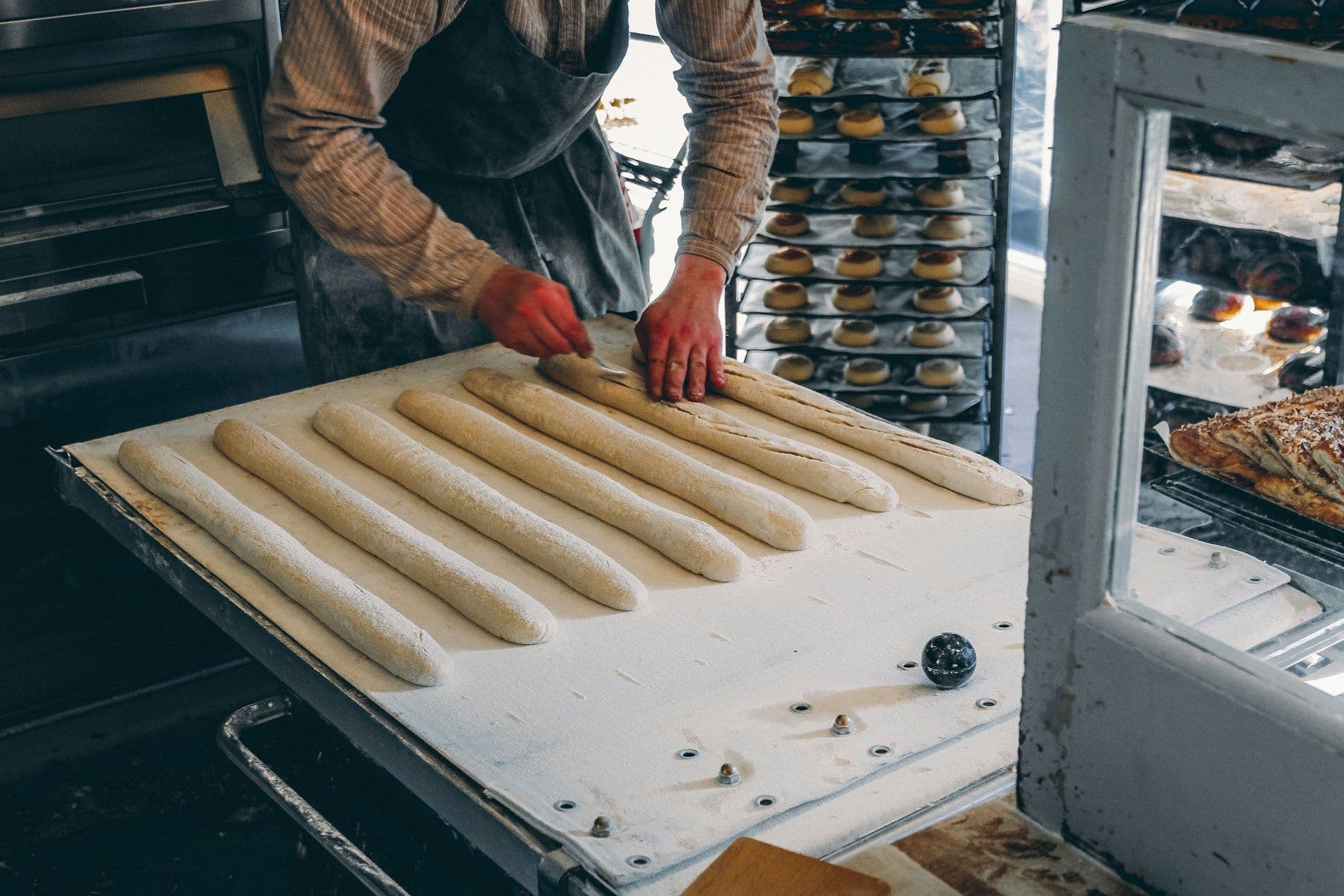
Many cafes offer high-quality coffee along with bakery items. In some places, filter coffee refills are common, making it a practical and budget-friendly option for short breaks during the day.
Alcohol in Iceland
Alcohol is expensive in Iceland and not available in regular supermarkets.
If you plan to purchase alcohol, duty-free stores at the airport usually offer better prices compared to local stores.
Popular Food Spots in Iceland
Some well-known food spots include:
- Bæjarins Beztu Pylsur for hot dogs
- Brauð & Co. for bakery items
- Friðheimar for tomato-based meals
- The Soup Company for simple lunch options
These are optional experiences and can be included if they fit your itinerary.
Is Food a Problem in Iceland?
Food is not a problem, but it requires planning.
If you expect a wide variety and easy availability everywhere, Iceland may feel limited.
With basic planning and the right approach, food becomes manageable and does not affect your travel experience.
Final Thoughts: How to Manage Food in Iceland
Food in Iceland is expensive but manageable with the right strategy.
The key is to:
- Combine supermarkets and restaurants
- Plan for vegetarian limitations
- Prepare in advance for road trips
With this approach, food becomes easy to handle and does not impact your overall travel experience.