Quick Answer
Choose Iceland if you want dramatic landscapes, waterfalls, glaciers and a compact trip experience. Choose Norway if you prefer fjords, scenic cities and a more relaxed, spread-out journey.
Iceland vs Norway: The Core Difference
Iceland and Norway are often compared because both offer natural beauty and unique landscapes.
The travel experience is fundamentally different.
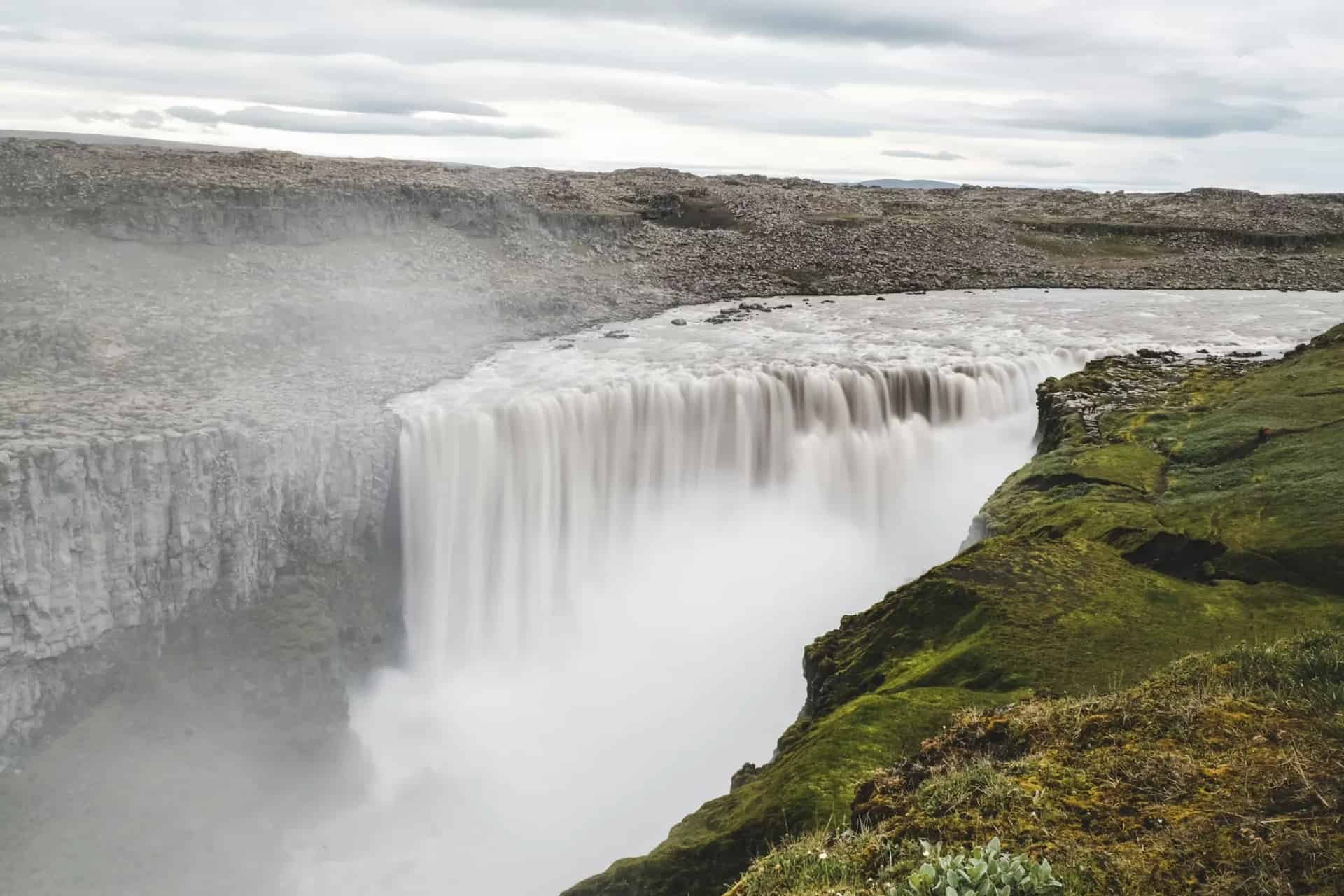
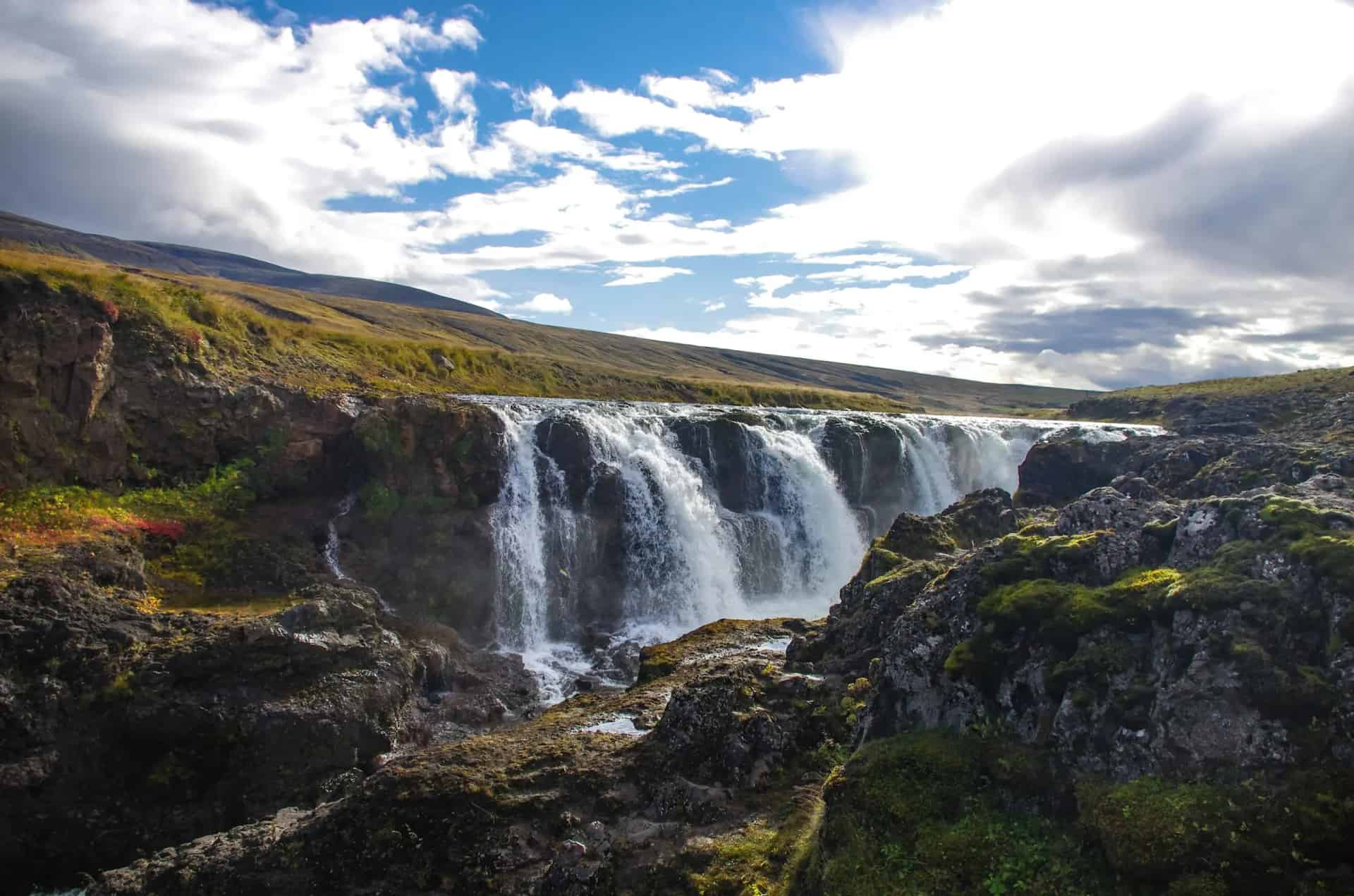
Iceland is about intensity. Within a short distance, you can experience waterfalls, black sand beaches, glaciers and volcanic terrain. The landscapes change quickly and each stop feels distinct.
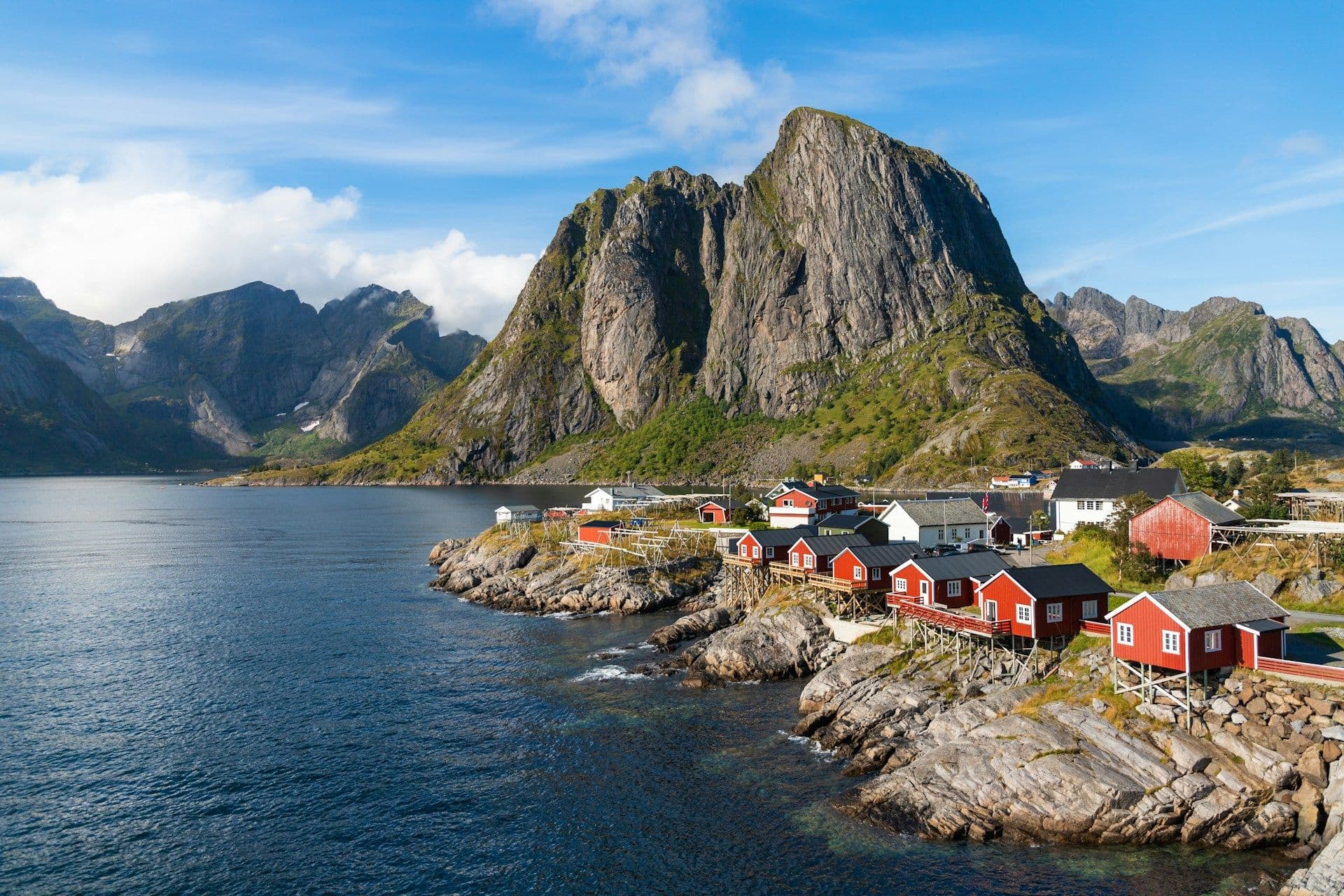
Norway is about scale and depth. It offers long scenic drives, fjords, mountains and coastal towns spread across wide distances. The journey itself becomes the main experience rather than individual stops.
Which Is Better for First-Time Travelers?
For most first-time travelers, Iceland is easier to manage and more rewarding within a limited timeframe.
The biggest advantage is proximity. Major attractions are located relatively close to each other, allowing you to experience multiple landscapes in a single day without long travel hours. This reduces fatigue and simplifies planning.
In Norway, attractions are spread out across different regions. Even short itineraries often involve long drives, ferry crossings or domestic travel, which makes the experience more demanding.
If this is your first Nordic trip, Iceland offers a more structured and efficient introduction.
Volcanoes vs Fjords: Which Landscape Fits Your Style?
The difference between Iceland and Norway is not just visual, but experiential.
Iceland
- waterfalls, glaciers, volcanoes
- black sand beaches
- open and rugged terrain
Norway
- fjords and mountains
- green valleys
- coastal drives
Iceland feels horizontal, where you move across wide open landscapes and stop frequently.
Norway feels vertical, where you travel through mountains, descend into fjords and navigate elevation changes.
This makes Norway more physically demanding for drivers, while Iceland is simpler and more predictable.
Self-Driving vs Travel Style
Travel logistics differ significantly between Iceland and Norway.
In Iceland, most travelers follow the Ring Road, which is a straightforward route connecting major attractions. Roads are generally simple, well-marked, and easier to navigate even for first-time drivers. This allows for a flexible travel style where you can stop frequently without complex planning.
In Norway, travel involves multiple regions, mountain roads, and ferry crossings. Driving can include narrow roads, sharp turns, elevation changes, and timed ferry schedules. This requires more planning and reduces flexibility during the journey.
As a result, Iceland is better suited for easy and flexible road trips, while Norway requires a more structured approach.
Iceland’s Kilometer Tax vs Norway’s Transport Costs
Travel costs in Iceland and Norway differ in how they are structured.
In Iceland, a road usage charge of around 6.95 ISK per km applies. For a typical 1,200 to 1,300 km trip, this adds approximately ₹6,000 to ₹7,000 to your total cost.
In Norway, costs are less visible but add up through toll roads, ferries and tunnels. These are charged per crossing rather than per kilometer.
Iceland follows a pay-as-you-drive model, while Norway operates on a pay-to-cross system.
For detailed budgeting, refer to the Iceland trip cost from India guide.
Iceland vs Norway Cost Comparison (2026 Estimate)
Expense | Iceland (INR) | Norway (INR) | Key Difference |
| Flights | ₹95k – ₹1.2L | ₹85k – ₹1.1L | Norway has better connectivity |
| Transport | ₹80k+ | ₹70k+ | Iceland often requires 4x4 vehicles |
| Road Costs | ₹6k – ₹10k | ₹12k – ₹18k | Norway ferries increase cost |
| Food | ₹5k/day | ₹4.5k/day | Iceland has fewer food options |
Northern Lights: Iceland vs Norway
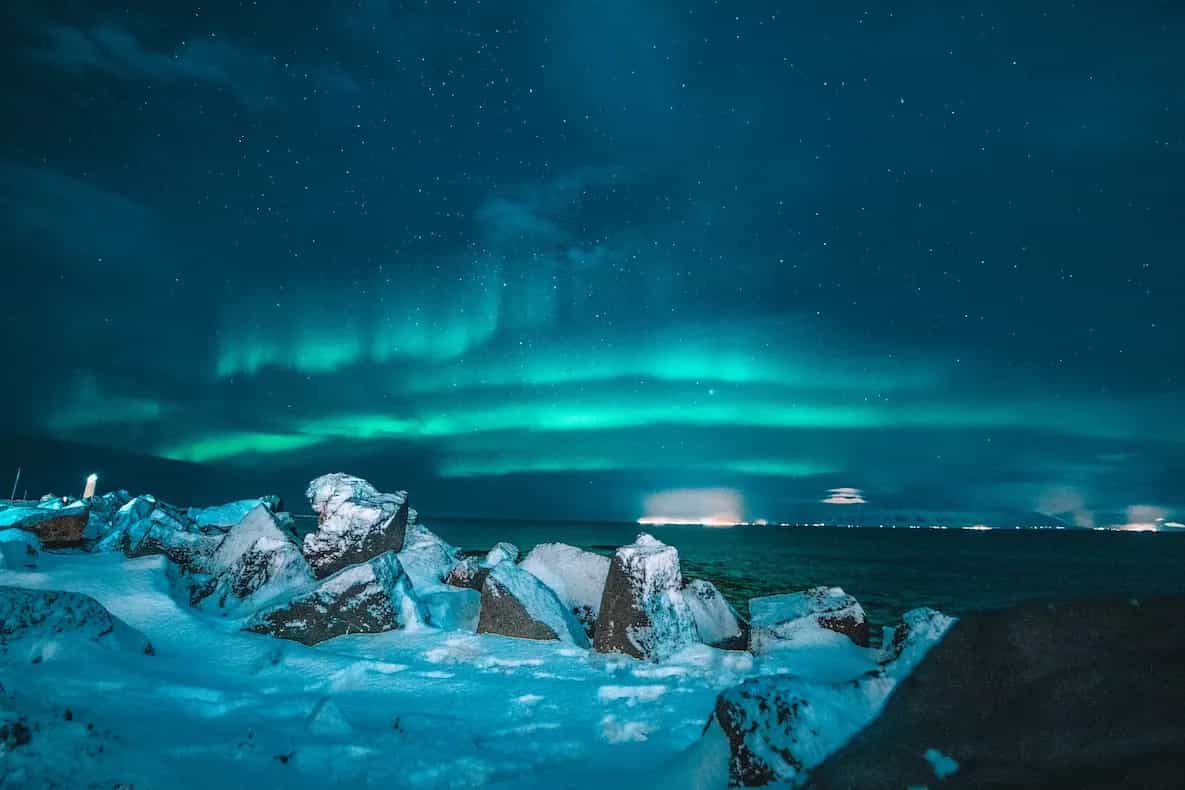
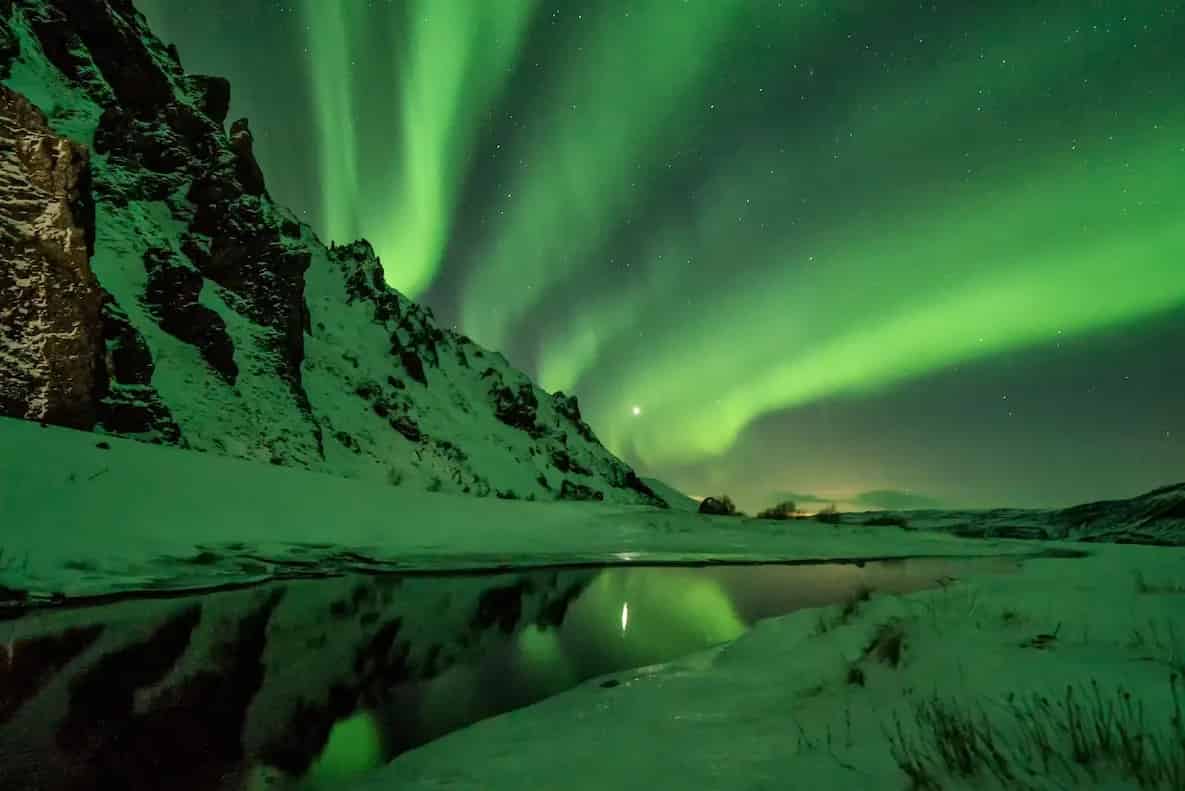
Both Iceland and Norway offer excellent opportunities to see the Northern Lights during winter.
In Iceland, one of the biggest advantages is accessibility. You can leave major towns and reach dark viewing spots within a short drive. This makes it easier to plan sightings even on flexible schedules.
In Norway, Northern Lights viewing often requires traveling to specific regions such as Tromsø or the northern fjords. While sightings can be equally impressive, reaching these areas usually involves additional travel time and planning.
For travelers who prefer convenience and flexibility, Iceland is often the more practical option.
Visa Reality for Indian Travelers
Both Iceland and Norway fall under the Schengen visa system, but appointment availability can vary.
In recent years, visa slots for Iceland have been more limited compared to Norway. This means travelers may find it easier to secure a Norway visa appointment.
If Iceland appointments are unavailable, planning a Norway-based itinerary can be a practical alternative.
How to Choose Between Iceland and Norway
1. Check Your Time
If you have 7 days or less, Iceland is the better option. You can cover major highlights comfortably without long travel hours.
Norway typically requires more time due to longer distances between attractions.
2. Consider Driving Comfort
Iceland offers simpler roads and easier navigation, making it suitable even for less experienced drivers.
Norway involves mountain driving, sharp turns and ferry crossings, which can be more demanding.
3. Check Visa Availability
If Iceland visa appointments are unavailable, Norway becomes a practical alternative.
Who Should Choose Iceland and Who Should Choose Norway?
Choose Iceland if you want a compact and experience-rich trip. It is ideal for travelers who prefer road trips, want to cover multiple landscapes in a short time, and are visiting the region for the first time.
Choose Norway if you prefer a slower journey with a focus on scenic drives and cultural experiences. It is better suited for travelers who have more time and are comfortable with longer travel distances.
Understanding your travel style is the key factor in making the right choice.
The Verdict: Why Most First-Time Travelers Start with Iceland
For most first-time travelers, Iceland is the better starting point.
It offers a compact, easy-to-plan experience with a wide variety of landscapes in a short time. You can experience waterfalls, glaciers, beaches and volcanic terrain without extensive travel.
Norway is better suited for travelers who have more time and prefer a slower, more immersive journey.