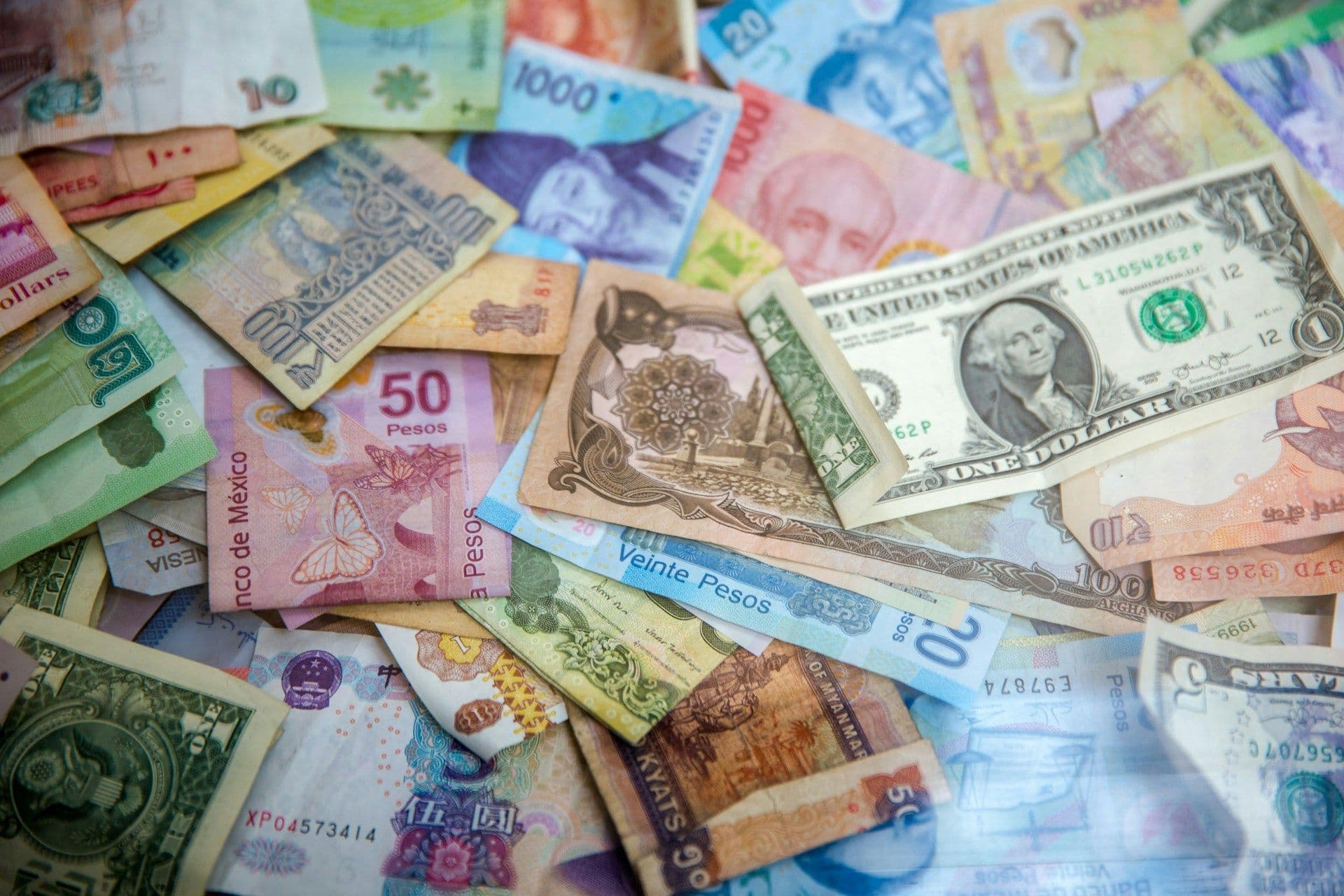
Planning an international trip isn't just about booking flights, applying for a visa, or choosing the perfect itinerary. One of the most important parts of travel planning is deciding how you'll manage your money once you leave India.
Should you carry cash or rely on a forex card? Is your Indian debit or credit card the better option? Can you use UPI abroad? How much money should you carry? And what is TCS and does it affect your trip?
These are some of the most common questions Indian travellers ask before travelling overseas. Making the right decisions before departure can help you avoid unnecessary fees, payment issues and last-minute stress while travelling.
This guide brings together everything you need to know about managing money internationally. You'll learn how different payment methods work, when to use them, common mistakes to avoid, and practical tips to help you spend smarter abroad. For topics that require a deeper explanation, we've also linked to dedicated guides so you can explore them in detail without making this guide unnecessarily long.
Quick Money Checklist Before Your International Trip
Before heading to the airport, take a few minutes to review this checklist.
✔ Carry a small amount of local currency for immediate expenses after arrival.
✔ Enable international usage on your debit and credit cards if required by your bank.
✔ Compare exchange rates before converting large amounts of money.
✔ Keep at least two different payment methods instead of depending on just one.
✔ Save your bank's international customer support numbers.
✔ Check whether your destination supports UPI payments.
✔ Understand whether TCS may apply to your international travel spending.
✔ Keep a small emergency cash reserve separate from your main wallet.
These simple checks can prevent many of the financial issues travellers face during an international trip.
Which Payment Method Is Best for International Travel?
There isn't a single payment method that's perfect for every trip. The best option depends on your destination, travel style, and the kinds of expenses you'll have during your journey.
Instead of relying entirely on cash or a single card, many experienced travellers prefer using a combination of payment methods. This provides flexibility if one option isn't accepted or becomes temporarily unavailable.
Here's a quick comparison to help you understand where each payment method works best.
Payment Method | Best For | Things to Know |
| Cash | Local transport, small shops, tips and emergencies | Carry only what you'll reasonably need for the first few days. |
| Forex Card | Planned travel spending | Lets you preload foreign currency before travelling. |
| Debit Card | ATM withdrawals and occasional purchases | Check whether international transactions are enabled and understand applicable charges. |
| Credit Card | Hotels, shopping, restaurants and emergencies | Review any foreign transaction fees before you travel. |
| UPI | Everyday digital payments in supported destinations | Available only in selected countries and participating merchants. |
If you're unsure which payment method suits your travel style, read our Best Ways to Pay Abroad: Forex Cards, Debit Cards & Credit Cards Explained guide for a detailed comparison.
How Much Money Should You Carry on an International Trip?
No fixed amount works for every traveller. The right budget depends on your destination, trip duration, travel style, and whether expenses such as hotels, meals, local transport or sightseeing have already been prepaid.
As a general approach, it's better to split your travel funds rather than carrying everything in cash. Keep enough local currency for immediate expenses after arrival, while using cards for larger purchases and emergencies.
Your travel budget may need to cover:
- Local transport
- Meals and snacks
- Attraction tickets
- Shopping
- SIM cards or eSIM activation
- Tips where customary
- Emergency expenses
If you're wondering how much cash you can carry legally, when ATM withdrawals make sense, or how to travel safely with money, read our Cash Abroad: How Much to Carry & ATM Withdrawals guide.
Cash or Forex Card: Which Should You Choose?
Cash and forex cards both have an important role to play during an international trip.
Cash is useful for small everyday expenses, especially soon after arrival when you may need to pay for transport, food or places that don't accept digital payments.
A forex card allows you to load foreign currency before travelling, making it easier to manage your budget while reducing the need to carry large amounts of cash. It can also help you avoid some of the costs associated with using standard bank cards abroad.
Rather than choosing one over the other, many travellers find that carrying a small amount of local currency alongside a forex card provides a practical balance between convenience and security.
For a detailed comparison of costs, advantages, and the situations where each option works best, read our Forex Card vs Cash guide.
Avoid the Dynamic Currency Conversion (DCC) Trap
Imagine you're paying for dinner in Paris, shopping in Dubai, or withdrawing cash from an ATM in Thailand. Just before the payment is processed, the card machine asks:
Would you like to pay in Indian Rupees (INR) or the local currency?
For many first-time travellers, choosing INR feels like the safer option because they instantly know how much they're spending. Unfortunately, this is one of the most common and expensive mistakes international travellers make.
Choosing INR activates Dynamic Currency Conversion (DCC). Instead of your card network (Visa, Mastercard, etc.) handling the currency conversion, the foreign merchant or ATM provider converts the amount using its own exchange rate, which is often much less favourable. This can significantly increase the final amount charged to your card.
The smarter choice: Always select the local currency of the country you're visiting. Your card issuer will usually process the conversion at a more competitive exchange rate than the merchant's DCC rate.
Quick Tip: If a payment terminal asks whether you want to pay in INR or the local currency, always choose the local currency to avoid unnecessary conversion markups.
This simple decision can save you money throughout your trip, especially if you're making multiple card payments.
Understanding Cross-Currency Markup Charges
Many Indian travellers assume that paying with their debit or credit card abroad is free apart from the exchange rate. In reality, many banks apply an additional cross-currency markup fee on international transactions.
This fee is separate from the exchange rate and is charged whenever your card is used in a foreign currency. Depending on your bank and card type, these charges can add up over the course of a trip.
While some premium travel cards offer reduced or even zero markup benefits, standard debit and credit cards may be more expensive for frequent international spending.
Here's a simple comparison.
Payment Option | What You Should Know |
| Standard Debit Card | Convenient but may include international transaction and ATM withdrawal charges. |
| Standard Credit Card | Great for hotels and larger purchases but may have foreign transaction fees. |
| Forex Card | Preloaded with foreign currency, helping you manage spending without daily exchange rate fluctuations. |
| Travel-Focused Credit Cards | Some premium cards offer lower or zero foreign currency markup, depending on the issuer. |
The best option depends on your travel style, destination and expected spending.
If you're comparing all available payment methods in detail, including costs, convenience, and when each works best, read our Best Ways to Pay Abroad: Forex Cards, Debit Cards & Credit Cards Explained guide.
Where Should You Exchange Foreign Currency?
The exchange rate you receive can directly affect your overall travel budget, especially on longer international trips.
Many travellers exchange all their money at the airport because it's convenient. While airport exchange counters are useful when you need immediate cash after landing, they often don't offer the most competitive exchange rates.
Instead of making last-minute decisions, compare exchange rates from authorised banks and forex providers before your trip. Even a small difference in the exchange rate can result in meaningful savings when converting larger amounts.
It's also worth considering whether you need to exchange all your money at once. Many travellers prefer carrying a small amount of local currency before departure and using cards or ATM withdrawals for additional expenses during the trip, depending on their destination and payment preferences.
Our Currency Exchange Guide for Indian Travellers explains where to exchange money, when to convert currency, common mistakes to avoid, and practical ways to get better value from your travel budget.
Can You Use UPI Internationally?
UPI has transformed digital payments in India, and its international acceptance is gradually expanding. Today, Indian travellers can use UPI in several destinations through participating merchants and payment networks.
However, UPI is not universally accepted, and availability varies by country, bank, and payment app.
Before you travel:
- Check whether your destination supports UPI payments.
- Confirm that your preferred UPI app works internationally.
- Ensure your linked bank account is eligible for international UPI transactions.
- Carry an alternative payment method in case UPI isn't accepted.
Even in countries where UPI is available, it's best used as a convenient payment option rather than your only one. A backup card or some local currency can save you from unnecessary inconvenience if digital payments aren't available.
For the latest list of supported destinations, setup instructions, and usage tips, read our UPI International Countries guide.
Understanding TCS on International Travel
If you've researched international travel expenses, you've probably come across the term Tax Collected at Source (TCS). It's one of the most misunderstood aspects of overseas travel for Indian residents.
The important thing to know is that TCS is not automatically charged on every international trip or every overseas payment. Whether it applies depends on factors such as the type of travel purchase, the payment method, applicable thresholds and the latest Indian tax regulations.
If TCS is collected, it generally isn't an additional travel cost in the traditional sense. Eligible taxpayers can usually claim credit for the amount while filing their Income Tax Return (ITR), subject to prevailing tax laws.
Since TCS provisions and thresholds may change through government notifications and Union Budget announcements, it's always advisable to check the latest rules before making significant international travel payments.
For a detailed explanation of eligibility, thresholds, calculation examples, and frequently asked questions, read our TCS on International Travel Explained guide.
Common Money Mistakes Indian Travellers Make Abroad
Most money-related travel problems don't happen because people don't have enough funds. They happen because of avoidable mistakes made before or during the trip. Being aware of these common pitfalls can help you save money and avoid unnecessary stress.
Choosing INR Instead of the Local Currency
One of the costliest mistakes is selecting Indian Rupees (INR) when a payment terminal or ATM asks which currency you'd like to use. This activates Dynamic Currency Conversion (DCC), which often results in a poorer exchange rate.
Whenever you're given a choice, always pay in the local currency of the country you're visiting.
Carrying Too Much Cash
While cash is useful for taxis, local markets and emergencies, carrying all your travel money in cash increases the risk of loss or theft.
Instead, carry only what you'll need for the first day or two and use secure payment methods for the rest of your expenses.
Depending on a Single Payment Method
Relying on just one debit card, credit card or forex card can become a problem if it's blocked, lost, or declined.
A safer approach is to keep at least two payment options along with a small amount of emergency cash stored separately.
Ignoring International Card Charges
Many travellers check the exchange rate but forget about foreign transaction fees, ATM withdrawal charges or cross-currency markup charges.
Understanding these costs before your trip helps you choose the right payment method and avoid unpleasant surprises.
Exchanging All Your Currency at the Airport
Airport currency exchange counters are convenient, but they don't always offer the best exchange rates.
Planning your currency exchange before departure and comparing authorised providers can help you get better value.
Travelling Without an Emergency Backup
Unexpected situations like delayed flights, lost wallets or blocked cards can happen anywhere.
Keeping emergency cash, copies of important documents, and an additional payment method ensures you're prepared if something goes wrong.
Smart Money Tips Before You Travel
These simple habits can make managing money abroad much easier.
- Carry at least two payment methods.
- Keep a small amount of local currency for your arrival.
- Always choose the local currency when paying by card abroad.
- Compare exchange rates before converting money.
- Enable international transactions on your cards before departure.
- Save your bank's international helpline numbers.
- Monitor your spending through your banking app.
- Keep emergency cash separate from your primary wallet.
Which Payment Method Is Right for You?
Different travellers have different spending habits. Here's a quick guide to help you choose the right combination.
Traveller Type | Recommended Payment Mix |
| First-time traveller | Forex Card + Credit/Debit Card + Local Cash |
| Budget traveller | Forex Card + Local Cash |
| Family traveller | Credit Card + Forex Card + Emergency Cash |
| Frequent traveller | Zero-markup Travel Credit Card + Backup Debit Card |
| Luxury traveller | Premium Credit Card + Limited Local Cash |
| Student traveller | Forex Card + Debit Card + Local Cash |
There's no one-size-fits-all solution. The best approach is to combine payment methods based on your destination, spending habits and travel style.
Final Thoughts
Managing money overseas doesn't have to be complicated. The key is choosing the right combination of payment methods, understanding the costs involved, and preparing for unexpected situations before you leave India.
A little planning can help you avoid hidden charges, make payments with confidence, and stay financially secure throughout your journey. Whether you're travelling for the first time or you're a frequent international traveller, knowing how cash, cards, forex, UPI and taxes work together will help you make smarter financial decisions abroad.
If you're planning your first overseas trip, continue with these helpful guides:
- International Visa Guide for Indian Travellers
- International Travel Documents Checklist
- Best Ways to Pay Abroad: Forex Cards, Debit Cards & Credit Cards Explained
- Currency Exchange Guide for Indian Travellers