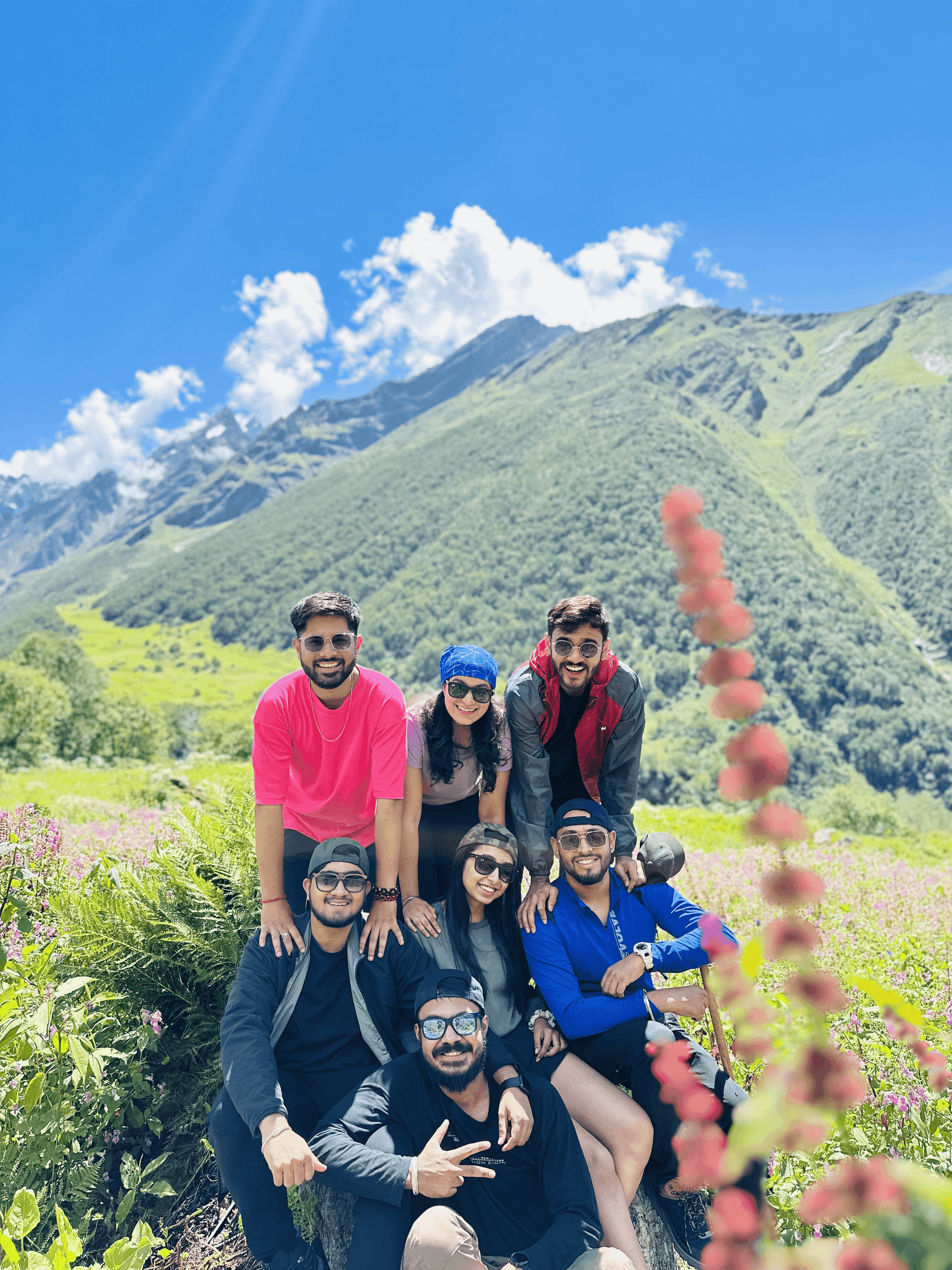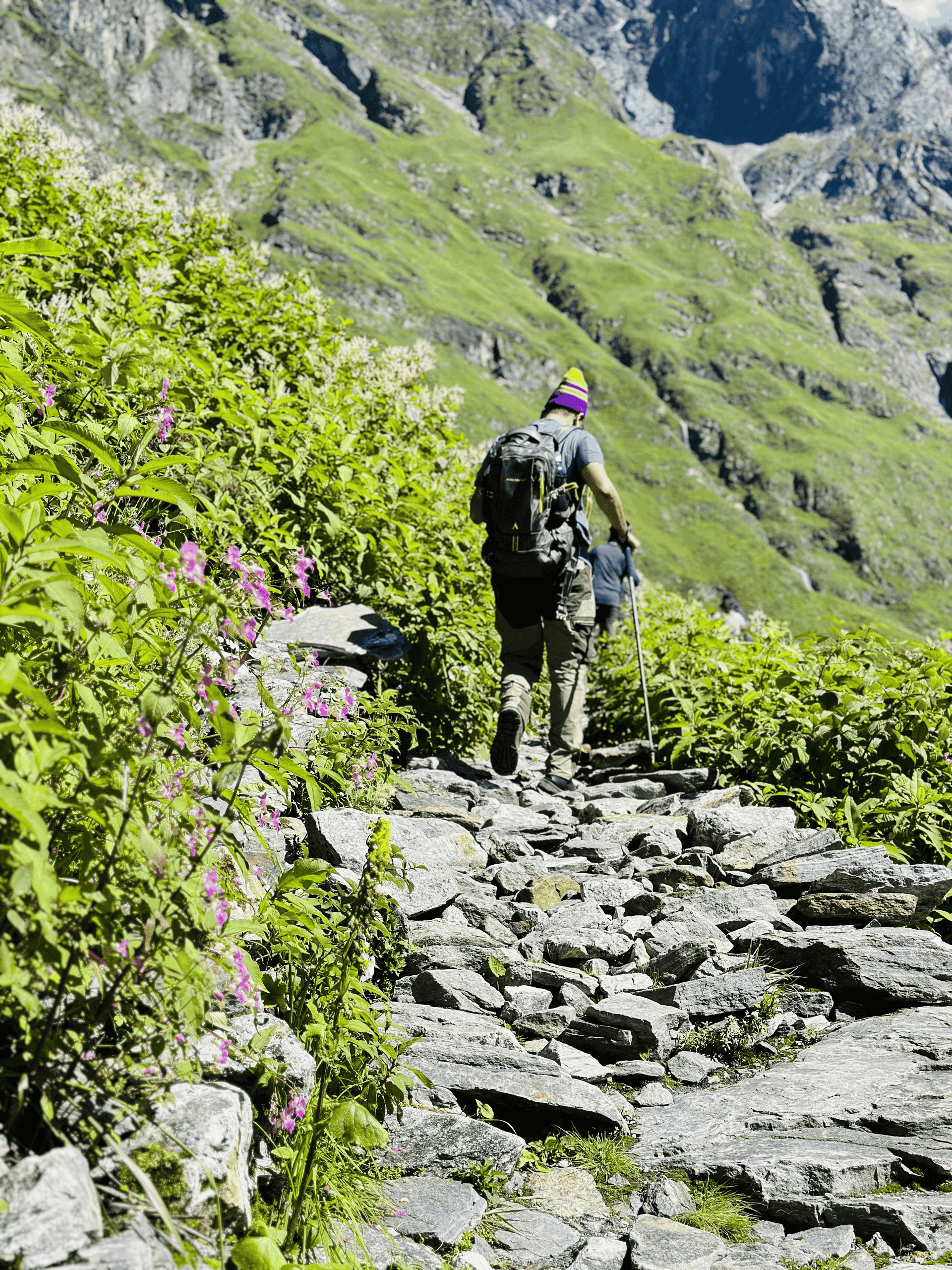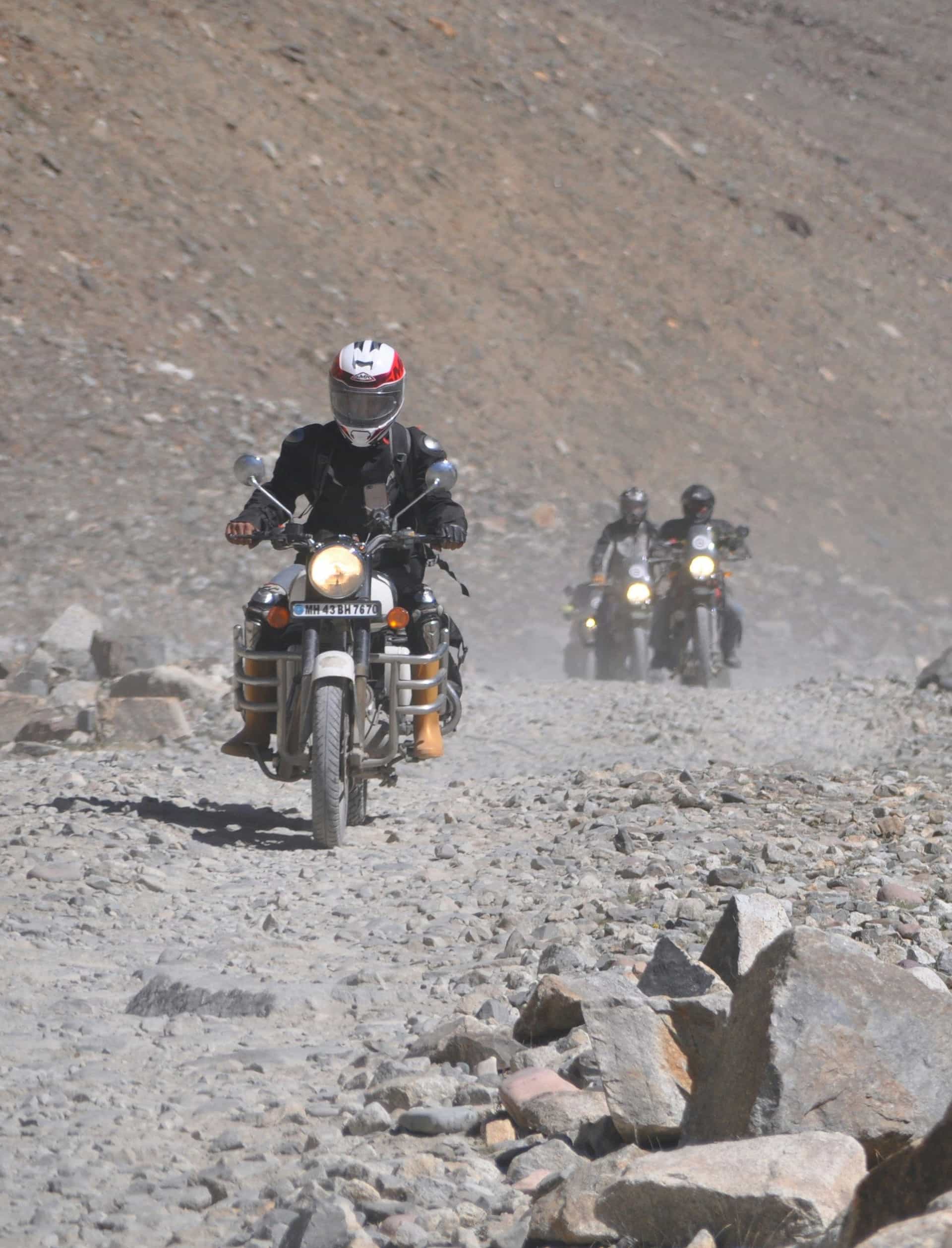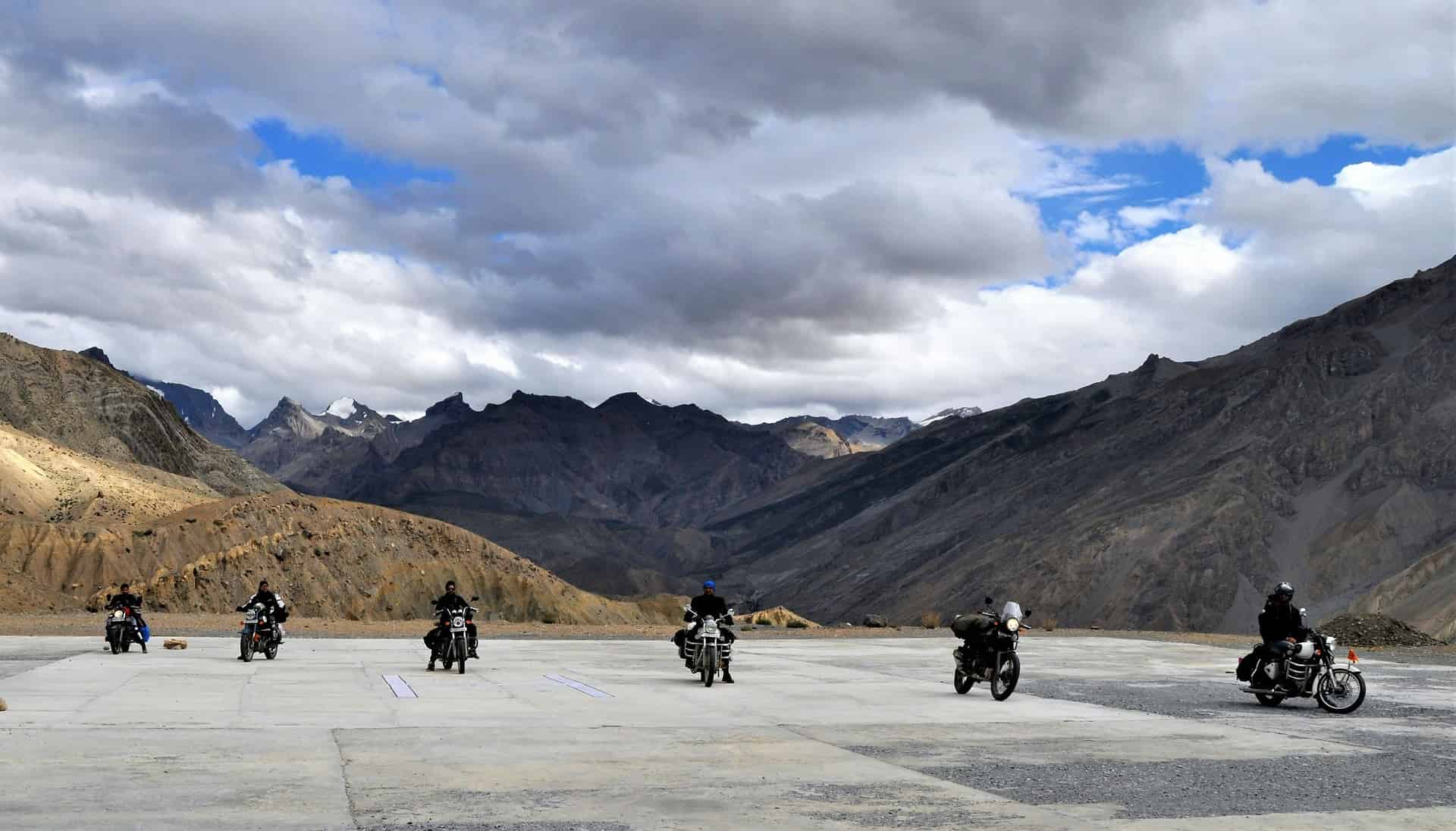
Jibhi has slowly become one of the most loved mountain escapes in Himachal Pradesh for travelers looking beyond crowded hill stations and rushed sightseeing trips.
Surrounded by pine forests, riverside cafés, hidden trails, wooden homestays, and quieter Himalayan villages, the region attracts people seeking slower mornings, workation stays, scenic drives and relaxed mountain atmospheres rather than checklist-style tourism.
But Jibhi feels very different depending on where and how you experience it.
This guide covers everything you realistically need before planning a trip to Jibhi.
If you are exploring multiple mountain regions together, this Himachal Pradesh travel guide can help you understand which valleys and travel styles suit you best.
Why Travelers Are Choosing Jibhi
Unlike commercial hill stations built around packed markets and sightseeing rush, Jibhi attracts travelers who enjoy slower mountain experiences.
People usually visit for:
- riverside stays
- mountain cafés
- workations
- scenic forest walks
- quiet Himachal villages
- weekend escapes from Delhi and Chandigarh
Over the last few years, the region has become especially popular among:
- couples
- backpackers
- solo travelers
- remote workers
- slow-travel-focused travelers
Many people now come here searching for what locals sometimes describe as an “Ailyak” pace of life, a slower rhythm built around unhurried mornings, mountain cafés, conversations, riverside walks and relaxed evenings.
At the same time, it helps to keep expectations realistic.
Jibhi may not feel ideal for travelers looking for:
- nightlife
- luxury tourism
- shopping-heavy experiences
- fast-paced itineraries
The charm of the region comes more from atmosphere than activity count. Travelers comparing quieter Himachali destinations often explore the differences between Kasol and Tirthan Valley before planning their mountain trip.
Where Is Jibhi Located?
Jibhi is located in the Banjar Valley region of Himachal Pradesh near Tirthan Valley in the Kullu district.
The destination sits around:
- 8–9 hours from Delhi
- 6–7 hours from Chandigarh
Depending on the weather and traffic conditions.
Nearby places include:
- Shoja
- Tandi
- Ghiyaghi
- Jalori Pass
- Banjar
- Tirthan Valley
- Gushaini
Most travelers reach Jibhi through the Aut tunnel route on the Chandigarh–Manali highway. Destinations like Shoja, Jalori Pass, and Tirthan Valley are often explored together during slower Banjar Valley trips.
Best Time to Visit Jibhi
Jibhi changes significantly across seasons and each period offers a very different atmosphere rather than just different temperatures.
If you are planning a broader mountain trip, you can also explore our guide on the best time to visit Himachal Pradesh for seasonal travel insights across the state. Many travelers also combine nearby Shangarh and Sainj Valley for a slower, offbeat Himachal experience during the summer months.
Spring (March to April)
Spring is one of the most balanced times to visit Jibhi.
The forests look greener, cafés become lively again, waterfalls remain active and the weather stays comfortable for longer outdoor days.
This season works especially well for:
- first-time visitors
- café hopping
- photography
- relaxed sightseeing
- short treks
Summer (May to June)
Summer brings the highest tourist movement to the region.
The weather remains pleasant compared to cities like Delhi and Chandigarh, making Jibhi popular for:
- weekend trips
- workations
- group travel
- longer mountain stays
However, weekends now feel noticeably busier than before.
Travelers looking for quieter stays during peak months often prefer villages like Tandi, Shoja or Ghiyaghi instead of staying near the busiest central stretches.
Monsoon (July to September)
Monsoon transforms the region completely.
Clouds move through forests throughout the day, rivers become louder, waterfalls look dramatic, and the valley develops a slower, cinematic atmosphere.
For many travelers, this is when Jibhi feels most beautiful.
But monsoon also brings:
- slippery roads
- occasional landslides
- weather delays
- network fluctuations
This season suits flexible itineraries more than tightly planned schedules.
Winter (December to February)
Winter in Jibhi feels quieter, colder and slower.
Nearby areas like Shoja and Jalori Pass often receive snowfall, while Jibhi itself experiences chilly mornings, foggy evenings and cozy café culture.
Winter works best for travelers who enjoy:
- peaceful stays
- slower travel
- foggy mountain mornings
- quiet Himachal atmosphere
How to Reach Jibhi
From Delhi
The most common route is:
Delhi → Chandigarh → Aut → Banjar → Jibhi
Travelers usually choose between:
- overnight Volvo buses till Aut
- self-drive road trips
- private taxis
Local taxis are easily available from Aut.
From Chandigarh
The journey from Chandigarh usually takes around 6–7 hours, depending on traffic and weather conditions.
The roads remain manageable for most of the route, though mountain sections become narrower near Banjar and Jibhi.
Nearest Airport
Bhuntar Airport near Kullu is the closest airport, though flight options remain limited compared to larger airports.
If you are planning a longer self-drive mountain journey, this Himachal road trip guide can help you plan routes, stopovers and realistic travel pacing.
Self-Drive Reality for Jalori Pass
If you plan to drive toward Jalori Pass, it is important to know that the final uphill stretch remains steep and rough in parts.
During the monsoon, especially:
- roads become muddy
- inclines feel aggressive
- visibility may reduce due to fog
Travelers with smaller hatchbacks often prefer hiring local Bolero taxis from Jibhi instead of pushing their own vehicles on the final climb. You can also explore this detailed Jalori Pass travel guide for road conditions, viewpoints and seasonal accessibility.
Jibhi Stays: Why Many Travelers Now Prefer Tandi & Nearby Villages
Where you stay now shapes the Jibhi experience more than ever.
While the main Jibhi stretch remains convenient for cafés and accessibility, many travelers looking for quieter mountain stays are increasingly choosing villages like Tandi, Shoja and Ghiyaghi instead.
These areas still offer the slower valley atmosphere many travelers originally came here searching for.
For travelers specifically looking for quieter and less commercial mountain destinations, these regions also rank among the best hidden places in Himachal Pradesh.
Staying in Main Jibhi
Best for:
- first-time travelers
- backpacker stays
- café access
- short weekend trips
But expect:
- more movement
- busier roads during weekends
- increasing tourist activity
Staying in Tandi
Tandi has become one of the most preferred alternatives for travelers wanting quieter stays with better valley views.
The atmosphere feels calmer, slower, and less commercial compared to the main stretch.
Best for:
- workations
- couples
- peaceful stays
- longer trips
Staying in Shoja
Shoja sits at a slightly higher altitude and feels colder, greener and quieter.
Travelers usually stay here for:
- panoramic mountain views
- forest stays
- peaceful mornings
- slower Himachal atmosphere
Staying in Ghiyaghi
Ghiyaghi remains popular for:
- riverside stays
- quieter workation setups
- relaxed mountain cafés
- slower travel experiences
Best Cafés in Jibhi for Slow Travel & Workations
Cafés are one of the biggest reasons travelers extend their stay in Jibhi.
Unlike highly commercial café scenes in bigger hill stations, many cafés here still focus more on atmosphere than social-media-heavy setups.
Ailyak Café
Ailyak Café has become one of the most loved cafés around the valley because of its relaxed atmosphere, scenic surroundings, and slower mountain vibe.
Many travelers especially visit for:
- sourdough breakfasts
- work-friendly seating
- peaceful mornings
- long slow meals
The café reflects the same “Ailyak” philosophy many travelers now associate with Jibhi-style slow living.
The Old School Café
Known for:
- music nights
- backpacker atmosphere
- social evenings
- mountain café culture
The space feels more community-driven compared to quieter riverside cafés.
Travelers who enjoy slower café culture also often explore destinations like Kalga, Tosh and other parts of Parvati Valley.
If you want to explore Himachali dishes, café culture and regional food experiences more deeply, you can also read this Himachal food guide.
Café & Internet Reality
Many cafés and stays now support remote workers reasonably well, but expectations should remain realistic.
Recent travelers report Airtel 5G performing more consistently across parts of the Banjar–Jibhi belt, while Jio may still fluctuate in villages like Ghiyaghi depending on weather and exact location.
At the same time, FTTH internet setups have improved workation practicality in selected cafés and stays around the valley.
So yes — working remotely from Jibhi is genuinely possible now in the right properties.
But not everywhere.
Hidden Places & Slow Experiences Near Jibhi
The surrounding region is where Jibhi becomes far more memorable than just another mountain town.
You can also explore more hidden places in Himachal Pradesh if you are planning a broader offbeat Himachal circuit.
Jalori Pass
Jalori Pass remains one of the most scenic drives near Jibhi.
The route offers:
- pine forests
- cloud-covered roads
- dramatic mountain turns
- panoramic Himalayan views
The atmosphere feels especially beautiful during the monsoon and post-monsoon months.
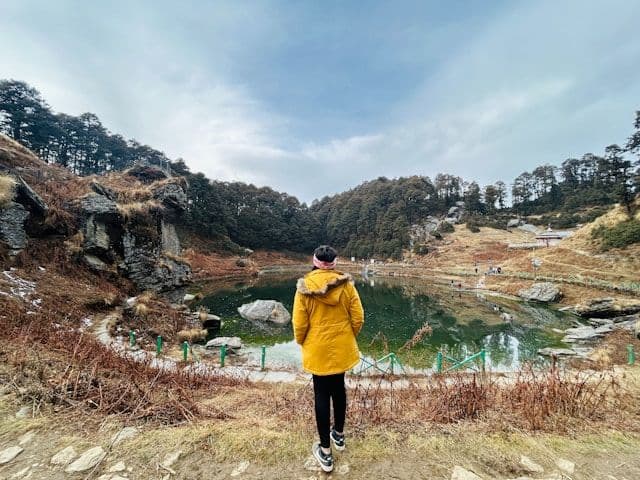
Serolsar Lake
The Serolsar Lake trek begins near Jalori Pass and passes through dense forests.
The trail remains beginner-friendly and works well for travelers looking for:
- peaceful Himalayan walks
- nature experiences
- photography
- slower outdoor activities
The lake area feels quieter and calmer compared to heavily commercialized tourist spots. If you enjoy beginner-friendly mountain trails, you can also explore some of the best treks in Himachal Pradesh.
Chehni Kothi
Chehni Kothi offers one of the most unique cultural experiences near Jibhi.
The traditional Himalayan tower architecture and surrounding village landscape make the experience feel deeply local rather than tourist-heavy.
The route involves a moderate uphill walk.
Mini Thailand: What Most Travelers Miss
Mini Thailand became extremely popular through social media over the last few years.
The main photo spot now feels crowded during weekends and holidays.
However, travelers who walk slightly beyond the busiest rock section often find quieter riverside stretches nearby with a very similar turquoise-water atmosphere.
The experience feels significantly better during weekdays and early mornings.
Shringa Rishi Temple
This temple offers a quieter cultural experience surrounded by traditional Himachali village landscapes.
The atmosphere here feels peaceful and less commercial compared to mainstream tourist spots.
Trout Fishing Near Tirthan Valley
Travelers extending their trip toward Tirthan Valley can also explore trout fishing experiences.
As of 2026, permits are usually issued through the Fisheries Department around Nagini.
It is best to arrange permits early during peak travel periods.
Many travelers now combine Jibhi with Shangarh and Tirthan Valley for a more complete slow-travel Himachal circuit.
Suggested Jibhi Itinerary
2-Day Jibhi Itinerary
Day 1
- Arrive in Jibhi or Tandi
- Riverside café hopping
- Slow village walks
- Bonfire evening
Day 2
- Jalori Pass
- Serolsar Lake trek
- Return journey
Best for:
- couples
- weekend escapes
- short mountain trips
3-Day Slow Travel Itinerary
Day 1
- Arrival and café exploration
- Relaxed evening stay
- Slow local walks
Day 2
- Jalori Pass
- Serolsar Lake
- Shoja exploration
Day 3
- Chehni Kothi
- Tirthan-side drive
- Slow breakfast before departure
This pace feels significantly more enjoyable than trying to rush through too many attractions.
You can also explore this detailed Tirthan Shangarh 3-day itinerary if you want a slower multi-destination mountain route nearby.
The Workation Audit: Power Backups, 5G & Silent Zones
Jibhi has slowly evolved into one of the more practical Himachal workation destinations — but mainly in specific pockets.
The best workation setups now usually come from:
- Tandi
- Ghiyaghi
- quieter cafés
- FTTH-enabled stays
Things to realistically expect:
- occasional weather-related network drops
- inconsistent electricity in some stays
- varying connectivity between villages
At the same time, many stays now provide:
- power backups
- WiFi setups
- quieter work environments
- long-stay-friendly seating
For remote workers, choosing the right property matters far more than choosing the cheapest one.
Jibhi vs Tirthan Valley vs Shoja vs Kasol
Jibhi
Best for:
- balanced slow travel
- café culture
- beginner-friendly offbeat trips
- workations
Tirthan Valley
Better for:
- Riverside Nature Stay
- fishing experiences
- quieter valley atmosphere
- nature-focused travel
Shoja
Ideal for:
- mountain views
- colder weather
- peaceful stays
- quieter surroundings
Kasol
Better suited for:
- social backpacking culture
- nightlife
- café-heavy experiences
- Parvati Valley atmosphere
Travelers looking for slower mountain days usually prefer Jibhi or Shoja, while Kasol feels more energetic and social. If you are confused between social backpacking destinations and slower mountain valleys, this Manali vs Kasol comparison may also help clarify travel styles.
Important Travel Tips Before Visiting Jibhi
- Withdraw cash from Banjar or Aut because Jibhi still does not have a reliably functional ATM in 2026.
- UPI works in many cafés and stays, but network drops during storms can still create payment issues.
- Carry warm layers even during summer because evenings become cold.
- Weekdays feel significantly quieter than weekends.
- Airtel currently performs more reliably than Jio in many parts of the valley, though connectivity still varies by location.
- Carry a buff or mask if you plan to walk frequently along busy roads during dusty summer afternoons.
- Avoid rushing through multiple attractions in one day.
- Respect local village culture and avoid loud late-night tourism behavior.
Is Jibhi Still Worth Visiting in 2026?
Yes, especially for travelers who enjoy slower mountain experiences rather than heavily commercial tourism.
Jibhi works best for people who appreciate:
- forest stays
- riverside cafés
- quiet mornings
- slower itineraries
- mountain conversations
- peaceful Himachal atmospheres
The destination has definitely become busier over the years, particularly during weekends and peak seasons.
But travelers who explore beyond the busiest stretches toward Tandi, Shoja, Ghiyaghi and nearby valleys still find the slower Himachal atmosphere that made this region special in the first place.
If you are planning a more experience-focused mountain trip, you can also explore our Himachal Pradesh destination guide and Himachal tour packages for building a broader offbeat itinerary across the state.