Kenya or South Africa — which safari is actually worth it for you?
This is one of the most common questions travelers face when planning their first African safari. On the surface, both destinations offer incredible wildlife and unforgettable experiences.
But once you start planning, the differences become much more practical.
How much will it cost?
How easy is the travel?
And which one actually matches your expectations?
This guide breaks down the real differences between Kenya and South Africa safaris so you can make the right decision without second-guessing.
Quick Comparison
- Best for raw wildlife experience: Kenya
- Best for comfort and ease: South Africa
- Best for Great Migration: Kenya
- Best for first-time international travelers: South Africa
- Best choice depends on your priority
Kenya vs South Africa Safari: The Core Difference
The biggest difference is not the animals. It is how the safari feels.
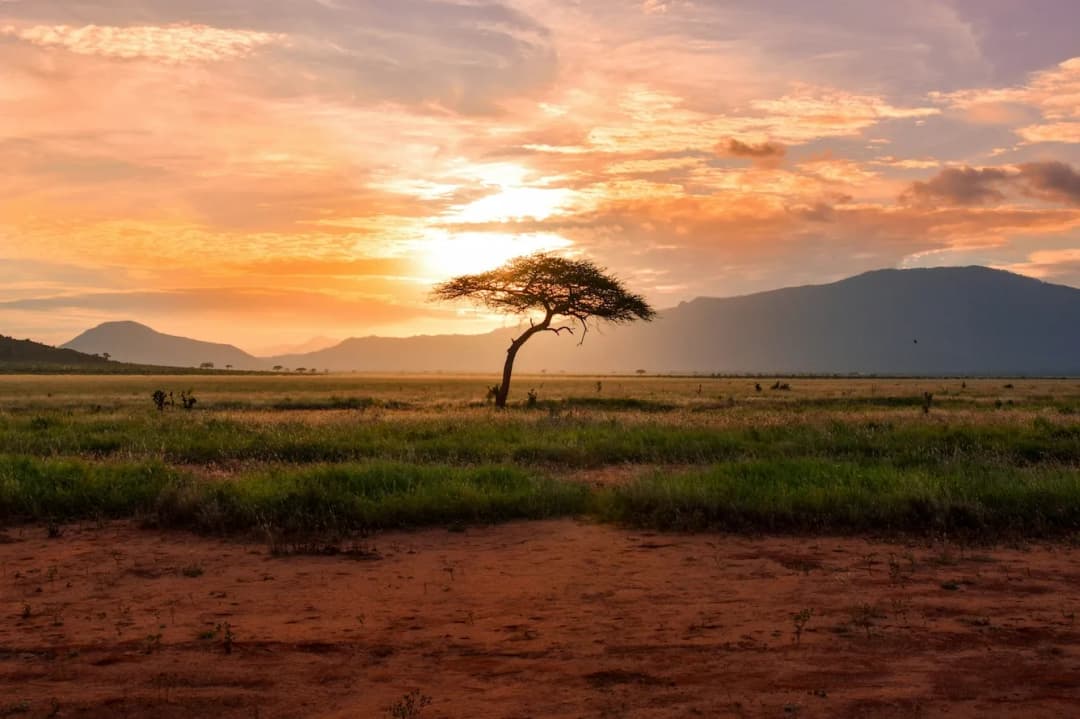
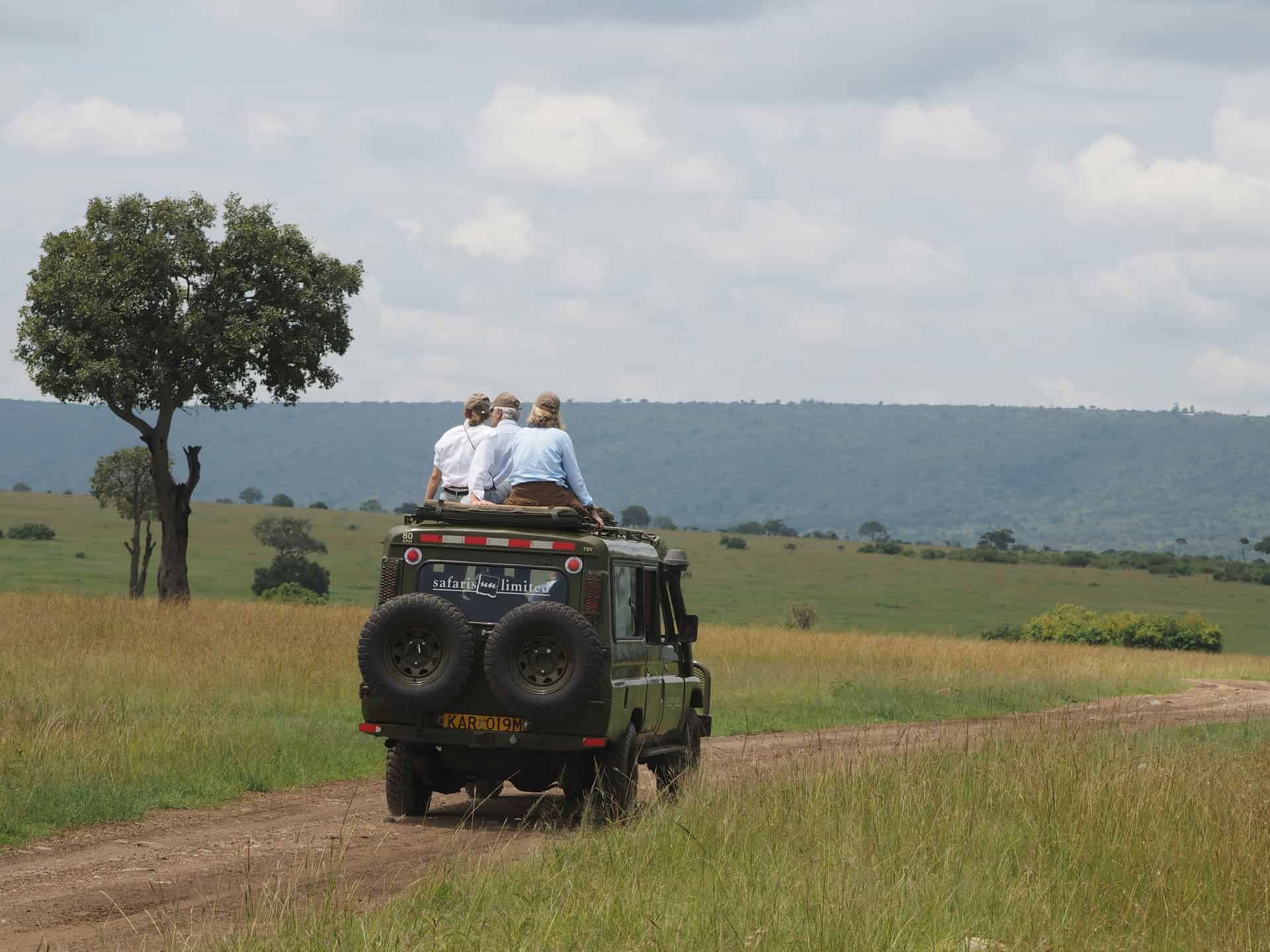
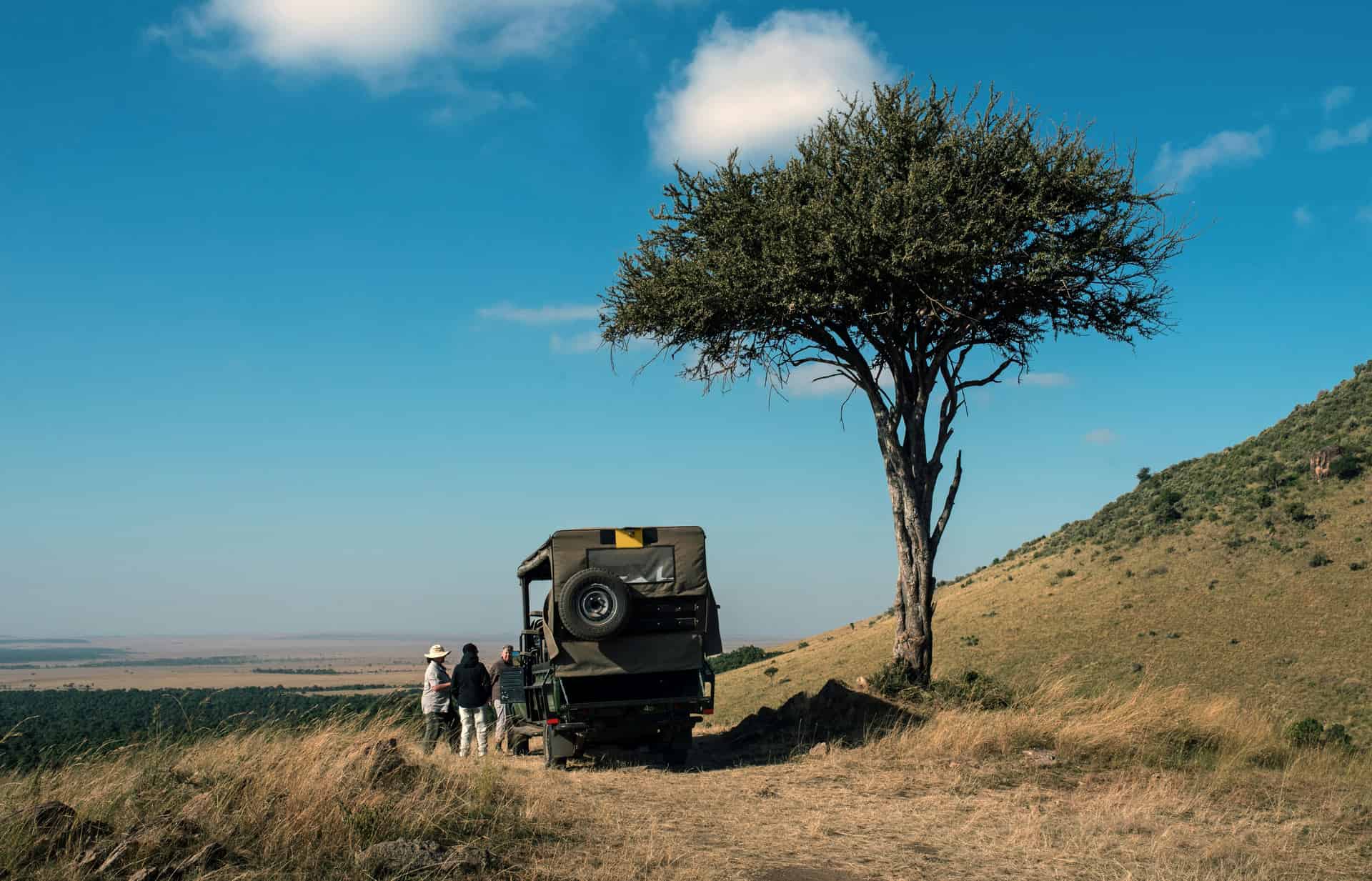
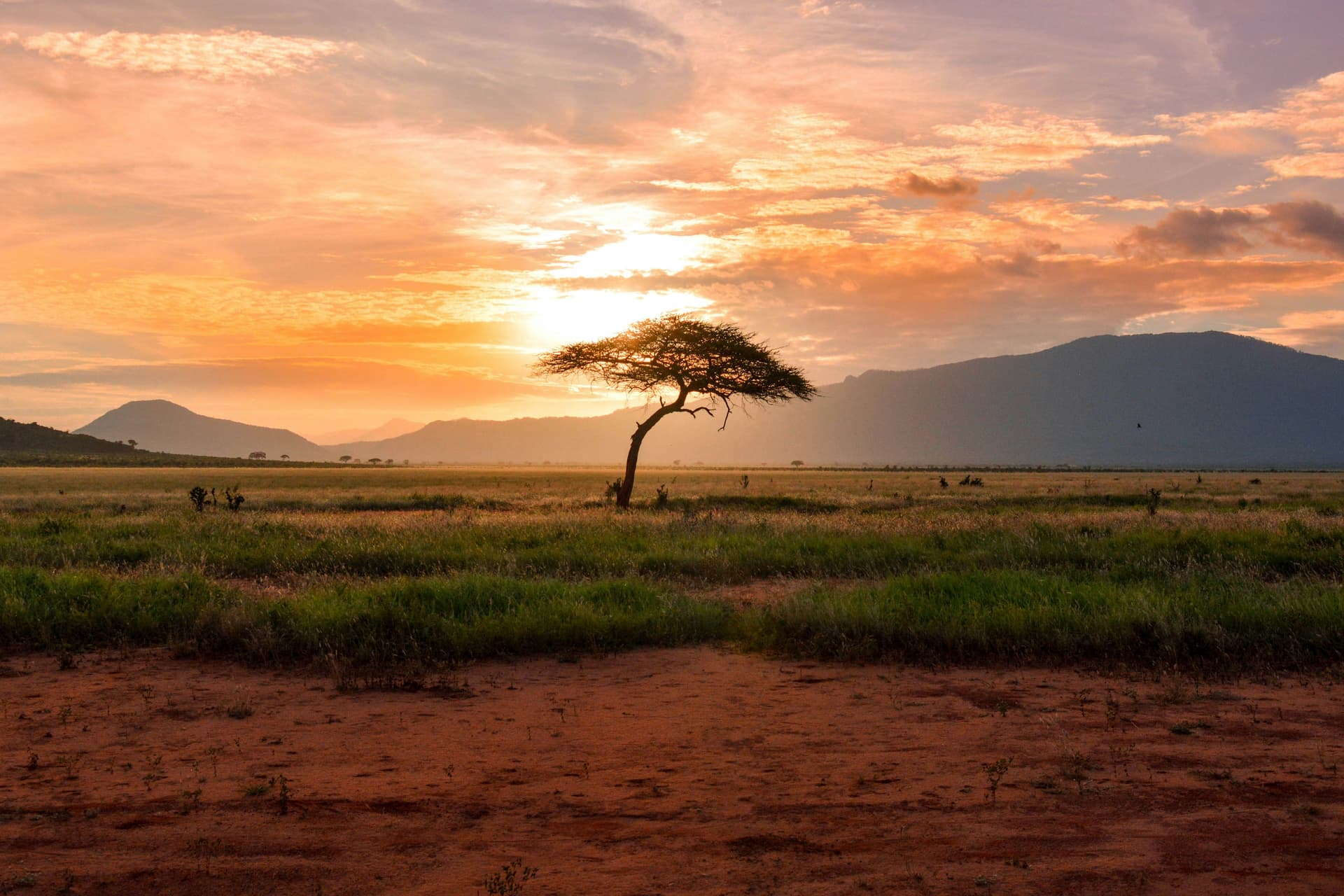
Kenya offers a more open and natural safari environment where wildlife movement feels completely free and unpredictable. You are often driving across wide savannahs with no clear boundaries, which makes the experience feel immersive and raw.
South Africa, on the other hand, offers a more structured safari experience with well-developed infrastructure, private reserves and organized game drives. The experience is smoother, more controlled and easier to navigate.
This difference shapes everything from your daily routine to how your overall trip feels.
Kenya Safari (Masai Mara Experience)
What It Feels Like
Kenya offers a classic safari experience with vast open landscapes and high wildlife density. The Masai Mara is especially known for predator activity and the Great Migration.
Game drives feel less structured and wildlife sightings often happen naturally as you move across the reserve.
Key Advantages
- one of the highest predator densities in Africa
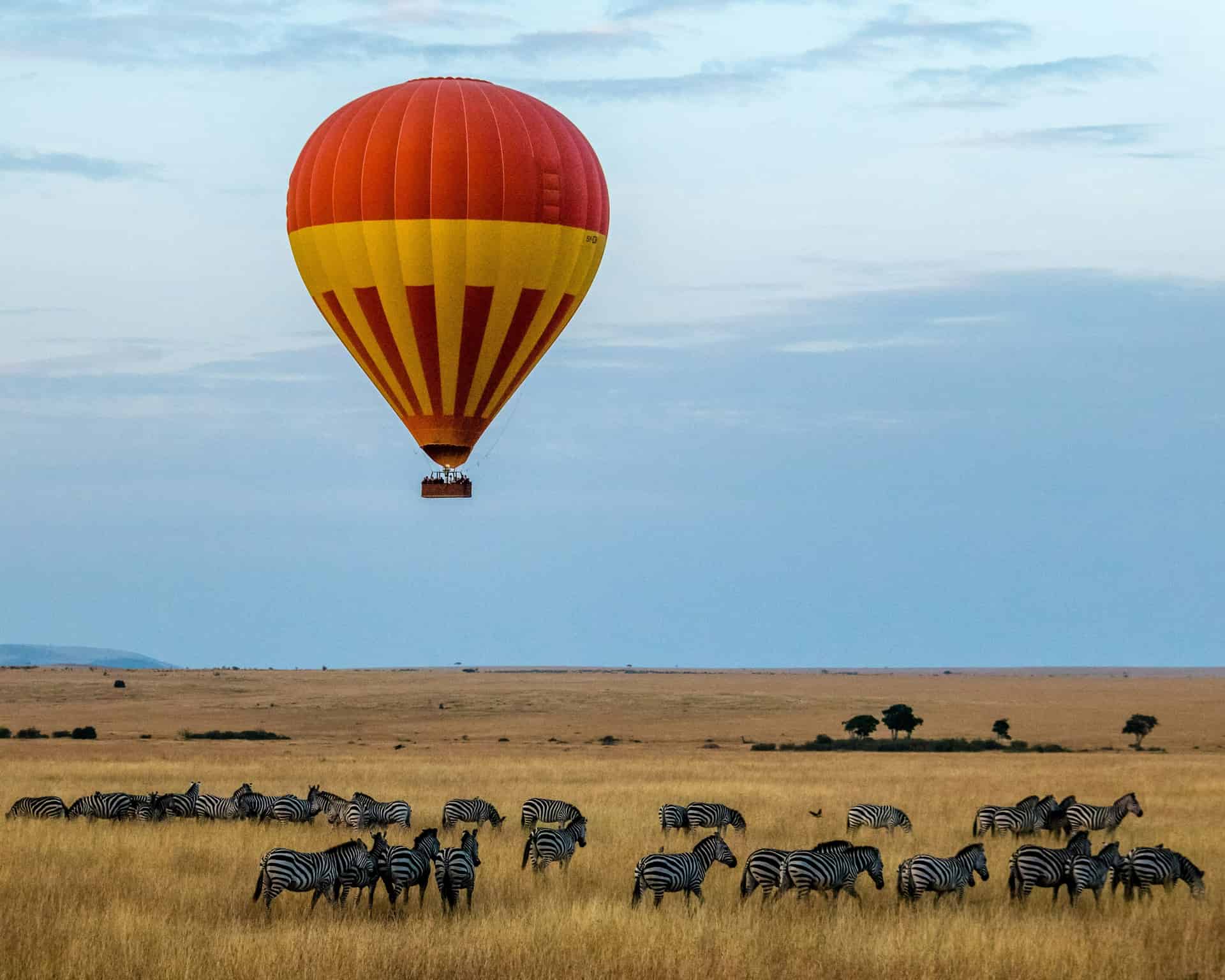
- The Great Migration experience between July and October
- open landscapes ideal for photography
Important Considerations
- Higher park fees during peak season
- slightly more raw and less structured experience
- requires better planning for logistics
Travel Insight for Indian Travelers
One major advantage of choosing Kenya is the travel time. Flights from India are relatively shorter compared to South Africa, making it more convenient for families and shorter trips.
If you want to experience this safari style, you can explore our curated Masai Mara trip to understand how the journey is structured.
South Africa Safari (Kruger & Private Reserves)
What It Feels Like
South Africa offers a more structured safari experience with well-developed roads, luxury lodges and organized game drives.
The safari is designed to be comfortable and predictable, which makes it easier for first-time international travelers.
Key Advantages
- easier travel logistics
- wide range of accommodation options
- strong combination of safari and city experiences
Important Considerations
- less raw compared to Kenya
- no large-scale migration like East Africa
- wildlife experience may feel more controlled
Travel Insight
South Africa usually requires longer travel time from India with connecting flights, which can make the journey more tiring compared to Kenya.
Which Safari Style Fits You? (Detailed Comparison)
Feature | Kenya (Masai Mara) | South Africa (Kruger / Private Reserves) |
| Core Experience | Open, raw wilderness | Private, structured safari |
| Wildlife Density | Very high | High |
| Migration | Yes (July to October) | No |
| Park Fees | $100 to $200 per day | Around $25 to $35 per day |
| Travel Time from India | Shorter | Longer with connections |
| Entry Requirement | Kenya eTA | South Africa e-Visa |
| Ideal For | Wildlife-focused trips | Comfort and mixed travel |
Cost Comparison: Kenya vs South Africa
Safari pricing is where the biggest difference appears.
In 2026, Kenya’s Masai Mara park fees can go up to $200 per person per day during peak season. This significantly increases the overall safari cost.
South Africa, on the other hand, has much lower park entry costs, often around $25 to $35 per day, making it more budget-friendly for longer stays.
This difference means that:
- A Kenya safari during migration season can be noticeably more expensive
- A South Africa safari often provides better cost flexibility
Safari costs also include accommodation, game drives and logistics, which further impact the total budget.
To understand this in detail, you can refer to our Masai Mara safari cost guide.
Which Is Better for First-Time Travelers?
The answer depends on your expectations.
Choose Kenya if you want a wildlife-first safari where the focus is on natural sightings, open landscapes and high animal density.
Choose South Africa if you want a more comfortable, structured and easy-to-manage travel experience.
Neither is universally better. The right choice depends on what matters more to you.
Winner by Category
- Best for wildlife intensity: Kenya
- Best for comfort and ease: South Africa
- Best for budget travelers: South Africa
- Best for photography and migration: Kenya
- Best for honeymoon experience: South Africa
When Should You Choose Kenya?
Choose Kenya if:
- You want to witness the Great Migration
- Wildlife is your top priority
- You are comfortable with a less structured safari
When Should You Choose South Africa?
Choose South Africa if:
- You want a mix of safari and city travel
- You prefer organized and comfortable experiences
- Ease of travel is important
Final Thoughts
Both Kenya and South Africa offer exceptional safari experiences, but they are fundamentally different.
Kenya is about raw wildlife, open landscapes and immersive experiences. Whereas South Africa is about comfort, accessibility and structured travel.
Understanding this difference helps you choose a safari that truly matches your expectations.