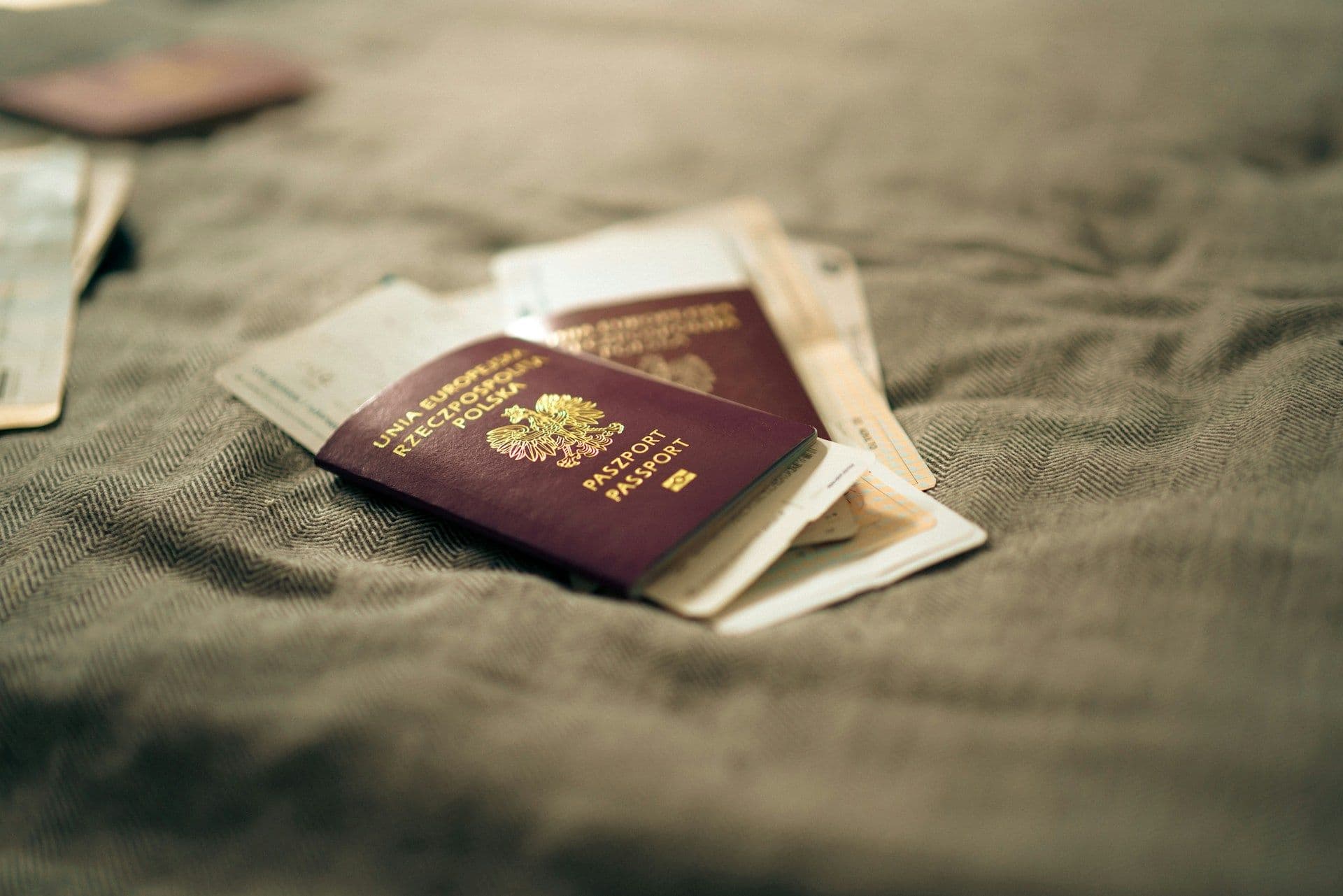
Whether you're planning an international holiday or checking your travel documents before booking a trip, one of the first things you should verify is your passport.
Many travellers only discover their passport has expired, is damaged or no longer meets travel requirements a few weeks before departure. By then, renewing it can become stressful, especially if your travel dates are approaching.
The good news is that passport renewal is usually a straightforward process when you understand the requirements and prepare your application carefully.
This guide explains when you should renew your passport, the documents commonly required, the renewal process, Normal and Tatkal options and practical tips to help you avoid unnecessary delays.
Do You Need to Renew Your Passport?
Passport renewal isn't only for passports that have already expired.
Depending on your circumstances, you may need to renew your passport if:
- It's approaching its expiry date.
- It has expired.
- It has no blank pages left for visas or immigration stamps.
- It's damaged or no longer in good condition.
- Your name or other personal details have changed.
If you're planning an international trip, don't wait until the last minute to check your passport. Applying early gives you more flexibility if additional verification or supporting documents are required.
If you're unsure whether your passport is valid for your destination, our Passport Validity Rules for International Travel guide explains the common validity requirements travellers should check before booking an international trip.
Documents Commonly Required for Passport Renewal
The exact documents you'll need depend on the reason for your passport renewal and your individual circumstances.
In many cases, applicants may be asked to provide:
- Their existing passport.
- Proof of address, where applicable.
- Supporting documents if personal details have changed.
- Appointment confirmation, where required.
- Any additional documents requested for the specific application.
For most applicants, photographs are captured digitally during the appointment. However, some application categories may still require physical photographs, so it's always worth reviewing the latest application instructions before your appointment.
Preparing your documents before starting the application can help make the verification process smoother.
Digital Document Verification
Some applicants may be able to use digital document services, such as DigiLocker, during the passport renewal process where accepted.
Before your appointment, check the latest Passport Seva guidance to see which documents can be presented digitally and which should be carried in their original form.
Even if digital documents are accepted, it's a good idea to keep your original documents readily available in case they're requested during verification.
Before You Start Your Application
Before beginning your passport renewal application, take a few minutes to:
- Confirm why your passport needs to be renewed.
- Review the documents you'll need.
- Check that all your personal information is accurate.
- Decide whether the Normal or Tatkal process is more suitable for your situation.
- Allow enough time before any planned international travel.
Spending a little time preparing before you apply can help reduce errors and make the renewal process much smoother.
Step-by-Step Passport Renewal Process
Once you've confirmed that your passport needs to be renewed and gathered the necessary documents, you can begin the renewal process.
Although minor procedural changes may occur over time, the overall passport renewal journey generally follows the same sequence.
Step | What Happens |
| 1 | Complete the passport renewal application. |
| 2 | Pay the applicable renewal fee. |
| 3 | Schedule an appointment, where required. |
| 4 | Visit the Passport Seva Kendra (PSK), Post Office Passport Seva Kendra (POPSK), or other designated centre. |
| 5 | Complete document verification and biometric formalities. |
| 6 | Application processing and police verification, where applicable. |
| 7 | Receive your renewed passport. |
Let's look at each stage in more detail.
1. Complete the Passport Renewal Application
Begin by filling out your passport renewal application with accurate and up-to-date information.
Before submitting the application, review:
- Your name and personal details.
- Passport information.
- Address and contact details.
- Any supporting information required for your application.
Even small mistakes can delay processing, so it's worth checking everything carefully before you submit the form.
2. Pay the Applicable Fee
After completing your application, you'll need to pay the applicable passport renewal fee.
The amount depends on factors such as:
- The type of passport booklet.
- The processing option you choose.
- Your individual application.
Once your payment is successful, keep the confirmation safely for future reference.
Before making payment, it's always a good idea to check the latest fee structure published through the official passport authorities, as charges may change over time.
3. Schedule Your Appointment
Many passport renewal applications require an appointment for document verification and biometric formalities.
When booking your appointment:
- Choose a convenient Passport Seva Kendra or authorised centre.
- Select a suitable date and time.
- Review the list of documents you'll need to carry.
- Arrive a little before your scheduled appointment.
Appointment availability may vary depending on demand, so avoid waiting until the last minute if you have upcoming travel plans.
4. Visit the Passport Seva Kendra
On the day of your appointment, carry your required documents along with any appointment confirmation.
During your visit, officials may:
- Verify your application details.
- Review your supporting documents.
- Capture your photograph and biometrics, where applicable.
- Confirm any additional information required to process your application.
Most applicants have their photograph captured digitally during the appointment, making the process quicker and more consistent.
5. Application Processing
After your appointment, your application enters the processing stage.
Depending on your application, this may include:
- Document verification.
- Police verification, where applicable.
- Final review before passport printing and dispatch.
Police verification isn't required for every passport renewal application. Whether it's needed depends on factors such as your application type and whether important personal information has changed.
You can usually monitor the progress of your application through the official tracking service.
Normal vs Tatkal Passport Renewal
Applicants generally have two processing options.
Feature | Normal | Tatkal |
| Processing | Standard application process | Priority processing for eligible applicants |
| Cost | Standard fee | Higher fee than the normal process |
| Suitable For | Travellers with sufficient time before departure | Travellers who need their passport more urgently, subject to eligibility |
Which Option Should You Choose?
Choose the Normal process if your passport renewal isn't urgent and you have enough time before your planned travel.
Consider the Tatkal option if you need your renewed passport more quickly and meet the applicable eligibility requirements. While Tatkal offers faster processing, document verification and other mandatory checks may still apply.
If possible, avoid relying on Tatkal simply because your travel date is close. Applying well in advance is usually the less stressful option.
Updating Your Passport Information
Passport renewal can also be an opportunity to update certain personal information, where applicable.
For example, some applicants may need to update:
- Their name following a legal change.
- Their address or other personal details.
- Other eligible passport information supported by the required documents.
If you're making any changes during renewal, ensure your supporting documents are consistent with the information provided in your application to help avoid delays.
Common Passport Renewal Mistakes to Avoid
Many passport renewal delays happen because of small, avoidable mistakes rather than complicated application issues.
Before submitting your application, avoid these common mistakes:
- Waiting until the last few weeks before an international trip to renew your passport.
- Entering incorrect or incomplete personal information.
- Carrying incomplete supporting documents to your appointment.
- Ignoring requests for additional verification or documentation.
- Assuming passport processing will always be completed within a fixed timeframe.
- Not checking the details on your renewed passport after receiving it.
Taking a little extra time to review your application can help prevent unnecessary delays.
After Receiving Your Renewed Passport
Once you receive your renewed passport, don't put it away immediately.
Take a few minutes to verify that all the information is correct.
Check your:
- Full name.
- Date of birth.
- Photograph.
- Passport validity dates.
- Passport number.
- Any updated personal information requested during renewal.
If you notice an error, report it to the issuing authority as soon as possible so it can be corrected.
If you have international travel planned, make sure your future bookings and visa applications use the details exactly as they appear in your renewed passport.
Passport Renewal Checklist
Before you submit your application, use this checklist to make sure you're ready.
Before Applying
☐ Confirm that your passport needs to be renewed.
☐ Gather the required supporting documents.
☐ Review all personal information carefully.
☐ Decide whether the Normal or Tatkal process is right for you.
Before Your Appointment
☐ Carry your existing passport.
☐ Bring all required supporting documents.
☐ Keep your appointment confirmation ready.
☐ Arrive on time.
After Submission
☐ Save your application and payment confirmation.
☐ Track your application status.
☐ Review your renewed passport carefully after receiving it.
Final Thoughts
Renewing your passport doesn't have to be complicated. Starting the process early, preparing the correct documents, and reviewing your application carefully can help make the experience much smoother.
If you're planning an international trip, renewing your passport well before your departure date gives you more flexibility and reduces the risk of last-minute travel disruptions.
Continue Planning Your Trip
You may also find these guides helpful as you prepare for international travel:
- Essential Travel Documents for International Trips – A complete checklist of the documents you'll typically need before travelling abroad.