The Rann of Kutch is one of India's most distinctive landscapes. Spread across Gujarat's vast seasonal salt marshes, the White Rann transforms into an extraordinary white expanse during the winter months. But there is much more to discover here than the famous salt desert.
A trip through Kutch can take you from the celebrations of Rann Utsav and traditional craft villages to historic palaces, coastal towns and ancient archaeological sites. You can watch the sunset over the White Rann, discover Rogan painting in Nirona, explore Bhuj's royal heritage or take the scenic drive towards Dholavira.
Whether you are planning a winter getaway, visiting Rann Utsav or exploring Gujarat beyond its popular cities, this Rann of Kutch travel guide covers the best time to visit, places to explore, travel costs, itinerary and essential planning information.
Where Is the Rann of Kutch Located?
The Rann of Kutch is a vast seasonal salt marsh in Gujarat's Kutch district, in western India, near the India-Pakistan border. It includes two major regions: the Great Rann of Kutch and the Little Rann of Kutch.
The Great Rann of Kutch is known for its expansive seasonal salt flats. The famous White Rann, particularly the visitor area near Dhordo, is where most travellers go to experience the white desert and Rann Utsav.
The Little Rann of Kutch, located towards the southeastern part of the region, is a separate destination known for the Indian Wild Ass Sanctuary and its distinctive wildlife habitat.
Location | What It Is Known For |
| Great Rann of Kutch | Vast seasonal salt marshes and white desert landscapes |
| White Rann near Dhordo | Salt flats, desert views and Rann Utsav |
| Little Rann of Kutch | Indian Wild Ass Sanctuary and wildlife experiences |
| Bhuj | Main travel gateway, heritage attractions and accommodation |
| Dhordo | Main base for visiting the White Rann and Rann Utsav |
For most first-time visitors, Bhuj is the most convenient starting point, while Dhordo is the primary base for exploring the White Rann. Other attractions, including Mandvi, Dholavira and the craft villages, are spread across the district and need separate travel planning.
What Is the Best Time to Visit Rann of Kutch?
The best time to visit Rann of Kutch is November to February, when the weather is generally pleasant for sightseeing, the White Rann is usually accessible and Rann Utsav brings the region to life.
Season | What to Expect | Is It a Good Time to Visit? |
| November to February | Pleasant days, cold nights, White Rann visits and Rann Utsav | Best overall period |
| March | Warmer days and the closing part of the festival season, depending on its calendar | Good, especially early March |
| April to June | Intense summer heat and uncomfortable daytime sightseeing | Not recommended for most travellers |
| July to September | Monsoon conditions, with parts of the seasonal Rann covered by water | Not ideal for the classic White Rann experience |
| October | Transition from monsoon to the drier season; landscape and access conditions can vary | Check local conditions |
Winter is the most comfortable time to explore the White Rann, visit traditional craft villages and discover attractions around Bhuj and Dhordo. It is also the main season for Rann Utsav.
If the festival is your main reason for visiting, check its operating dates before booking. The festival season does not necessarily cover the entire winter period.
Rann Utsav 2026–27: Experiences and Tent City Stay
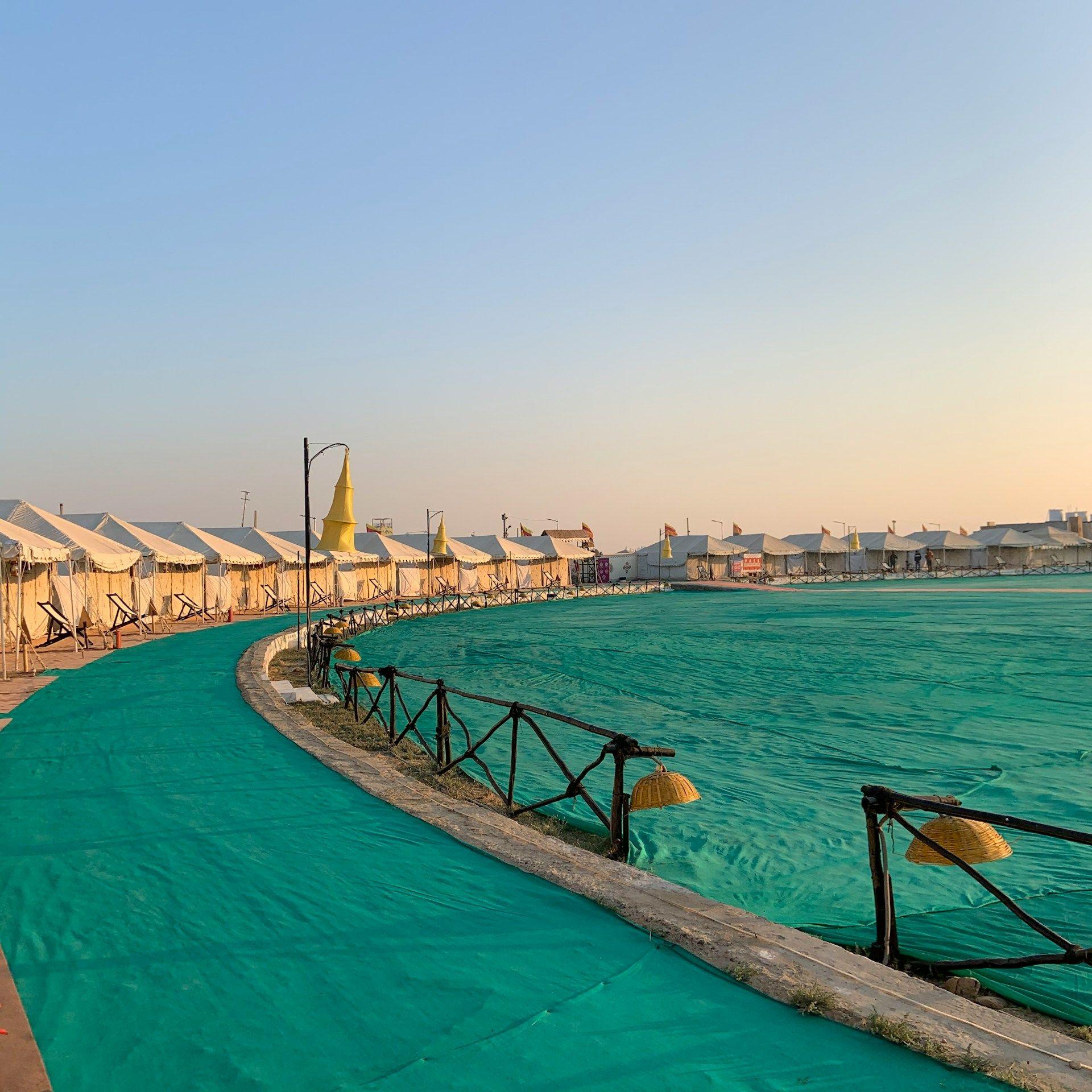
Rann Utsav is an annual cultural festival held at Dhordo, near the White Rann of Kutch. It brings together Kutchi folk music, traditional dance, handicrafts, regional cuisine and cultural activities, allowing visitors to experience the region's heritage alongside its famous salt desert.
The 2026–27 Rann Utsav season runs from 1 November 2026 to 7 March 2027. The main festival experience is centred around Rann Utsav Tent City, where visitors can combine their stay with cultural programmes and organised experiences.
What Can You Experience at Rann Utsav?
Some of the main experiences include:
- Kutchi folk performances: Enjoy traditional music, Garba, Raas and regional dance performances.
- Local handicrafts: Discover Kutchi embroidery, Ajrakh printing, Rogan art and other traditional crafts.
- Regional cuisine: Sample Gujarati and Kutchi dishes and experience the flavours of the region.
- White Rann visits: Explore the salt desert, with sunrise, sunset and full-moon visits being particularly popular.
- Recreational activities: Selected adventure and leisure activities may be available, depending on the season and package.
Do You Need to Stay at Rann Utsav Tent City?
No. Staying at Tent City is not compulsory to visit the White Rann. You can stay in Bhuj, Dhordo, Hodka or other nearby villages and plan your visit separately, subject to the applicable entry and access arrangements.
However, Tent City offers a more organised festival experience, with accommodation, meals, cultural programmes and selected sightseeing services available through its packages.
Before booking, compare the accommodation category, meals, transfers, sightseeing arrangements and other inclusions. These details can make a significant difference to the overall cost of your stay.
Best Places to Visit in Rann of Kutch and Around
The Rann of Kutch offers much more than its famous White Rann. From scenic viewpoints and traditional craft villages to historic architecture, coastal landscapes and archaeological sites, there is plenty to explore across the region.
Here are the places worth including in your Kutch itinerary.
1. White Rann of Kutch
The White Rann is the region's most recognised attraction, known for its vast seasonal salt flats that create an almost endless white landscape. Located near Dhordo, it is the main destination for travellers visiting the Great Rann of Kutch.
Sunrise, sunset and full-moon visits are particularly popular for the changing colours and views across the salt desert. Entry to the designated visitor area is regulated, so check the current permit requirements and access timings before your visit.
2. Kala Dungar (Black Hill)
Kala Dungar is the highest point in Kutch and offers panoramic views of the Great Rann and the surrounding Banni landscape. Its elevated viewpoint provides a different perspective of the region's otherwise flat terrain.
The hilltop is also home to the Dattatreya Temple. You can combine Kala Dungar with a visit to Dhordo and nearby villages while exploring northern Kutch.
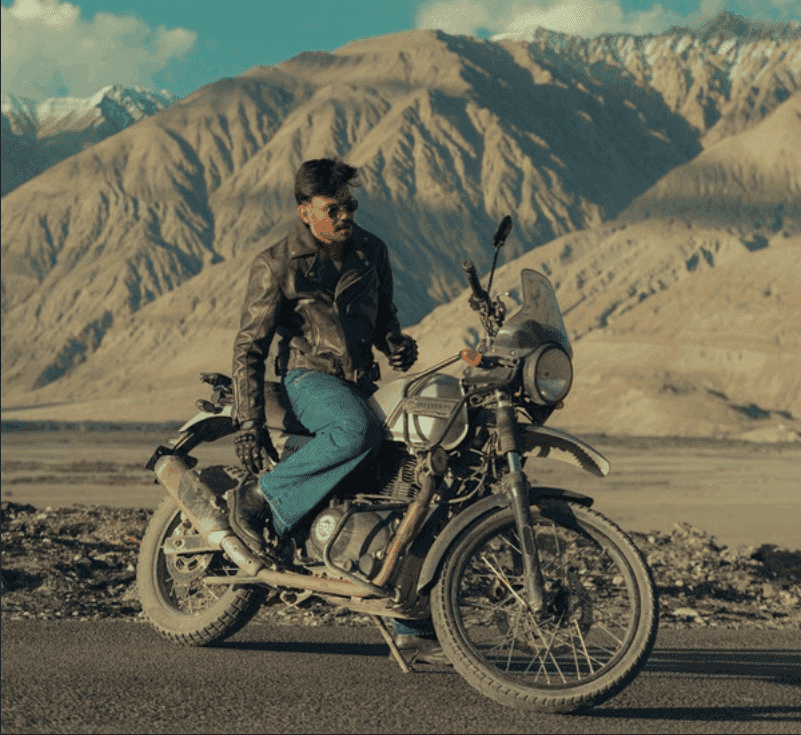
3. Road to Heaven
Road to Heaven is a scenic road connecting the Khavda region towards Dholavira. Known for its long stretches of open road and surrounding salt desert landscape, it has become a popular experience for road-trip enthusiasts and photographers.
The journey itself is the main attraction, offering expansive views of Kutch's distinctive terrain. Check the latest road conditions and access arrangements before planning your drive.
4. Bhuj: Explore the Heritage of Kutch
Bhuj is the main gateway to Kutch and deserves more than just an overnight stop. The city offers a glimpse into the region's royal history, architecture and cultural traditions.
Some notable attractions include:
- Aina Mahal: A historic palace known for its mirror work and elaborate interiors.
- Prag Mahal: An impressive palace featuring European Gothic-inspired architecture and a prominent clock tower.
- Kutch Museum: A museum showcasing the region's history, communities, archaeology and traditional crafts.
- Smritivan Earthquake Memorial and Museum: A memorial dedicated to those affected by the 2001 Gujarat earthquake, located on Bhujiyo Dungar.
- Hamirsar Lake: A historic lake in the city centre, suitable for a relaxed stop between sightseeing visits.
If you enjoy history and architecture, keep a few hours for Bhuj before heading towards the White Rann or other parts of Kutch.
5. Kutch's Traditional Craft Villages
Kutch is known for its distinctive textile traditions, embroidery, printing techniques and handmade crafts. Visiting its artisan villages offers an opportunity to understand how these skills are practised and preserved across generations.
Village | Known For |
| Nirona | Rogan art, copper bells and lacquerware |
| Ajrakhpur | Traditional Ajrakh block printing |
| Bhujodi | Handloom weaving and traditional textiles |
Nirona is particularly known for Rogan art, a traditional technique that uses castor-oil-based colours to create intricate designs on fabric. Ajrakhpur is known for its block-printing traditions, while Bhujodi is a good place to explore Kutch's handloom work.
These villages are especially worthwhile if you are interested in traditional craftsmanship and want to interact with local artisans.
6. Mandvi: Beaches and Coastal Heritage
Mandvi offers a refreshing change from Kutch's desert landscapes. This historic coastal town is known for its beach, royal architecture and traditional wooden shipbuilding heritage.
Places to explore include:
- Mandvi Beach: A popular spot for beach walks, coastal views and sunset visits.
- Vijay Vilas Palace: A former royal summer residence known for its architecture and intricate stonework.
- Traditional shipbuilding yards: Explore Mandvi's wooden shipbuilding heritage, subject to local access arrangements.
Mandvi is worth including if you have an additional day and want to experience the coastal side of Kutch.
7. Dholavira: Discover the Ancient Harappan Civilisation
Dholavira is a UNESCO World Heritage Site and one of India's most significant archaeological destinations. Located on Khadir Bet, it preserves the remains of an ancient Harappan city that flourished thousands of years ago.
The site is known for its sophisticated urban planning, large water reservoirs, fortifications and organised settlement layout. It is particularly worthwhile for travellers interested in history and archaeology.
Dholavira requires a dedicated excursion because of its distance from Bhuj and the White Rann area.
8. Chari-Dhand: A Seasonal Birdwatching Experience
Chari-Dhand is a seasonal wetland in the Banni region, known for attracting migratory birds and supporting a variety of wildlife. During suitable conditions, it becomes an interesting destination for birdwatchers and nature enthusiasts.
Bird activity and water levels vary with the season, so consider including it if birdwatching is a priority rather than treating it as an essential stop on every Kutch itinerary.
How to Reach Rann of Kutch?
Bhuj is the main gateway to the Rann of Kutch, with air, rail and road connections to major cities in India. From Bhuj, you can travel to Dhordo, the main base for visiting the White Rann, by taxi or private vehicle.
- By Air: Bhuj Airport is the nearest airport. Alternatively, you can fly to Ahmedabad and continue to Bhuj by road.
- By Train: Bhuj Railway Station is connected to several major cities, including Ahmedabad and Mumbai, through direct and connecting services.
- By Road: Bhuj is accessible from Ahmedabad and other major cities in Gujarat. The road journey from Ahmedabad generally takes around 6–8 hours.
How to Reach the White Rann from Bhuj?
Dhordo is approximately 80–90 km from Bhuj, and the drive generally takes around 1.5–2 hours.
You can reach the area by:
- Hiring a private taxi from Bhuj.
- Driving your own vehicle.
- Arranging transport through an organised tour or accommodation package.
If you also plan to visit Kala Dungar, Khavda or nearby craft villages, consider arranging your local transport in advance.
Rann of Kutch Trip Cost: How Much Should You Budget?
A three-day Rann of Kutch trip can cost approximately ₹8,000–₹14,000 per person if you stay in Bhuj and explore the region independently. Staying at Rann Utsav Tent City is generally more expensive, with indicative package prices ranging from ₹15,000–₹45,000+ per couple per night, depending on the accommodation category and inclusions.
Travel Style | Indicative Cost |
| Independent trip from Bhuj (3 days) | ₹8,000–₹14,000 per person |
| Rann Utsav Tent City | ₹15,000–₹45,000+ per couple per night |
How to Manage Your Trip Budget
- Stay in Bhuj: Consider hotels in Bhuj for a more economical base.
- Share transport: Travelling in a group can reduce local taxi expenses.
- Plan sightseeing together: Combine nearby attractions to avoid unnecessary travel.
- Compare Tent City packages: Check accommodation, meals, transfers and activities before booking.
Where should you stay? Bhuj is a practical choice for budget and mid-range accommodation, while Dhordo is ideal if you want to stay closer to the White Rann and Rann Utsav. You can also consider homestays in Hodka and nearby villages for a more traditional cultural experience.
Disclaimer: All prices are indicative planning estimates, not confirmed current rates. Actual costs can vary depending on travel dates, group size, accommodation, transport, package inclusions and festival demand. The independent-trip estimate may not include travel to Bhuj from your home city. Confirm current accommodation and Tent City rates before booking.
Rann of Kutch Itinerary: How Many Days Are Enough?
Ideally, plan 3–4 days for Rann of Kutch to explore the White Rann, nearby attractions, traditional craft villages and Bhuj. If you also want to visit Dholavira or Mandvi, consider extending your trip.
3-Day Rann of Kutch Itinerary
Day | Places to Visit | Suggested Experiences |
| Day 1 | Bhuj and nearby craft villages | Explore Aina Mahal, Prag Mahal, Bhujodi and Ajrakhpur |
| Day 2 | Dhordo, White Rann and Kala Dungar | Visit the White Rann and enjoy views from Kala Dungar |
| Day 3 | Nirona and nearby attractions | Discover Rogan art, traditional crafts and local villages before returning to Bhuj |
4-Day Rann of Kutch Itinerary
If you have an additional day, include one of these excursions:
- Option 1: Dholavira: Explore the ancient Harappan archaeological site and experience the scenic drive towards Khadir Bet.
- Option 2: Mandvi: Visit Mandvi Beach, Vijay Vilas Palace and the town's traditional shipbuilding areas.
Planning tip: If Rann Utsav is part of your trip, schedule your White Rann visit around the festival's operating dates and local access arrangements. Keep enough time for travel between attractions, as distances across Kutch can be considerable.
Plan Your Rann of Kutch Trip with Desh Videsh Travels
Kutch offers more than the White Rann, from its traditional craft villages and royal heritage to its coastline and ancient Dholavira. If you want to explore the region without managing every travel arrangement yourself, take a look at our Rann of Kutch Tour Package from Bhuj and plan your journey with Desh Videsh Travels.