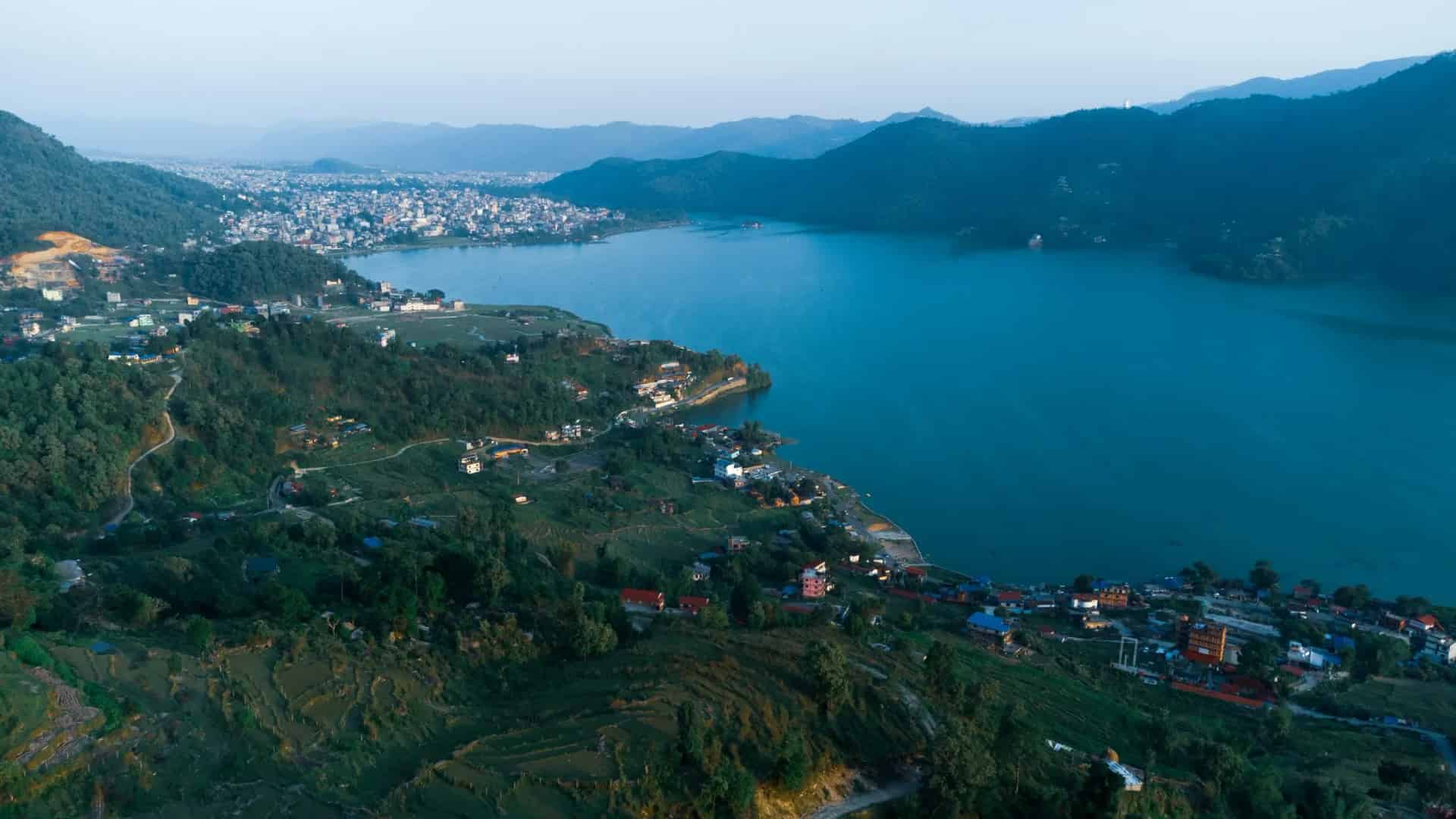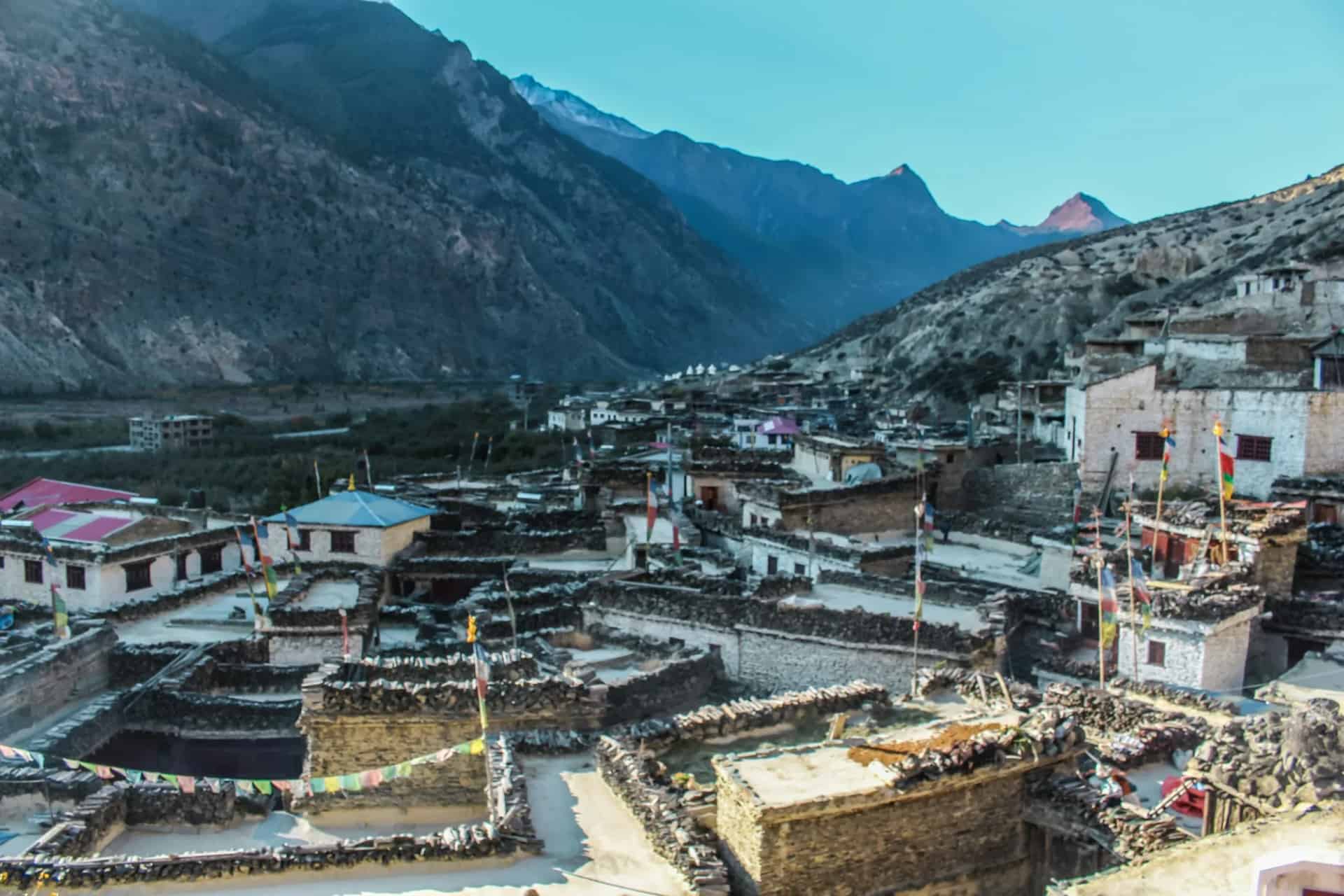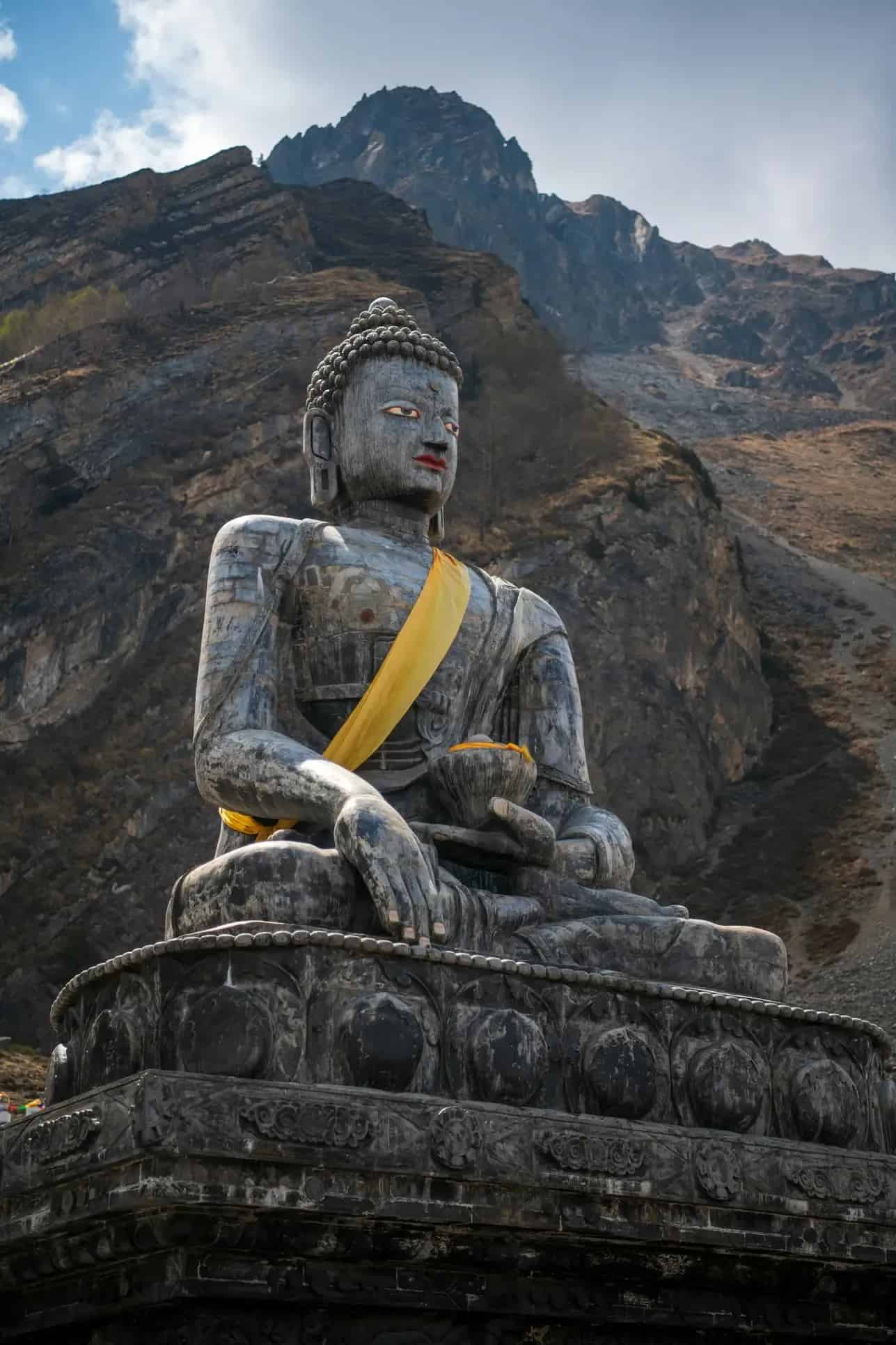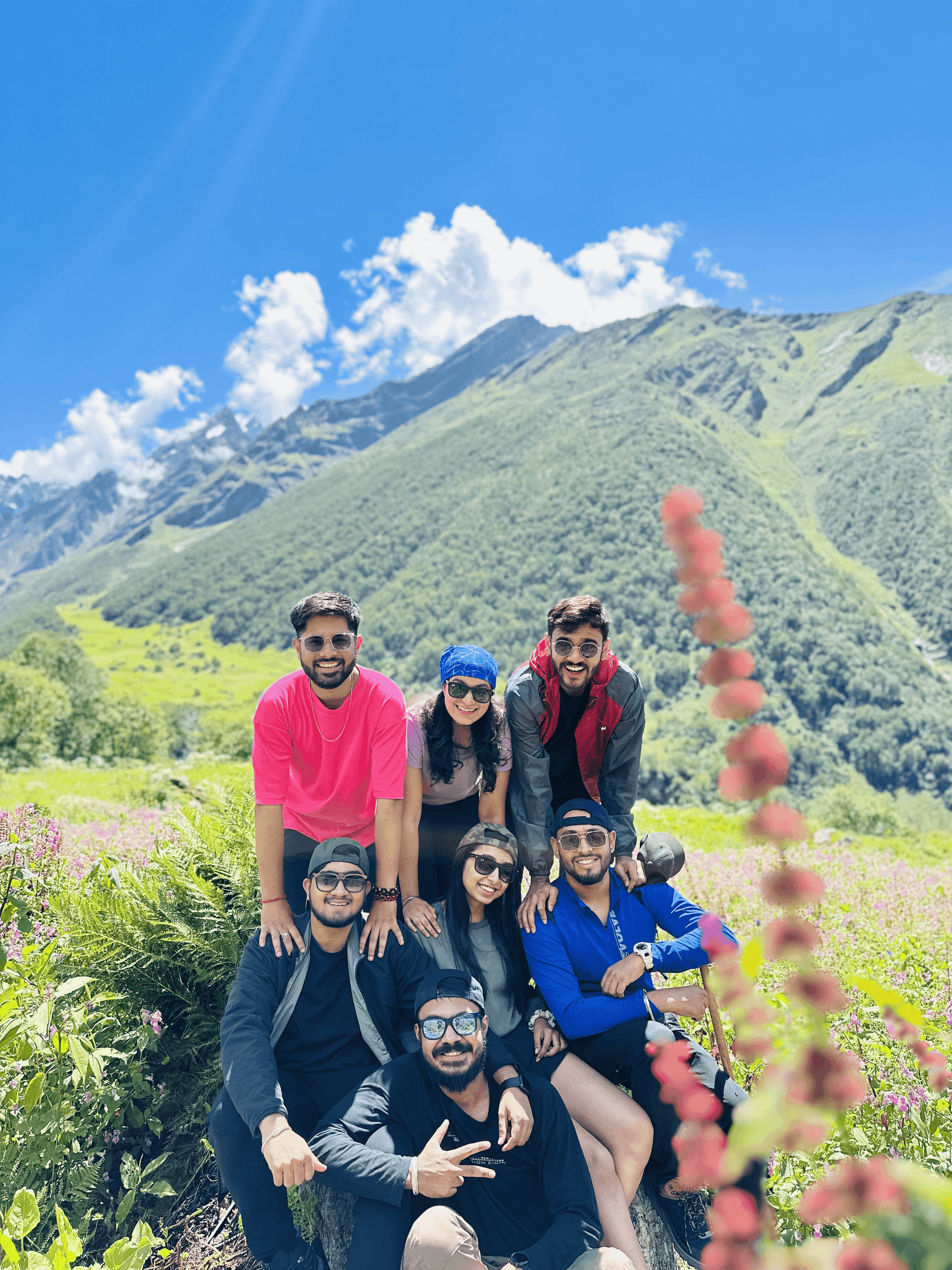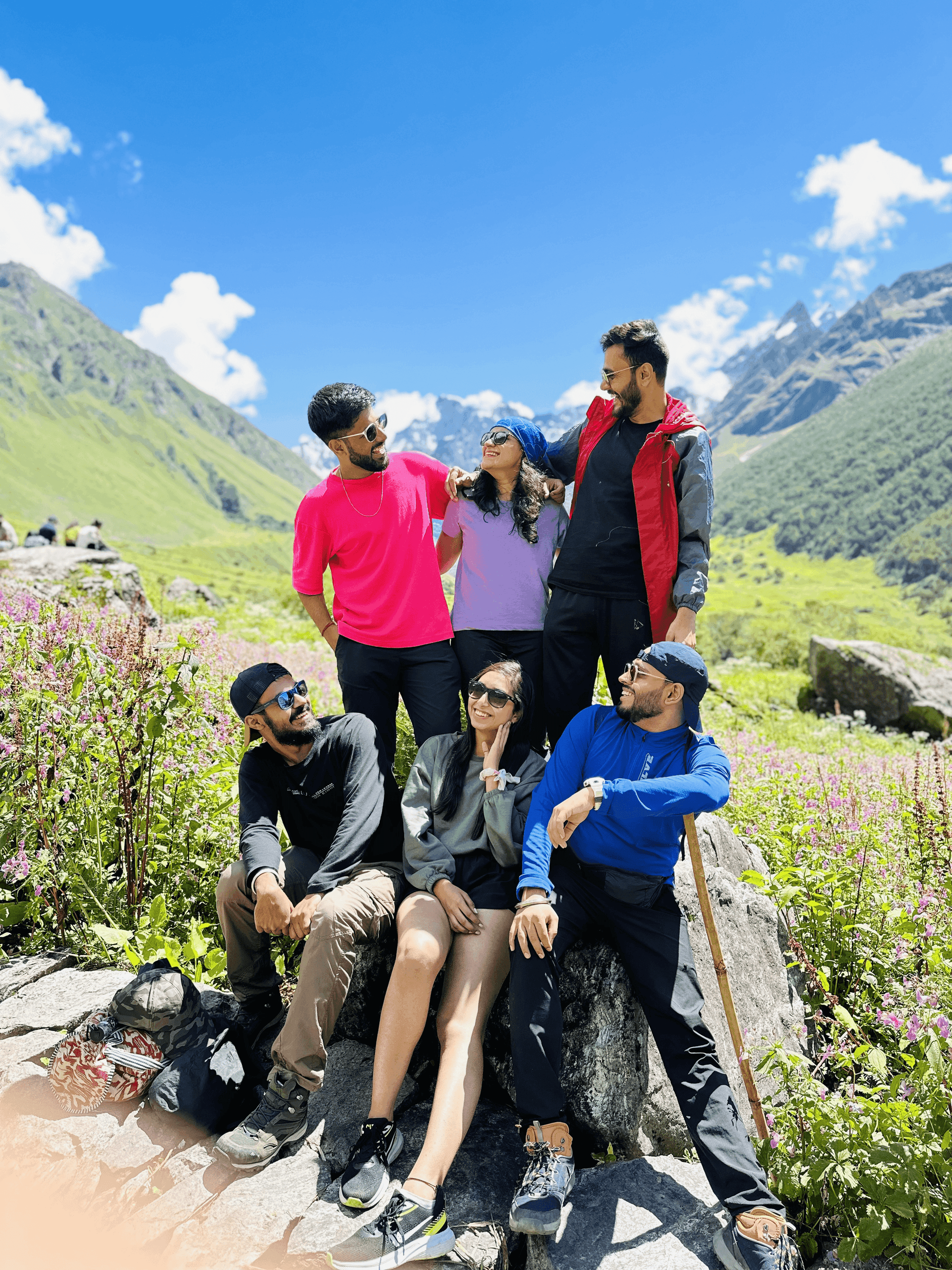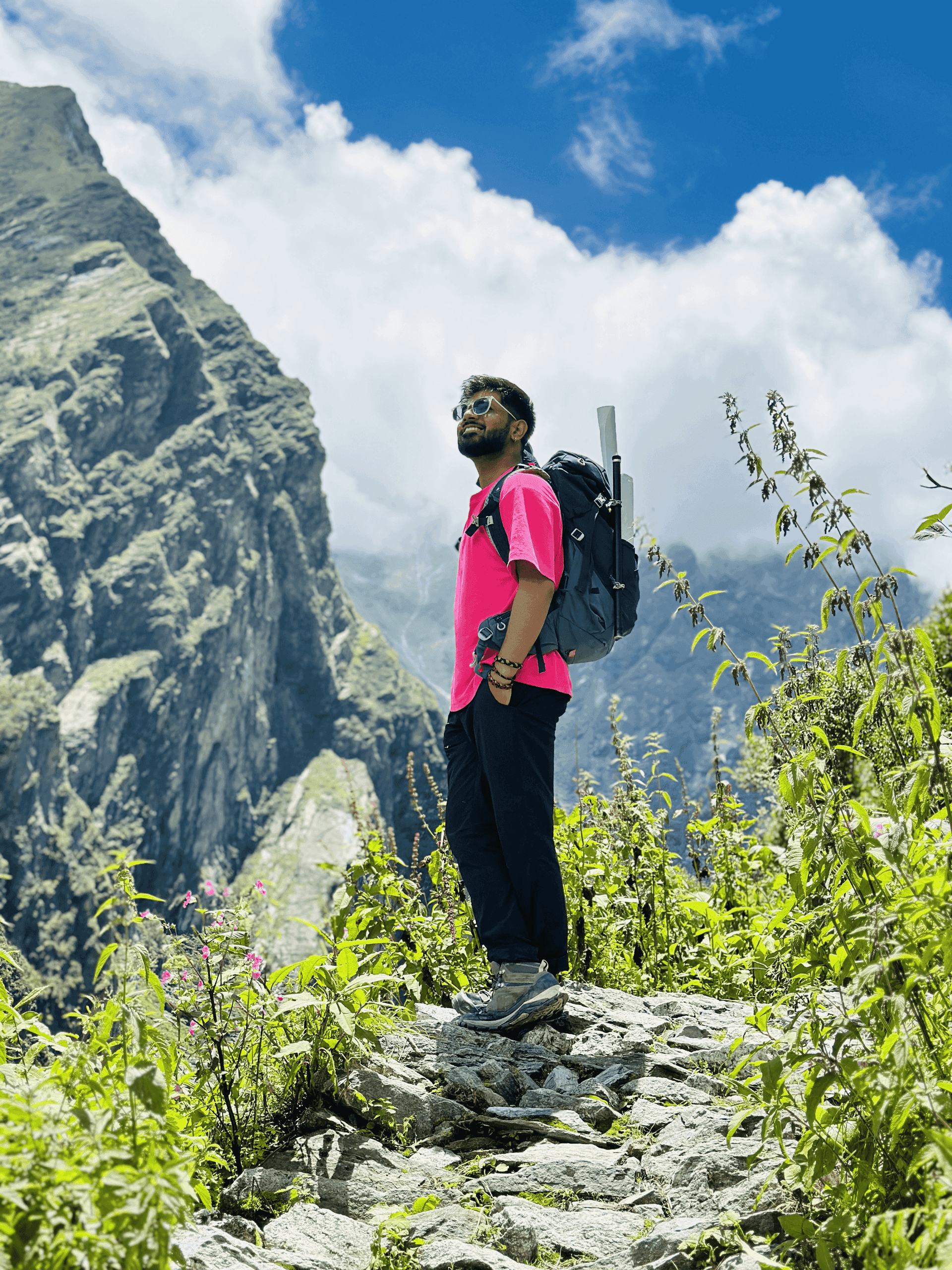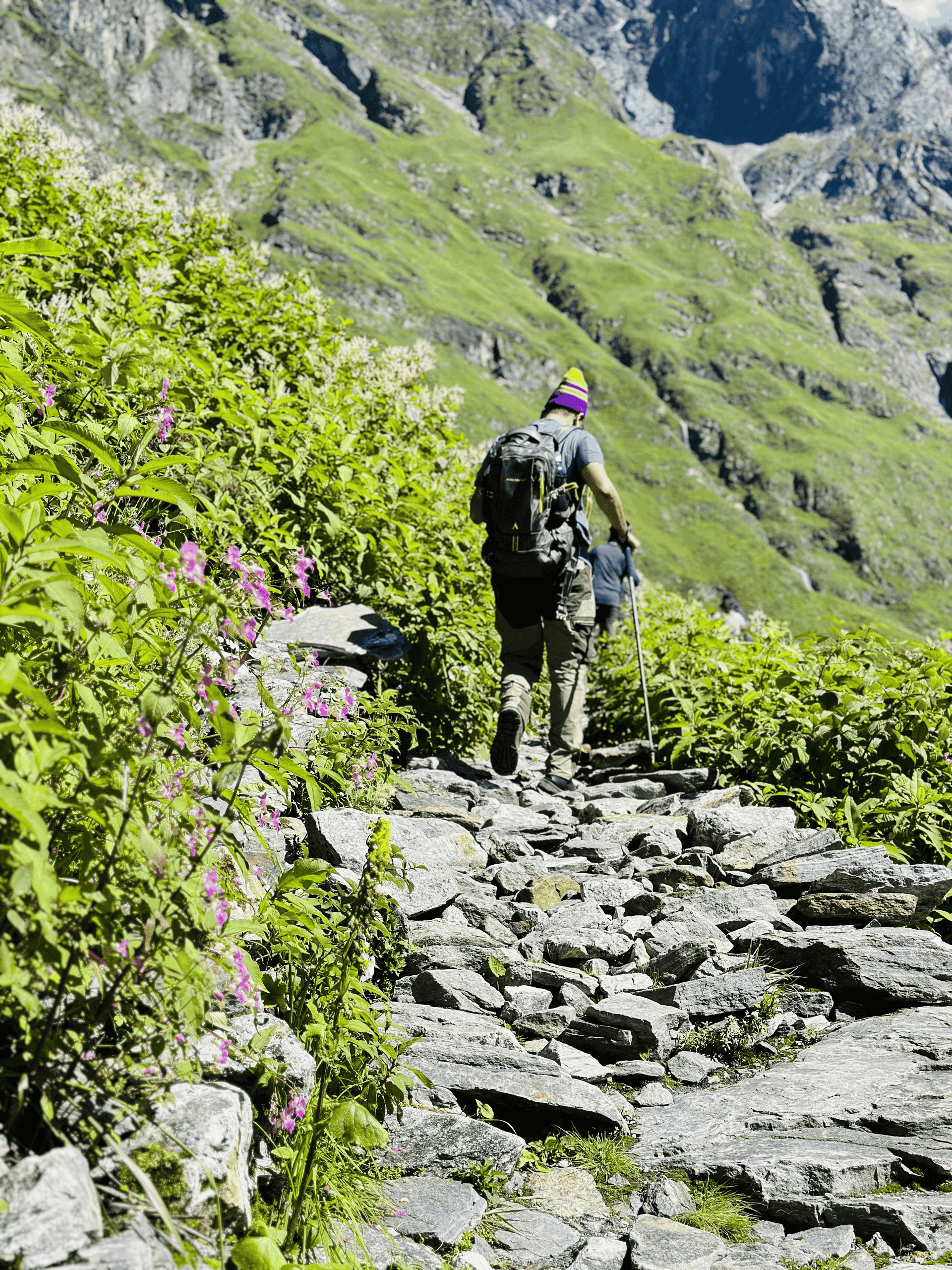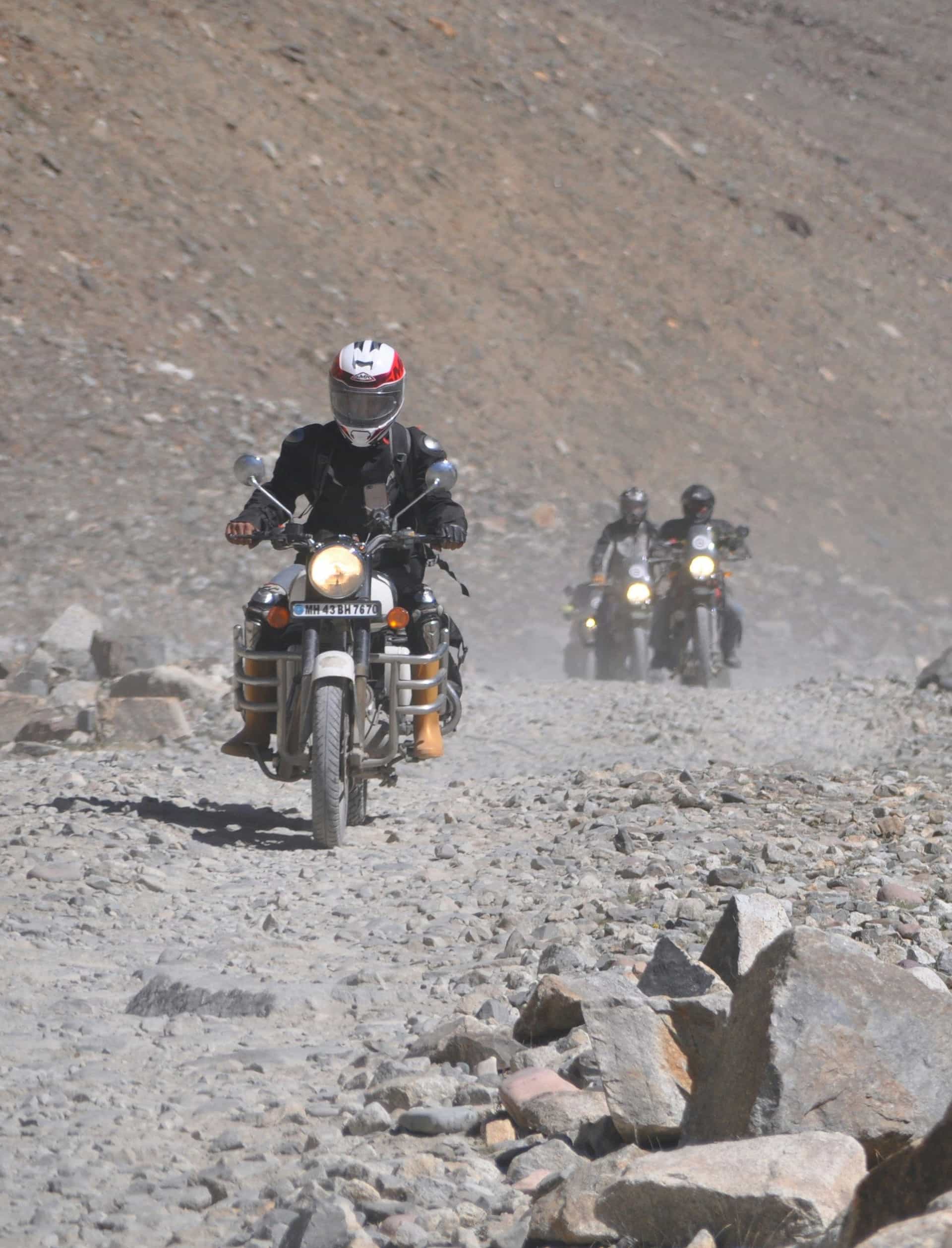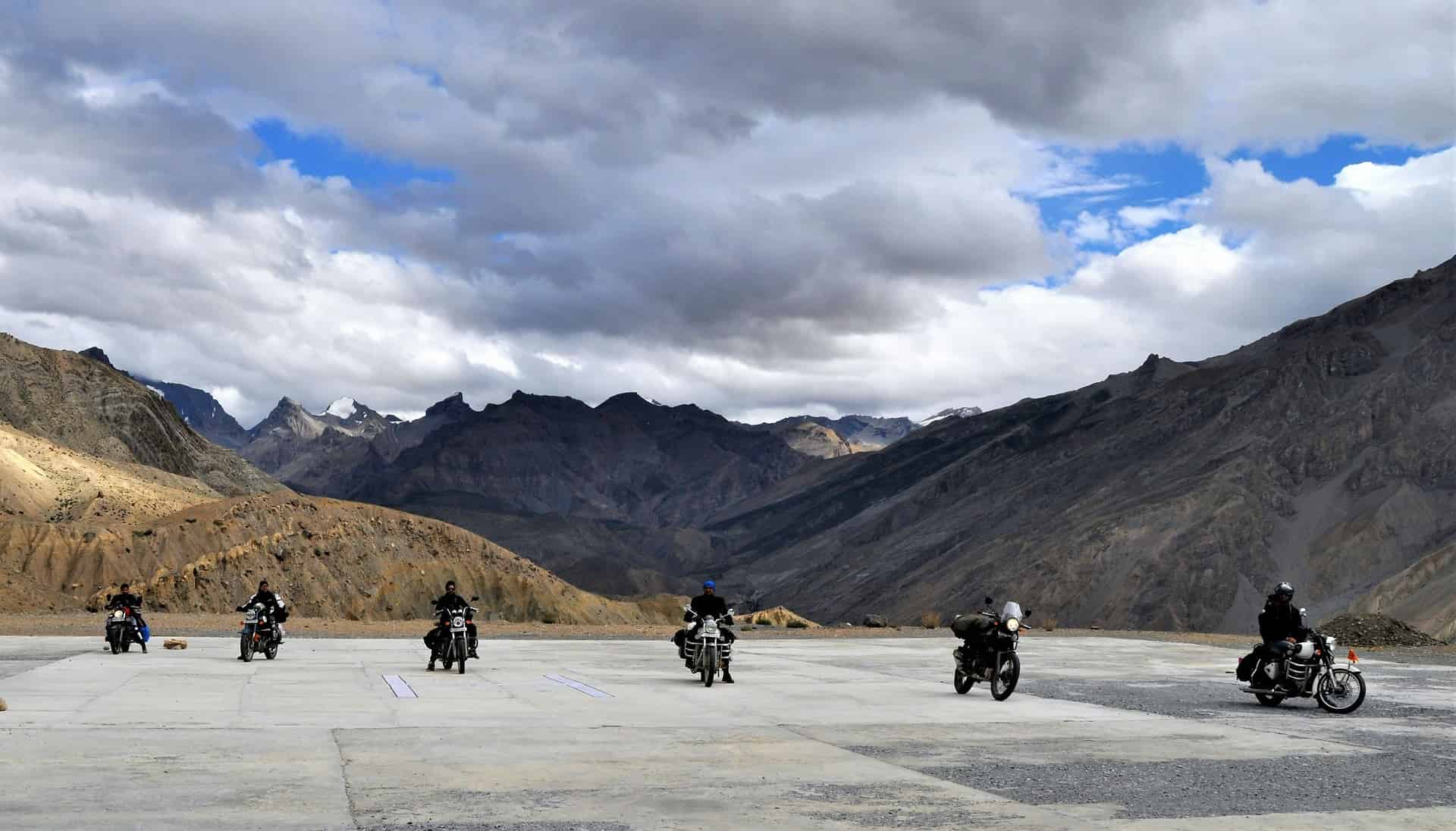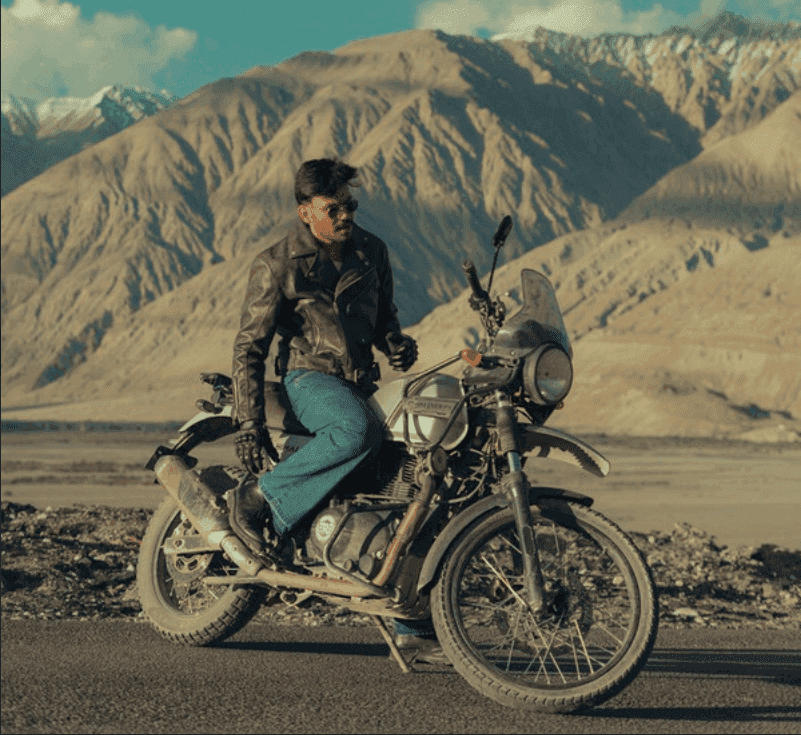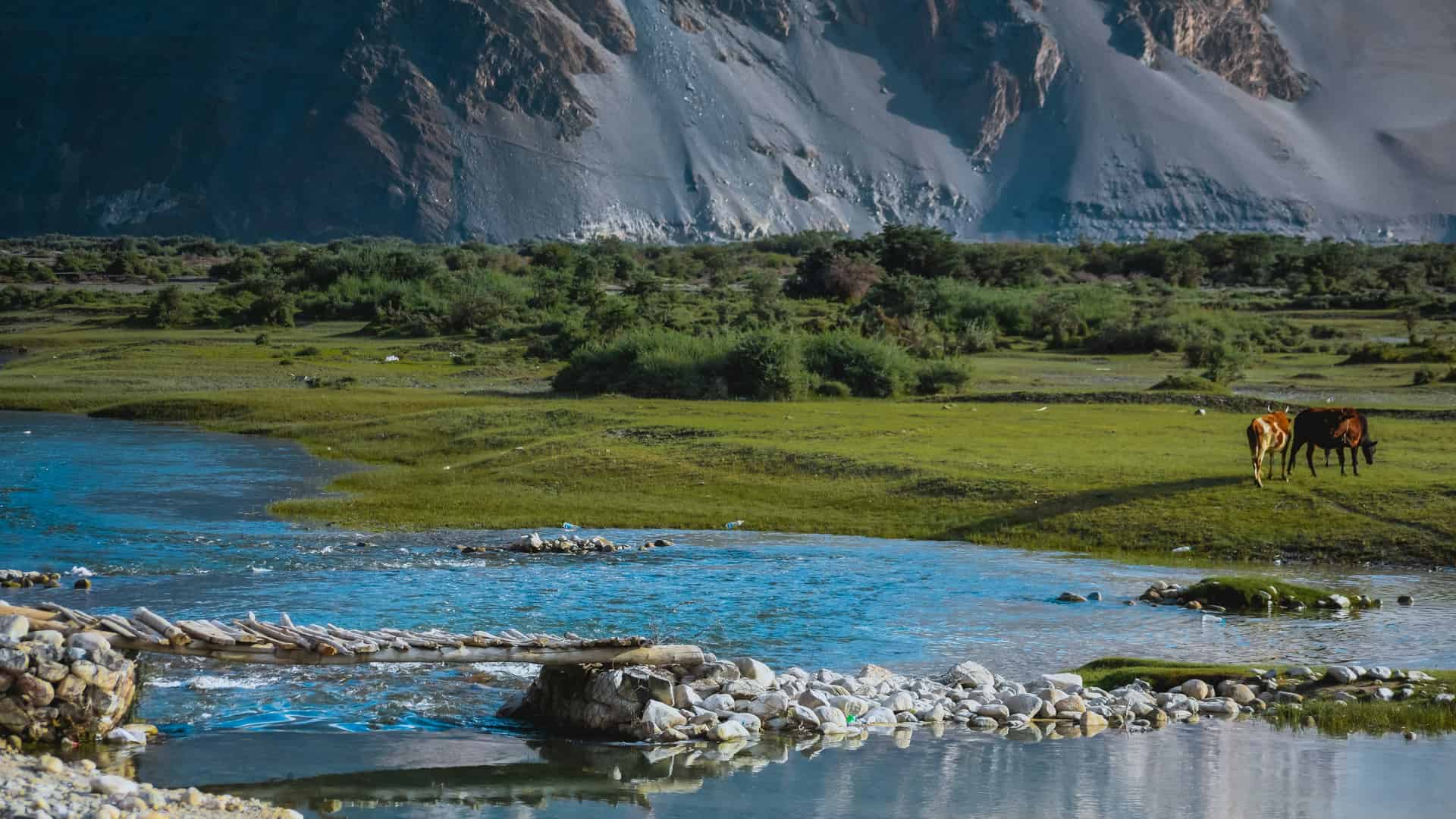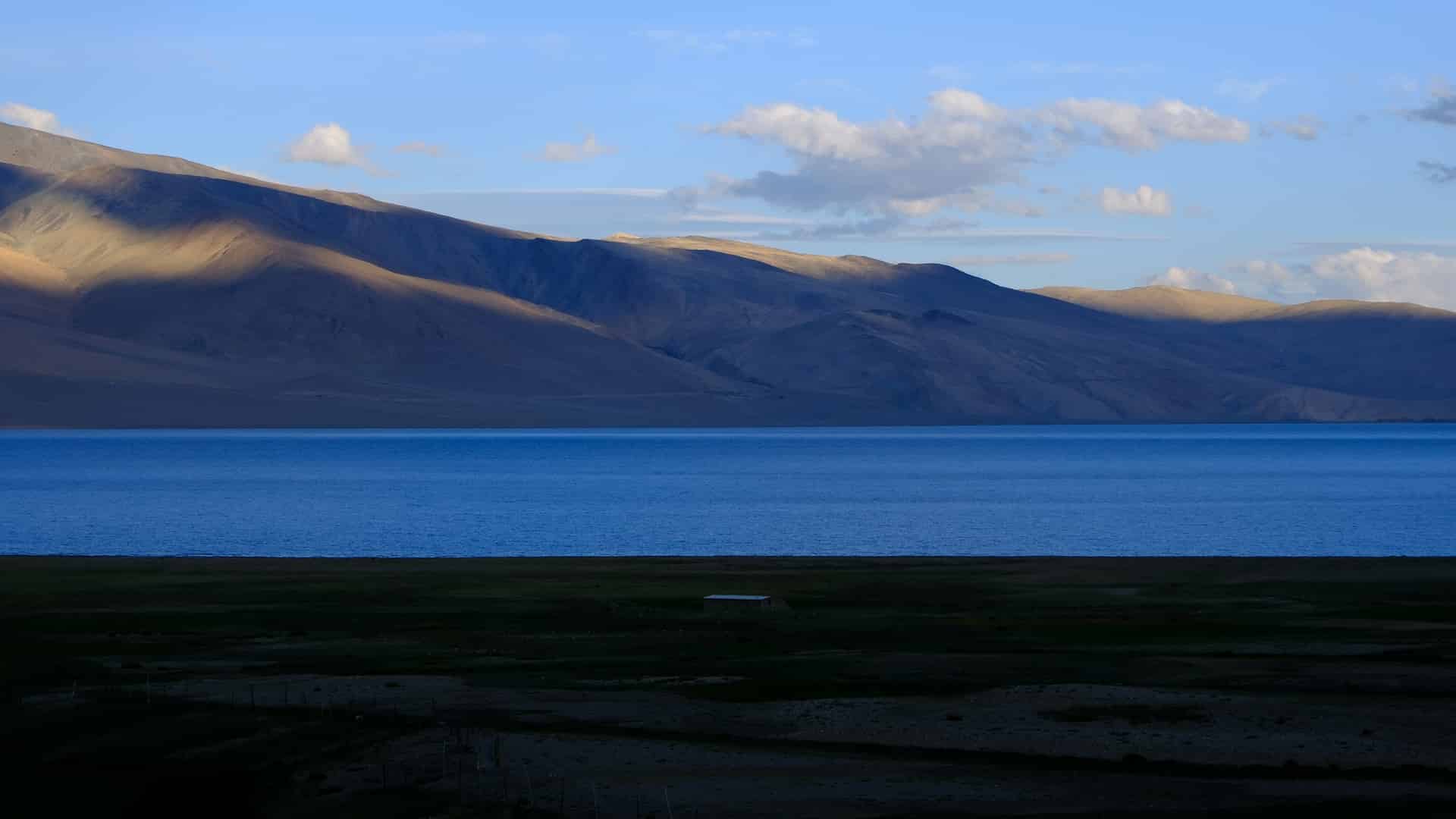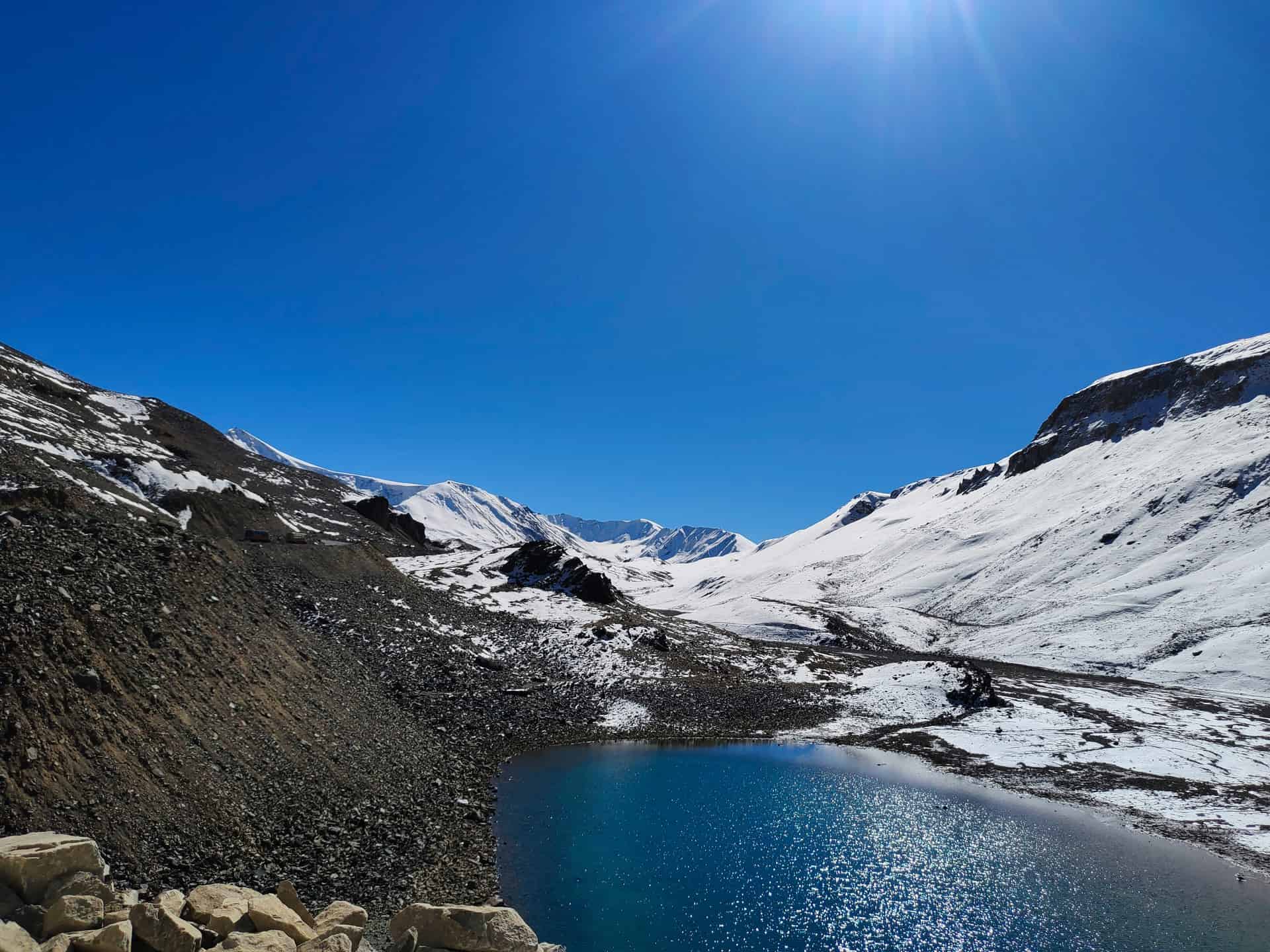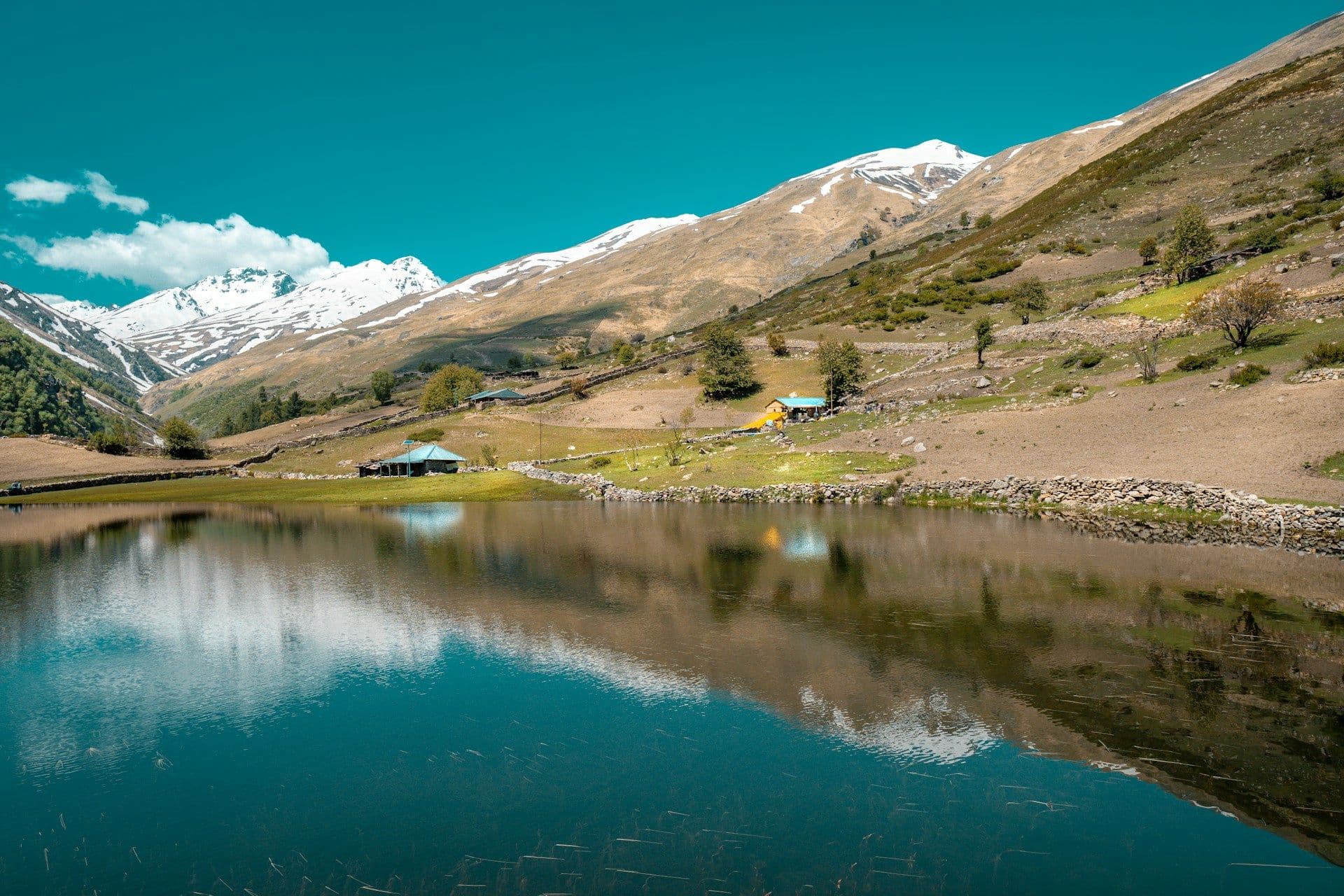
There is a point on the Kinnaur route where the harsher mountain roads slowly open into wider valley views, apple orchards, wooden villages and the Baspa River flowing through the mountainsides. That shift usually begins around Sangla.
Located inside Himachal Pradesh’s Baspa Valley, Sangla feels calmer and more lived-in compared to destinations that are visited only as quick sightseeing stops. Travelers often use it as the main base for exploring nearby places like Rakchham and Chitkul, but many end up staying longer because of the valley atmosphere itself.
Unlike Chitkul, which feels colder and more dramatic or Rakchham, which is quieter and more stay-focused, Sangla offers a balance of scenery, cafés, local culture, road-trip practicality and slower Himalayan pacing.
Whether you are planning a Kinnaur road trip, exploring hidden places in Himachal Pradesh or looking for a scenic Himalayan stay, Sangla works best when experienced slowly instead of rushed overnight.
Why Travelers Stay in Sangla
Sangla has become one of the most practical and comfortable bases in Baspa Valley for travelers exploring the Kinnaur region.
People usually stay here for:
- valley landscapes
- riverside stays
- cafés and local markets
- access to Rakchham and Chitkul
- scenic road trips
- slower Himalayan experiences
- better connectivity compared to deeper villages
Compared to higher-altitude destinations deeper in the valley, Sangla feels:
- more accessible
- easier for longer stays
- more balanced for families and road trips
- slightly better connected
At the same time, tourism in Sangla has grown noticeably in recent years.
That means:
- busier summer weekends
- more cafés and stays
- increasing traffic during peak season
- more commercial activity near the main road
But once travelers move slightly away from the central road stretches, Sangla still retains much of its slower Baspa Valley atmosphere.
Where Is Sangla Located?
Sangla is located in the Kinnaur district of Himachal Pradesh, inside the Baspa Valley.
It sits before:
- Rakchham
- Chitkul
making it one of the main bases for travelers exploring deeper parts of the valley.
The region is surrounded by:
- snow-covered mountains
- Baspa River landscapes
- apple orchards
- pine forests
- traditional Kinnauri villages
Most travelers combine Sangla with broader Kinnaur road-trip routes across Himachal Pradesh.
Why the September Apple Harvest Feels Like Baspa Valley at Its Best
Sangla changes significantly across seasons and each period creates a very different experience across the Baspa Valley.
Travelers planning longer mountain journeys can also check the best time to visit Himachal Pradesh, depending on snowfall, road conditions and the type of Himalayan experience they want.
Spring (March to April)
Spring slowly brings greenery back into the valley after winter.
Snow remains visible on higher mountains, apple orchards begin changing colors and the weather feels cold but pleasant during the day.
This season works especially well for:
- scenic road trips
- peaceful stays
- photography
- quieter travel experiences
Summer (May to June)
Summer is the most popular time to visit Sangla.
The weather remains comfortable, roads become more accessible and the Baspa Valley looks vibrant under clearer mountain skies.
This season is ideal for:
- family trips
- Kinnaur road trips
- café experiences
- valley stays
- sightseeing
However, tourism traffic has increased noticeably during peak summer months, especially on weekends.
Travelers wanting a calmer experience usually prefer:
- weekday stays
- slower itineraries
- overnight trips instead of rushed day visits
Monsoon (July to September)
Monsoon brings greener landscapes, dramatic clouds and changing valley weather across Sangla.
The scenery often feels cinematic during this season, especially around riverside stretches and forest roads.
But monsoon also comes with:
- landslide risks
- road delays
- changing weather conditions
- occasional network fluctuations
Travelers should especially keep buffer time while crossing unstable mountain stretches around the Nigulsari route during the monsoon and post-monsoon periods.
Flexible itineraries work much better during this season.
Autumn (October to November)
Autumn is one of the most beautiful times to visit Sangla.
The skies become clearer, mountain views feel sharper and golden tones slowly appear across the valley.
This season works especially well for:
- photography
- peaceful stays
- stargazing
- slower road trips
- scenic mountain experiences
September and early autumn also coincide with the apple harvest season and the traditional Fulaich Festival, one of Kinnaur’s most culturally important celebrations involving local deities, flower rituals, and mountain gatherings.
The atmosphere during this period feels especially vibrant compared to the quieter winter months.
Winter (December to February)
Winter transforms Sangla into a colder Himalayan valley experience with snowfall, frozen landscapes, and quieter roads.
The region feels significantly calmer during this period, especially after tourist crowds have reduced.
However, winter travel also brings:
- freezing temperatures
- snowfall-related road closures
- limited accessibility
- fewer operational stays
Heavy snowfall can occasionally affect electricity and internet reliability during harsher winter weeks.
Travelers planning winter trips should always check weather conditions before moving deeper into the Baspa Valley.
How to Reach Sangla
From Shimla
The most common route is:
Shimla → Narkanda → Rampur → Reckong Peo → Sangla
The drive itself becomes one of the highlights of the journey because the landscape changes dramatically as you move deeper into Kinnaur.
Mountain roads slowly open into wider valley scenery, pine forests, rocky terrain and Baspa River views near Sangla.
Distance from Nearby Destinations
Sangla is located:
- around 13 km from Rakchham
- around 24 km from Chitkul
This makes it one of the most convenient overnight bases for exploring Baspa Valley.
Travelers planning deeper valley exploration often combine Sangla with a Rakchham travel guide itinerary or overnight stays in Chitkul, depending on the pace of the trip.
Self-Drive Reality
Most travelers reach Sangla through:
- self-drive road trips
- private taxis
- Himachal road-trip circuits
However, mountain driving in Kinnaur requires patience and careful planning.
Travelers should realistically expect:
- narrow mountain roads
- long driving hours
- changing weather conditions
- occasional landslides
- steep valley stretches
The Tranda Dhank section especially feels safer during daylight hours, so avoiding late-night driving is usually a better decision.
Road repair work and temporary holding periods also occasionally affect traffic flow on NH-5, depending on weather and maintenance activity.
Fuel, ATMs & Road Planning
Sangla remains one of the more practical stops inside the Baspa Valley for:
- fuel planning
- ATM access
- basic shopping
- transport coordination
Travelers usually prefer:
- carrying sufficient cash
- downloading offline maps
- completing fuel refills before moving deeper toward Chitkul
especially during winter and monsoon travel.
Sangla Stay Guide: Riverside Luxury Tents vs Traditional Homestays
Accommodation is one of Sangla’s biggest strengths compared to smaller villages deeper in the Baspa Valley.
The region offers:
- riverside hotels
- mountain-view stays
- wooden homestays
- cafés with valley views
- boutique guesthouses
Compared to Chitkul and Rakchham, Sangla gives travelers:
- more stay variety
- easier accessibility
- slightly better connectivity
- more comfortable longer stays
Riverside Stays
Many travelers choose Sangla specifically for riverside properties near the Baspa River.
These stays work especially well for:
- peaceful vacations
- couples
- scenic mountain experiences
- slower Himalayan stays
However, travelers should know that network connectivity near riverside camps and deeper valley stretches can fluctuate more compared to the main market areas.
Wooden Homestays & Valley Hotels
Traditional-style stays remain one of the strongest parts of the Sangla experience.
Many properties are still preserved:
- wooden Kinnauri architecture
- mountain-facing balconies
- orchard surroundings
- slower village atmosphere
especially away from the main road.
Workation & Internet Reality
Sangla now has a growing café and stay ecosystem compared to earlier years.
Travelers looking for:
- scenic remote work stays
- café culture
- longer mountain stays
- relatively better connectivity
often prefer Sangla over deeper villages like Chitkul.
Some stays now offer fiber-based internet connections, while others still depend on mobile hotspots or dongles. Travelers planning longer workations should always confirm internet setup directly with the property before booking.
At the same time, mountain internet remains weather-dependent and should not be treated as fully reliable for critical work.
Sangla vs Rakchham vs Chitkul
Understanding the difference between these destinations helps travelers plan the Baspa Valley much better.
Sangla
Sangla feels:
- more balanced
- better connected
- easier for longer stays
- more practical for logistics
It works best as the main valley base.
Rakchham
Rakchham feels:
- quieter
- more scenic
- slower-paced
- stay-focused
It suits travelers looking for peaceful riverside stays and quieter mountain experiences.
Chitkul
Chitkul feels:
- colder
- more dramatic
- higher altitude
- more sightseeing-oriented
The experience there revolves more around the landscape and mountain atmosphere.
Beyond Kamru Fort: Exploring Batseri Village & Sangla Meadow Trails
Sangla works best when travelers slow down instead of treating the valley as only a transit stop.
Baspa River Walks
Riverside walks remain one of the most peaceful experiences around Sangla.
The sound of the river, valley landscapes, and changing mountain light create a very different atmosphere compared to crowded hill stations.
Batseri Village
Located near Sangla, Batseri is one of the most visually beautiful villages in the region.
Known for:
- traditional wooden architecture
- mountain pathways
- orchard scenery
- quieter village atmosphere
Batseri feels calmer and more immersive compared to busier tourist stretches deeper inside Baspa Valley.
Kamru Fort
Kamru Fort remains one of the most culturally significant places near Sangla.
The traditional architecture and old village surroundings offer a glimpse into older Kinnauri history and mountain settlement patterns.
Local Products & Village Craft Culture
Sangla has also seen increasing focus on community-led tourism and local craft experiences in recent years.
Travelers can now find:
- handwoven Kinnauri caps
- local wool products
- traditional weaving work
- Chilgoza pine nuts
through smaller village shops and local cooperatives across the valley.
This adds a more grounded cultural layer to the overall Baspa Valley experience beyond only sightseeing.
Trout Fishing in Baspa Valley
The Baspa River is also known for trout fishing experiences during certain seasons.
Travelers interested in angling usually need local permissions or permits before fishing in designated areas around the valley.
Internet, ATMs & Travel Reality in Sangla
Compared to Chitkul and Rakchham, Sangla offers:
- better connectivity
- easier ATM access
- more transport options
- slightly stronger mobile networks
Airtel and Jio generally perform better in the main market areas, while connectivity becomes weaker near riverside stretches and remote valley sections.
BSNL also works in parts of the region depending on the weather and the exact location.
At the same time, travelers should still realistically expect:
- occasional power cuts
- slower internet during bad weather
- network fluctuations in remote stretches
Downloading offline maps and carrying sufficient cash still remains a smart decision.
Important Travel Tips Before Visiting Sangla
- Carry warm layers even during summer because temperatures drop quickly after sunset.
- Avoid rushing through Sangla, Rakchham, and Chitkul in one day.
- Start mountain drives early in the morning whenever possible.
- Weekday travel usually feels calmer than weekends during peak season.
- Keep flexible buffer time during monsoon travel because of landslide-related delays.
- Respect local village culture and avoid loud tourism behavior.
- Carry cash before moving deeper into the Baspa Valley.
Is Sangla Worth Visiting?
Yes, especially for travelers looking for a balanced Himalayan stay experience with scenic valley landscapes, practical accessibility, local culture and slower mountain pacing.
Sangla works best for people who enjoy:
- Baspa Valley scenery
- scenic road trips
- riverside stays
- café culture
- photography
- quieter Himalayan experiences
The destination becomes far more rewarding when travelers spend time exploring the valley slowly instead of using Sangla only as a transit stop toward Chitkul.
If you are planning a broader mountain journey across Kinnaur and Himachal Pradesh, you can also explore our Himachal Pradesh tour packages for scenic road-trip routes and slower Himalayan travel experiences.