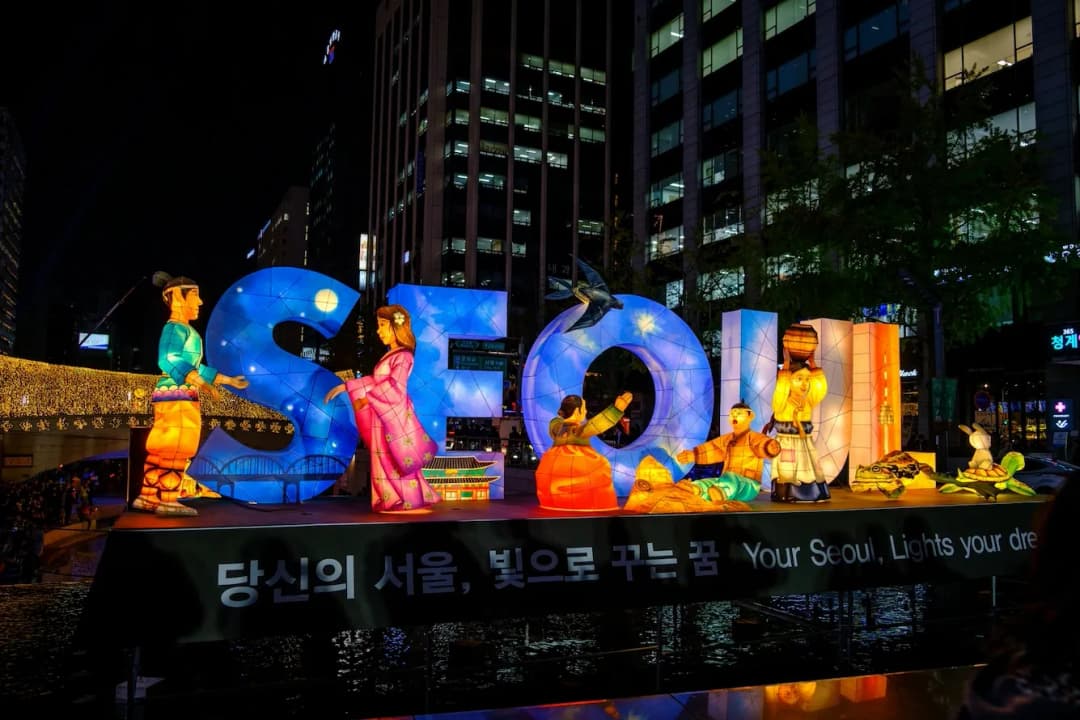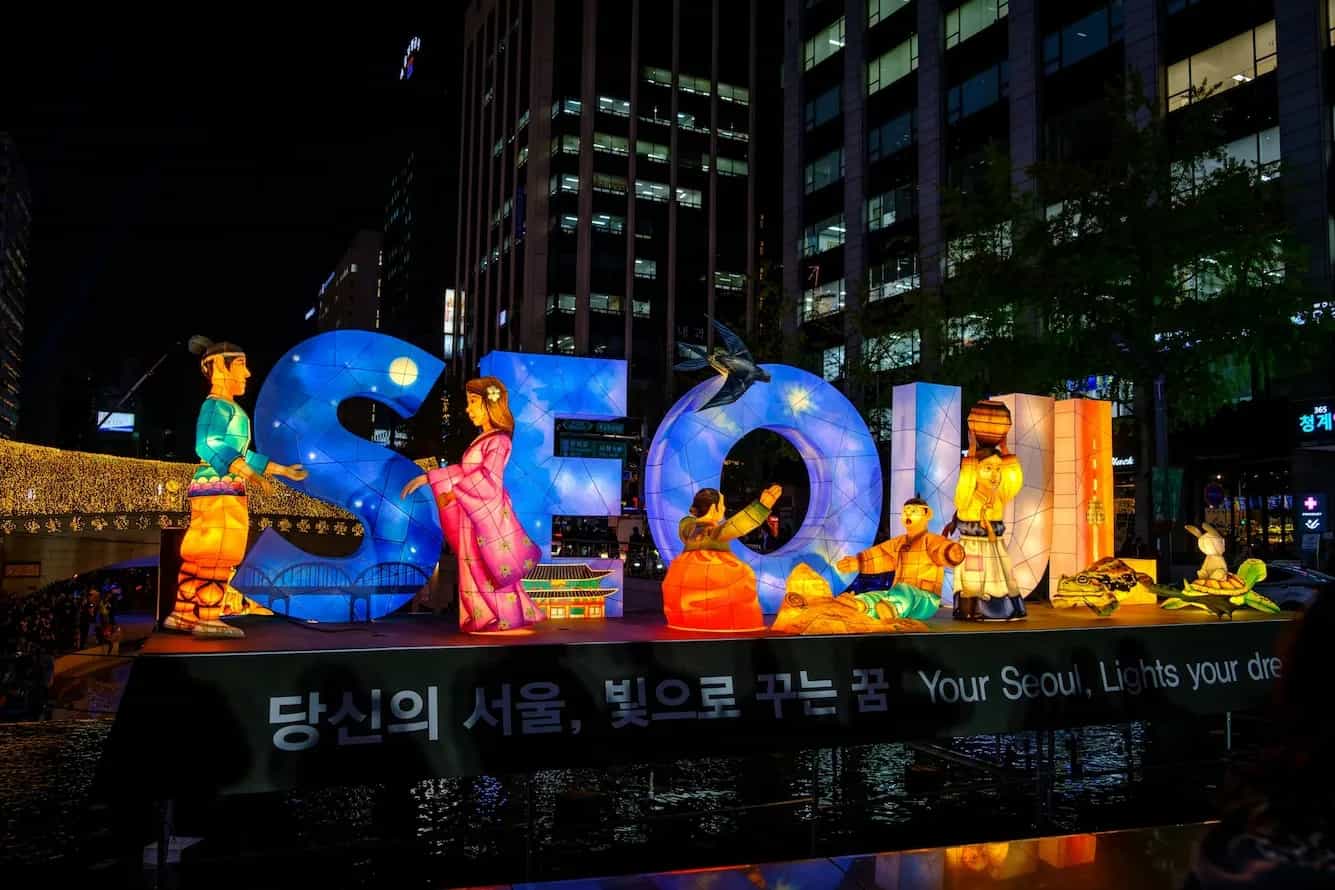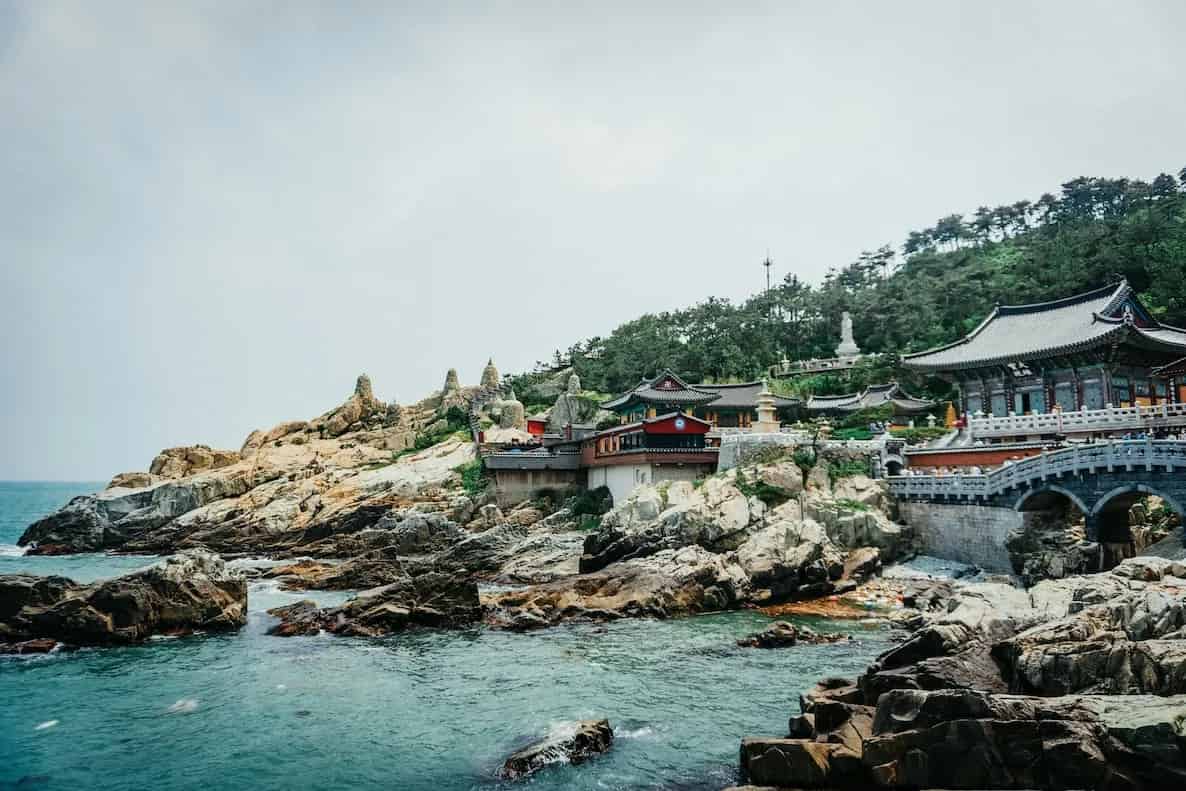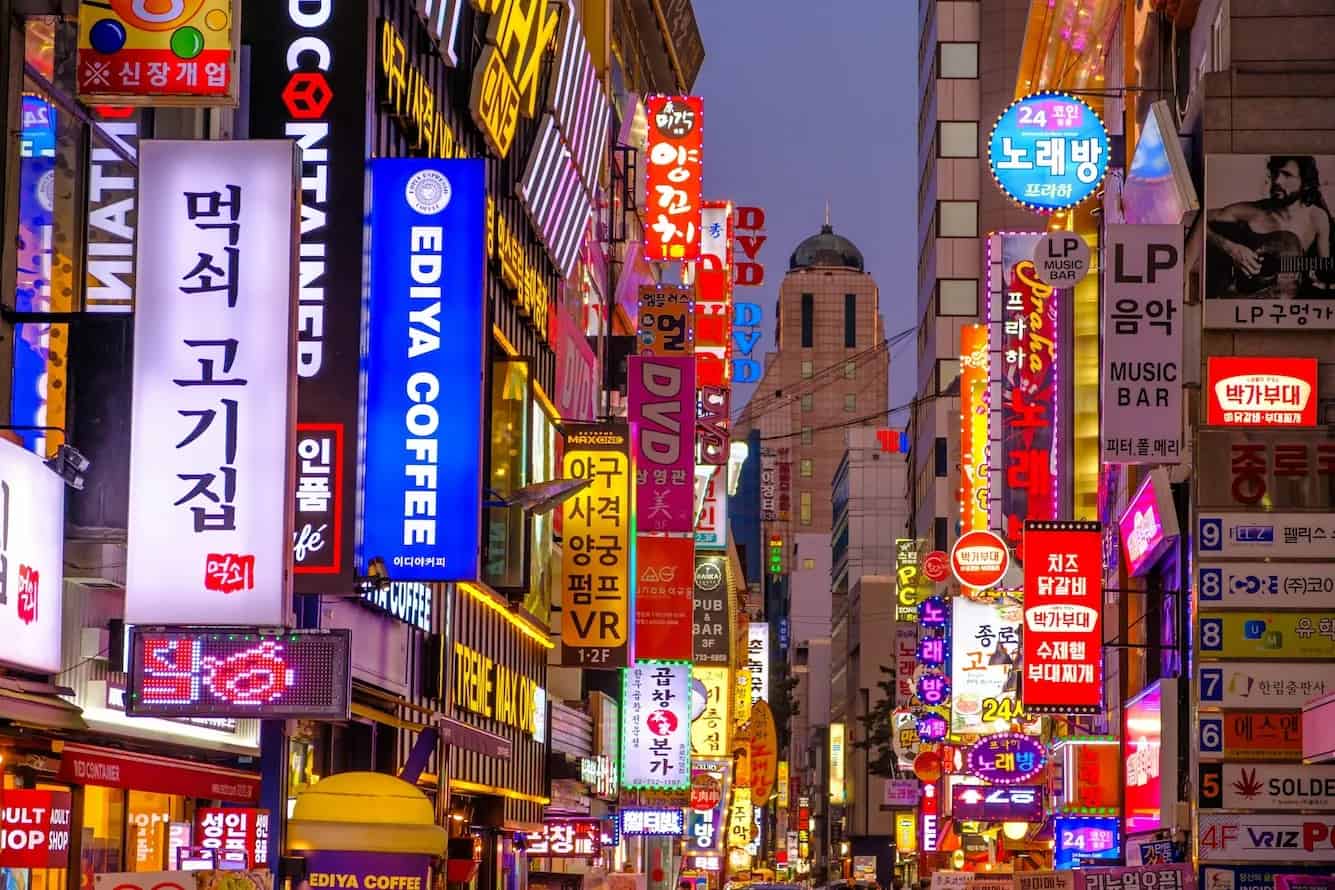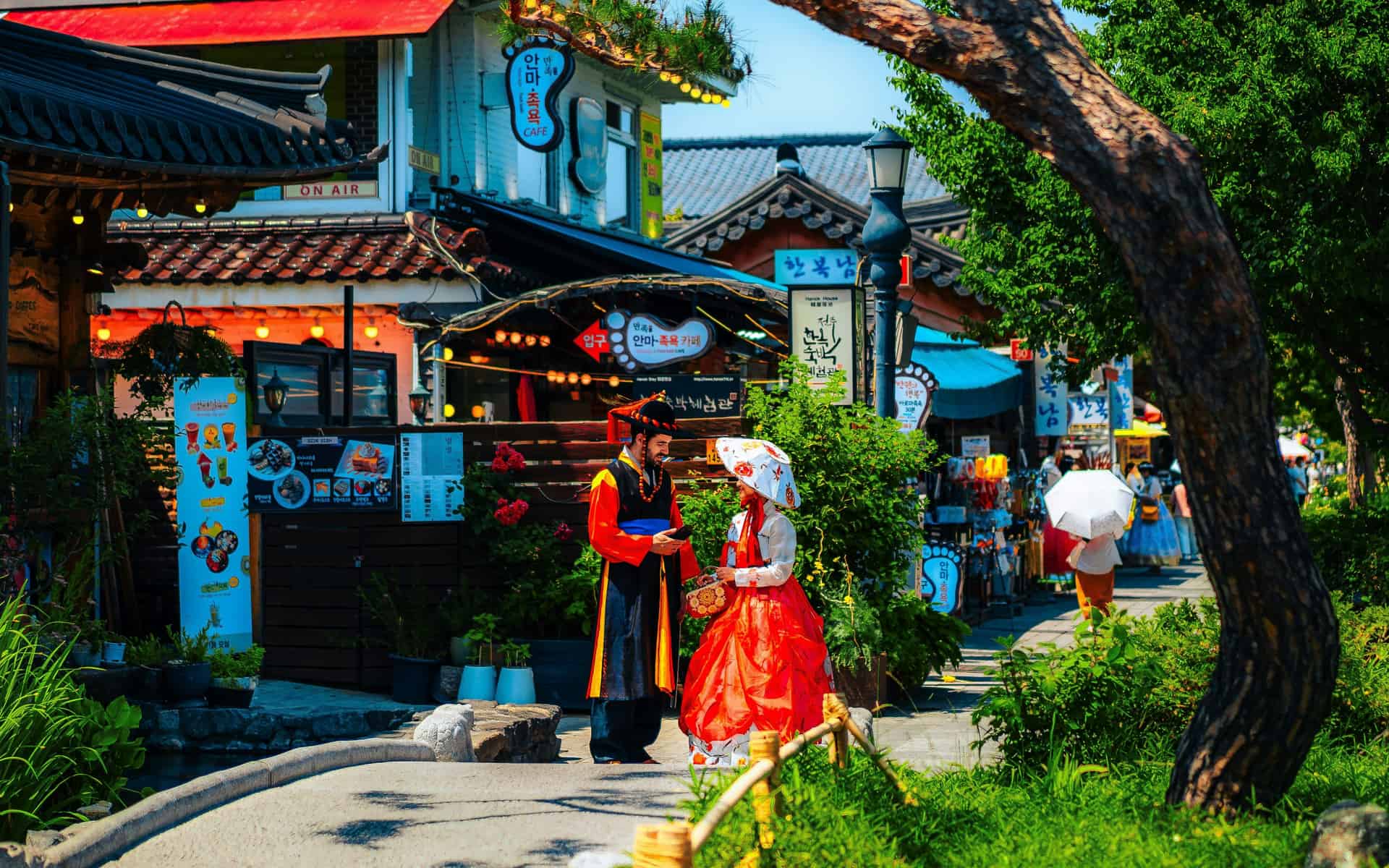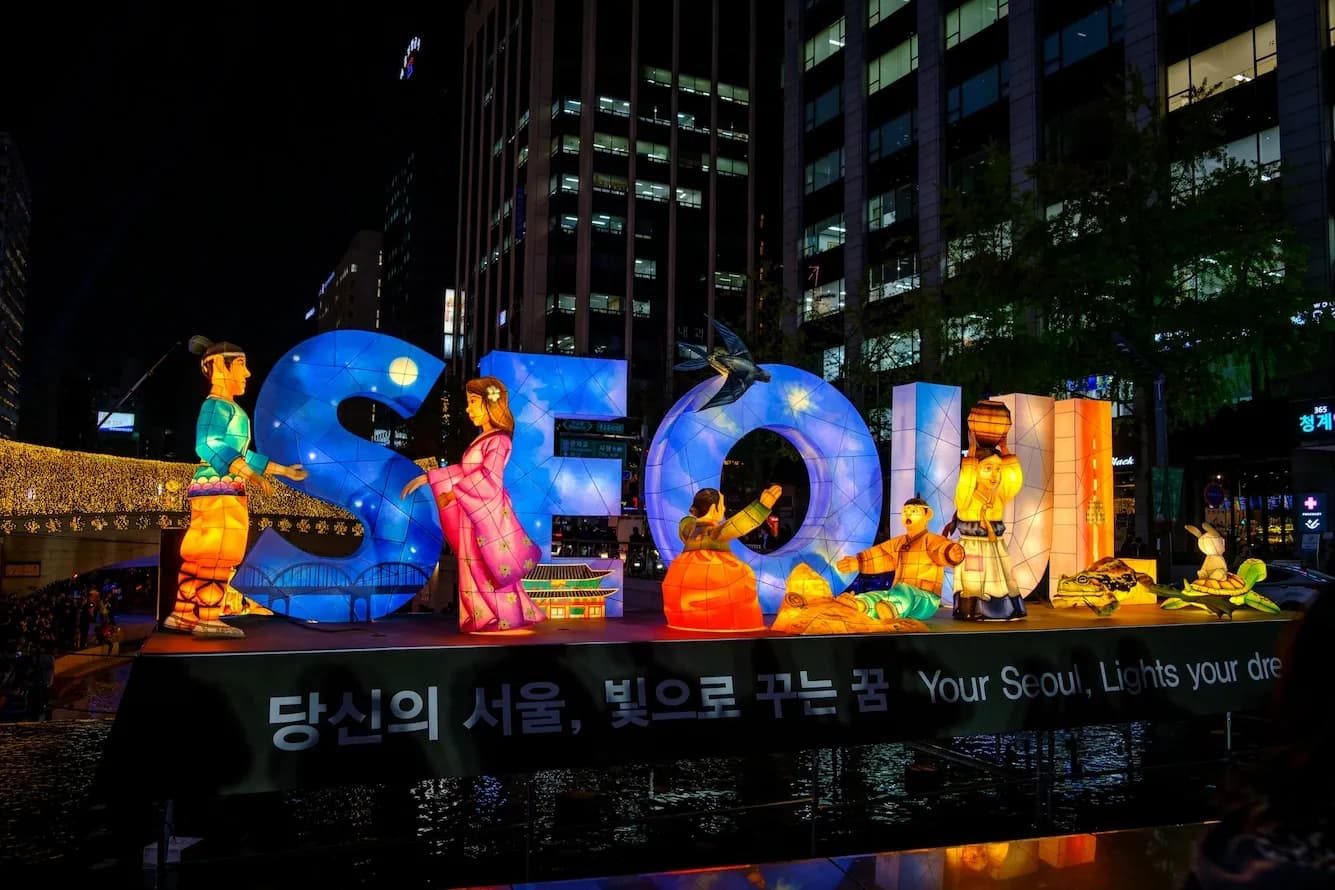
Seoul doesn't ease you in. It just starts.
You step out of Incheon Airport, and within an hour, you're on a metro that runs to the second, passing through a city of 10 million that somehow feels completely manageable. By evening, you're eating tteokbokki from a street cart next to a 600-year-old palace, wondering how a place can feel this organized and this alive at the same time.
This guide is written for Indian travellers planning their first trip to Seoul. You'll find everything, where to go, how long to spend, how much to budget in rupees, where to stay, what to eat, and the practical details that most guides skip.
Why Seoul Is Worth 4–5 Days on Its Own
Most travellers add Seoul to a larger South Korea trip and spend 2–3 days there. That's a mistake.
Seoul is one of the largest cities in the world, roughly 7 times the size of Mumbai in area, and it packs something distinct into almost every neighbourhood. The old city and the new city don't just coexist; they're layered on top of each other in a way that's genuinely unlike anywhere else.
What makes Seoul stand out:
- 5 grand palaces from the Joseon Dynasty, all within the city
- Neighbourhoods that each have a completely different personality, from traditional alley markets to ultra-modern luxury districts
- A street food and café culture that's among the best in Asia
- One of the safest, cleanest, and most navigable metro systems in the world
- A pace that's busy but never chaotic, organized in a way that Indian travellers often find surprisingly relaxing
Seoul also happens to be the best base for day trips to the DMZ, Nami Island, and Suwon Fortress, which means you can spend 5 full days here and never run out of things to do.
For a month-by-month breakdown, read our South Korea travel cost guide
How to Reach Seoul from India
Flights
The main international airport is Incheon International Airport (ICN), located about 48 km west of central Seoul. It consistently ranks among the world's best airports and is easy to navigate upon arrival.
| Route | Duration | Estimated Cost (Round Trip) |
| Delhi (DEL) → Seoul (ICN) | ~7–8 hours direct | ₹35,000–₹65,000 |
| Mumbai (BOM) → Seoul (ICN) | ~8–9 hours direct | ₹38,000–₹68,000 |
| Via stopover (Air Asia, Scoot, etc.) | 10–14 hours | ₹28,000–₹45,000 |
Airlines with direct flights from India: Korean Air, Air India, and Asiana Airlines. Budget options with stopovers: Air Asia (Kuala Lumpur), Scoot (Singapore), IndiGo (select routes).
Book at least 6–8 weeks in advance for the best fares. Avoid booking during Indian long weekends, as prices spike sharply.
Airport to Seoul City
Once you land at Incheon, getting to the city is easy and well-signposted in English.
| Option | Duration | Cost | Best For |
| AREX Express Train | 45 min to Seoul Station | ~₹500 | Most travelers |
| AREX All-Stop Train | 60 min | ~₹300 | Budget-conscious |
| Airport Limousine Bus | 60–90 min | ~₹600–₹900 | Hotel drop-off |
| Taxi / Kakao T | 60–90 min | ₹3,500–₹5,000 | Groups with luggage |
Recommendation: Take the AREX Express Train to Seoul Station, then switch to the metro to your hotel. It's the fastest and cheapest option. Buy a T-money card at the airport before boarding, and you'll use it for the entire trip.
Best Areas to Stay in Seoul
Where you stay in Seoul shapes your entire experience. The city is large, but the metro connects everything efficiently. Here are the best areas for Indian travellers:
Myeongdong, Best for First-Timers
The most touristy neighbourhood, but for good reason. It's central, walkable, full of shopping and street food, and extremely well-connected. Great for travellers who want convenience above everything.
Best for: Families, first visits, shopping-focused trips. Downside: Crowded and can feel a bit overwhelming in the evenings
Hongdae, Best for Young Travelers & Couples
The university district. Young, creative, full of life music, indie cafés, and nightlife. Excellent transport links. Slightly less expensive than Myeongdong.
Best for: Couples, 20s–30s travellers, those who want a local feel. Downside: Noisy at night on weekends
Insadong / Bukchon, Best for Culture & History
The quieter, more traditional part of the city. Tea houses, art galleries, hanok architecture, temple stays. Best area if you want a slower pace and cultural immersion.
Best for: Culture-focused travellers, older travellers, those avoiding crowds. Downside: Less dining variety than other areas
Gangnam, Best for Luxury & Modern Seoul
South of the Han River, this is the upscale, ultra-modern side of Seoul. Great for shopping, sky-high dining, and experiencing the other end of the city's spectrum.
Best for: Luxury travellers, K-drama fans, and shoppers. Downside: More expensive, slightly further from historic sites
Budget guidance:
- Budget guesthouses / hostels: ₹1,500–₹3,500/night
- Mid-range hotels (3-star): ₹5,000–₹9,000/night
- 4-star hotels: ₹10,000–₹16,000/night
Seoul Trip Cost from India (in ₹)
A standalone Seoul trip (5 nights) typically costs between ₹80,000 and ₹1.5 lakh per person, depending on travel style. If Seoul is part of a broader South Korea trip, the per-day costs remain similar.
Daily Budget Breakdown
| Category | Budget (₹/day) | Mid-Range (₹/day) | Comfort (₹/day) |
| Accommodation | 1,800–3,500 | 5,000–8,000 | 10,000–16,000 |
| Food | 800–1,500 | 1,500–2,800 | 2,800–5,000 |
| Transport (local) | 200–400 | 400–700 | 700–1,500 |
| Entry fees & activities | 400–800 | 800–2,000 | 2,000–5,000 |
| Daily Total | ~3,200–6,200 | ~7,700–13,500 | ~15,500–27,500 |
What Things Actually Cost in Seoul
- Metro ride: ₹100–₹160 per trip (T-money)
- Street food snack (tteokbokki, hotteok): ₹150–₹350
- Convenience store full meal: ₹350–₹600
- Local restaurant meal (bibimbap, sundubu jjigae): ₹500–₹1,000
- Korean BBQ dinner per person: ₹1,200–₹2,500
- Gyeongbokgung Palace entry: ₹240 (~₩3,000)
- N Seoul Tower cable car: ₹1,200 (~₩15,000)
- DMZ tour (full day): ₹5,500–₹7,500
Currency note: ₩1,000 KRW ≈ ₹60–₹65. Always have ₩50,000–₩80,000 (₹3,000–₹5,000) in cash for street food and small stalls.
Best Time to Visit Seoul
Spring: Late March to May ⭐ Best Overall
Cherry blossom season runs from late March to mid-April and transforms the city. Parks like Yeouido, Namsan, and the streets around Gyeongbokgung become lined with pink. The weather is mild (12°C–20°C), perfect for walking all day.
Trade-off: This is peak season. Hotels cost more, and popular spots get crowded.
Autumn: September to November ⭐ Best Value
Arguably, the most underrated time. The weather is clear and comfortable (10°C–22°C), fall foliage makes parks and mountain trails beautiful, and crowds are noticeably thinner than in spring.
Best pick if: You want beauty without the peak season pressure.
Winter: December to February
Cold (Seoul can drop to -12°C). But Everland and ski resorts near Seoul become popular, hotel prices drop, and the city takes on a quieter atmosphere. Jeju in winter is milder than the mainland if you're extending your trip.
Summer: June to August
The monsoon season. July is hot and humid with frequent heavy rain. Not ideal for sightseeing. Manageable if this is the only time you can travel, pack light, breathable clothing and an umbrella.
Top Places to Visit in Seoul
1. Gyeongbokgung Palace
Seoul's most iconic landmark and the largest of the five Joseon Dynasty palaces. Built in 1395, destroyed during the Japanese colonial era, and carefully restored today it sprawls across 43 acres in the heart of northern Seoul.
What to do here:
- Watch the Changing of the Royal Guard ceremony at 10 AM and 2 PM (free to watch, no ticket needed)
- Join the free English guided tour at 11 AM, 1:30 PM, or 3:30 PM
- Visit the National Folk Museum of Korea inside the palace grounds (included with entry)
- Rent a Hanbok from a nearby shop , wearing one gets you free entry into the palace
Practical details:
- Entry: ₩3,000 (~₹180)
- Hours: 9 AM–6 PM (closed Tuesdays)
- Nearest metro: Gyeongbokgung Station (Line 3), Exit 5
- Best tip: Arrive at 9 AM sharp when gates open. By 11 AM, tour groups fill the main courtyards and photos become difficult.
2. Bukchon Hanok Village
A preserved neighbourhood of traditional Korean houses (hanok) tucked between Gyeongbokgung Palace and Changdeokgung Palace. The elevated alleys give you views of Seoul's skyline framed by tiled rooftops , one of the most photographed scenes in Korea.
What to do here:
- Walk the main alley (Gahoe-ro 11-gil) in the morning for the best photos and fewest crowds
- Visit one of the small hanok cafés for traditional tea (omija tea or barley tea)
- Explore the quieter back alleys , many still have residents living in them
Practical details:
- Free to enter and walk through
- Best visited on a weekday morning (before 10 AM) , weekends get crowded
- Nearest metro: Anguk Station (Line 3), Exit 2
3. Insadong
Seoul's cultural heart. A stretch of galleries, antique shops, traditional tea houses, and street food that feels deliberately slower than the rest of the city.
What to do here:
- Browse Ssamziegil , a courtyard shopping complex with indie Korean designers
- Try traditional Korean sweets like hotteok (sweet pancake) and yakgwa (honey pastry) from street stalls
- Visit a traditional tea house for a pot of chrysanthemum or ginger tea
- Walk into the side streets (Ikseon-dong nearby is excellent for cafés)
Practical details:
- Free to walk through
- Nearest metro: Anguk Station (Line 3), Exit 6
4. Namsan Tower (N Seoul Tower)
Seoul's most recognisable landmark, sitting on top of Namsan Mountain in the centre of the city. The tower itself has observation decks and restaurants, but the mountain itself is worth the visit even if you skip the tower.
What to do here:
- Take the cable car up the mountain (runs frequently, ~₹1,200 round trip)
- Walk up the Namsan trail instead for free , about 30–40 minutes of easy hiking
- See the lock wall near the tower where couples attach padlocks
- Come at sunset for the best views of the city
Practical details:
- Tower observatory: ~₩21,000 (~₹1,300)
- Cable car: ~₩15,000 (~₹950) round trip
- Nearest metro: Myeongdong Station (Line 4), Exit 3, then bus or cable car
5. Myeongdong
Seoul's most bustling shopping street , and one of the best places to south Korea eat street food in the city. It gets crowded in the evenings but has an energy that's hard not to enjoy.
What to eat here:
- Tteokbokki (spicy rice cakes) , ₹200–₹300 a portion
- Hotteok (sweet filled pancake) , ₹150–₹200
- Korean corn dogs (mozzarella filled, often rolled in chips) , ₹250–₹400
- Egg bread (gyeran bbang) , ₹150
What to buy:
- Korean skincare (Innisfree, Etude, Olive Young chain) , significantly cheaper here than importing to India
- Street fashion and accessories
Practical details:
- Free to walk through
- Nearest metro: Myeongdong Station (Line 4), Exit 5 or 6
- Best time: Evenings (5 PM onwards) when food stalls set up
6. Hongdae (Hongik University Area)
The creative, youthful neighbourhood of Seoul. Known for live street performances, art markets, indie music venues, and a nightlife scene that runs until 5 AM on weekends.
What to do here:
- Watch street performances in the central plaza on weekend afternoons
- Browse the weekend flea market (Saturday and Sunday, 1 PM–6 PM, in good weather)
- Walk into the side streets , hidden cafés and concept stores around every corner
- Visit the Trick Eye Museum for interactive art installations
Practical details:
- Free to walk through
- Nearest metro: Hongik University Station (Line 2 / Airport Railroad), Exit 9
7. Gangnam & Seongsu-dong
Gangnam is the upscale, ultra-modern side of Seoul. Think glass towers, designer boutiques, expensive coffee, and a very different energy from the historic north side.
What to do:
- Starfield Library at COEX Mall , an enormous, beautiful free-to-enter library inside a shopping mall
- Bongeunsa Temple , a peaceful Buddhist temple surrounded by Gangnam's skyscrapers (a striking contrast)
- Lotte World Tower observation deck , 555m tall, one of the highest in the world (₩29,000, ~₹1,800)
Seongsu-dong (across the river, a short metro ride) has become Seoul's most talked-about neighbourhood in recent years , former industrial warehouses converted into specialty coffee shops, concept stores, and galleries. Think Seoul's answer to Brooklyn or Dhobi Ghaat, turned creative district.
8. Changdeokgung Palace & Secret Garden
Less visited than Gyeongbokgung but arguably more beautiful. The Huwon (Secret Garden) at the back of the palace is a 78-acre forested garden with lotus ponds, pavilions, and centuries-old trees , one of the most serene spots in all of Seoul.
Practical details:
- Entry (palace + Secret Garden): ₩8,000 (~₹500)
- Secret Garden tours are guided only , book in advance or arrive early (English tours available)
- Nearest metro: Anguk Station (Line 3), Exit 3
Best Things to Do in Seoul
Beyond sightseeing, Seoul offers experiences that are genuinely unique and hard to replicate elsewhere.
Rent and Wear a Hanbok
Hanbok is the traditional Korean dress , layered, colourful, and beautiful. Rental shops cluster around Gyeongbokgung and Insadong. Cost is ₹600–₹1,000 for 2–4 hours including changing facilities and accessories.
Why it's worth it: You get free entry to all five palaces. The photos are excellent. And it's one of those experiences that feels memorable long after the trip.
Visit a Jjimjilbang (Korean Sauna & Bathhouse)
A jjimjilbang is a Korean bathhouse and sauna , typically spread across multiple floors with hot rooms, cold rooms, sleeping areas, a restaurant, and sometimes a cinema. Many are open 24 hours. It's a completely normal part of daily life in Korea.
What to know for Indian travelers:
- Bathing areas are gender-segregated (nude). The common sauna/relaxation areas are co-ed (with shorts and t-shirts provided).
- Cost: ₹600–₹1,500 for a full day
- Most popular option in central Seoul: Dragon Hill Spa (near Yongsan Station)
DMZ Tour (Demilitarized Zone)
The border between South and North Korea is 50 km north of Seoul and one of the most visited tourist sites in the country. Tours take you to observation posts overlooking North Korea, a former infiltration tunnel dug by North Korean troops, and the Joint Security Area (JSA) at Panmunjom where you can technically step into North Korean territory.
Practical details:
- Full-day tours: ₹5,500–₹7,500 per person (includes transport and guide)
- JSA tours require advance booking and passport details (books out weeks ahead)
- Book through reputable operators , most large tour agencies in Myeongdong offer this
- Best tip: Book 7–10 days ahead, especially for JSA access
Nami Island Day Trip
A small, tree-lined river island 1.5 hours east of Seoul. Famous for its long avenues of tall trees, four distinct seasonal landscapes, and the K-drama Winter Sonata filmed here. Peaceful, beautiful, and a welcome break from the city.
How to get there: ITX Cheongchun train from Seoul Station to Gapyeong, then a short ferry. Total travel time: ~1.5 hours each way.
Cost: ~₹1,500–₹2,000 for transport + entry (₩16,000, ~₹1,000 entry fee)
Korean Cooking Class
Several cooking schools in Insadong and Hongdae offer 2–3 hour hands-on classes in making bibimbap, japchae, or traditional Korean desserts. Cost: ₹2,000–₹4,000 per person. Good option for food-focused travelers and for vegetarians who want to understand ingredient substitutions.
Seoul Itinerary: 3, 4 & 5 Days
3-Day Seoul Itinerary (Essential Only)
Day 1 , Historic Seoul
- Morning: Gyeongbokgung Palace (arrive 9 AM, watch the guard change at 10 AM)
- Afternoon: Bukchon Hanok Village → Insadong → Ikseon-dong for lunch
- Evening: Myeongdong for street food dinner and strolling
Day 2 , Culture + Views
- Morning: Namsan Tower (cable car up, walk the mountain trail down)
- Afternoon: Hongdae , street performances, cafés, flea market (weekend) or art galleries (weekday)
- Evening: Gwangjang Market for traditional Korean food (bindaetteok, yukhoe, mung bean pancakes)
Day 3 , Modern Seoul + Departure
- Morning: Gangnam , Starfield Library at COEX, Bongeunsa Temple
- Afternoon: Seongsu-dong for specialty coffee and a walk
- Evening: Head to airport or continue to next destination
4-Day Seoul Itinerary
Follow the 3-day plan, then add:
Day 4 , DMZ or Nami Island Day Trip
- Option A , DMZ: Full-day tour departing central Seoul at 8 AM. Back by 5–6 PM. Deeply memorable and unlike any other travel experience.
- Option B , Nami Island: Morning train, arrive by 11 AM. Spend 3–4 hours on the island. Return to Seoul by evening and explore Han River parks.
5-Day Seoul Itinerary (Recommended)
Follow the 4-day plan, then add:
Day 5 , Slow Day + Hidden Neighbourhoods
- Morning: Changdeokgung Palace and Secret Garden tour (book in advance)
- Afternoon: Seochon Village (west of Gyeongbokgung , quieter, more residential, excellent cafés in converted hanok)
- Evening: Cheonggyecheon Stream walk , a 6km linear stream park running through central Seoul, lit beautifully at night
Pacing tip: Seoul involves a lot of walking. Budget 15,000–20,000 steps per day. Comfortable walking shoes are more important here than in almost any other travel destination.
Getting Around Seoul
T-money Card , Get This First
Pick up a T-money card at any convenience store inside Incheon Airport immediately after landing. Load it with ₩50,000–₩80,000 (~₹3,000–₹5,000). This card works on:
- All Seoul Metro lines
- Buses across Seoul
- Most taxis
Reload at any GS25, CU, or 7-Eleven convenience store.
Seoul Climate Card (For Stays of 3+ Days)
If you're spending 3 or more days in Seoul, consider the Seoul Climate Card , an unlimited public transport pass.
| Pass Duration | Cost | Best For |
| 1-day pass | ₩5,000 (~₹310) | Heavy travel days |
| 3-day pass | ₩10,000 (~₹620) | Most tourists |
| 5-day pass | ₩15,000 (~₹940) | Extended stays |
You recover the cost of the 3-day pass in about 7 metro rides.
Seoul Metro
Nine major lines covering over 300 stations. All signs are in English. Announcements are in Korean, English, Chinese, and Japanese.
- Runs 5:30 AM to midnight daily
- After midnight: taxis are your only option (prices increase 20–40% between 10 PM and 4 AM)
- Download Kakao Metro app for real-time navigation
Taxis & Ride-Hailing
Use KakaoTaxi (South Korea's equivalent of Uber). Works with a foreign phone number, shows estimated fare, and is widely available across the city. Some drivers accept card payment , confirm before getting in.
Navigation Apps
- Naver Map , The only reliable navigation app in Seoul. Google Maps has severe limitations due to Korean government restrictions on map data. Download Naver Map before you arrive.
- Papago , Translation app by Naver. The camera/real-time translation feature is essential for reading menus, signs, and directions.
What to Eat in Seoul
Food is one of the main reasons people go back to Seoul. Here's what to prioritise.
Must-Eat Dishes
Korean BBQ (Samgyeopsal / Galbi) The most iconic Korean dining experience. Pork belly (samgyeopsal) or beef short ribs (galbi) grilled at your table, eaten wrapped in lettuce with fermented kimchi and roasted garlic. Budget ₹1,200–₹2,500 per person for a proper meal. Look for restaurants with queues outside , that's always a good sign.
Bibimbap Rice mixed with seasoned vegetables, a fried or raw egg, and gochujang (red pepper paste). Healthy, filling, and available everywhere from simple restaurants (₹450–₹700) to high-end versions at Tosokchon or Jeonju Bibimbap restaurants (₹1,200–₹1,800).
Tteokbokki Chewy rice cakes in a spicy-sweet red sauce. One of the most popular street foods in Korea. Found at every street cart and most casual restaurants. ₹200–₹400 a portion.
Samgyetang (Ginseng Chicken Soup) A whole small chicken stuffed with sticky rice, ginseng, and jujubes, simmered in broth. Hearty, clean, and deeply nourishing. ₹1,000–₹1,800 at a traditional restaurant. Tosokchon Samgyetang in Insadong is famous for it , arrive before 11 AM to avoid a queue.
Japchae Glass noodles stir-fried with vegetables and sometimes beef or mushrooms. Slightly sweet, light, and a good option on days when you want something less spicy.
Sundubu Jjigae (Soft Tofu Stew) Served bubbling in a stone bowl, with rice and a spread of side dishes (banchan). Spicy, rich, and genuinely filling. Around ₹600–₹1,000.
Street Food in Myeongdong
- Hotteok (sweet filled pancake): ₹150–₹200
- Korean corn dog (mozzarella, potato, or tteok filling): ₹250–₹400
- Egg bread (gyeran bbang): ₹150–₹200
- Odeng (fish cake on a stick in warm broth): ₹100–₹200
For Vegetarian Indian Travelers
Korean cuisine relies heavily on meat and seafood, but vegetarian options are more available than most guides suggest.
Best strategies:
- Temple food restaurants in Insadong and near Buddhist temples serve fully vegetarian, beautifully made multi-course meals. Balwoo Gongyang in Insadong (attached to the Jogyesa Temple complex) is the most famous , book in advance.
- Convenience stores are your friend , triangle kimbap with vegetables, instant ramyeon (add vegetables, skip the meat packets), and rice balls are widely available.
- HappyCow app , Best resource for locating vegetarian and vegan restaurants near you in any Seoul neighbourhood.
- Carry a food card: Screenshot this in Korean and show restaurant staff: "저는 채식주의자입니다. 고기, 생선, 해산물이 없는 음식을 원합니다." ("I am vegetarian. I want food without meat, fish, or seafood.")
Best Markets for Food
Gwangjang Market , Seoul's oldest traditional market. Famous for bindaetteok (mung bean pancakes), fresh makgeolli (rice wine), yukhoe (beef tartare), and mayak kimbap (sesame-coated mini rolls). Go for lunch and eat at the stalls inside.
Noryangjin Fish Market , The largest wholesale fish market in Seoul. Buy fresh seafood from the market floor, then take it upstairs to have it prepared. Best experienced in the morning.
Mangwon Market , A local neighbourhood market with almost no tourists. Good for authentic Korean street food at the lowest prices in the city.
Practical Tips Before You Go
SIM Card & Internet
Buy a Korean tourist SIM at Incheon Airport on arrival. The best options are:
- SK Telecom or KT (Olleh) tourist SIM: 10 days data = ~₹1,300–₹2,000
- eSIM , Works seamlessly, activated before departure. Services like Airalo offer Korea eSIMs. Convenient and slightly cheaper for shorter trips.
South Korea has among the fastest mobile internet speeds in the world. You'll have strong 5G coverage everywhere in Seoul.
Currency & Money
- Always have ₩50,000–₩80,000 (₹3,000–₹5,000) in cash for street food, markets, and small local restaurants
- Best ATMs for foreign cards: 7-Eleven, GS25, post office ATMs , all reliably accept Visa and Mastercard
- Avoid airport currency exchange , rates are poor. Exchange in the city or use ATMs.
- Most restaurants, shops, and cafés accept cards. The metro uses T-money.
Power & Adapters
South Korea uses Type C and F plugs at 220V. Indian plugs (Type D/M) don't fit. Carry a universal travel adapter. Most mid-range hotels provide adapters on request.
Cultural Etiquette
- Speak at a moderate volume in public. Loud conversations on the metro or in restaurants are unusual here.
- Remove shoes when entering traditional homes, certain guesthouses, and some restaurants with floor seating.
- Don't tip. Tipping is not customary and can cause awkwardness.
- When receiving something from an older person (business card, a dish, a drink), use both hands or support your right forearm with your left hand.
- Don't pour your own drink in a group , pour for others first. Someone will pour for you.
Safety
Seoul is exceptionally safe. Crime against tourists is rare. Solo travel , including for women , is completely normal and well-supported by the city's infrastructure and culture. Exercise basic awareness in crowded areas (Myeongdong, Hongdae on weekends) but there's nothing to be concerned about.
Language
English is widely spoken in tourist areas, at hotels, and in most restaurants in central Seoul. Outside tourist zones, it becomes limited. The apps Papago (translation with camera) and Naver Map (navigation) handle 95% of language situations you'll encounter.
Seoul Tour Packages from India
Planning Seoul independently using this guide is absolutely doable. But if you'd rather not manage visa applications, flight bookings, accommodation, intercity trains, and day-to-day logistics yourself, a well-planned tour removes all of that.
Desh Videsh Travels offers South Korea tour packages from India starting from ₹1,70,999 per person, covering Seoul, Busan, and optional Jeju , with flights, curated accommodation, sightseeing, and an experienced on-ground team.
If you're travelling with family, in a group, or simply want the trip to run itself, it's worth exploring.
Written by the Desh Videsh Travels team · Specialists in South Korea trips from India
Explore South Korea tour packages →