Planning a Trip to South Korea? Here’s What You Need to Know
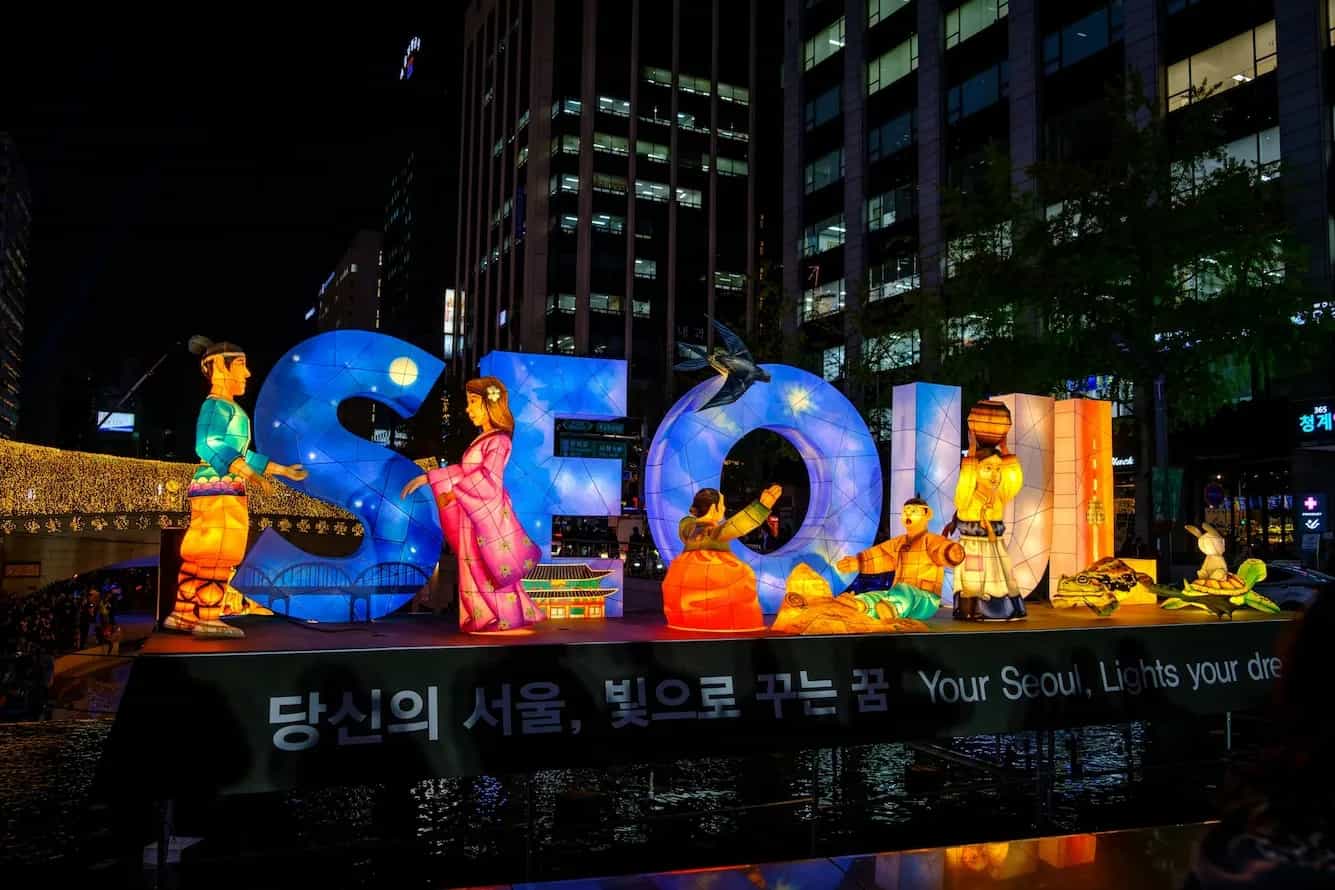
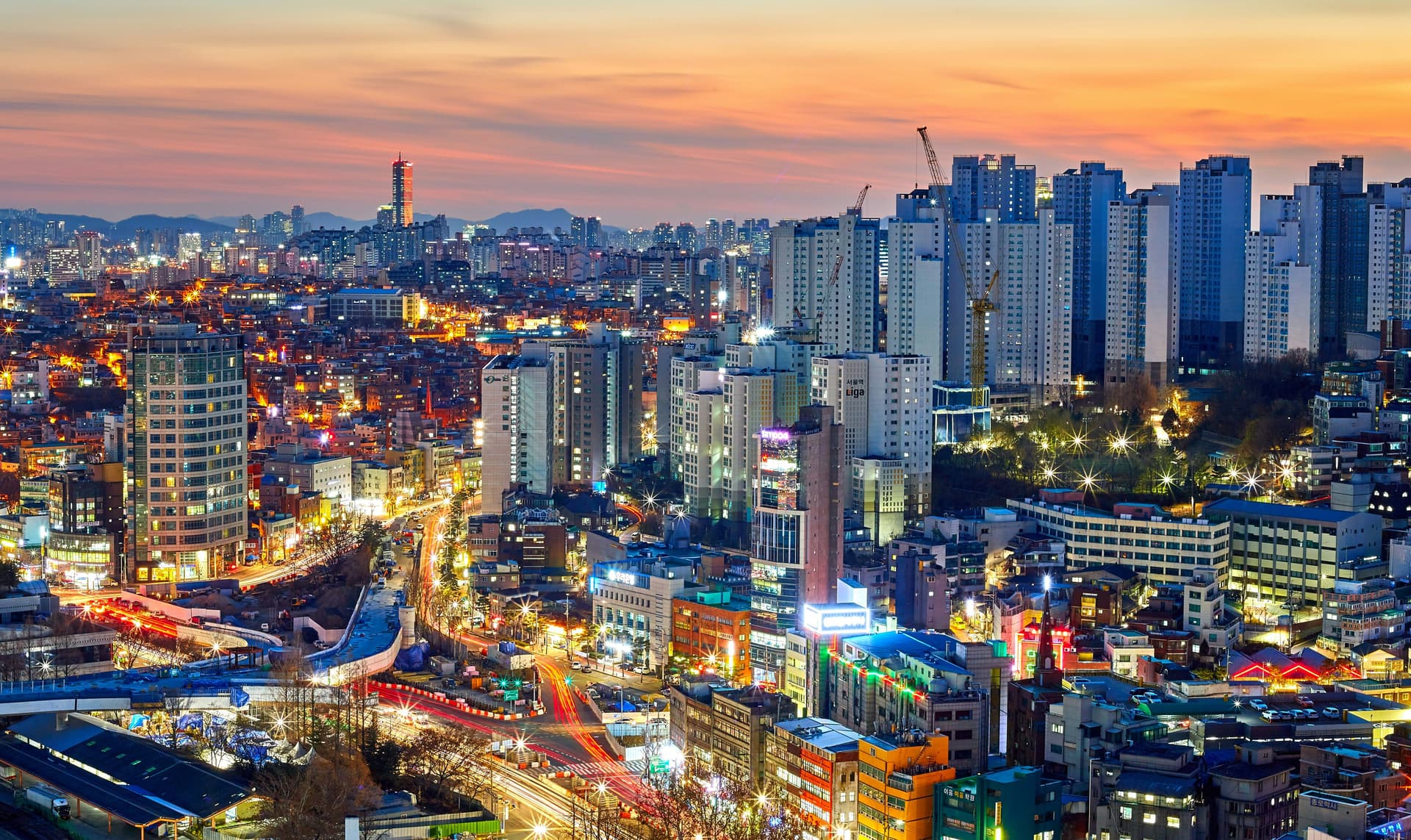
That's South Korea. Trains that arrive to the second. Streets that stay calm even during rush hour. Centuries-old palaces sitting quietly between glass skyscrapers. It's organized in a way that feels almost surreal and once you experience it, you'll understand why so many Indian travelers keep going back.
This guide covers everything you actually need: visa process for Indians, realistic trip costs in rupees, when to go, where to go, and a day-by-day itinerary you can use straight away.
Why South Korea Is Worth the Trip
Most people discover South Korea through K-dramas or K-pop and assume the country is all about pop culture. It's not. That's just one layer.
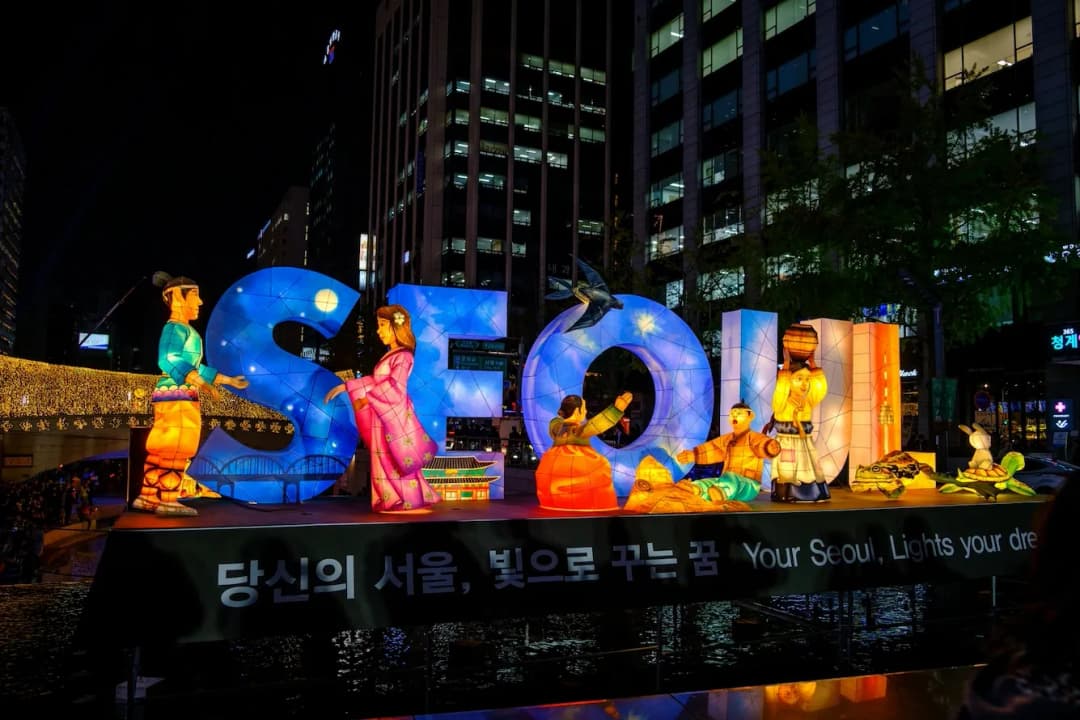
What actually makes South Korea special for travelers is the contrast. In a single day in Seoul, you can walk through a 600-year-old palace, eat street food from a cart that's been there for 40 years, then end the evening in a rooftop café looking out over 10 million people.
Here's what sets it apart from other East Asian destinations:
- Cities are genuinely easy to navigate — even without speaking Korean
- Public transport is among the best in the world (and cheap)
- It's significantly safer than most popular travel destinations
- The food scene is extraordinary, whether you're spending ₹200 or ₹2,000 on a meal
- The mix of history, nature, coastal towns, and modern urban life is hard to find anywhere else in one country
It's also a destination where the experience of daily life — riding the metro, grabbing a meal from a convenience store at midnight, walking through a quiet hanok alley — is as memorable as the official tourist spots.
Visa Requirements for Indian Travelers
Indian passport holders need a visa to enter South Korea. Here's the complete breakdown.
Which Visa Do You Need?
For tourism, you'll apply for a C-3-9 Short-Term General Tourist Visa. This allows a stay of up to 90 days and is the standard option for Indian travelers visiting for leisure, sightseeing, or visiting friends.
How to Apply
Applications are processed through VFS Global authorized centers across India. The process is straightforward:
- Book an appointment at your nearest VFS South Korea visa center
- Submit your application with all required documents
- Wait for processing (typically 3–5 working days)
- Collect your passport with the visa
Key documents you'll need:
- Valid Indian passport (at least 6 months validity remaining)
- Completed visa application form
- Recent passport-sized photographs
- Flight itinerary (confirmed or tentative)
- Hotel bookings or accommodation proof
- Bank statements for the last 3–6 months
- Proof of employment or business (salary slips, ITR, business registration)
- Travel insurance (recommended, sometimes required)
e-Arrival Card — Don't Miss This
From 2024, all visitors to South Korea must complete an e-Arrival Card online within 3 days before departure. This is a mandatory digital immigration form. Fill it out at https://www.k-eta.go.kr or through the Korea e-Arrival app. Skipping this will slow you down significantly at immigration.
Visa Cost for Indians
- Visa fee: approximately ₹5,200–₹6,000
- VFS service fee: approximately ₹1,500–₹2,000
- Total: ₹6,500–₹8,000 depending on your city and center
Pro tip: Apply at least 3 weeks before your travel date. While processing is often faster, peak seasons (March–May and September–November) see heavier application volumes.
South Korea Trip Cost from India
A 7 to 10-day South Korea trip for one person typically costs between ₹1.5 lakh and ₹2.5 lakh, depending heavily on flights, accommodation choices, and how you travel within Korea.
Here's a realistic breakdown:
Flights (Round Trip from India)
Route | Estimated Cost |
| Delhi / Mumbai to Seoul (Incheon) | ₹35,000–₹65,000 |
| With a stopover (Air Asia, Scoot, etc.) | ₹30,000–₹45,000 |
| Direct (Korean Air, Air India, etc.) | ₹55,000–₹80,000 |
Book 6–8 weeks in advance for the best fares. Avoid booking during Indian long weekends — prices spike.
Accommodation Per Night
Type | Cost Per Night |
| Hostels / Guesthouses | ₹1,500–₹3,500 |
| Budget hotels / Airbnb | ₹3,500–₹6,000 |
| 3-star hotels | ₹6,000–₹10,000 |
| 4-star and above | ₹12,000+ |
Seoul and Jeju are the most expensive. Busan and Gyeongju tend to be more affordable.
Food Per Day
Style | Cost Per Day |
| Convenience stores + street food | ₹800–₹1,500 |
| Mix of local restaurants and cafés | ₹1,500–₹2,500 |
| Restaurants + Korean BBQ dinners | ₹2,500–₹4,000+ |
The convenience store hack: Korean convenience stores (GS25, CU, 7-Eleven) are genuinely good. You can eat a full meal — rice bowl, ramen, kimbap, boiled eggs — for ₹400–₹600. Most travelers end up visiting them daily.
Transport Within South Korea
Item | Cost |
| T-money card (loaded, reusable) | ₹1,500 for the card + load as needed |
| Metro ride (Seoul) | ₹100–₹150 per trip |
| Seoul–Busan KTX (high-speed train) | ₹2,800–₹4,500 one way |
| Jeju flights (from Seoul/Busan) | ₹2,500–₹5,000 one way |
Total Budget Summary
Travel Style | 7-Day Estimated Total |
| Budget (hostels, street food, local transport) | ₹1.2L–₹1.5L |
| Mid-range (3-star hotels, mix of dining) | ₹1.7L–₹2.2L |
| Comfort (4-star, restaurants, KTX) | ₹2.3L–₹3L+ |
Common money mistake: Travelers underestimate intercity transport. If you're covering Seoul + Busan + Jeju, budget at least ₹12,000–₹18,000 just for getting between cities.
For a detailed day-wise breakdown, read our South Korea travel cost guide →
Best Time to Visit South Korea
South Korea has four distinct seasons, and the time you visit will shape your entire experience.
Spring: March to May ⭐ Best Overall
This is peak season and for good reason. Cherry blossoms typically bloom from late March to mid-April across Seoul, Jinhae, and Gyeongju. The weather is mild (12°C–20°C), ideal for walking, sightseeing, and outdoor markets.
What to expect: Crowds at popular spots, slightly higher hotel prices, but an atmosphere that's hard to beat.
Autumn: September to November ⭐ Best for Value
Arguably the most underrated time to visit. Temperatures are comfortable (10°C–22°C), fall foliage turns the hillsides orange and red, and crowds are noticeably thinner than spring.
Insider insight: Autumn in South Korea is often more relaxed than spring. If you want the beauty without the rush, September–October is the sweet spot.
Winter: December to February
Cold — Seoul can drop to -10°C. But if you're open to winter travel, you'll find fewer tourists, lower prices, and genuinely beautiful snow-covered landscapes. Jeju is milder in winter than the mainland.
Summer: June to August
Hot (28°C–35°C), humid, and rainy (monsoon hits in July). Outdoor sightseeing becomes tiring. It's manageable but not ideal — avoid unless you have no other option.
For a month-by-month breakdown, read our best time to visit South Korea guide
Top Places to Visit in South Korea
South Korea is a compact country — you can cover a lot in 10 days. Here are the destinations that matter most.
Seoul — The Main Event
South Korea's capital is a city of 10 million that somehow manages to feel both enormous and navigable at the same time.
Don't miss:
- Gyeongbokgung Palace — The most photographed landmark in Korea. Arrive early (before 9 AM) to avoid crowds. Watch the changing of the guard at 10 AM and 2 PM.
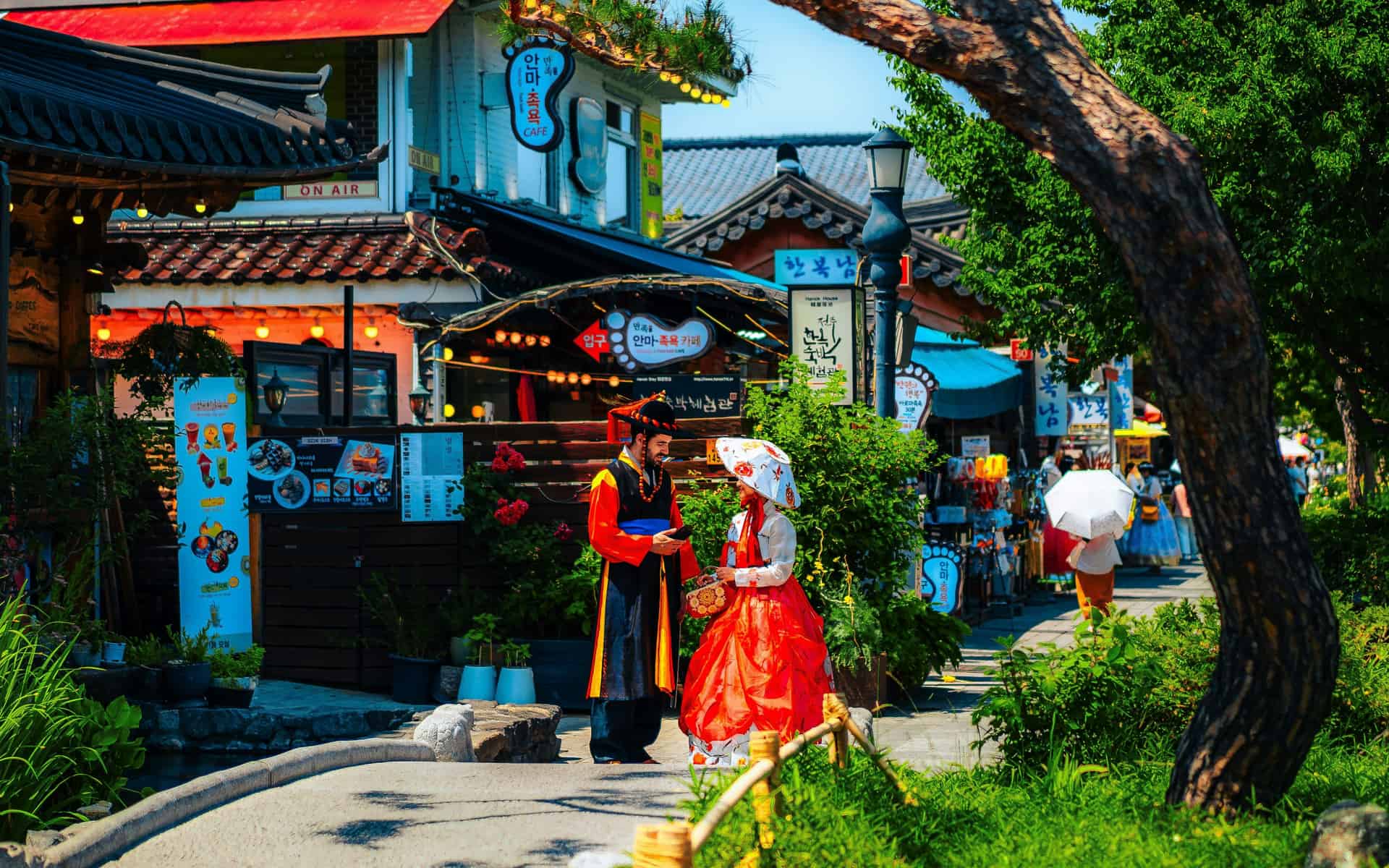
- Bukchon Hanok Village — A preserved neighborhood of traditional Korean houses tucked between modern buildings. Best visited on a weekday morning.
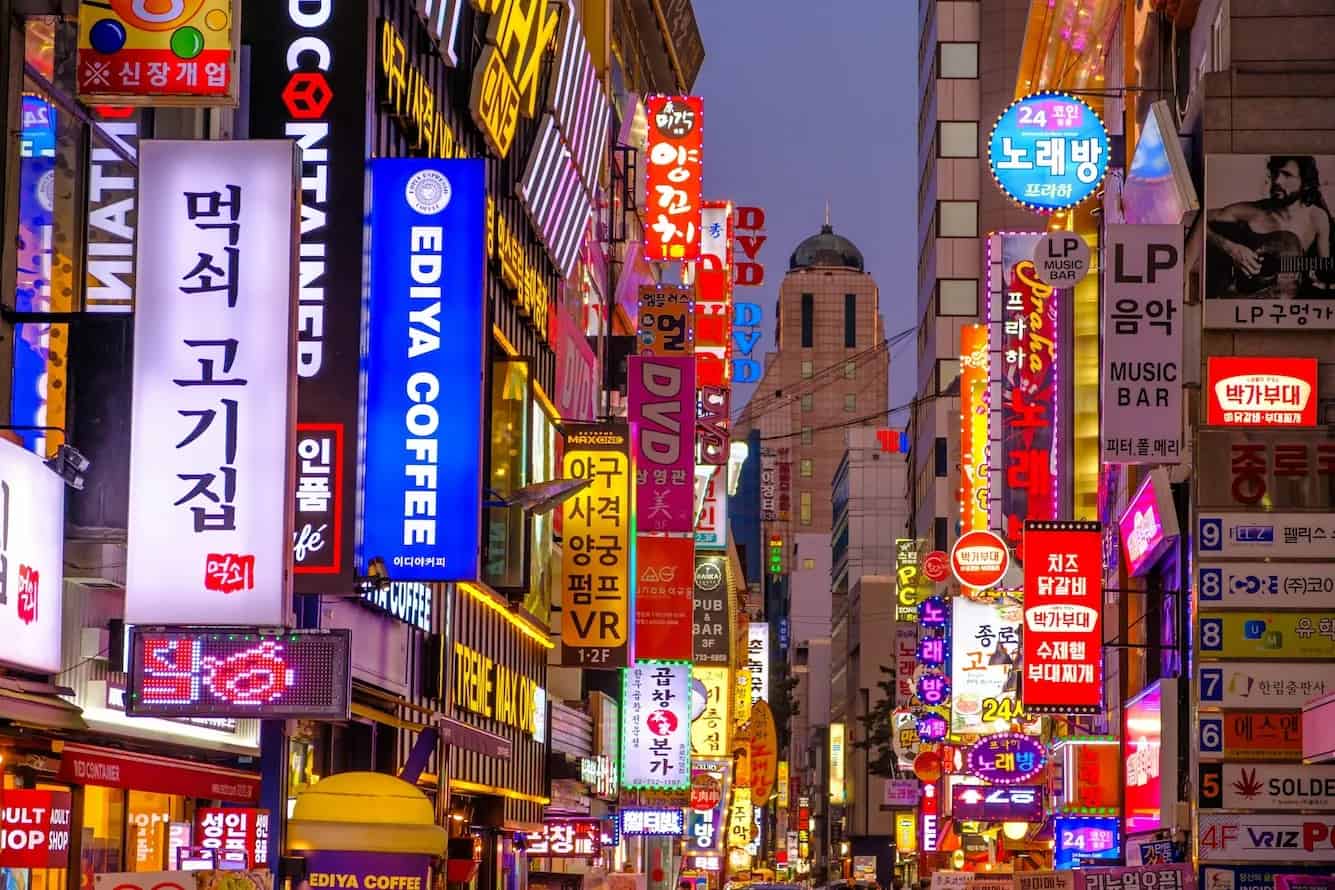
- Myeongdong — Seoul's most popular shopping street. Good for skincare, street food (try hotteok and tteokbokki), and people-watching.
- Hongdae — The university district. Lively, young, full of indie cafés, live street performances, and good nightlife.
- Namsan Tower (N Seoul Tower) — A cable car ride to the top gives you a panoramic view of the city. Best at sunset.
- Insadong — Traditional crafts, tea houses, and art galleries. A quieter contrast to Myeongdong.
Practical note: Seoul needs at least 4 full days. Most first-time visitors underestimate it.
Busan — Korea's Coastal Soul
South Korea's second city sits on the coast and has a completely different energy from Seoul. It's more relaxed, more colorful, and built across hills overlooking the sea.
Don't miss:
- Haeundae Beach — Korea's most famous beach. Impressive even outside summer.
- Gamcheon Culture Village — A hillside neighborhood painted in bright colors, often called the "Machu Picchu of Busan." Built by refugees after the Korean War, now a creative art district.
- Jagalchi Fish Market — The largest seafood market in Korea. Get there early for the freshest catch. You can buy fresh seafood at the market and have it prepared upstairs.
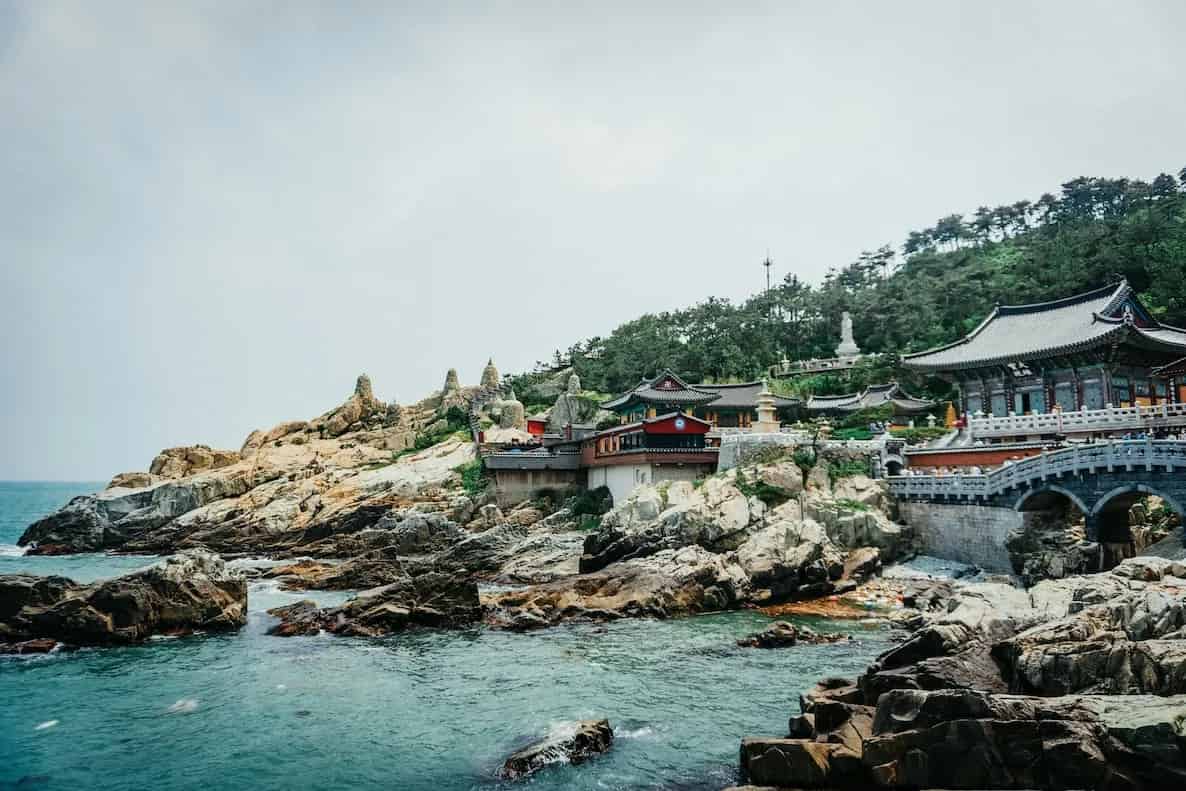
- Haedong Yonggungsa Temple — A rare seaside Buddhist temple, dramatically positioned on coastal rocks. One of the most photogenic spots in all of Korea.
- Gwangalli Beach — Less crowded than Haeundae, with a great view of the Gwangan Bridge lit up at night.
Busan deserves 2–3 days minimum.
Jeju Island — Nature at Its Best
Jeju is South Korea's largest island and its most popular domestic holiday destination. It's volcanic, scenic, and has a slower pace than the mainland.
Don't miss:
- Hallasan National Park — Korea's highest mountain (1,950m). The hike to the summit is a full-day effort but one of the best in the country.
- Jeongbang Waterfall — One of the few waterfalls in Asia that falls directly into the ocean.
- Seongsan Ilchulbong (Sunrise Peak) — A UNESCO-listed volcanic crater. Climb it just before dawn for a famous sunrise view.
- Manjanggul Lava Tube — A 7km-long lava cave, one of the longest in the world. A 1km section is open to visitors.
- Olle Trails — A network of coastal walking paths. Even completing one section (each is 15–20km) is a memorable experience.
Jeju needs 2–3 days. Add it to your trip only if your schedule allows; rushing it defeats the purpose.
Gyeongju — Korea's Ancient Capital
Often called the "museum without walls," Gyeongju was the capital of the Silla Kingdom for nearly 1,000 years. History is literally everywhere — burial mounds, temples, and royal tombs sit alongside everyday neighborhoods.
Don't miss:
- Bulguksa Temple — A UNESCO World Heritage Site and one of the finest examples of Buddhist architecture in Korea.
- Seokguram Grotto — An 8th-century stone Buddha enshrined in a hilltop grotto, also UNESCO-listed. The view on the walk up is worth it alone.
- Tumuli Park — A park full of ancient burial mounds (tumuli). Quiet, atmospheric, and unlike anything else you'll see in Korea.
Gyeongju works well as a day trip from Busan (1 hour by train) or as an overnight stop.
South Korea Itinerary: 7 to 10 Days
Here's a practical structure that works well for first-time visitors from India.
7-Day Itinerary
Days 1–4: Seoul
- Day 1: Arrive at Incheon International Airport. Get your T-money card at the airport. Check in and rest. Evening walk in Myeongdong — good introduction to street food and the city's energy.
- Day 2: Gyeongbokgung Palace (morning, wear hanbok for free entry to some palaces). Bukchon Hanok Village. Insadong in the afternoon. Dinner in Samcheong-dong.
- Day 3: Namsan Tower (morning, cable car). Hongdae for lunch and the afternoon. Ewha Womans University area for the shopping street. Evening nightlife in Itaewon or Gangnam.
- Day 4: Day trip to Nami Island (2 hours from Seoul) or explore the Han River parks. Alternatively, visit the DMZ (book in advance) for a unique experience unlike anything else on the trip.
Days 5–7: Busan
- Day 5: Take the KTX from Seoul to Busan (2.5 hours). Check in. Afternoon at Haeundae Beach. Evening at Gwangalli Beach — sit at a café with a view of the bridge.
- Day 6: Jagalchi Fish Market (morning, arrive by 8 AM). Gamcheon Culture Village (late morning). Haedong Yonggungsa Temple (afternoon). Street food dinner.
- Day 7: Morning at Beomeosa Temple (peaceful, less crowded Buddhist temple in the mountains). Return to Seoul or depart from Gimhae Airport.
10-Day Itinerary (Adds Jeju)
Follow the 7-day plan, then:
- Day 8: Fly Seoul or Busan to Jeju. Check in. Afternoon drive to Seongsan Ilchulbong.
- Day 9: Hallasan hike (start early, 6–7 hours round trip) OR Jeju west side: Manjanggul Lava Tube, Hyeopjae Beach, Hallim Park.
- Day 10: Jeongbang Waterfall and Olle Trail (partial). Fly back to mainland and onward home.
Itinerary tip: Seoul almost always takes longer than people expect. Don't cut it short to fit in more destinations. Four days in Seoul is the minimum for a meaningful experience.
For a complete day-wise plan with times and logistics, see our detailed South Korea itinerary guide →
Getting Around South Korea
South Korea's public transport is genuinely world-class. Here's what you need to know.
The T-money Card — Get This First
Buy a T-money card the moment you arrive at Incheon Airport (available at the airport convenience stores). Load it with ₹3,000–₹5,000 worth of Korean Won. This card works on:
- All Seoul Metro lines
- Buses across Seoul and most other cities
- Busan Metro
- Some taxis
You can reload it at any convenience store. Using T-money also gives you a small discount compared to buying individual tickets.
Metro
Seoul's metro is extensive (9 major lines, over 300 stations) and runs from roughly 5:30 AM to midnight. It's easy to navigate — all signs are in English, and most announcements are made in four languages including English.
Busan has its own metro system, similarly efficient.
KTX High-Speed Train
For intercity travel, the KTX (Korea Train Express) is the best option. Key routes:
Route | Duration | Cost |
| Seoul → Busan | ~2.5 hours | ₹2,800–₹4,500 |
| Seoul → Gyeongju | ~2 hours | ₹2,200–₹3,800 |
| Seoul → Gwangju | ~1.5 hours | ₹2,000–₹3,200 |
Book KTX tickets in advance through Korail (the Korean railway website) or at any train station.
Flights to Jeju
Jeju is connected by frequent, affordable domestic flights. Korean Air, Asiana, Jeju Air, and Jin Air all fly this route. Book in advance; prices jump during weekends and public holidays in Korea.
Taxis and Ride Apps
Taxis are metered and relatively affordable. Use KakaoTaxi (South Korea's equivalent of Uber) — it works with a foreign number, shows the fare estimate upfront, and some drivers accept card payment.
Navigation Apps
- Naver Map — The most accurate navigation app for South Korea. Google Maps works poorly here because of government restrictions on map data. Download Naver Map before you go.
- Kakao Metro — For subway navigation in Seoul and Busan.
- Papago — Translation app. The camera feature is essential for reading menus and signs.
What to Eat in South Korea
Korean food is not just good — it's a defining part of the travel experience. Here's how to approach it.
Must-Eat Dishes
Korean BBQ (Gogigui) The definitive Korean dining experience. You grill meat — typically pork belly (samgyeopsal) or beef (galbi) — at your table. Usually eaten wrapped in lettuce with fermented kimchi and garlic. Budget ₹1,000–₹2,000 per person.
Bibimbap A rice bowl topped with assorted vegetables, a fried or raw egg, gochujang paste, and sesame oil. Mixed together before eating. Healthy, filling, and widely available. Around ₹400–₹700 at a local restaurant.
Tteokbokki Chewy rice cakes in a spicy-sweet red sauce. One of the most popular street foods. Found at almost every street stall. Around ₹200–₹400 for a portion.
Japchae Glass noodles stir-fried with vegetables and sometimes beef. Slightly sweet, surprisingly light. A good option if you're tired of spicy food.
Sundubu Jjigae Soft tofu stew. Spicy, hearty, and served bubbling hot in a stone pot. Usually comes with rice and side dishes. Around ₹600–₹1,000.
Haemul Pajeon Seafood pancakes. Crispy outside, soft inside, full of green onions and mixed seafood. Perfect with makgeolli (Korean rice wine).
Convenience Store Meals GS25 and CU stores deserve a special mention. They sell triangle kimbap (₹100–₹150 each), instant ramen you can prepare in-store, egg sandwiches, and rice bowls — all surprisingly good. A full meal for under ₹500 is genuinely possible.
For Vegetarian Travelers
Korean cuisine is heavily meat and seafood-based, but vegetarian options exist if you know where to look.
- Temple food restaurants — Many Buddhist temples and restaurants near them serve fully vegetarian, beautifully prepared meals. Excellent in Seoul (Insadong area) and near Gyeongju temples.
- HappyCow app — The best resource for finding vegetarian restaurants near you in any Korean city.
- Carry a translation card — Write or screenshot this in Korean: "고기, 해산물, 생선 없이 부탁드립니다" (No meat, seafood, or fish please). Show it to restaurant staff.
- Indian ready-to-eat options — MTR and similar brands are occasionally available in Korean supermarkets in areas with a larger Indian community, like parts of Itaewon in Seoul.
Important Things to Know Before You Go
Currency and Payments
South Korea uses the Korean Won (KRW). As of 2025, roughly 1 KRW ≈ ₹0.06 (or 1 INR ≈ 16–17 KRW).
Most urban areas are nearly cashless — card payments are accepted virtually everywhere. However, some smaller markets and street stalls are cash-only. Carry 50,000–100,000 KRW (~₹3,000–₹6,000) in cash at all times.
Withdraw from 7-Eleven, GS25, or post office ATMs — these reliably accept foreign cards.
SIM and Internet
Buy a Korean tourist SIM at Incheon Airport on arrival (Olleh, SK Telecom, U+). A 10-day data SIM costs around ₹1,200–₹2,000. Alternatively, rent a portable WiFi router (egg) at the airport — good if you're sharing between multiple travelers.
Cultural Etiquette
- South Korea is a quiet, orderly society. Speaking loudly in public transport, restaurants, or elevators is noticed and frowned upon.
- Remove shoes when entering traditional homes, some guesthouses, and certain restaurants.
- Pouring your own drink is considered impolite — pour for others first and wait for someone to pour for you.
- Use both hands when giving or receiving anything from an older person.
- Tipping is not customary and can sometimes cause awkwardness. Just don't tip.
Language
English is widely spoken in tourist areas, hotels, and most restaurants in Seoul. Outside Seoul, English becomes sparse. Download Papago before your trip — it handles real-time camera translation of menus and signs extremely well.
Safety
South Korea is one of the safest countries in the world for travelers. Petty crime is extremely rare. You can walk alone at night in virtually any neighborhood without concern. The main practical risks are overexertion (Seoul involves a lot of walking) and motion sickness on mountain roads in Jeju.
Power and Adapters
South Korea uses Type C and F plugs (round two-pin), running at 220V. Indian plugs will not fit directly. Carry a universal travel adapter.
South Korea Tour Packages from India
Planning South Korea independently is absolutely doable — this guide is proof of that. But if you'd rather not manage visa appointments, intercity train bookings, Jeju accommodation, and day-to-day logistics yourself, a curated tour package removes all of that.
Desh Videsh Travels offers South Korea tour packages starting from ₹1,70,999 per person, covering flights, accommodation, sightseeing, and on-ground logistics — with a team that's done this route many times.
If you're travelling with family, a group, or simply want the trip to feel effortless, it's worth exploring.
Written by the Desh Videsh Travels team · Specialists in group and custom travel from India
Explore South Korea tour packages →