A wildlife safari is one of the highlights of travelling in Sri Lanka, but choosing the right national park isn't always straightforward. While Yala National Park is famous for leopard sightings, other parks are better for elephants, birdlife or quieter game drives with fewer safari vehicles.
The best safari depends on three simple factors:
- The wildlife you want to see.
- The time of year you're travelling.
- The type of safari experience you prefer.
Rather than recommending the same park to everyone, this guide compares Sri Lanka's leading national parks and explains which one is best suited to different travel styles. Whether you're hoping to photograph a leopard, watch hundreds of wild elephants gather around a reservoir or simply enjoy a peaceful safari surrounded by nature, you'll find the right option here.
Which Sri Lanka Safari Should You Choose?
Use this quick comparison to find the national park that best matches your interests.
If you want to see... | Best Choice | Best Known For |
| Leopards | Yala National Park | One of the world's highest leopard densities |
| Wild elephants | Udawalawe National Park | Reliable elephant sightings throughout the year |
| Hundreds of elephants together | Minneriya Region | The seasonal Elephant Gathering |
| Fewer safari vehicles | Wilpattu National Park | Peaceful game drives through dense forest |
| Birds and wetlands | Bundala National Park | Migratory birds and coastal ecosystems |
For most first-time visitors, one well-planned safari is enough. Instead of trying to visit multiple parks, choose the one that offers the wildlife experience you're most excited about.
Things to Know Before Booking a Safari
A little planning can make a significant difference to your safari experience.
Wildlife Sightings Are Never Guaranteed
Sri Lanka's national parks protect wild animals in their natural habitat, so every game drive is different.
For example, Yala National Park has one of the world's highest leopard densities, yet no safari operator can guarantee a leopard sighting. On some drives, you may encounter elephants, crocodiles, jackals and a wide variety of birds instead.
That's part of what makes a wildlife safari special. Every visit offers a different experience.
The Elephant Gathering Isn't Limited to One Park
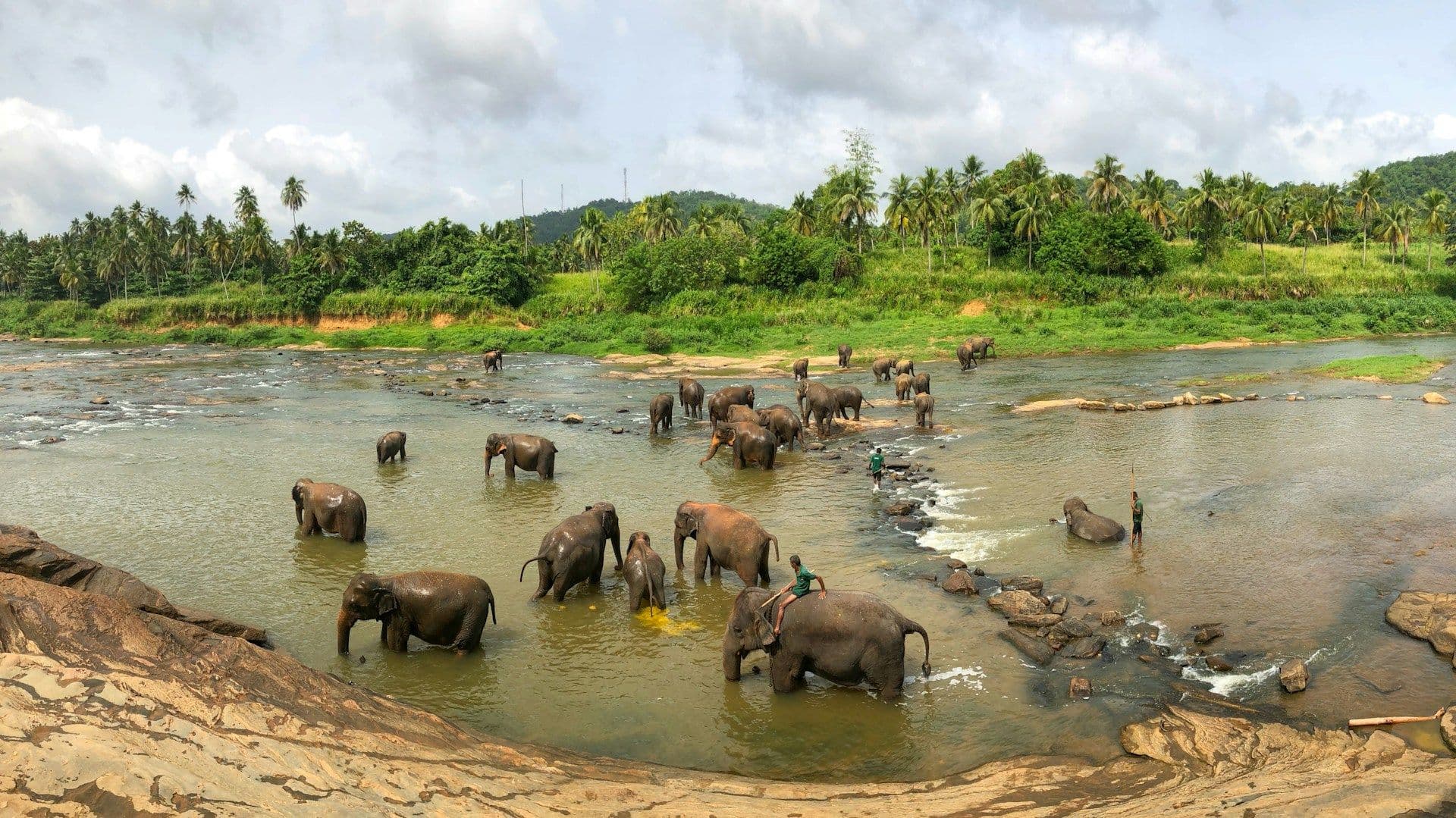
One of Sri Lanka's most spectacular wildlife events is the Elephant Gathering, when hundreds of wild elephants congregate around shrinking reservoirs during the dry season.
Although many travellers specifically book Minneriya National Park, the elephant herds move freely through a protected wildlife corridor connecting Minneriya, Kaudulla National Park and Hurulu Eco Park.
Local safari operators monitor these movements and often recommend the park with the highest concentration of elephants on the day of your safari.
Planning Tip: If you're visiting Sri Lanka during the Elephant Gathering season, avoid booking a specific park weeks in advance. Waiting until you're in the Cultural Triangle often gives you the best chance of visiting the park where the elephants are actually gathering.
Morning or Afternoon Safari?
Both safari timings offer rewarding wildlife experiences, but they provide slightly different experiences.
Morning Safari | Afternoon Safari |
| Cooler temperatures | Softer lighting for photography |
| Wildlife is often more active | Beautiful golden-hour landscapes |
| Comfortable during warmer months | Animals frequently gather near water sources later in the day |
Morning safaris are generally the most popular, especially for first-time visitors, while afternoon safaris are often preferred by photographers.
Planning Tip: During busy travel periods, leaving your accommodation before sunrise can help you enter the park before the largest convoy of safari vehicles, making for a quieter and more enjoyable game drive.
Should You Visit One Safari or Two?
For most travellers, one safari is enough to experience Sri Lanka's incredible wildlife.
However, if wildlife is one of the main reasons for your trip, combining two different parks can provide a much more varied experience.
For example:
- Yala + Udawalawe combines Sri Lanka's best leopard habitat with excellent elephant sightings.
- Minneriya + the Cultural Triangle works perfectly if you're already staying near Sigiriya or Dambulla.
- Wilpattu is an excellent alternative if you prefer quieter safaris with fewer vehicles.
Choosing parks with different landscapes and wildlife is usually more rewarding than visiting two parks that offer similar experiences.
If you're planning a complete holiday, our How to Plan a Sri Lanka Trip: The Perfect 10-Day Itinerary shows how a safari fits naturally into a first-time visitor's route, while our Best Time to Visit Sri Lanka guide explains which parks offer the best wildlife experiences throughout the year.
Yala National Park: Best for Leopard Sightings
If spotting a Sri Lankan leopard is at the top of your wildlife bucket list, Yala National Park is the safari you'll want to choose.
Located in southeastern Sri Lanka, Yala is the country's most famous national park and is widely recognised for having one of the highest leopard densities in the world. Beyond leopards, the park is home to elephants, sloth bears, crocodiles, spotted deer, wild boar and more than 200 bird species, making it one of Sri Lanka's most rewarding wildlife destinations.
Choose Yala If...
- Seeing a leopard is your biggest priority.
- This is your first safari in Sri Lanka.
- You want the greatest variety of wildlife in a single game drive.
- Your itinerary includes Sri Lanka's South Coast.
Things to Know Before You Visit
Because Yala is Sri Lanka's most popular safari park, it's also the busiest. During peak travel seasons, multiple safari jeeps may gather around popular wildlife sightings.
Booking the first morning safari or travelling outside major holiday periods generally offers a quieter experience and better wildlife viewing conditions.
Seasonal Update: Yala Block 1, the park's main tourist zone, usually closes for several weeks between September and October for habitat recovery and road maintenance. If you're travelling during this period, check the latest park status before booking. Udawalawe National Park or Wilpattu National Park are excellent alternatives.
Best Time to Visit: February to July generally offers excellent wildlife viewing, although safari conditions vary throughout the year.
Udawalawe National Park: Best for Wild Elephants
If your goal is to see elephants roaming freely in their natural habitat, Udawalawe National Park is one of Sri Lanka's best wildlife experiences.
The combination of open grasslands, scrub forests and the Udawalawe Reservoir makes animal sightings much easier than in many densely forested parks. Elephant herds are commonly seen throughout the year, making Udawalawe a favourite for families, photographers and first-time safari visitors.
Choose Udawalawe If...
- Wild elephants are your main priority.
- You prefer a quieter safari than Yala.
- You're travelling with children.
- You enjoy open landscapes that make wildlife easier to photograph.
Ethical Wildlife Experience
Just outside the national park is the Udawalawe Elephant Transit Home, one of Sri Lanka's most respected wildlife conservation projects.
Here, orphaned elephant calves are rehabilitated before being released back into the wild. Visitors observe the scheduled feeding sessions from a designated viewing area without direct interaction, making it an excellent stop for travellers interested in responsible wildlife tourism.
Things to Know Before You Visit
Although leopards live within Udawalawe, they're seen much less frequently than in Yala.
If you're deciding between the two parks:
- Choose Yala if leopards are your priority.
- Choose Udawalawe if your dream is seeing elephants.
Best Time to Visit: Wildlife can be seen throughout the year, making Udawalawe one of Sri Lanka's most reliable safari destinations.
Minneriya National Park: Best for the Elephant Gathering
Every year, one of Asia's most remarkable wildlife spectacles takes place in Sri Lanka's Cultural Triangle.
Known as The Elephant Gathering, hundreds of wild Asian elephants move towards seasonal reservoirs as water sources elsewhere begin to dry up. It's considered one of the largest gatherings of wild elephants in the world and is a major reason many travellers visit the region.
For visitors already exploring Sigiriya, Dambulla or Habarana, this safari fits naturally into the itinerary.
Choose the Minneriya Region If...
- You're visiting between July and October.
- You're staying in the Cultural Triangle.
- You want to photograph large elephant herds.
- You've already planned to visit Sigiriya or Dambulla.
The Elephant Corridor Explained
Although the event is commonly called the Minneriya Elephant Gathering, the elephants don't stay inside Minneriya National Park.
Instead, they move freely through a protected wildlife corridor connecting:
- Minneriya National Park
- Kaudulla National Park
- Hurulu Eco Park
Local safari operators monitor elephant movements daily and recommend the park with the highest concentration of elephants at the time of your visit.
Planning Tip: Don't book a safari in one specific park months in advance. If you're staying in the Cultural Triangle during the Elephant Gathering season, ask your safari operator which park currently offers the best sightings.
Best Time to Visit: July to October, although the timing varies slightly depending on rainfall and reservoir water levels.
How Much Does a Safari in Sri Lanka Cost?
The total cost of a safari usually consists of several components rather than a single ticket price.
Depending on the national park and safari operator, you may pay separately for:
- National park entrance fees.
- Safari jeep hire.
- Government taxes and service charges.
- Naturalist or guide fees (where applicable).
Some tour operators combine all of these into one package, while others list them separately. Before confirming your booking, always check exactly what's included.
If you're planning your overall holiday budget, our Sri Lanka Trip Cost from India guide explains typical safari expenses alongside accommodation, transport and other travel costs.
How to Make the Most of Your Safari
A little preparation can make a significant difference to your overall experience.
Wear the Right Clothing
Choose lightweight clothing in neutral colours such as beige, olive or brown. Bright colours aren't prohibited, but muted tones blend better with the natural surroundings.
Comfortable walking shoes, a hat, sunglasses and sunscreen are also recommended.
Carry the Essentials
Before leaving for your safari, pack:
- Drinking water.
- Binoculars.
- Camera with extra battery.
- Light snacks (if permitted).
- Insect repellent.
Morning safaris can feel surprisingly cool, so carrying a light jacket is also useful during certain times of the year.
Be Patient
Wildlife doesn't follow a schedule.
Some visitors see leopards within minutes, while others enjoy elephants, crocodiles, deer and dozens of bird species instead.
A successful safari isn't measured by the number of animals you see but by the opportunity to observe wildlife behaving naturally in its own habitat.
Responsible Wildlife Tourism
Sri Lanka's national parks are protected ecosystems, and responsible tourism helps preserve them for future generations.
During your safari:
- Follow your guide's instructions at all times.
- Keep conversations quiet while observing wildlife.
- Never feed or disturb animals.
- Stay inside the safari vehicle unless instructed otherwise.
- Avoid encouraging drivers to chase animals for photographs.
Respecting wildlife creates a better experience for both visitors and the animals themselves.
Explore Sri Lanka with Desh Videsh Travels
A safari is one of the most memorable experiences you can include in a Sri Lanka holiday, but choosing the right national park makes all the difference. Whether you're hoping to spot leopards in Yala, watch elephant herds in Udawalawe or witness the spectacular Elephant Gathering in the Cultural Triangle, selecting the park that matches your interests will help you get the most from your trip.
If you're looking for a well-planned holiday that combines wildlife with Sri Lanka's cultural landmarks, scenic hill country and beautiful coastline, explore our Sri Lanka Tour Packages at Desh Videsh Travels.