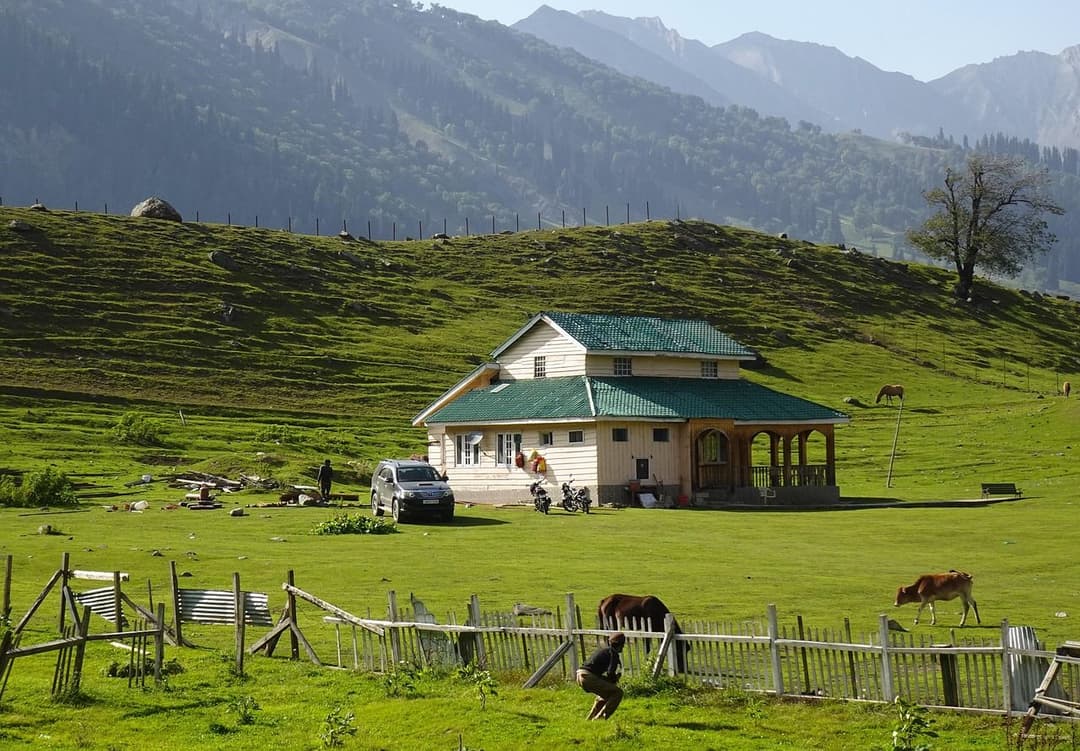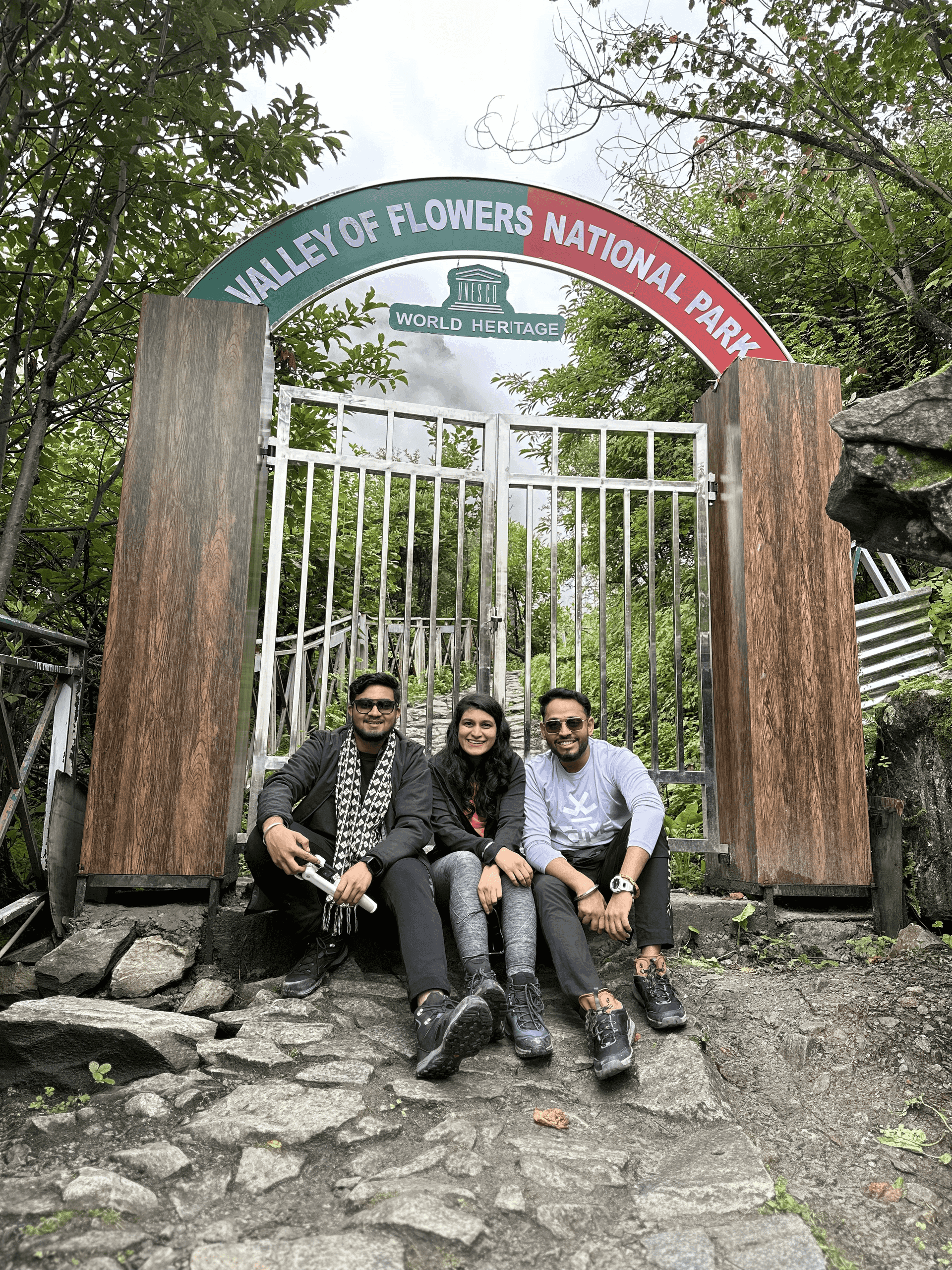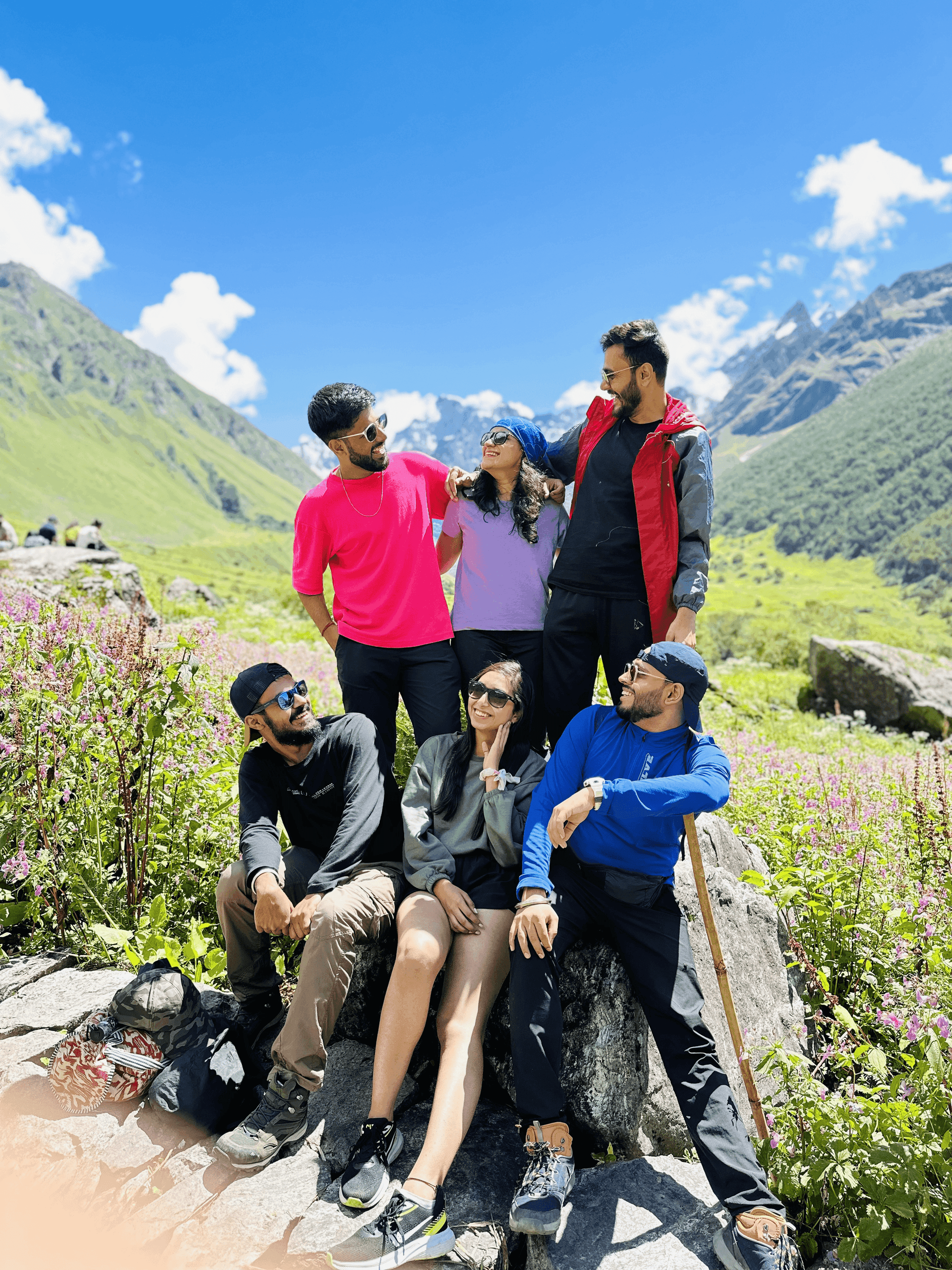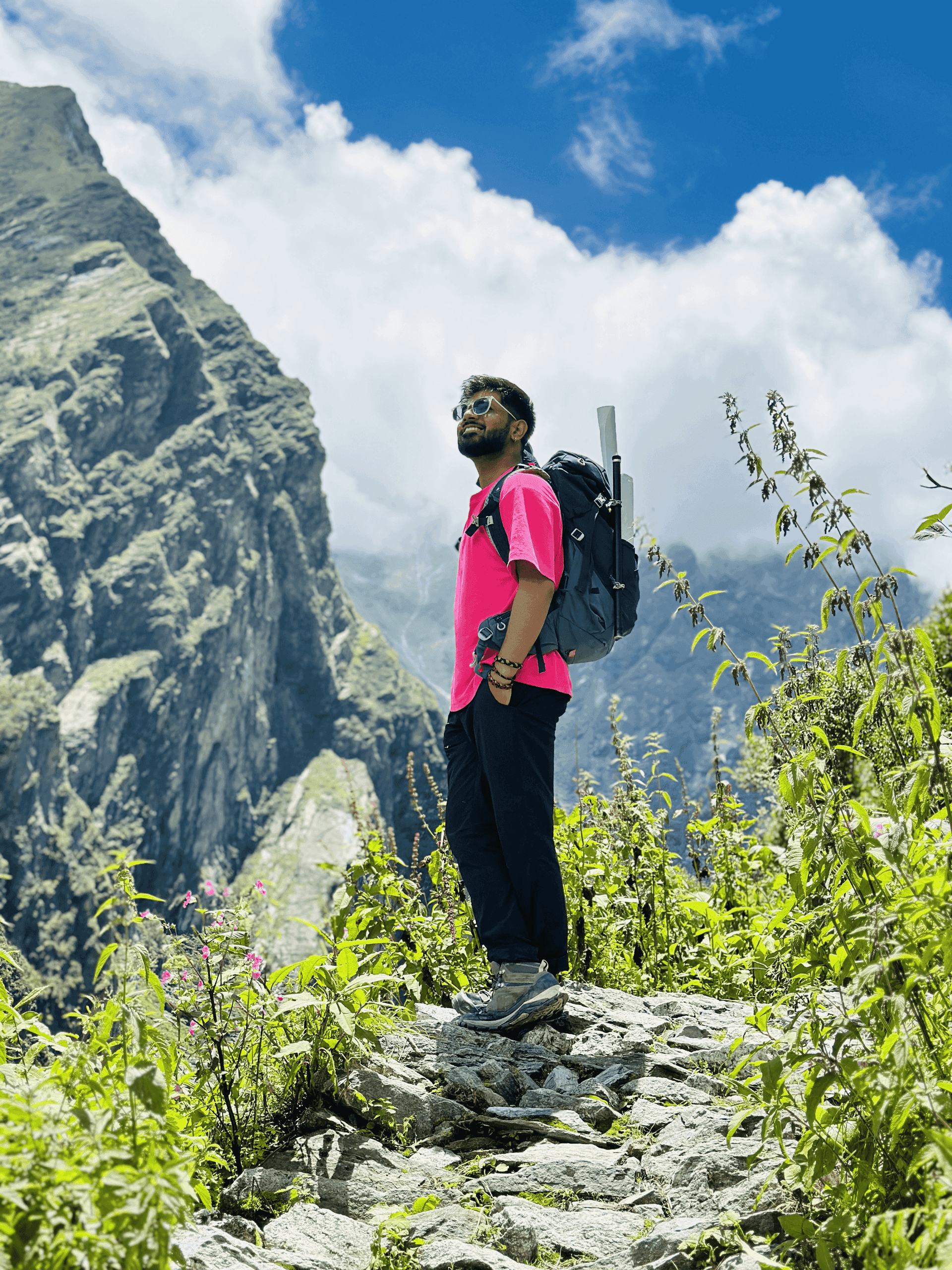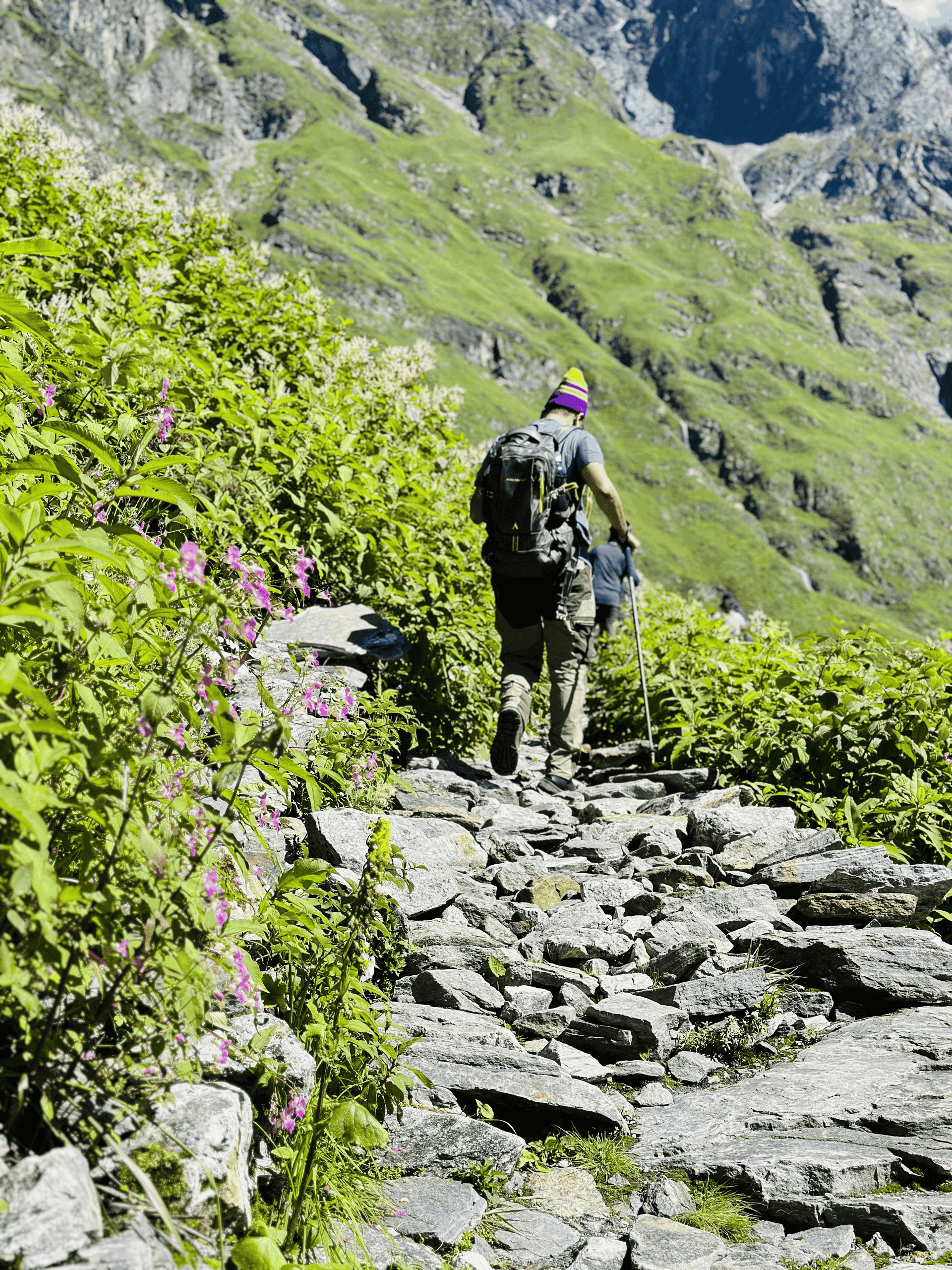
Tirthan Valley is often seen as a budget-friendly alternative to crowded Himachal destinations and in many ways, it is.
But what most travelers don’t realize is that the total cost depends far more on how you plan the trip than the destination itself.
This guide breaks down the actual cost of a Tirthan Valley trip from Delhi and Chandigarh, so you can understand where your money goes and how to manage it more effectively.
Quick Answer (For Fast Planning)
- Budget trip → ₹3,500 to ₹5,500
- Mid-range → ₹5,500 to ₹8,500
- Premium → ₹8,500 to ₹12,000+
- Ideal duration → 2 to 3 days
The total cost of a Tirthan Valley trip from Delhi typically ranges between ₹3,500 and ₹12,000, depending on your travel style.
Total Cost at a Glance
Type | Cost (Per Person) |
| Budget | ₹3,500 – ₹5,500 |
| Mid-range | ₹5,500 – ₹8,500 |
| Premium | ₹8,500 – ₹12,000+ |
These estimates include transport, stay and food for a typical 2–3 day trip.
Transport Math: Delhi / Chandigarh to Tirthan
Travel cost is the biggest factor that influences your total budget. Most travelers reach Tirthan via Delhi or Chandigarh, making these the most practical reference points.
From Delhi (Volvo)
Traveling from Delhi is the most common option. Overnight Volvo buses are comfortable and drop you directly near the valley access point.
- Cost: ₹1,200 – ₹1,800 (one way)
- Drop point: Aut Tunnel Bypass / Market
- Round trip: ₹2,400 – ₹3,600
From Chandigarh
Chandigarh acts as a gateway to Himachal and offers a shorter travel duration.
- Cost: ₹800 – ₹1,200 (one way)
- Round trip: ₹1,600 – ₹2,400
If You’re Traveling from Other Cities
If you’re coming from cities like Mumbai, Bangalore, or Kolkata, your cost will mainly increase in the first leg (flight/train to Delhi or Chandigarh). After that, the route and costs remain almost the same.
Aut to Tirthan (Last Mile Reality)
This is where many travelers either save money or overspend.
Private Taxi
The most convenient option, especially for groups.
- ₹1,500 – ₹2,200
Shared Cab (How to Actually Find It)
Shared taxis are available, but not always obvious.
Instead of relying only on the taxi stand:
- walk toward the Aut Market bridge area
- wait 10–15 minutes
Local jeeps usually fill up here, and you can get a seat for:
- ₹100 – ₹300 per person
HRTC Bus (Extreme Budget Option)
For travelers on a tight budget, local buses are the cheapest option.
- ₹50 – ₹60
- limited frequency
They take longer but significantly reduce your cost.
For complete route clarity, refer to the Tirthan Valley guide to avoid common mistakes.
Your Arrival at Aut (Step-by-Step)
Your experience often depends on how you handle the first 30 minutes after arrival.
- Get down at Aut Market / Bypass, not inside the tunnel
- Walk to the Taxi Union booth (50–100 meters)
- Ask for shared cab availability
- If not available, move toward the bridge area
- Confirm the price before boarding
This simple process can save ₹1,000–₹2,000.
Stay Cost in Tirthan Valley
Accommodation in Tirthan Valley ranges from simple homestays to boutique stays. Most travelers prefer staying in riverside properties for a more immersive experience.
- Budget stays: ₹800 – ₹1,500 per night
- Mid-range stays: ₹1,500 – ₹3,000 per night
- Premium stays: ₹3,000 – ₹6,000+
Jibhi vs Gushaini (Cost Reality)
Choosing the right base also impacts your cost:
- Jibhi offers cheaper stays and more café options
- Gushaini is slightly more expensive but closer to the river and GHNP
Daily Food Cost in Tirthan Valley
Food in Tirthan is simple, fresh, and mostly prepared by homestays. You won’t find large restaurants, but the quality is consistent.
- Per meal: ₹150 – ₹400
- Daily cost: ₹500 – ₹1,200
Local Transport Cost
Tirthan Valley is not very spread out, but some movement is required depending on your stay location.
- Short taxi rides: ₹300 – ₹800
- Daily movement: ₹500 – ₹1,500
Walking wherever possible helps reduce costs.
Activities & Misc Cost
Most experiences in Tirthan are nature-based and low-cost.
- GHNP permit: ₹50 – ₹100
- Café visits: ₹200 – ₹500
- Other activities: mostly free
5 Cost Traps to Avoid in Tirthan Valley
1. Getting Down at the Wrong Location
Leads to unnecessary taxi expenses.
2. Not Asking for Shared Cabs
Private taxis become expensive when not shared.
3. Overusing Taxis
Short distances still cost more due to terrain.
4. Ignoring Cash Requirement
UPI may fail in remote areas.
5. Unplanned Café Spending
Small expenses add up quickly.
UPI vs Cash Reality
While UPI is widely used, network connectivity in Tirthan is not always reliable.
Areas like Gushaini and GHNP frequently face signal issues. This can make digital payments unreliable.
It’s best to carry at least 30% of your total budget in cash to avoid inconvenience during meals, stays, or transport.
Budget vs Experience (What You Actually Get)
Your overall experience changes significantly based on how much you spend, especially on transport and accommodation.
Budget (₹3,500–₹5,500)
- bus travel
- basic stays
- shared transport
Mid-range (₹5,500–₹8,500)
- comfortable stays
- flexible movement
Premium (₹8,500+)
- private taxis
- premium stays
- relaxed experience
Is Tirthan Valley Expensive?
Tirthan Valley is not an expensive destination, especially when compared to Manali or Kasol.
Because it is less commercialized, pricing remains relatively controlled, allowing you to manage your budget more effectively while still enjoying a high-quality experience.
Plan Your Trip the Right Way
Most people don’t overspend on luxury. They overspend on poor planning.
If you want to avoid:
- wrong routes
- unnecessary expenses
- travel confusion
You can explore:
Tirthan Valley retreat
Himachal tour packages
Or, if you want a structured plan, the 3-Day Tirthan + Shangarh itinerary can help you organize your trip efficiently.