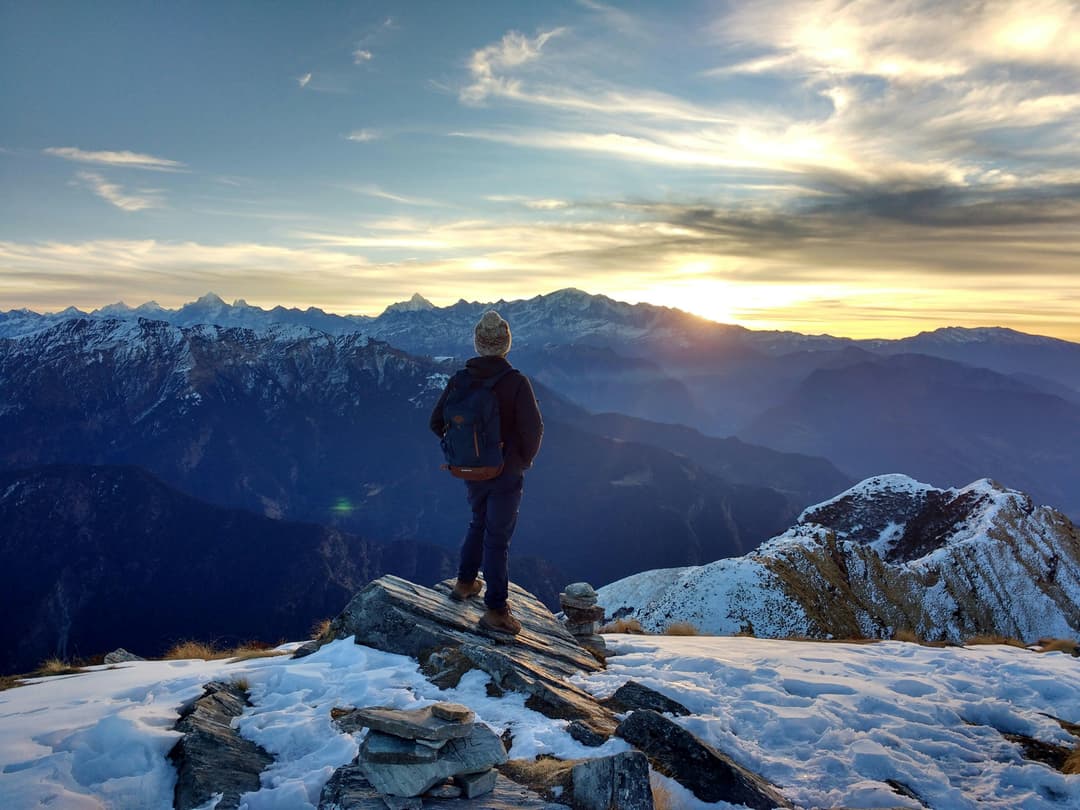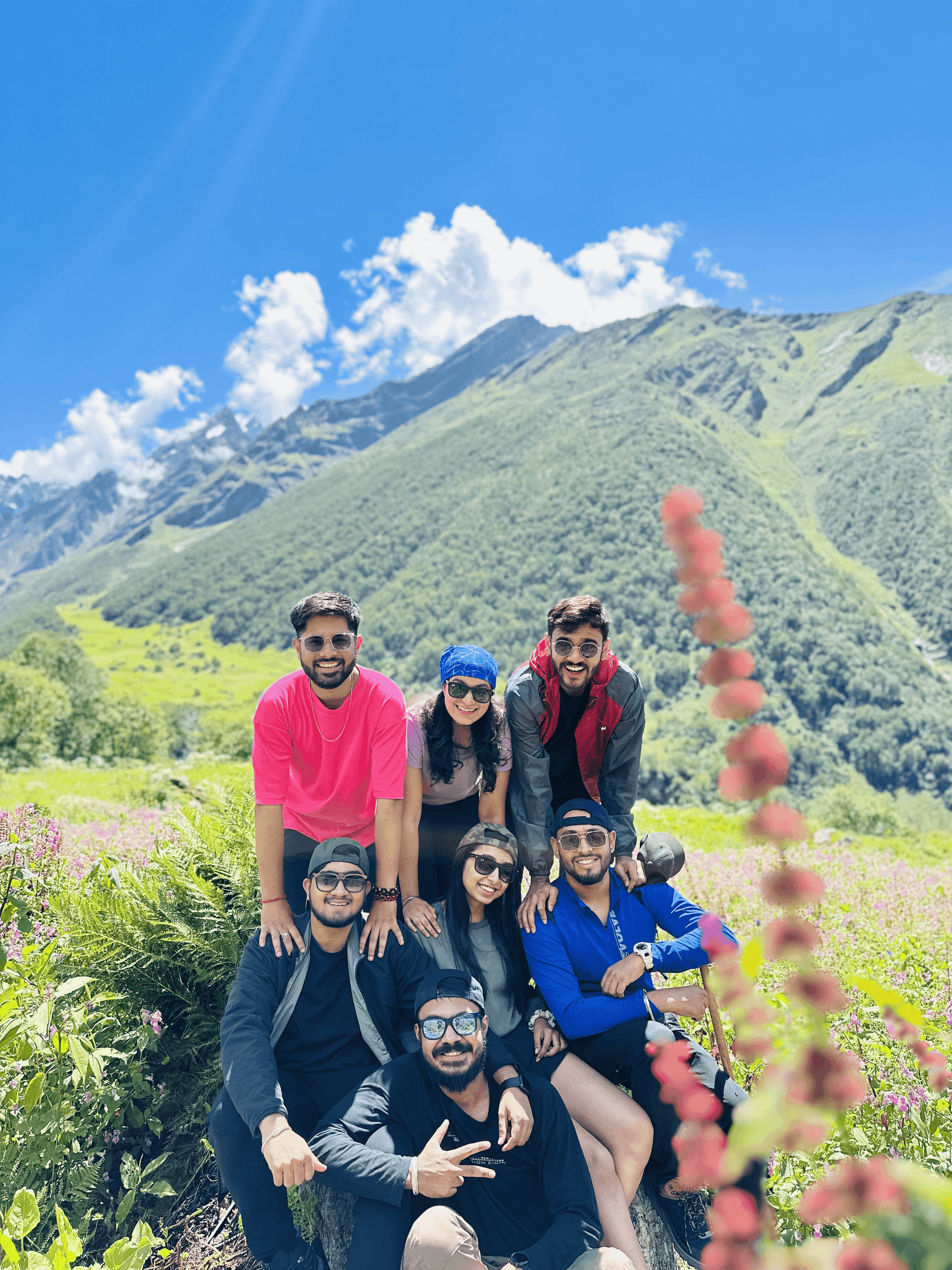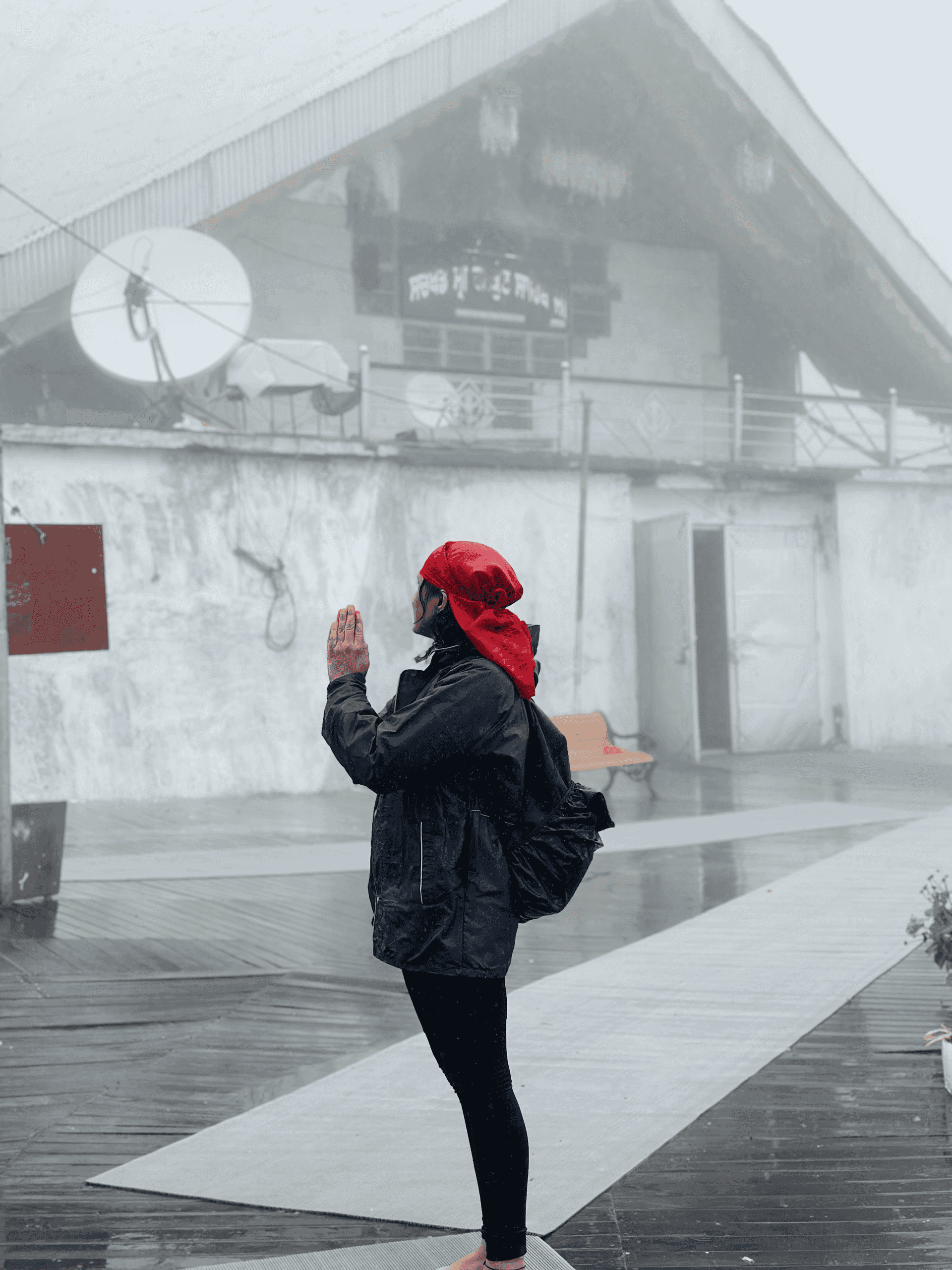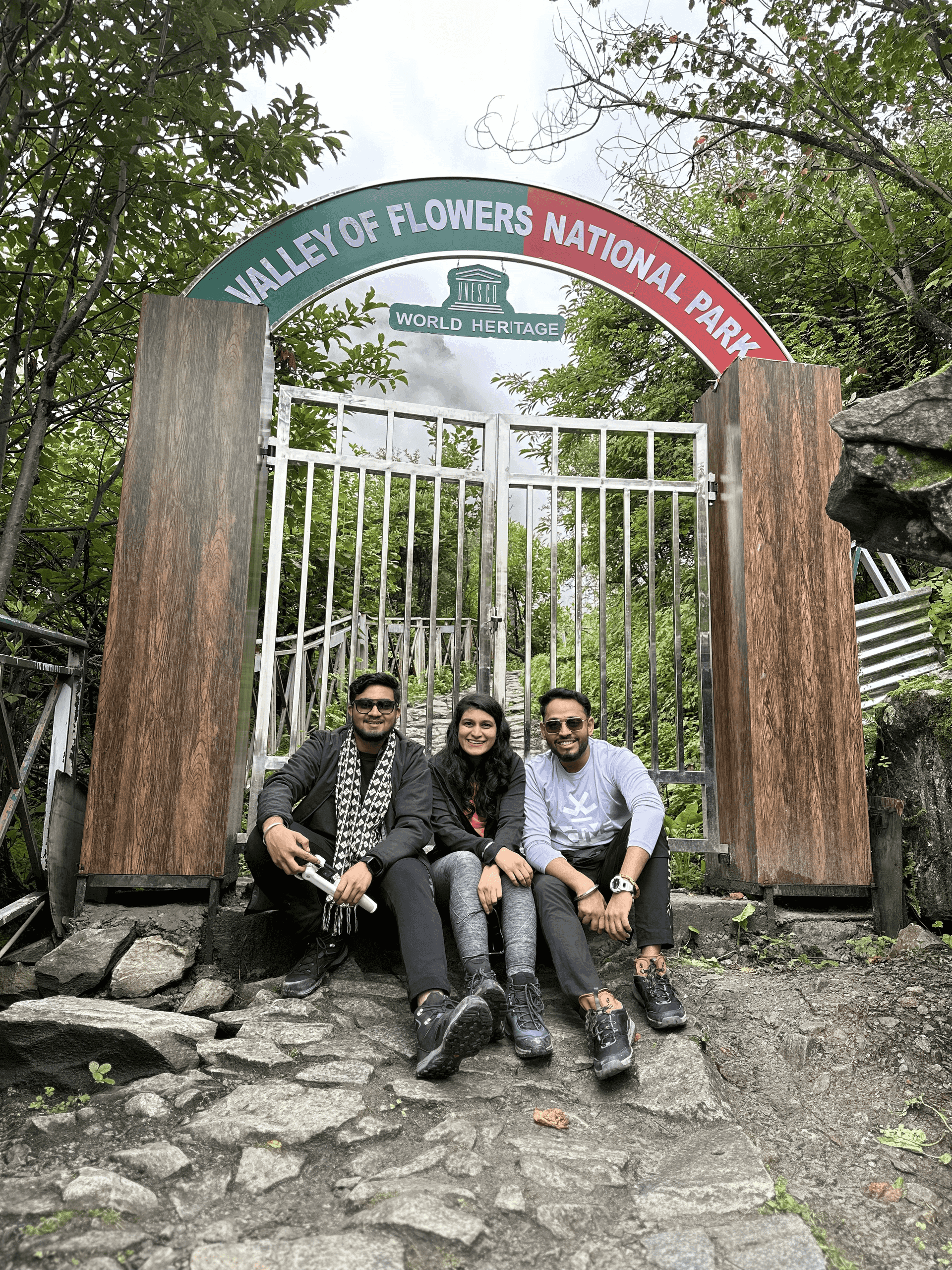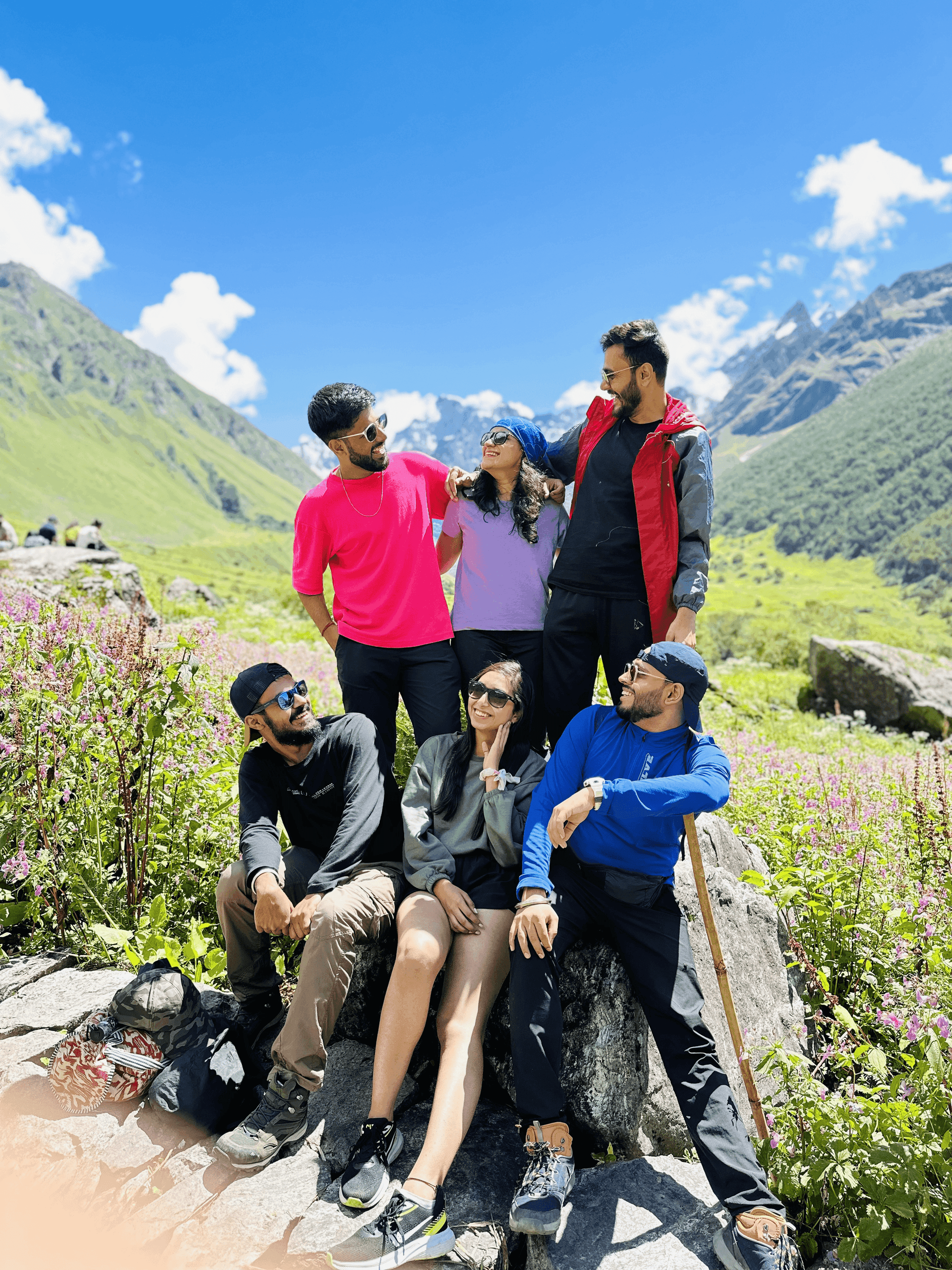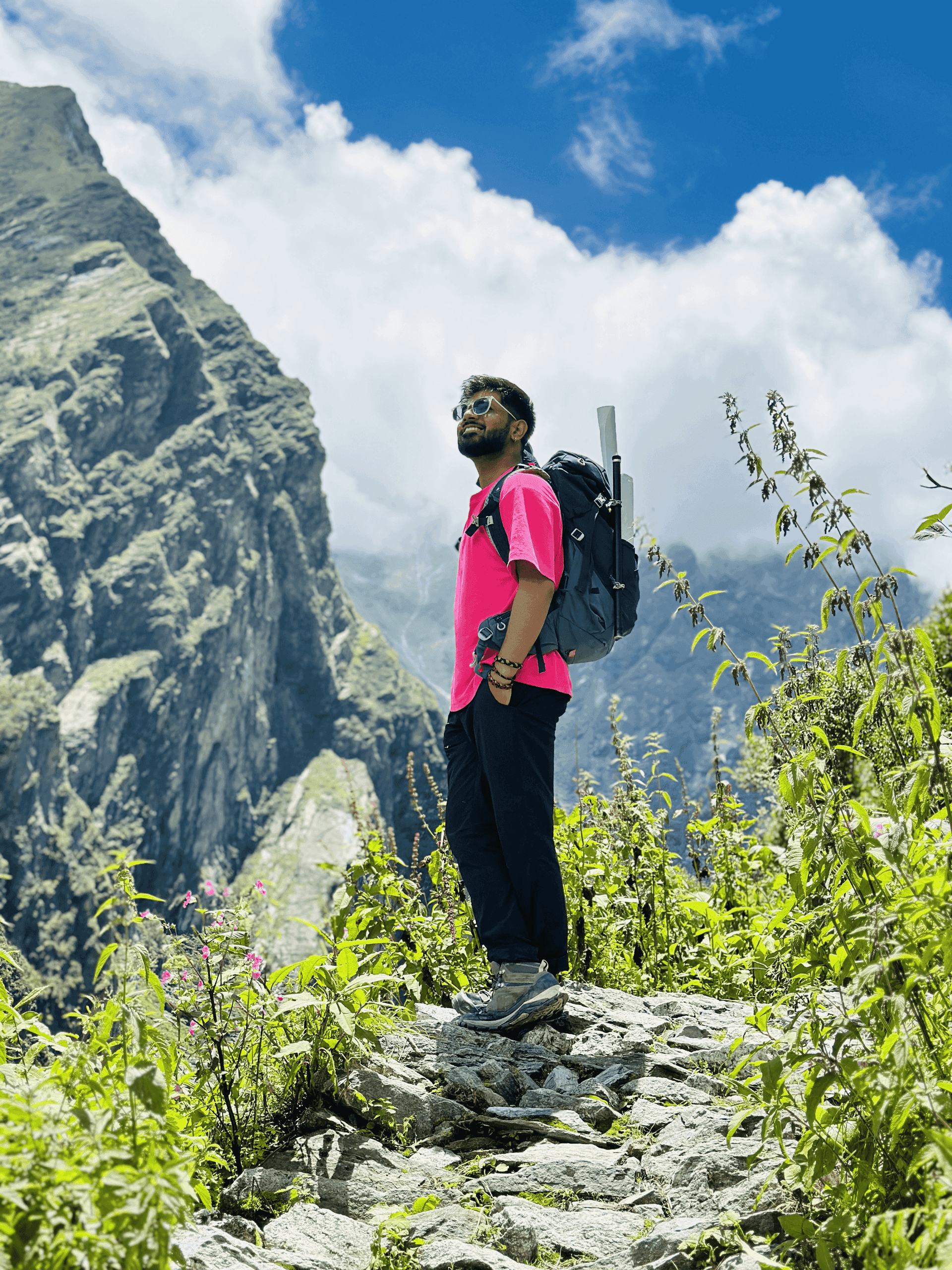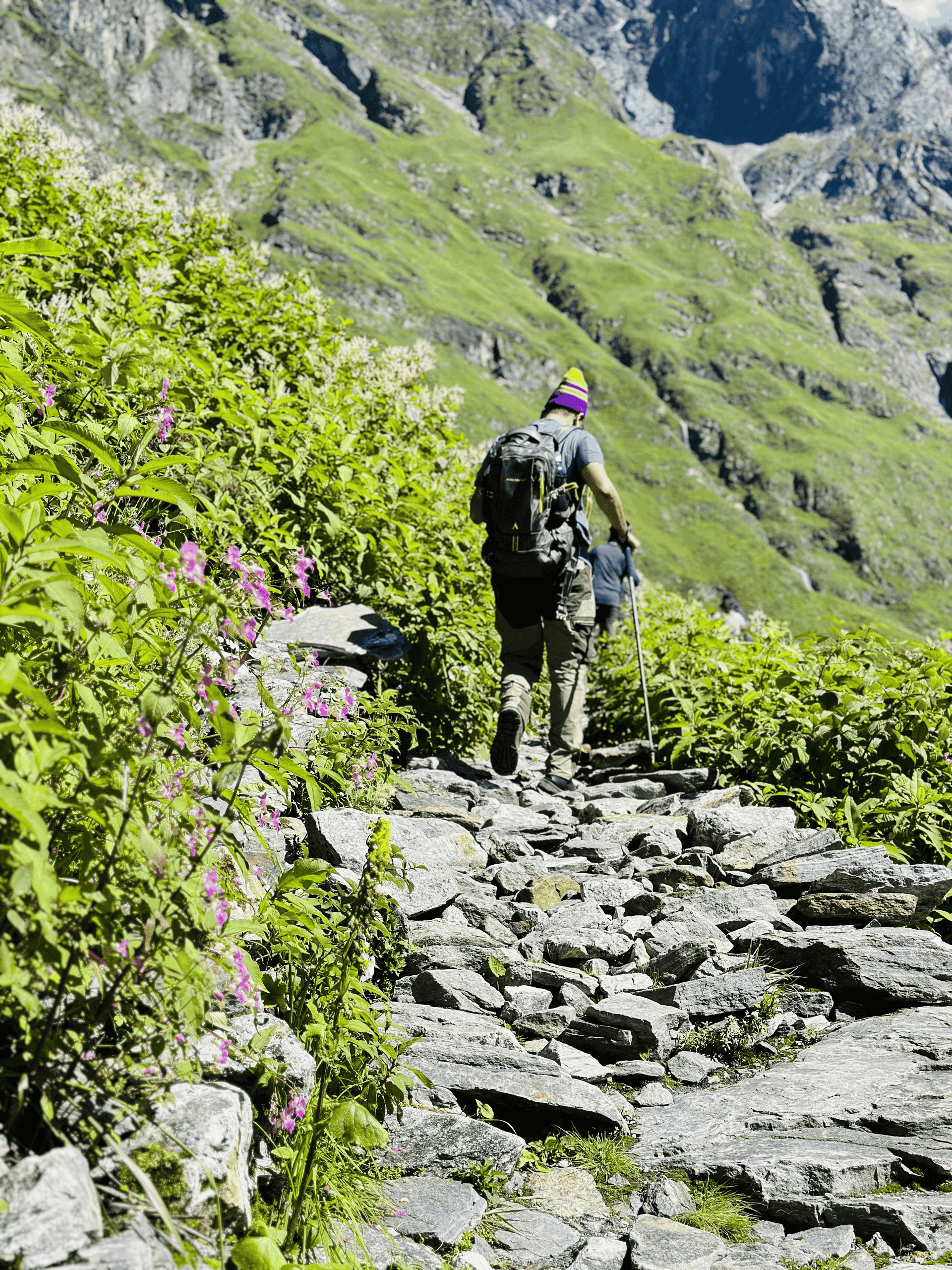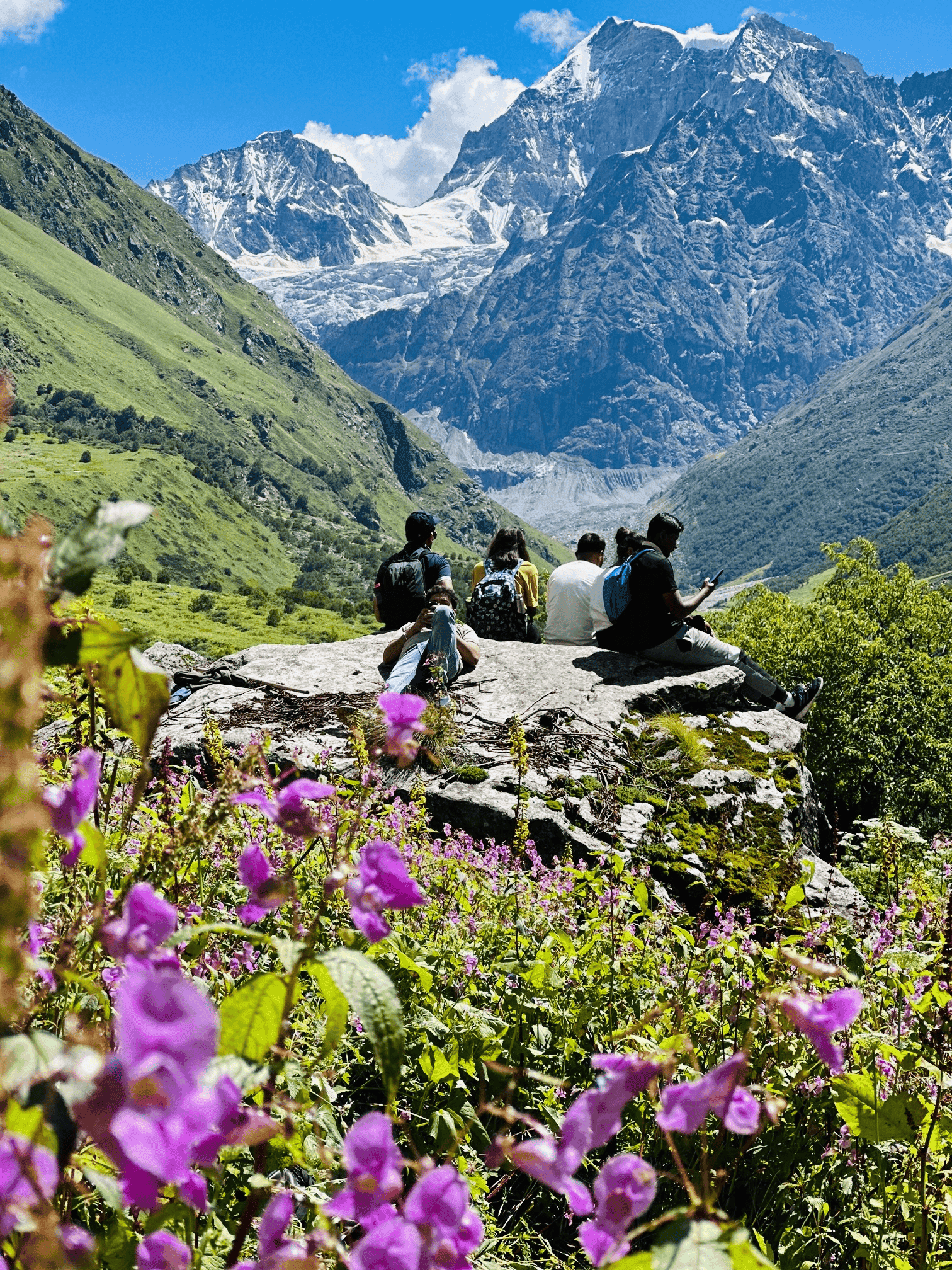
The Valley of Flowers Trek is one of India's most beautiful monsoon treks, taking you through colourful alpine meadows, waterfalls and breathtaking Himalayan scenery. Located in Chamoli district, Uttarakhand, this UNESCO World Heritage Site is open for only a few months each year, making it one of the country's most seasonal trekking experiences.
Whether you're planning the trek for its famous wildflower bloom, combining it with Hemkund Sahib, or looking for a beginner-friendly Himalayan adventure, this guide covers everything you need to know, including the best time to visit, itinerary, difficulty, permits, costs and essential travel tips.
If you're planning a longer trip, our Uttarakhand Travel Guide can help you explore more destinations across the state.
Valley of Flowers Trek at a Glance
Category | Details |
| Location | Chamoli District, Uttarakhand |
| National Park | Valley of Flowers National Park |
| UNESCO Status | UNESCO World Heritage Site |
| Maximum Altitude | Approximately 3,658 metres (12,000 ft) |
| Trek Distance | Around 38–40 km (round trip) |
| Duration | 5–6 Days |
| Difficulty | Easy to Moderate |
| Best Time to Visit | July to September |
| Base Village | Ghangaria |
| Nearest Railway Station | Haridwar / Rishikesh |
| Nearest Airport | Jolly Grant Airport, Dehradun |
If you're still deciding which Himalayan trek is right for you, our Best Treks in Uttarakhand guide compares the Valley of Flowers with other popular treks across the state, helping you choose one that matches your experience level and travel style.
Why Visit the Valley of Flowers?
The Valley of Flowers offers a completely different experience from most Himalayan treks. Instead of climbing a summit, you'll walk through a protected national park known for its seasonal blooms, alpine landscapes, and peaceful mountain scenery.
The trek is especially popular because it offers:
- A UNESCO World Heritage Site experience.
- Hundreds of species of Himalayan wildflowers.
- A beginner-friendly trekking route.
- The opportunity to combine the trek with Hemkund Sahib.
- One of India's most scenic monsoon trekking experiences.
What Makes the Valley of Flowers Trek Special?
Every visit to the Valley of Flowers is slightly different because the landscape changes throughout the blooming season.
Highlight | Why It's Special |
| Seasonal Flower Bloom | Different flower species bloom from July to September, creating a new landscape every few weeks. |
| UNESCO World Heritage Site | Protected for its exceptional Himalayan biodiversity and alpine ecosystem. |
| Hemkund Sahib | Most travellers combine the trek with this famous high-altitude Sikh pilgrimage site. |
| Beginner-Friendly Trail | Well-marked trekking route with no technical climbing required. |
Best Time to Visit the Valley of Flowers Trek
The Valley of Flowers National Park is usually open from June to early October, with the best trekking season falling between July and September. Since the valley changes throughout the monsoon, the ideal time to visit depends on what you want to experience.
If your priority is seeing the valley at its most colourful, late July and August generally offer the richest flower bloom. Travellers who prefer clearer mountain views and fewer crowds often choose September.
Valley of Flowers Season Guide
Month | Weather | Flower Bloom | Trail Conditions | Best For |
| June | Pleasant | Early blooms begin | Mostly dry with occasional rain | Early season trekking |
| July | Cool & Rainy | Peak flowering begins | Wet and lush | Maximum colour and greenery |
| August | Cool & Rainy | Peak bloom with the highest floral diversity | Muddy but spectacular | Photography and nature lovers |
| September | Pleasant | Flowers gradually fade | Less rain with clearer mountain views | Peaceful trekking and better visibility |
| October | Cold | National park usually closes for the season | Trekking season ends | Not recommended |
Good to Know: Flower bloom varies slightly every year depending on snowfall and monsoon rainfall. Visiting during the peak season increases your chances of seeing the valley at its most colourful, but nature never follows an exact calendar.
How Difficult Is the Valley of Flowers Trek?
The Valley of Flowers Trek is graded as easy to moderate, making it one of the best Himalayan treks for beginners. The trail is well-marked and doesn't involve technical climbing, but you'll be walking several kilometres each day on gradual uphill paths that can become slippery during the monsoon.
If you also plan to visit Hemkund Sahib, expect a more challenging day. Although the route is shorter, the continuous climb to an altitude of around 4,300 metres makes it considerably more demanding than the Valley of Flowers trek itself.
Before your trip, it's helpful if you can:
- Walk 6–8 km comfortably.
- Climb stairs without difficulty.
- Complete 30–45 minutes of continuous walking or cardio exercise.
Since the trek reaches a high altitude, stay well hydrated, walk at a steady pace and avoid rushing on steep sections.
Should You Visit Hemkund Sahib Too?
For most travellers, the answer is yes.
Both the Valley of Flowers and Hemkund Sahib are accessed from Ghangaria, making it easy to combine the two in the same itinerary. While the Valley of Flowers is known for its colourful alpine meadows, Hemkund Sahib offers a completely different experience with its sacred glacial lake, dramatic mountain setting and spiritual significance.
If your fitness allows and you have an extra day available, visiting both destinations provides a more complete Himalayan experience.
Valley of Flowers Trek Itinerary
Most Valley of Flowers Trek itineraries take 5 to 6 days, allowing enough time to explore both the Valley of Flowers National Park and Hemkund Sahib at a comfortable pace.
Day 1: Rishikesh to Govindghat
Distance: Approximately 270 km | Travel Time: 9–10 hours
Drive through the Alaknanda Valley to Govindghat, the starting point of the trek. Most travellers stay here overnight before beginning the trek the next morning.
Day 2: Govindghat to Ghangaria
Distance: 10–13 km | Duration: 5–7 hours
The trek begins from Pulna Village, following the Lakshman Ganga River through forests and mountain trails before reaching Ghangaria, the base village for both the Valley of Flowers and Hemkund Sahib.
Day 3: Explore the Valley of Flowers
Distance: 10–12 km (round trip) | Duration: 5–6 hours
Spend the day exploring the Valley of Flowers National Park, walking through colourful alpine meadows, glacial streams and one of the Himalayas' richest floral landscapes before returning to Ghangaria.
Day 4: Hemkund Sahib (Optional)
Distance: 12 km (round trip) | Duration: 6–8 hours
If your fitness allows, trek to Hemkund Sahib, one of the world's highest Sikh pilgrimage sites. The steep climb is rewarded with spectacular mountain views and a serene glacial lake before returning to Ghangaria.
Travellers who prefer a relaxed pace can spend another day around Ghangaria instead.
Day 5: Ghangaria to Govindghat and Return
Distance: 10–13 km | Duration: 4–5 hours
Descend to Govindghat before continuing your onward journey towards Rishikesh or your next destination in Uttarakhand.
How to Reach the Valley of Flowers
The trek begins from Govindghat, which is well connected by road to major towns in Uttarakhand.
Starting Point | Recommended Route |
| Delhi | Train, bus or flight to Haridwar, Rishikesh or Dehradun, followed by a road journey to Govindghat. |
| Haridwar / Rishikesh | Drive to Govindghat (approximately 9–10 hours), then trek to Ghangaria. |
| Dehradun Airport | Road transfer to Govindghat via Rishikesh. |
Since the drive is long, most travellers begin early in the morning or stay overnight in Govindghat before starting the trek.
Facilities Available at Ghangaria
Ghangaria is the only accommodation base for visitors to both the Valley of Flowers and Hemkund Sahib.
You'll generally find:
- Hotels, guesthouses and lodges
- Small cafés and local restaurants
- Basic grocery stores
- Limited medical facilities
- Pony and porter services
- Limited mobile connectivity
Since there are no hotels or campsites inside the national park, all trekkers must return to Ghangaria before evening.
Valley of Flowers Trek Cost
The overall cost depends on whether you travel independently or join an organised trek.
Travel Style | Approximate Cost |
| Independent Trip | ₹8,000–₹12,000 |
| Guided Group Trek | ₹12,000–₹20,000 |
Your total budget may vary depending on accommodation, transport, meals and whether you also visit Hemkund Sahib.
Can You Visit the Valley of Flowers Without a Guide?
Yes. Unlike many high-altitude Himalayan treks, the Valley of Flowers Trek can be completed independently. The trail is well-marked, and many travellers plan the trip on their own by arranging transport, accommodation and permits separately.
However, first-time visitors often prefer organised trekking packages because they simplify logistics, especially during the monsoon season when weather conditions can affect travel plans.
Valley of Flowers Entry Rules
The Valley of Flowers is a protected national park, and every visitor must obtain an entry permit before entering.
While planning your visit, remember:
- Entry is permitted only during the official opening season.
- Camping and overnight stays inside the national park are not allowed.
- Picking flowers or disturbing wildlife is strictly prohibited.
- Carry your waste back with you and stay on the designated trekking trail.
These guidelines help preserve one of the Himalayas' most fragile alpine ecosystems.
What to Pack for the Valley of Flowers Trek
Packing appropriately is essential, as weather in the Himalayas can change quickly during the monsoon season.
Category | Essentials |
| Clothing | Quick-dry clothes, fleece jacket, waterproof jacket or poncho, warm layer for evenings, extra socks. |
| Footwear | Waterproof trekking shoes with good grip and comfortable camp footwear. |
| Trekking Gear | 30–40 litre backpack, rain cover, trekking pole (optional), reusable water bottles (minimum 2 litres). |
| Personal Essentials | Sunglasses, sunscreen, lip balm, headlamp, personal medicines, power bank and basic toiletries. |
Tip: Avoid carrying unnecessary luggage. A lighter backpack makes the trek much more comfortable, especially on the climb to Ghangaria and Hemkund Sahib.
Ready to Experience the Valley of Flowers?
Planning transport, accommodation, permits and the trekking itinerary can feel overwhelming, especially during the short blooming season.
If you'd rather enjoy the experience without worrying about the logistics, explore our Valley of Flowers Trek Package. It includes a well-planned itinerary, experienced trek leaders and carefully arranged stays, allowing you to focus on the journey through one of the Himalayas' most spectacular landscapes.