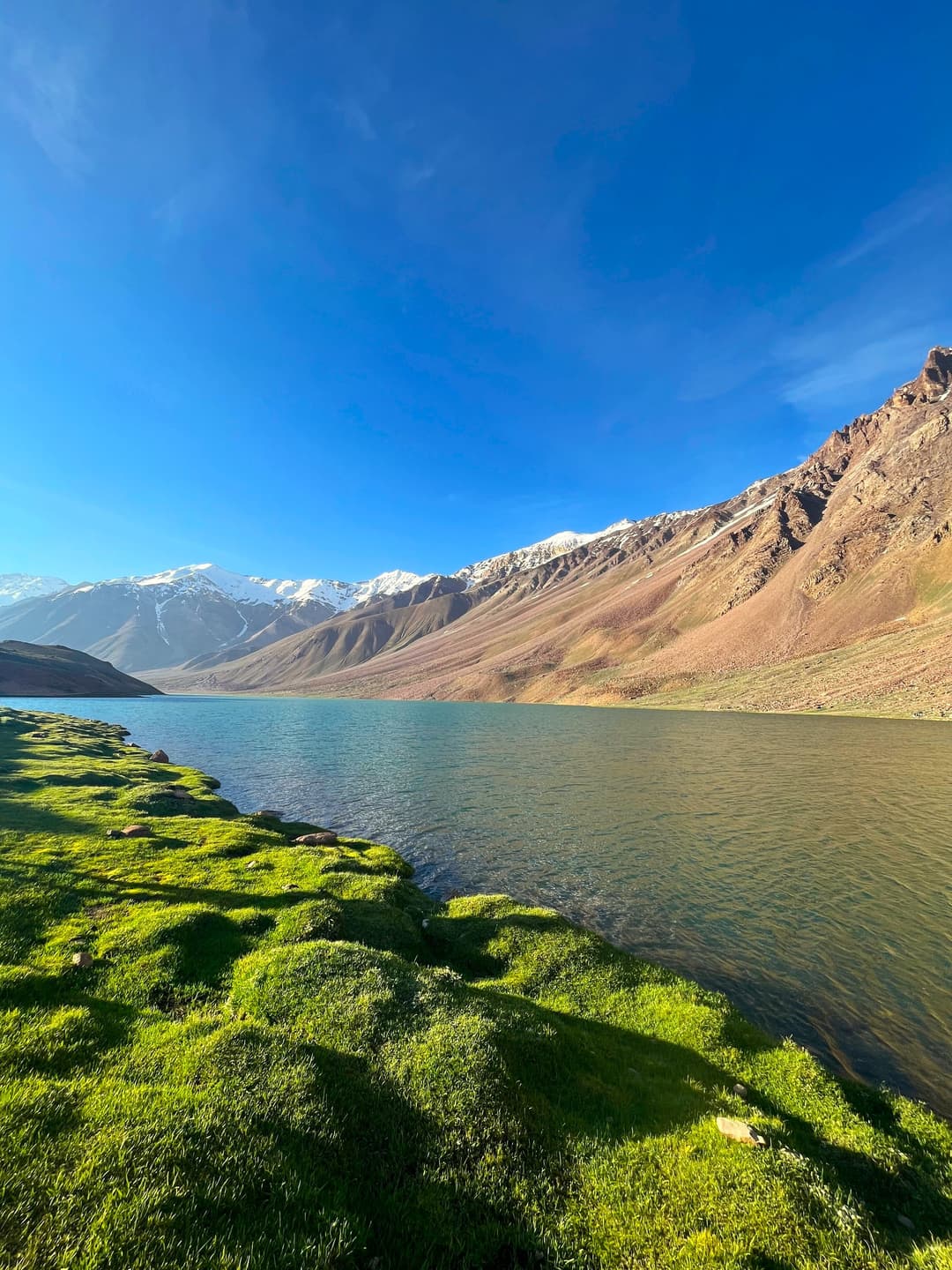
Yulla Kanda is one of the most unique high-altitude treks in Himachal Pradesh.
At first glance, it feels like a quiet, offbeat trek. But as you move higher, the experience shifts. It becomes less about reaching a destination and more about understanding the place itself.
Many travelers come here expecting a scenic hike, but leave remembering something more still and personal. Unlike heavily commercial trekking routes, Yulla Kanda still feels raw, quiet and deeply personal.
Quick Answer (For Fast Planning)
- Location → Kinnaur district
- Start point → Yulla Khas village (via Tapri)
- Difficulty → moderate (steep final stretch)
- Duration → 2 to 3 days
- Best time → May to October
- Highlight → high-altitude lake + temple
Quick Trek Facts (Before You Go)
If you're planning the trek, here are the most important details in one place:
- altitude → ~3,800 to 3,900 meters
- Yulla Kanda trek distance → approx. 12 to 14 km (round trip)
- starting point → Yulla Khas village
- mobile network → limited to no connectivity beyond the village
- guide → recommended for navigation
What Makes Yulla Kanda Different
Yulla Kanda is not a typical trekking destination. Yulla Kanda lies in the quieter side of Kinnaur, a region known for dramatic landscapes and culturally rooted mountain villages.
This is what makes the trek feel very different from more commercial mountain routes. The trail remains simple and mostly untouched.
As you move upward, the surroundings become quieter. The final destination is not just a lake, but a space that feels separate from the usual travel experience.
This is what makes it different from more popular regions like Manali or Kasol.
The Spiritual Side: Temple & Local Belief
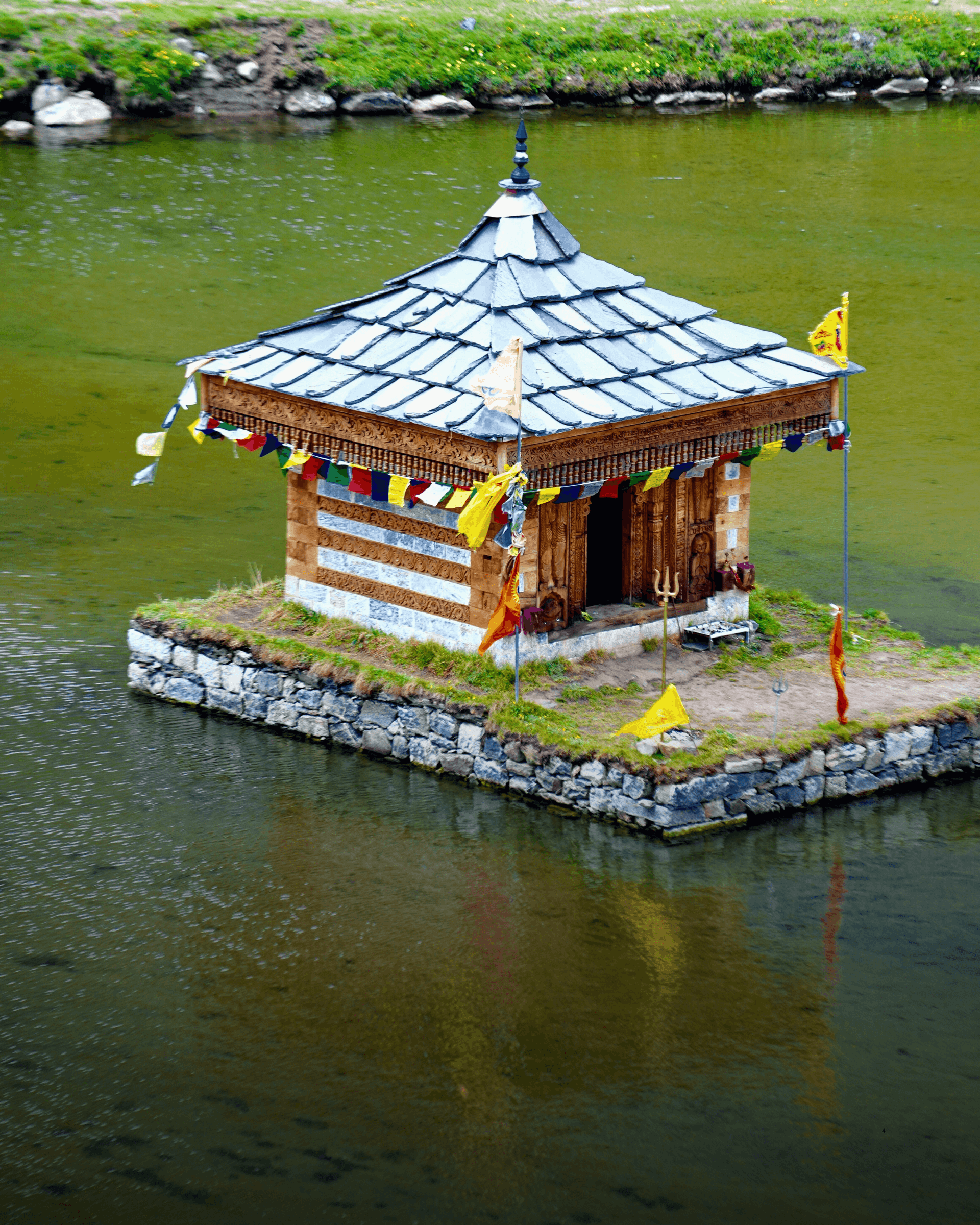
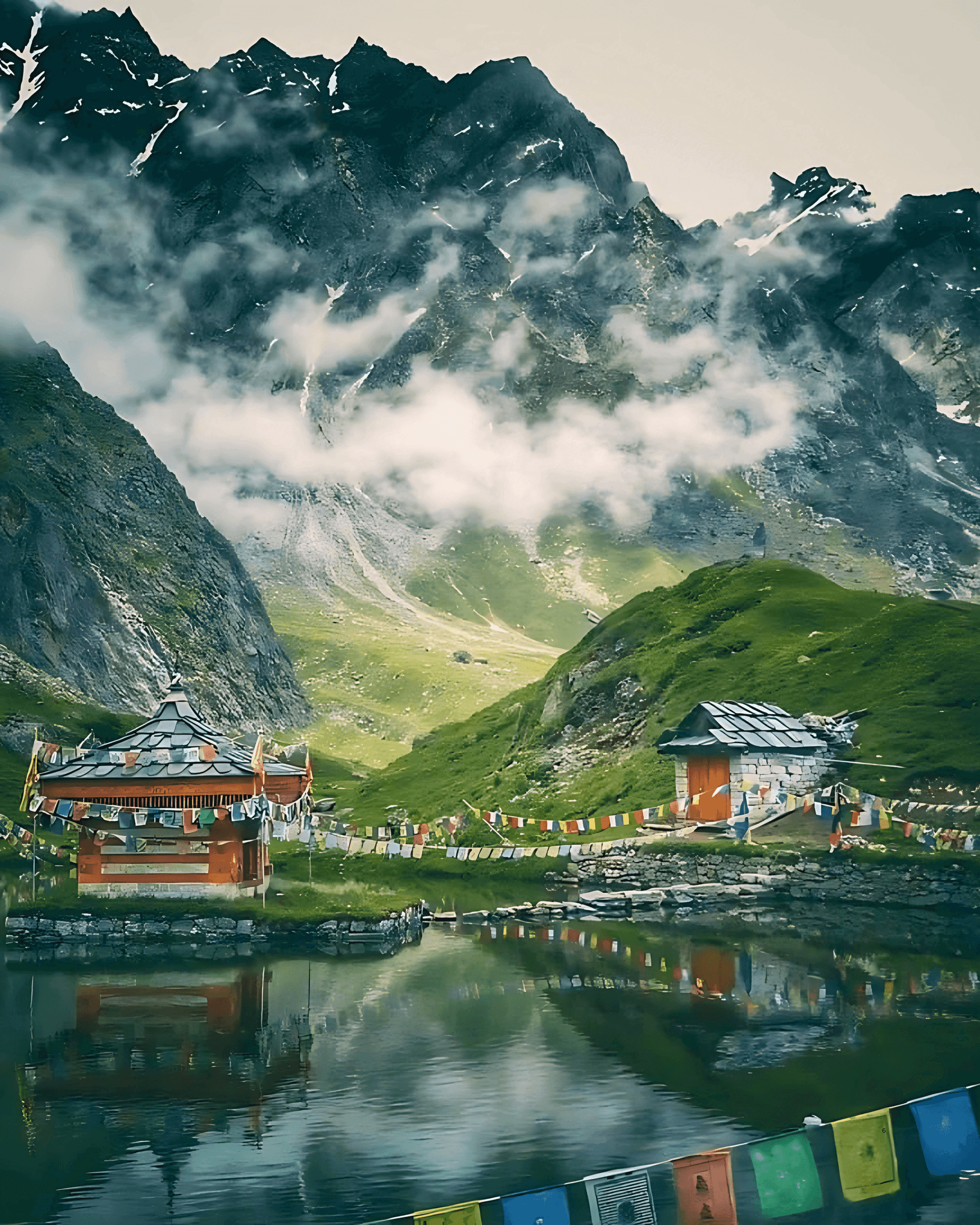
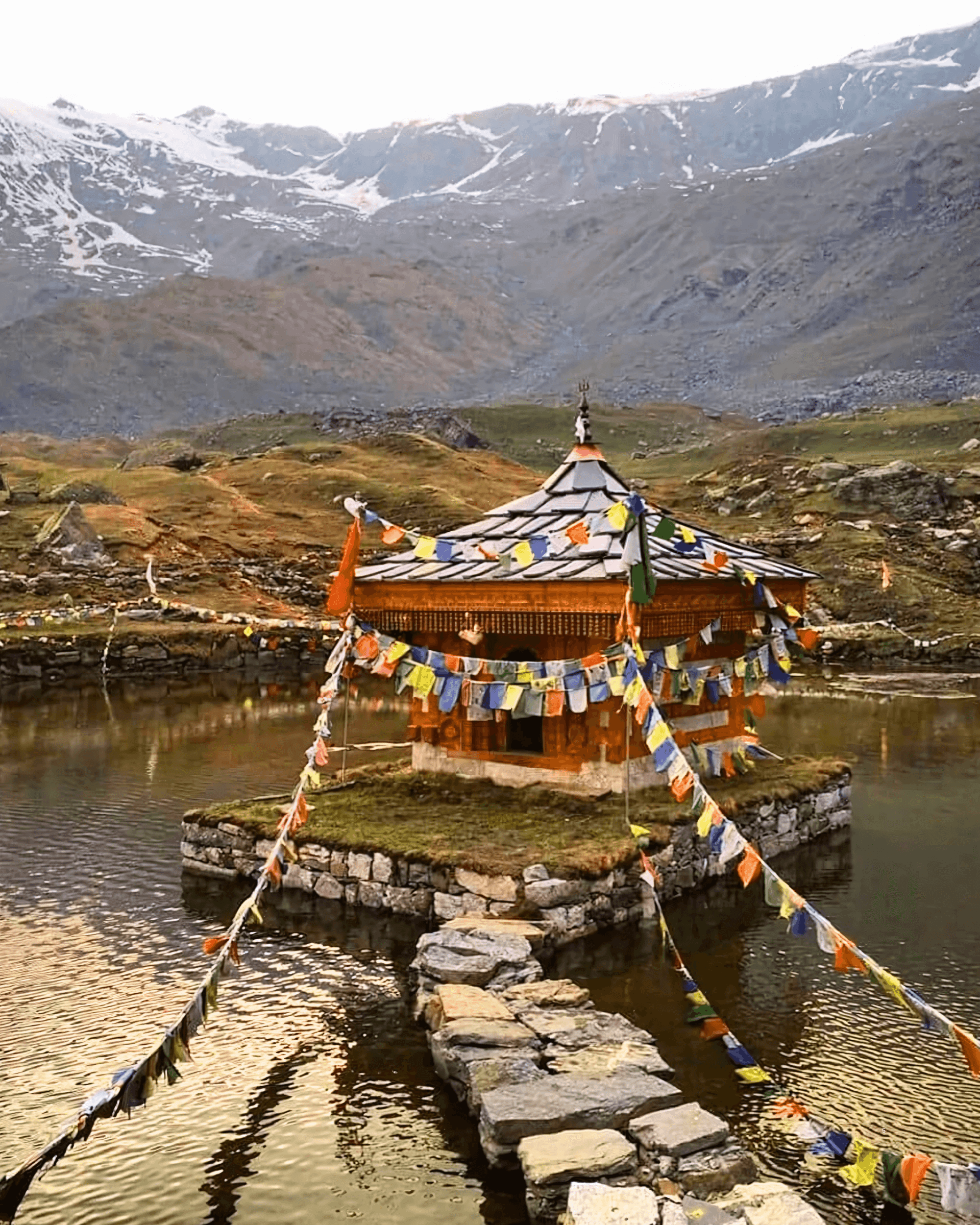
At the top of the trek lies a small temple dedicated to Lord Krishna, located beside the lake.
Locals associate this place with stories from the Mahabharata and many trekkers visit not just for the view, but for the meaning attached to the location.
The temple itself is simple, but the environment around it creates a strong sense of calm and silence.
The Floating Cap Ritual (What Makes This Trek Unique)
One of the most talked-about traditions at Yulla Kanda is the floating cap ritual.
Trekkers place a traditional Kinnauri cap on the lake and observe how it moves across the water.
It is believed that if the cap floats smoothly, it symbolizes a peaceful and positive year ahead.
Whether you follow the belief or not, it adds a cultural and memorable element to the trek.
Yulla Khas to Yulla Kanda: Route, Distance & Trek Details
The most practical route for the Yulla Kanda trek starts from Yulla Khas village, located near Tapri on the Hindustan-Tibet road.
- Reach Tapri via road
- Drive to Yulla Khas village
- begin trek through forest trails and meadows
The Yulla Kanda trek distance is roughly 12 to 14 km (round trip), depending on your campsite and route variation.
The trail gradually ascends, with a steeper final section before reaching the lake.
What the Trek Feels Like
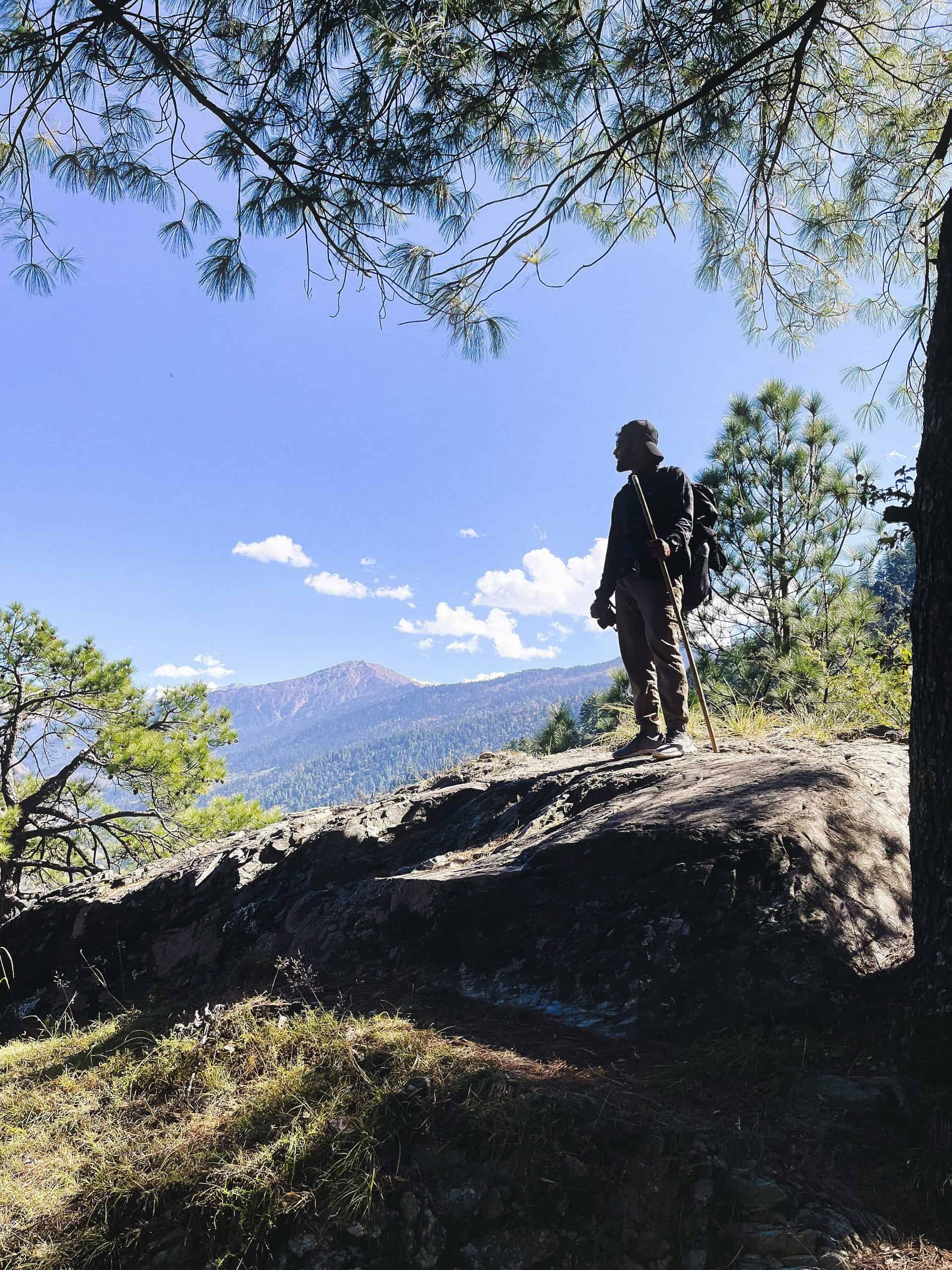
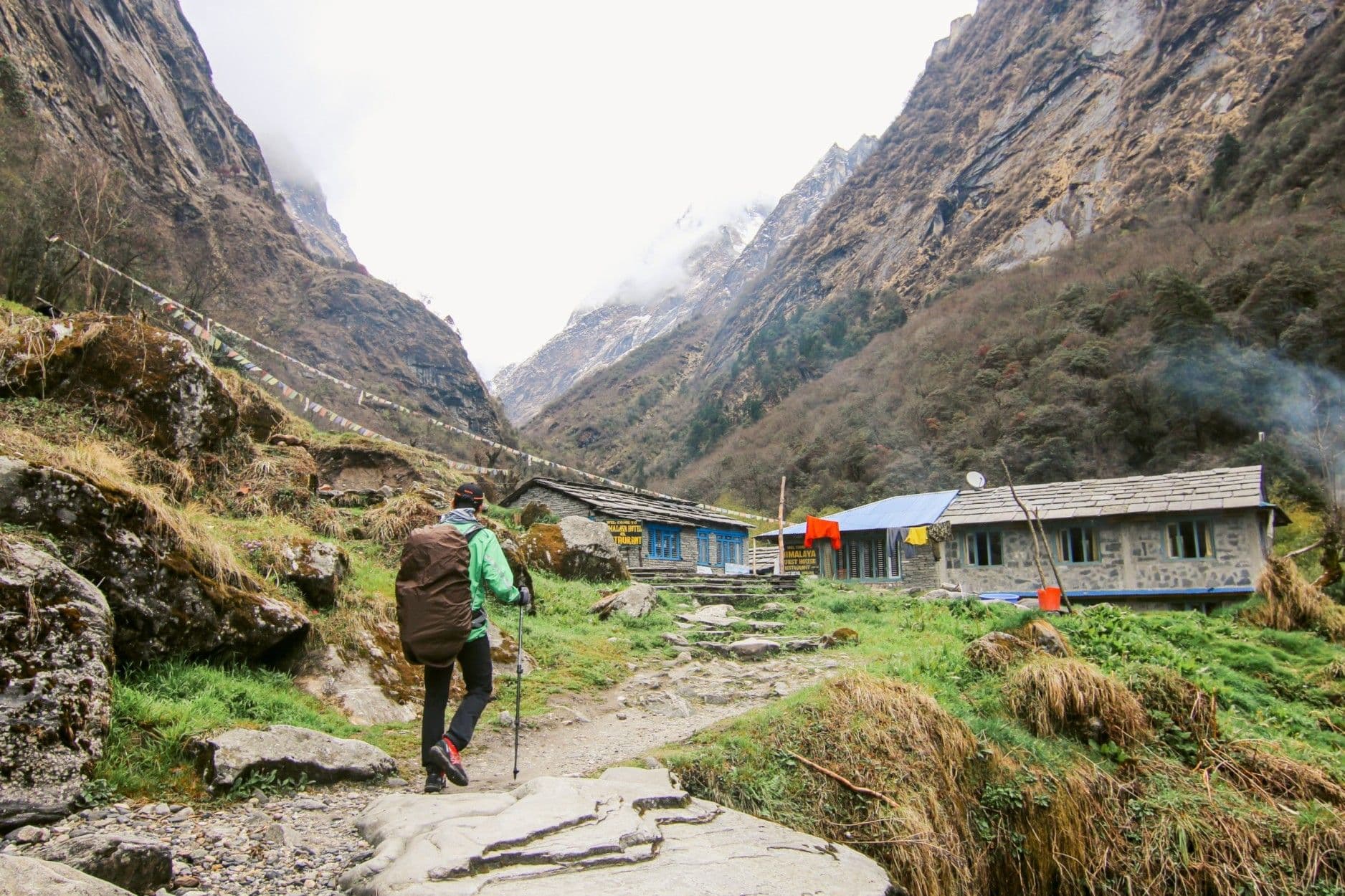
The trek begins with a steady climb through forest patches.
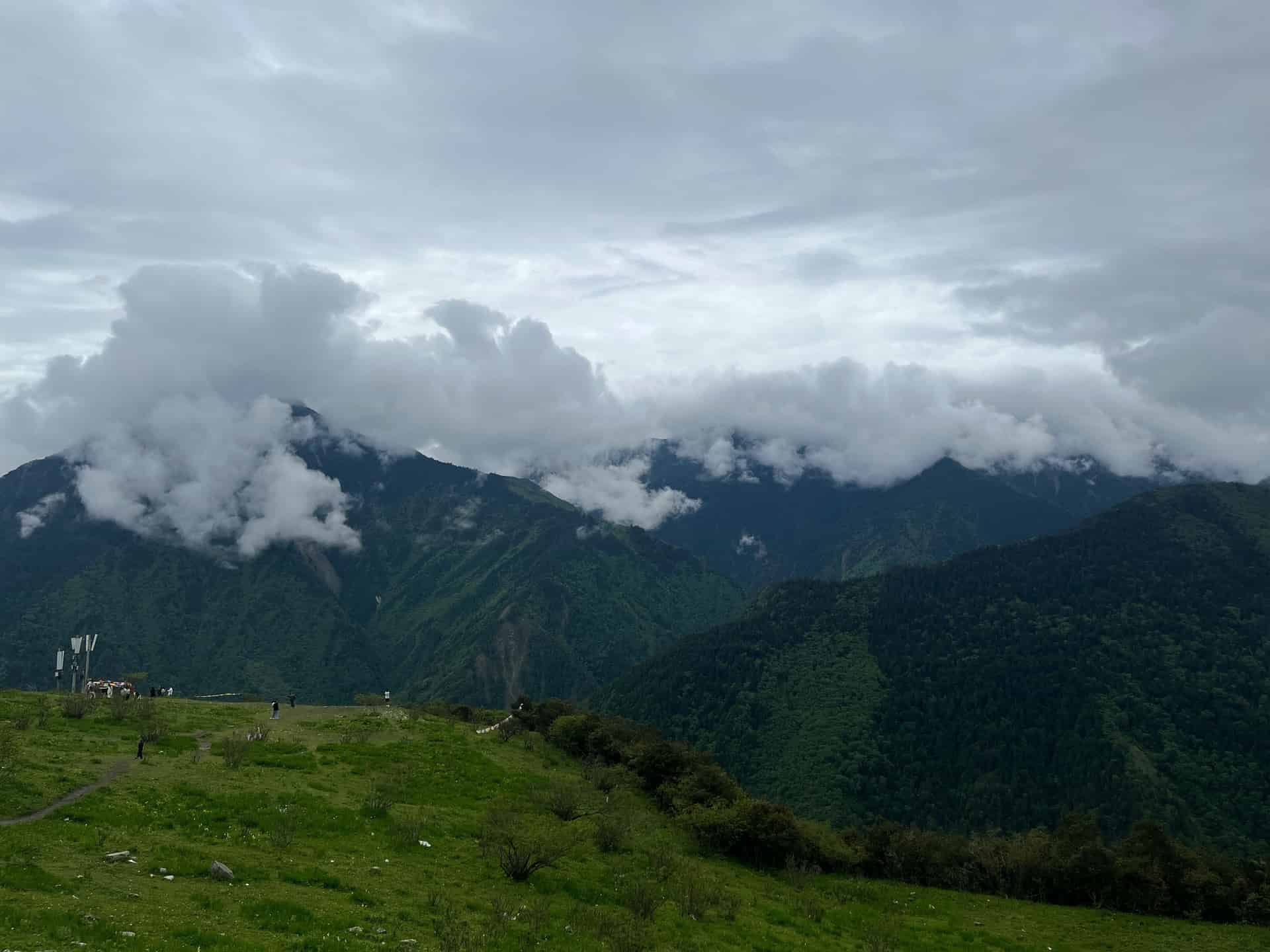
As you gain altitude, the landscape becomes more open and quieter.
The final stretch requires effort, with thinner air and a steeper climb.
But once you reach the lake, the pace changes completely.
The surroundings feel still.
This is where the trek stops feeling like a climb and starts feeling like an experience.
Real Challenges of the Yulla Kanda Trek
Many travelers ask how difficult the Yulla Kanda trek actually is.
It is considered moderate, but there are specific challenges.
High Altitude
The base village itself is already at a high altitude. Sudden ascent can cause discomfort.
Tip: Spend one night in Yulla Khas village to acclimatize.
Steep Final Stretch
The last part of the trek is steep and physically demanding due to thinner air.
Trail Navigation
Some parts of the trail are not clearly marked. Hiring a local guide can make the route easier and safer.
Best Time for Yulla Kanda Trek
May to June
This is one of the most comfortable periods to plan the trek, especially for first-time trekkers. The weather is generally clear and the trail remains accessible without major disruptions. As you approach the lake, you may still find patches of snow, which add a contrasting texture to the otherwise green landscape. The views during this time are open and stable, making it a reliable window for trekking.
July to September
During this phase, the entire region turns lush and green, making the trek visually vibrant. However, this is also the monsoon period, so occasional rain can affect trail conditions. The route may become slippery in certain sections and visibility can fluctuate. If you plan during this time, it is important to be prepared for weather variability rather than expecting consistently clear conditions.
September to October
This is often considered the best overall time for the Yulla Kanda trek. The monsoon has cleared, leaving behind fresh landscapes, and the skies are usually clear with stable weather. The visibility improves significantly, making the lake and surrounding views more defined. The air also feels crisp, which enhances the overall experience without making the trek too harsh.
Quick Insight
If you want stability and ease, May to June works best. If you prefer lush landscapes and don’t mind occasional rain, July to September is suitable. For the most balanced experience with clear views and good conditions, September to October is the ideal choice.
When to Avoid
- heavy snowfall months
- extreme weather conditions
Mountain weather changes quickly at higher altitudes, especially during monsoon and early winter periods.
Food & Stay Reality
This is an offbeat trek, so facilities are basic.
In Yulla Khas Village
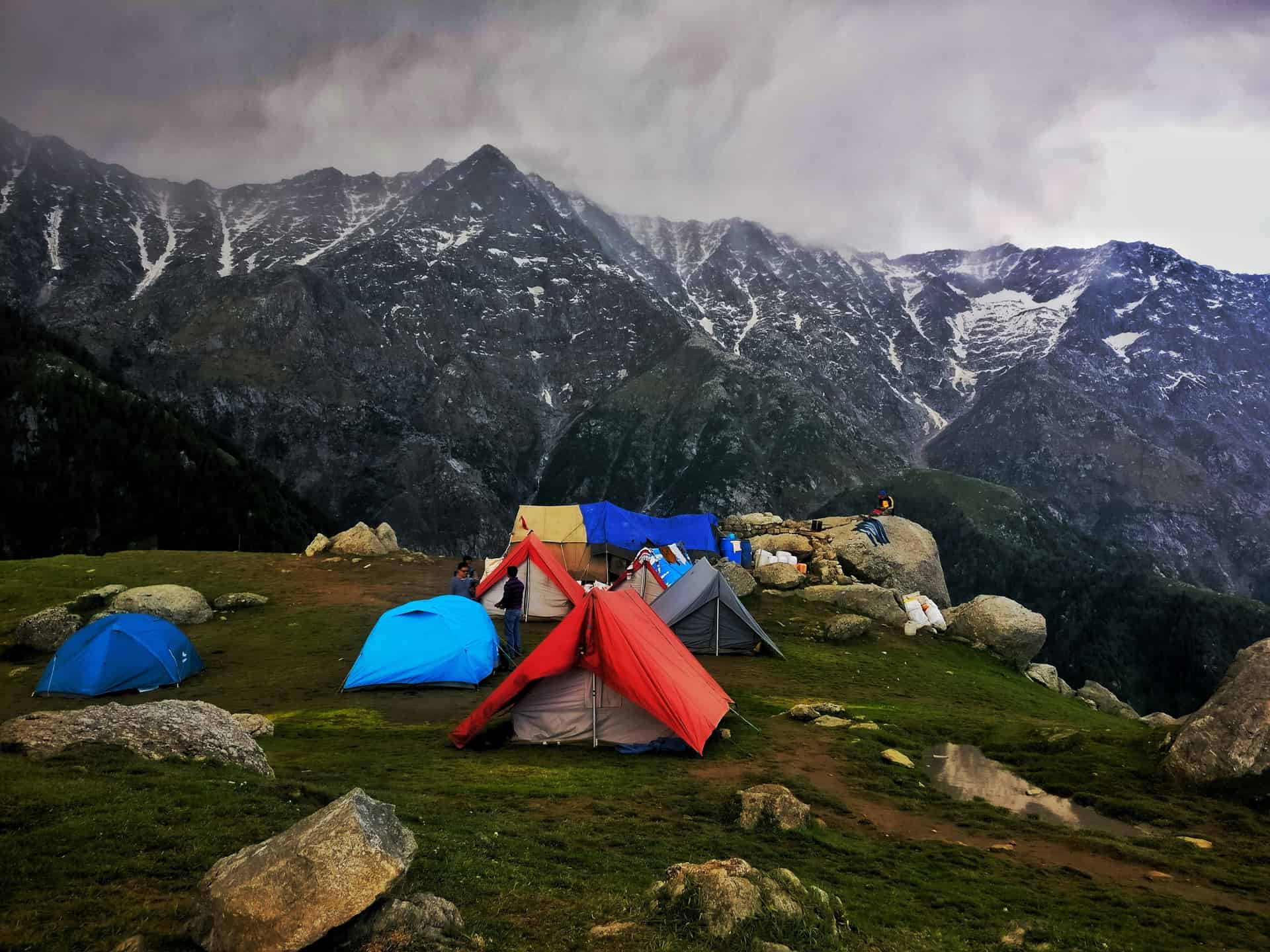
- simple homestays
- home-cooked meals (dal, rice, roti, vegetables)
On the Trail
- no shops or food stalls
- carry packed food (parathas, snacks, simple meals)
Water
You may find natural water sources, but carrying purification options is recommended.
Connectivity & Practical Reality
One of the most common questions is about the mobile network.
- limited network in the village
- no connectivity on the trail
- no charging points
Carry a power bank and plan accordingly.
Things to Carry
- trekking shoes
- warm clothing
- rain protection
- water and snacks
- basic medical kit
- power bank
What Most Travelers Get Wrong
- underestimating altitude
- Rushing the trek
- expecting facilities along the route
- not preparing physically
This trek rewards patience more than speed.
Who Should Do This Trek
- travelers looking for offbeat experiences
- beginners with basic fitness
- people interested in culture and nature
Who Should Skip It
- Travelers expecting luxury trekking
- those not comfortable with altitude
- people looking for crowded trails
Is It Worth It?
For many travelers, this becomes more than just a trek.
Not because it is popular, but because it feels different.
If you are exploring Himachal beyond typical destinations, you can also consider places like Tirthan Valley for a quieter experience or Manali for a more active trip.
Planning Tip
Spend one night at the base village before starting the trek.
If you are exploring beyond mainstream mountain destinations, this Himachal Pradesh travel guide can help you discover quieter regions.
Remote trekking regions often involve additional transport and preparation costs compared to commercial tourist hubs.
Final Verdict
Yulla Kanda is not just a trek; it is a combination of landscape, silence and belief, where the experience is shaped more by how the journey unfolds than by how much you cover. If you are looking for something more meaningful, this trek offers a different kind of connection with the mountains, one that feels quieter, more personal and lasting.
If you prefer a more structured experience without handling logistics yourself, you can check out our curated Yulla Kanda trek plan for a smooth, well-paced journey.