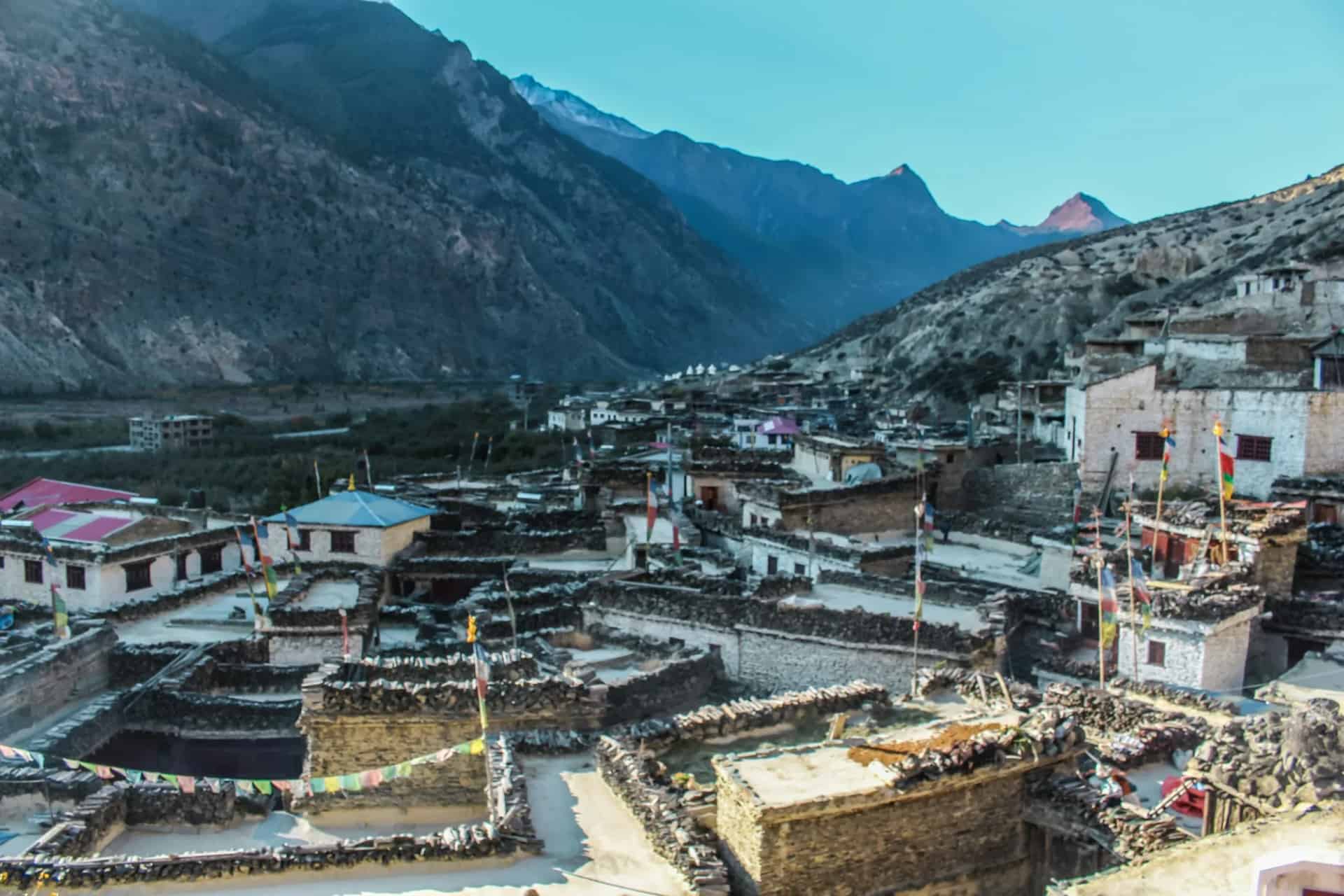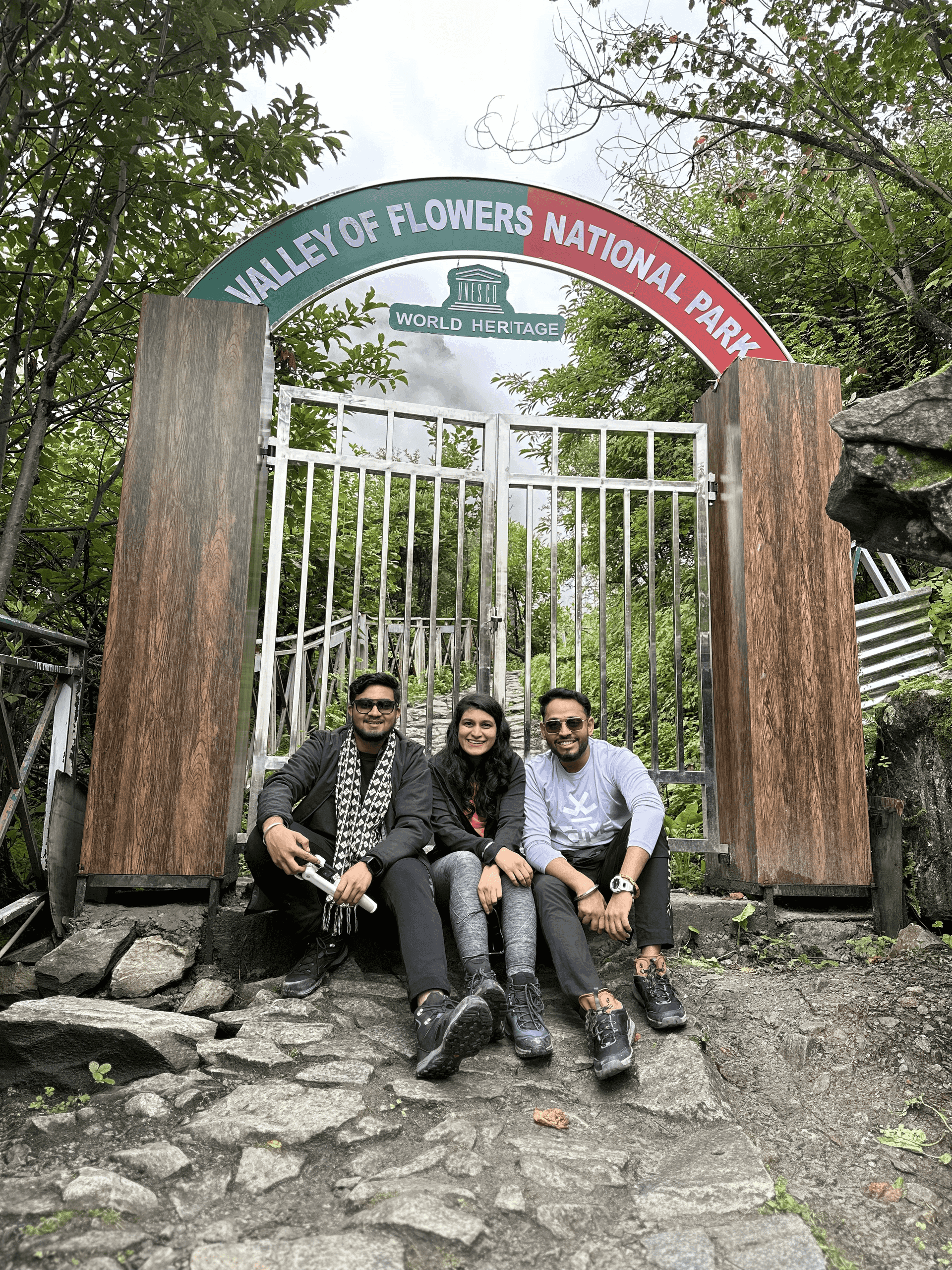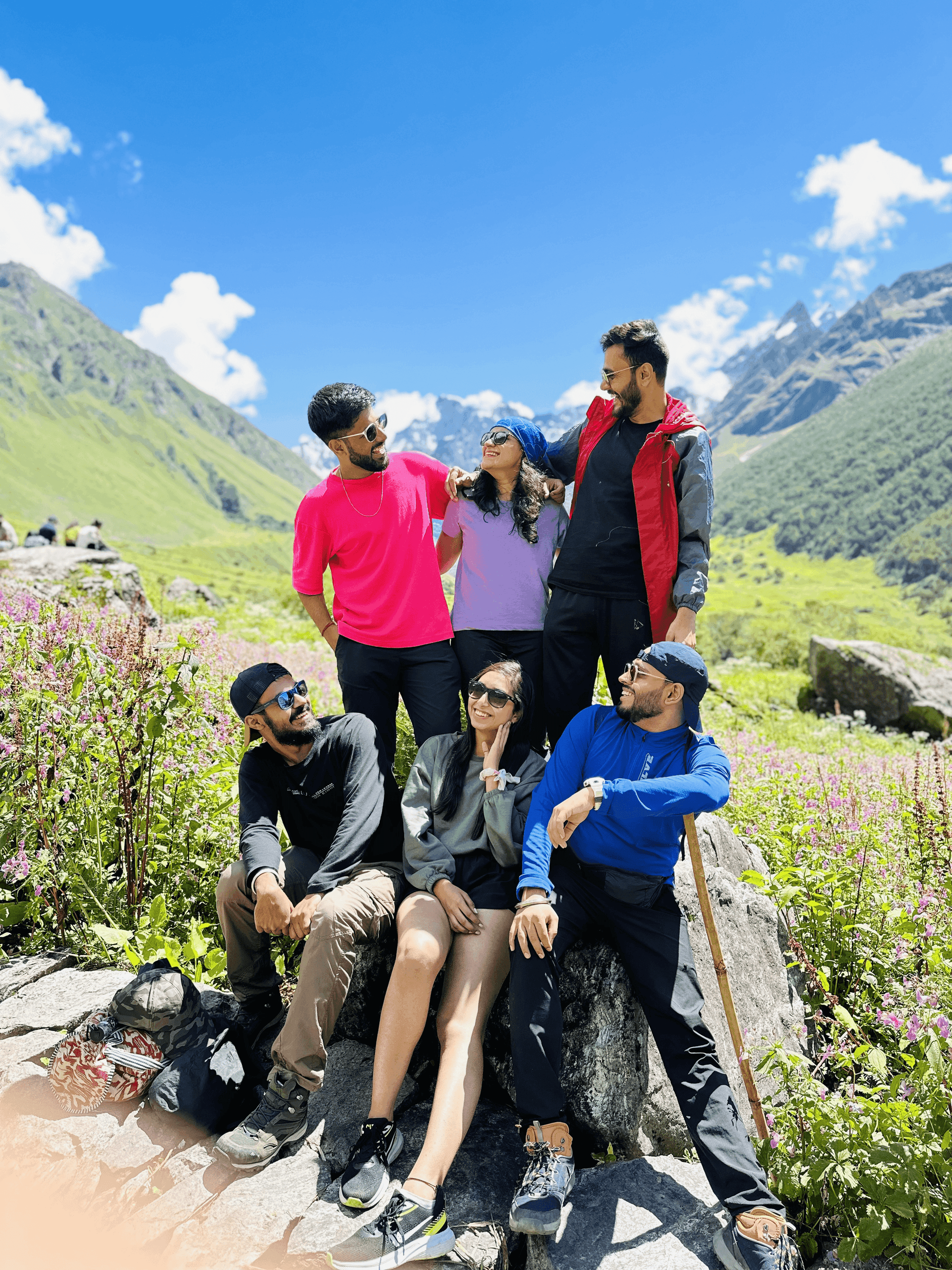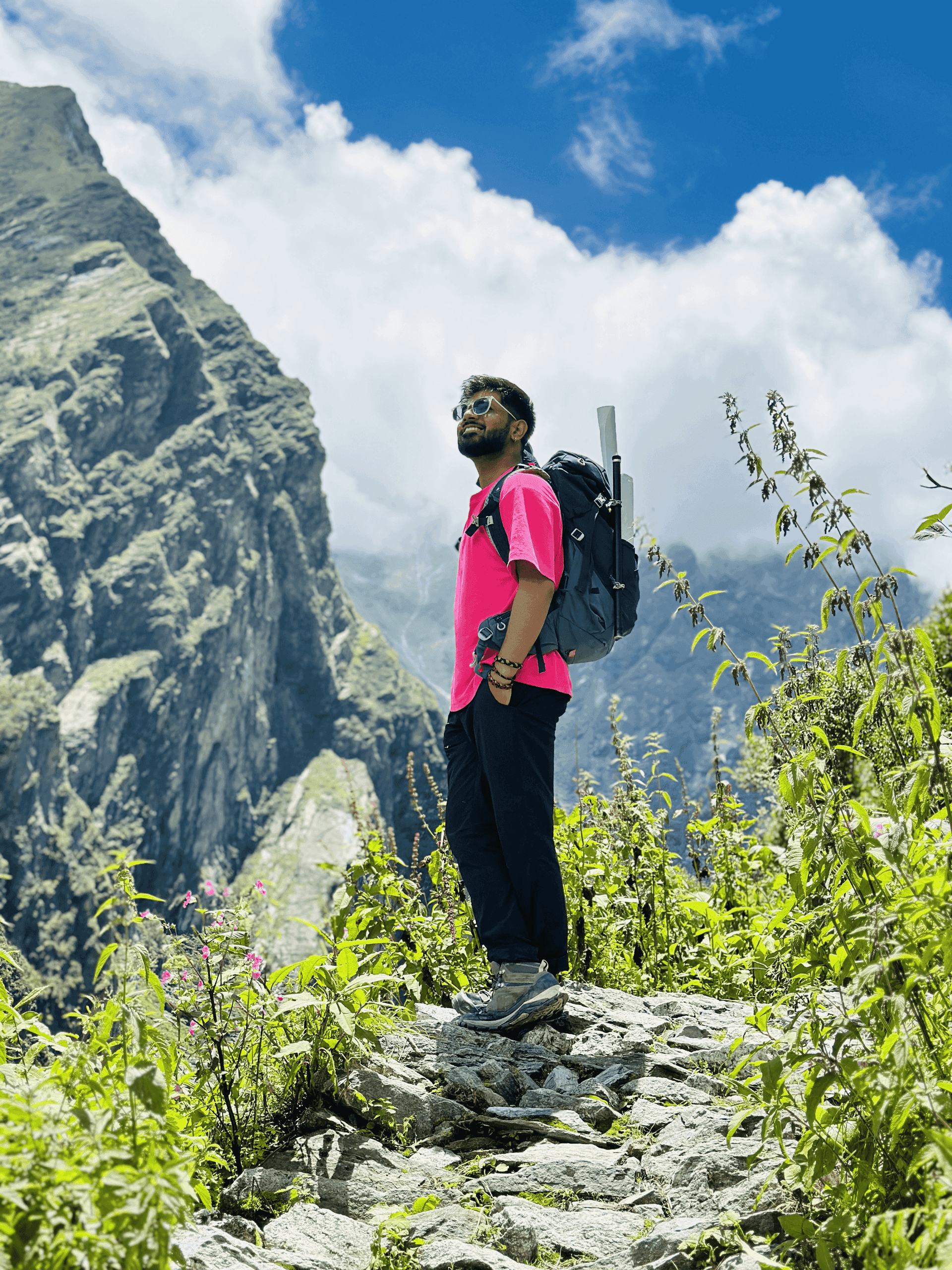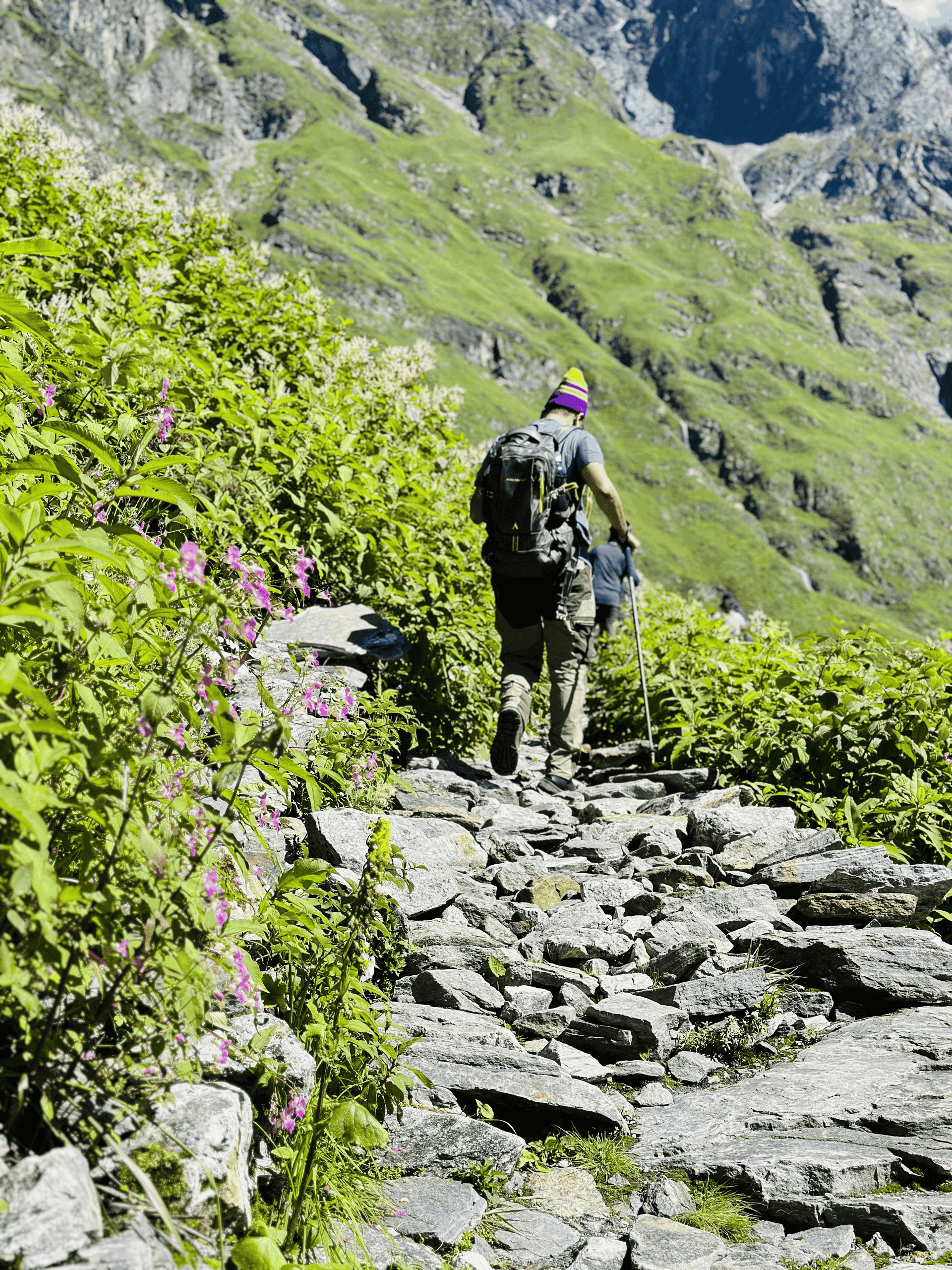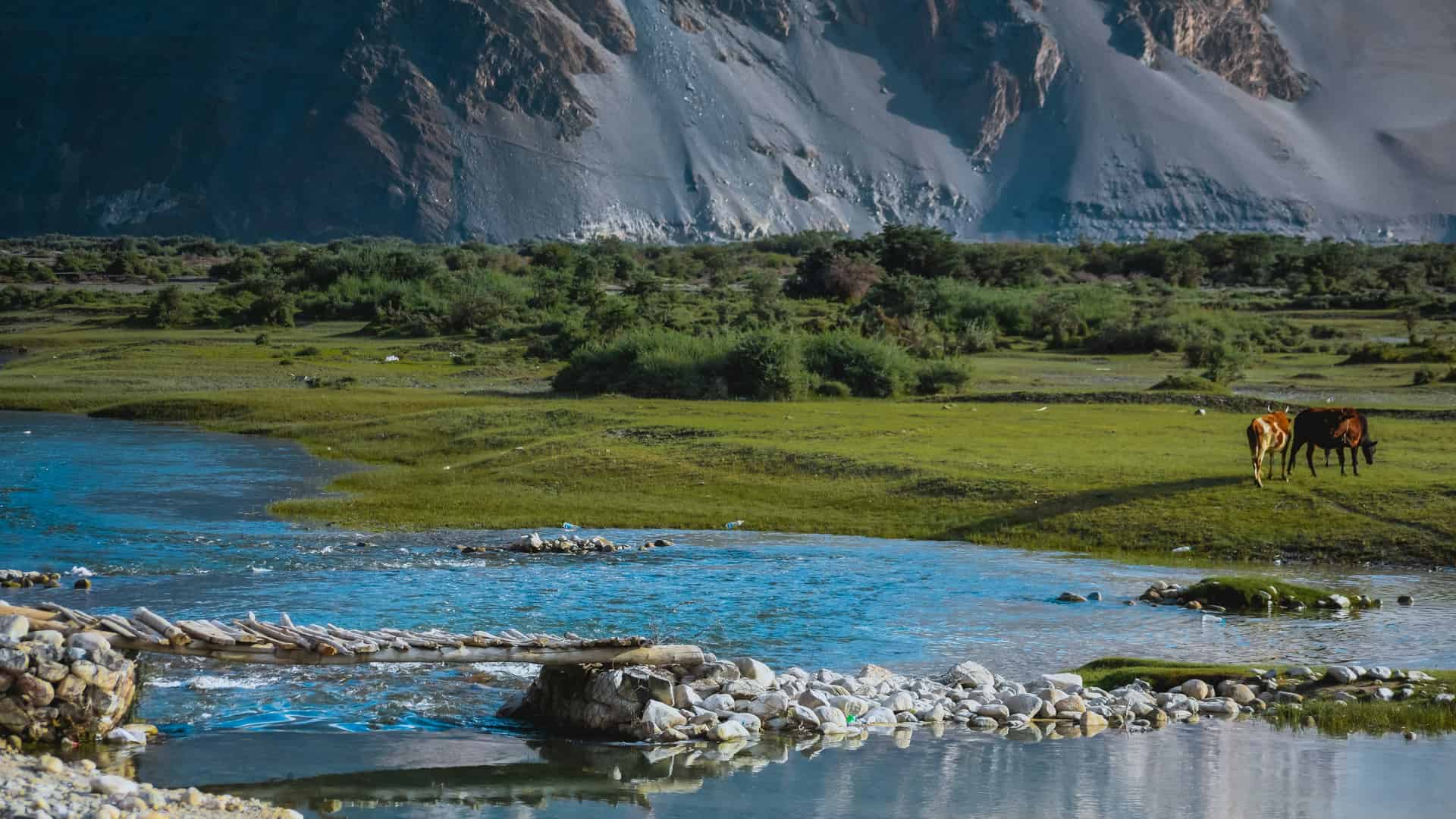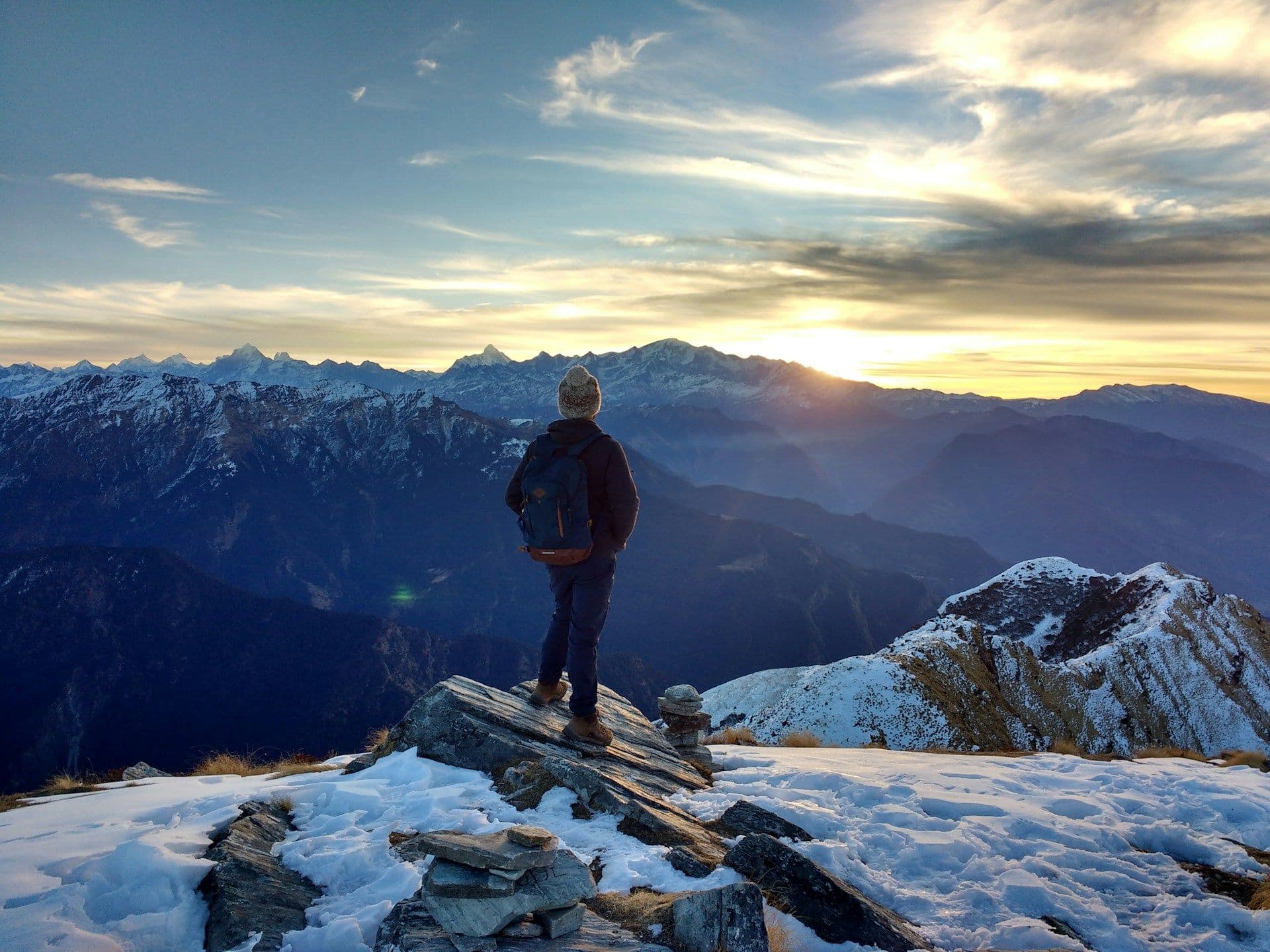
Himachal Pradesh offers trekking experiences for almost every type of traveler, from short forest hikes and alpine lake trails to demanding high-altitude crossings.
The challenge is not finding a trek. It is choosing the right one for your fitness, experience, available time and preferred type of mountain experience.
This guide brings together some of the best treks in Himachal Pradesh and helps you compare them by difficulty, trekking style, season and overall experience. For detailed route, itinerary, cost and preparation information, you can move to the dedicated guide for the trek you choose.
Why Is Himachal Pradesh Good for Trekking?
Himachal stands out because its trekking routes offer very different landscapes within the same state.
Depending on the trek, you can experience:
- Forest trails
- Alpine meadows
- Mountain lakes
- Snow-covered routes
- High-altitude passes
- Remote valleys
- Village landscapes
It also offers options for different experience levels, from short beginner-friendly hikes to challenging multi-day expeditions.
The best trek for you ultimately depends on how much time you have, how difficult a route you can comfortably handle and what you want to see along the way.
Best Beginner-Friendly Treks in Himachal Pradesh
If you are new to Himalayan trekking, start with routes that match your fitness and experience rather than choosing a trek simply because it is popular.
Triund Trek
Triund is one of the most accessible trekking options near Dharamshala and a popular choice for first-time trekkers. It is best suited to travelers looking for a relatively short trek with impressive Dhauladhar views.
It works particularly well if you have limited time and want an introduction to Himalayan trekking without committing to a longer expedition.
Serolsar Lake Trek
Serolsar Lake offers a quieter forest trekking experience around Jalori Pass. It is a good option if you want a shorter trail with forests, mountain scenery and a peaceful lake destination.
The trek also fits well into a wider trip around Shoja and Jibhi, making it useful for travelers who want trekking without building their entire Himachal trip around one route.
For the surrounding region, see the Jalori Pass Travel Guide, Shoja Travel Guide and Jibhi Travel Guide.
Prashar Lake Trek
Prashar Lake is a popular short trek for travelers who want a mountain-lake experience without committing to a longer Himalayan expedition.
It works particularly well for short Himachal getaways and travelers looking for a relatively straightforward introduction to trekking.
Read the Prashar Lake Trek Guide
Kareri Lake Trek
Kareri Lake is a moderate option for travelers who want something more demanding than a short beginner hike. The route combines forest sections, varied mountain terrain and an alpine lake experience near Dharamshala.
It is better suited to travelers with some basic trekking fitness who want to move beyond the easiest trails without immediately taking on a demanding high-altitude pass.
Read the Kareri Lake Trek Guide
Best Short Treks in Himachal Pradesh
If you have only a few days, shorter treks can give you a mountain experience without requiring a long multi-day itinerary.
Some good options include:
- Triund
- Prashar Lake
- Serolsar Lake
- Bijli Mahadev
These work particularly well for travelers combining trekking with a broader Himachal trip. Your starting point and available time still matter, so check the actual road journey before treating a trek as a simple weekend plan.
Bijli Mahadev Trek
Bijli Mahadev is a short mountain hike near Kullu, known for its temple, ridge-top setting and wide views across the surrounding valleys.
It is a good option if you want to add a relatively short trek to a Kullu or Manali itinerary without committing several days to a dedicated trekking expedition.
For travelers exploring the surrounding region, the Manali Travel Guide can help with broader trip planning.
Best High-Altitude Treks in Himachal Pradesh
For more experienced trekkers, Himachal offers routes that go beyond short hikes and introduce higher elevations, longer trekking days and more demanding terrain.
These treks generally require better preparation and should be chosen based on fitness, experience, season and acclimatization.
Hampta Pass Trek
Hampta Pass is one of Himachal's best-known crossover treks, connecting the greener landscapes of Kullu Valley with the more rugged terrain toward the Spiti side.
It is a strong choice for trekkers who want their first major pass-crossing experience without immediately moving into the most demanding Himalayan expeditions.
Read the Hampta Pass Trek Guide
Bhrigu Lake Trek
Bhrigu Lake is a high-altitude trek near Manali known for its alpine meadows, mountain views and lake experience.
It suits trekkers looking for a relatively compact high-altitude route, but the elevation gain means it should not be treated like an ordinary day hike.
Read the Bhrigu Lake Trek Guide
Deo Tibba Trek
Deo Tibba is a more demanding option for trekkers who want high-altitude camping, alpine landscapes and a longer Himalayan trekking experience.
Its route and terrain make it better suited to travelers with good fitness and some previous trekking experience.
Pin Parvati Pass Trek
Pin Parvati Pass is one of the most challenging trekking routes in Himachal Pradesh, combining high altitude, remote terrain and a demanding crossover between Parvati Valley and Spiti.
It is intended for experienced trekkers who are comfortable with prolonged mountain travel and challenging conditions.
Read the Pin Parvati Pass Trek Guide
Best Hidden and Offbeat Treks in Himachal Pradesh
If you want quieter trails and less-commercial trekking experiences, Himachal has several options beyond its most popular routes.
These treks are better suited to travelers who value remote landscapes, fewer crowds and a stronger sense of local culture.
Yulla Kanda Trek
Yulla Kanda is an offbeat high-altitude trek in Kinnaur, known for its mountain lake, remote setting and religious significance.
It is a good choice for travelers who want a less conventional trekking experience and are comfortable with more remote mountain travel.
Visitors should also respect local customs and religious practices around the lake and temple.
For detailed planning, see the Yulla Kanda Trek Guide.
You can also explore the Yulla Kanda Trip and Kinnaur Travel Guide for planning the wider region.
GHNP and Sainj Valley Trails
The Great Himalayan National Park and Sainj Valley offer a different kind of trekking experience, with forest trails, traditional mountain villages and protected natural landscapes.
These routes are worth considering if you prefer forest trekking and quieter trails rather than high-altitude pass crossings.
For broader planning, explore the Sainj Valley Travel Guide, Shangarh Travel Guide and Tirthan Valley Travel Guide.
Best Time for Trekking in Himachal Pradesh
The best trekking season depends on the route, altitude and weather conditions.
Season | Best For | What to Expect |
| March to June | Lower-altitude and selected high-altitude treks | Pleasant conditions and improving trail access |
| July to August | Forest and monsoon landscapes | Greener trails but more rain and slippery terrain |
| September to October | High-altitude trekking | Clearer weather and better mountain visibility |
| November to February | Selected winter treks | Cold conditions and snow on suitable routes |
Higher-altitude routes may become inaccessible during heavy snowfall, while monsoon conditions can affect lower trails and access roads.
How Difficult Are Treks in Himachal Pradesh?
Trek difficulty depends on more than distance.
Altitude, elevation gain, terrain, weather and daily walking hours can all change how demanding a route feels.
A useful way to choose is:
- Beginner: Shorter routes with manageable terrain
- Moderate: Longer days, greater elevation gain or more varied terrain
- Difficult: High altitude, remote sections, demanding terrain or prolonged trekking days
Choose according to your fitness, previous experience, available time and comfort with altitude, rather than popularity alone.
Trekking in Himachal Pradesh: Permits, Eco-Rules and Local Requirements
Trekking rules can vary by route, protected area and season. Some trails may require registration, forest permissions, eco-fees or other local approvals.
Before starting a trek:
- Check the current requirements for your route
- Carry a valid ID
- Keep required permits or registration details accessible
- Carry some cash for remote areas
- Do not rely entirely on mobile connectivity or digital payments
For remote or challenging routes, using a registered local guide or trekking operator can also make the experience safer and easier to manage.
Responsible Trekking in Himachal Pradesh
Himachal's trekking routes pass through fragile mountain environments and local communities. Responsible trekking means:
- Staying on designated trails
- Carrying your waste back
- Avoiding single-use plastic where possible
- Respecting local customs and religious sites
- Not disturbing wildlife
- Following camping and waste-management rules
The goal is simple: leave the trail as you found it, or better.
Quick Trek Planning Guide
Trek | Difficulty | Best For | What to Know |
| Triund | Easy | First-time trekkers | Can get crowded |
| Serolsar Lake | Easy | Forest trekking | Weather can change quickly |
| Prashar Lake | Easy | Short mountain trips | Winter conditions can vary |
| Kareri Lake | Moderate | Alpine lake experience | More demanding terrain |
| Bhrigu Lake | Moderate | High-altitude experience | Rapid elevation gain |
| Hampta Pass | Moderate | First crossover trek | Weather and altitude matter |
| Deo Tibba | Moderate to Difficult | High-altitude camping | Requires good preparation |
| Yulla Kanda | Moderate | Offbeat trekking | More remote setting |
| Pin Parvati Pass | Difficult | Experienced trekkers | Demanding and remote |
Use this table to shortlist a trek, then open the individual trek guide for the detailed route, itinerary, cost and preparation information.
Plan Your Himachal Trek
Himachal Pradesh has treks for very different experience levels, from short beginner-friendly trails to demanding high-altitude routes. The right choice depends on your fitness, available time, preferred landscape and comfort with altitude.
Once you shortlist a trek, use its dedicated guide to understand the route, itinerary, cost, difficulty and preparation before you book.
If you want to explore Himachal beyond trekking, you can also check our Himachal tour packages.