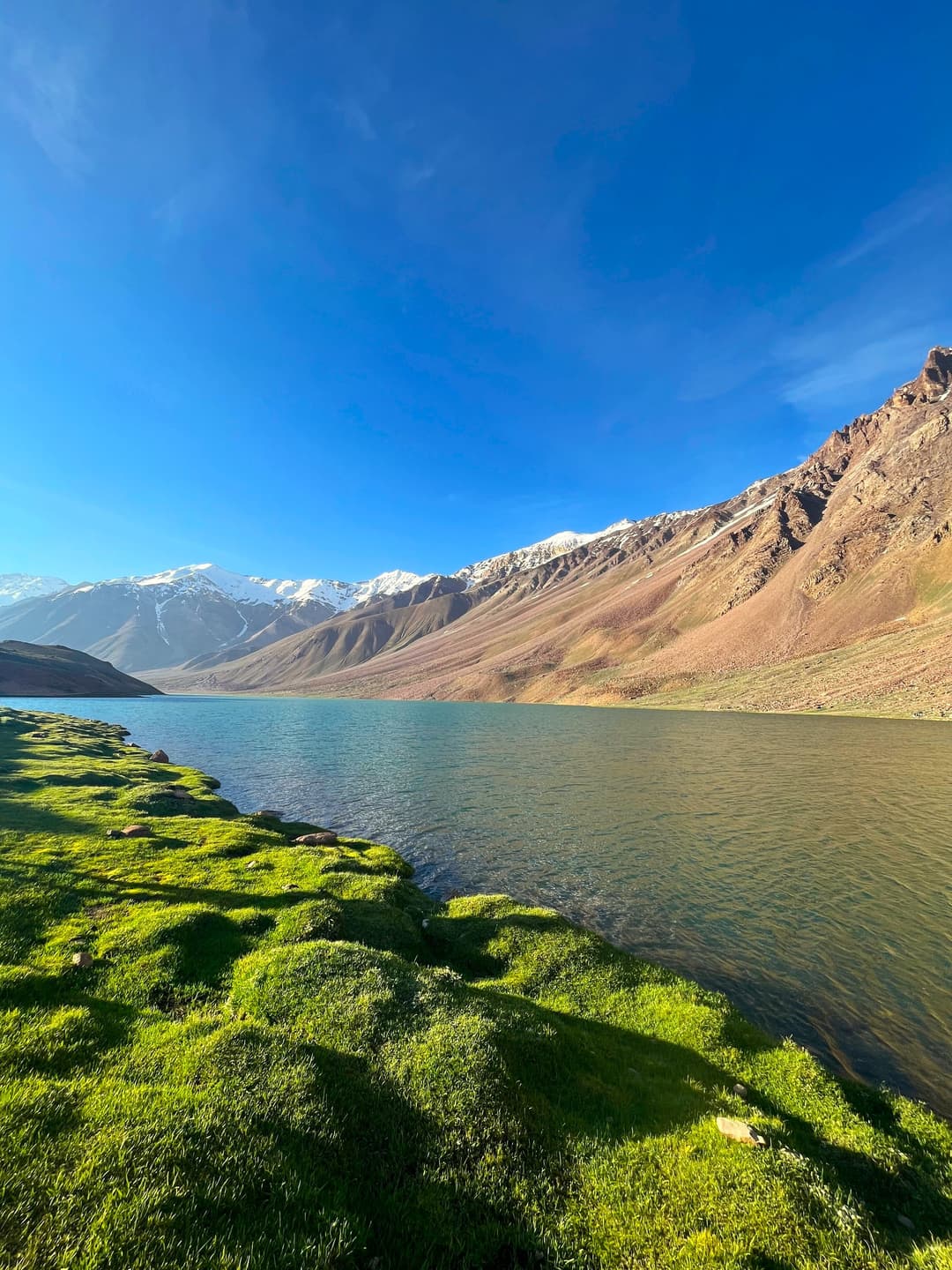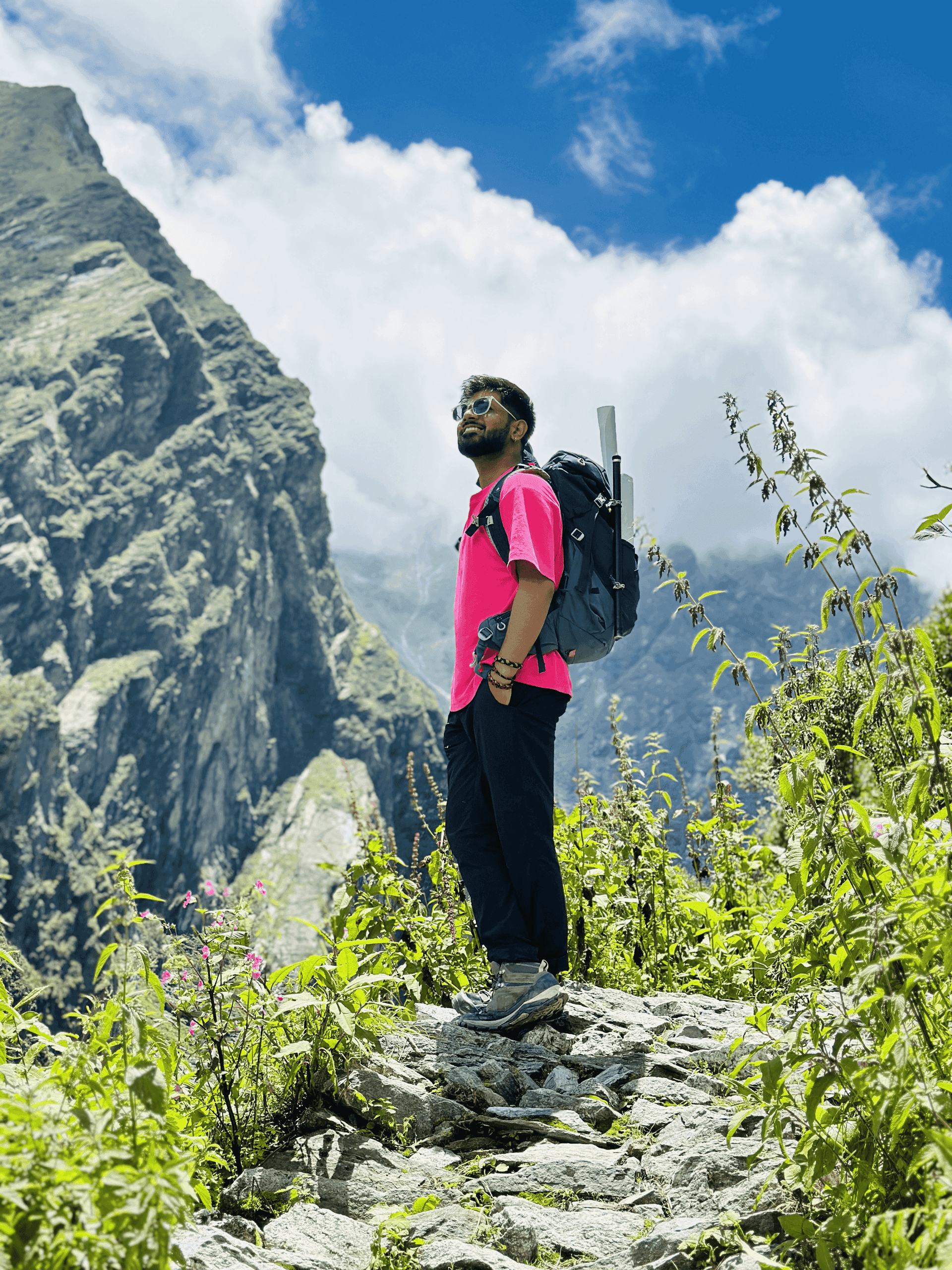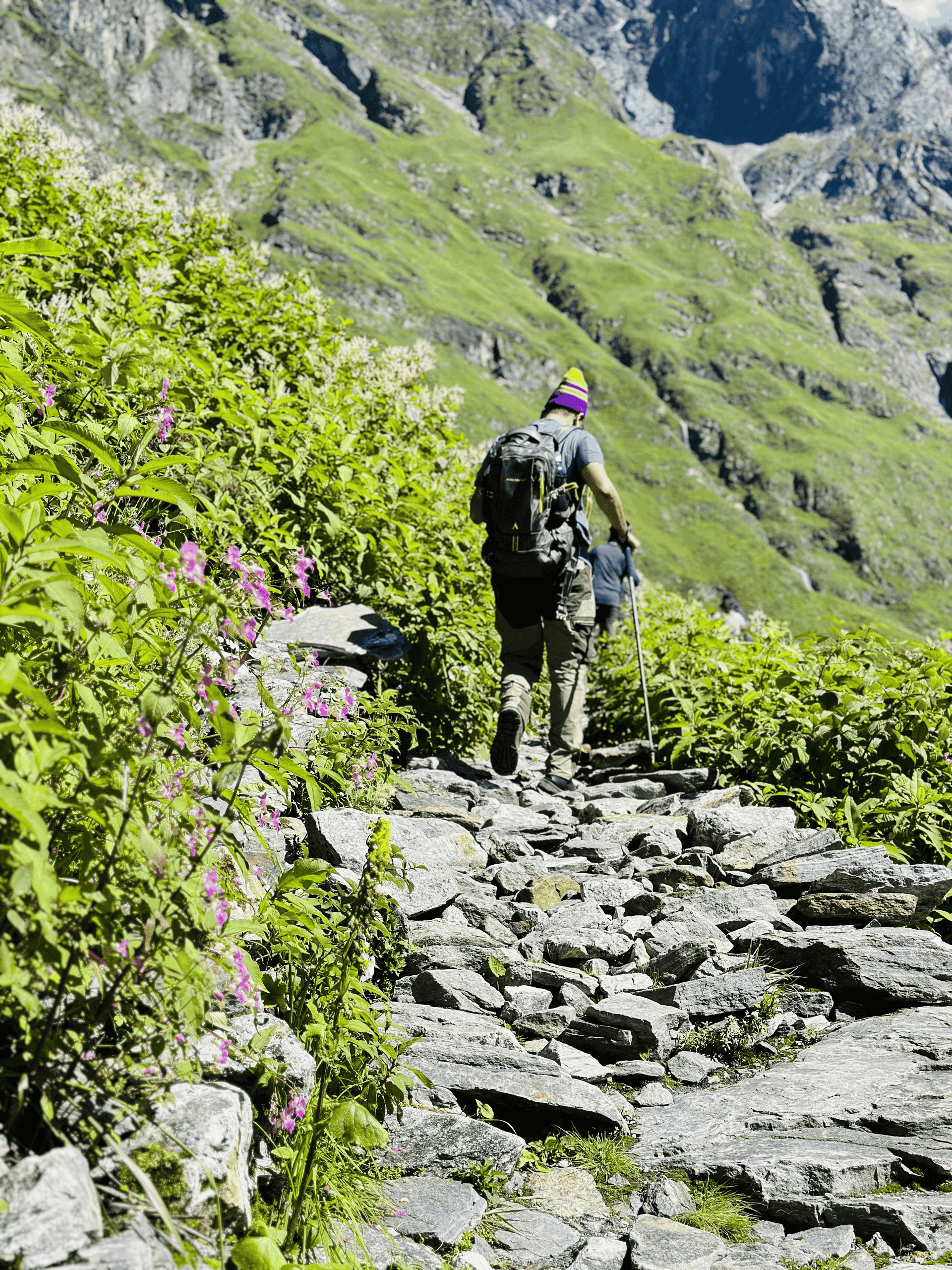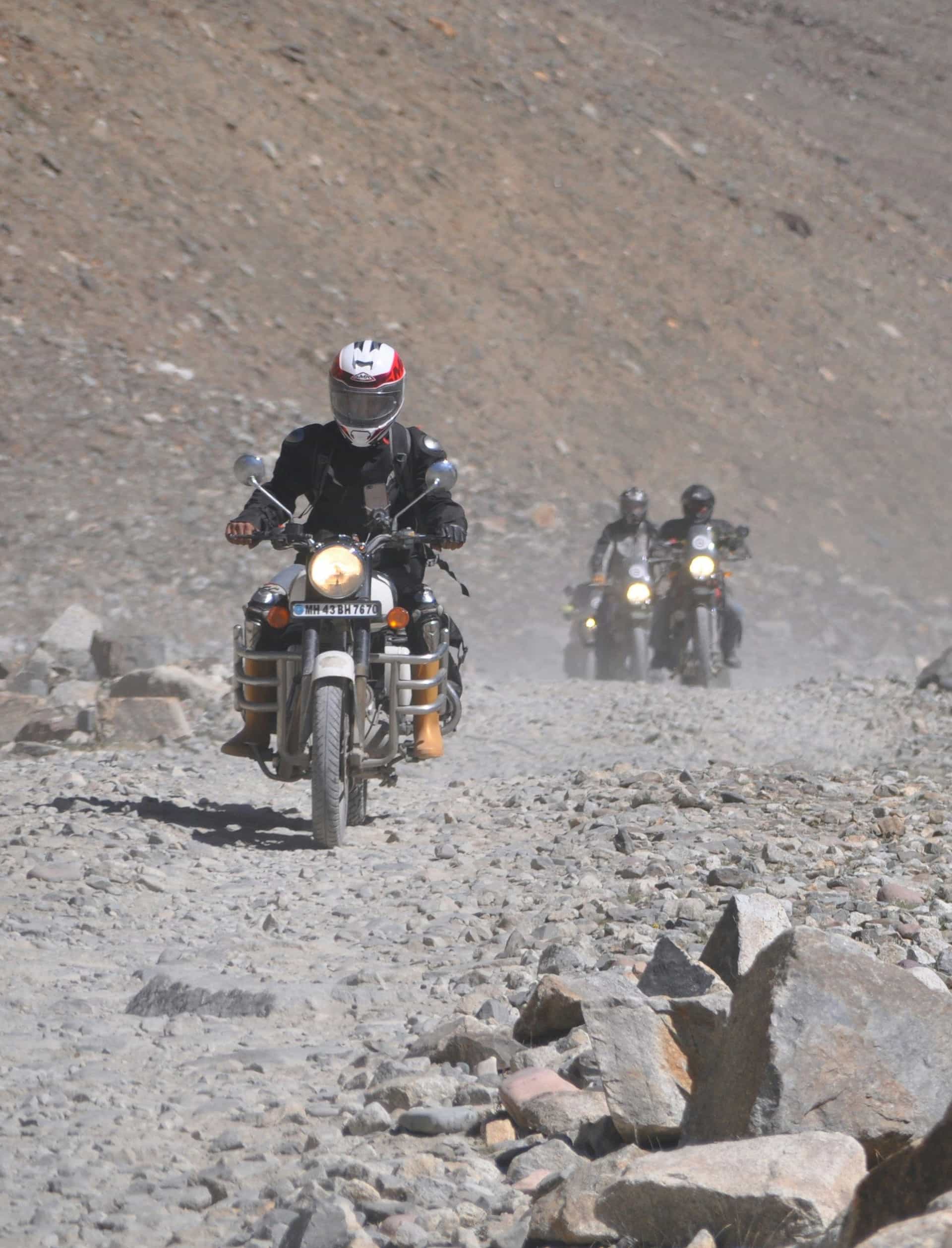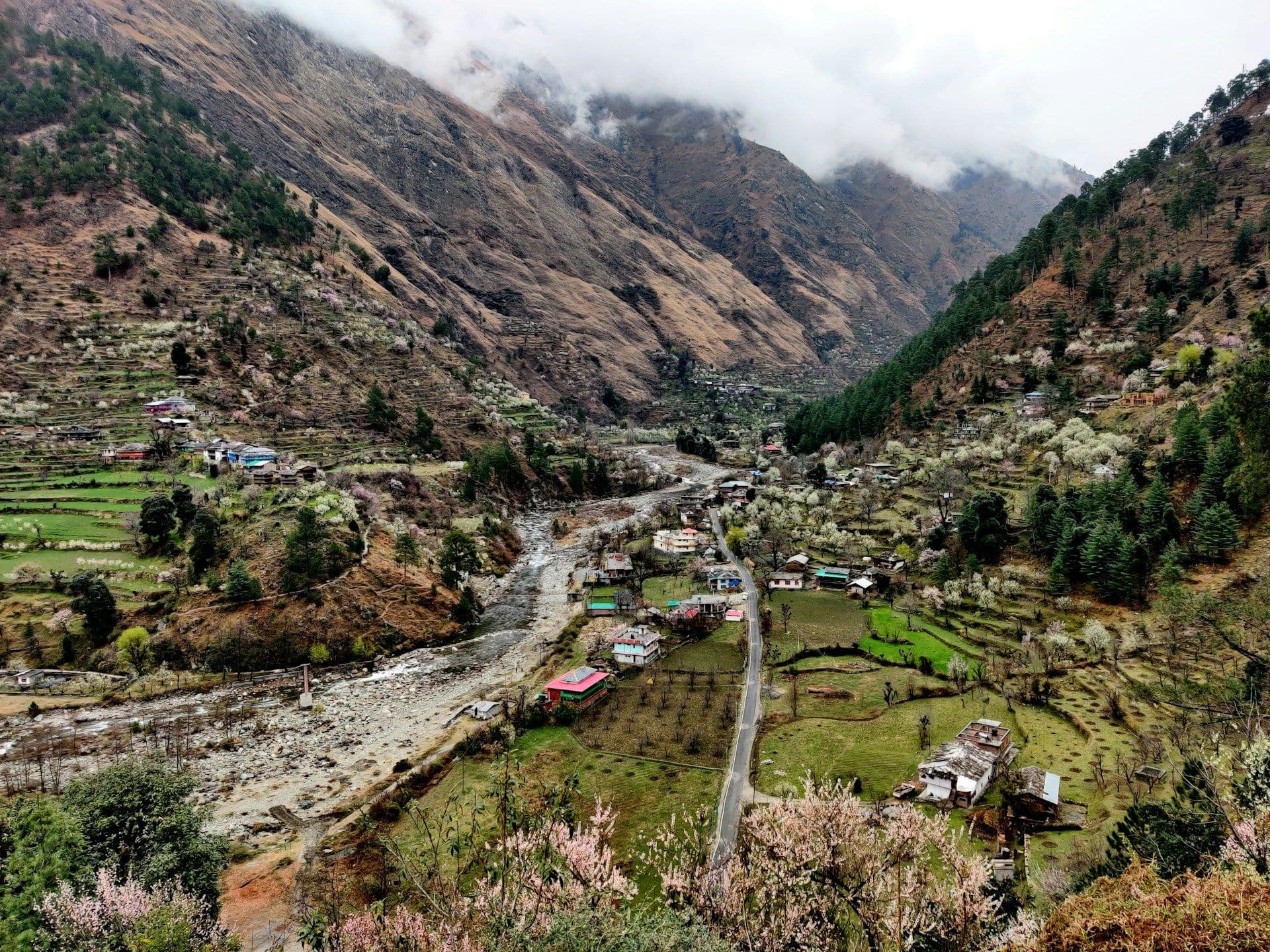
Some places in Himachal Pradesh make you want to explore more.
Shoja makes you want to slow down.
The moment the roads begin climbing above Jibhi, the atmosphere starts changing — cafés become quieter, forests become denser, the traffic slowly disappears and long stretches of mountain silence begin replacing the constant movement found in busier Himachal destinations.
Days here are less about sightseeing and more about slowing mornings, foggy forests, wooden cabins, peaceful cafés, snowfall and watching clouds move slowly through the mountains.
That slower rhythm is exactly why Shoja has quietly become one of the most loved peaceful mountain escapes in Himachal Pradesh.
Why Travellers Are Choosing Shoja
One of the biggest reasons travellers are shifting toward Shoja is that many Himachal destinations have become significantly busier in recent years.
Places once known for peace and slow travel now often feel:
- crowded
- commercialized
- traffic-heavy
- café-saturated
Shoja still manages to feel quieter.
Large sections of the village remain surrounded by:
- pine forests
- mountain slopes
- wooden homes
- valley viewpoints
- fog-covered roads
Instead of building trips around constant sightseeing, travellers usually come here for:
- slower mornings
- mountain cafés
- reading and relaxing
- snowfall stays
- cabin experiences
- peaceful workations
- forest walks
Shoja has also quietly become one of the strongest “silent workation” destinations in Himachal Pradesh.
Compared to busier places like Jibhi and Old Manali, Shoja feels significantly calmer for longer mountain stays. Several cafés and stays now offer:
- stable Wi-Fi
- BSNL FTTH connections
- improved backup power
- work-friendly seating
- quieter surroundings for remote work
Airtel and Jio 5G connectivity has also improved noticeably around the main village areas, making Shoja far more practical for video calls and longer workations compared to previous years.
The atmosphere feels especially rewarding during rainy, foggy and colder months when the forests become even quieter and more cinematic.
Shoja or Jibhi? Choosing Between Forest Silence and Café Vibrance
This is one of the biggest questions travellers ask while planning this side of Himachal Pradesh.
Even though Shoja and Jibhi are close to each other, the experience feels very different.
Jibhi Feels More Lively
Jibhi has:
- more cafés
- more homestays
- more backpackers
- riverside activity
- easier accessibility
Compared to Shoja, Jibhi feels:
- more social
- more active
- more beginner-friendly
Travellers usually prefer Jibhi for:
- café hopping
- shorter stays
- backpacking
- group trips
- easier movement
You can also explore the Jibhi travel guide while planning this circuit.
Many travellers have also started feeling that Jibhi is becoming noticeably busier because of rapid café expansion, construction activity and increasing tourist traffic during peak months.
Shoja Feels Quieter & More Atmospheric
Shoja feels:
- calmer
- more forest-heavy
- more peaceful
- less commercialized
- more atmospheric
The roads become quieter, the forests denser and the mountain views feel wider compared to the lower Jibhi side.
Travellers usually prefer Shoja for:
- peaceful stays
- snowfall experiences
- forest cabins
- slow travel
- workations
- reading and relaxing
- scenic mountain silence
Compared to Jibhi, Shoja is less about activity and more about atmosphere.
That difference is exactly why many slower travellers now choose Shoja as the more peaceful alternative to busier café-heavy Himalayan destinations.
Why the “Foggy Monsoon” (August) is the Ultimate Aesthetic Experience
Shoja changes dramatically across seasons and each season creates a completely different mountain experience.
Travellers planning broader mountain journeys can also explore the best time to visit Himachal Pradesh, depending on snowfall, monsoon conditions, road accessibility and seasonal preferences.
Shoja in Spring & Summer (March to June)
Spring and early summer are among the most comfortable seasons to visit Shoja.
The forests remain green, the weather stays pleasant and the roads become easier to access compared to peak winter months.
This season works especially well for:
- cabin stays
- café hopping
- road trips
- forest walks
- slow workations
March and early April can still offer traces of snowfall in nearby higher regions, depending on winter conditions.
Because winters have become slightly milder in recent years, Jalori Pass has also started opening earlier during some spring seasons.
However, travellers should still remain cautious because black ice can continue appearing on colder, shaded stretches near the pass even after roads officially reopen.
Shoja During Monsoon (July to August)
Monsoon transforms Shoja into one of the most atmospheric forest destinations in Himachal Pradesh.
Fog slowly covers the forests, rain clouds move through the valleys and the entire region begins feeling quieter and more cinematic.
Compared to crowded monsoon destinations, Shoja feels:
- slower
- greener
- mistier
- more peaceful
This season works beautifully for:
- slow travel
- reading stays
- café stays
- mountain photography
- peaceful workations
Travellers should still realistically expect:
- slippery roads
- foggy driving conditions
- occasional delays during heavy rain
especially around the Jalori Pass side.
For many travellers, August is actually Shoja at its most visually atmospheric because the forests feel denser, the roads remain wrapped in fog for hours and the mountain cafés become even quieter.
Shoja in Autumn (September to October)
Autumn is one of the best seasons for travellers looking for clearer mountain views and calmer road conditions.
The monsoon greenery remains fresh, while the skies gradually become clearer and more stable.
This season works especially well for:
- mountain drives
- photography
- Jalori Pass exploration
- peaceful cabin stays
Compared to summer, Shoja also feels less crowded during autumn.
Shoja Snowfall Season (December to February)
Winter completely changes Shoja’s atmosphere.
The forests become quieter, roads slowly disappear under snow during heavy winter spells and cabin stays begin feeling far more isolated and immersive.
This is the season most travellers choose for:
- snowfall experiences
- snow-covered cabins
- peaceful winter stays
- foggy mountain mornings
- slower off-season travel
Compared to Manali and more crowded snow destinations, Shoja feels significantly calmer during winter.
Travellers should realistically prepare for:
- colder temperatures
- snow-covered roads
- black ice
- slower transport movement
- occasional road closures near Jalori Pass
The descent toward Shoja from Jalori Pass can become especially slippery during winter mornings because some stretches remain shaded for long durations.
Experienced drivers usually prefer crossing the Shoja-Jalori stretch between late morning and early afternoon when the roads gain better traction and visibility.
The Shoja Ritual: Sunrise at the Temple & Sunset at Raghupur Fort
Shoja is less about checking attractions quickly and more about experiencing the atmosphere around the forests, roads and mountains slowly.
Still, there are a few experiences that naturally become part of most Shoja stays.
Jalori Pass
Jalori Pass remains one of the biggest highlights near Shoja.
The road toward the pass passes through:
- dense forests
- mountain viewpoints
- fog-covered stretches
- scenic Himalayan roads
Compared to busier Himachal highways, the Jalori side feels quieter and more scenic.
Travellers can also explore the Jalori Pass travel guide while planning this route.
Serolsar Lake Trek
The Serolsar Lake trek is one of the most popular experiences near Shoja.
The trail moves through forest sections and eventually reaches the lake and Budhi Nagin temple region.
Compared to harder Himalayan treks, this trail feels:
- beginner-friendly
- scenic
- forest-heavy
- slower-paced
Morning walks toward the lake usually feel far more peaceful compared to afternoon timings. The trekking atmosphere around Shoja feels far quieter and more forest-oriented compared to many commercial Himalayan trekking regions.
Raghupur Fort Sunset Experience
Raghupur Fort is known more for its mountain views than the actual fort ruins.
The trail offers:
- panoramic Himalayan views
- forest ridges
- valley landscapes
- quieter hiking sections
Many travellers now specifically time this hike around sunset because the surrounding mountain layers become dramatically more scenic during golden-hour visibility.
The descent remains manageable after sunset if travellers carry a proper flashlight or headlamp, but the trail can feel difficult in complete darkness without one.
Slow Café & Cabin Experiences
One of the best things to do in Shoja is, honestly:
very little.
Large parts of the experience revolve around:
- sitting in cafés
- relaxing in cabins
- reading
- watching fog move through forests
- slow conversations
- mountain silence
That slower rhythm is exactly why Shoja works so well for travellers looking for peaceful Himalayan stays.
Cafés like:
- Ghar 1964
- Rustic Café
have become especially popular among slower travellers and remote workers because of their quieter atmosphere and scenic forest-facing settings.
Even simple moments here — hot chocolate during rain, fog slowly covering the roads, or quiet evenings near wooden cafés — often become the experiences travellers remember most about Shoja.
Shoja Stay Guide: Cabins, Workations & Mountain Cafés
Shoja is best experienced through slower stays rather than rushed day visits.
Compared to larger tourist destinations, accommodation here usually focuses more on:
- cabins
- forest stays
- mountain-view cottages
- wooden homestays
- peaceful workation spaces
Many stays now cater to travellers looking for:
- longer mountain stays
- remote work
- peaceful workations
- quieter lifestyles
Some properties around Shoja and nearby valleys have also improved:
- Wi-Fi reliability
- backup power support
- workspace setups
for remote workers.
However, travellers should still realistically expect occasional:
- power cuts
- slower internet
- weather-related network fluctuations
especially during heavy rain or snowfall.
Road Conditions & Driving Reality in Shoja
The roads toward Shoja are scenic but require careful mountain driving.
Compared to flatter Himachal routes, the Jalori side especially includes:
- sharp turns
- steep climbs
- narrow roads
- foggy sections
- slippery winter stretches
Travellers driving during winter or monsoon should avoid rushing.
The Jalori descent toward Shoja can become particularly challenging during snowfall and colder evenings because of black ice formation on shaded stretches.
Experienced mountain drivers usually prefer crossing the Shoja-Jalori section between:
- 10 AM and 2 PM
when visibility and road grip are generally more stable.
Travellers visiting after rain or snowfall should also avoid bringing very low-clearance hatchbacks toward the upper Jalori side.
Connectivity, UPI & Cash Reality in Shoja
Connectivity across Shoja has improved significantly compared to previous years.
Airtel and Jio now work reliably in most main village sections, while many cafés and stays have also shifted toward stronger BSNL FTTH setups for longer workations.
UPI payments now work in most cafés, stays and small shops around Shoja and nearby valleys.
However, travellers should still carry some backup cash because:
- weather conditions
- mountain network fluctuations
- Jalori Pass connectivity gaps
can occasionally interrupt digital payments in upper sections and roadside dhabas.
Shoja Travel Costs & Planning Reality
Shoja can work for:
- budget travelers
- cabin travelers
- workation stays
- slower luxury escapes
Depending on the kind of accommodation travellers choose.
Compared to heavily commercialized Himachal destinations, Shoja still feels relatively less expensive for longer, peaceful stays.
Travellers planning broader mountain budgets can also explore:
for better Himalayan travel planning.
Is Shoja Worth Visiting?
Yes, especially for travellers looking for a slower, quieter and more peaceful side of Himachal Pradesh.
Shoja works best for people who enjoy:
- forest cabins
- mountain silence
- snowfall
- slower travel
- scenic roads
- peaceful cafés
- foggy Himalayan landscapes
Compared to faster tourist destinations, Shoja feels less like a sightseeing stop and more like a place where travellers simply spend time in the mountains.
That atmosphere is exactly what makes Shoja one of the most underrated slow-travel destinations in Himachal Pradesh.
If you are planning a broader Himalayan journey, you can also explore our Himachal Pradesh tour packages for curated mountain travel experiences across Himachal Pradesh.