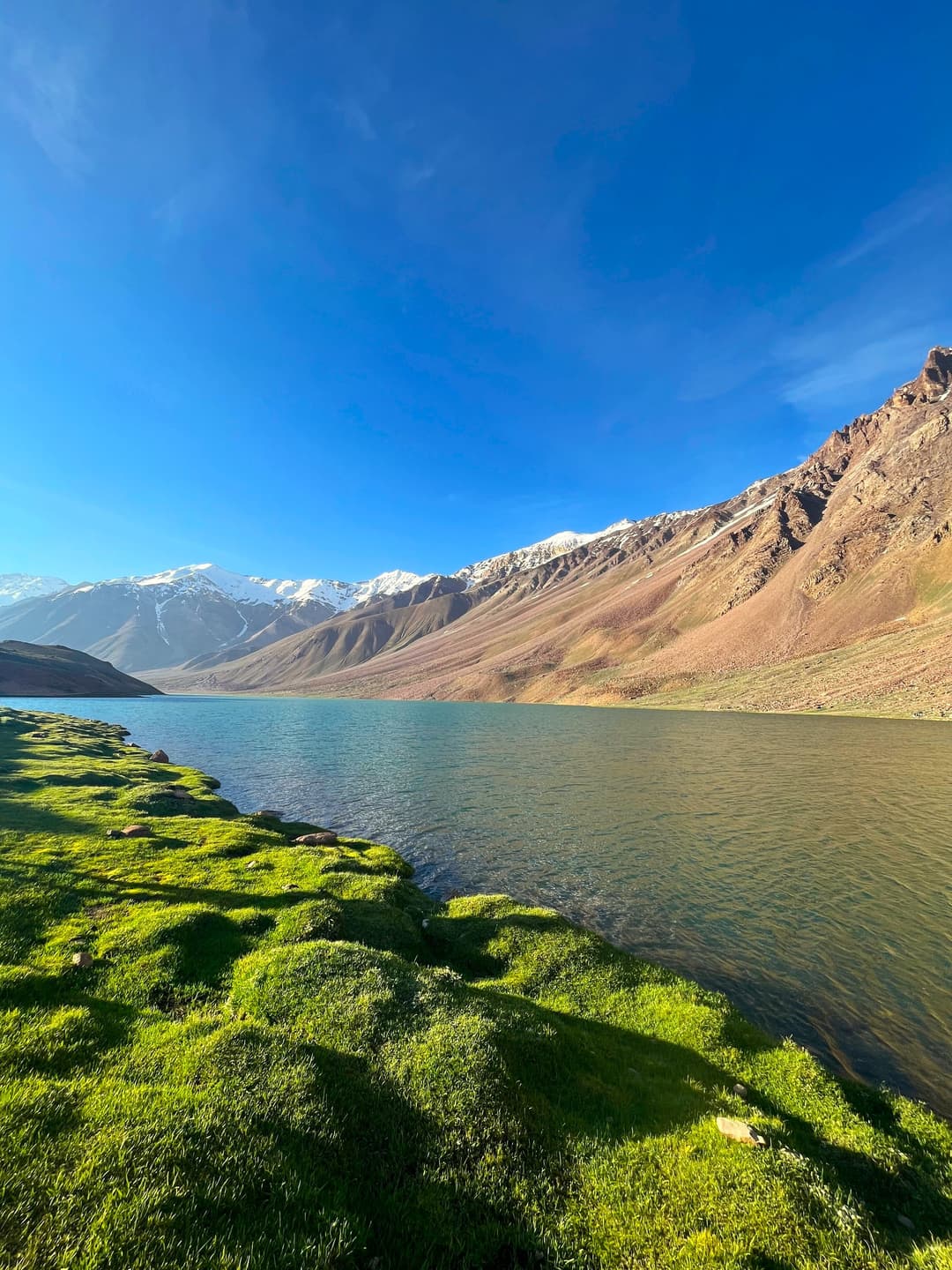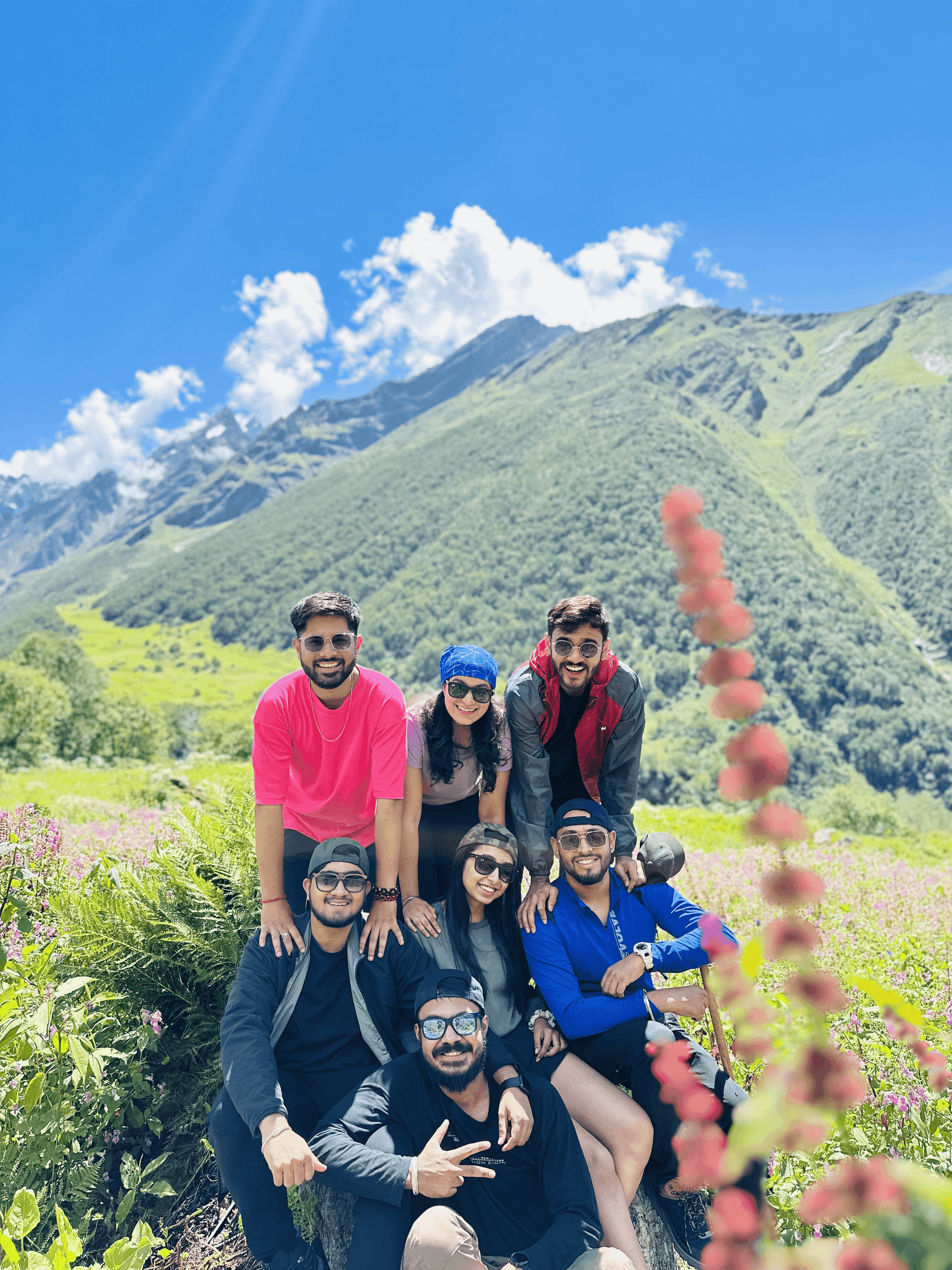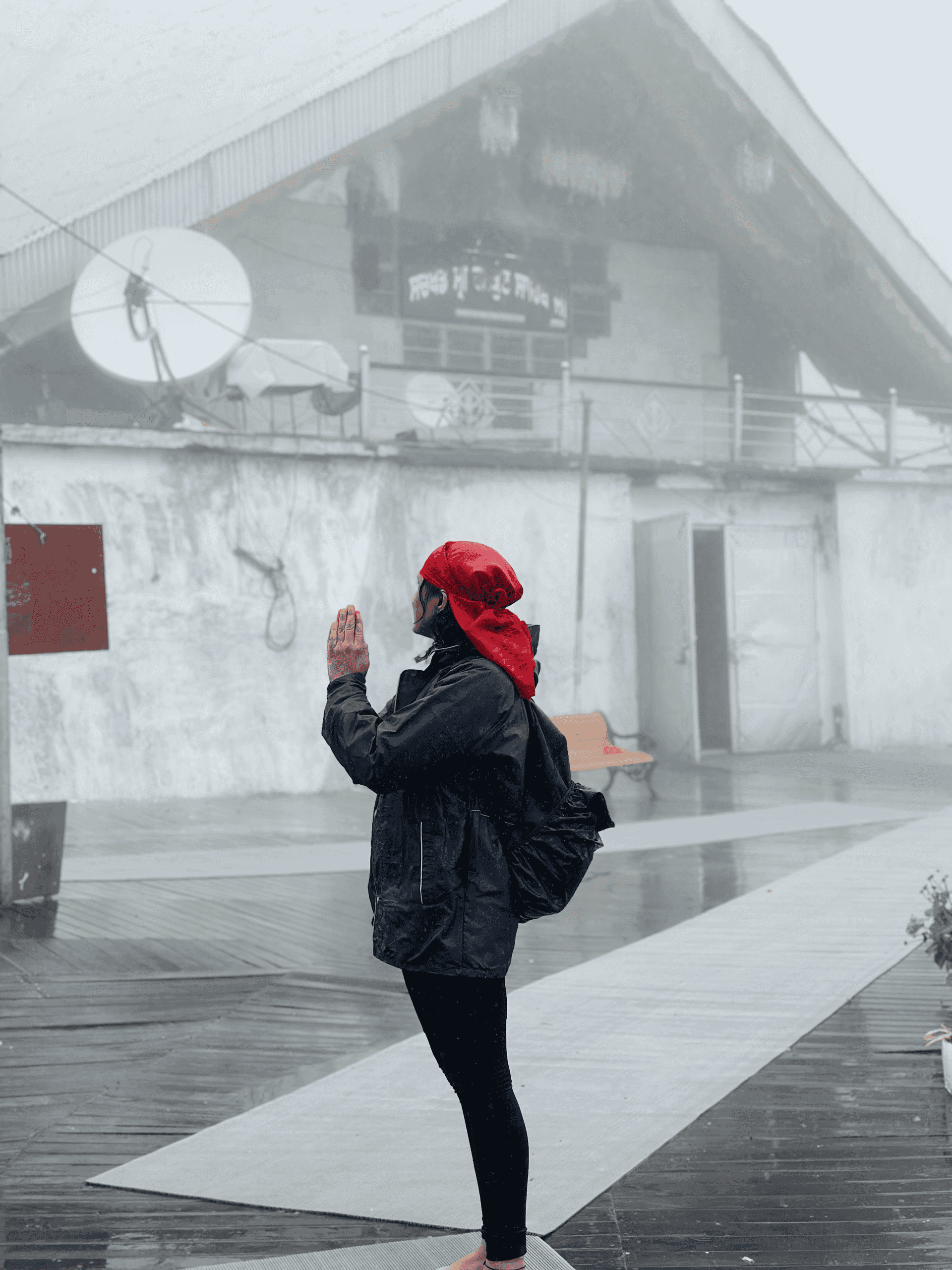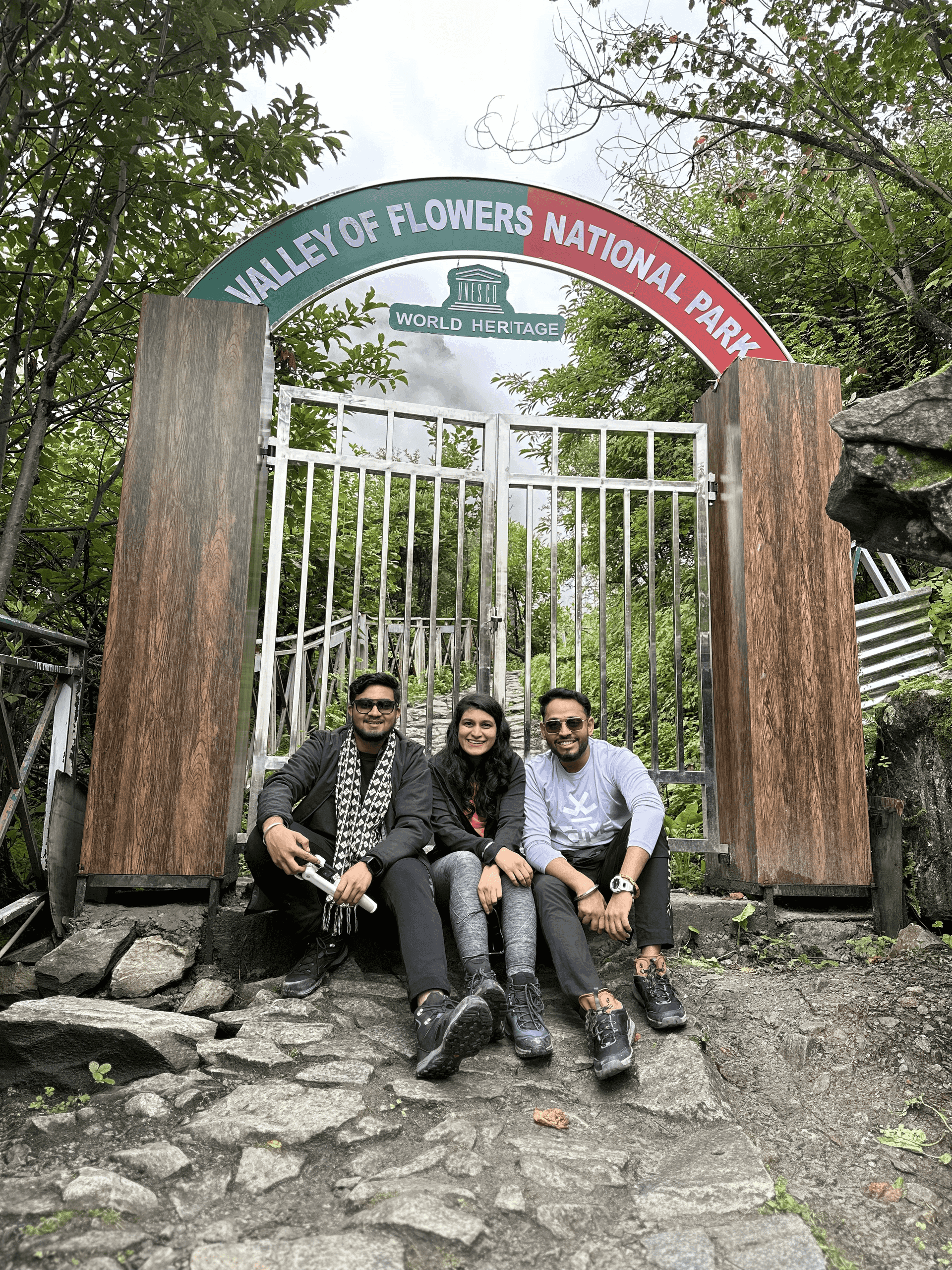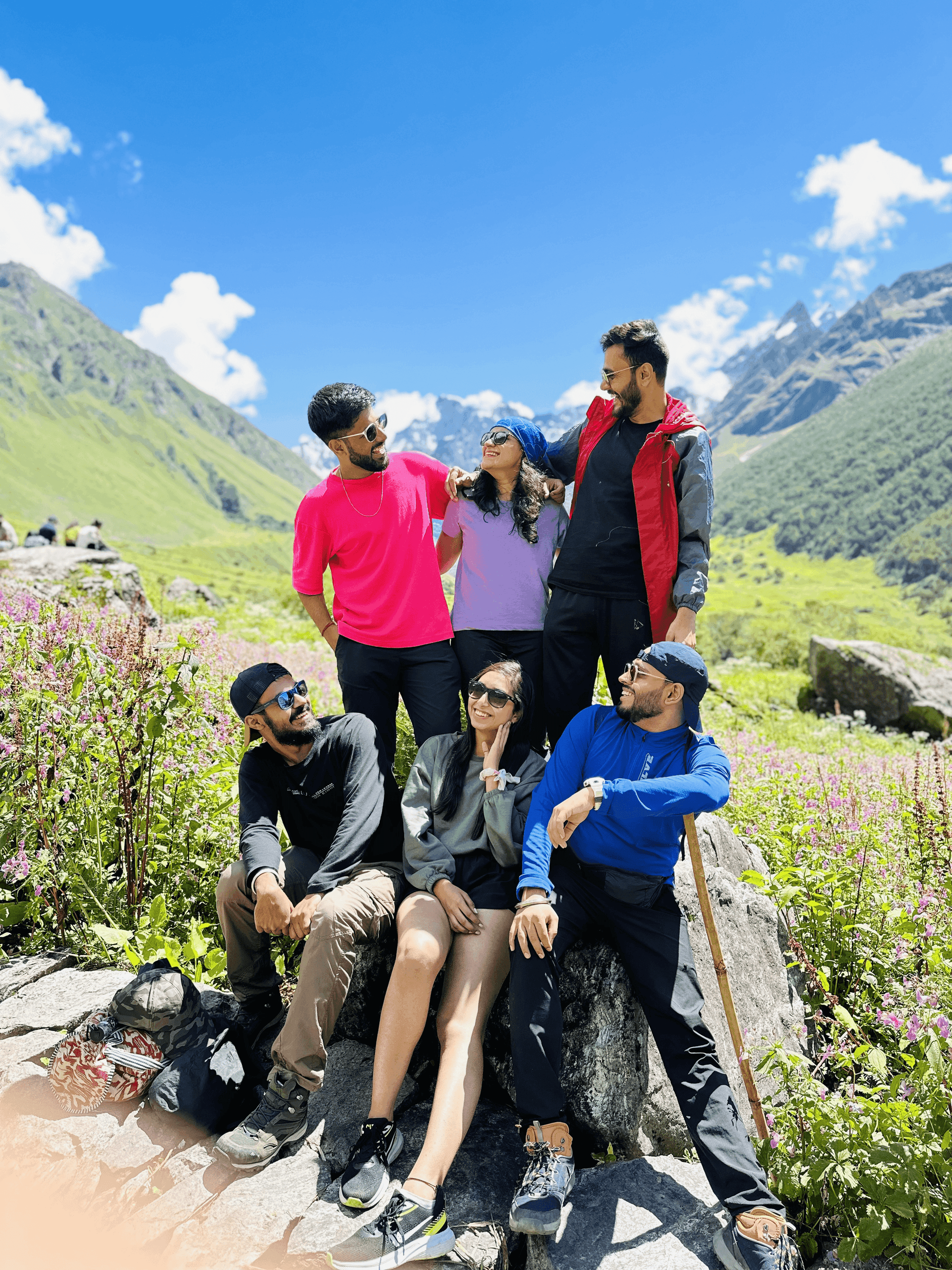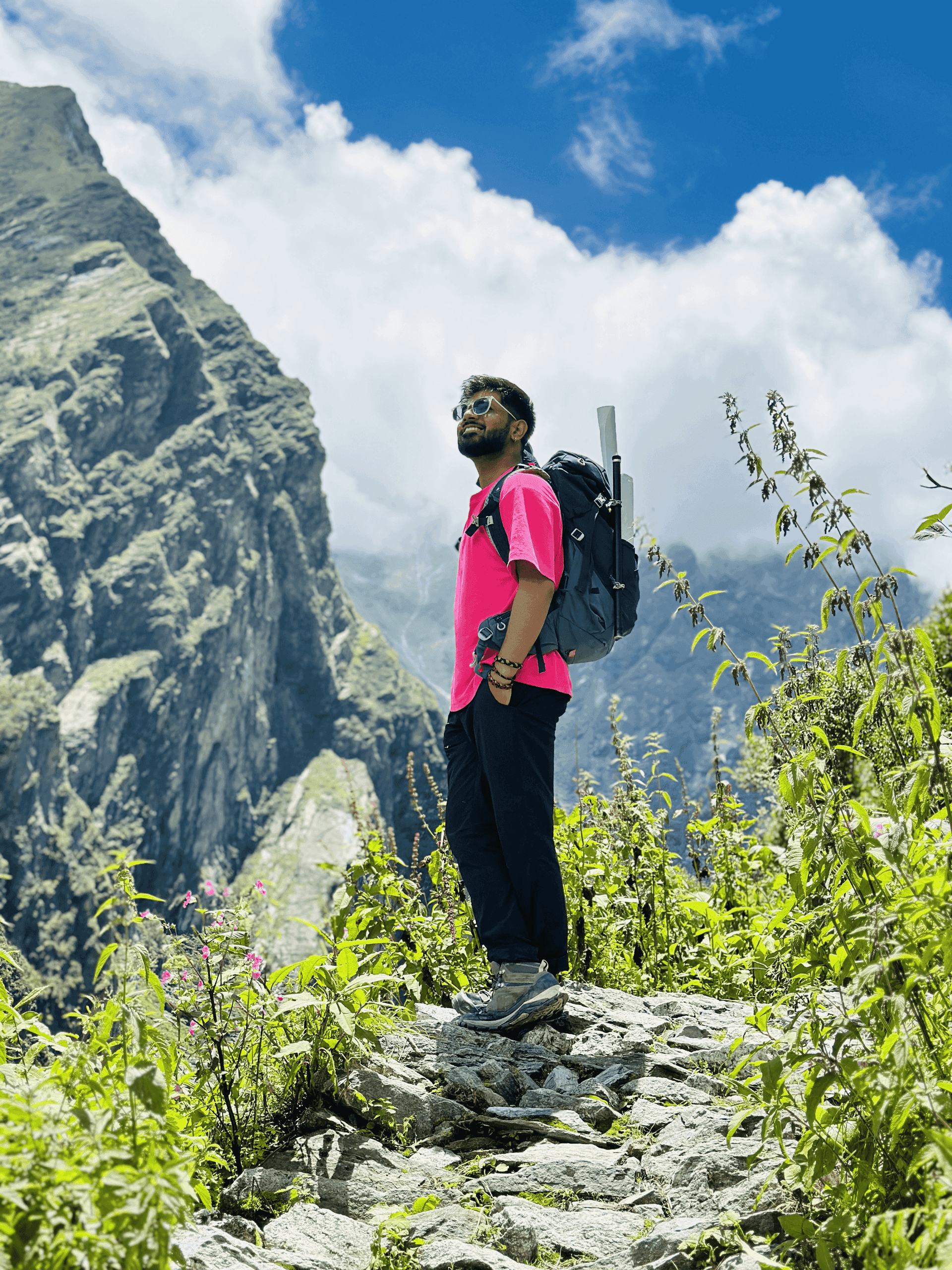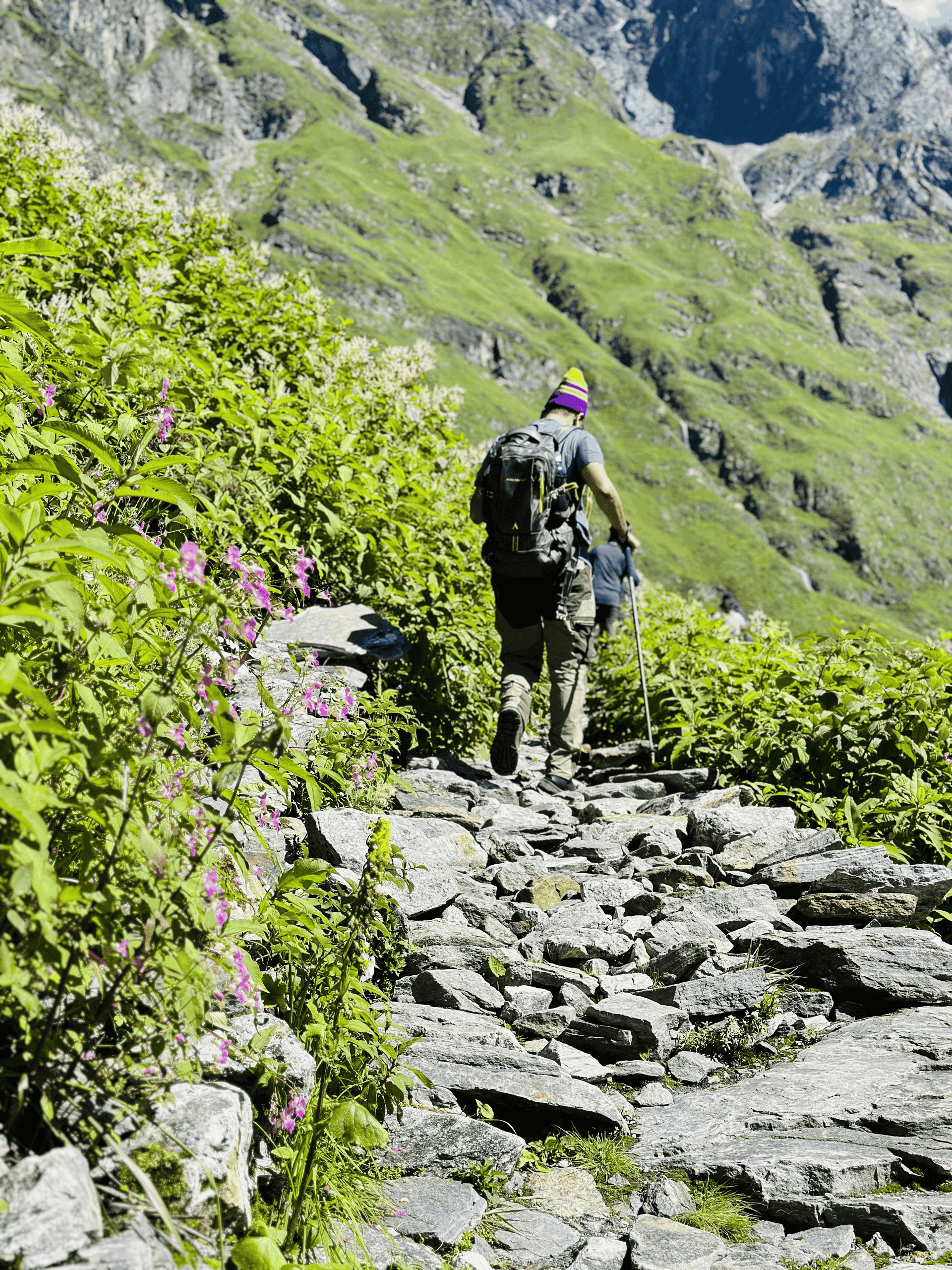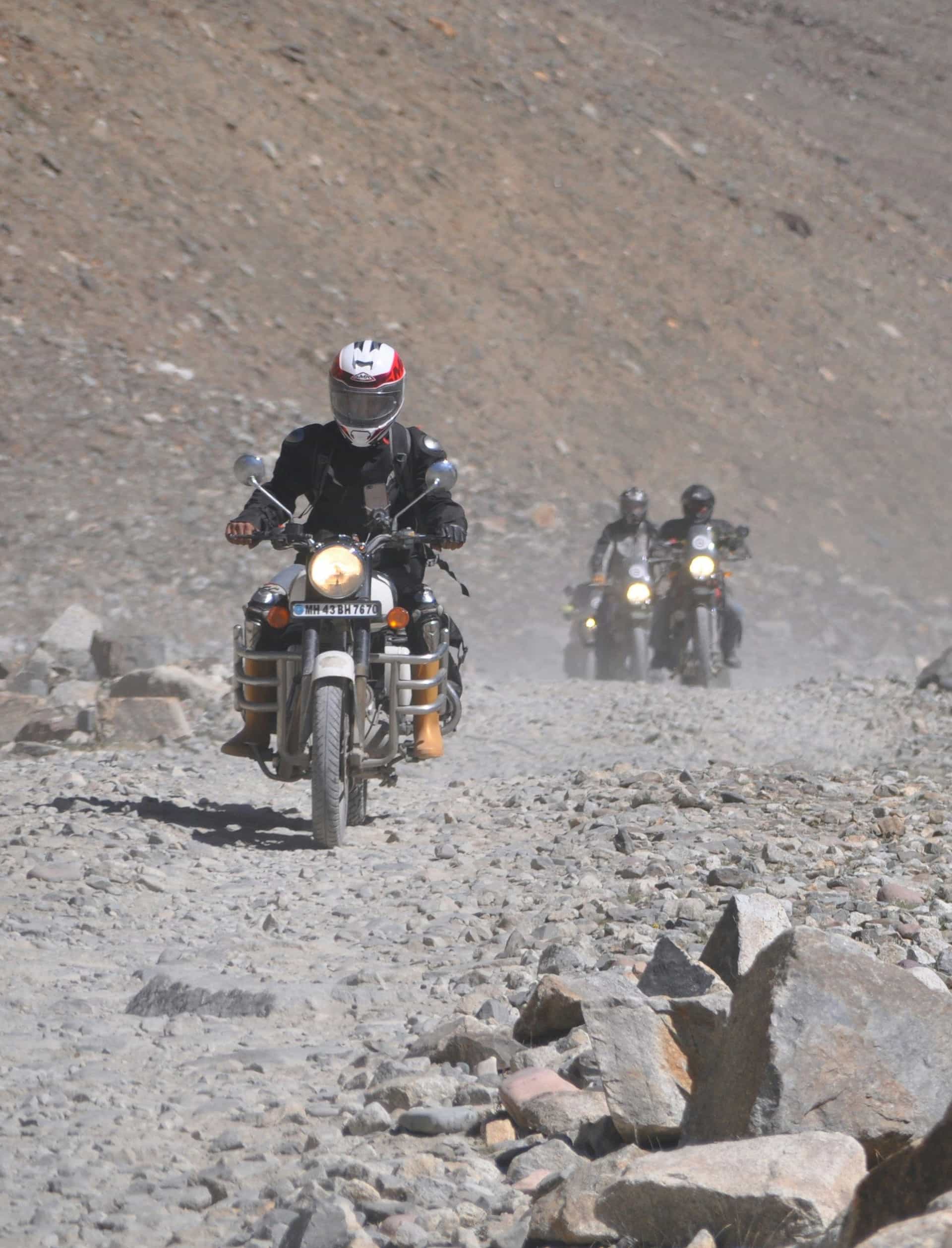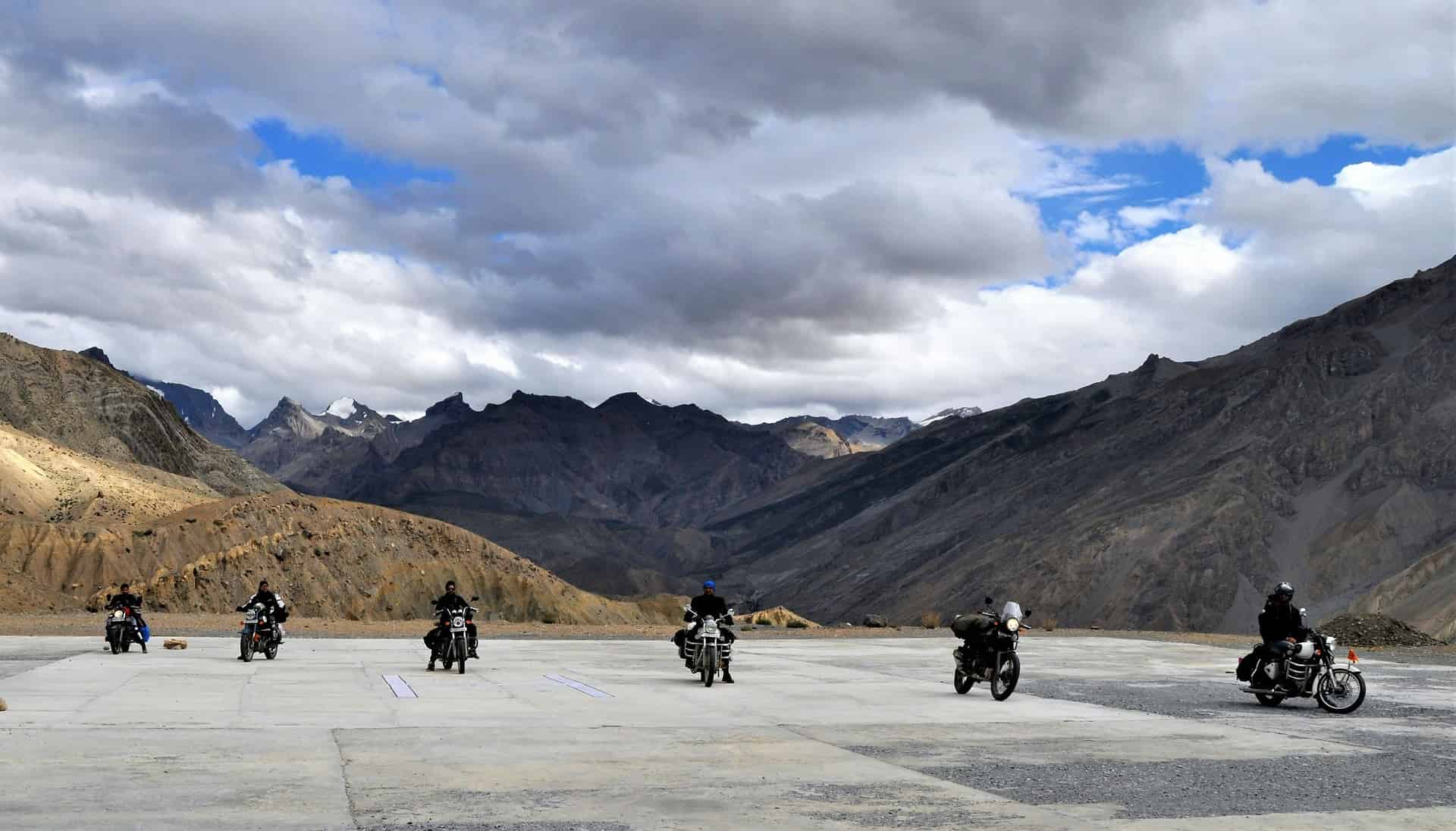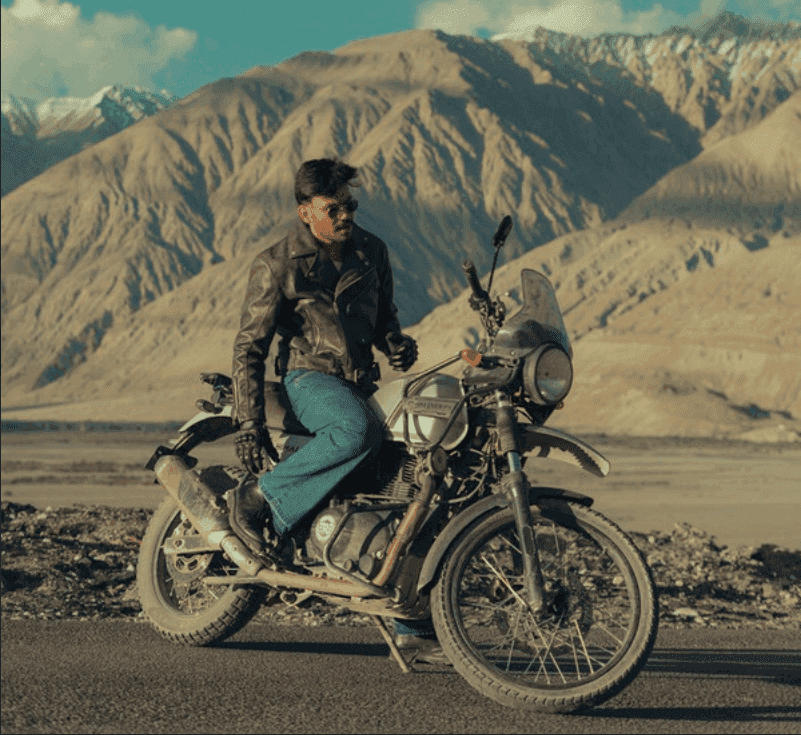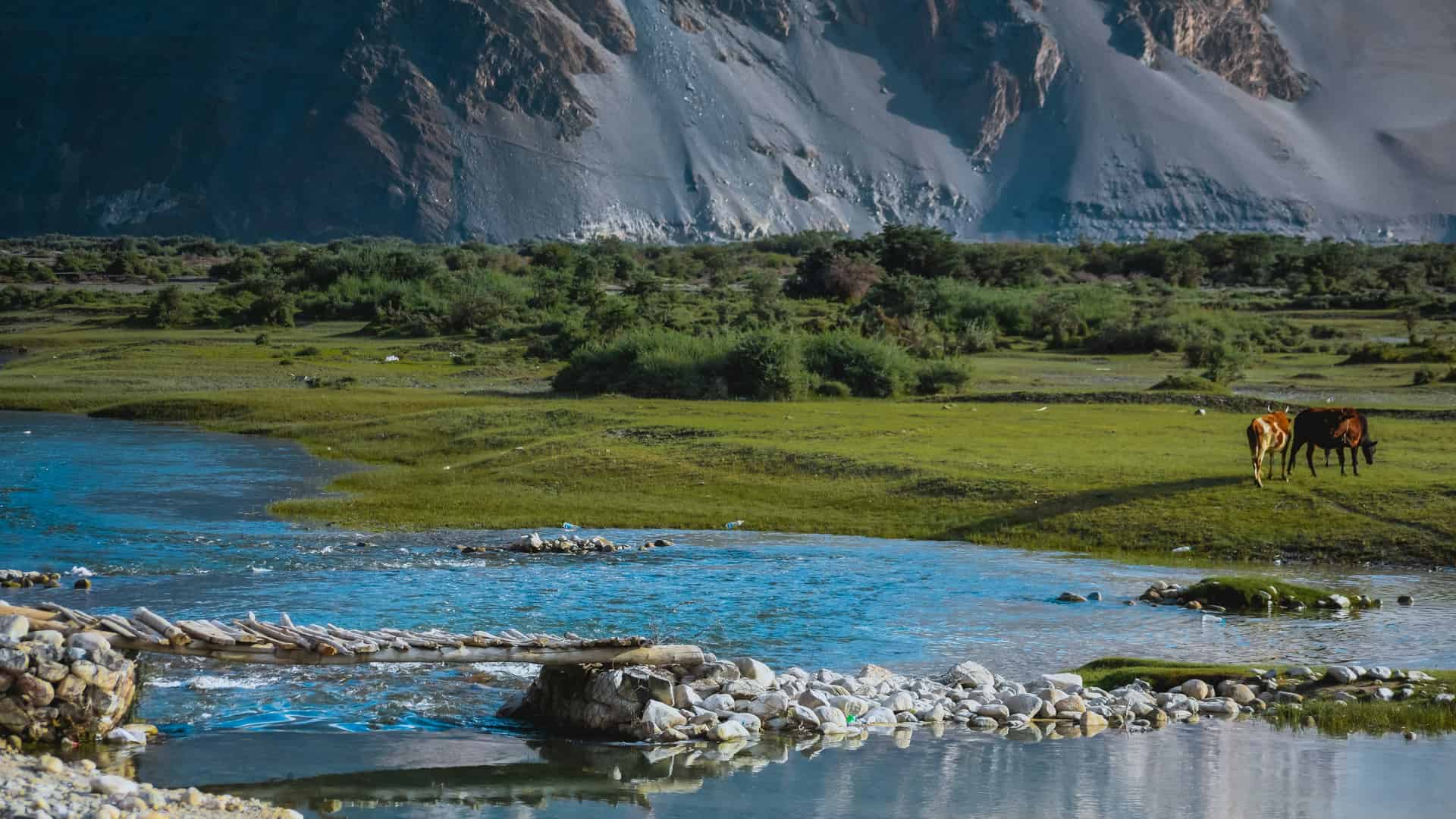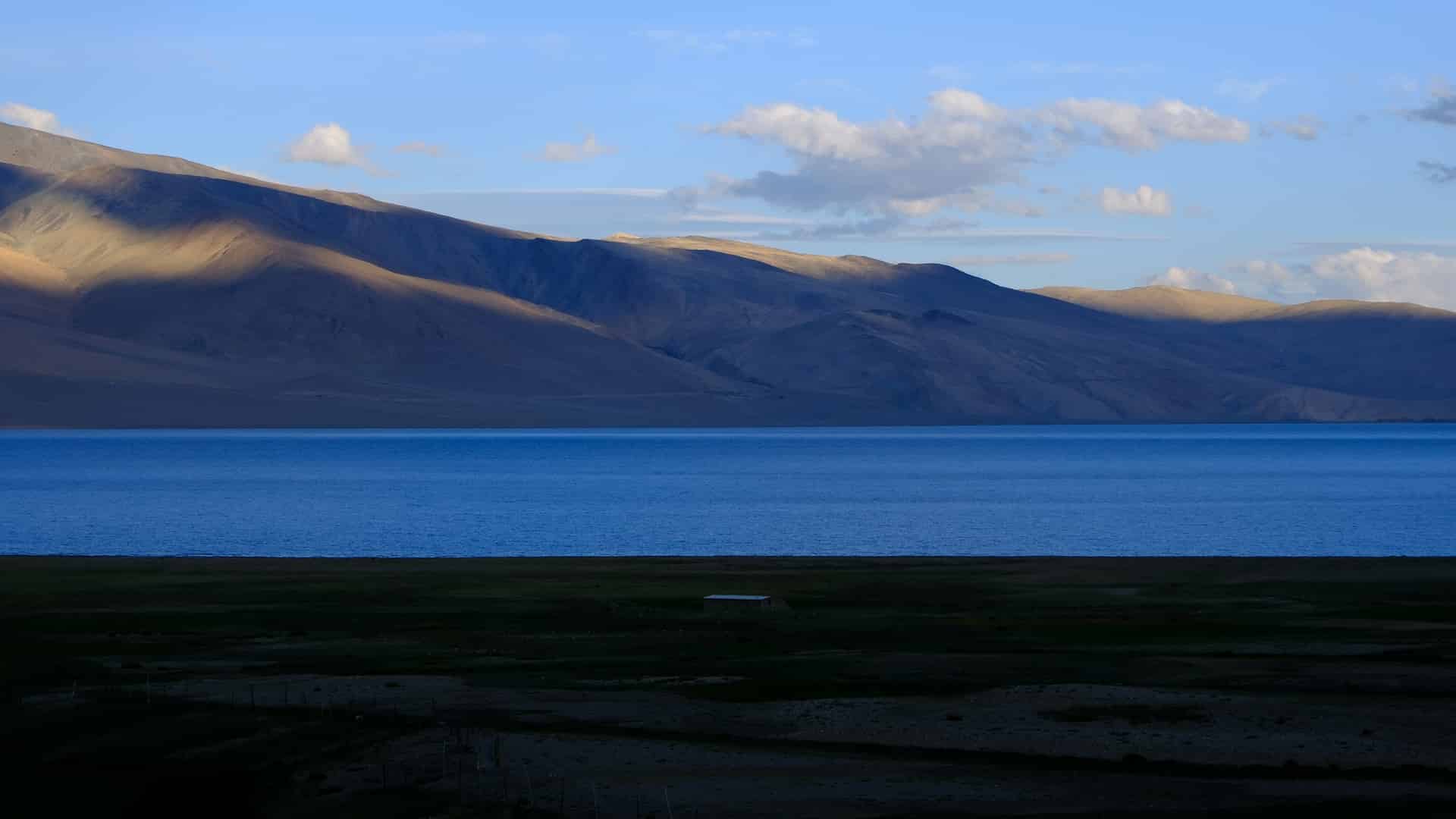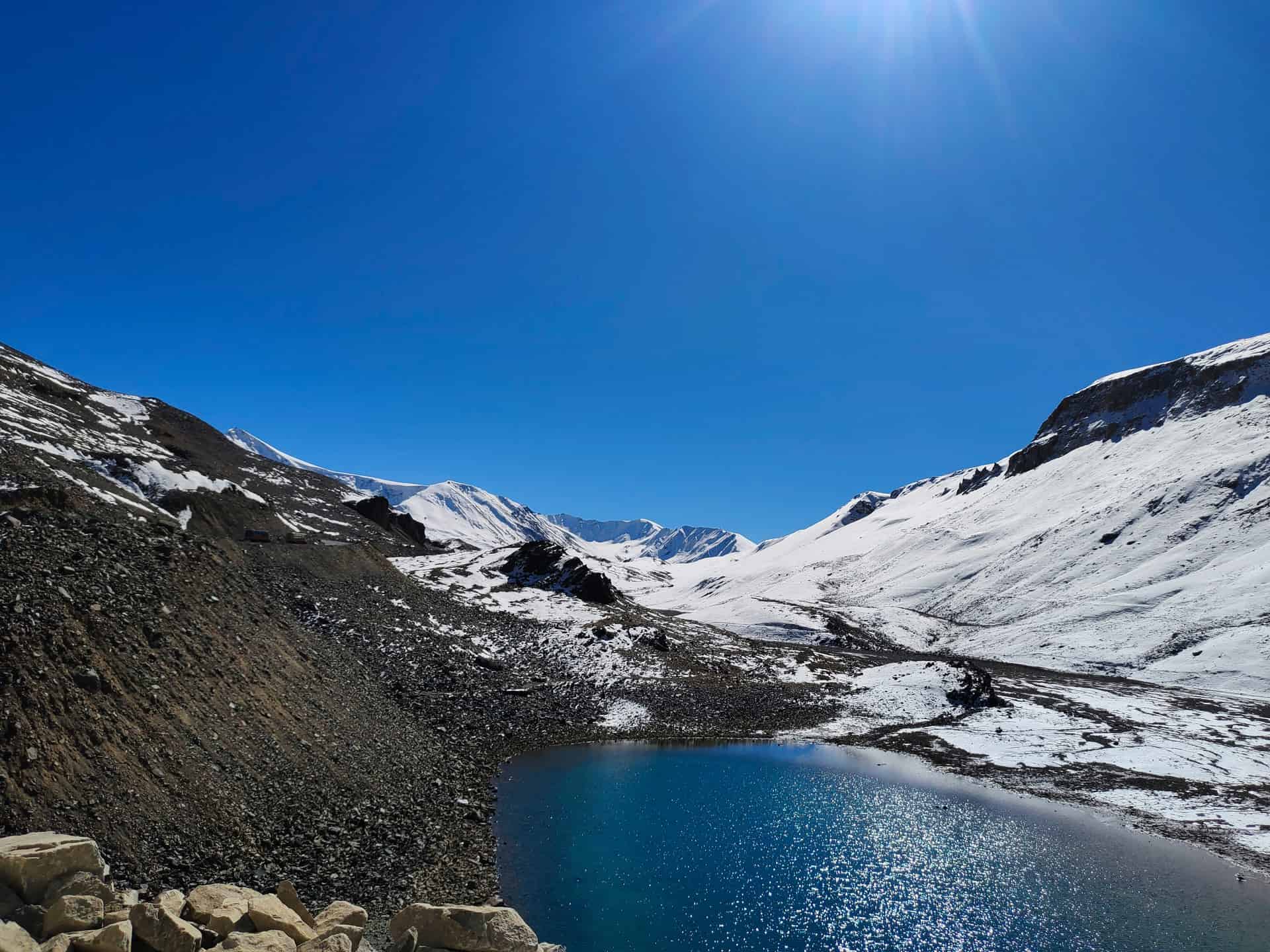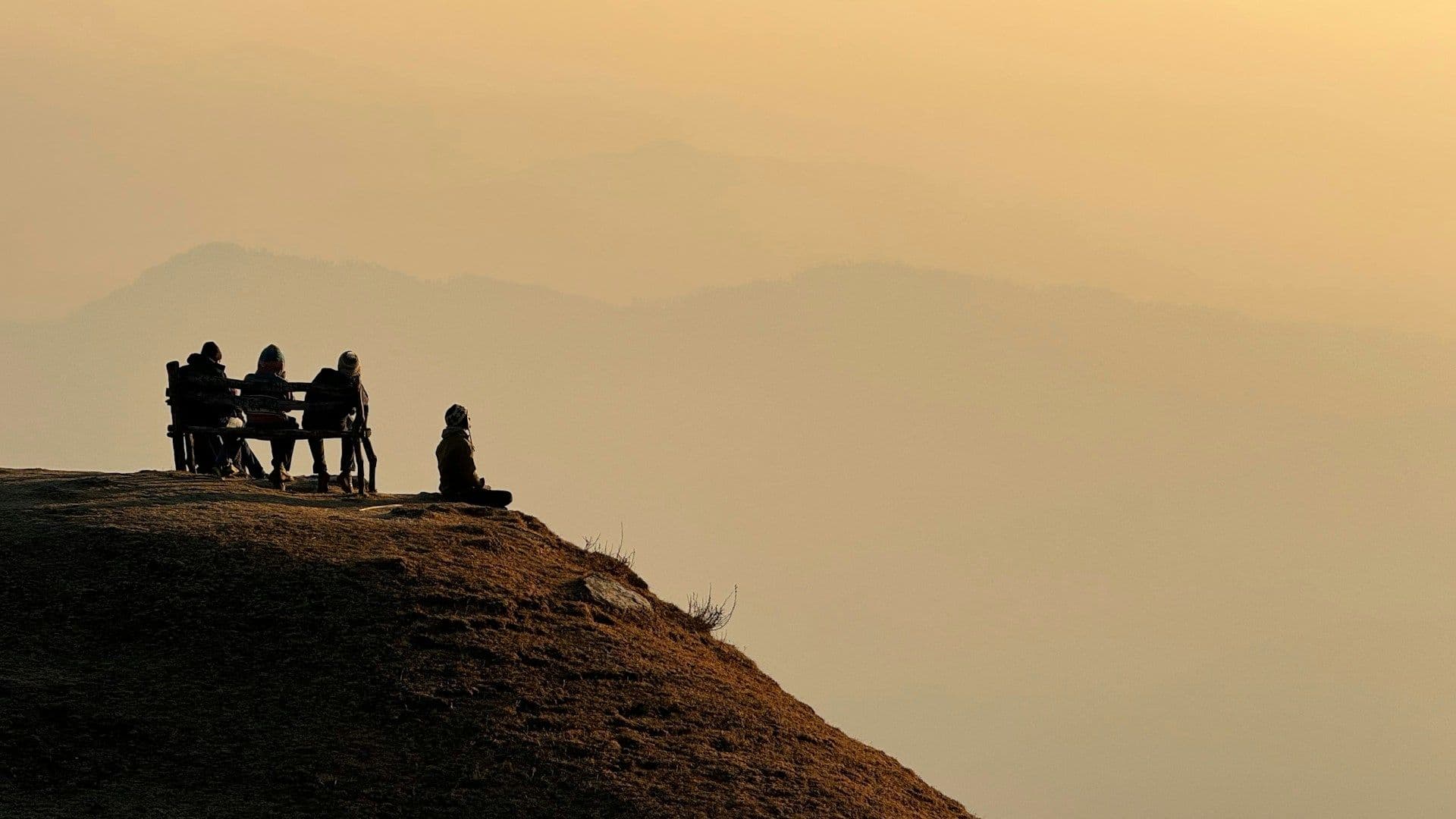
Jalori Pass is the kind of place where the drive slowly becomes more memorable than the destination itself.
As the roads begin narrowing through pine forests, mountain fog, sharp curves, and quieter Himalayan villages, the atmosphere changes completely from the busier hill-station side of Himachal Pradesh into something slower, colder, and far more scenic.
That changing mountain atmosphere is a big reason why Jalori Pass continues attracting road-trippers, bikers, photographers, snowfall travelers and offbeat Himachal explorers.
Why Travelers Are Choosing Jalori Pass
Jalori Pass has become increasingly popular among travelers looking for scenic mountain routes beyond Himachal’s heavily commercialized tourist circuits.
People usually visit for:
- scenic road trips
- snowfall
- forest drives
- Serolsar Lake trek
- offbeat Himalayan routes
- biker travel
- photography
- quieter mountain experiences
The region especially attracts:
- road-trip travelers
- bikers
- photographers
- couples
- slower-travel audiences
- offbeat Himachal travelers
Compared to many crowded Himalayan destinations, Jalori Pass feels:
- quieter
- more route-focused
- more atmospheric
- less commercialized
- strongly connected to nature and forest landscapes
Even with growing tourism around Jibhi and Tirthan Valley, Jalori Pass still feels significantly calmer compared to larger mountain tourist circuits.
Reaching Jalori Pass: Road Reality, Public Transport & Mountain Driving
Jalori Pass is located in Himachal Pradesh between the Banjar Valley and the Ani side of the Kullu district.
The route is usually approached through:
- Jibhi
- Shoja
- Banjar
- Tirthan Valley
The pass sits at an altitude of around 10,000 feet and connects forested Himalayan roads with nearby trekking routes and scenic viewpoints.
The final climb toward Jalori Pass becomes steeper and narrower compared to lower valley roads, especially around the Shoja stretch.
Travelers should realistically expect:
- steep mountain roads
- sharp hairpins
- fog during bad weather
- slower uphill driving
- limited overtaking space
Local HRTC buses also operate across the Jalori route connecting Kullu, Banjar, Ani, and surrounding mountain regions, making the pass accessible even for backpackers and budget travelers.
Many travelers combine Jalori Pass with:
- Jibhi
- Shoja
- Tirthan Valley
- Shangarh
while exploring slower Himachal road-trip routes.
Travelers planning broader mountain journeys can also explore the Himachal Pradesh travel guide.
Why the March Spring Snow Is the Best Kept Secret
Jalori Pass changes dramatically across seasons, and every season creates a very different road-trip experience.
Travelers planning broader Himalayan journeys can also check the best time to visit Himachal Pradesh depending on snowfall, road accessibility and seasonal travel preferences.
Spring (March to April)
Spring gradually brings greenery back across the forests after winter snowfall.
March especially feels unique because patches of snow often remain around the higher stretches while the forests slowly begin transitioning toward greener landscapes.
The roads begin reopening more consistently, mountain visibility improves, and the forests around Jalori Pass start feeling quieter again.
At the same time, drivers should remain cautious during colder mornings.
Some shaded sections near Shoja can retain black ice before sunlight reaches the road surface, especially after winter snowfall periods.
This season works especially well for:
- road trips
- forest drives
- photography
- peaceful mountain travel
- Serolsar Lake trekking
Summer (May to June)
Summer is one of the most comfortable seasons to visit Jalori Pass.
The weather remains pleasant, the forests stay green and the roads usually remain accessible for most vehicles.
This season works especially well for:
- road trips
- biking
- trekking
- weekend mountain escapes
- offbeat Himachal travel
Compared to more commercial mountain destinations, Jalori Pass still feels relatively quieter even during peak summer months.
However, weekends can become crowded around the top parking stretch during peak travel periods.
Travelers arriving later in the day may occasionally need to park slightly below the pass and walk uphill toward the main viewpoint area.
Monsoon (July to September)
Monsoon transforms Jalori Pass into a foggy and deeply atmospheric mountain route.
Cloud-covered forests, misty roads and greener landscapes make the drive visually dramatic during this season.
At the same time, monsoon also brings:
- slippery roads
- reduced visibility
- landslide risks
- slower mountain driving conditions
Travelers should avoid rushing through the route during heavy rainfall periods.
Many travelers still prefer the monsoon for:
- forest atmosphere
- photography
- quieter roads
- slower travel experiences
Monsoon travelers also explore nearby waterfalls and greener Himalayan landscapes during this season.
Autumn (October to November)
Autumn is one of the best times to experience Jalori Pass more peacefully.
The skies become clearer, mountain visibility improves significantly and the forests feel calmer compared to peak summer movement.
This season works especially well for:
- photography
- scenic drives
- biking routes
- peaceful trekking
- slower Himalayan road trips
Cold evenings become much more noticeable during this period.
Winter (December to February)
Winter transforms Jalori Pass into one of the snowiest road-trip routes in this part of Himachal Pradesh.
Snowfall becomes one of the biggest reasons travelers visit the region during winter.
The roads, forests and surrounding mountain landscapes feel dramatically different compared to summer.
Winter works especially well for:
- snowfall experiences
- snow drives
- photography
- quieter mountain travel
- scenic Himalayan routes
However, travelers should also realistically expect:
- road closures during heavy snowfall
- icy driving conditions
- reduced accessibility
- fog
- delayed movement
Snow chains and experienced mountain driving become important during peak winter periods.
Jalori Pass Road Conditions & Driving Reality
The drive toward Jalori Pass remains one of the biggest highlights of the overall experience.
However, the route is not always beginner-friendly.
The final ascent especially becomes steeper and narrower compared to the lower Himachal roads.
During winter and monsoon, driving conditions can become significantly more challenging because of:
- snowfall
- slippery surfaces
- muddy edges
- reduced visibility
- mountain fog
Even during clearer spring mornings, certain shadow-covered stretches around Shoja can remain icy before direct sunlight reaches the road.
Because of this, travelers should avoid aggressive early-morning driving during colder months.
At the same time, the road atmosphere itself remains one of the biggest reasons travelers enjoy this route.
The forests around Jalori Pass often feel quieter and far more immersive compared to busier Himalayan highways.
There have also been growing discussions around the proposed Jalori Tunnel project connecting parts of the region more efficiently in the future.
However, travelers still experience the original mountain-pass route and steep forest climb that defines Jalori’s road-trip atmosphere today.
Travelers planning longer Himalayan driving routes can also explore this Himachal road trip guide for route planning and mountain driving tips.
Serolsar Lake Trek & Budhi Nagin Temple Experience
The Serolsar Lake trek remains one of the most popular experiences around Jalori Pass.
The trek usually begins near the pass itself and passes through:
- dense pine forests
- quieter mountain pathways
- gradual Himalayan trails
Compared to more demanding Himalayan treks, Serolsar feels relatively accessible for most travelers.
The lake atmosphere itself feels:
- peaceful
- forest-surrounded
- slower-paced
- less commercialized
The Budhi Nagin temple near the lake also holds strong local cultural importance.
Travelers visiting the area are generally expected to maintain quieter behavior and respect local customs around temple surroundings and offerings.
Mobile connectivity around the broader trek region can fluctuate heavily depending on the weather and the exact trail position.
BSNL usually performs more reliably compared to other networks deeper into the forest stretches near the lake route.
Beyond Jibhi: Exploring the Offbeat Jalori Pass Circuit
Jalori Pass connects naturally with several slower Himalayan destinations around the Banjar Valley and Tirthan region.
Jibhi
Jibhi works especially well for:
- café stays
- slower travel
- workations
- quieter mountain stays
Travelers planning slower village experiences can also explore the Jibhi travel guide.
Shoja
Shoja feels quieter and more forest-oriented compared to Jibhi.
The village is known for:
- scenic mountain stays
- peaceful atmosphere
- pine forests
- slower travel experiences
Many travelers prefer staying in Shoja because the forests and quieter mountain atmosphere feel far more immersive compared to busier valley stays.
The slower pace around Shoja also makes it one of the calmest places to experience the Jalori Pass region beyond the more popular café-heavy areas.
Tirthan Valley
Tirthan Valley works especially well for:
- riverside stays
- slower Himalayan travel
- nature-focused experiences
- longer peaceful stays
Travelers planning broader Banjar Valley routes can also explore the Tirthan Valley travel guide.
Raghupur Fort
Raghupur Fort is another quieter trekking route around Jalori Pass.
The trail is known for:
- meadow landscapes
- forest walks
- panoramic Himalayan views
- slower trekking atmosphere
Compared to crowded trekking routes in Himachal Pradesh, the experience around Raghupur Fort usually feels calmer and less commercialized.
Travelers also prefer starting the trek earlier in the day because afternoon winds around the fort region can become significantly stronger during certain seasons.
Serolsar Lake and Raghupur Fort are also among the easier offbeat Himalayan trekking experiences in the region.
Snowfall & Winter Reality at Jalori Pass
Snowfall has become one of the biggest reasons travelers search for Jalori Pass during winter.
However, many first-time travelers underestimate winter conditions around the route.
During snowfall periods, travelers should realistically expect:
- heavy snow accumulation
- slower road movement
- occasional closures
- icy surfaces
- colder temperatures
At the same time, winter also creates:
- dramatic forest landscapes
- quieter roads
- scenic snow drives
- peaceful mountain atmosphere
Travelers visiting during winter should always carry:
- proper winter layers
- gloves
- waterproof shoes
- snow-friendly driving preparation
especially during January and February.
Important Travel Tips Before Visiting Jalori Pass
- Start mountain drives earlier in the day whenever possible.
- Avoid rushing through the route during the monsoon or winter.
- Carry warm layers even during summer because temperatures drop quickly.
- Keep flexible schedules during snowfall periods.
- Fuel up before entering quieter mountain stretches.
- EV charging options remain limited around Jalori Pass, so charge vehicles properly before starting the ascent.
- Drive cautiously around steep curves and fog-heavy sections.
- Respect forest surroundings and avoid littering near trekking routes.
Is Jalori Pass Worth Visiting?
Yes, especially for travelers looking for one of the most scenic and atmospheric mountain road experiences in Himachal Pradesh.
Jalori Pass works best for people who enjoy:
- scenic road trips
- snowfall
- forest drives
- quieter Himalayan routes
- trekking
- photography
- slower mountain travel
The region becomes far more rewarding when travelers slow down and experience the route itself instead of treating Jalori Pass as only a quick stop between destinations.
Many travelers now combine Jalori Pass with Jibhi, Shoja, Tirthan Valley and other hidden places in Himachal Pradesh while planning slower Himalayan road trips.
If you are planning a broader mountain journey across Himachal Pradesh, you can also explore our Himachal Pradesh tour packages for scenic road trips and slower Himalayan travel experiences.