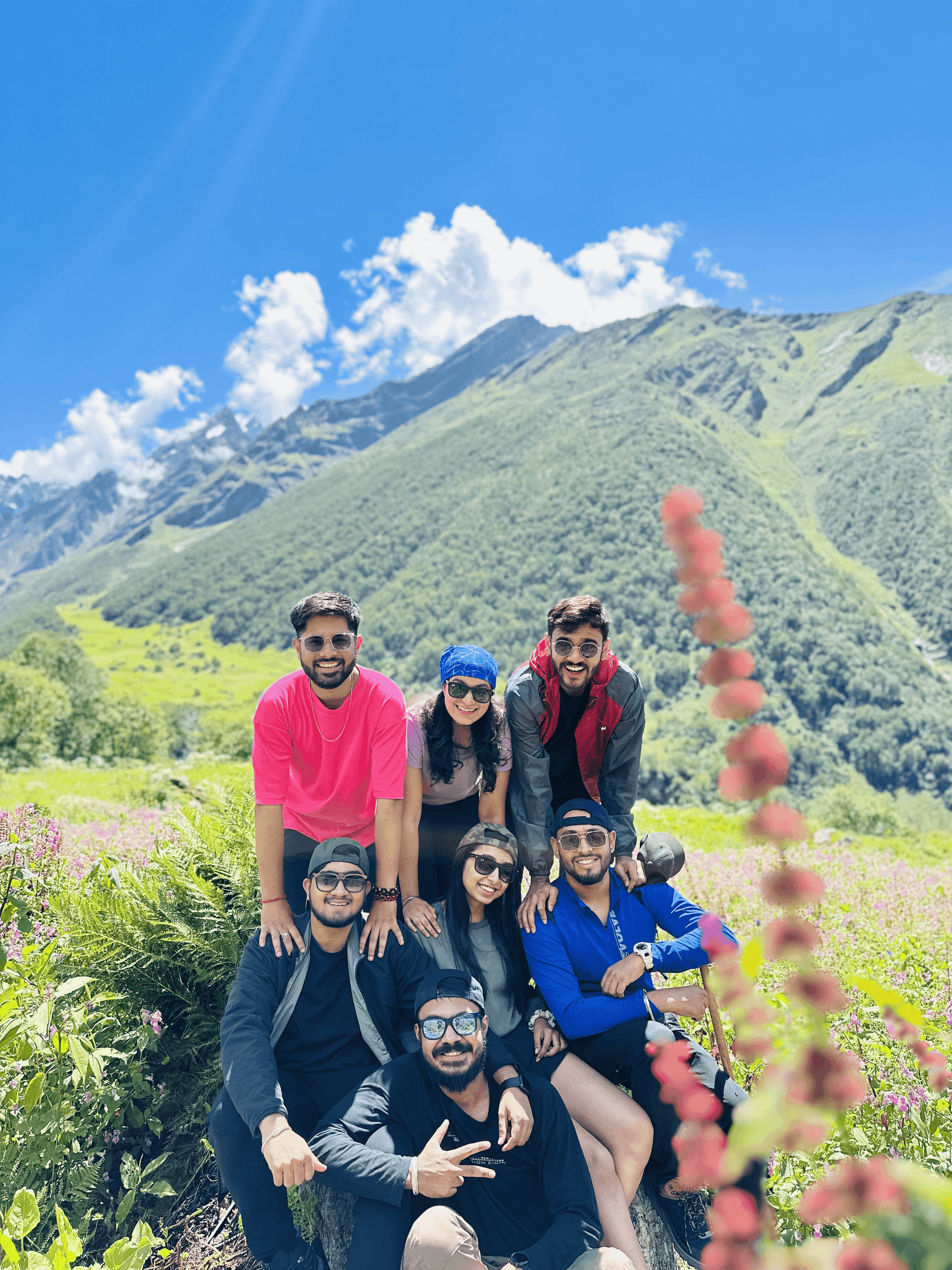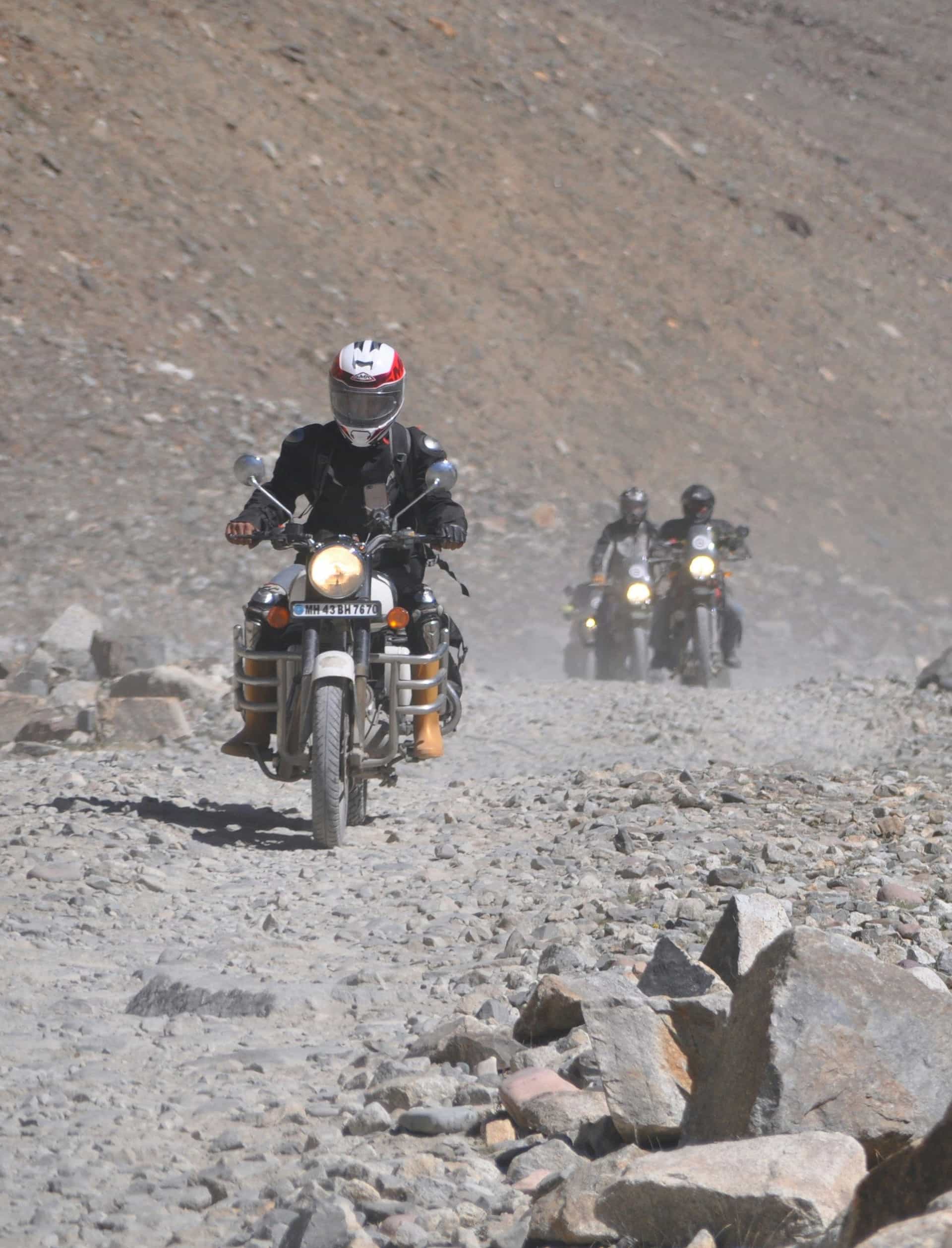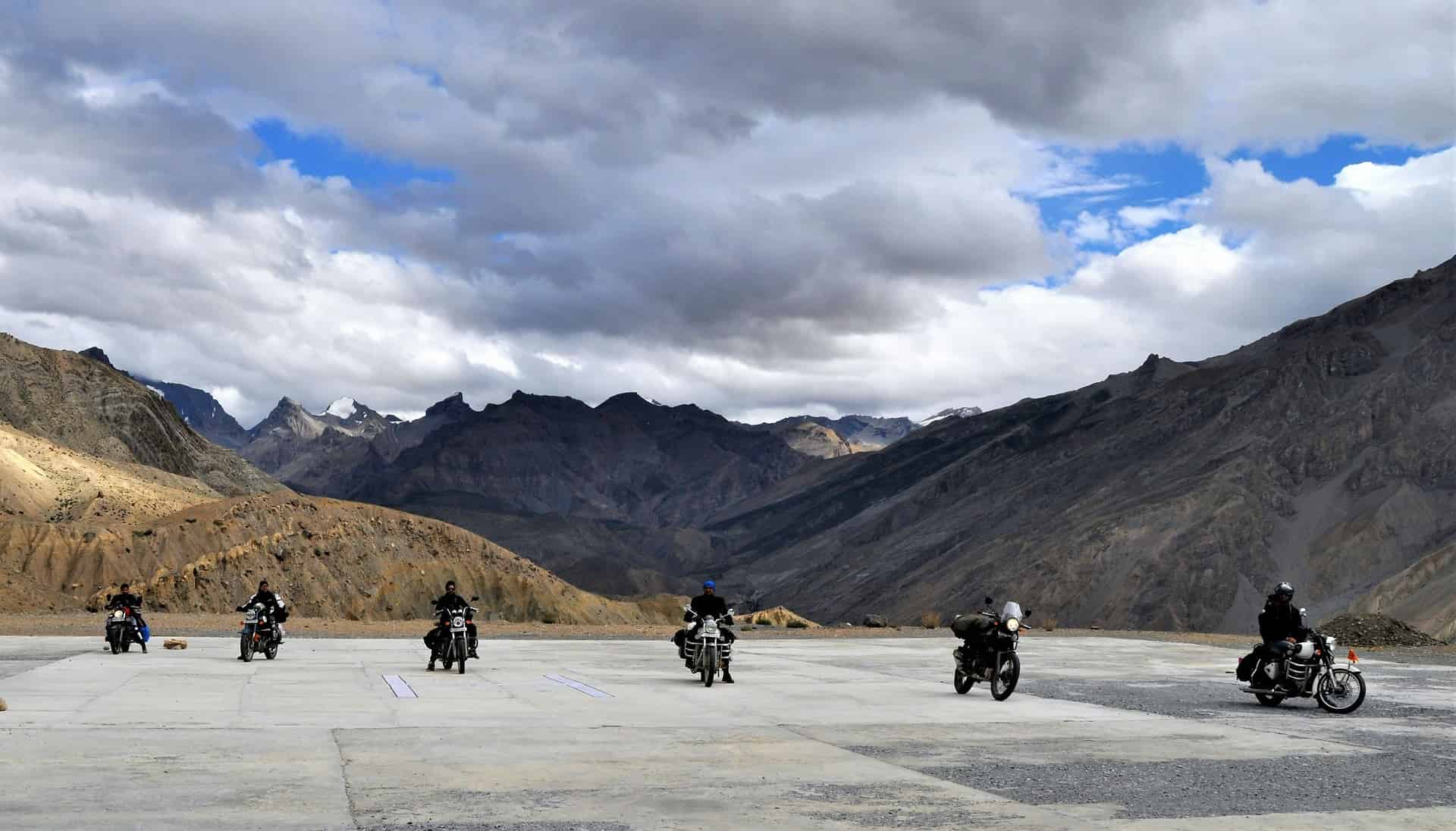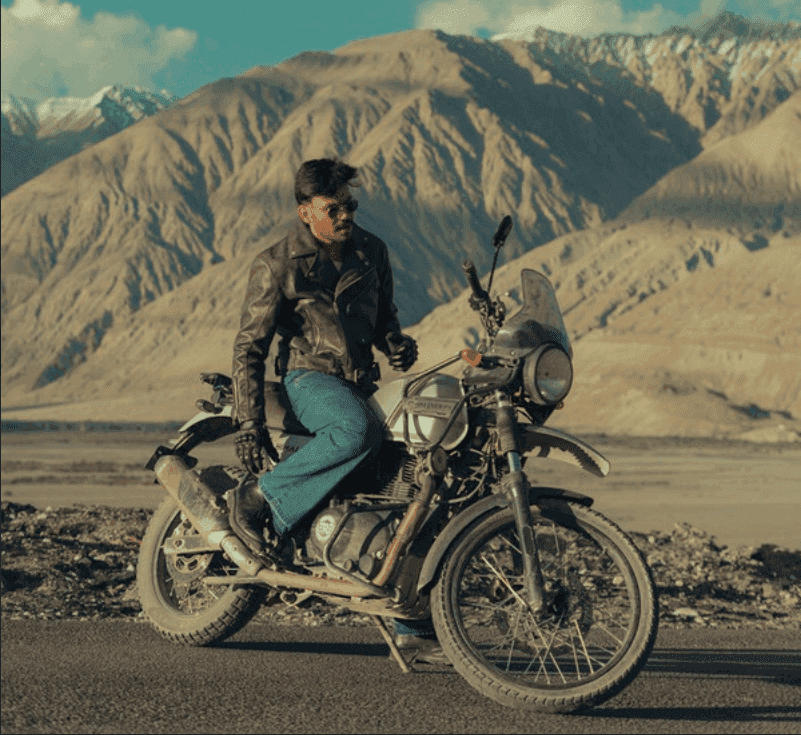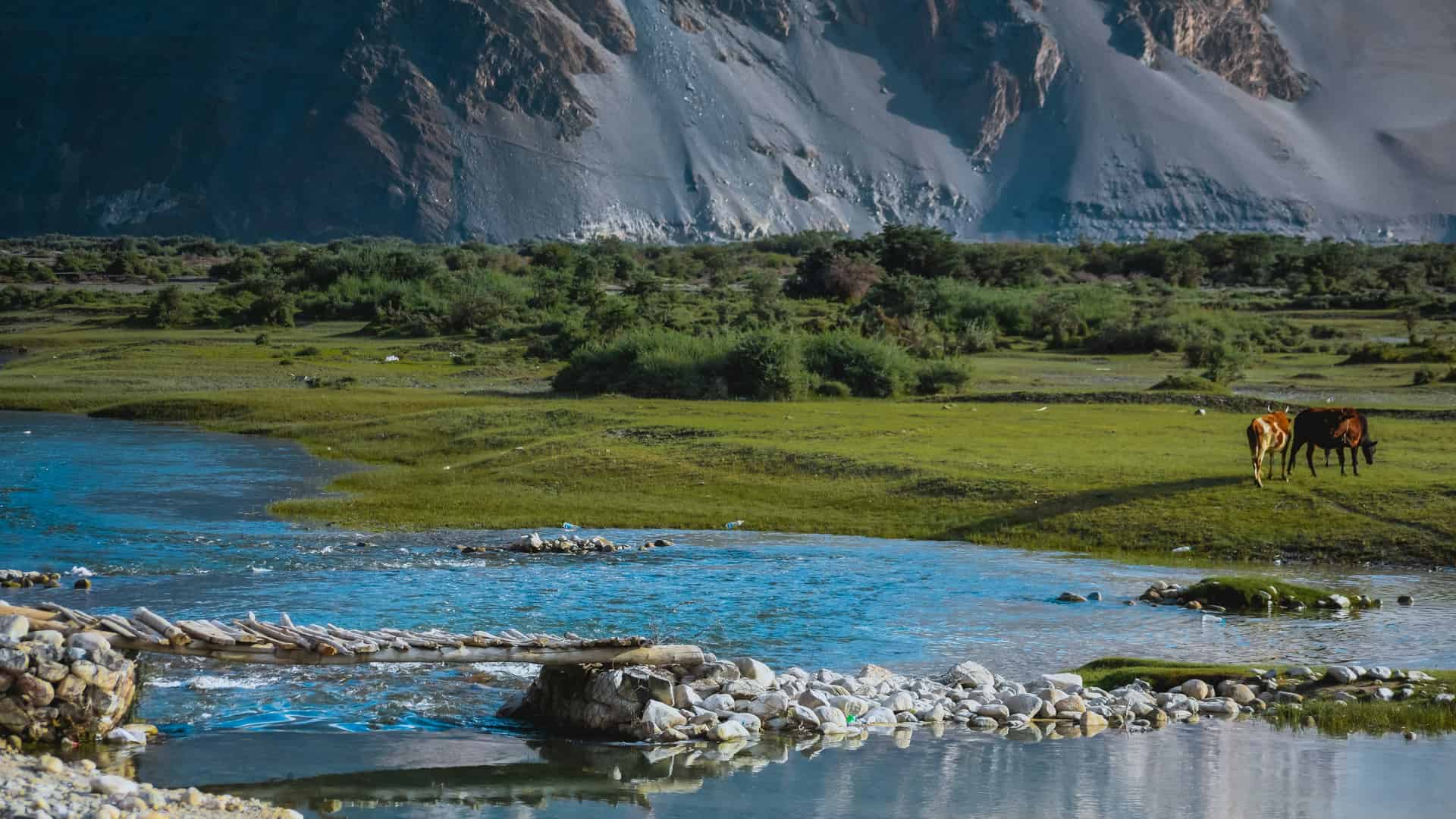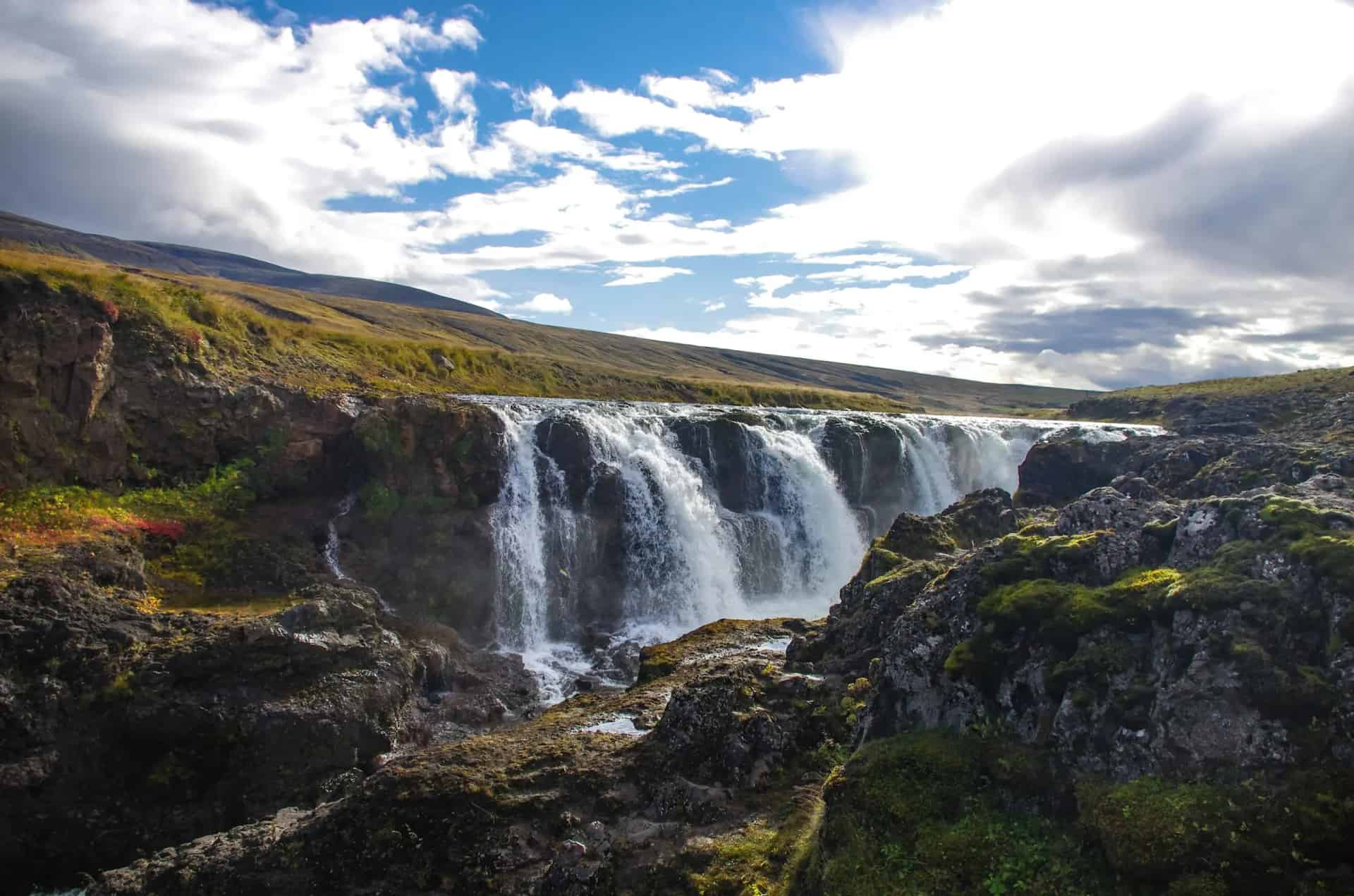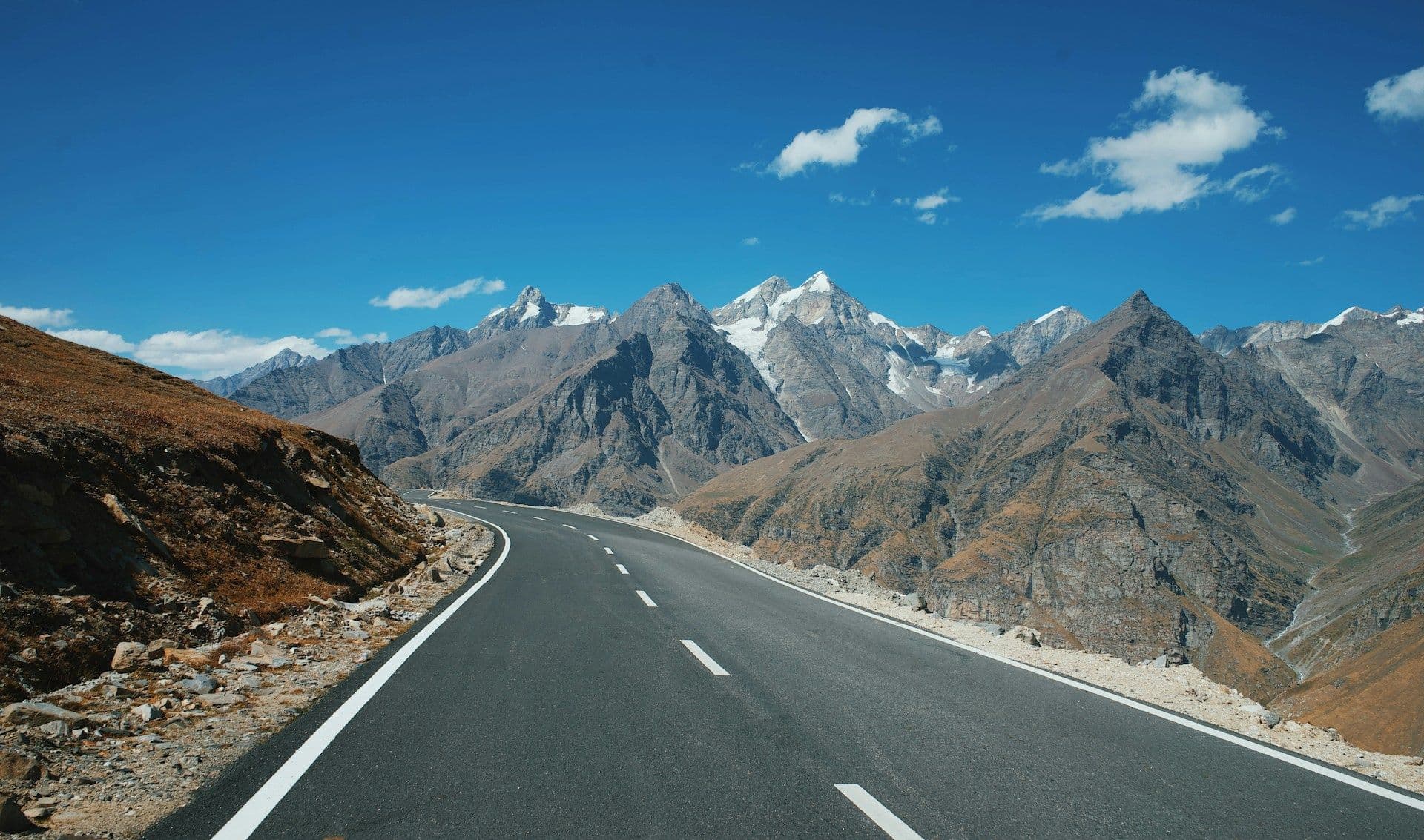
Some journeys in Himachal Pradesh are remembered less for the destination and more for the roads that lead there.
The landscapes keep changing constantly, pine forests slowly turn into cold deserts, rivers begin following the highways for hours, mountain villages appear between valleys and entire road trips start feeling slower, quieter and far more immersive than regular travel itineraries.
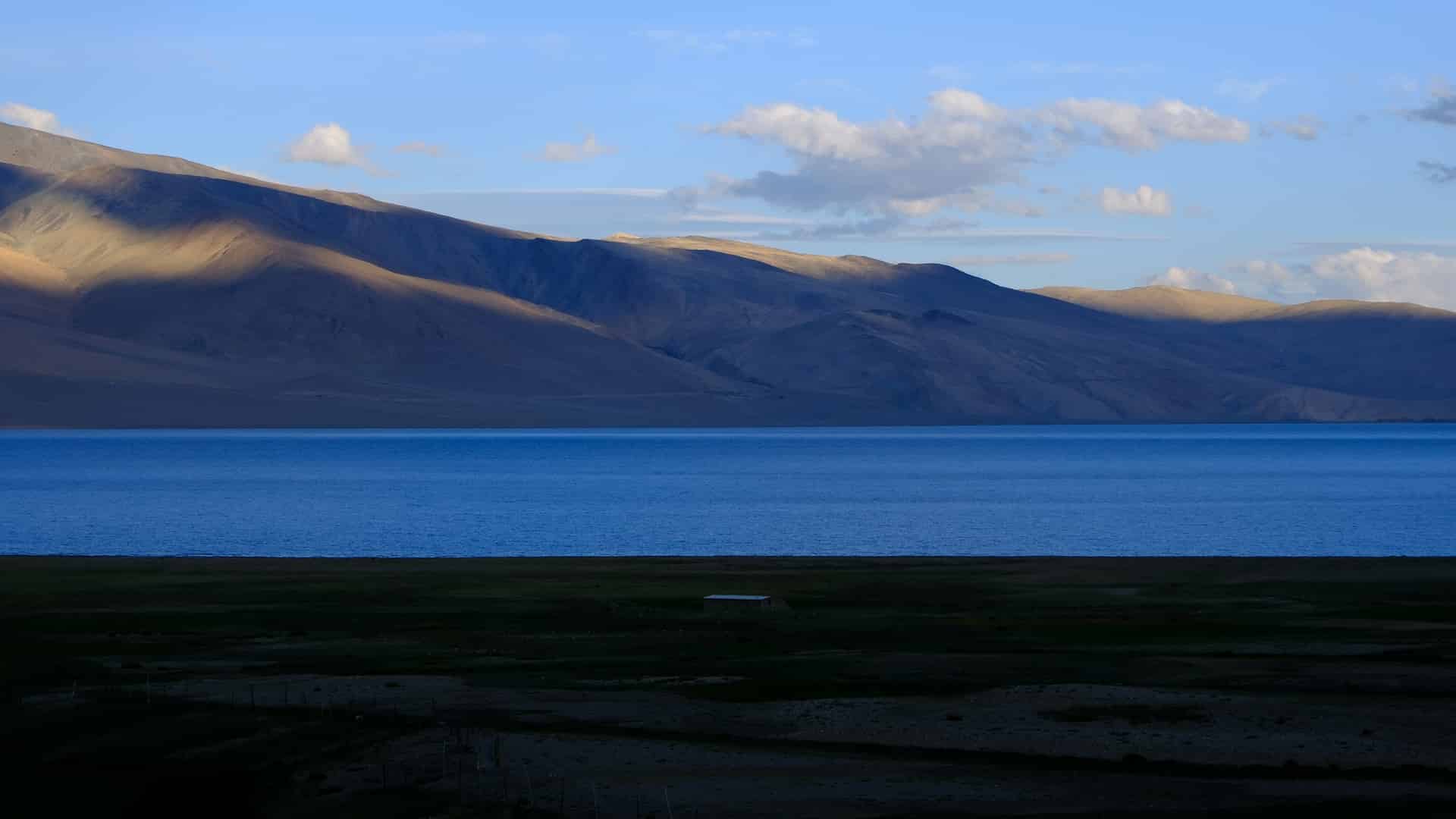
One day can begin in café-filled forest valleys, while the next slowly opens into barren mountain roads, monastery regions, high-altitude passes and landscapes that barely feel connected to the same state.
Entire days in Himachal often disappear between riverside highways, chai stops, mountain fog, forest roads and valleys that slowly keep changing with every few hours of driving. That constant movement through landscapes is one of the biggest reasons why road trips across Himachal feel far more memorable than simply reaching one destination.
Whether travelers are planning:
- a self-drive Himalayan circuit
- a bike trip
- an offbeat mountain route
- a slower workation journey
- or a long valley-hopping experience
Himachal offers some of the most rewarding mountain roads in the country.
Why Himachal Pradesh Is Perfect for Road Trips
Unlike destinations built around one city or one attraction, Himachal Pradesh feels naturally connected through valleys, mountain roads, rivers, forests and changing landscapes.
That’s what makes road trips here feel far more immersive compared to regular point-to-point travel.
One journey can gradually move through:
- forest valleys
- riverside villages
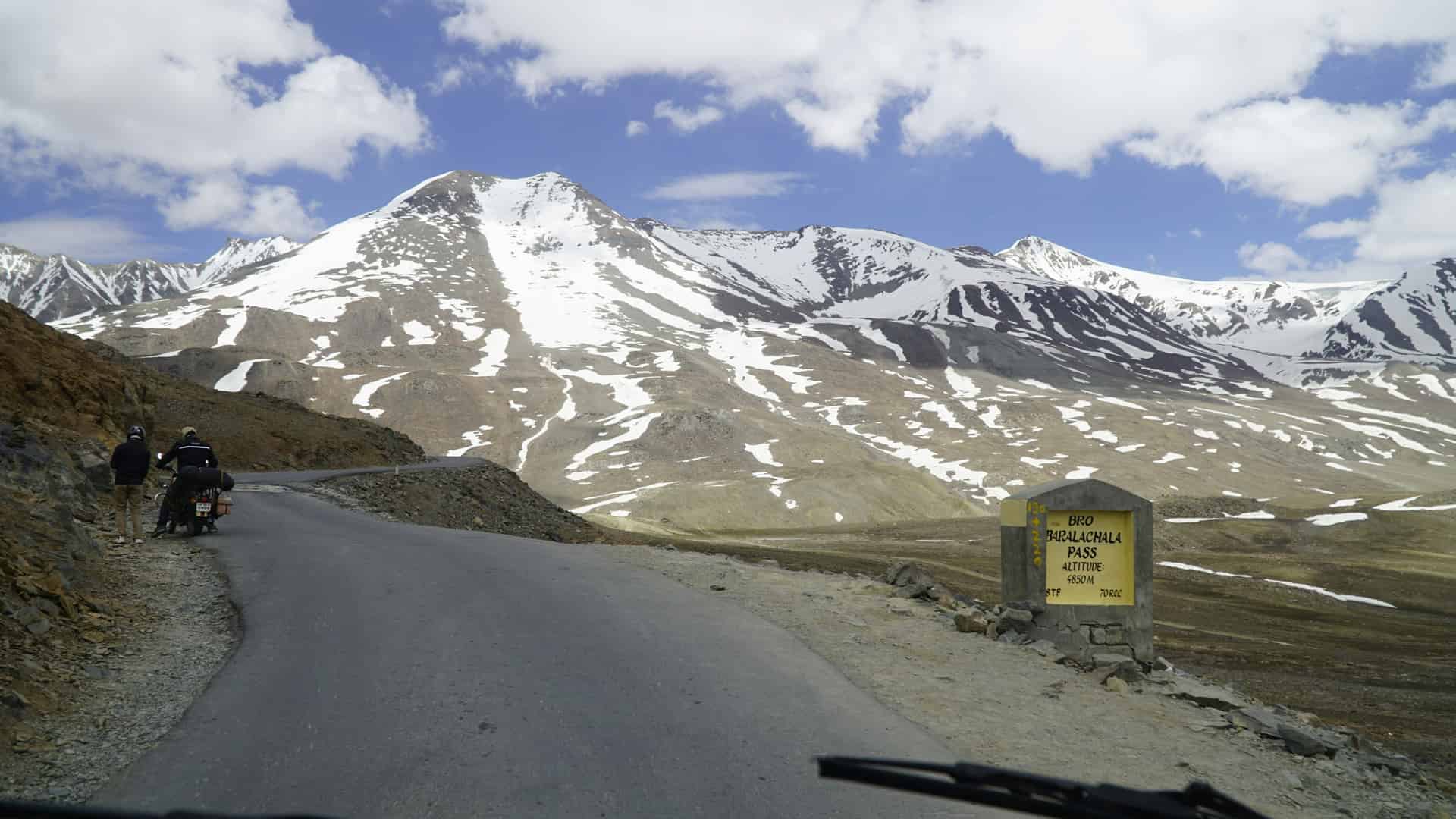
- high mountain passes
- monastery regions
- café towns
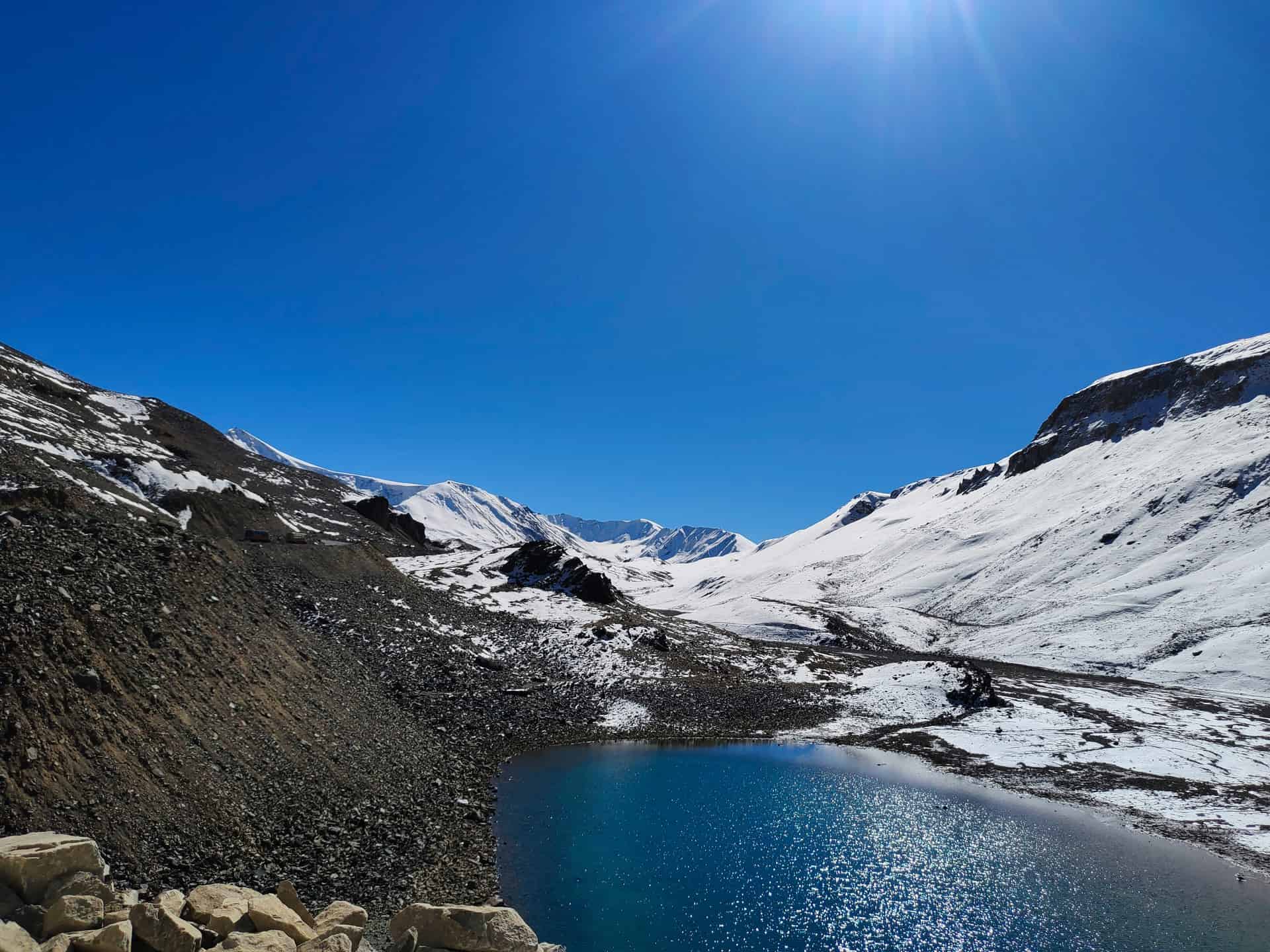
- snowfall landscapes
- cold deserts
all within the same broader Himalayan route.
Compared to faster tourist itineraries, road trips across Himachal usually feel:
- slower
- more scenic
- more flexible
- experience-driven
- atmosphere-focused
Many travelers now specifically choose Himachal for:
- self-drive trips
- biker circuits
- mountain photography
- slower Himalayan travel
- workations
- long weekend valley routes
Instead of quick sightseeing-focused holidays.
The 4 Ultimate Himachal Circuits: From 5G-Ready Valleys to Off-Grid Deserts
One of the best parts about Himachal Pradesh is that travelers can build very different road trips depending on the kind of experience they want.
Some routes feel peaceful and forest-heavy, while others gradually become rugged high-altitude Himalayan journeys.
The Tirthan – Jibhi – Jalori Pass Circuit
This is one of the most popular slow-travel road-trip circuits in Himachal Pradesh.
The route usually combines:
- Tirthan Valley
- Jibhi
- Shoja
- Jalori Pass
- Sainj Valley
- Shangarh
This side of Himachal is known for:
- forest roads
- riverside stays
- cabins
- cafés
- slower mountain villages
- meadow landscapes
- peaceful workations
Compared to busier destinations, this circuit feels:
- calmer
- greener
- less commercialized
- more nature-oriented
Travelers planning this route can also explore:
- Tirthan Valley travel guide
- Jibhi travel guide
- Jalori Pass travel guide
- Sainj Valley travel guide
- Shangarh travel guide
This circuit works especially well for:
- couples
- slower travelers
- café stays
- long weekends
- remote workers
- first-time Himalayan road trips
Many homestays across Tirthan and Sainj have also started catering more seriously to remote workers by offering stronger Wi-Fi setups, backup power support and dedicated work-friendly spaces for longer mountain stays.
The Parvati Valley Road Trip Circuit
The Parvati Valley route remains one of the most iconic Himalayan backpacking and road-trip experiences in Himachal Pradesh.
The route generally includes:
- Kasol
- Tosh
- Kalga
- Barshaini
- Manikaran
Compared to slower forest valleys, Parvati Valley feels:
- livelier
- more backpacker-oriented
- café-heavy
- more social
- more energetic
At the same time, smaller villages around the valley still offer quieter mountain experiences away from the busier Kasol side.
Travelers exploring this circuit can also check:
- Parvati Valley travel guide
- Kasol travel guide
- Tosh travel guide
- Kalga travel guide
- Kasol vs Tirthan
- Manali vs Kasol
This route works especially well for:
- backpackers
- café culture travelers
- workations
- younger travelers
- shorter mountain escapes
The Kinnaur to Spiti Circuit
This is one of the most dramatic Himalayan road trips in India.
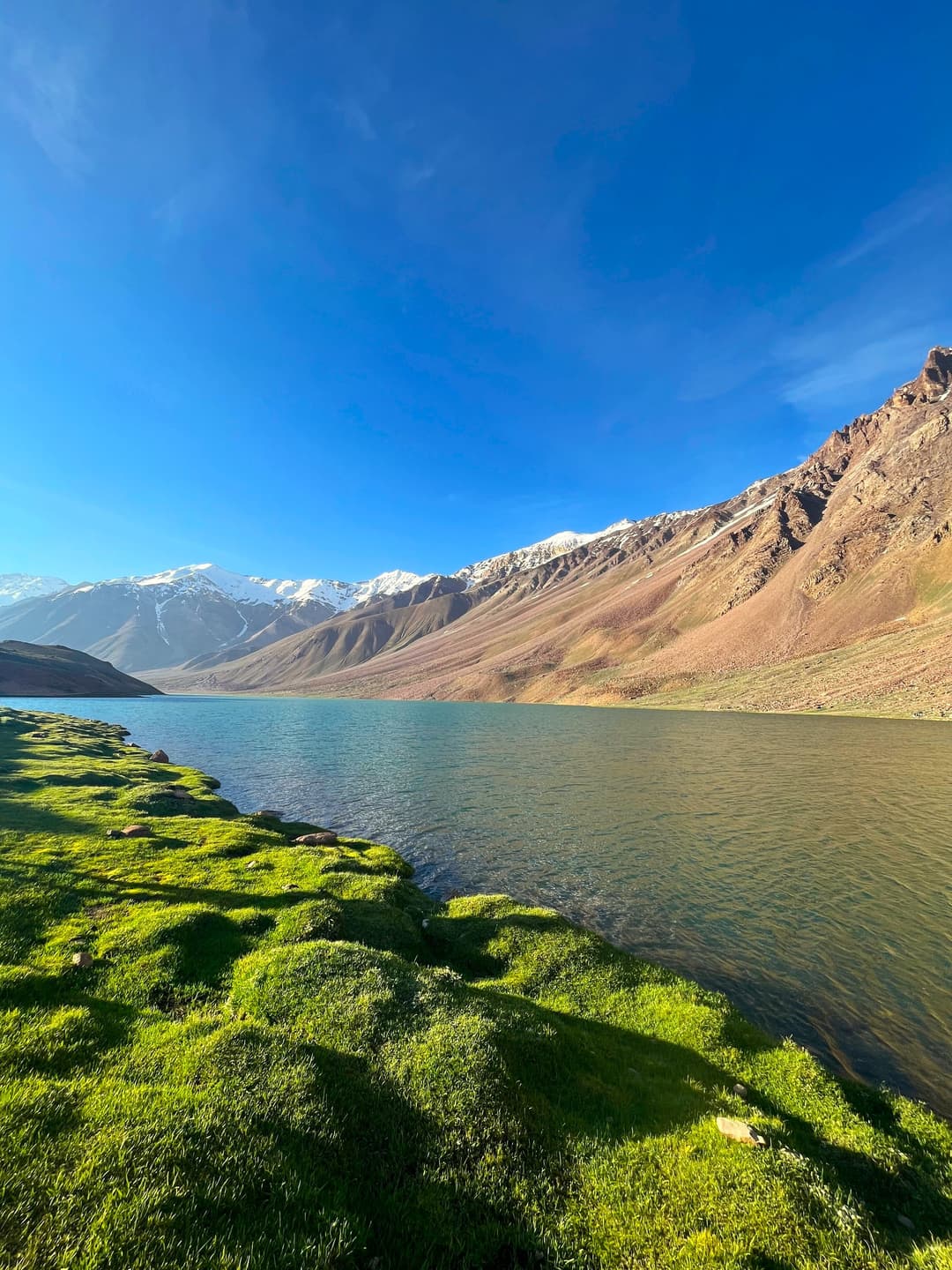
The route gradually moves from greener Himalayan landscapes into colder desert regions through:
- Sangla
- Chitkul
- Kalpa
- Nako
- Tabo
- Kaza
- Spiti Valley
Unlike lower Himachal circuits, this route feels:
- larger
- rougher
- quieter
- more cinematic
- more remote
The roads become more rugged, the landscapes wider and the atmosphere significantly more high-altitude and isolated.
Large sections of this circuit feel almost disconnected from regular city life, especially once the roads begin moving deeper toward Spiti’s colder desert landscapes.
Many travelers consider this one of the best self-drive Himalayan journeys in the country.
Travelers planning this route can also explore:
- Kinnaur travel guide
- Sangla travel guide
- Chitkul travel guide
- Kalpa travel guide
- Rakchham travel guide
- Spiti Valley travel guide
This circuit works especially well for:
- photographers
- self-drive travelers
- bikers
- adventure travelers
- longer Himalayan journeys
Travelers should also realistically expect slower movement near the Nigulsari repair zones in Kinnaur because of ongoing widening and stabilization work.
Crossing this stretch earlier in the day usually helps avoid longer traffic delays.
The Manali & High-Altitude Mountain Route
Manali remains one of the biggest gateways for Himalayan road trips in Himachal Pradesh.
While many travelers visit only for sightseeing, Manali also acts as the starting point for:
- Spiti journeys
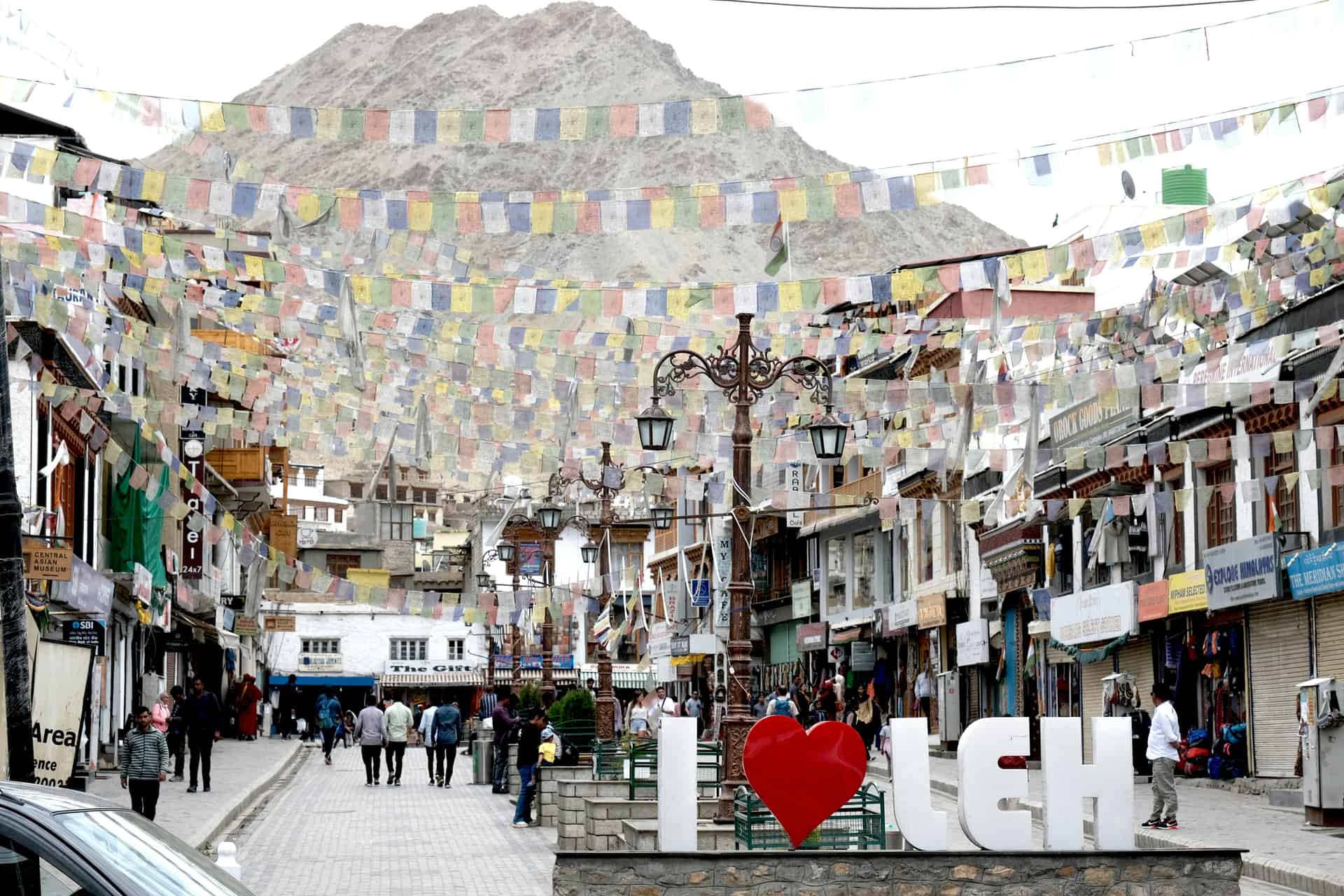
- Leh-Ladakh routes
- Rohtang region drives
- high-altitude road trips
Compared to quieter valleys, Manali feels:
- busier
- more tourism-driven
- more accessible
- more infrastructure-heavy
At the same time, it remains one of the most important mountain-route hubs in North India.
Travelers can also explore:
- Manali travel guide
- Manali trip cost
- Kasol-Manali itinerary guide
The broader Manali-Leh highway side also continues seeing heavy infrastructure work, especially around regions connected to future tunnel expansion projects and higher mountain passes.
The Bir Billing Mountain Circuit
The Bir Billing route is one of the best Himachal road trips for travelers looking for:
- mountain cafés
- paragliding
- slower mountain towns
- scenic drives
- workation stays
Compared to rugged high-altitude circuits, Bir feels:
- softer
- greener
- more relaxed
- café-oriented
Travelers planning this route can also check:
Why the September “Golden Window” Beats the Summer Rush
Different seasons completely change the road-trip experience across Himachal Pradesh.
Travelers planning broader mountain journeys can also explore the best time to visit Himachal Pradesh, depending on weather, snowfall, road accessibility and travel style.
Spring & Summer (March to June)
This is one of the best seasons for Himachal road trips.
The weather remains pleasant across most valleys, roads stay more accessible and longer mountain circuits become easier to complete.
This season works especially well for:
- self-drive trips
- biking
- café stays
- valley-hopping routes
- workations
Monsoon (July to August)
Monsoon creates some of the greenest landscapes across Himachal Pradesh.
However, travelers should also realistically expect:
- landslides
- slippery roads
- delays
- fog
- unpredictable weather
Regions like:
- Tirthan
- Jibhi
- Sainj
- Parvati Valley
look extremely beautiful during the monsoon, but flexible travel plans become very important.
Autumn (September to October)
Autumn is considered one of the best road-trip seasons across Himachal Pradesh.
September especially creates the famous “golden window” period where the monsoon greenery slowly transitions into clearer mountain views, calmer roads and more stable weather conditions.
The skies become clearer, mountain visibility improves significantly and higher Himalayan circuits become more visually dramatic.
This season works especially well for:
- Spiti road trips
- Kinnaur circuits
- photography
- long self-drive journeys
Winter (November to February)
Winter transforms large parts of Himachal Pradesh into snowfall-focused mountain landscapes.
Road conditions become more unpredictable in higher regions, but winter also creates:
- snow-covered forests
- quieter villages
- scenic mountain drives
- peaceful off-season stays
Travelers should prepare realistically for:
- colder weather
- road closures
- slower driving conditions
- black ice in higher regions
especially during early mornings.
The Jalori Pass side toward Shoja can become particularly slippery during colder months because some shaded stretches remain frozen for longer durations.
Self-Driving in Himachal: EV Charging, Green Tax & e-Aagman Rules
Road trips in Himachal Pradesh are extremely rewarding, but mountain driving requires patience and realistic planning.
Compared to regular highways, Himachal roads often involve:
- sharp turns
- narrow stretches
- mountain fog
- landslide-prone areas
- steep climbs
- changing weather
Travelers should avoid rushing between destinations.
Long mountain drives often become physically tiring because of:
- altitude
- terrain
- road conditions
- continuous turns
Fuel planning also becomes important in remote circuits like:
- Spiti
- Kinnaur
- high-altitude routes
Himachal Entry Taxes & Registration Reality
Travelers entering Himachal Pradesh through major highway entry points should also realistically expect tolls, state taxes and occasional vehicle registration checks depending on their route.
For certain high-altitude circuits connected to regions like Lahaul and Spiti, tourism-management systems have gradually become more digital in recent years.
Travelers should always verify the latest road-entry and vehicle-registration guidelines before beginning long Himalayan circuits.
EV Charging Reality in Himachal Pradesh
Electric vehicle road trips across Himachal Pradesh have become more practical in lower and mid-altitude circuits.
Charging infrastructure has improved significantly across:
- Chandigarh side highways
- Zirakpur
- Swarghat
- Mandi
- Manali approach routes
However, remote high-altitude regions like:
- Spiti
- Upper Kinnaur
- interior Himalayan circuits
still have very limited charging infrastructure.
EV travelers planning remote Himalayan journeys should:
- plan range carefully
- avoid late-night charging dependence
- carry backup charging options
- confirm homestay charging support in advance
especially during longer self-drive circuits.
Cash, UPI & Connectivity Reality Across Himachal
UPI payments are now common across many Himachal destinations, including cafés, stays and smaller towns.
However, travelers should still keep realistic expectations in mountain regions where:
- weather
- tower congestion
- remote valleys
- power fluctuations
can temporarily affect connectivity.
Network slowdowns and UPI failures are still common during peak tourist weekends in regions like:
- Sainj Valley
- Upper Kinnaur
- Spiti
- remote Parvati Valley stretches
Carrying backup cash remains one of the most practical decisions during longer Himalayan road trips.
Slow Travel vs Fast Himachal Itineraries
One of the biggest mistakes travelers make in Himachal Pradesh is trying to cover too many destinations too quickly.
The best Himalayan experiences usually happen during:
- slower mornings
- longer stays
- scenic drives
- village walks
- café breaks
- riverside time
- flexible itineraries
Rushing through valleys often turns road trips into exhausting checklists instead of immersive mountain experiences.
This is one of the biggest reasons why slower road-trip circuits across:
- Tirthan
- Sainj
- Shangarh
- Kinnaur
- Spiti
feel far more memorable compared to fast-paced itineraries.
Best Himachal Road Trips for Different Travelers
Different Himalayan circuits work better for different travel styles.
For Slow Travel & Peaceful Stays
Best routes:
- Tirthan Valley
- Jibhi
- Sainj Valley
- Shangarh
- Shoja
For Backpackers & Café Culture
Best routes:
- Kasol
- Tosh
- Kalga
- Bir Billing
For High-Altitude Road Trips
Best routes:
- Kinnaur
- Spiti Valley
- Kalpa
- Chitkul
For Photography & Landscapes
Best routes:
- Spiti
- Kinnaur
- Jalori Pass
- Bir Billing
For Snowfall Experiences
Best routes:
- Jibhi
- Shoja
- Manali
- higher Kinnaur regions
Himachal Road Trip Budget & Planning Reality
Road-trip costs across Himachal Pradesh depend heavily on:
- vehicle type
- fuel prices
- travel season
- stay category
- trip duration
- route difficulty
Compared to regular city trips, Himalayan road trips usually involve:
- higher fuel costs
- slower travel speeds
- longer travel days
- remote logistics
Travelers planning broader budgets can also check:
- Himachal Pradesh trip cost
- Tirthan Valley trip cost
- Manali trip cost
for more detailed planning insights.
Is Himachal Pradesh Best Explored Through Road Trips?
Yes, especially for travelers who enjoy slower journeys, changing landscapes, mountain culture and scenic Himalayan routes.
Unlike fixed-destination travel, Himachal road trips allow travelers to experience:
- valleys gradually unfolding
- changing mountain terrain
- riverside roads
- hidden villages
- forest drives
- high-altitude passes
- slower Himalayan life
The roads themselves slowly become part of the experience.
That’s exactly why so many travelers return to Himachal Pradesh not just for one destination, but for the feeling of moving through the mountains themselves. Travelers planning broader mountain journeys can also explore this Himachal Pradesh travel guide for destination planning and route ideas.
If you are planning a broader Himalayan journey, you can also explore our Himachal Pradesh tour packages and Spiti Valley tour packages for curated mountain road-trip experiences across Himachal Pradesh.