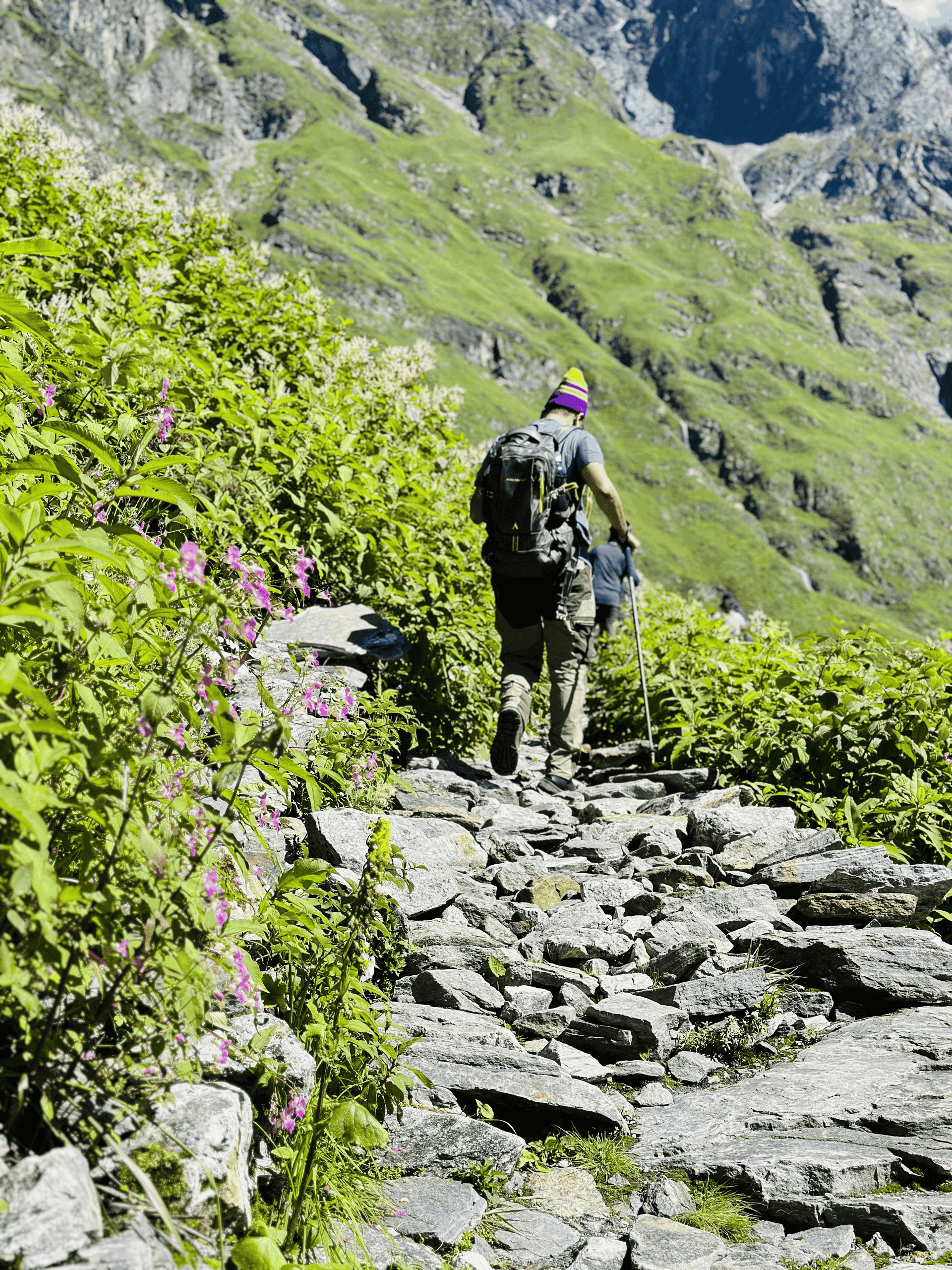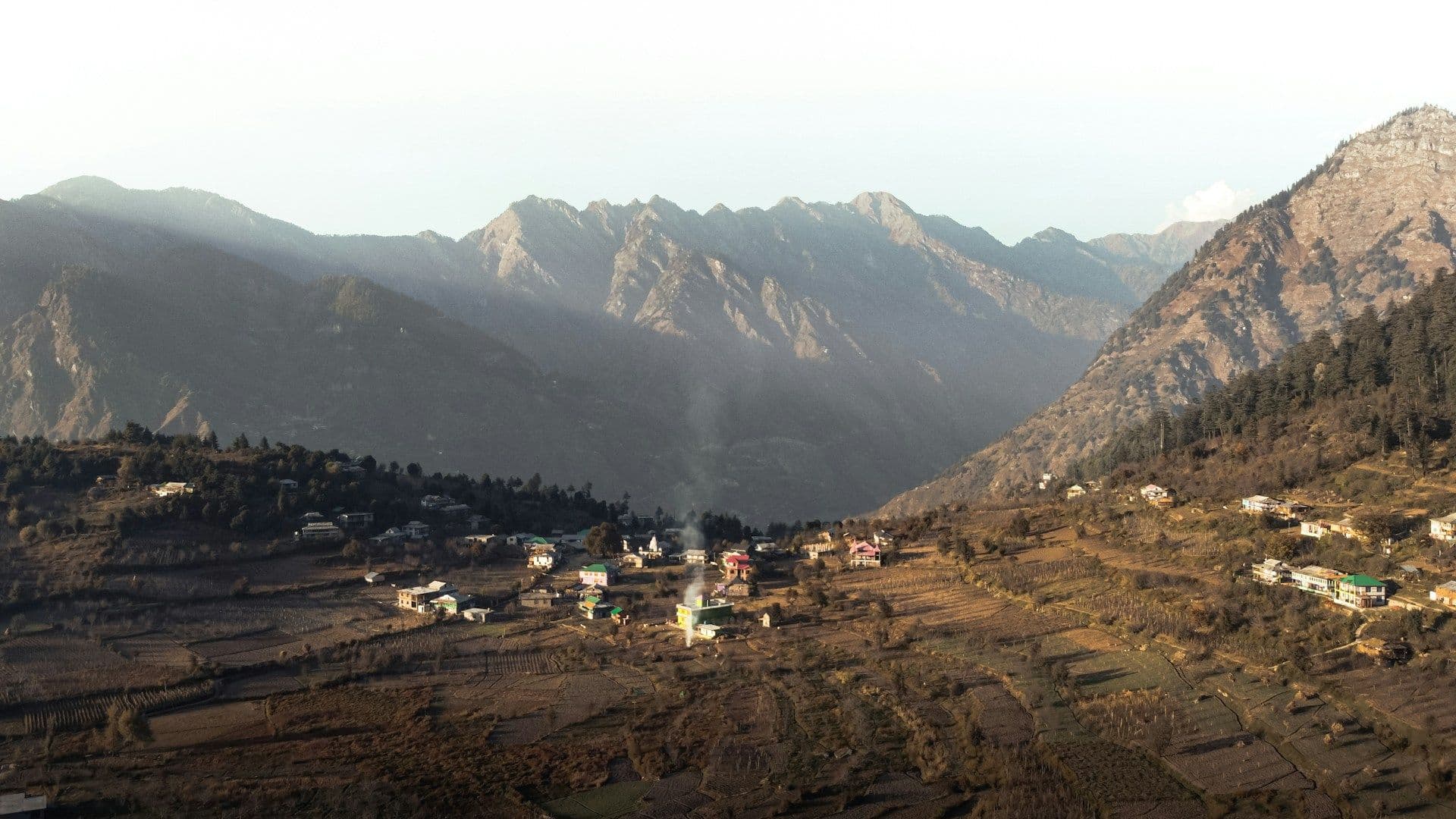
Sainj Valley doesn’t try too hard to impress you.
There are no crowded market streets, loud cafés or rushed sightseeing circuits here. Instead, the valley slowly pulls you into quieter forests, slower mornings, riverside villages and the kind of mountain silence that makes people extend their trips without planning to.
That slower rhythm is exactly why Sainj Valley has become one of Himachal Pradesh’s most peaceful travel experiences.
Why Travelers Are Choosing Sainj Valley
Sainj Valley has become increasingly popular among travelers looking for quieter Himalayan destinations beyond Himachal’s heavily commercialized tourist circuits.
People usually visit for:
- peaceful mountain stays
- forest villages
- meadow landscapes
- slower travel
- scenic drives
- nature experiences
- workations
- offbeat Himachal routes
The valley especially attracts:
- couples
- remote workers
- photographers
- slower-travel audiences
- nature-focused travelers
- long-stay visitors
Compared to destinations like Kasol or Manali, Sainj Valley feels:
- quieter
- greener
- less commercialized
- more village-oriented
- slower-paced
Even with growing tourism around Shangarh and nearby villages, the broader valley still feels significantly calmer compared to busier Himalayan regions.
The sound of the river quietly follows large parts of the valley, especially around lower village stretches and forest-side stays, adding to the slower and more restorative atmosphere that defines Sainj.
The region has also gradually benefited from improving tourism infrastructure and village-based hospitality growth connected with broader Himalayan rural tourism development programs in recent years.
Navigating the Aut to Shangarh Route: Road Conditions & Local Transport Reality
Sainj Valley is located in Himachal Pradesh near the Great Himalayan National Park region of Kullu district.
The valley can usually be reached through:
Aut → Sainj → Neuli → Shangarh and surrounding villages
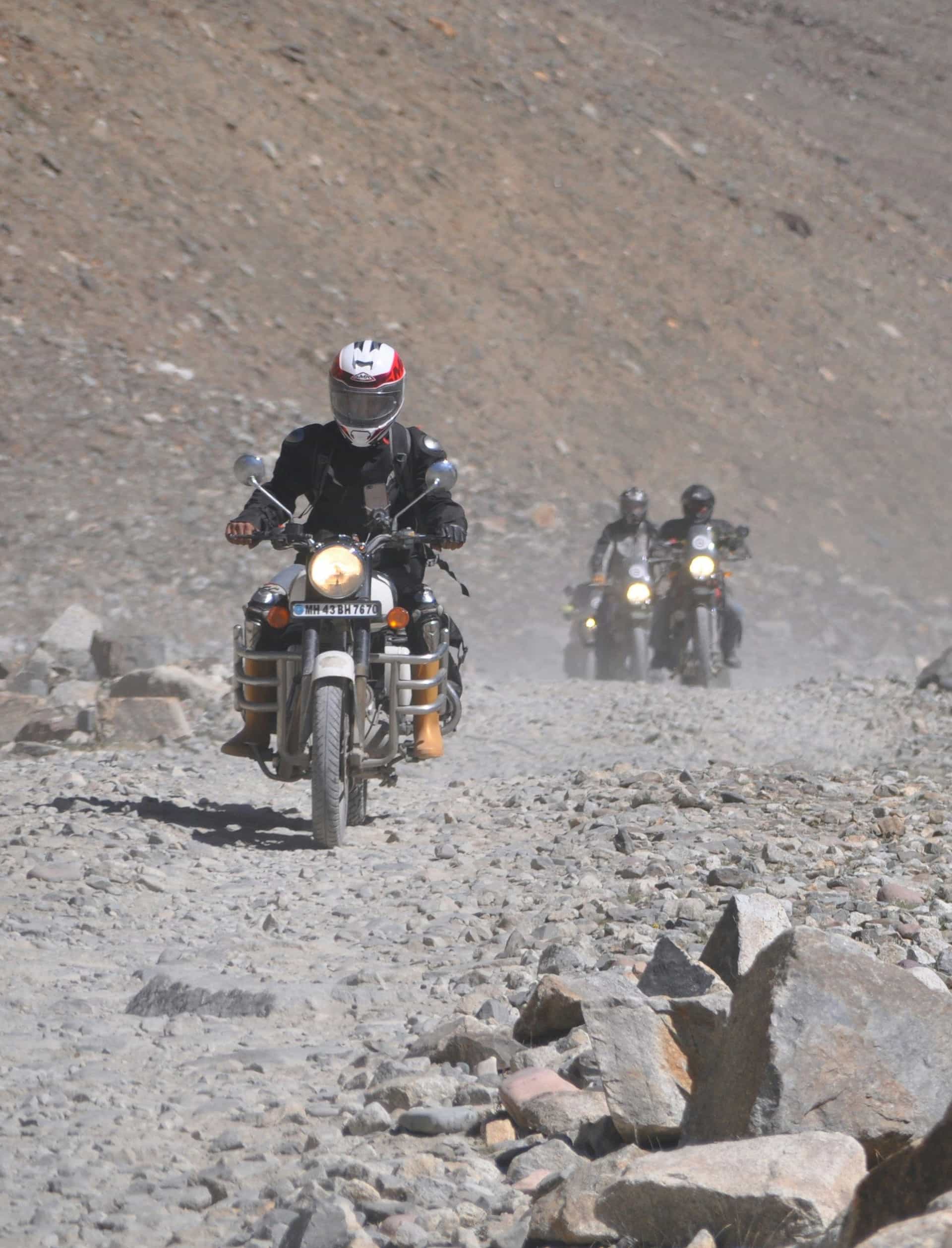
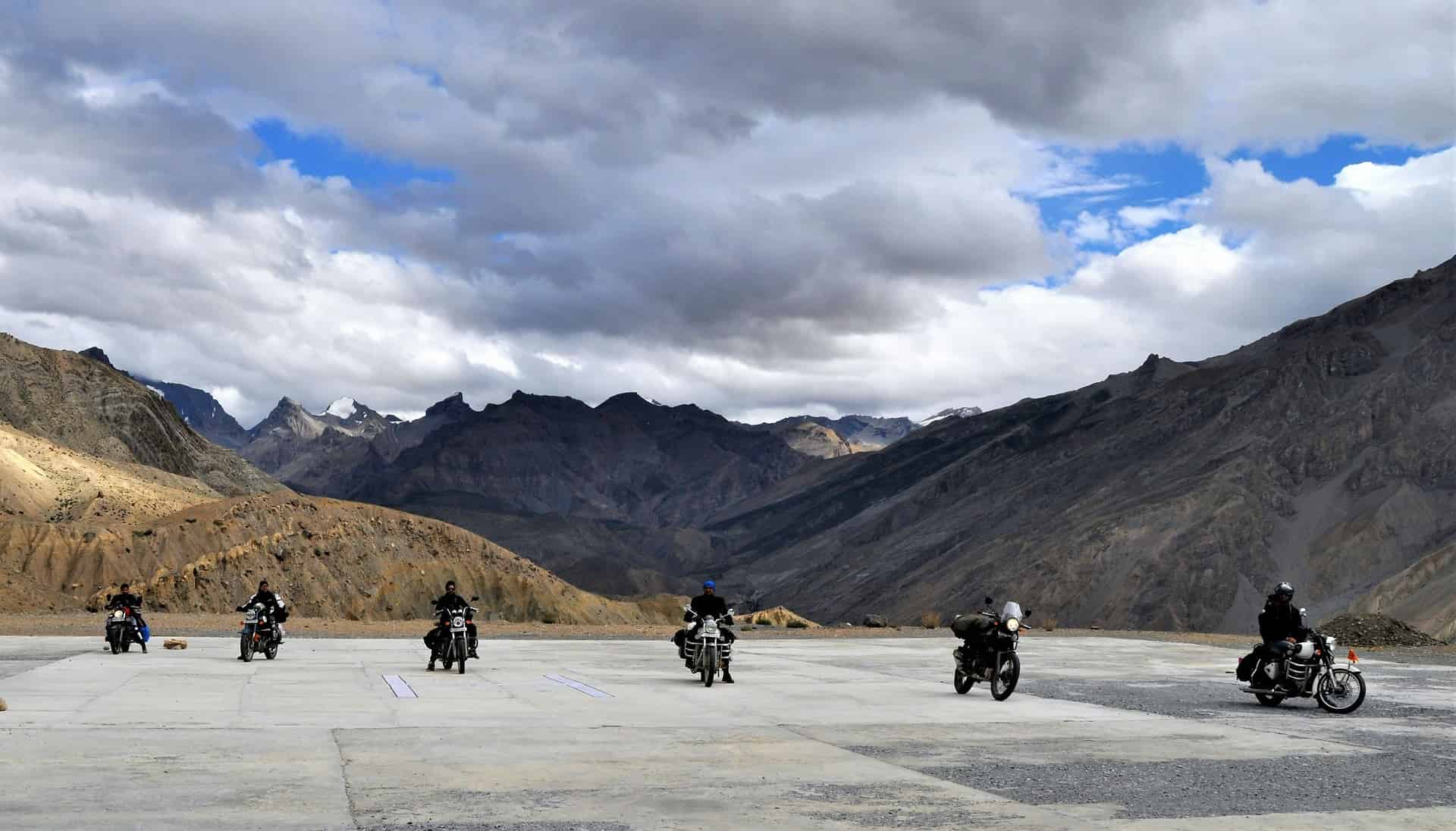
The route gradually moves away from the busier highway atmosphere into forest roads, mountain villages, riverside stretches, and quieter Himalayan landscapes.
Travelers should also realistically expect slower movement around the Aut turn-off region during peak travel periods because of ongoing highway widening and traffic congestion in surrounding stretches.
Starting earlier in the day usually helps avoid longer delays around the Aut bottleneck.
Local buses regularly operate between Aut, Sainj, Neuli and Shangarh, making the valley accessible even for backpackers and slower public-transport travelers.
Many travelers combine the Sainj Valley with:
- Shangarh
- Tirthan Valley
- Jalori Pass
- Jibhi
while planning slower Himachal road trips.
Travelers planning broader mountain journeys can also explore the Himachal Pradesh travel guide.
Why the Apple Blossom (April) and Meadow Fog (August) are the Peak Experiences
Sainj Valley changes significantly across seasons and each season creates a very different mountain experience.
Travelers planning broader Himalayan journeys can also check the best time to visit Himachal Pradesh, depending on snowfall, greenery, road conditions and seasonal travel preferences.
Spring (March to April)
Spring gradually brings greenery back across the forests after winter.
The valley begins feeling fresher, quieter and visually softer as trees regain color and village landscapes slowly transition into greener mountain scenery.
Apple blossom season around parts of the valley adds another scenic layer during April.
This season works especially well for:
- peaceful stays
- forest walks
- photography
- slower travel
- meadow experiences
Spring also feels less crowded compared to peak summer periods.
Summer (May to June)
Summer is one of the most comfortable seasons to experience the Sainj Valley.
The weather remains pleasant, the forests stay green and the valley atmosphere feels calm compared to busier Himachal destinations.
This season works especially well for:
- workations
- longer stays
- village exploration
- scenic drives
- nature-focused travel
Unlike café-heavy tourist destinations, the Sainj Valley still feels relatively slow and less commercialized even during peak summer travel periods.
Monsoon (July to September)
Monsoon transforms the Sainj Valley into one of the greenest landscapes in Himachal Pradesh.
Cloud-covered forests, riverside mist, foggy mountain roads, and quieter village surroundings create a deeply atmospheric Himalayan experience during this season.
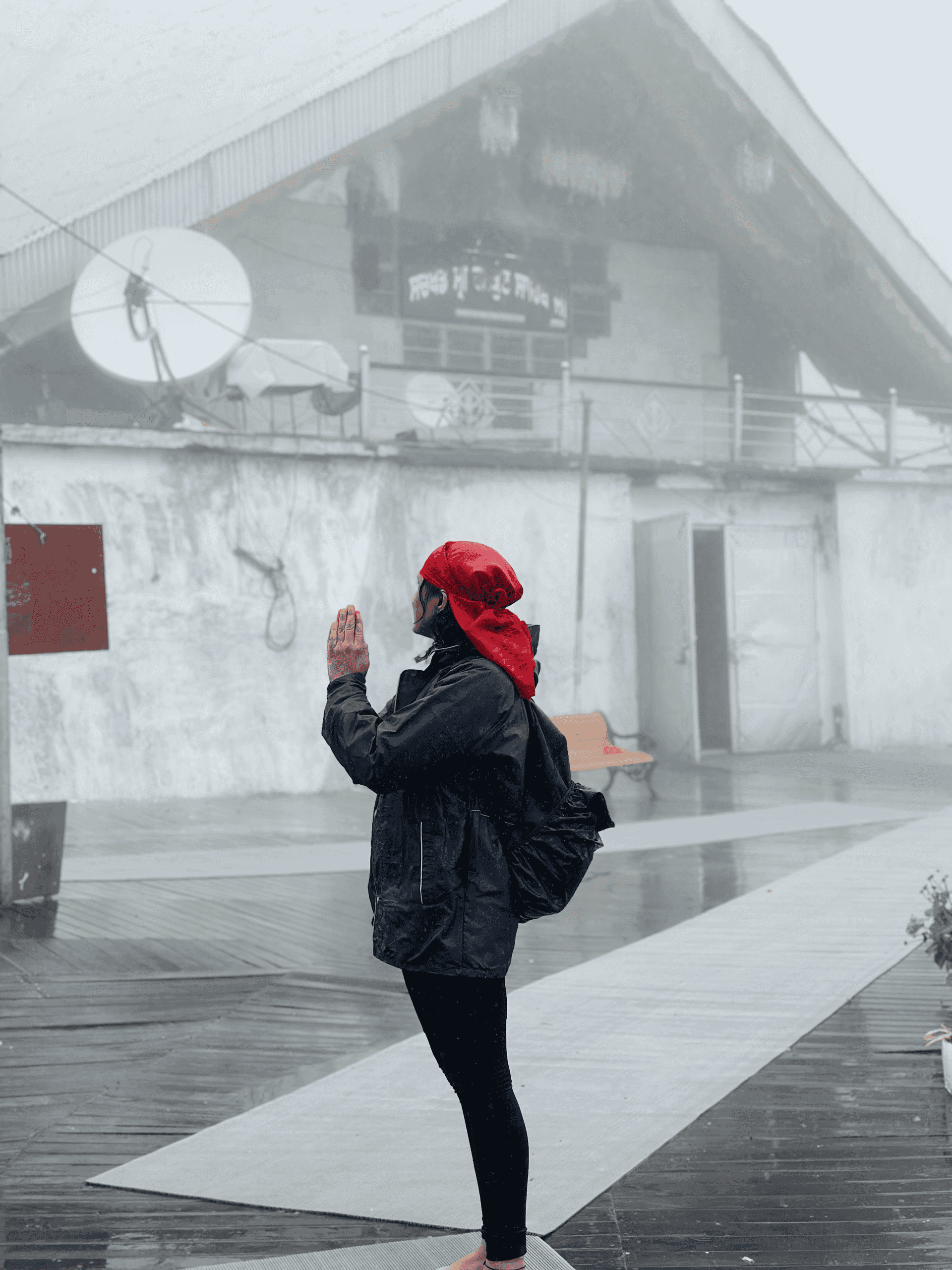
August especially becomes visually memorable because of the fog-covered meadow atmosphere around Shangarh and the surrounding forest regions.
At the same time, monsoon also brings:
- slippery roads
- landslide risks
- changing weather
- reduced mountain visibility
Travelers should keep flexible schedules during heavy rainfall periods.
Many travelers still prefer monsoon for:
- greenery
- quieter stays
- slower travel
- forest atmosphere
- photography
Autumn (October to November)
Autumn is one of the best times to experience the Sainj Valley more peacefully.
The skies become clearer, forests begin shifting tones gradually and the valley feels calmer compared to peak summer movement.
This season works especially well for:
- photography
- village stays
- workations
- peaceful travel
- slower Himalayan experiences
Cold evenings become much more noticeable during this period.
Winter (December to February)
Winter transforms the Sainj Valley into a colder and quieter Himalayan region.
Higher villages around the valley occasionally receive snowfall during peak winter periods, while forests and mountain landscapes feel dramatically calmer compared to summer.
Winter works especially well for:
- peaceful stays
- slower travel
- scenic mountain atmosphere
- quiet workations
- winter photography
However, travelers should also realistically expect:
- colder temperatures
- reduced movement in remote villages
- occasional road delays during bad weather
- limited late-evening activity
Warm clothing becomes extremely important during winter travel.
Shangarh & Beyond: Exploring Villages Around Sainj Valley
One of the best parts about Sainj Valley is that the experience extends far beyond one single destination.
The valley is filled with smaller villages, forest roads, meadow landscapes and quieter Himalayan stays that feel slower and more immersive compared to busier mountain towns.
Shangarh
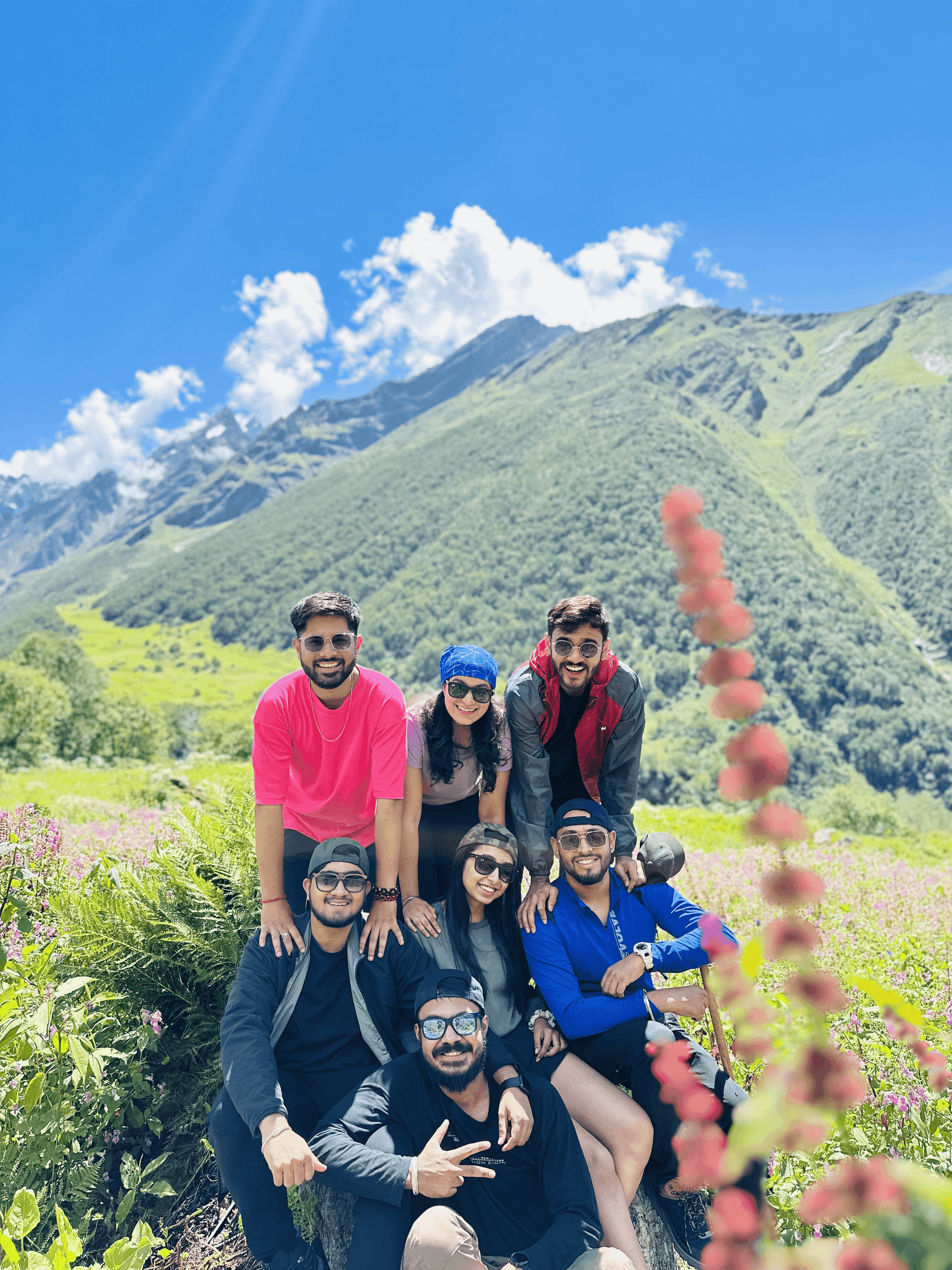
Shangarh has become one of the most recognizable villages in the Sainj Valley because of its large meadow and slower mountain atmosphere.
The village works especially well for:
- peaceful stays
- meadow views
- photography
- slower travel
- workations
Tourism around Shangarh has increased in recent years, but the overall atmosphere still feels calmer compared to many popular Himachal destinations.
Travelers planning meadow stays can also explore the Shangarh travel guide.
Travelers are also expected to respect local meadow boundaries and culturally sensitive areas near the temple surroundings.
Walking across protected sections of the meadow is discouraged and staying along the outer walking paths helps preserve the landscape and local traditions.
Raila & Nearby Villages
Smaller villages around the Sainj Valley often feel even quieter compared to Shangarh.
These regions are known for:
- traditional wooden homes
- forest surroundings
- slower village life
- scenic mountain walks
- peaceful Himalayan atmosphere
Many travelers now prefer staying slightly away from the main Shangarh stretch for a calmer and less crowded experience.
The Raila waterfall route has also gradually become more accessible in recent years, although early morning visits still feel significantly quieter compared to busier afternoon hours.
Pundrik Rishi Lake Experience
Pundrik Rishi Lake has slowly become one of the more searched hidden experiences around the Sainj Valley.
Unlike what many travelers expect, the destination feels more like a peaceful forest meadow surrounded by dense deodar landscapes rather than a large open lake.
The walk toward the region itself becomes the real highlight because of:
- forest atmosphere
- quieter trails
- slower mountain scenery
- peaceful surroundings
Compared to more crowded Himachal trekking routes, the experience around Pundrik Rishi feels far calmer and less commercialized.
Great Himalayan National Park & Nature Experience
Sainj Valley is closely connected with the Great Himalayan National Park ecosystem.
The broader region is known for:
- forest landscapes
- biodiversity
- mountain rivers
- quieter trekking routes
- nature-focused travel
Unlike more commercial trekking regions, the atmosphere around Sainj Valley usually feels slower and less crowded.
Many travelers visit the valley not for aggressive itineraries, but simply to spend time:
- walking through forests
- sitting near rivers
- exploring villages
- slowing down away from city routines
That nature-first atmosphere is one of the biggest reasons Sainj Valley feels very different from more tourism-heavy mountain destinations.
GHNP Sainj Entry Permit
Travelers planning to explore deeper sections of the Great Himalayan National Park beyond the eco-zone areas should check current permit requirements before visiting.
Permit systems and forest-entry processes around the Sainj side of GHNP have gradually become more organized in recent years and advance registration may be required for certain trekking routes and protected zones.
Travelers planning longer nature treks should always verify the latest forest department guidelines before entering restricted sections.
Sainj Valley vs Tirthan Valley: Which Should You Choose?
Travelers often compare the Sainj Valley and the Tirthan Valley when planning slower Himalayan trips.
Both are beautiful, but the atmosphere feels different.
Sainj Valley
Sainj Valley feels:
- quieter
- more village-oriented
- less commercialized
- more forest-focused
- slower-paced
The valley works best for travelers looking for:
- peaceful stays
- slower mountain routines
- quieter villages
- meadow experiences
- calmer workations
Tirthan Valley
Tirthan Valley feels slightly more developed for tourism compared to Sainj.
It works especially well for:
- riverside stays
- cafés
- trout fishing
- easier tourist accessibility
- longer family stays
Travelers planning riverside mountain experiences can also explore the Tirthan Valley travel guide.
Café Culture, Homestays & Workation Reality in Sainj Valley
Sainj Valley has gradually seen more homestays, cafés, and slower workation stays in recent years.
However, compared to destinations like Jibhi or Kasol, the atmosphere here still feels:
- quieter
- less commercial
- more nature-oriented
- less nightlife-focused
The valley is better suited for:
- slower mornings
- longer stays
- peaceful remote work
- quieter cafés
- village-based homestays
Internet and mobile connectivity have improved gradually across several villages, although weather and exact location still affect reliability in more remote areas.
Upper Shangarh currently offers some of the more stable connectivity zones for longer workation stays compared to deeper forest-side villages.
Several stays now offer:
- Wi-Fi setups
- mountain-view rooms
- work-friendly stays
- longer booking options
At the same time, travelers should still keep realistic expectations around:
- slower infrastructure
- occasional electricity fluctuations
- weaker connectivity in remote villages
especially during bad weather.
Snowfall & Winter Reality in Sainj Valley
Winter in Sainj Valley feels quieter and more peaceful compared to heavily crowded snowfall destinations in Himachal Pradesh.
While lower sections may not always receive heavy snow, higher villages around the valley often experience snowfall during peak winter months.
During winter travel, travelers should realistically expect:
- colder mornings
- reduced late-evening activity
- occasional fog
- slower road movement
- quieter village atmosphere
At the same time, winter also creates:
- peaceful forest scenery
- quieter stays
- scenic mountain landscapes
- slower Himalayan pacing
Travelers visiting during winter should always carry:
- warm layers
- insulated jackets
- winter footwear
- gloves
especially during January and February.
Important Travel Tips Before Visiting Sainj Valley
- Keep flexible schedules during monsoon travel.
- Carry warm layers even during summer because temperatures drop quickly after sunset.
- Avoid rushing through multiple villages in very short itineraries.
- Internet and electricity can fluctuate during bad weather.
- Respect quieter village culture and local routines.
- Start mountain drives earlier in the day whenever possible.
- Carry sufficient cash before entering deeper valley regions because ATM access remains limited in many areas around Shangarh and nearby villages.
Is Sainj Valley Worth Visiting?
Yes, especially for travelers looking for one of the calmest and most nature-focused Himalayan experiences in Himachal Pradesh.
Sainj Valley works best for people who enjoy:
- peaceful village stays
- forest landscapes
- slower travel
- meadow scenery
- scenic drives
- nature-focused workations
- quieter Himalayan routes
The valley becomes far more rewarding when travelers spend time slowing down and experiencing the atmosphere instead of treating Sainj as only a quick stop between destinations.
Many travelers now combine Sainj Valley with Shangarh, Tirthan Valley, Jalori Pass and other hidden places in Himachal Pradesh while planning slower Himalayan journeys.
If you are planning a broader mountain journey across Himachal Pradesh, you can also explore our Himachal Pradesh tour packages for slower Himalayan travel experiences and scenic mountain routes.