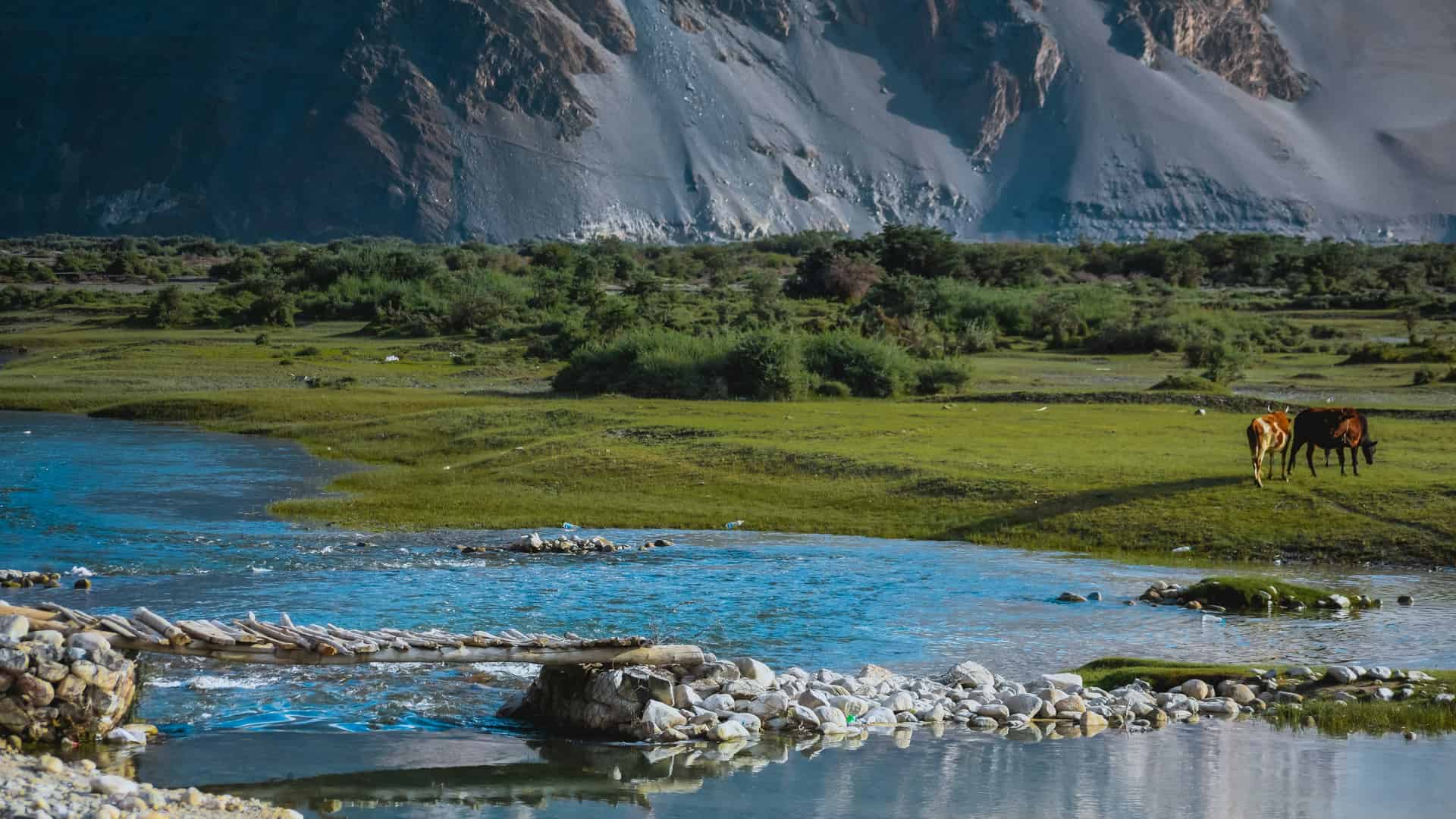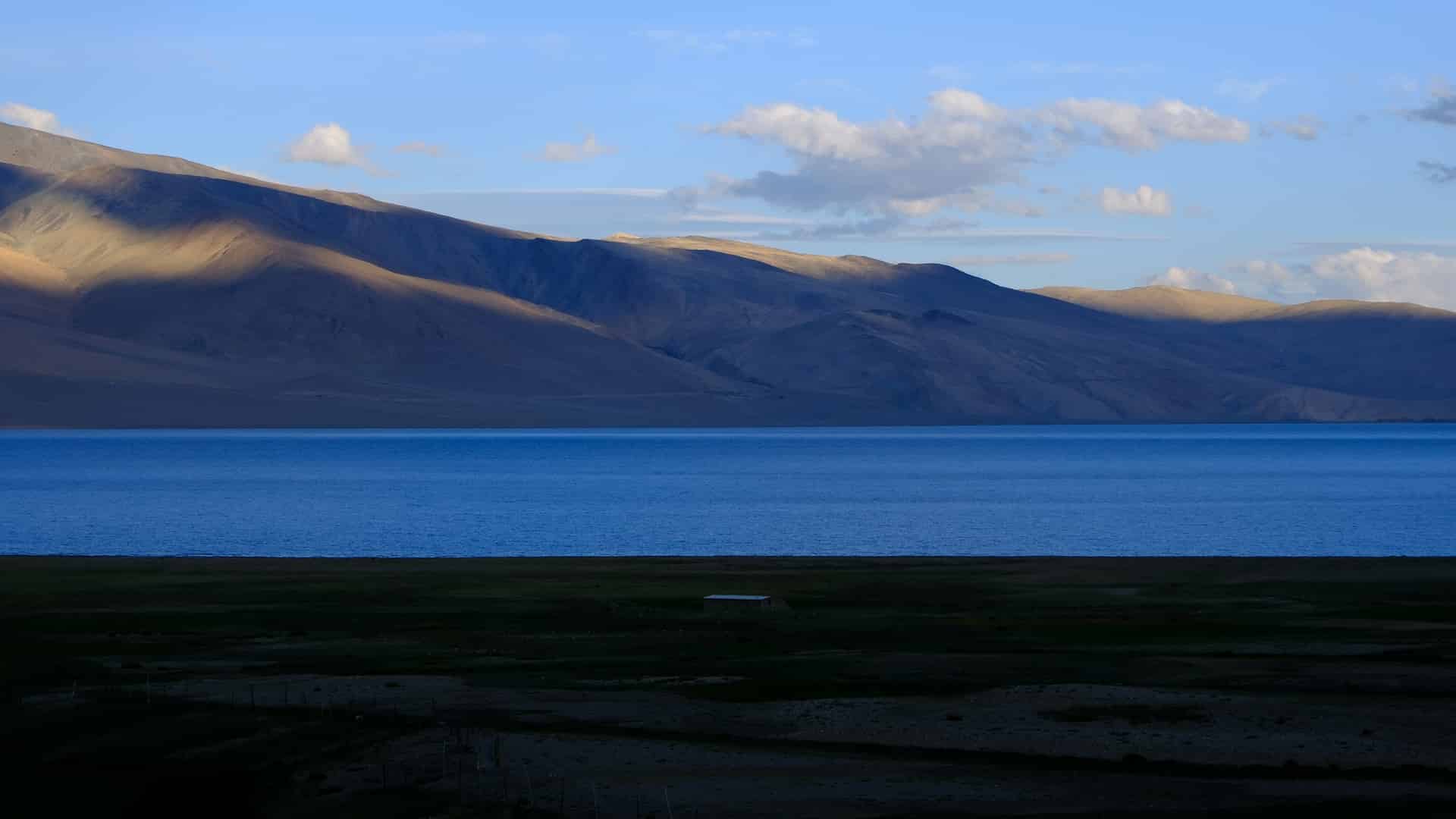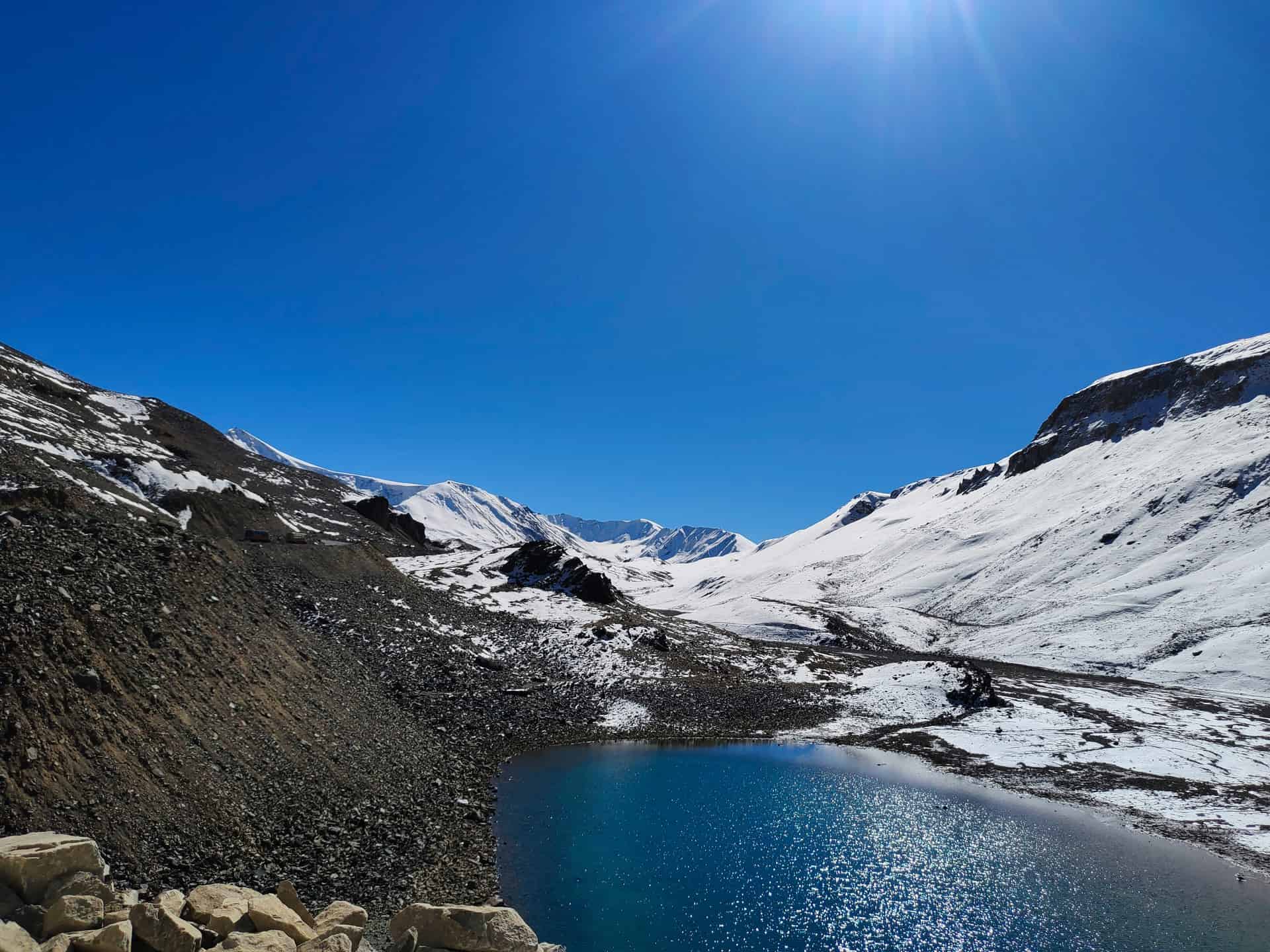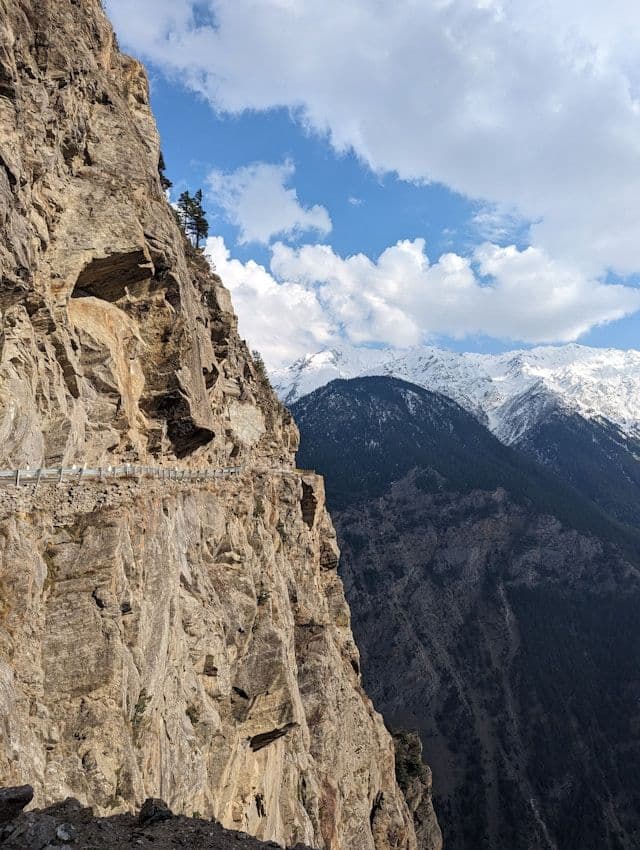
Kalpa is the kind of place where mornings quietly become the highlight of the day.
With the Kinnaur Kailash range rising directly across the valley, the experience here is less about rushing through sightseeing and more about slowing down, sitting longer in mountain cafés, watching the light shift across snow-covered peaks and settling into the calmer rhythm of Kinnaur.
That quieter atmosphere is a big reason why travelers continue choosing Kalpa for slower Himalayan stays, scenic road trips, snowfall experiences and peaceful mountain workations.
If you are planning a broader mountain journey across the state, this Himachal Pradesh travel guide can help you understand how Kinnaur fits into larger Himachal travel circuits.
Why Travelers Are Choosing Kalpa
Kalpa has become increasingly popular among travelers looking for quieter Himalayan destinations beyond heavily crowded mountain towns.
People usually visit for:
- Kinnaur Kailash views
- peaceful mountain stays
- snowfall
- apple orchards
- slower travel
- mountain photography
- scenic road trips
- workation stays
The village especially attracts:
- couples
- slower-travel audiences
- photographers
- remote workers
- road-trip travelers
- long-stay visitors
Compared to many other Kinnaur destinations, Kalpa feels:
- calmer
- more stay-focused
- less activity-heavy
- easier to stay longer in
- more comfortable during longer trips
At the same time, tourism infrastructure has improved gradually in recent years.
That means:
- more mountain-facing stays
- improving cafés
- better road access
- growing workation culture
- stronger connectivity near Reckong Peo
Even with growing tourism, Kalpa still feels significantly slower and quieter compared to more crowded Himalayan destinations.
Reaching Kalpa: The Reckong Peo Route & Public Transport Reality
Kalpa is located above Reckong Peo in Himachal Pradesh’s Kinnaur district.
The route usually follows:
Shimla → Narkanda → Rampur → Reckong Peo → Kalpa
The final ascent from Reckong Peo to Kalpa is only around 7 kilometers, but the road becomes steeper with multiple mountain hairpins along the way.
The road is fully accessible for most vehicles, although self-drivers should avoid very late evening drives during foggy weather or heavy rainfall periods.
Local buses and taxis regularly connect Reckong Peo with Kalpa, making public transport travel relatively manageable compared to more remote Himalayan regions.
Many travelers combine Kalpa with:
- Sangla
- Rakchham
- Chitkul
- Reckong Peo
while exploring broader Kinnaur routes.
Travelers planning longer Himalayan road trips can also explore the Kinnaur travel guide.
Why the April Bloom and September Harvest are the Ultimate Seasons
Kalpa changes significantly across seasons and each season creates a very different mountain experience.
Travelers planning broader mountain journeys can also check the best time to visit Himachal Pradesh, depending on snowfall, road conditions and seasonal travel preferences.
Spring (March to April)
Spring slowly brings greenery and orchard activity back into the region after winter.
Snow remains visible on surrounding peaks while apple orchards gradually begin blooming across parts of Kinnaur.
April especially feels beautiful because the orchards begin adding softer colors across the valley landscape.
This season works especially well for:
- peaceful stays
- mountain photography
- scenic road trips
- orchard experiences
- quieter travel
The overall atmosphere feels calmer compared to the busier summer months.
Summer (May to June)
Summer is one of the most comfortable seasons to visit Kalpa.
The weather remains pleasant, skies stay relatively clearer, and the Kinnaur Kailash range becomes more visible across the valley.
This season works especially well for:
- road trips
- longer stays
- mountain-view cafés
- photography
- workations
Compared to crowded hill stations, Kalpa still feels significantly slower even during peak summer periods.
Monsoon (July to September)
Monsoon transforms Kalpa into a greener and moodier Himalayan destination.
Cloud-covered mountains, foggy valleys and quieter surroundings create a very atmospheric experience during this season.
At the same time, monsoon also brings:
- landslide risks
- road delays
- changing weather
- reduced mountain visibility
The broader Kinnaur route especially becomes more weather-sensitive during heavy rainfall periods, so travelers should keep flexible schedules while traveling during the monsoon.
September also becomes one of the most rewarding periods for travelers because orchards across the region begin entering harvest season.
Many travelers still prefer this season for:
- quieter stays
- greenery
- peaceful atmosphere
- slower travel
- orchard landscapes
Autumn (October to November)
Autumn is one of the best seasons to experience Kalpa.
The skies become clearer, mountain visibility improves dramatically, and golden tones slowly begin appearing across orchards and valleys.
This season works especially well for:
- Kinnaur Kailash views
- photography
- peaceful mountain stays
- workations
- slower Himalayan travel
Cold mornings and evenings become much more noticeable during this period. Autumn road trips across Kinnaur are especially popular among photographers and slower Himalayan travelers because of clearer skies and stable weather.
Winter (December to February)
Winter transforms Kalpa into a snowy Himalayan village.
Snowfall becomes one of the biggest reasons travelers visit Kalpa during this season.
The village feels quieter, colder and visually far more dramatic compared to the summer months.
Winter works especially well for:
- snowfall experiences
- scenic mountain stays
- photography
- slower travel
- quieter Himalayan atmosphere
However, travelers should also realistically expect:
- freezing temperatures
- occasional road delays
- reduced accessibility during snowfall
- electricity fluctuations during harsh weather
Proper winter clothing becomes extremely important during this season.
Kalpa vs Sangla vs Chitkul: Which Kinnaur Destination Should You Choose?
One of the biggest mistakes travelers make is assuming all Kinnaur destinations feel similar.
They don’t.
Kalpa
Kalpa feels:
- quieter
- more scenic
- more stay-focused
- calmer
- more mountain-view oriented
The destination works best for travelers looking for:
- peaceful stays
- slower mornings
- mountain views
- snowfall
- longer Himalayan stays
Sangla
Sangla feels more balanced and activity-oriented compared to Kalpa.
It works especially well for:
- riverside stays
- cafés
- easier accessibility
- family trips
- scenic valley experiences
Travelers planning broader Baspa Valley routes can also explore the Sangla travel guide.
Chitkul
Chitkul feels more dramatic and harsher climatically compared to Kalpa.
The village works best for:
- high-altitude scenery
- dramatic landscapes
- colder mountain atmosphere
- shorter scenic stays
Travelers planning Baspa Valley road trips can also explore the Chitkul travel guide.
The Kinnaur Kailash View Experience
The Kinnaur Kailash range remains the biggest reason many travelers choose Kalpa over other destinations in Kinnaur.
The experience here is less about sightseeing and more about how the mountains slowly change throughout the day.
Mornings in Kalpa often begin with:
- golden mountain light
- colder air
- quieter surroundings
- clear Himalayan views
while evenings usually feel slower and calmer across the village.
Many travelers intentionally choose:
- balcony-facing stays
- orchard homestays
- mountain-view cafés
simply to spend more time watching the Kinnaur Kailash range instead of constantly moving between destinations.
Not every property in Kalpa gets uninterrupted mountain visibility though.
Stays around Upper Kalpa usually offer clearer panoramic views of the Kinnaur Kailash and Jorkanden peaks compared to the lower sections closer to the main road.
This slower atmosphere is what makes Kalpa feel very different from faster road-trip destinations across Himachal Pradesh.
Roghi Village & Scenic Experiences Around Kalpa
One of the most rewarding experiences around Kalpa is simply exploring the quieter roads and villages surrounding the main settlement.
The drive and walk toward Roghi village especially feel slower and more traditional compared to the busier tourist stretches around Kalpa.
The region is known for:
- dramatic mountain roads
- wooden Kinnauri homes
- quieter village atmosphere
- scenic valley viewpoints
- photography spots
Many travelers stop near the famous cliffside viewpoints on the Roghi route, although the slower village atmosphere beyond those points usually feels far more memorable than the viewpoints themselves.
Kalpa also works well as a base for slower mountain walks and shorter hikes around the surrounding region.
Some travelers additionally explore routes toward Chakka Peak for broader views across the Kinnaur landscape, especially during clearer weather conditions.
Travelers looking for slower mountain stays and scenic Himalayan pacing also increasingly explore quieter destinations like Jibhi and Kalga.
Café Culture & Stay Experience in Kalpa
Kalpa has gradually developed a stronger café and stay culture over the past few years.
The destination is now known for:
- mountain-facing cafés
- orchard stays
- wooden homestays
- balcony rooms
- slower Himalayan atmosphere
Unlike backpacking-heavy destinations, Kalpa feels calmer and more peaceful overall.
People usually spend their time:
- relaxing in cafés
- watching mountain views
- working remotely
- walking through orchards
- exploring quieter village lanes
- slowing down between longer road trips
Several local cooperatives and craft spaces around the region also showcase:
- Kinnauri shawls
- local handicrafts
- Chilgoza products
- traditional weaving culture
which adds another slower cultural layer to the overall Kalpa experience.
The atmosphere generally feels more reflective and less socially crowded compared to places like Kasol or Tosh. If you want to explore Himachali food culture, café experiences and regional dishes more deeply, you can also read this Himachal food guide.
Workation & Internet Reality in Kalpa
Kalpa has become increasingly popular among remote workers and longer-stay travelers.
Compared to deeper mountain villages, connectivity in Kalpa feels relatively better because of its proximity to Reckong Peo.
Airtel, Jio, and BSNL work in many parts of the region and connectivity across the main village remains reasonably stable for mountain workations.
Several stays now offer:
- Wi-Fi setups
- longer-stay packages
- work-friendly seating
- mountain-view workspaces
Some properties also provide fiber-based internet setups suitable for longer workations.
At the same time, travelers should still keep realistic expectations around:
- weather-related disruptions
- electricity fluctuations
- slower mountain infrastructure
especially during winter.
Travelers looking for calmer workation-style mountain stays also increasingly explore destinations like Bir Billing.
Snowfall & Winter Reality in Kalpa
Snowfall has become one of the biggest reasons travelers visit Kalpa during winter.
However, winter travel in Kinnaur requires more preparation compared to lower Himachal destinations.
During snowfall periods, travelers should realistically expect:
- icy roads
- frozen mornings
- colder indoor temperatures
- occasional transport delays
- slower local movement
At the same time, winter also creates:
- quieter village atmosphere
- dramatic mountain scenery
- snow-covered orchards
- peaceful Himalayan stays
Travelers visiting during winter should always carry:
- proper winter layers
- gloves
- waterproof footwear
- insulated jackets
especially during January and February.
Kinnaur Kailash Yatra & Monastery Culture
Kalpa also becomes an important stop during the annual Kinnaur Kailash pilgrimage season, which usually opens around August, depending on weather and administrative updates.
During this period, the region sees increased traveler movement across nearby pilgrimage routes and mountain trails.
The area around Kalpa is also known for older monasteries and traditional Himalayan religious culture.
Some smaller monasteries around the region may remain closed unless local caretakers are nearby, which adds to the slower and more local nature of exploring Kinnaur beyond standard sightseeing routes.
Travelers exploring longer Himalayan pilgrimage and mountain routes also often continue toward the Spiti Valley after Kinnaur.
Important Travel Tips Before Visiting Kalpa
- Carry warm layers even during summer because temperatures drop quickly after sunset.
- Keep flexible schedules during monsoon travel.
- Start mountain drives earlier in the day whenever possible.
- Carry sufficient cash because connectivity can fluctuate during bad weather.
- Winter road conditions can change quickly after snowfall.
- Respect quieter village culture and slower mountain routines.
- Avoid rushing through Kinnaur in very short itineraries.
Is Kalpa Worth Visiting?
Yes, especially for travelers looking for one of the calmest and most scenic mountain stay experiences in Himachal Pradesh.
Kalpa works best for people who enjoy:
- peaceful Himalayan stays
- mountain views
- snowfall
- orchard landscapes
- photography
- slower travel
- scenic road trips
The destination becomes far more rewarding when travelers spend time slowing down and experiencing the atmosphere instead of treating Kalpa as only a short stop during a Kinnaur road trip.
Many travelers now combine Kalpa with Sangla, Rakchham, Chitkul and other hidden places in Himachal Pradesh while planning longer Himalayan journeys.
If you are planning a broader mountain journey across Himachal Pradesh, you can also explore our Himachal Pradesh tour packages for scenic road trips and slower Himalayan travel experiences.