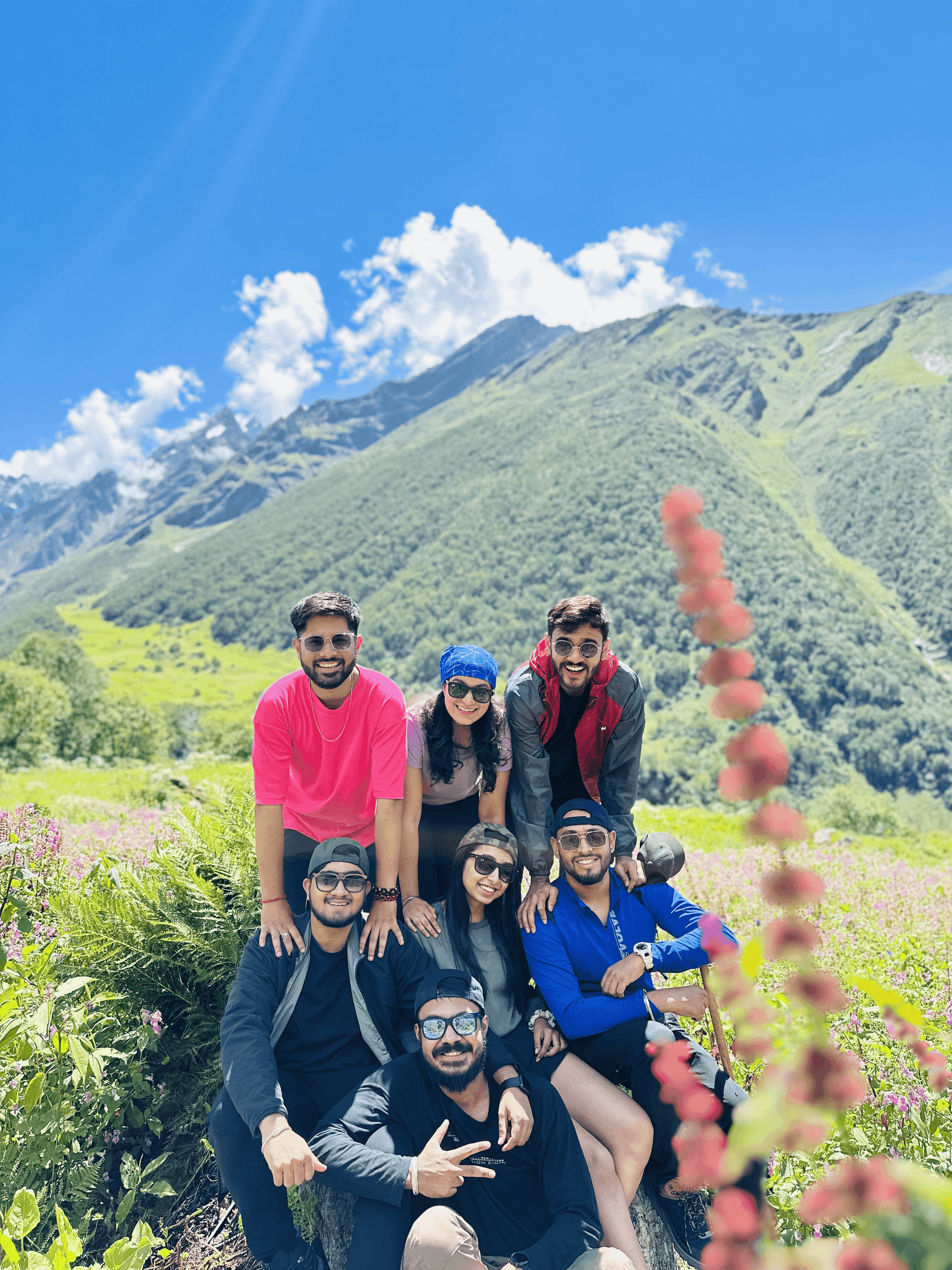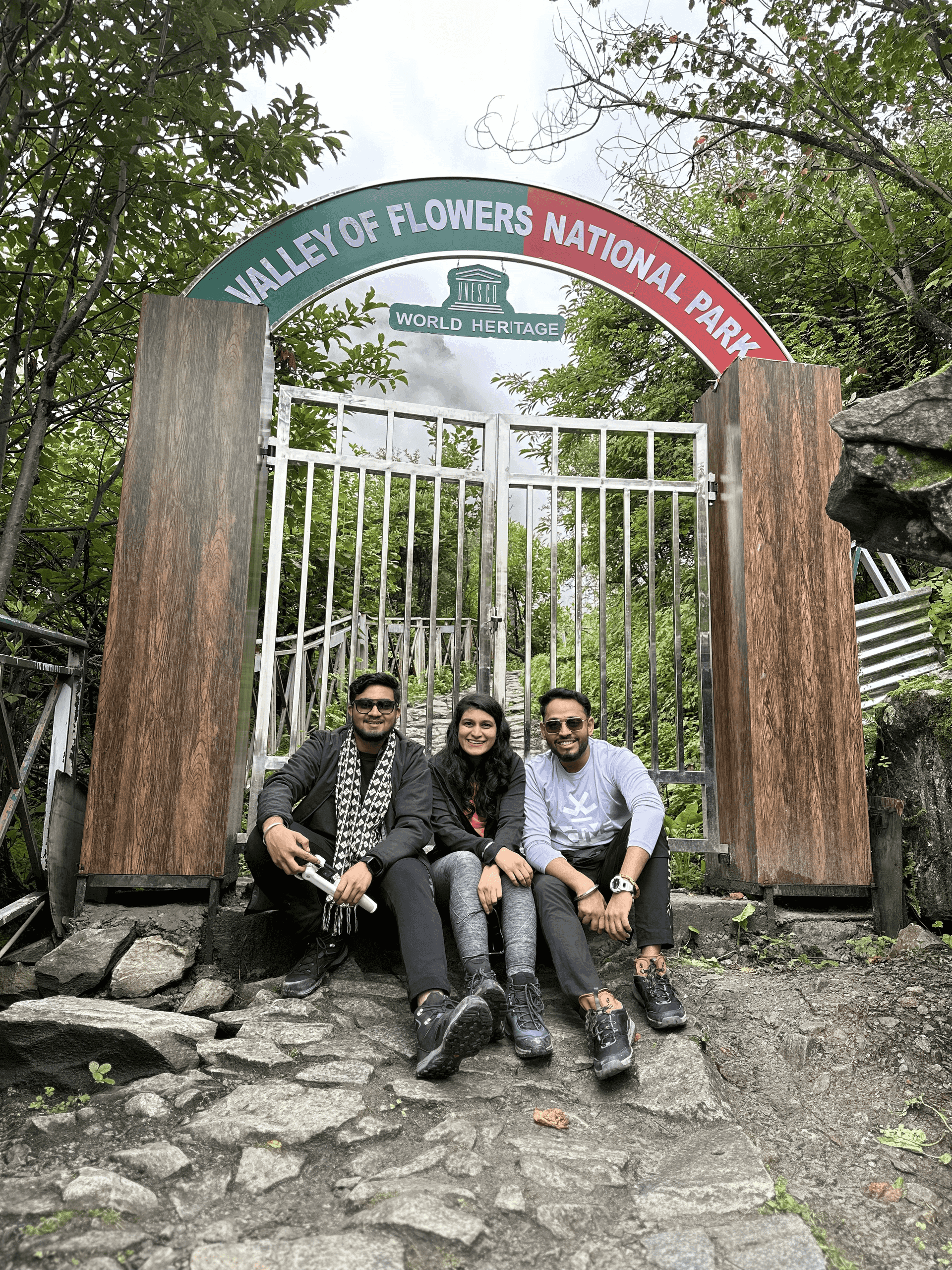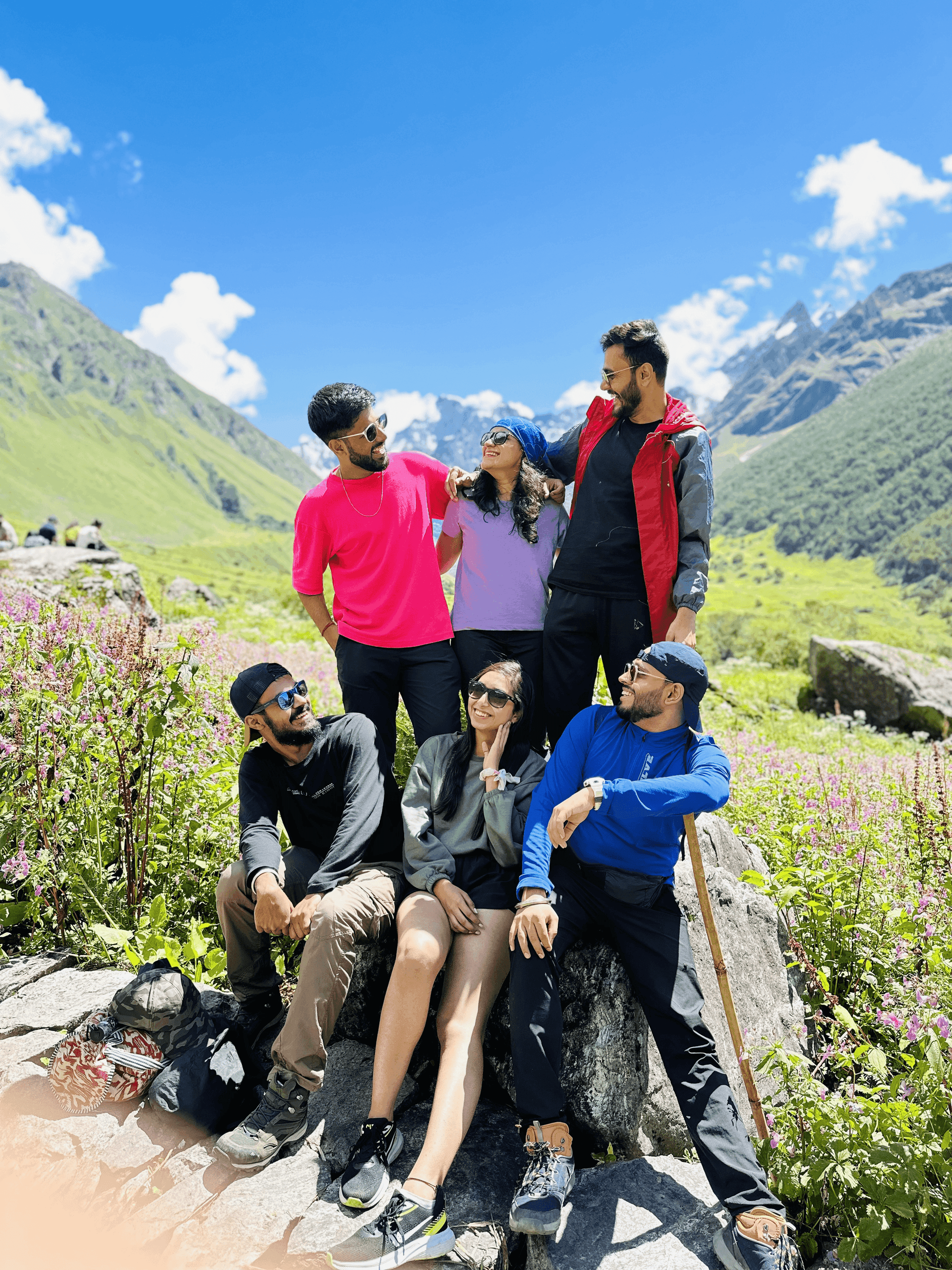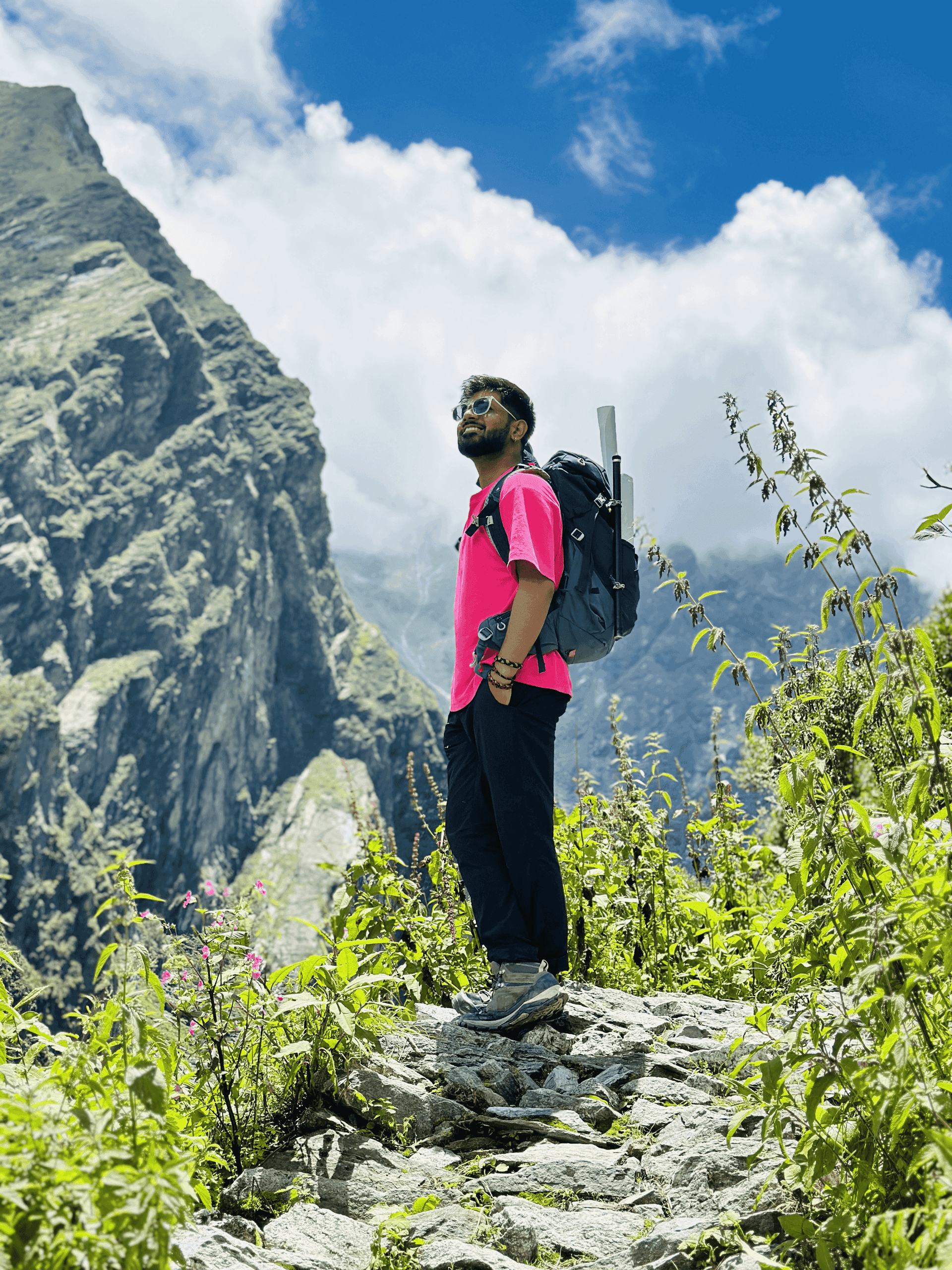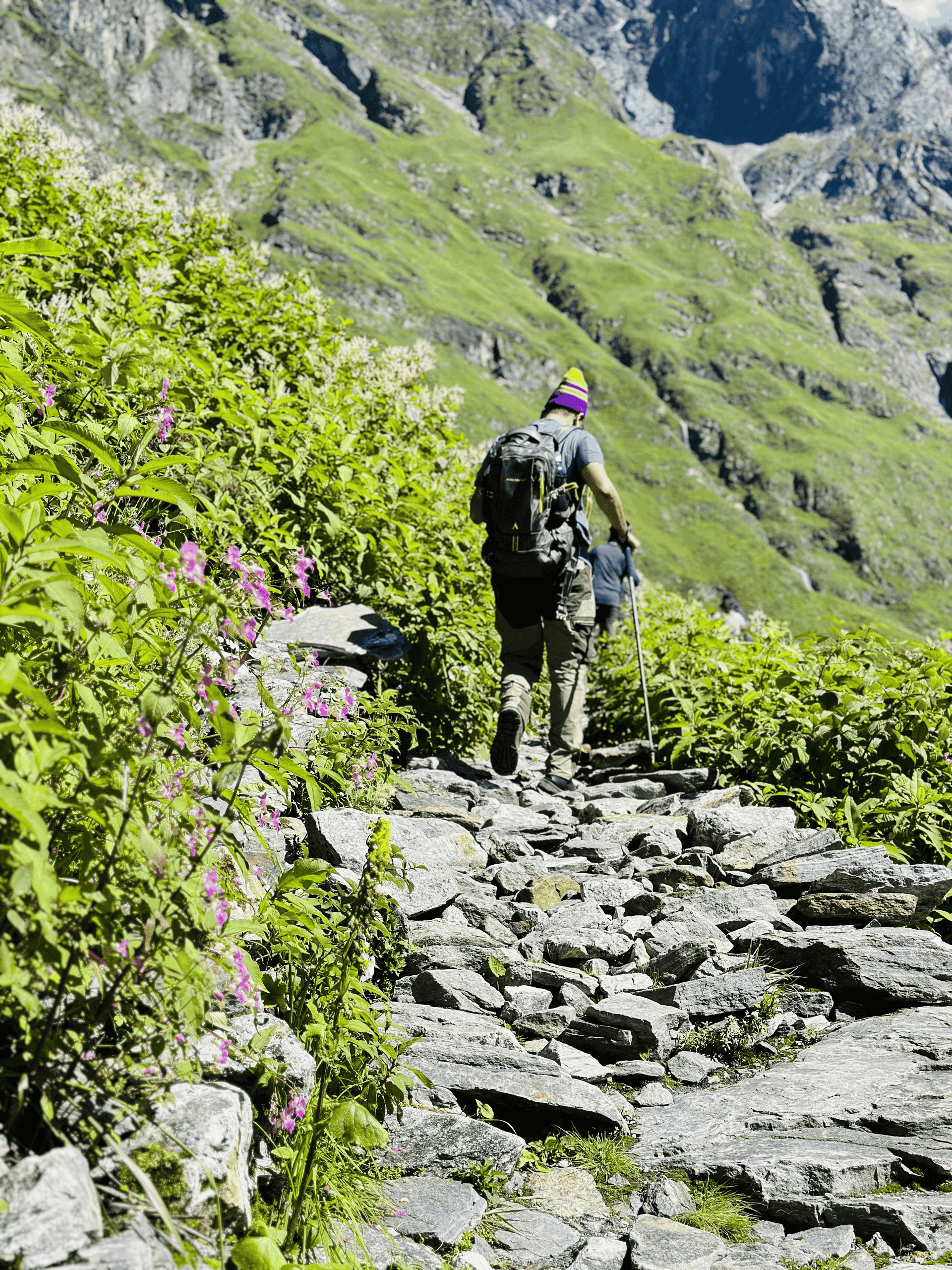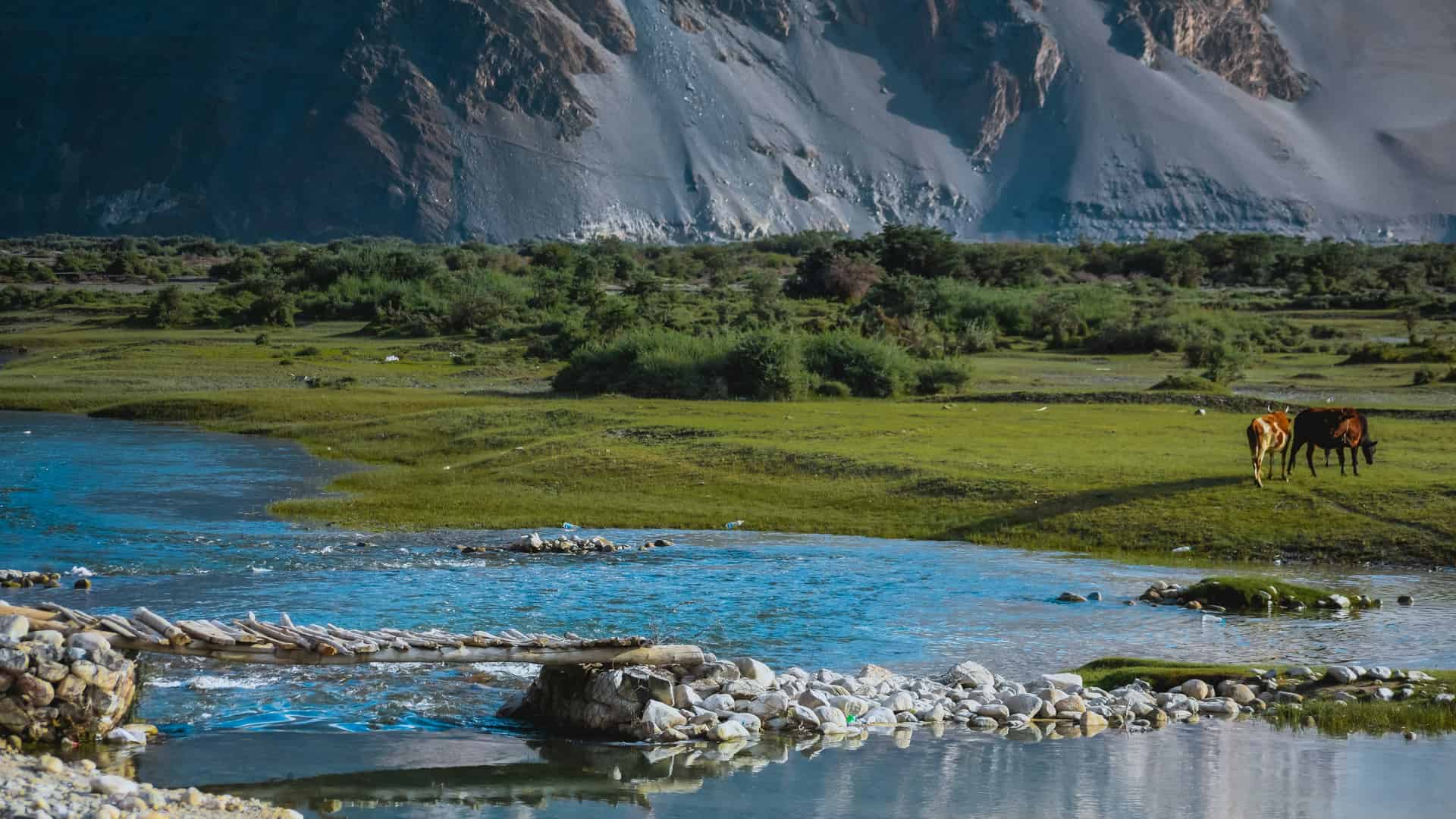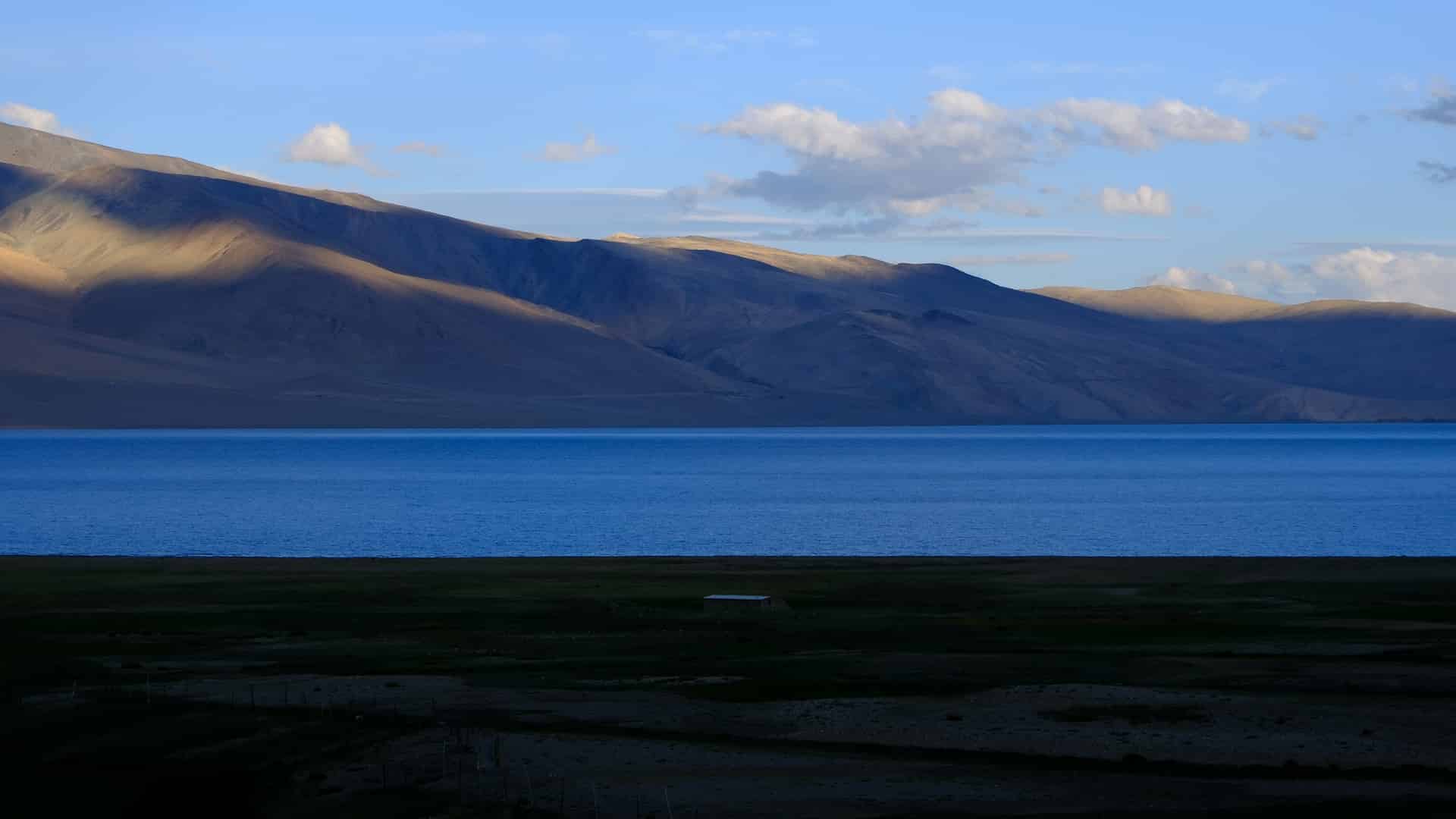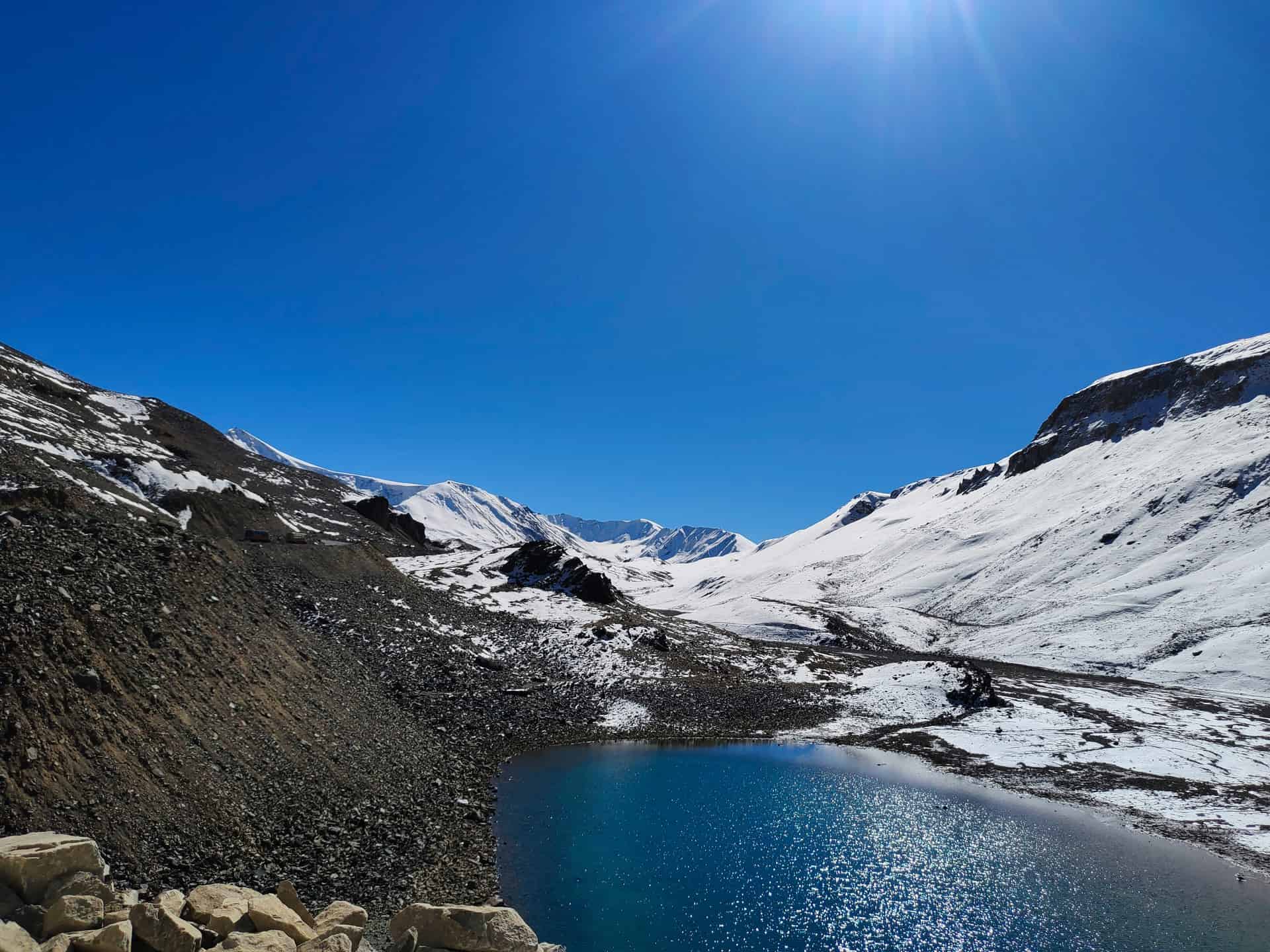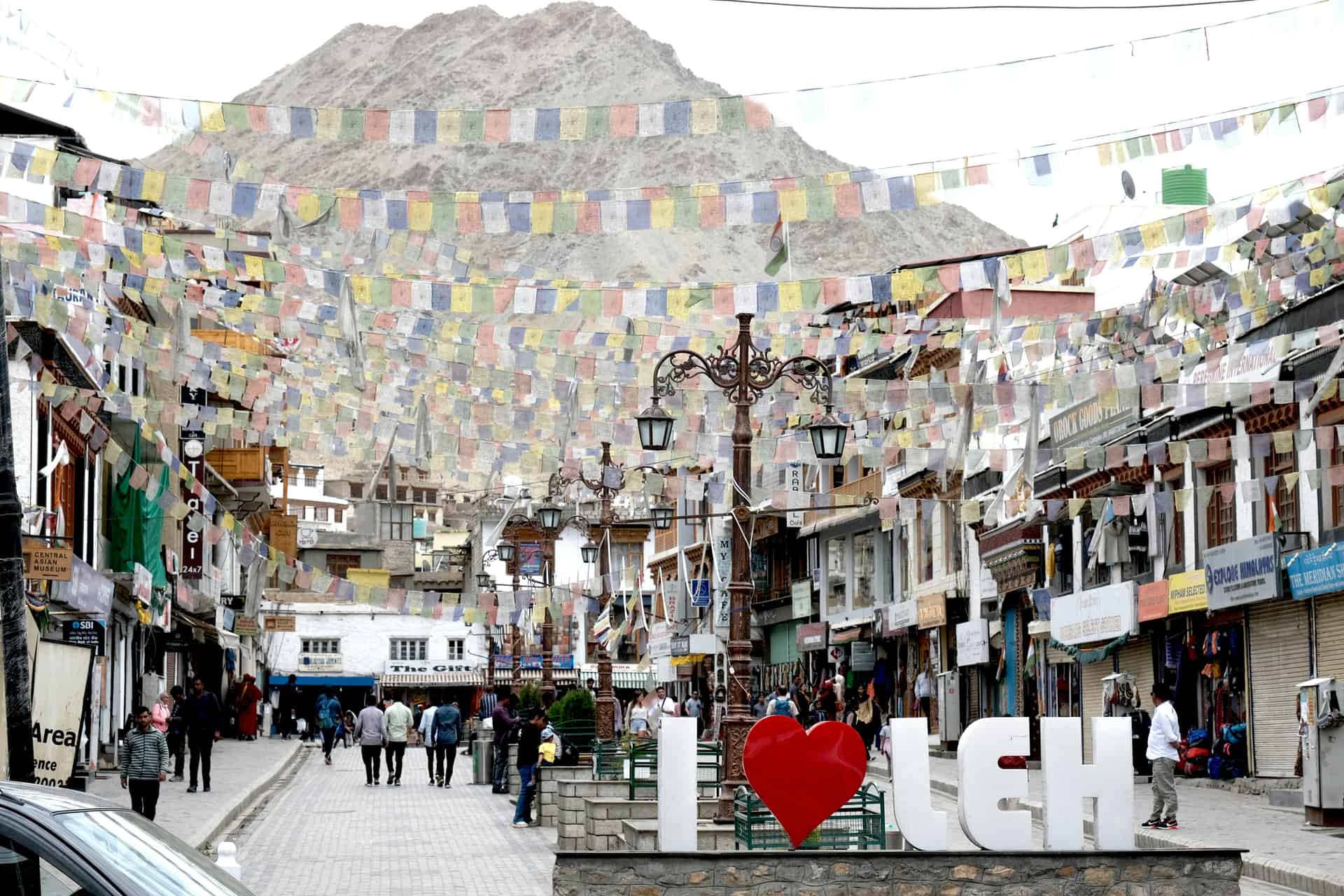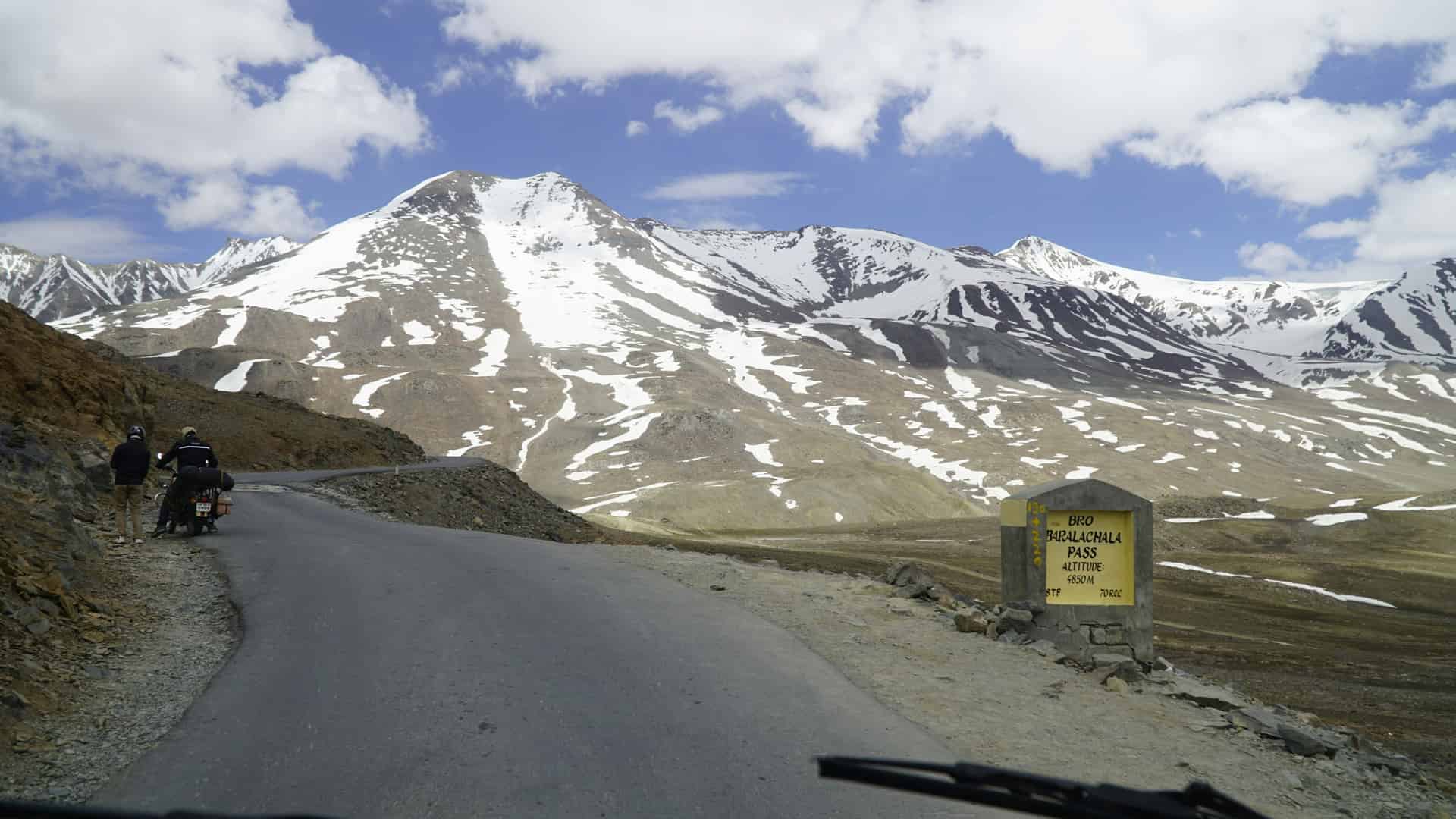
Spiti Valley doesn’t feel like the version of Himachal Pradesh most travelers imagine first.
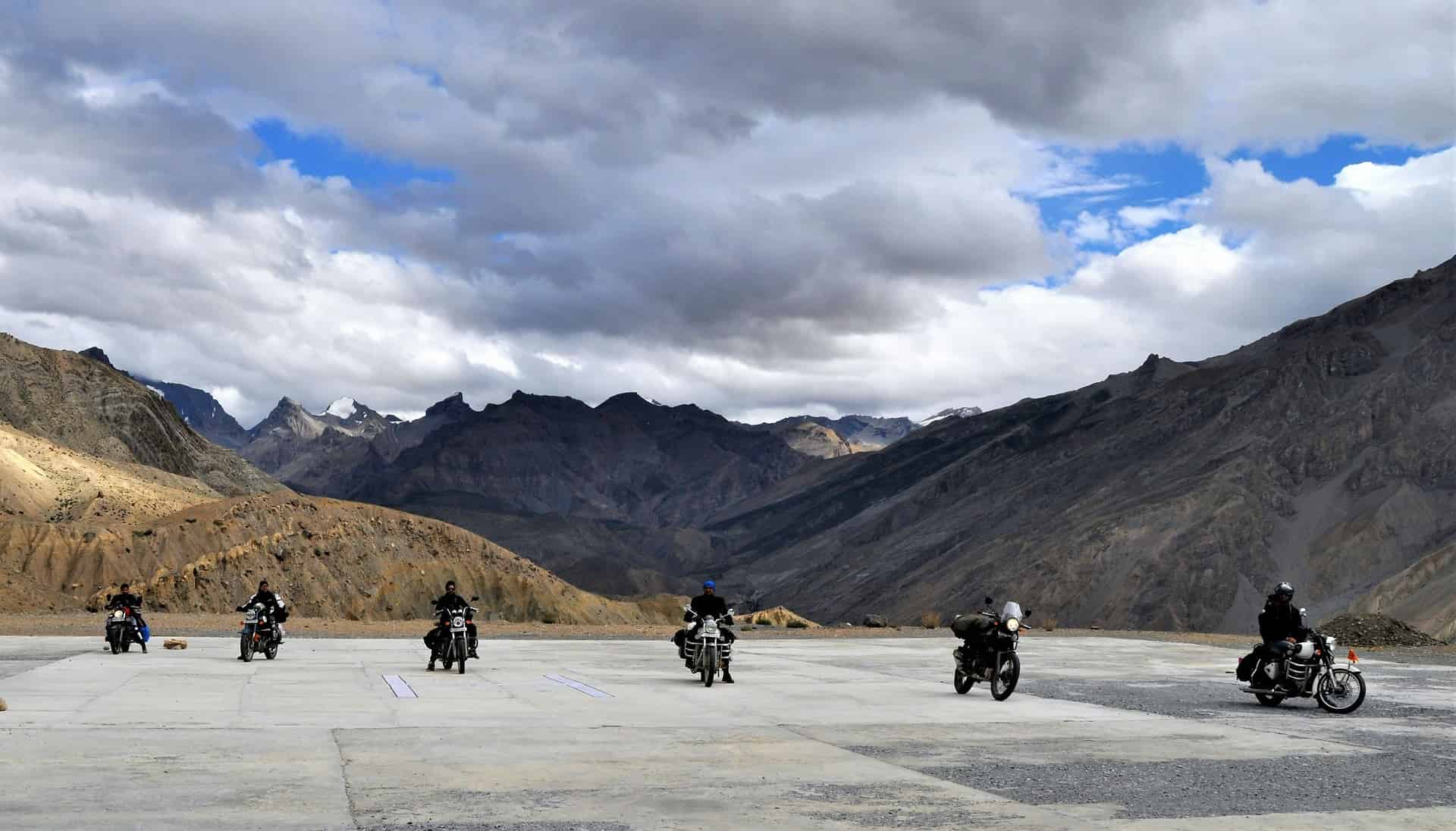
The forests slowly disappear, the roads become rougher and the landscapes begin opening into massive cold deserts surrounded by rivers, monasteries, mountain villages and silence that feels deeper with every passing hour.
Unlike greener Himalayan destinations filled with crowded cafés and fast-moving itineraries, Spiti feels slower, harsher, quieter and far more immersive. Large parts of the valley feel almost untouched except for the sound of the wind, the river and the occasional vehicle crossing the mountains.
That raw and isolated atmosphere is exactly what makes Spiti Valley one of the most unforgettable road-trip experiences in the Himalayas.
Why Travelers Are Choosing Spiti Valley
Spiti Valley has become one of the most searched Himalayan road-trip destinations in India because the experience feels very different from typical mountain travel.
People usually visit for:
- self-drive road trips
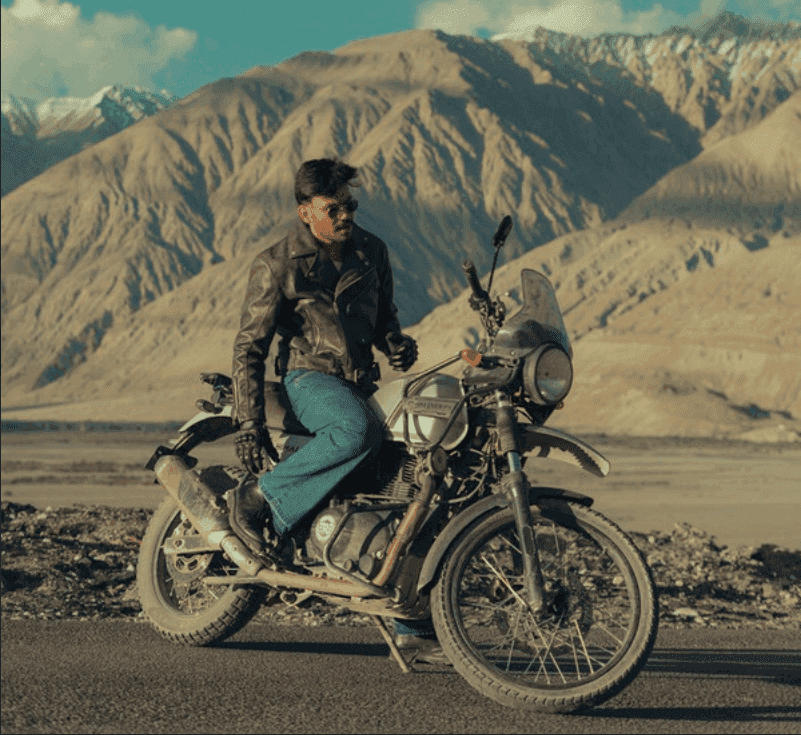
- biker journeys
- dramatic landscapes
- monastery experiences
- high-altitude villages
- photography
- adventure travel
- slower Himalayan exploration
The region especially attracts:
- road-trip travelers
- bikers
- photographers
- solo travelers
- adventure audiences
- slower-travel explorers
Compared to many greener Himalayan destinations, Spiti feels:
- wider
- quieter
- more rugged
- less commercialized
- more isolated
- visually dramatic
That combination of remoteness and cinematic landscapes is one of the biggest reasons why travelers often describe Spiti as a journey rather than just a destination.
The Road Reality: Shimla vs Manali Routes (and the Kinnaur Repair Zones)
One of the most important parts of planning a Spiti trip is understanding how the circuit works.
Most travelers usually explore Spiti through:
- Shimla → Kinnaur → Spiti
or - Manali → Spiti
The full circuit often combines both routes.
Shimla to Spiti Route
The Shimla side gradually introduces travelers to higher altitudes through:
- Kinnaur
- Kalpa
- Sangla
- Nako
- Tabo
This route is generally considered better for acclimatization because the altitude increases more gradually.
Many travelers combine the journey with:
while exploring the broader Himalayan circuit.
Travelers should also realistically expect slower movement across certain Kinnaur stretches because of ongoing repair work around landslide-prone regions like Nigulsari.
During peak repair activity and mountain traffic hours, delays of 1–2 hours can occasionally happen.
The Malling Nala stretch near Nako has also seen better stabilization work in recent years, although it remains one of the more sensitive mountain-road sections during bad weather.
Many experienced travelers still prefer crossing these stretches earlier in the day.
Manali to Spiti Route
The Manali side is shorter but significantly more challenging.
Travelers usually cross:
- Rohtang Pass region
- Gramphu
- Kunzum Pass
before entering the Spiti Valley.
Compared to the Shimla side, this route feels:
- rougher
- steeper
- colder
- more adventurous
The road conditions can change quickly depending on the weather, snowfall and water crossings.
Even though some administrative movement beyond the Atal Tunnel side continues during parts of early winter, the broader Manali-Kaza highway remains unreliable and high-risk for regular winter tourism.
For safer and more stable access, most travelers still prefer the Shimla-Kinnaur route during colder months.
Full Spiti Circuit Experience
Many travelers prefer completing the full circuit because it combines:
- Kinnaur landscapes
- Spiti villages
- monastery regions
- high mountain roads
- changing Himalayan terrain
The complete route often feels far more immersive compared to quick, short-duration trips.
Travelers planning longer Himalayan driving circuits can also explore this Himachal road trip guide for route planning and mountain driving preparation.
Why June for the Full Circuit vs. October for the “Golden Desert” Vibe
Spiti Valley changes dramatically across seasons, and each season creates a completely different travel experience.
Travelers planning broader Himalayan journeys can also check the best time to visit Himachal Pradesh depending on weather, road accessibility, snowfall and seasonal travel preferences.
Summer (May to June)
Summer is one of the most popular seasons to visit the Spiti Valley.
Most roads gradually reopen during this period, temperatures become more comfortable and travel accessibility improves across the circuit.
June especially works well for travelers planning the complete Spiti circuit experience through both the Shimla and Manali routes.
This season works especially well for:
- self-drive trips
- biking
- photography
- village exploration
- longer circuits
Compared to monsoon-heavy Himalayan regions, Spiti remains relatively dry during summer because of its cold desert geography.
Monsoon (July to August)
Spiti itself usually remains drier than many parts of Himachal Pradesh during the monsoon.
However, the approach roads through:
- Kinnaur
- Manali
- mountain highways
can still experience:
- landslides
- road closures
- delays
- water crossings
Travelers should keep flexible schedules during this period.
At the same time, monsoon clouds often create dramatic mountain landscapes and atmospheric road-trip conditions.
Autumn (September to October)
Autumn is considered one of the best times to experience Spiti Valley more peacefully.
October especially creates the famous “golden desert” atmosphere across the valley, where the landscapes begin looking colder, sharper and visually dramatic under clearer skies.
The mountain visibility improves significantly, tourist movement reduces slightly and the overall atmosphere feels quieter compared to peak summer.
This season works especially well for:
- photography
- road trips
- monastery exploration
- scenic drives
- slower Himalayan travel
Cold nights become much more noticeable during this period.
Winter (November to March)
Winter transforms Spiti Valley into one of the harshest Himalayan travel regions in Himachal Pradesh.
Heavy snowfall, frozen landscapes, extreme temperatures and road closures become common during peak winter months.
Many regions become significantly more isolated compared to summer.
Winter travel works best for:
- experienced travelers
- snow photography
- extreme Himalayan experiences
- slower winter stays
Travelers should realistically expect:
- harsh weather
- limited accessibility
- frozen water systems
- reduced transport movement
- colder accommodation conditions
Large sections of winter Spiti can feel completely disconnected from regular tourist infrastructure, which is exactly why experienced travelers often describe it as one of the most extreme Himalayan journeys in India.
Spiti Road Conditions, Permits & Self-Drive Reality
Road conditions remain one of the biggest parts of the Spiti experience.
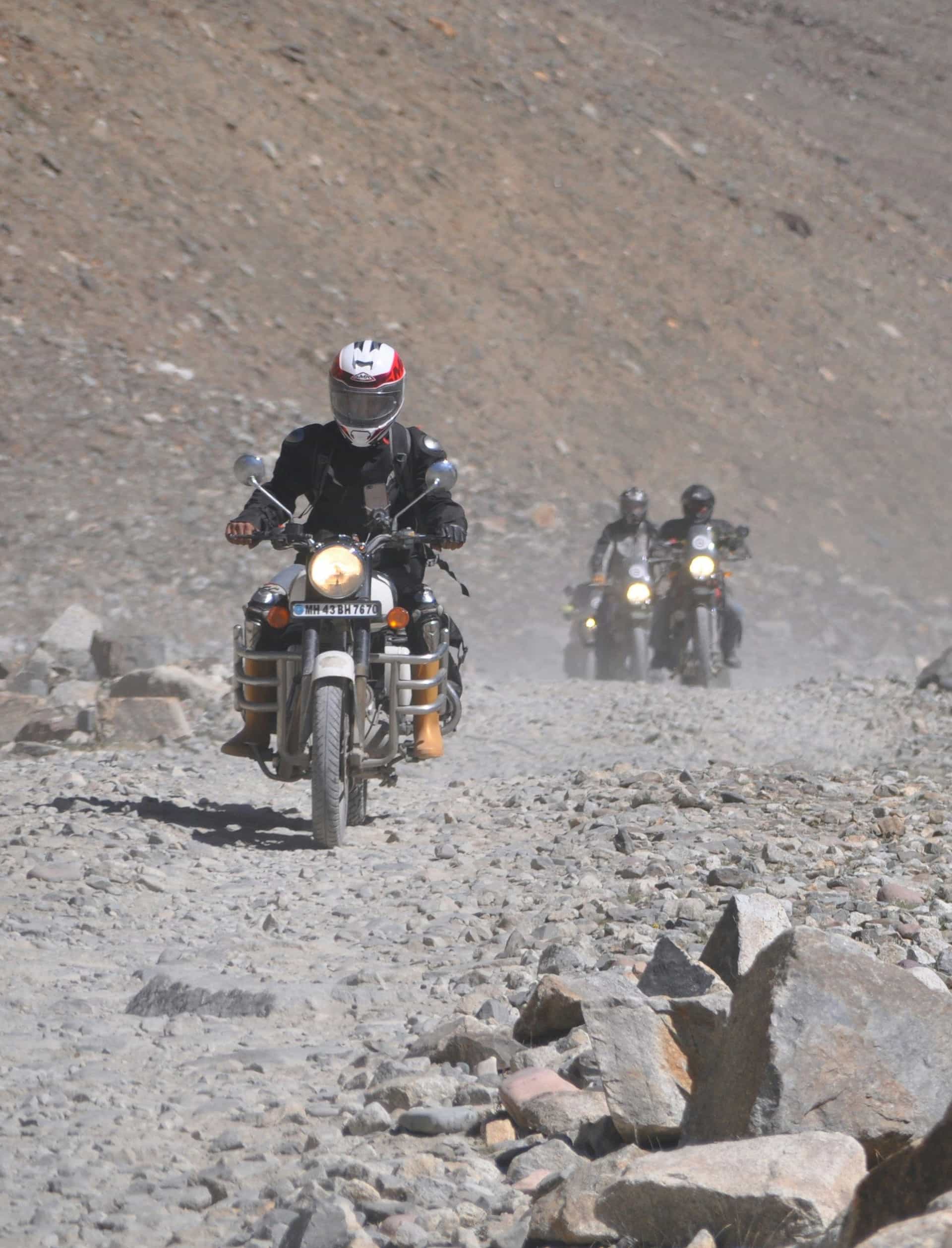
Unlike smoother tourist highways, many sections across Spiti involve:
- rough terrain
- broken mountain roads
- sharp turns
- water crossings
- high-altitude driving
- loose gravel stretches
Travelers planning self-drive trips should prepare realistically for long mountain driving hours.
The Manali side especially becomes more physically demanding because of:
- rougher roads
- unpredictable weather
- river crossings
- altitude gain
The Shimla-Kinnaur side usually feels more gradual and manageable for acclimatization.
Fuel planning also becomes extremely important.
Kaza remains one of the most important fuel points inside the circuit and travelers should avoid entering remote stretches with low fuel levels.
Puncture repair facilities, mechanics and mobile connectivity can become limited in isolated sections.
Because of this, travelers should:
- avoid rushing
- keep flexible timelines
- start drives earlier in the day
- prepare for changing road conditions
especially during bad weather.
Vehicle Registration & Permit Reality
Indian travelers do not require a traditional permit for the Spiti Valley itself.
However, vehicle registration and tourism-management systems across the Himachal high-altitude circuit have gradually become more digital in recent years.
Foreign nationals visiting restricted stretches near the border regions may still require Protected Area Permit documentation depending on their route and nationality.
Travelers should always verify the latest registration and permit guidelines before starting the circuit.
Beyond Kaza: Why Travelers are Heading to Mudh (Pin Valley) and Demul
Spiti is best experienced slowly.
Instead of rushing through checkpoints, travelers usually remember the valley because of:
- monastery silence
- changing landscapes
- slower village life
- mountain roads
- high-altitude atmosphere
The farther travelers move away from crowded stop-and-go itineraries, the more immersive Spiti begins to feel.
Kaza
Kaza acts as the main hub of the Spiti Valley.
Most travelers use Kaza as the base for:
- cafés
- stays
- fuel
- connectivity
- nearby village exploration
Compared to smaller villages, Kaza feels more active and traveler-oriented.
Langza, Hikkim & Komic
These villages are among the most visually recognizable regions across Spiti.
The roads toward:
- Langza
- Hikkim
- Komic
pass through wide landscapes, mountain viewpoints, monastery regions and high-altitude village settlements.
The atmosphere here feels:
- quieter
- slower
- colder
- visually dramatic
Many travelers spend time here simply experiencing the silence and scale of the region.
Langza is also known for fossils, but travelers are expected to avoid removing fossils directly from the landscape.
Several villagers legally sell locally sourced fossil pieces, which is considered a far more responsible way to support the local community and preserve the region.
Key Monastery & Chicham Bridge
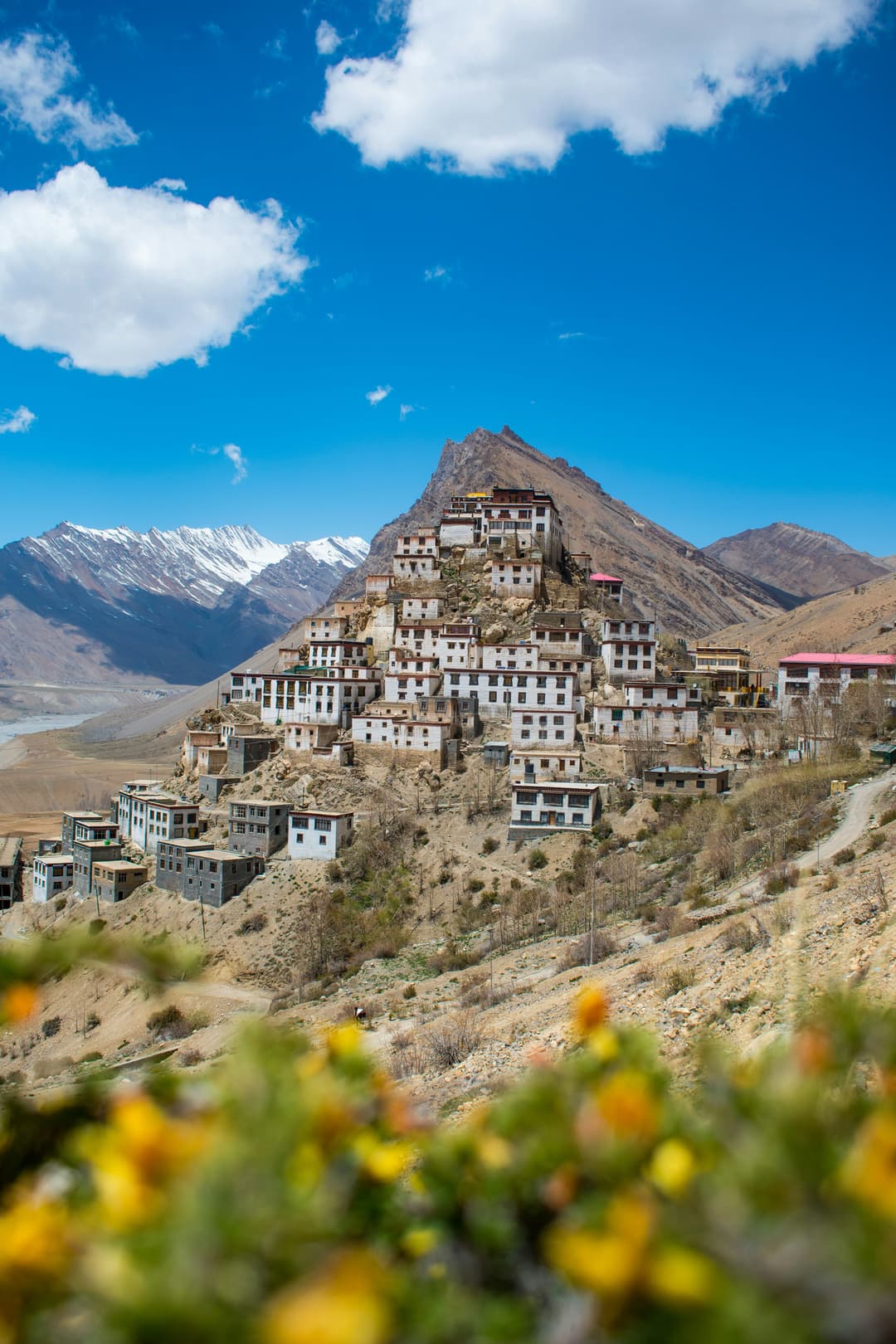
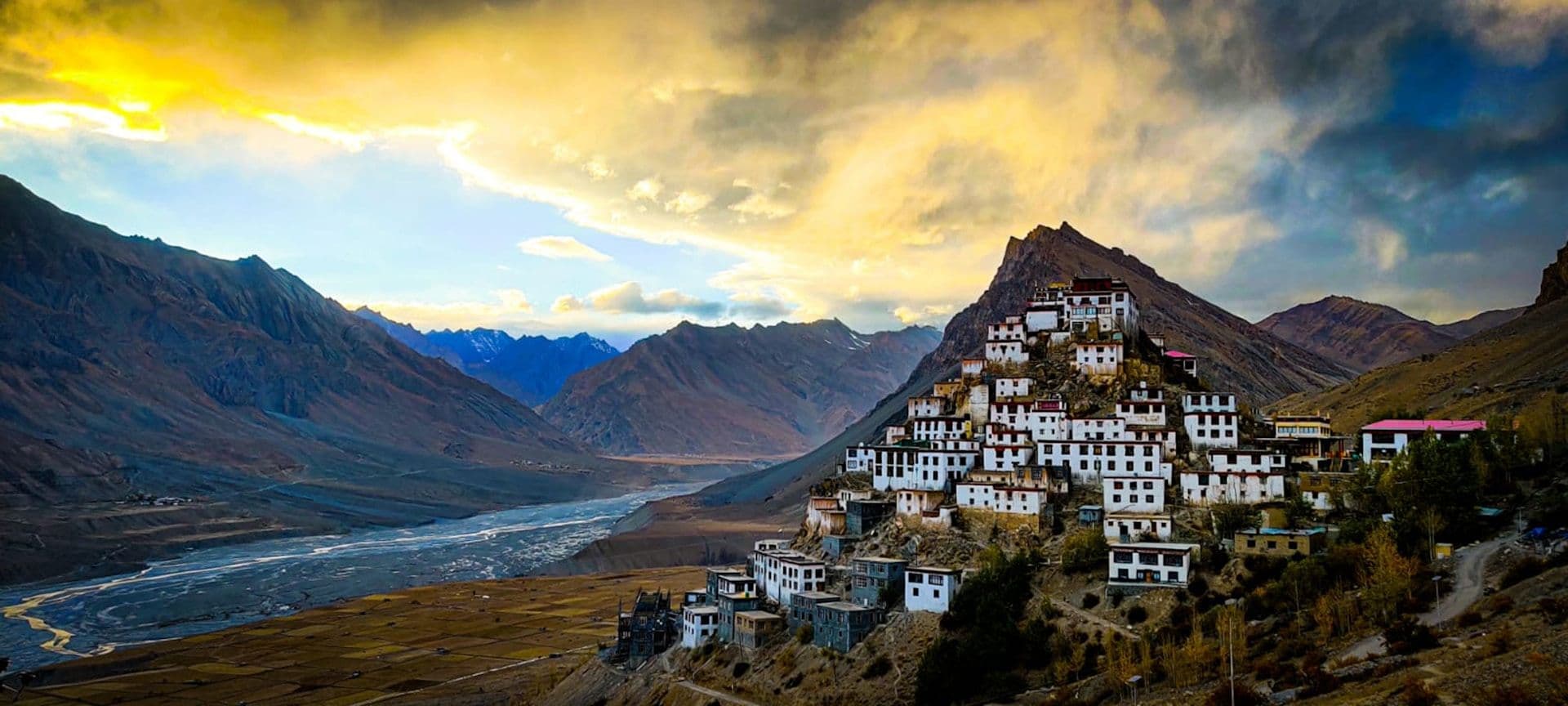
Key Monastery remains one of the most iconic experiences in the Spiti Valley.
The monastery’s location overlooking the valley creates one of the most recognizable Himalayan landscapes in Himachal Pradesh.
Compared to quick sightseeing stops, the atmosphere around the monastery feels calmer during quieter morning or evening hours.
Chicham Bridge has also become one of the most photographed locations across the Spiti circuit.
However, travelers should know that strong valley winds often become more intense during the late afternoon hours, making early morning visits more comfortable for photography.
Tabo & Dhankar
The lower Spiti side gradually introduces older monastery regions, desert landscapes and quieter village atmospheres.
Tabo especially feels culturally significant because of its ancient monastery heritage.
Dhankar, on the other hand, is known for dramatic cliffside scenery and isolated mountain surroundings.
Pin Valley & Mudh Village
Pin Valley feels greener and more isolated compared to other parts of Spiti.
The region is known for:
- quieter villages
- slower mountain life
- trekking routes
- dramatic landscapes
- reduced tourist movement
Compared to the central Spiti circuit, Pin Valley often feels calmer and less crowded.
Mudh village, especially, has become increasingly popular among travelers looking for quieter stays and a slower Himalayan atmosphere beyond the busier Kaza side.
The trekking routes around Pin Valley and remote Spiti villages feel far more rugged and isolated compared to many commercial Himalayan trekking regions.
Demul Village Experience
Demul has gradually become one of the more unique village experiences in the Spiti Valley.
Compared to more commonly visited tourist stops, Demul feels:
- quieter
- more community-oriented
- slower-paced
- less commercialized
The village is especially known for homestay experiences and a deeper connection with local mountain life.
Workation, EV Charging & Connectivity Reality in Spiti Valley
Spiti Valley has slowly started attracting remote workers and longer-stay travelers in recent years.
However, travelers should still keep realistic expectations.
Compared to urban workation destinations, Spiti remains:
- remote
- infrastructure-limited
- weather-dependent
Kaza currently offers the strongest combination of:
- cafés
- stays
- Wi-Fi
- connectivity
- longer-stay infrastructure
Travelers spending a longer time in Himalayan villages also gradually experience local Himachali and Tibetan-influenced mountain food culture across the region.
BSNL usually remains the most stable network across broader sections of Spiti, while Jio and Airtel performance can fluctuate depending on location and weather.
A few premium stays have also started experimenting with backup satellite connectivity systems, although broader internet infrastructure across Spiti still heavily depends on BSNL fiber networks.
Travelers should also realistically expect:
- slower internet
- power fluctuations
- limited late-night infrastructure
- weather-related disruptions
especially in smaller villages.
EV Charging & Cash Reality
Electric vehicle travel across Spiti still requires extremely careful planning.
While a few larger stays around Kaza now provide EV charging setups, charging infrastructure remains very limited across long, remote stretches of the circuit.
Travelers should avoid entering isolated regions without proper range planning and backup charging preparation.
UPI payments have also become common in Kaza and larger villages, but network failures can still disrupt transactions in remote mountain regions.
Because of this, carrying sufficient physical cash remains extremely important across the broader circuit.
Altitude & Acclimatization Reality
One of the biggest mistakes travelers make in Spiti is underestimating altitude.
Because large sections of the valley sit at very high elevations, travelers may experience:
- fatigue
- headaches
- breathlessness
- dehydration
- altitude sickness symptoms
This is one of the biggest reasons why many experienced travelers prefer entering through the Shimla-Kinnaur side, where the altitude increases more gradually.
Travelers should:
- stay hydrated
- avoid rushing
- acclimatize properly
- avoid overexertion initially
especially during the first few days of the journey.
Travelers interested in remote Himalayan road trips also frequently compare Spiti with Zanskar because both regions offer rugged high-altitude landscapes and isolated mountain routes.
Spiti Travel Costs & Planning Reality
Spiti trips usually become more expensive compared to many regular Himachal journeys because of:
- fuel consumption
- remote logistics
- longer distances
- mountain driving
- accommodation costs
The final budget depends heavily on:
- self-drive vs public transport
- bike vs car travel
- season
- stay category
- trip duration
Travelers should also carry sufficient cash because ATM access becomes limited across several remote stretches of the circuit.
Is Spiti Valley Worth Visiting?
Yes, especially for travelers looking for one of the most dramatic and unforgettable Himalayan road-trip experiences in India.
Spiti Valley works best for people who enjoy:
- mountain road trips
- high-altitude landscapes
- monastery culture
- rugged travel
- photography
- slower Himalayan journeys
- remote village experiences
The region becomes far more rewarding when travelers slow down and experience the atmosphere instead of trying to cover the circuit too quickly.
Many travelers also combine Spiti with Kinnaur, Kalpa, Sangla, Chitkul and broader Himachal road-trip routes while planning longer Himalayan journeys.
If you are planning a complete Himalayan road trip experience, you can also explore our Spiti Valley tour packages for curated high-altitude journeys across Spiti and the surrounding Himalayan regions.