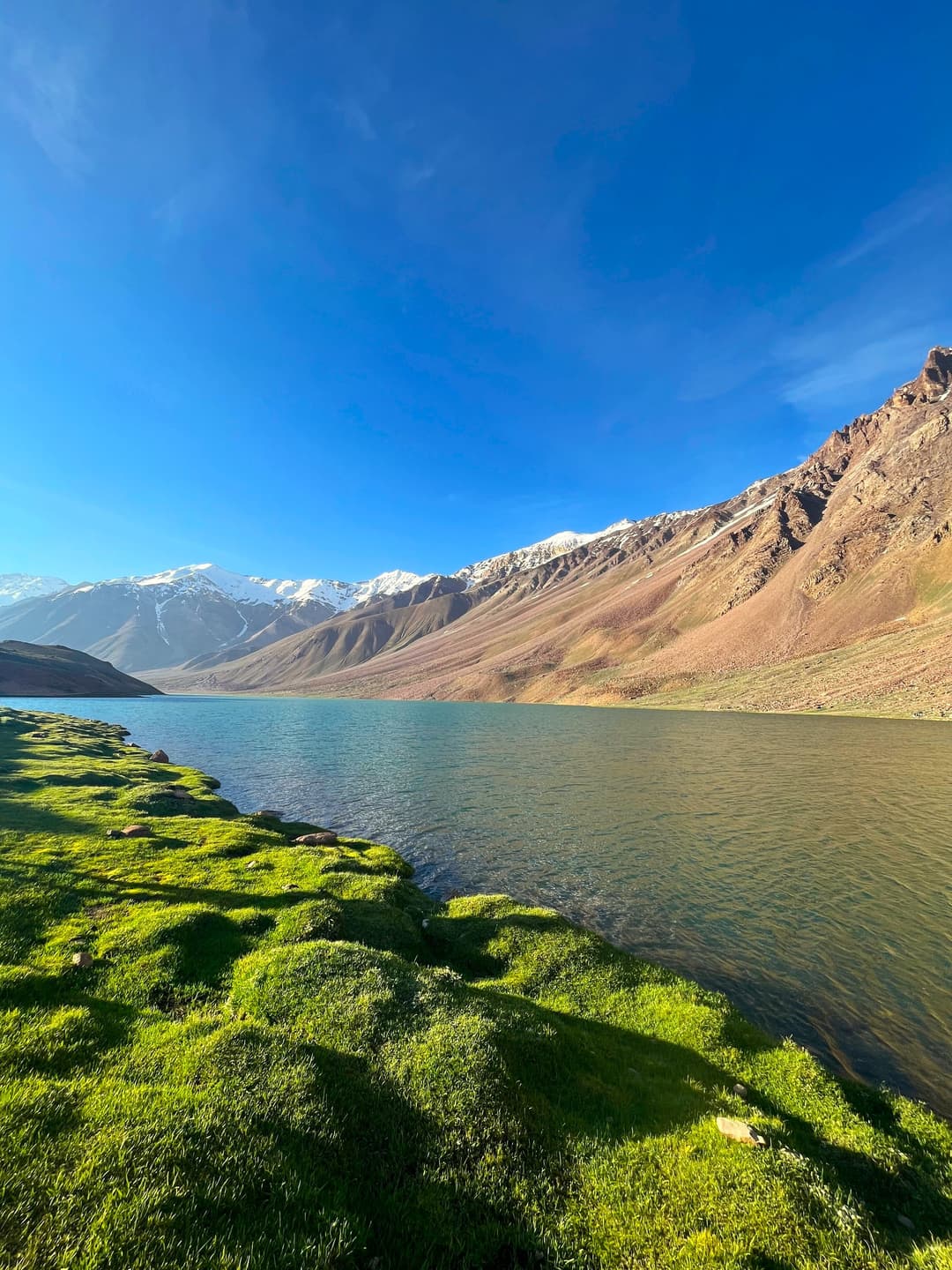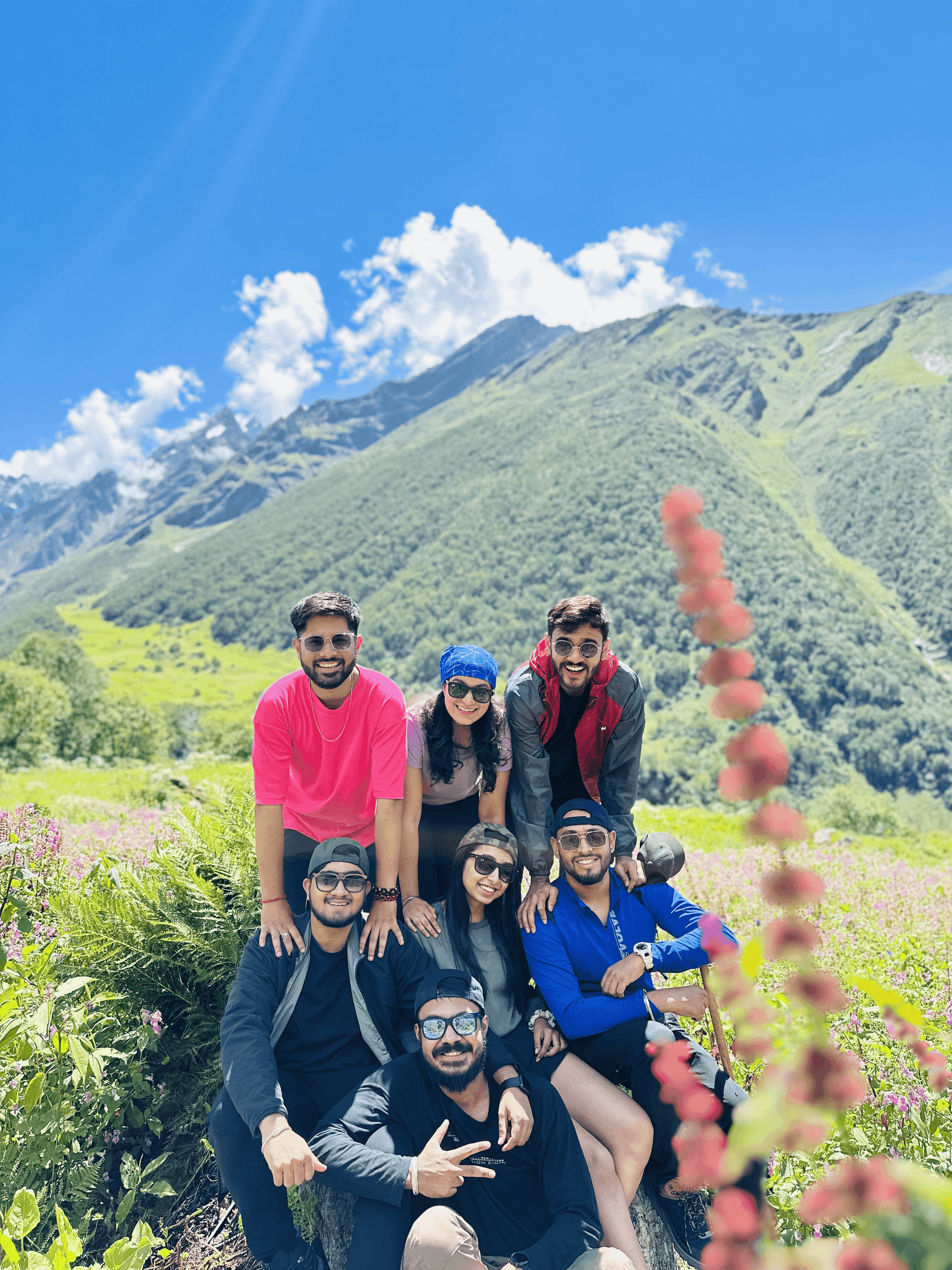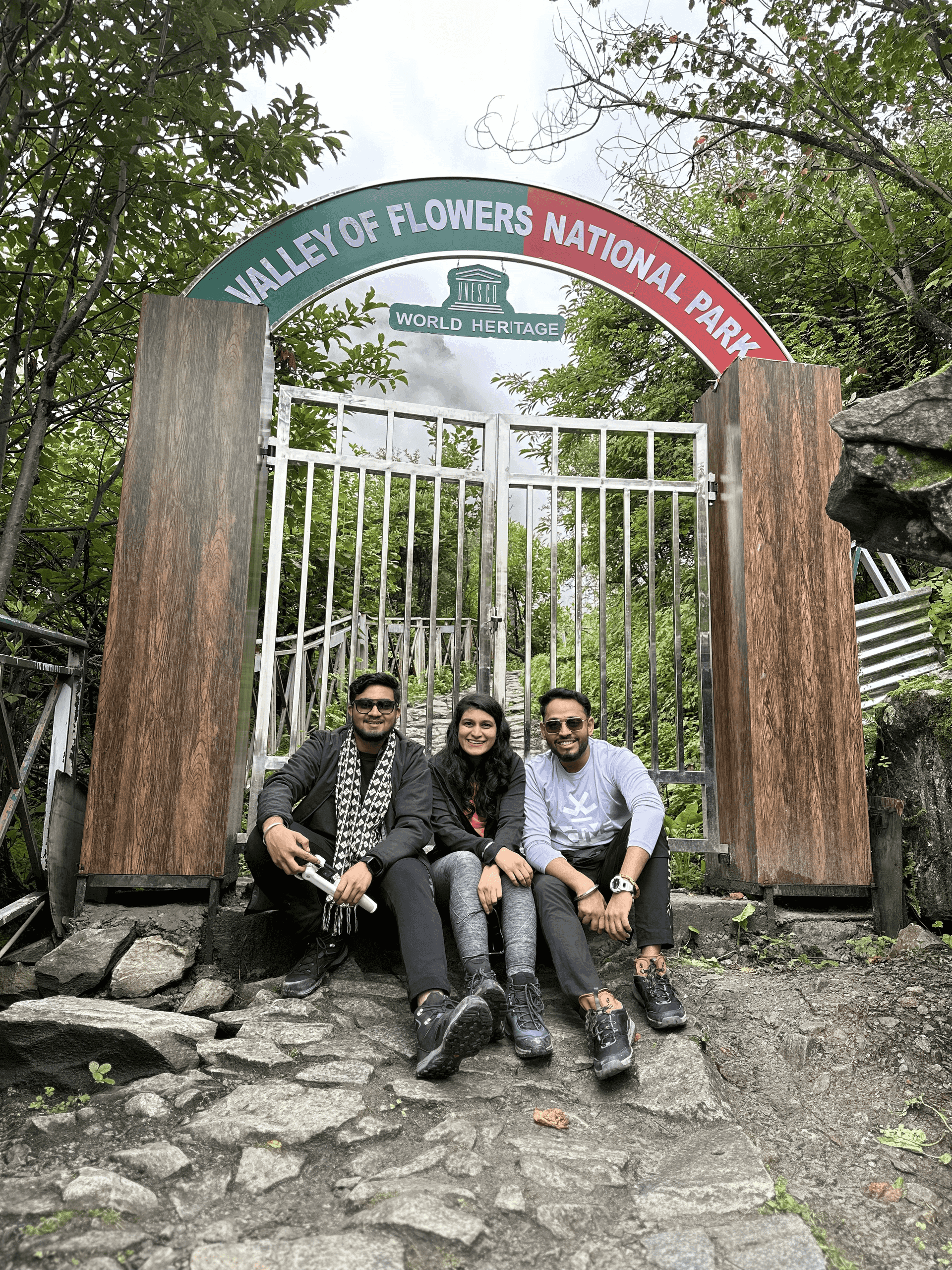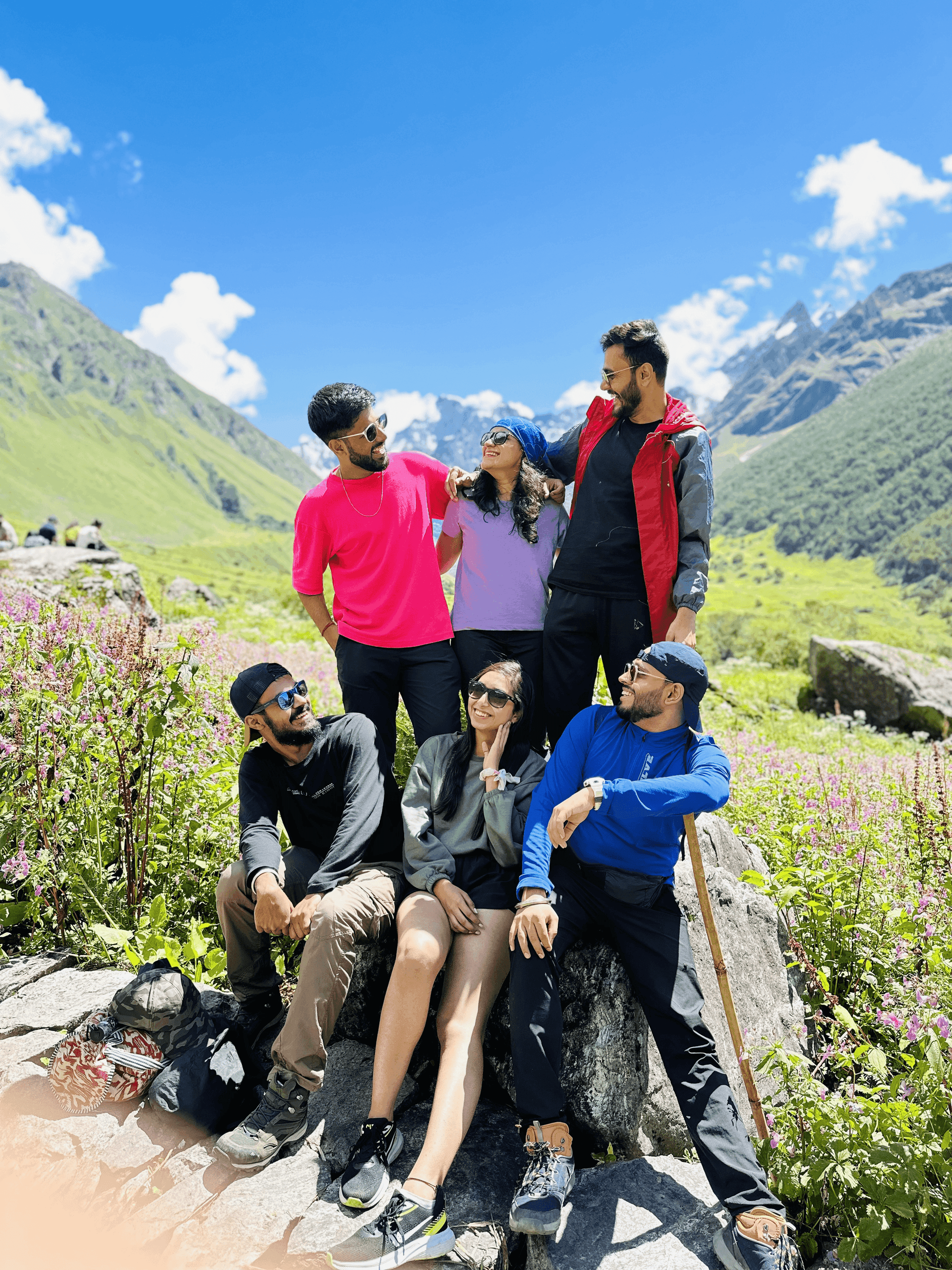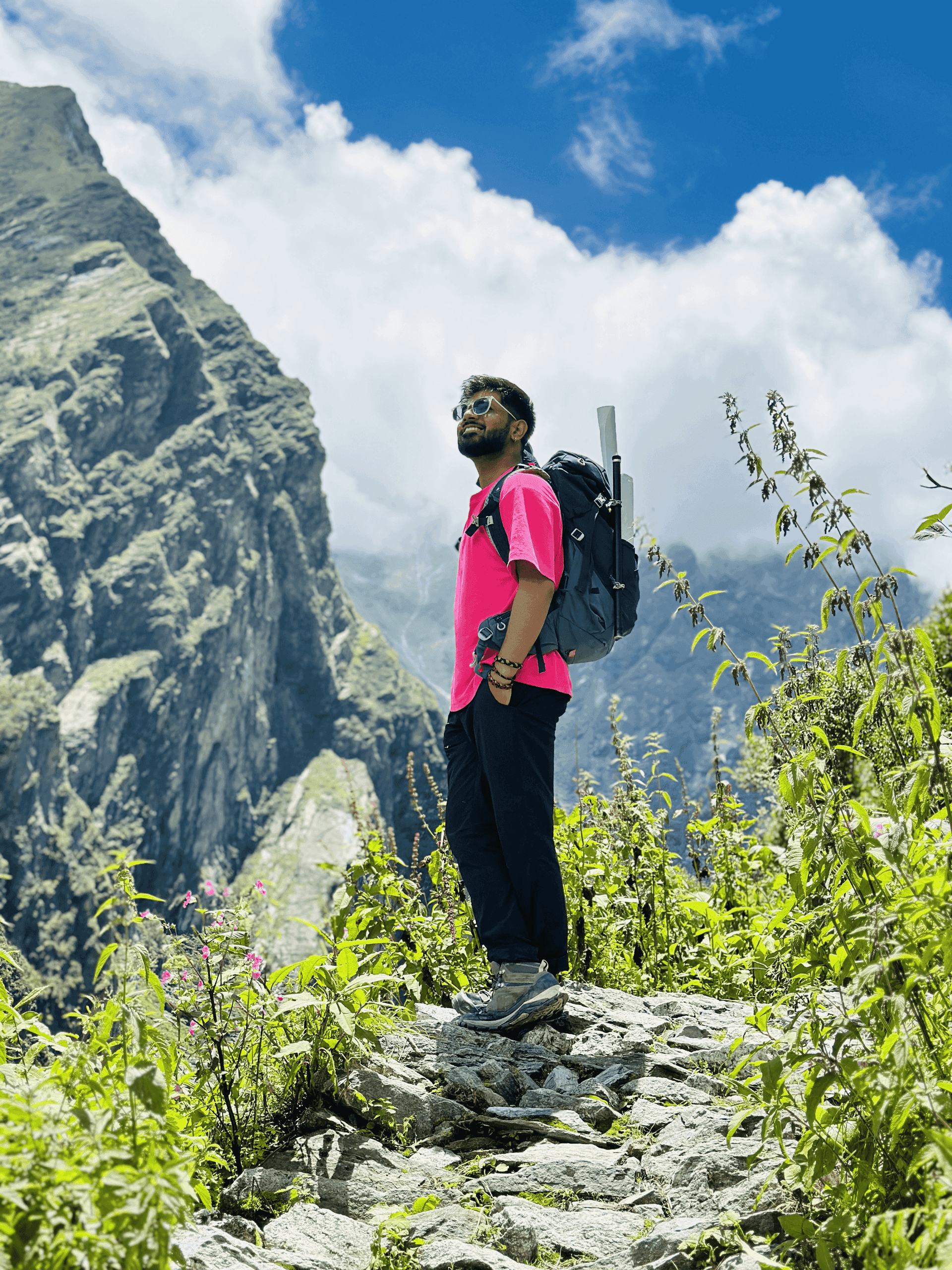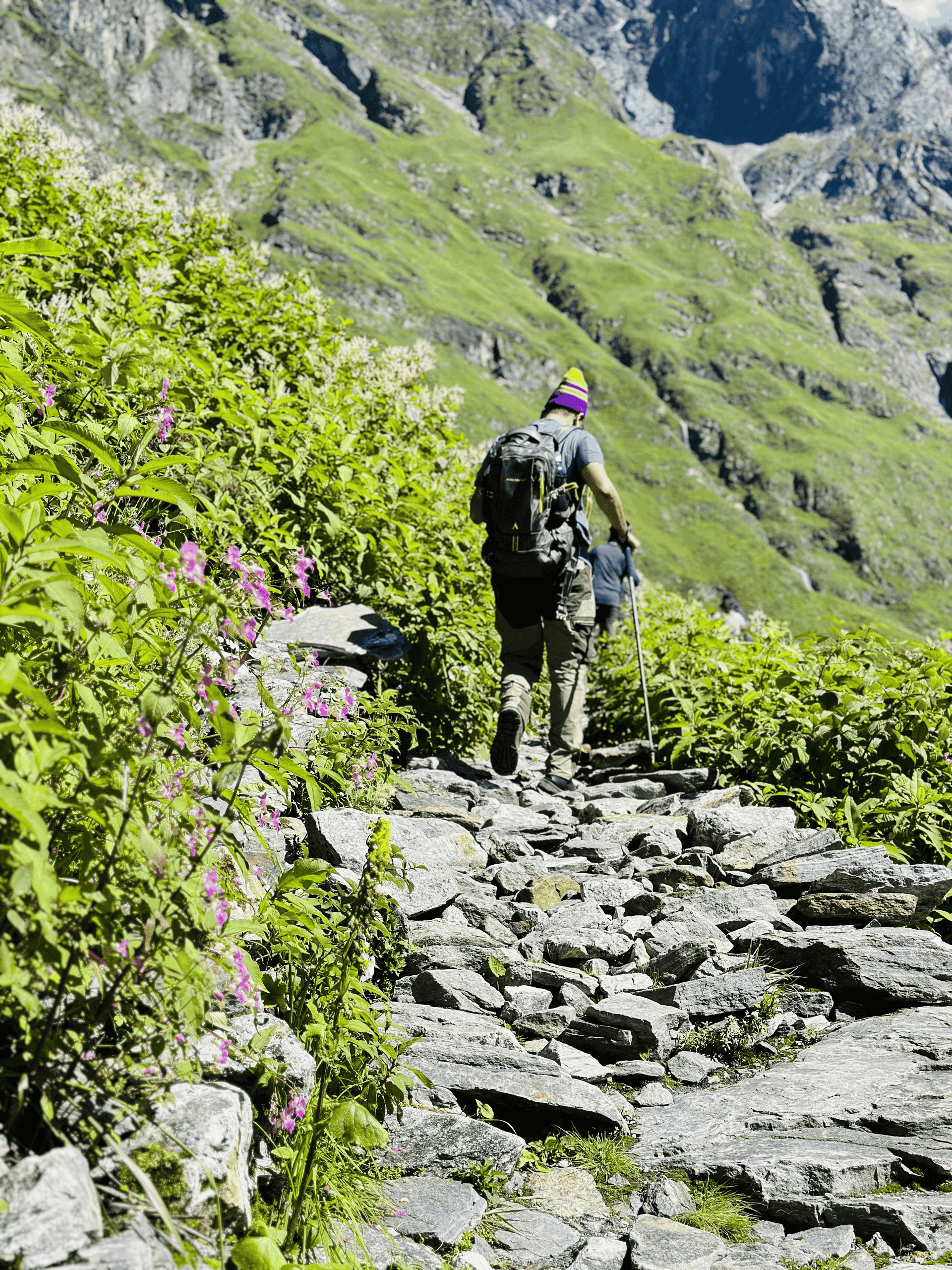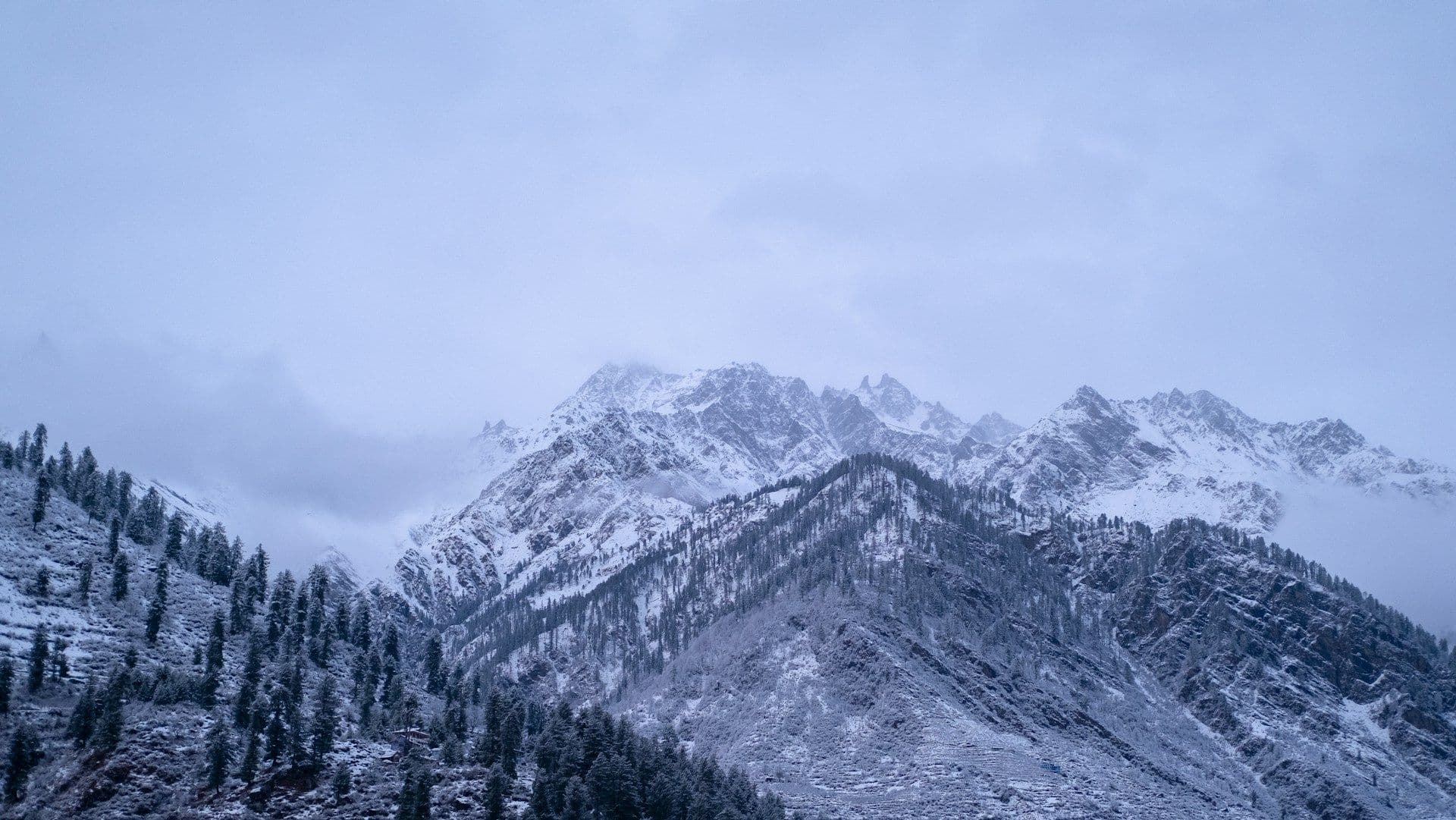
Kalga is one of those Parvati Valley villages where travelers often arrive for two days and quietly end up staying for a week.
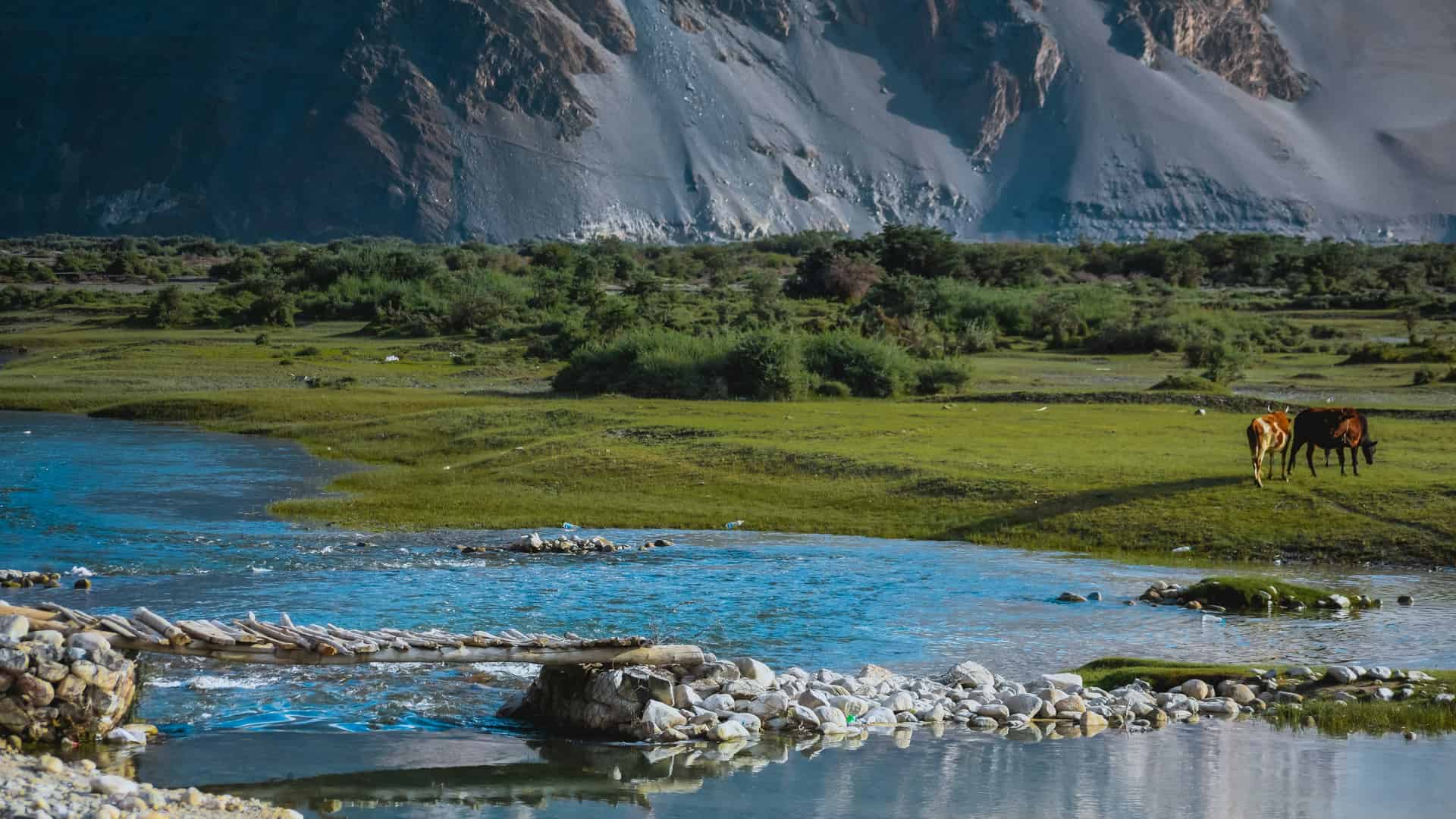
Surrounded by pine forests, apple orchards, mountain cafés and quieter Himalayan rhythms, the village attracts people looking for a calmer side of Parvati Valley beyond the louder backpacker scenes of Kasol. Mornings usually begin with mountain views and café breakfasts, afternoons disappear into forest walks or long conversations with fellow travelers and evenings feel noticeably quieter compared to the more commercial parts of the valley.
Unlike destinations built around sightseeing checklists, Kalga works best when the itinerary stays flexible.
Some travelers come here before the Kheerganga trek. Others arrive for workations, café culture, digital detox stays or simply to spend time in a Himalayan village where life still feels less rushed.
And that is exactly what makes Kalga different from much of modern Parvati Valley tourism.
Why Travelers Are Choosing Kalga
Kalga has become increasingly popular among travelers who still want the atmosphere of old Parvati Valley without the heavier commercialization of Kasol.
Travelers looking for quieter alternatives often compare Kasol’s social backpacker scene with slower villages like Kalga and Tosh before planning their trip.
People usually visit for:
- backpacking
- café culture
- mountain stays
- forest atmosphere
- workations
- Kheerganga access
- longer Himalayan escapes
The village especially attracts:
- solo travelers
- backpackers
- couples
- remote workers
- long-stay travelers
Unlike more crowded mountain towns, Kalga feels quieter and simpler.
The charm here comes less from packed itineraries and more from:
- mountain conversations
- café evenings
- peaceful routines
- forest walks
- scenic views
- unhurried days
Backpacking culture here also feels more community-driven compared to busier Parvati Valley destinations. Travelers often spend evenings exchanging trek stories in cafés, planning onward journeys together or extending stays far beyond their original plans.
At the same time, expectations should stay realistic.
Kalga is not ideal for:
- luxury tourism
- nightlife-heavy trips
- fast-paced itineraries
- Travelers expecting urban-style infrastructure
The experience here feels intentionally minimal and atmosphere-focused.
For travelers who enjoy quieter mountain destinations, Kalga also ranks among the best hidden places in Himachal Pradesh.
Where Is Kalga Located?
Kalga is a small village in Himachal Pradesh’s Parvati Valley near Barshaini.
It sits close to:
- Pulga
- Tulga
- Tosh
- Kheerganga trekking route
Most travelers reach Kalga through:
Kasol → Manikaran → Barshaini → Kalga
Many travelers combine nearby villages like Tosh and Kasol together while exploring the broader Parvati Valley region.
Unlike Kasol, vehicles do not reach directly inside the village. Travelers usually walk a short uphill path from the parking area near Barshaini to reach Kalga.
That short walk is also one reason the village still feels quieter and less commercialized.
Best Time to Visit Kalga: Monsoon Forests, Snowy Winters & Spring Orchards
Kalga changes significantly across seasons and each period offers a very different atmosphere.
Travelers combining Parvati Valley with places like Jibhi, Tosh or Tirthan Valley can also explore a broader Himachal travel guide while planning a longer mountain trip.
Spring (March to April)
Spring is one of the most beautiful times to visit Kalga.
The apple orchards begin blooming, forests turn greener, cafés reopen fully after winter and the weather stays pleasant during the day.
This season works especially well for:
- café stays
- photography
- first-time visits
- relaxed mountain trips
Summer (May to June)
Summer brings the highest backpacker movement to the region.
The weather remains comfortable compared to the plains, making Kalga popular for:
- long stays
- backpacking
- workations
- Kheerganga travelers
Even during peak season, Kalga still feels calmer than Kasol.
Warm afternoons usually turn into long café evenings and the village develops a social backpacker atmosphere without feeling overwhelmingly crowded.
Monsoon (July to September)
Monsoon transforms the valley completely.
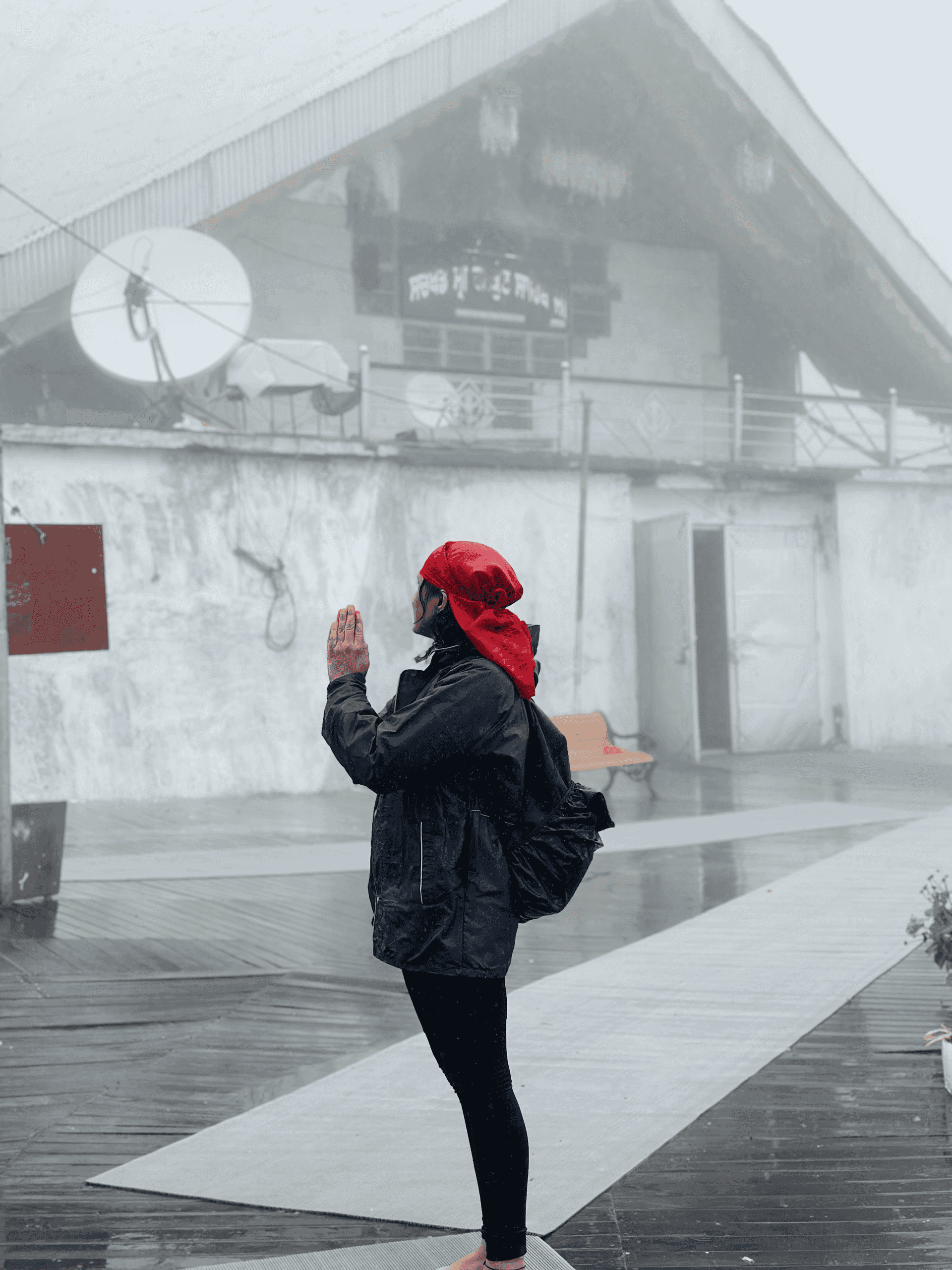
Clouds move through forests throughout the day, cafés stay warm with long conversations and mountain views during rainy afternoons and the entire region develops a deeply peaceful atmosphere.
For many travelers, this is when Kalga feels most beautiful.
The forests around Pulga and Kalga especially become incredibly scenic during rain, with mist moving through ancient deodar trees and quieter walking trails across the villages.
But monsoon also brings:
- slippery trekking trails
- landslide risks
- network fluctuations
- travel delays
This season works best for flexible travelers rather than tightly planned trips.
Autumn (October to November)
Autumn brings clearer skies, balanced weather and quieter cafés after peak backpacker season.
This is one of the best periods for:
- peaceful stays
- scenic mountain views
- relaxed workations
- slower village experiences
Nights begin feeling significantly colder during this period, so travelers staying in wooden homestays should ask in advance whether electric blankets are available.
Many premium stays around Kalga now provide them during the colder months.
Winter (December to February)
Winter in Kalga feels extremely quiet.
Snowfall may affect accessibility around the region, temperatures drop sharply during nights and many cafés operate with limited activity.
But for travelers looking for:
- snowy mountain atmosphere
- digital detox experiences
- peaceful winter stays
- quieter Himalayan villages
Kalga can feel incredibly rewarding.
If you are planning a season-based mountain trip across multiple regions, this best time to visit Himachal Pradesh guide can help compare weather patterns across the state.
How to Reach Kalga
From Delhi
The most common route is:
Delhi → Bhuntar → Kasol → Barshaini → Kalga
Travelers usually choose:
- overnight Volvo buses till Bhuntar
- private cabs
- self-drive trips
From Bhuntar, local buses and taxis are available to Barshaini.
Final Walk to Kalga
Vehicles do not enter directly into Kalga village.
After reaching Barshaini, travelers usually walk a short uphill trail with luggage to reach the stays inside Kalga.
The walk is manageable for most people, but carrying very heavy luggage can feel uncomfortable.
Backpacks work much better than trolley bags here.
Local porters near the Barshaini side also help travelers carry heavier luggage uphill for a small fee, which becomes especially helpful for longer stays or trekking backpacks.
Self-Drive Reality
Self-driving till Barshaini is possible, but roads become narrower and rougher deeper into Parvati Valley.
During monsoon especially:
- roads may become muddy
- traffic jams can happen
- visibility reduces during rain and fog
Travelers unfamiliar with mountain driving should avoid rushing through the valley after dark.
If you are planning a longer self-drive journey through Himachal, this Himachal road trip guide can help with route planning and realistic mountain travel pacing.
Wooden Homestays vs Workation Hostels: Where to Stay in Kalga
Accommodation is one of the biggest parts of the Kalga experience.
Most stays here focus more on atmosphere and views rather than luxury.
You will mostly find:
- wooden homestays
- backpacker hostels
- orchard stays
- mountain cafés with rooms
- long-stay guesthouses
Wooden Homestays
Wooden stays around Kalga feel ideal for:
- peaceful mornings
- reading
- mountain views
- longer stays
- quiet evenings
Many are surrounded by apple orchards and pine forests, especially around the quieter sides of the village.
During colder months, evenings often end beside heaters, café conversations and foggy mountain views outside wooden balconies.
Backpacker & Workation Hostels
Kalga has become increasingly popular among backpackers and remote workers.
Hostels usually offer:
- social café spaces
- mountain views
- bonfire evenings
- community atmosphere
- work-friendly seating
Unlike Kasol, the backpacking culture here still feels calmer and less chaotic.
Many travelers arrive for the Kheerganga trek and eventually stay longer because of the relaxed atmosphere around the cafés and hostels. Travelers seeking a slower backpacking culture often explore quieter mountain destinations like Jibhi and the Tirthan Valley.
Best Areas to Stay Around Kalga
Central Kalga
Best for:
- café access
- social atmosphere
- backpacker stays
Near Pulga Side
Works well for:
- forest atmosphere
- quieter stays
- scenic walking trails
Tulga Side
Tulga feels even quieter and more traditional compared to Kalga during busy weekends.
Travelers seeking calmer village experiences often enjoy staying on this side of the valley.
Best Cafés in Kalga
Café culture is one of the strongest parts of the Kalga experience.
Unlike highly commercial café scenes, many cafés here still feel deeply connected to the slower rhythm of the village.
People spend long hours:
- reading
- working remotely
- talking
- listening to music
- watching the mountains change through the day
If you enjoy regional café culture and mountain food experiences, you can also explore this Himachal food guide.
Friends Café
Friends Café is especially popular for:
- comforting Thukpa
- relaxed mountain atmosphere
- Nepalese-style food
- calmer evenings
It remains one of the more loved food stops among backpackers staying in the region.
Shalom Café
Shalom Café has become increasingly popular among remote workers because of its relatively reliable WiFi and quieter seating environment.
Many travelers working remotely spend entire afternoons here during longer stays.
German Bakery
Known for:
- fresh cookies
- yak-cheese sandwiches
- bakery-style breakfasts
- laid-back atmosphere
This café remains a favorite among slower travelers and long-stay backpackers.
Café & Internet Reality
Several cafés now support remote workers with:
- WiFi
- charging setups
- long seating hours
- quieter corners
However, internet consistency still varies depending on weather and electricity conditions.
Kalga works better for relaxed remote work rather than high-pressure office schedules.
The New Kheerganga Rules: Planning the Day Trek from Kalga
Kalga has now become one of the most preferred base villages for the Kheerganga trek.
With camping restrictions around Kheerganga being enforced more strictly in recent seasons, many travelers now plan the route as a day trek instead of staying overnight near the top.
That shift has made Kalga an ideal “night before” and “night after” stay for trekkers. Travelers interested in beginner-friendly Himalayan trails can also explore some of the best treks in Himachal Pradesh.
Trek Difficulty
The Kheerganga trek is considered beginner-friendly for most travelers with basic fitness.
However:
- the climb still feels tiring in parts
- monsoon makes trails slippery
- proper shoes remain important
Best Time for the Trek
The trek feels most comfortable during:
- spring
- summer
- autumn
Monsoon treks become visually beautiful but more unpredictable.
Trek Timing Reality
Most trekkers now prefer:
- starting early in the morning
- reaching the top by afternoon
- descending before evening weather changes
This creates a much smoother trekking experience compared to rushing late in the day.
Travelers exploring more hidden mountain routes across the state can also combine Parvati Valley with other hidden places in Himachal Pradesh, depending on their itinerary.
Hidden Places & Calm Experiences Near Kalga
The surrounding villages are one of the biggest reasons travelers end up extending their stay around Kalga.
Travelers planning longer offbeat mountain circuits also often combine Kalga with quieter regions like Shangarh, Sainj Valley and Jibhi.
The Fairy Forest in Pulga
Around 20 minutes from Kalga, Pulga is known for its beautiful deodar forest often called the “Fairy Forest.”
The area feels:
- quieter
- deeply scenic
- cinematic during monsoon and fog
The walking trails through the forest remain one of the most peaceful experiences around Parvati Valley.
Tulga’s Quiet Village Lanes
Tulga feels noticeably calmer and more traditional compared to Kasol and even parts of Kalga during busy weekends.
The slower pace, smaller village paths and quieter atmosphere make it ideal for travelers looking for less crowded mountain experiences.
Kheerganga Route Forest Trails
Even if you are not planning the full trek, shorter walks around the lower forest trails near Kalga and Pulga feel incredibly rewarding during early mornings.
Kalga vs Tosh vs Kasol
Kalga
Best for:
- peaceful backpacking
- café culture
- longer stays
- forest atmosphere
- calmer mountain experiences
Tosh
Better for:
- dramatic mountain views
- younger backpacking crowds
- energetic café scene
Tosh generally feels more active and social than Kalga.
Kasol
Best suited for:
- café hopping
- social backpacking culture
- easier accessibility
- Parvati Valley nightlife
Kasol feels significantly busier and more commercial compared to Kalga.
The Workation Reality in Kalga
Kalga has slowly become popular among remote workers looking for quieter mountain stays.
The village now offers:
- WiFi-enabled cafés
- long-stay homestays
- peaceful work environments
- mountain-facing cafés
But expectations should remain realistic.
Things travelers still experience:
- power cuts
- inconsistent network during rain
- slower internet speeds in some stays
- weather-related disruptions
For remote workers, Kalga works best for:
- creative work
- flexible routines
- relaxed schedules
- digital detox balance
rather than fast-paced corporate work setups.
Important Travel Tips Before Visiting Kalga
- Carry enough cash because ATM access remains limited deeper inside Parvati Valley.
- Withdraw money in Kasol or Bhuntar before continuing toward Barshaini.
- Pack light because you will need to walk uphill into the village.
- Carry warm layers even during summer because nights become cold.
- Avoid loud late-night behavior inside village stays.
- Respect local culture and forest surroundings.
- Mobile connectivity still fluctuates depending on weather and exact location.
- Weekdays usually feel significantly quieter than weekends.
Is Kalga Worth Visiting in 2026?
Yes, especially for travelers looking for a quieter and more peaceful side of Parvati Valley.
Kalga works best for people who enjoy:
- backpacking
- café culture
- mountain conversations
- forest stays
- flexible itineraries
- Himalayan village life
The destination is not about rushing through attractions.
Instead, Kalga feels more rewarded when travelers slow down, stay longer than planned and experience the rhythm of the village naturally.
Travelers planning a longer Himachal route can also combine Kalga with destinations such as Jibhi, Tirthan Valley, Tosh or Kasol, depending on the kind of mountain experience they want. Those looking for a broader trip can also explore Himachal tour packages to plan a longer offbeat journey in Himachal.