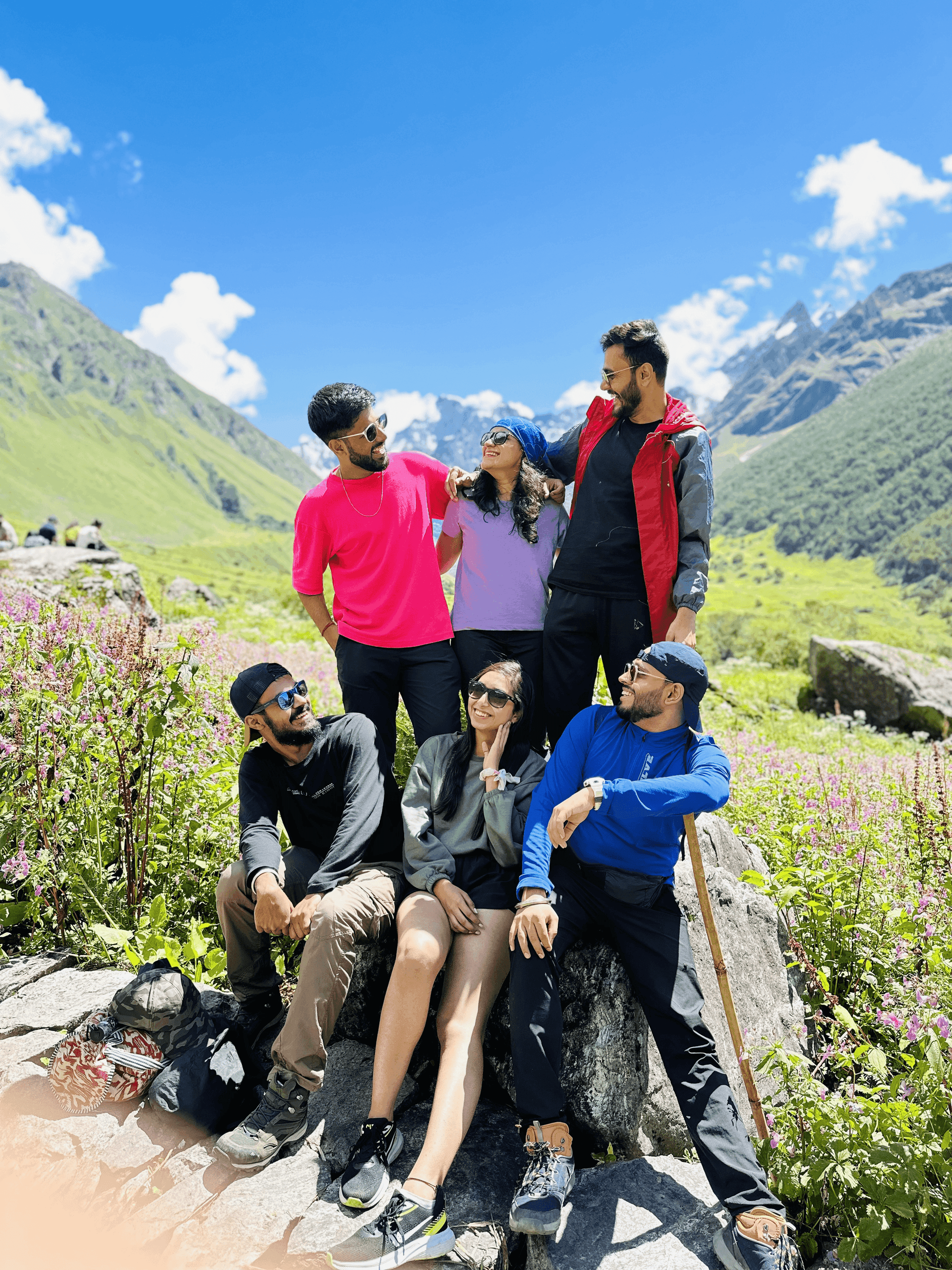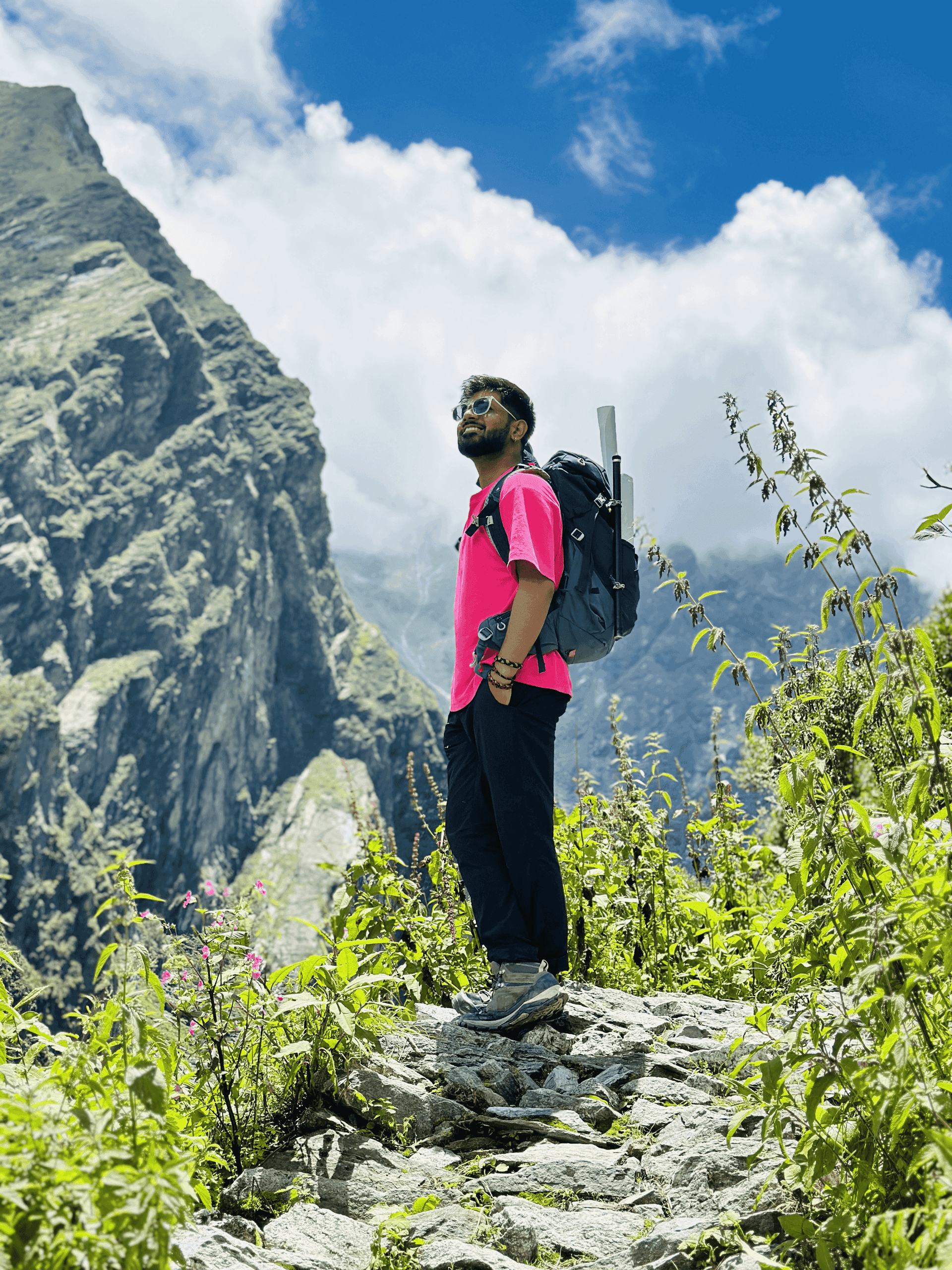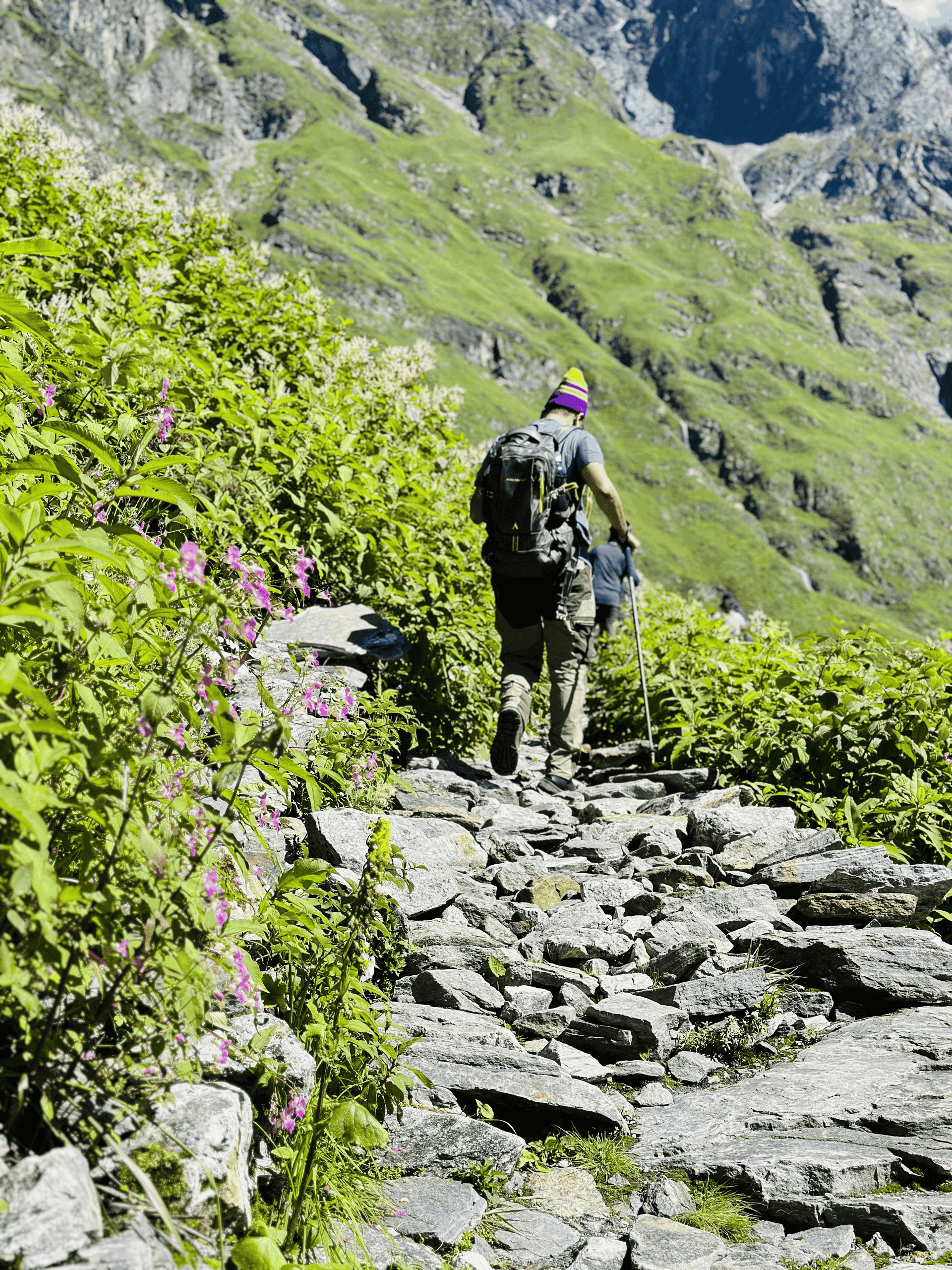
Parvati Valley is less about ticking destinations and more about how slowly you move through the mountains.
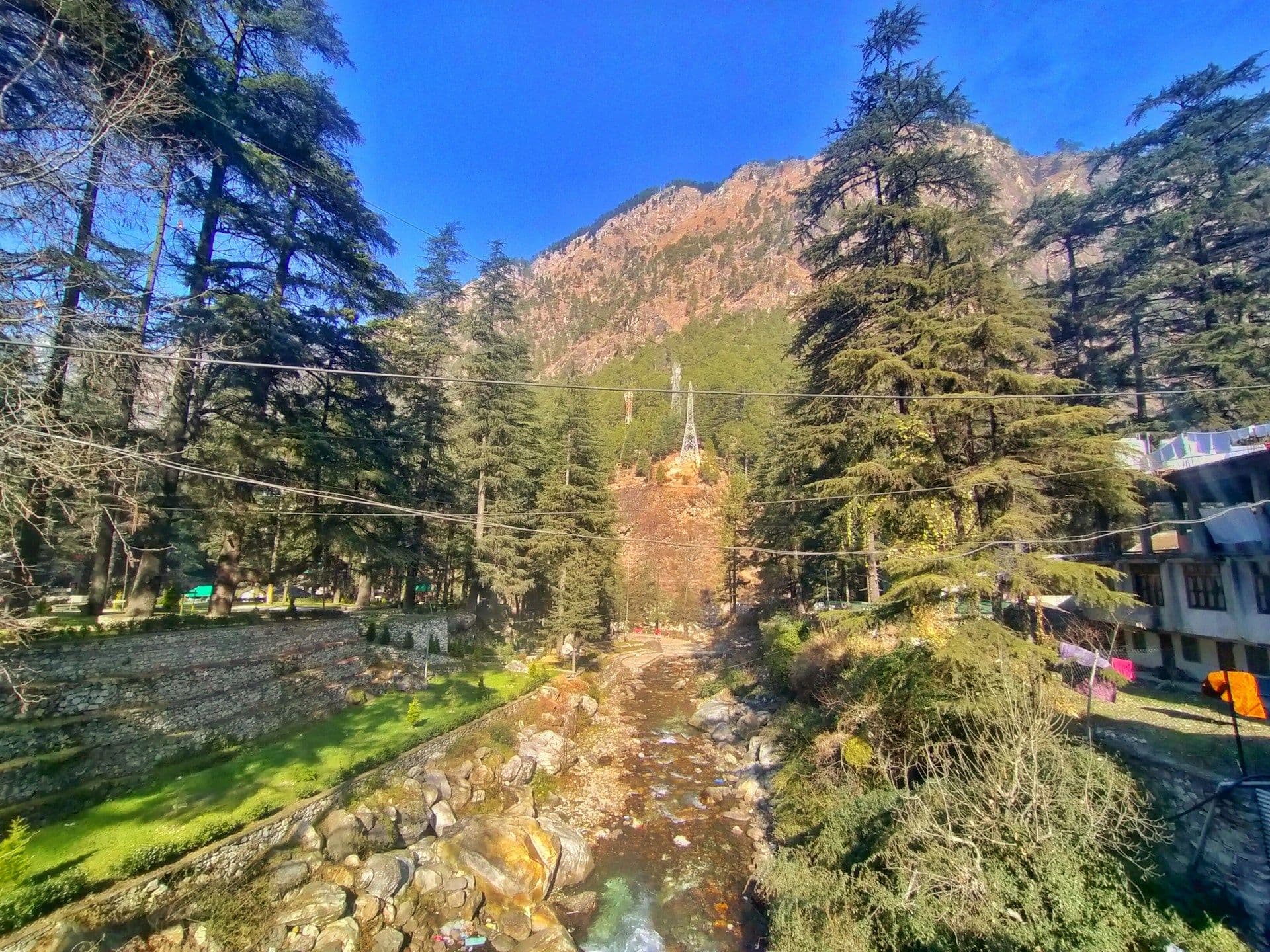
The atmosphere changes constantly as you travel deeper into the valley. Busy cafés and backpacker streets slowly turn into quieter villages, pine forests, riverside trails, wooden homes and slower mountain mornings that feel disconnected from the usual pace of Himachal tourism.
That contrast is a major reason travelers remember the Parvati Valley differently from most Himalayan destinations.
Located in Himachal Pradesh’s Kullu region, Parvati Valley is known for backpacking culture, village stays, café scenes, mountain treks, riverside landscapes and slower Himalayan travel experiences spread across places like Kasol, Tosh, Kalga, Pulga and Kheerganga.
Whether you are planning a backpacking trip, café-focused mountain escape, workation or slower village experience, Parvati Valley works best when explored gradually instead of rushed through a packed itinerary.
Why Travelers Are Choosing Parvati Valley
Parvati Valley has become one of the most recognizable backpacking and slower-travel regions in Himachal Pradesh.
People usually visit for café culture, mountain villages, backpacking experiences, Kheerganga trekking, riverside stays, workations and slower Himalayan travel.
The valley especially attracts:
- backpackers
- solo travelers
- couples
- remote workers
- café-focused travelers
- younger mountain audiences
Compared to many mainstream hill stations, Parvati Valley feels more free-flowing, village-focused, community-driven and slower-paced.
At the same time, tourism across the valley has grown rapidly in recent years. Roads around Kasol feel busier during peak weekends, cafés and stays continue increasing and workation culture has become more visible across villages deeper inside the valley.
Because of this, many travelers now spend less time in Kasol itself and move toward quieter villages like Kalga, Pulga and Tosh for calmer and slower mountain experiences.
Where Is Parvati Valley Located?
Parvati Valley is located in the Kullu district of Himachal Pradesh.
The valley stretches deeper into the Himalayas from Bhuntar, Kasol and Manikaran toward villages and trekking routes like Tosh, Kalga, Pulga, Barshaini and Kheerganga.
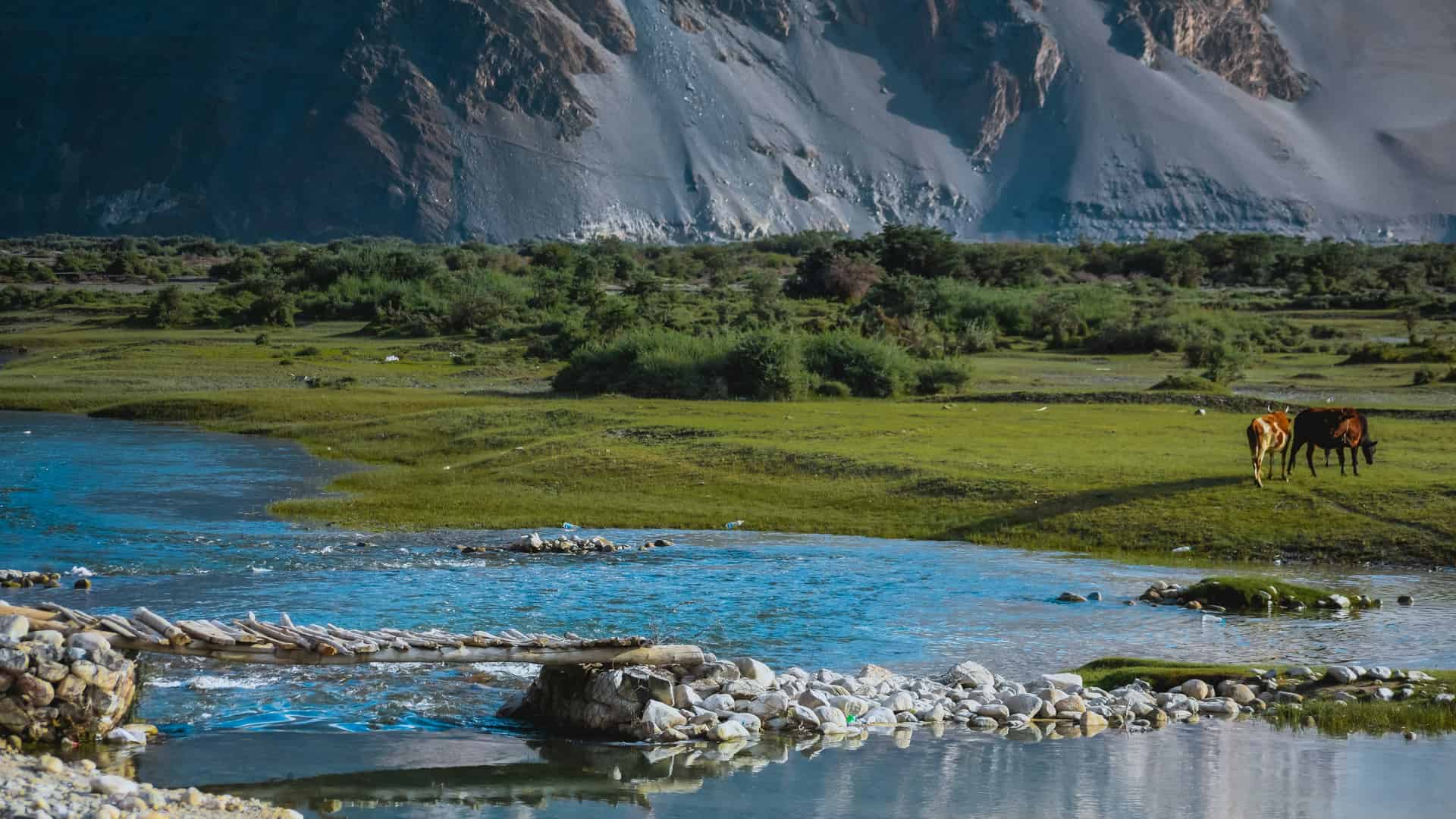
The region is surrounded by pine forests, riverside landscapes, snow-covered mountains, village trails and trekking routes that attract both backpackers and slower-travel audiences. Many travelers also combine Parvati Valley with nearby backpacking and slow-travel destinations like Jibhi, Tirthan Valley and hidden places in Himachal Pradesh, depending on the kind of mountain trip they are planning.
Parvati Valley: Why the Monsoon Greenery Comes With a Landslide Reality
Parvati Valley changes significantly with the seasons and each season creates a very different atmosphere throughout the region.
Travelers planning broader mountain journeys can also check the best time to visit Himachal Pradesh, depending on snowfall, trekking conditions and seasonal travel preferences.
Spring (March to April)
Spring brings greener forests, clearer skies, pleasant weather and a quieter atmosphere before the heavy summer rush begins.
This season works especially well for:
- backpacking
- village stays
- café experiences
- trekking
- slower travel
especially around villages like Kalga and Tosh.
Summer (May to June)
Summer is the busiest season in Parvati Valley.
The weather remains comfortable, cafés become more active, trekking routes stay accessible, and villages across the valley see heavy traveler movement.
This season is ideal for:
- first-time visitors
- backpacking trips
- café culture
- workations
- Kheerganga trekking
However, tourism pressure has increased significantly during weekends and holidays, especially around Kasol and Tosh.
Travelers wanting quieter experiences usually prefer slower stays in Kalga or Pulga instead of spending their entire trip around the main Kasol market.
Monsoon (July to September)
Monsoon transforms Parvati Valley into a greener and moodier Himalayan landscape.
Cloud-covered forests, riverside fog, quieter cafés and slower village atmospheres make the valley feel visually dramatic during this season.
At the same time, monsoon also brings:
- landslide risks
- slippery trekking trails
- road delays
- weather unpredictability
The Manikaran–Barshaini stretch especially becomes more sensitive during heavy rainfall periods, so avoiding late-night travel and keeping flexible schedules is usually safer.
Many travelers still prefer the monsoon for:
- forest atmosphere
- fewer crowds
- quieter cafés
- slower village stays
especially in Kalga and Pulga.
Autumn (October to November)
Autumn is one of the best times to experience Parvati Valley more peacefully.
The skies become clearer, the crowds begin to reduce and the atmosphere across villages feels calmer compared to the peak summer months.
This season works especially well for:
- workations
- café stays
- photography
- village hopping
- slower backpacking experiences
Cold evenings become far more noticeable during this period, especially in higher villages.
Winter (December to February)
Winter transforms parts of Parvati Valley into snowy Himalayan landscapes.
Villages like Tosh, Kalga and Pulga often experience snowfall during this season, making the valley feel quieter and more isolated compared to summer.
Winter works especially well for travelers looking for:
- snow experiences
- scenic cafés
- quieter mountain stays
- slower travel
However, travelers should also realistically expect freezing temperatures, reduced accessibility, occasional electricity issues and weaker internet during bad weather.
Kasol vs Tosh vs Kalga vs Pulga: Which Village Should You Choose?
One of the biggest mistakes travelers make is treating Parvati Valley as a single destination.
Each village feels completely different.
Kasol
Kasol remains the social and backpacking hub of Parvati Valley.
The town is known for:
- cafés
- hostels
- Israeli food culture
- backpacker atmosphere
- easier accessibility
Kasol works best for first-time travelers, social backpacking, café hopping, shorter mountain trips and work-friendly stays.
At the same time, Kasol also feels significantly more commercialized and crowded compared to quieter villages deeper inside the valley.
Travelers planning café-focused mountain trips can also explore the Kasol travel guide.
Tosh
Tosh feels more raw, youthful and backpacker-heavy compared to Kasol.
The village is known for mountain views, steeper village pathways, scenic cafés, hostel culture and a more social traveler atmosphere.
Tosh works especially well for travelers looking for:
- mountain views
- social backpacking
- shorter slow stays
- higher-altitude village atmosphere
Kalga
Kalga feels slower and quieter compared to both Kasol and Tosh.
Surrounded by pine forests and calmer village pathways, Kalga has become increasingly popular among travelers looking for slower mornings, quieter cafés, workation stays and easier access to Kheerganga.
Many travelers now prefer staying in Kalga instead of spending long periods in the busier parts of Kasol.
Travelers planning slower stays can also explore the Kalga travel guide.
Pulga
Pulga remains one of the calmer villages in the valley.
The atmosphere here feels more forest-oriented and less crowded, with slower village life, wooden homes, and quieter walking trails spread across the hillside.
Pulga works especially well for travelers looking for longer quiet stays and slower mountain pacing away from busier tourist movement.
Many workation travelers now also prefer Pulga for its calmer atmosphere compared to Kasol.
The Kheerganga Shift: Planning a Day Trek Without Camping
Kheerganga remains one of the most popular trekking experiences in Parvati Valley.
However, trekking culture around Kheerganga has changed significantly in recent years.
The region is now largely treated as a day-trek destination and overnight camping near the upper Kheerganga stretch is far more restricted compared to older backpacking experiences.
Because of this, many travelers now stay in Kalga or Barshaini, begin trekking early in the morning, complete Kheerganga as a day hike and return to the village stays afterward instead of treating Kheerganga itself as an overnight camping destination.
Starting earlier in the day also helps avoid heavier crowd movement on the trail. Travelers interested in beginner-friendly Himalayan trekking routes can also explore some of the best treks in Himachal Pradesh.
Choosing Your Base: Kasol vs Kalga vs Pulga for Workations & Slower Stays
Parvati Valley has become increasingly popular among remote workers and longer-stay travelers.
However, internet reliability and overall atmosphere change significantly depending on the village.
Kasol for Connectivity & Social Atmosphere
Kasol currently offers the strongest mobile connectivity, easier ATM access, more cafés, stronger remote-work infrastructure and a more active social atmosphere.
This makes it the most practical workation base for travelers who need stable connectivity and easier logistics.
Kalga for Slower Workations
Kalga suits travelers looking for quieter work environments, forest surroundings, calmer cafés and slower mornings.
Some stays now offer fiber-based internet setups, although weather and electricity still affect reliability occasionally.
Pulga for Longer Quiet Stays
Pulga works especially well for:
- longer stays
- quieter mountain pacing
- forest atmosphere
- reduced tourist movement
Connectivity remains more inconsistent compared to Kasol, so travelers planning remote work should always confirm internet setup before booking stays.
Café Culture & Slow Living in Parvati Valley
Café culture remains one of the strongest parts of the Parvati Valley experience.
Across villages like Kasol, Kalga and Tosh, travelers now find riverside cafés, bakery cafés, mountain-view hostels, slower village cafés and work-friendly spaces spread across the valley.
But the atmosphere changes significantly from one village to another.
Kasol feels busier, more social and more commercialized, while villages like Kalga and Pulga feel quieter, slower, less crowded and more stay-focused.
This slower “Ailyak” style of mountain living has become one of the biggest reasons travelers now spend longer periods inside the valley instead of treating it as only a quick weekend trip.
If you want to explore Himachali café culture, mountain food experiences and regional dishes more deeply, you can also read this Himachal food guide.
Beyond Kheerganga: Quieter Experiences Around Parvati Valley
As tourism around Kasol and Kheerganga has increased, many travelers now look for quieter experiences deeper inside the valley.
Fairy Forest in Pulga
Pulga’s Fairy Forest remains one of the most peaceful walking experiences in Parvati Valley.
Tall deodar forests, quieter pathways and slower village surroundings make it feel very different from the busier Kasol atmosphere.
Bhandak Thatch
Travelers looking for quieter trekking experiences increasingly explore routes toward Bhandak Thatch.
The region is known for open meadows, forest trails, fewer crowds and quieter Himalayan landscapes compared to heavily crowded trekking routes around Kheerganga.
Malana Travel Reality
Malana still attracts travelers interested in older Himalayan village culture and alternative backpacking routes.
At the same time, local cultural rules remain strict and travelers are generally expected to respect village boundaries, photography sensitivity and local customs while visiting the region.
Travelers interested in slower and less commercial Himalayan regions also increasingly explore places like Shangarh and Sainj Valley.
Important Travel Tips Before Visiting Parvati Valley
- Carry warm layers even during summer because nights become cold quickly.
- Avoid rushing through multiple villages in one day.
- Keep flexible schedules during monsoon travel.
- Carry sufficient cash because ATM access and digital payments become less reliable deeper into the valley.
- Respect local village culture and quieter mountain communities.
- Internet reliability still varies across villages and weather conditions.
- Weekday travel usually feels significantly calmer compared to weekends.
Is Parvati Valley Worth Visiting?
Yes, especially for travelers looking for one of the most experience-driven and culturally layered mountain regions in Himachal Pradesh.
Parvati Valley works best for people who enjoy:
- backpacking
- café culture
- mountain villages
- trekking
- slower travel
- riverside landscapes
- social mountain experiences
The valley becomes far more rewarding when travelers spend time moving slowly between villages instead of treating the region as only a quick Kasol trip.
Many travelers now combine Kasol, Kalga, Tosh, Kheerganga and other hidden places in Himachal Pradesh while planning longer Himalayan backpacking routes.
If you are exploring multiple Himalayan regions together, this Himachal Pradesh travel guide can help you plan a broader mountain route across the state.
If you are planning a broader mountain journey across Himachal Pradesh, you can also explore our Himachal Pradesh tour packages for slower Himalayan travel experiences and scenic mountain routes.