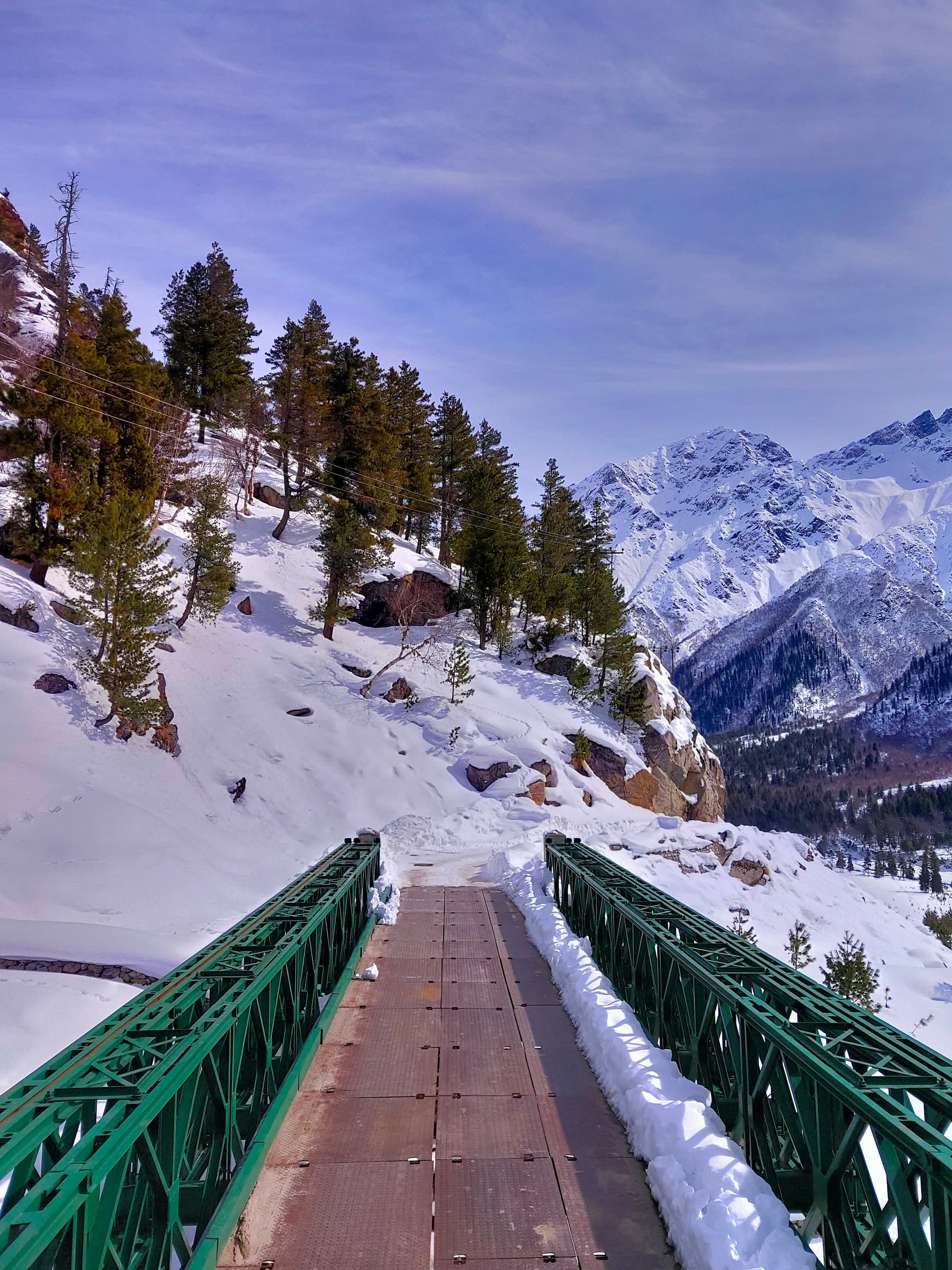
Spiti Valley in winter is a very different experience from the summer road trip most travelers know. Snow settles over high-altitude villages, the valley becomes quieter and everyday life adapts to months of freezing temperatures.
For travelers who are prepared for the conditions, winter offers a chance to experience Spiti through snow-covered landscapes, Himalayan wildlife, local traditions, monasteries, homestays and a slower pace of travel.
This is not simply Spiti with snow added to the same itinerary. Winter changes how you reach the valley, how you move around it and what you can realistically experience once you arrive.
What Makes Spiti Valley Different in Winter?
Winter transforms Spiti Valley into a much quieter and more demanding destination. Snow-covered villages, frozen sections of the Spiti River, fewer visitors and a slower pace of life create an experience that feels very different from a summer road trip.
Wildlife, local traditions, monasteries, homestays and winter village life become more important than trying to cover a long sightseeing list. The harsh conditions are also part of the experience, making winter Spiti better suited to travelers who are comfortable with cold weather, limited access and a slower style of travel.
1. See the Spiti River Transformed by Winter
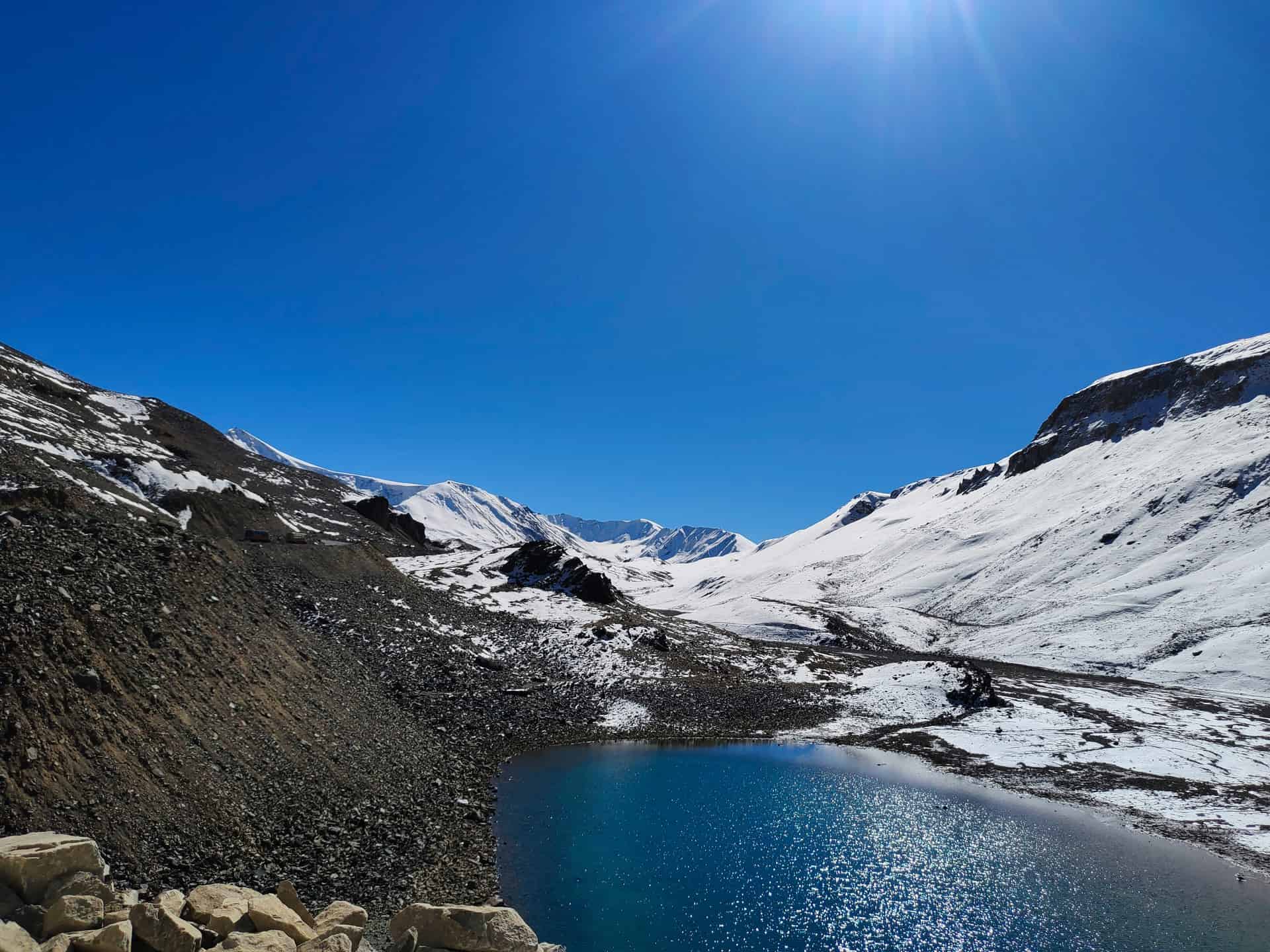
The Spiti River looks completely different in winter. As temperatures fall, sections of the river can develop ice while snow settles along its banks and the surrounding mountains. The result is a stark landscape that feels far removed from the valley seen during warmer months.
You can see this transformation while traveling between villages and viewpoints across Spiti. Frozen sections of water, snow-covered banks, and the surrounding mountains offer a close look at how dramatically the valley changes during the coldest months.
Important: Frozen river surfaces should not be treated as walking paths. Ice thickness can vary, so enjoy the landscape from safe, stable ground.
2. Track Snow Leopards Around Kibber
Winter is the season when many wildlife enthusiasts come to Spiti hoping to spot the elusive snow leopard. Areas around Kibber and Chicham are known for snow leopard habitat, and the animals can move to lower elevations in winter while following their prey.
This is not a quick sightseeing activity. Local trackers and spotters typically spend hours scanning mountain slopes and ridgelines with spotting scopes, often returning to the same areas over several days. Blue sheep (bharal), ibex and Himalayan foxes may also be seen during the search.
A sighting is never guaranteed, which is part of what makes the experience challenging. If you are planning a dedicated snow leopard expedition, allow several days rather than trying to fit wildlife tracking into a single day of sightseeing.
Best for: Wildlife enthusiasts, photographers and travelers interested in Himalayan wildlife.
3. Experience Spiti's Snow-Covered Villages
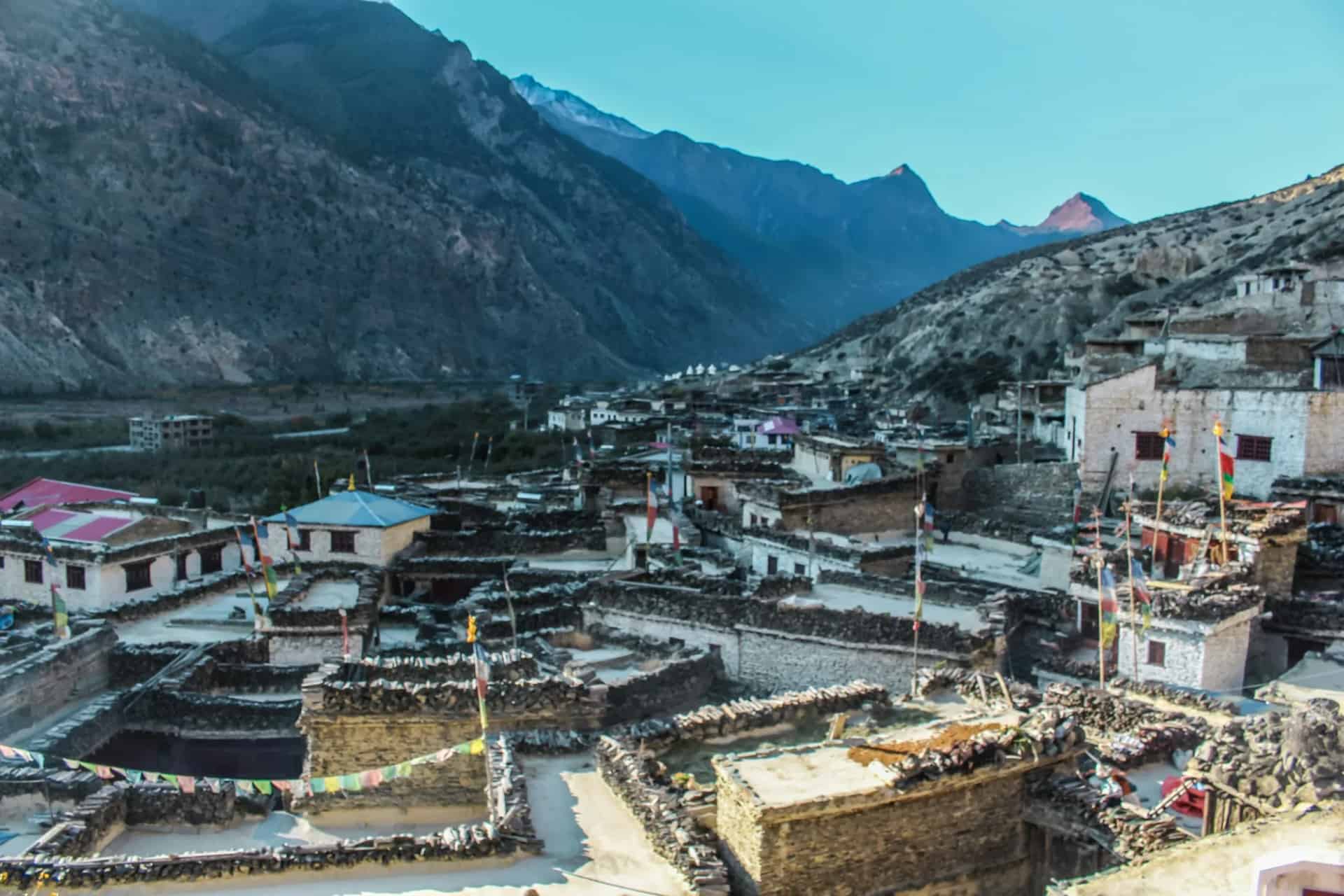
Winter changes the character of Spiti's high-altitude villages. Places such as Kibber, Langza, Hikkim, and Komic can be covered in snow, with traditional homes, frozen fields and barren mountain slopes creating a landscape very different from the summer season.
The more interesting part is seeing how village life continues through the cold months. With outdoor activity reduced, residents spend more time indoors, heating their homes, preparing meals and maintaining everyday routines around the harsh winter conditions.
Access to individual villages can vary with snowfall and local road conditions, so the places you can visit may depend on conditions during your trip.
Best for: Local culture, village life, photography and travelers looking for a quieter side of Spiti.
4. Experience Spiti's Monasteries in Winter
Spiti's monasteries take on a quieter character during the winter months. Key Monastery, Tabo Monastery and Dhankar Monastery stand against snow-covered mountains, while fewer visitors create a more peaceful atmosphere around these important Buddhist sites.
Winter also offers a different perspective on Spiti's Buddhist culture. Instead of moving quickly between sightseeing stops, you can spend more time appreciating the monasteries, their architecture, surrounding landscapes and the traditions that continue through the cold season.
Best for: Buddhist culture, heritage, photography and travelers interested in a quieter side of Spiti.
5. Experience Losar and Spiti's Winter Traditions
Winter is also a time to experience Spiti's Tibetan Buddhist traditions. Losar, the Tibetan New Year, is an important festival for communities across the region, with celebrations based on the Tibetan lunar calendar.
Depending on when you visit, Losar can include monastery ceremonies, prayers, traditional food, music and community gatherings. Experiencing these traditions gives travelers a glimpse into the cultural side of Spiti that can be missed on a sightseeing-focused trip.
Losar dates change each year, so check the festival calendar before planning your winter visit around the celebrations.
Best for: Local culture, Buddhist traditions, festivals and travelers interested in experiencing Spiti beyond its landscapes.
6. Experience Winter Life Through a Local Homestay
A winter homestay can give you a much better understanding of everyday life in Spiti than a short sightseeing stop. With fewer visitors around, you have more opportunities to spend time with local families and see how they adapt to the long, cold winter.
Traditional homes become an important part of the experience. Meals, conversations and warmth often center around the kitchen, while traditional heating systems help make the cold more manageable. In some homes, you may encounter a bokhari, a traditional stove commonly used for warmth.
The experience is less about luxury and more about understanding how people live through one of the Himalayas' harshest seasons.
Best for: Local culture, homestays, slow travel and travelers interested in everyday life in Spiti.
7. Taste Spiti's Winter Food and Drinks
Warm, filling food becomes an important part of the winter experience in Spiti. After spending time outdoors in freezing temperatures, a hot meal at a local homestay or restaurant can be as memorable as the landscape outside.
Look for local staples such as thukpa, momos, tsampa, and butter tea (gur-gur chai), along with traditional breads and home-cooked meals that vary between families and villages. Butter tea, traditionally prepared with tea, butter and salt, is especially suited to the cold Himalayan climate.
Eating with local hosts also gives you a glimpse into how food and hospitality fit into everyday winter life in Spiti.
Best for: Food lovers, homestay experiences and travelers interested in local culture.
8. Photograph Spiti Under Winter Snow
Winter creates photographic opportunities that are difficult to find during the warmer months. Snow-covered villages, frozen water, stark mountain slopes and clear skies give Spiti a completely different visual character.
The combination of whitewashed villages, Buddhist monasteries, high-altitude mountains and deep blue winter skies can make even familiar places look completely different. Clear nights can also be favorable for night-sky photography when weather conditions cooperate.
Rather than treating photography as a separate sightseeing activity, use the slower winter pace to spend more time at a few locations and capture the landscape in different light.
Best for: Landscape photographers, night-sky enthusiasts and travelers who enjoy slow exploration.
Is Spiti Valley Worth Visiting in Winter?
Winter Spiti is worth considering if you want snow-covered landscapes, quieter villages, wildlife experiences, local traditions and a more remote Himalayan experience.
It is less suitable if you want easy road travel, extensive sightseeing or a predictable itinerary. Freezing temperatures, limited access and fewer operating accommodations make winter Spiti a more demanding trip.
Choose winter if you value: Snow, wildlife, solitude, local culture and adventure.
Consider another season if you prefer: Easier travel, more sightseeing options and greater flexibility.
What to Know Before Visiting Spiti in Winter
Winter Spiti requires more preparation than a summer trip. Keep these essentials in mind:
- Route: The Manali-Kaza route via Kunzum Pass is generally closed in winter. The Shimla-Kinnaur side is the usual road approach when conditions permit.
- Cold: Temperatures can fall well below freezing, so proper thermal layers, insulated outerwear, gloves and warm footwear are essential.
- Services: Some accommodations and restaurants operate with limited availability during winter, so confirm arrangements before traveling.
- Travel time: Snow and changing weather can affect road conditions and journey times. Keep your itinerary flexible.
For detailed routes, transportation, accommodation and other trip-planning information, see our Spiti Valley Travel Guide.
Planning a Winter Trip to Spiti?
Winter Spiti offers a very different experience from a typical summer trip, but the conditions require careful planning. If you want to explore the valley with your route, transportation and stay organized, explore our Spiti Valley tour packages.