Hanle is one of the most remarkable places to experience the night sky in Ladakh. Far from the bright lights of major tourist centers, this remote village is known for its exceptionally dark skies, the Hanle Dark Sky Reserve, and the Indian Astronomical Observatory.
But visiting Hanle is about more than stargazing. Its high altitude, remote location, limited connectivity, travel permissions, and long road journey make it very different from a typical Ladakh stop.
This Hanle travel guide explains what to know before visiting, including the observatory, Dark Sky Reserve, best time for stargazing, altitude, how to reach Hanle, permits, accommodation, and what to expect after sunset.
If you’re planning a broader trip across the region, you can also explore our Complete Ladakh Travel Guide for routes, permits and travel planning insights.
Where Is Hanle?
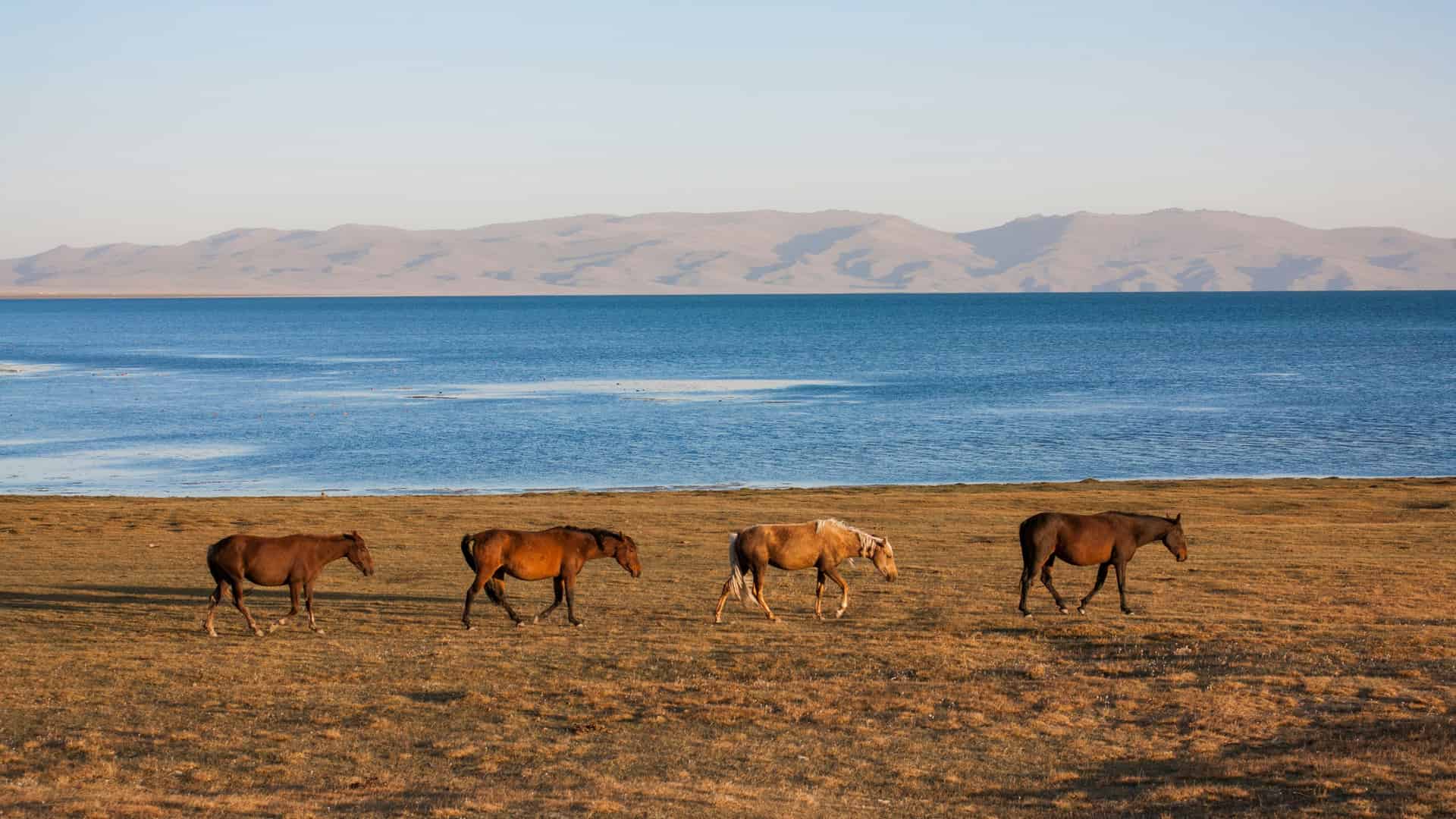
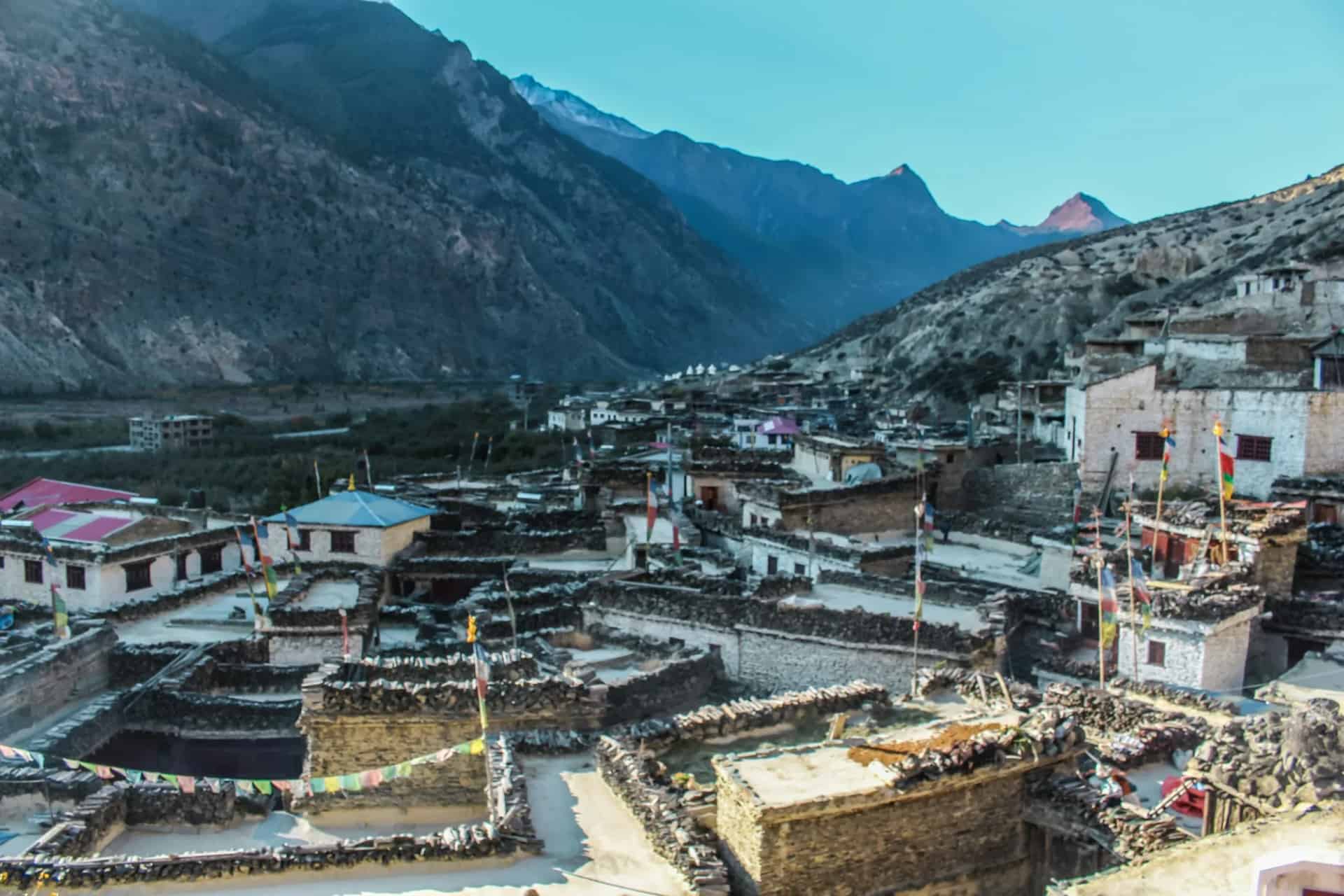
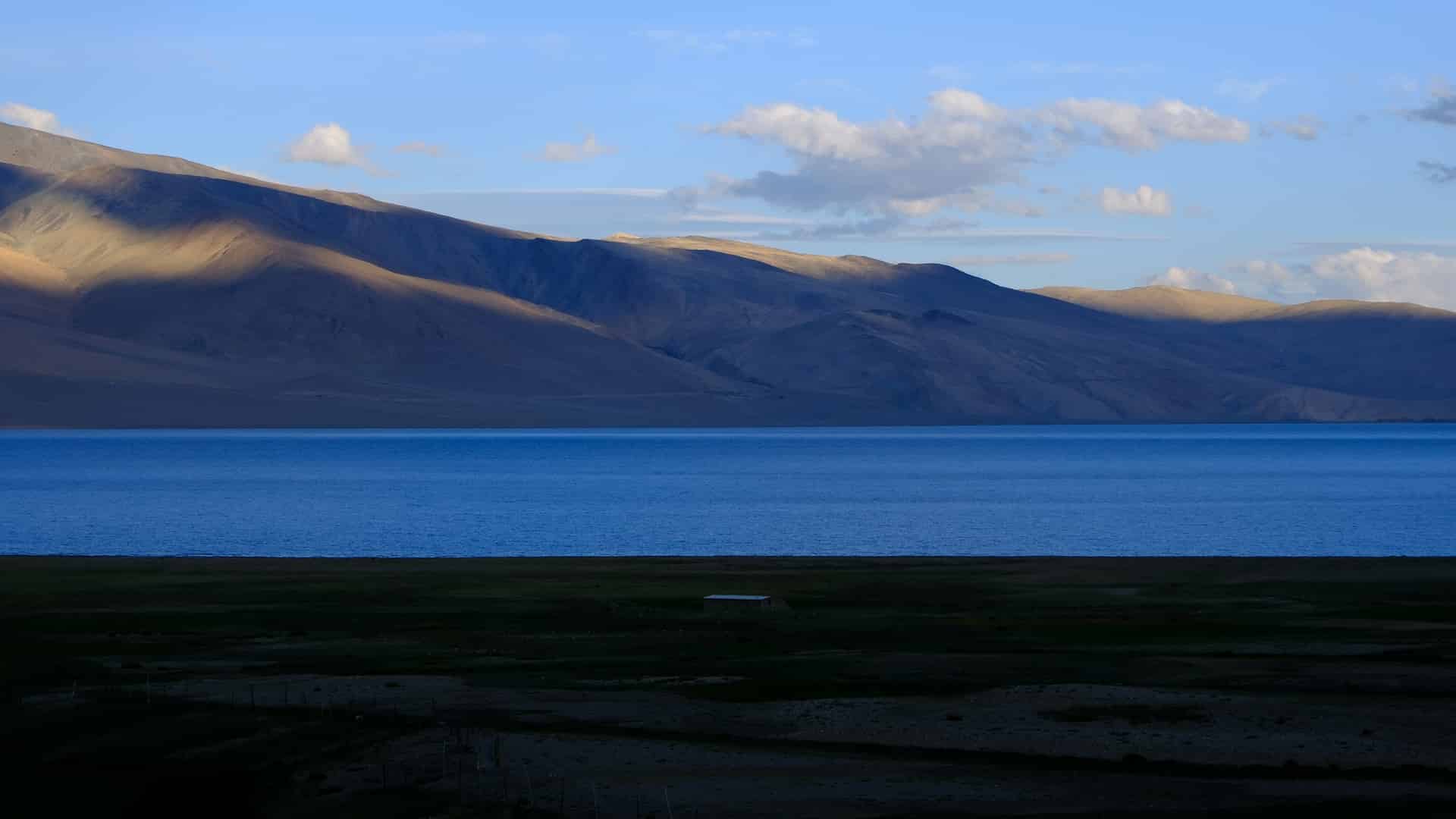
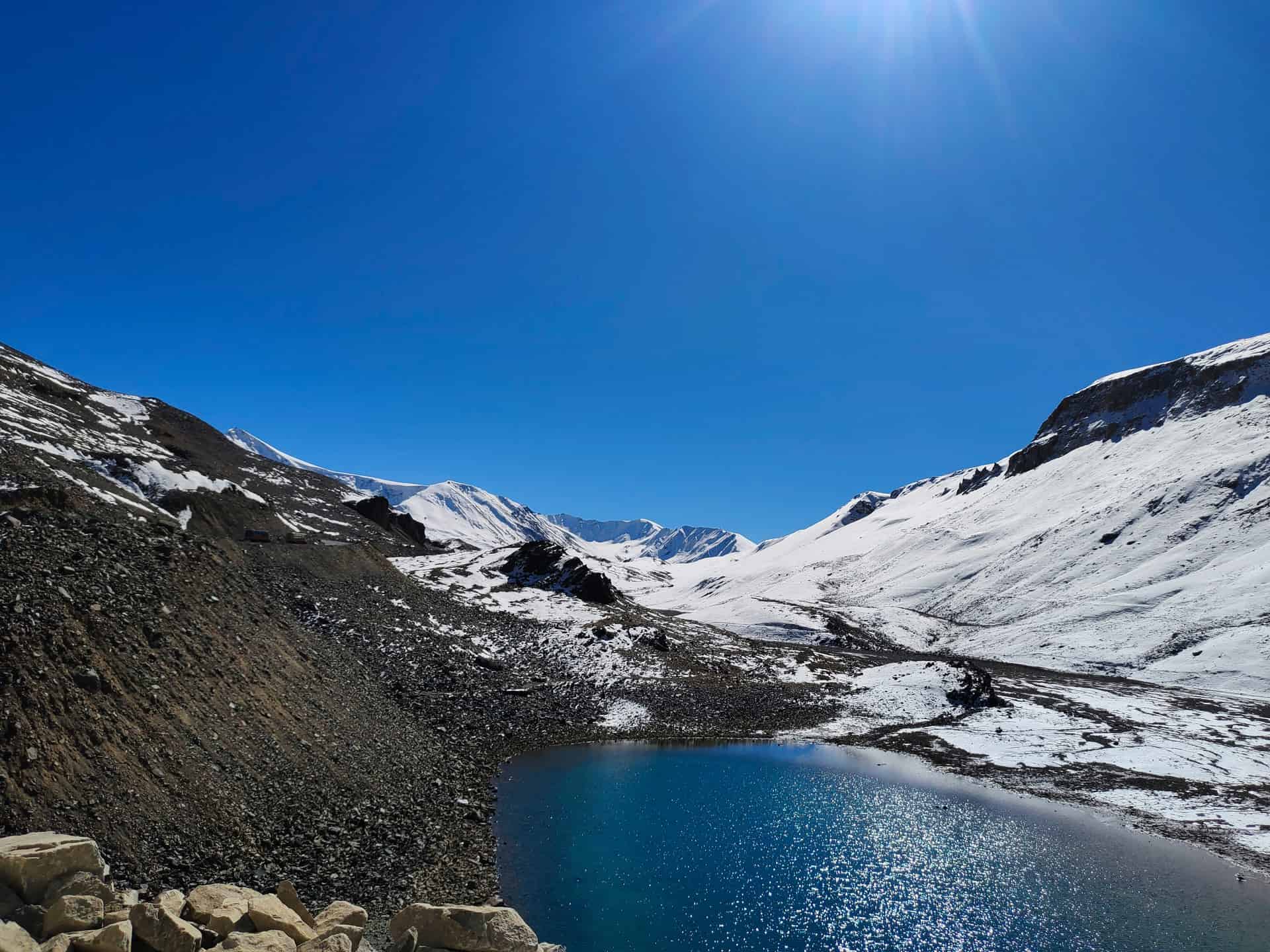
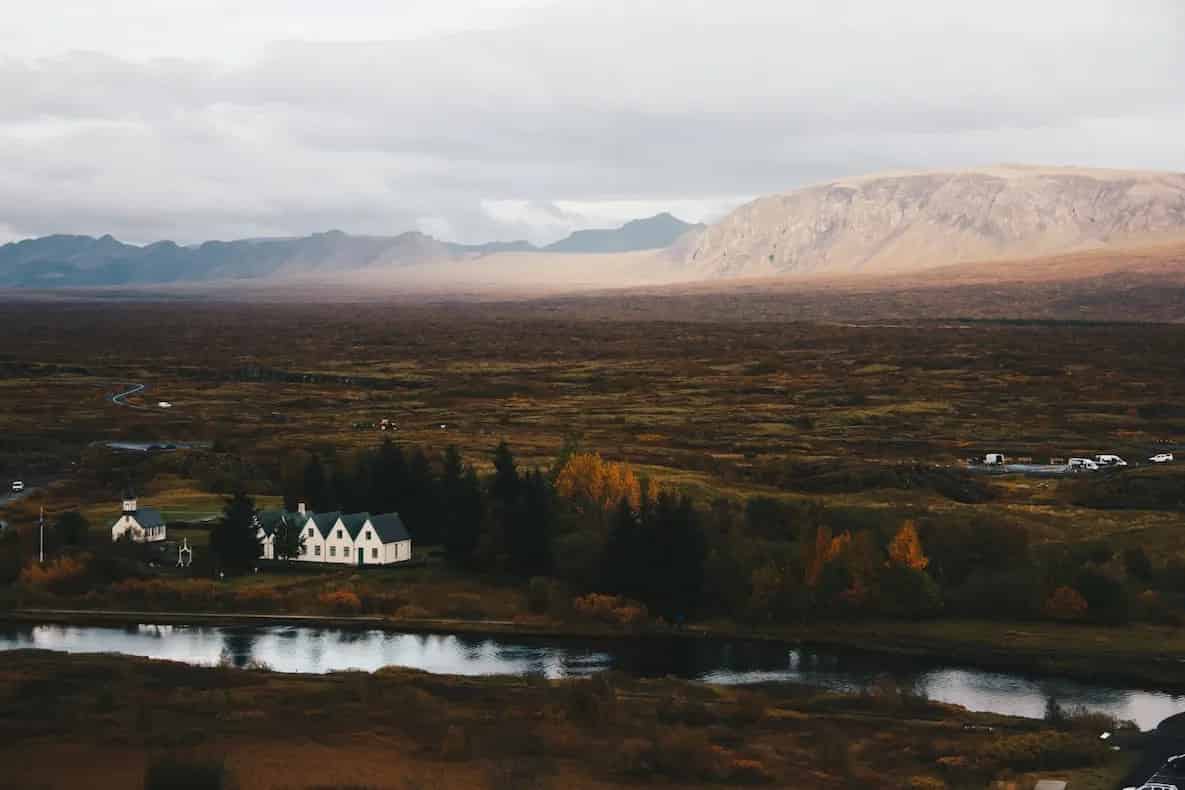
Hanle lies in the Changthang region of Ladakh near the Indo-China border, at an altitude of roughly 4,500 meters (14,700 feet). Surrounded by vast open valleys and almost zero light pollution, the village feels incredibly isolated, even by Ladakh standards.
Unlike Pangong or Nubra, which are known for dramatic scenery and tourism activity, Hanle is about stillness, space and the experience of being far away from everything.
Hanle Observatory and Dark Sky Reserve
Hanle is closely associated with two major reasons for its growing popularity among astronomy enthusiasts: the Indian Astronomical Observatory and the Hanle Dark Sky Reserve.
Hanle Observatory
The Indian Astronomical Observatory in Hanle is operated by the Indian Institute of Astrophysics. Its high-altitude location, dry climate, clear skies and low levels of artificial light make the region well suited for astronomical observations.
The observatory is primarily a scientific research facility, so tourist access is not the same as visiting a regular tourist attraction. Access to specific observatory facilities or visitor experiences can depend on current permissions and local arrangements.
If you are planning to visit, check the latest local rules and access requirements rather than assuming that the research facility is open for unrestricted entry.
What Is the Hanle Dark Sky Reserve?
The Hanle Dark Sky Reserve (HDSR) was established to protect the region's naturally dark skies and support astronomy and astrotourism. Covering a large area around Hanle, the reserve focuses on reducing unnecessary artificial light and encouraging responsible use of the night sky.
This is what makes Hanle Dark Sky Reserve particularly important for travelers interested in stargazing. The protected darkness allows visitors to experience the Milky Way and other celestial objects with far less interference from artificial lighting.
The reserve also connects astronomy with the local community, with homestays and local hosts increasingly offering stargazing experiences for visitors.
Hanle Need-to-Know (Quick Facts)
Altitude: 4,500m (nights remain freezing even in July)
Network: Mostly BSNL; limited connectivity
Wi-Fi: Basic satellite internet in some homestays
Electricity: Largely solar-powered
Fuel: No petrol pump in Hanle, refuel at Karu or Nyoma
Weather: Sunny days, very cold nights
Planning is essential here.
Things to Know Before Visiting Hanle
Hanle is more physically demanding than Leh, so preparation matters.
- Oxygen levels are lower than in Leh, so proper acclimatization is essential
- Carrying a portable oxygen canister from Leh is recommended
- Accommodation is basic but comfortable
- Temperatures drop sharply after sunset
- Medical facilities are minimal
Most travelers visit Hanle after spending a few days acclimatizing in Leh.
How to Reach Hanle
Hanle is usually reached from Leh via:
Leh → Upshi → Chumathang → Nyoma → Hanle
Some experienced travelers combine Hanle with Pangong and Chushul routes (permit dependent).
Because of long driving distances, costs can be higher compared to mainstream Ladakh routes. You can check our Ladakh Trip Cost Guide for realistic budgeting details.
Hanle & Umling La: The Adventure Connection
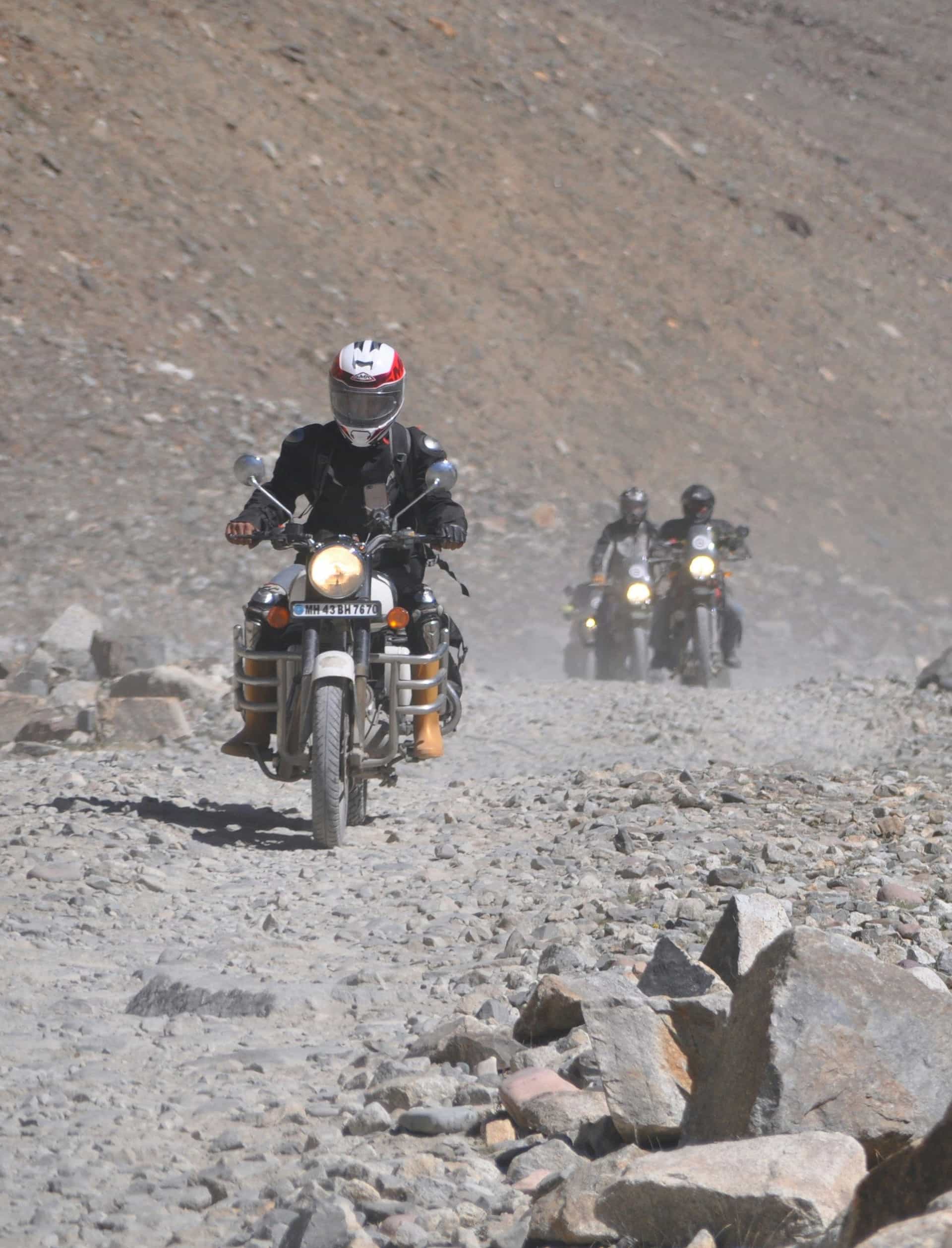
For adventure travelers, Hanle is the ideal base for visiting Umling La Pass, one of the world’s highest motorable roads at around 19,024 feet.
Located roughly 75 km from Hanle, the village serves as the best overnight stop before attempting this extreme high-altitude route. Many riders and self-drive travelers combine Hanle and Umling La in a single eastern Ladakh journey.
Best Time to Visit Hanle
The best time to visit Hanle is between May and September, when roads remain accessible and skies are usually clear.
Summer offers:
- Stable driving conditions
- Clear night skies
- Comfortable daytime temperatures
Winter transforms the region into a dramatic frozen landscape but brings extreme weather and limited accessibility. For full seasonal planning, see our Best Time to Visit Ladakh guide.
Hanle Night Sky: Why Stargazing Is So Special
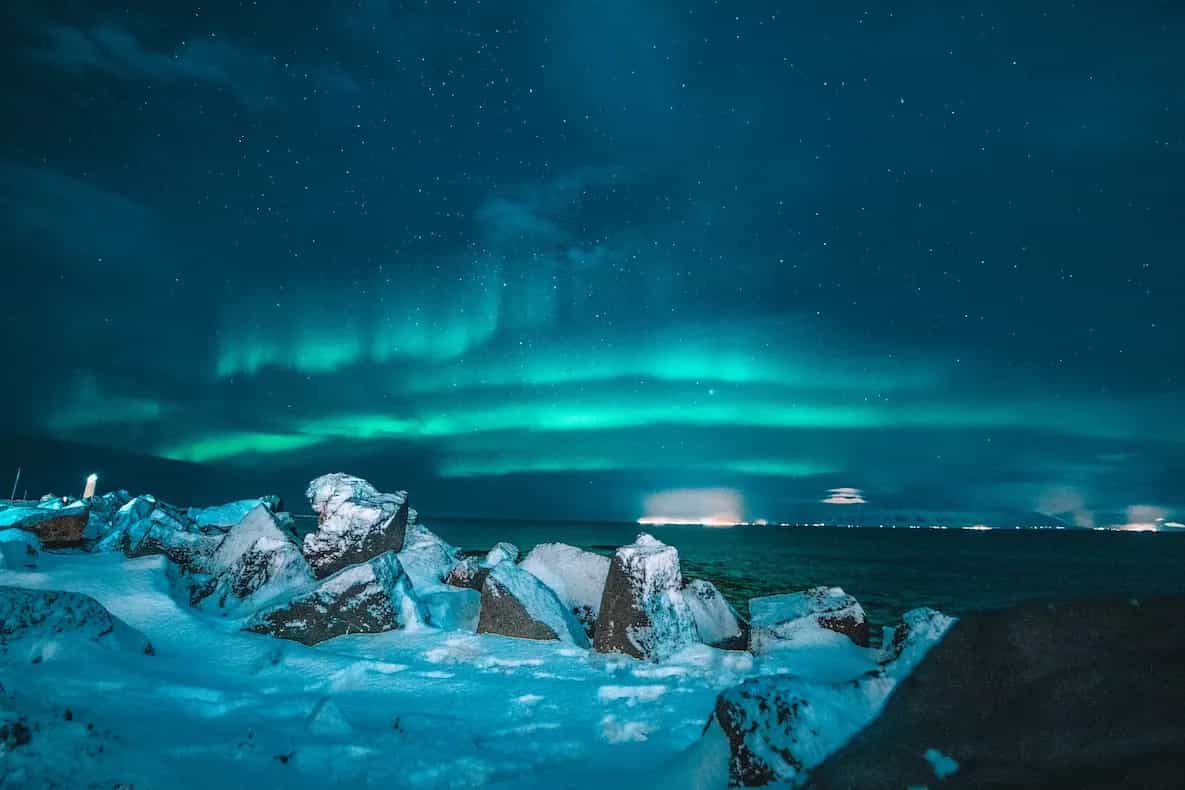
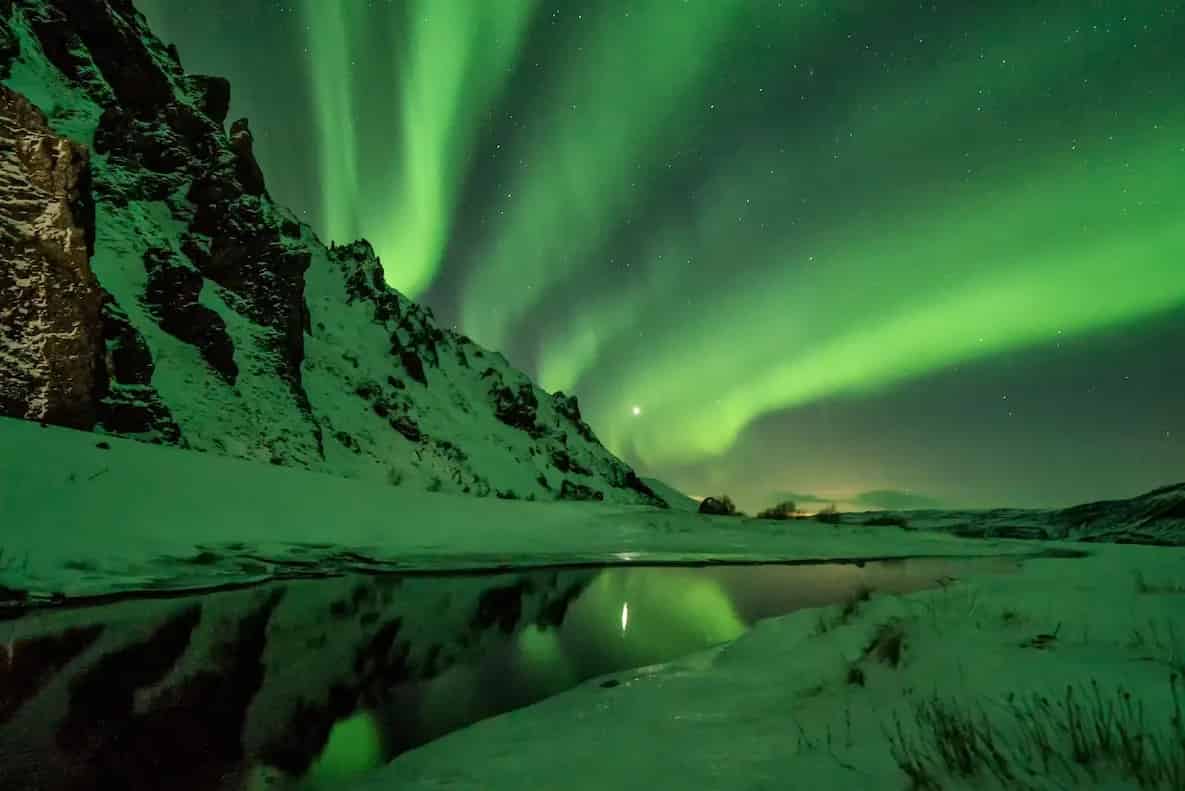
Hanle is best known for its dark, clear night sky, making it one of the most distinctive places for stargazing in Ladakh. The village is far from major sources of artificial light, so on a clear night, the Milky Way and thousands of stars can be much easier to see than in urban areas.
The experience is not limited to looking at the stars. Travelers can spend the evening observing the night sky, photographing the Milky Way, or joining local stargazing sessions organized by homestays and community hosts.
What Can You See in Hanle?
Depending on the season, weather, moonlight and viewing conditions, you may be able to see:
- The Milky Way with much greater clarity than in light-polluted cities
- Numerous bright stars and visible constellations
- Planets and other prominent celestial objects
- The night sky through telescopes during guided stargazing sessions
- Excellent conditions for astrophotography on clear nights
The quality of your experience depends heavily on cloud cover and moonlight, so even during the best season, a clear night is important.
Stargazing in Hanle
You do not necessarily need professional equipment to enjoy Hanle's night sky. Many local homestays and community hosts help travelers experience stargazing using basic telescopes or by pointing out prominent stars and celestial objects.
For the best experience, step away from artificial lights, allow your eyes time to adjust to the darkness and check the weather and moon phase before planning a dedicated stargazing session.
Staying in Hanle
Accommodation here is simple but authentic, mostly family-run homestays and small guesthouses.
Expect:
- Basic yet cozy rooms
- Home-cooked meals
- Limited electricity usage
- Quiet evenings due to cold temperatures
The simplicity is part of what makes Hanle special.
Permits & Travel Rules
Because Hanle lies in a sensitive border region, travel permissions are required.
- Indian travelers need the Ladakh Environment/Green Fee and route permissions.
- Foreign travelers are allowed to visit Hanle but must carry a valid Protected Area Permit (PAP) and usually travel in groups of at least two.
Always verify current regulations before travel, as rules can change.
Final Thoughts
Hanle is not a destination you accidentally discover. It’s a place you choose when you want to experience Ladakh in its quietest, most untouched form. The landscapes are vast, the villages feel timeless and the night sky reminds you how small we really are.
In Hanle, the silence feels as vast as the sky itself.