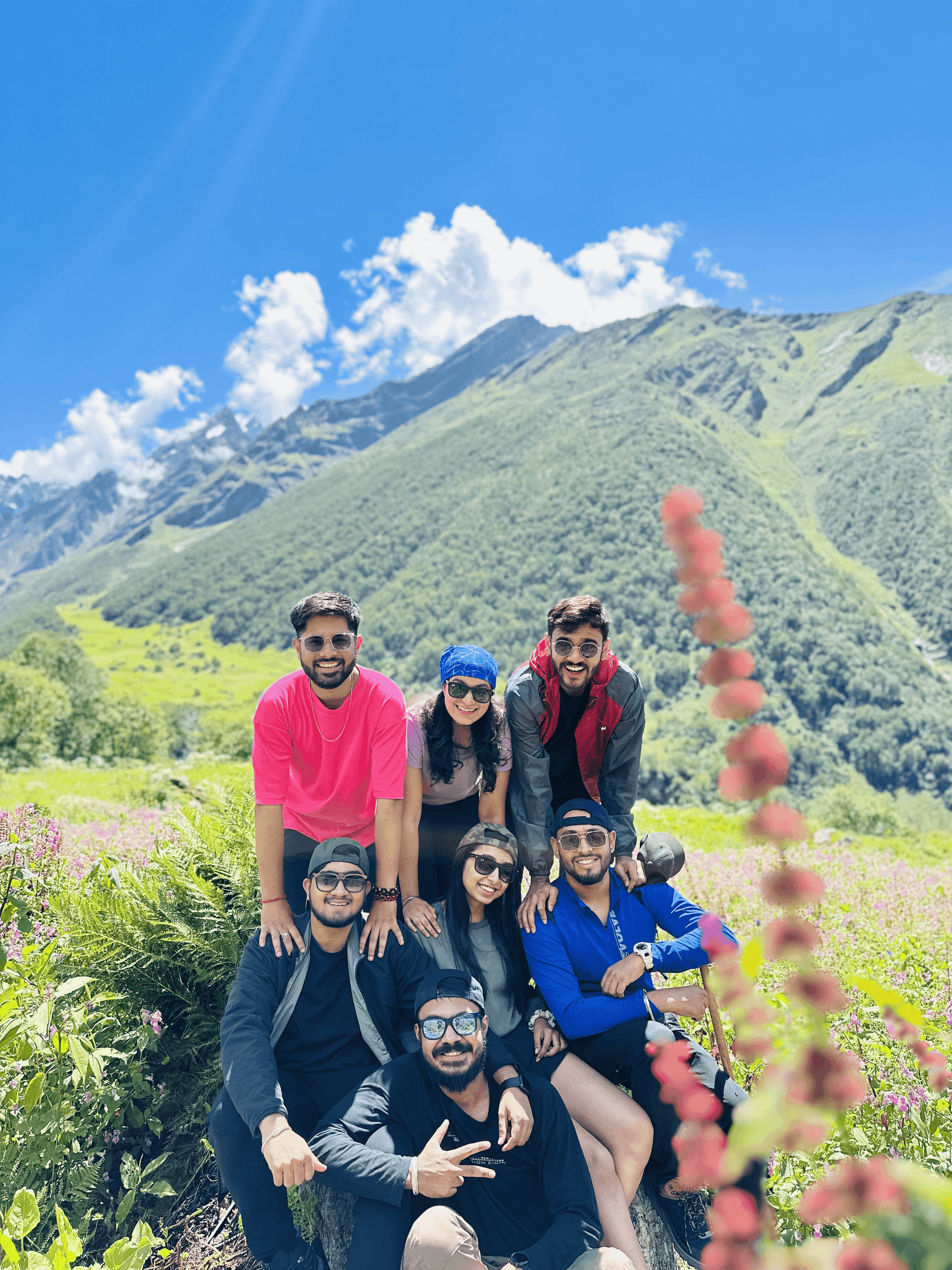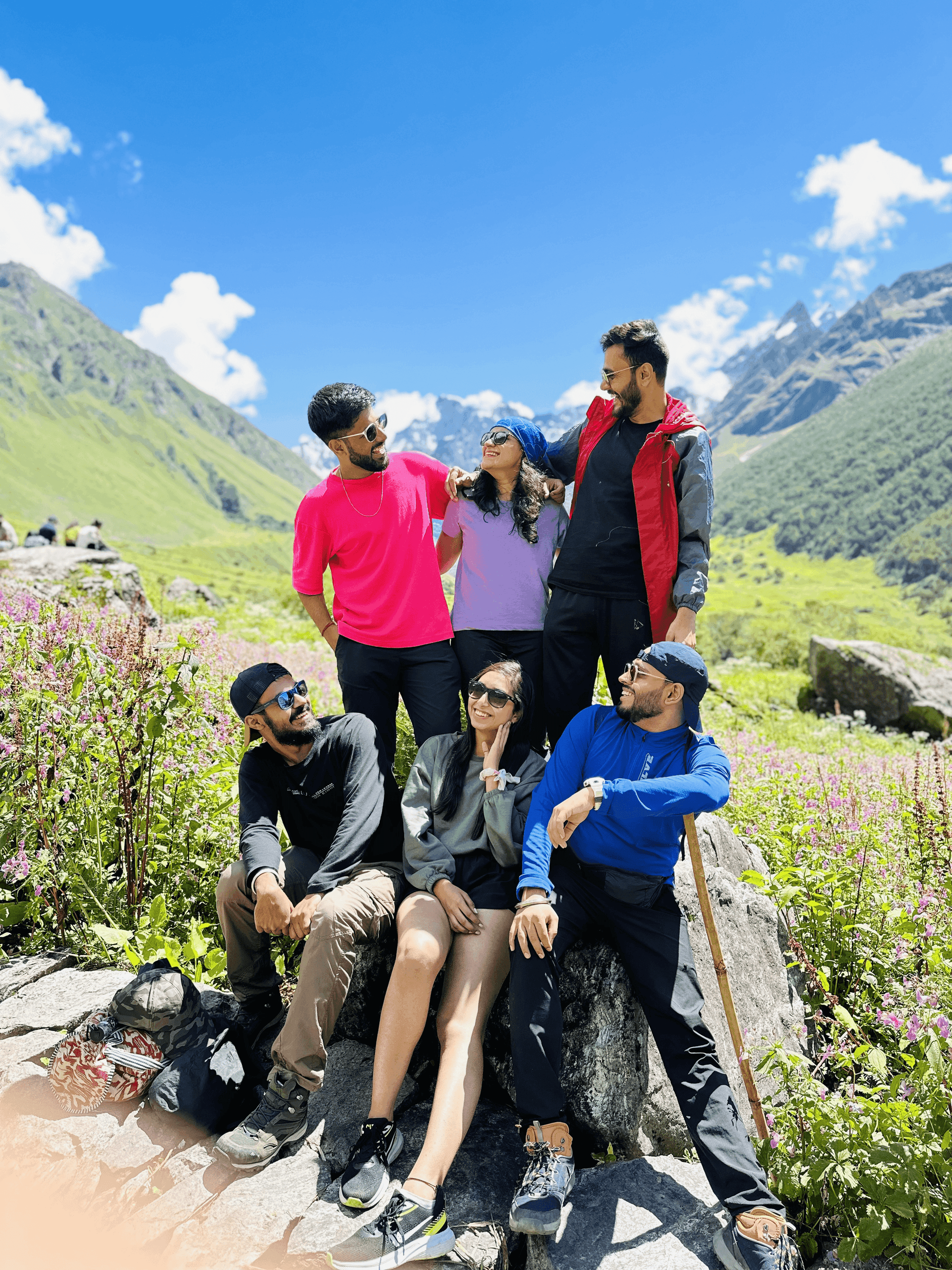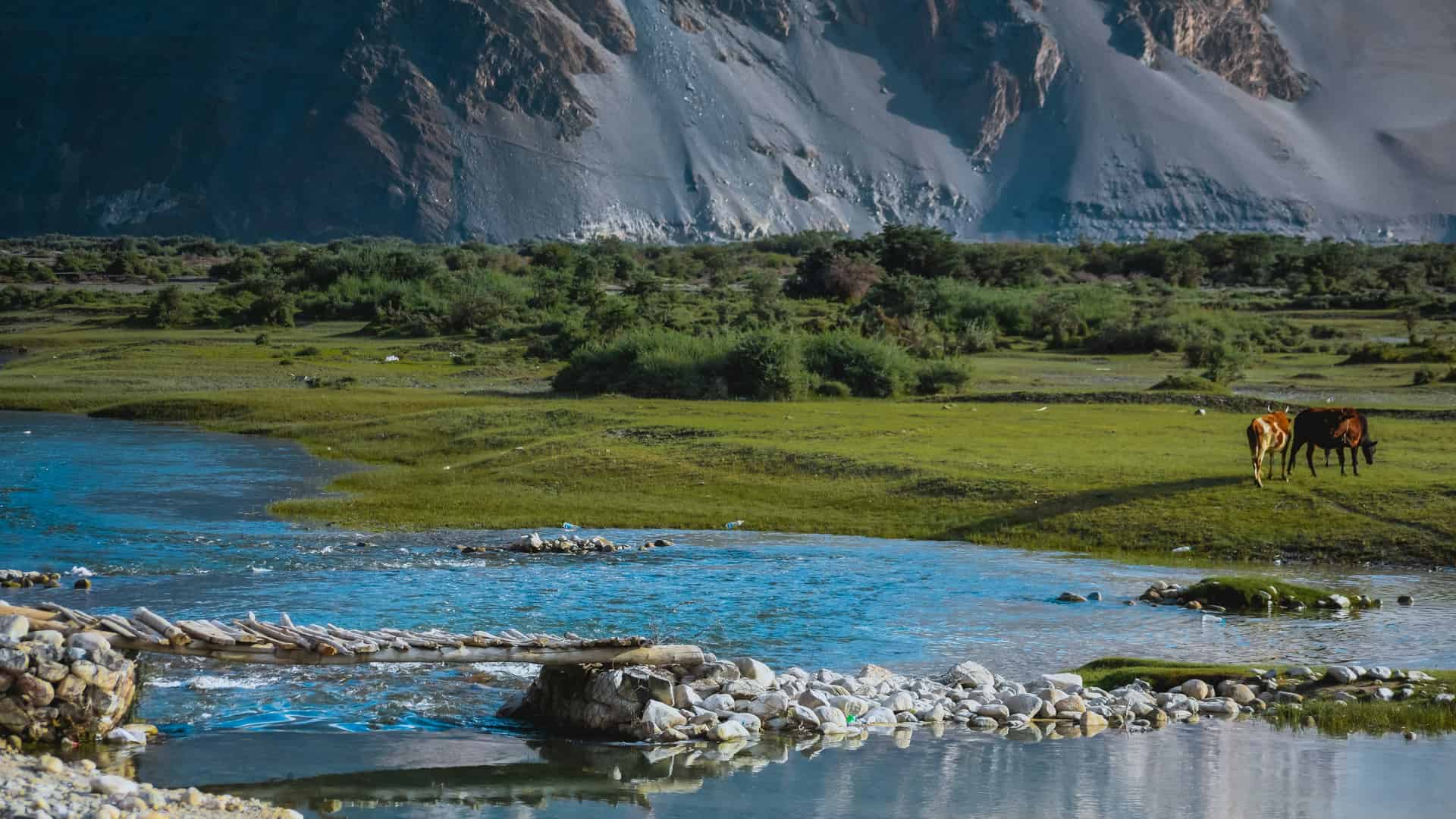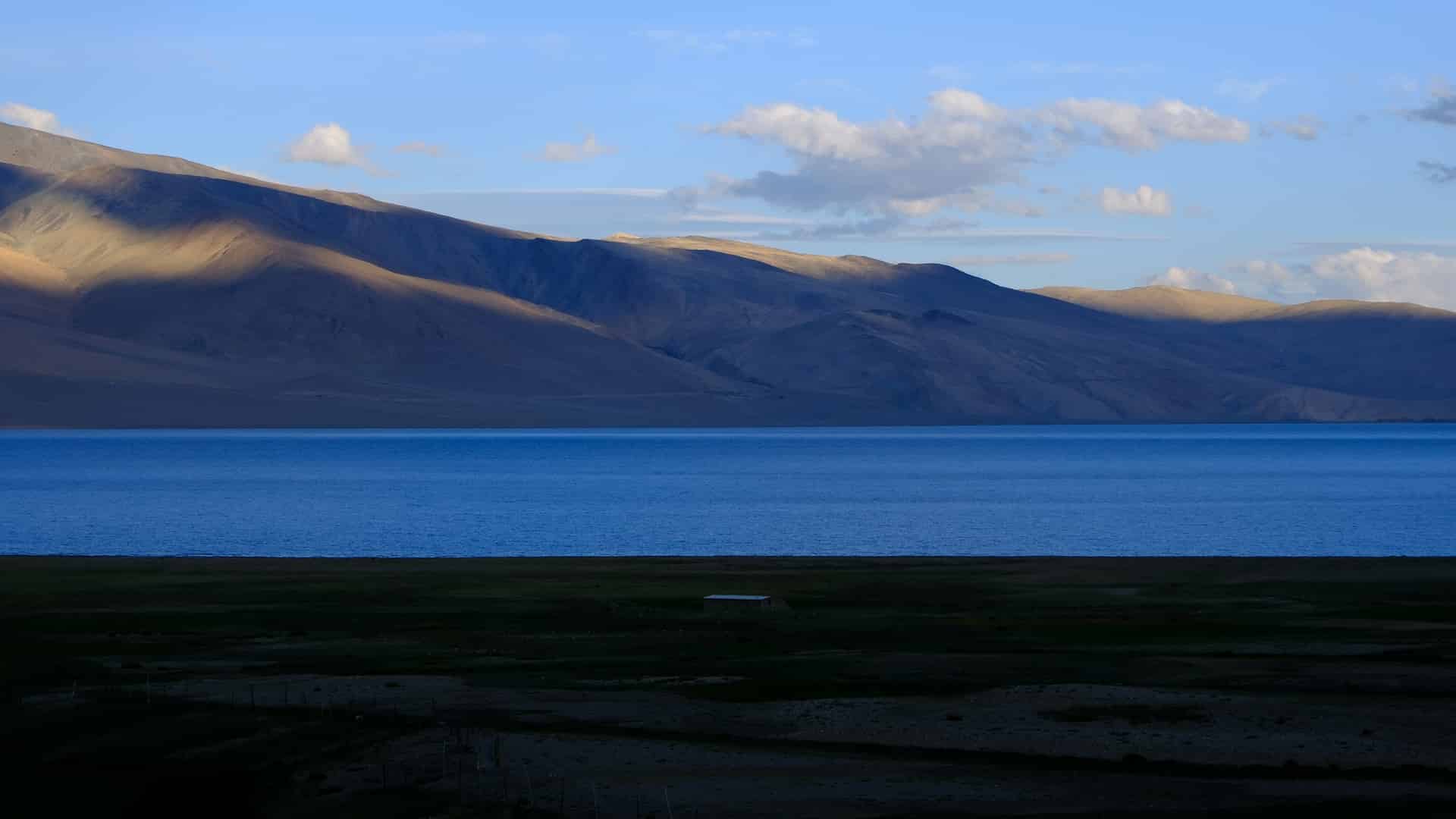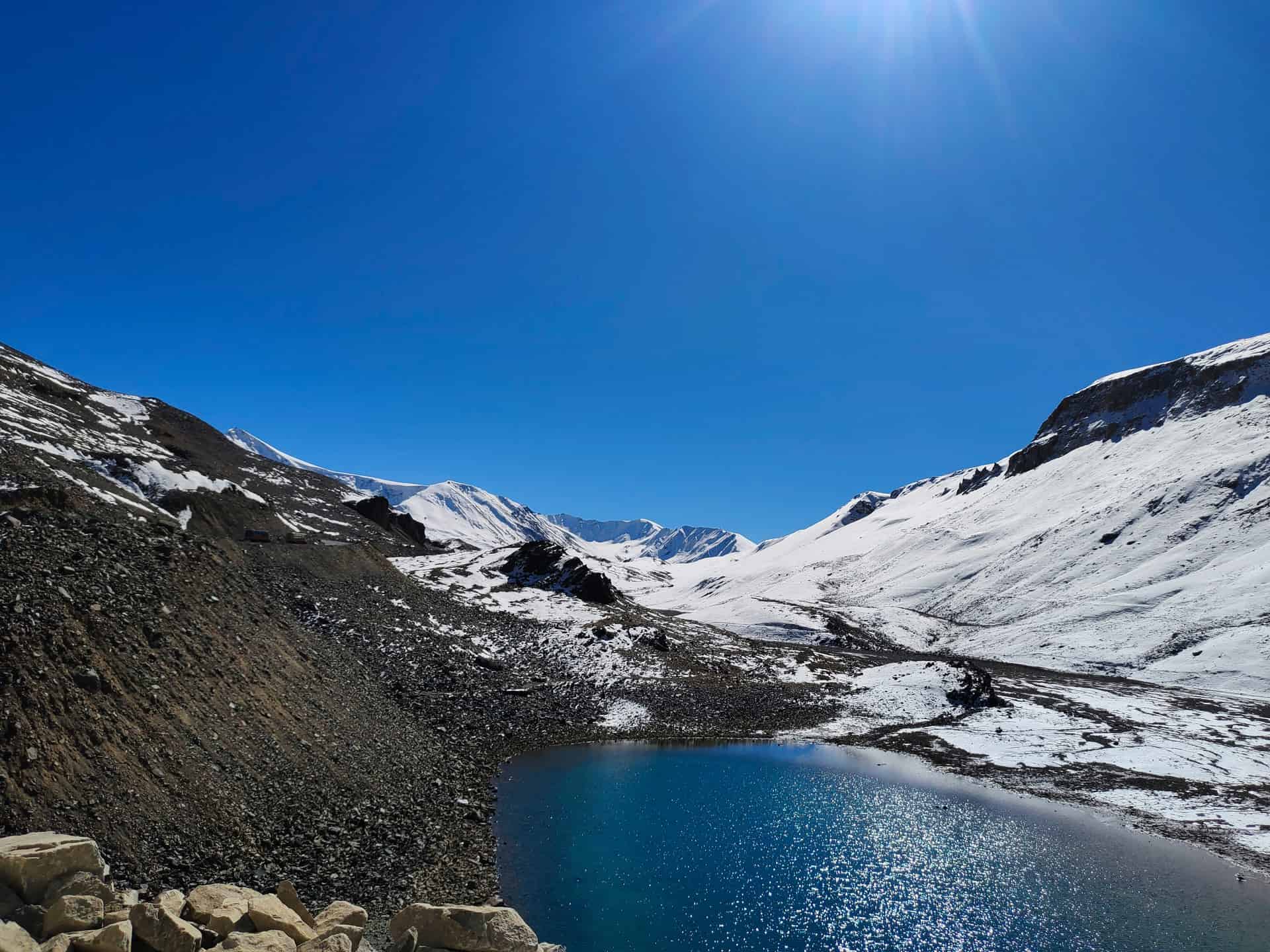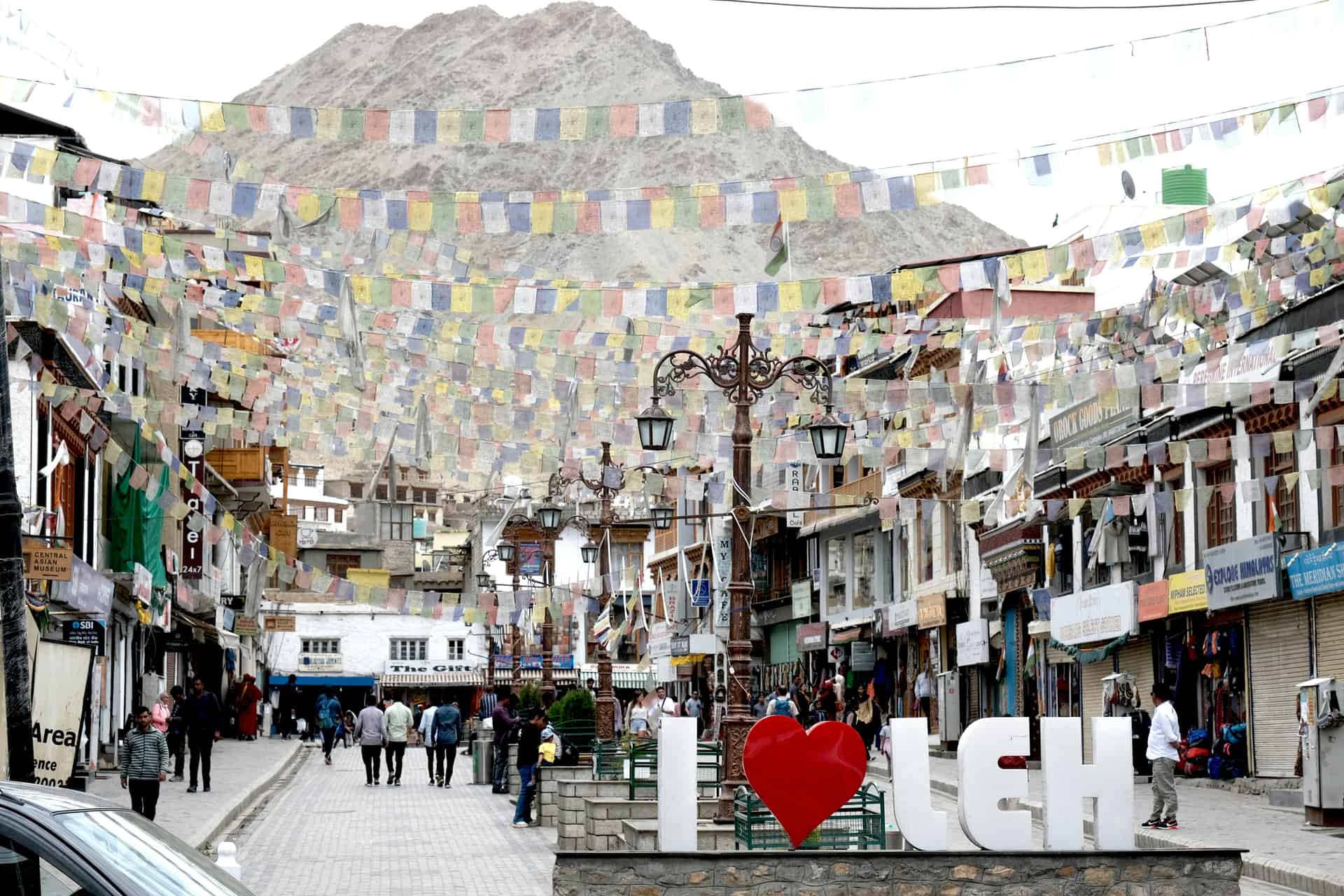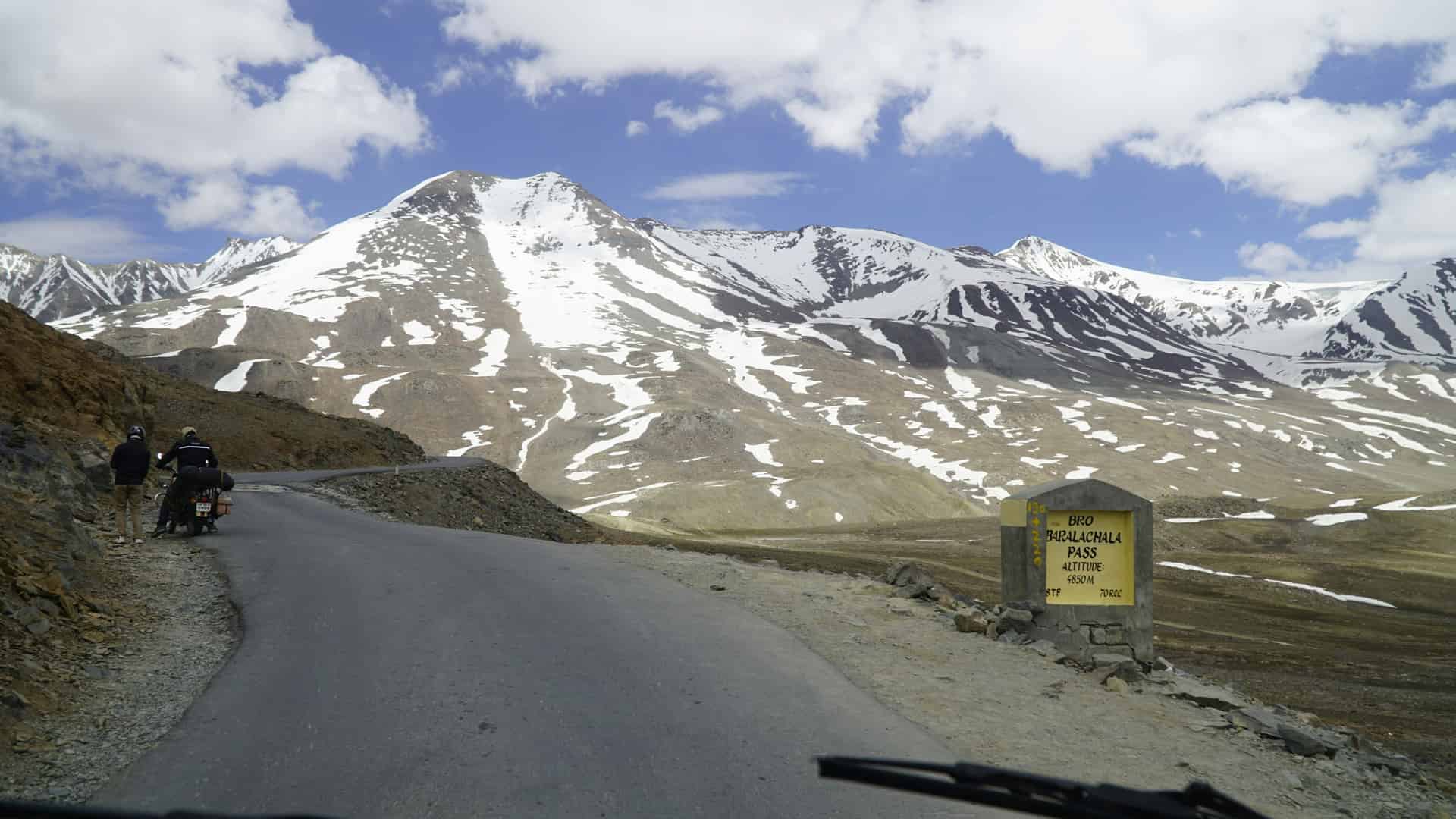
Ladakh is one of those destinations that feels almost unreal until you stand there yourself. Endless mountains, high-altitude deserts, ancient monasteries and clear blue skies create landscapes unlike anywhere else in India. Whether you’re looking for adventure, cultural immersion or peaceful Himalayan scenery, Ladakh offers experiences that stay with you long after the trip ends.
This guide is your complete starting point for planning a Ladakh journey. Throughout the article, you’ll also find links to detailed guides covering specific experiences, helping you plan with clarity and confidence. If you’re looking for a professionally planned trip experience, you can also explore our Ladakh tour packages for hassle-free travel planning.
Overview of Ladakh – Key Travel Information
Below is a comprehensive informational table that summarizes important details about Ladakh.
Ladakh Travel Data Table
Category | Detailed Information |
| Location | Northernmost region of India, Union Territory |
| Capital | Leh |
| Average Altitude | 3,000 to 5,000 meters above sea level |
| Climate Type | Cold desert climate with low rainfall |
| Best Time to Visit | May to September |
| Winter Season | October to February (extreme cold) |
| Main Entry Point | Leh Airport |
| Major Road Routes | Srinagar–Leh Highway, Manali–Leh Highway |
| Popular Lakes | Pangong Lake, Tso Moriri |
| Famous Mountain Passes | Khardung La, Chang La, Tanglang La |
| Ideal Trip Duration | 5 to 8 days |
| Travel Requirement | Acclimatization recommended for 24–48 hours |
This table provides a quick understanding of Ladakh’s travel conditions and geography.
About Ladakh
Located in the northernmost part of India, Ladakh lies between the Karakoram and Himalayan ranges. Often called the “Land of High Passes,” the region is known for its dramatic terrain, Buddhist heritage, and remote valleys that feel untouched by time.
At around 3,500 meters (11,500 feet), Leh serves as the main base for travelers. More than just a transit hub, it is where your body begins adjusting to altitude before exploring the surrounding wilderness.
Climate & Weather in Ladakh
Ladakh experiences extreme weather variations due to its elevation. Summers are pleasant and ideal for travel, while winters are harsh and snow-covered.
- Summer (May–September): Best for sightseeing and road travel
- Winter (October–March): Snow landscapes and frozen river experiences
- Spring (April–May): Blooming orchards and fewer crowds
While Ladakh is often associated with barren landscapes, spring transforms parts of the region into a surprisingly colorful destination. Villages around Leh and in the Nubra Valley bloom with flowers at this time. Travelers planning a spring trip can explore our detailed guide to the Ladakh Apricot Blossom season to understand the best timing and locations for this unique experience.
Best Time to Visit Ladakh
The best time to visit Ladakh depends entirely on what kind of experience you want.
- Summer is ideal for road trips and first-time travelers.
- Winter attracts adventure seekers and those wanting a quieter Himalayan escape.
- Spring offers peaceful landscapes and blooming orchards.
If you want a detailed month-by-month breakdown, explore our complete Best Time to Visit Ladakh guide before planning your itinerary.
Acclimatization & Health (Very Important)
One of the biggest mistakes travelers make in Ladakh is ignoring altitude adjustment.
Ladakh’s high elevation means oxygen levels are lower than most people are used to, which can lead to Acute Mountain Sickness (AMS). Common symptoms include headaches, nausea, fatigue and dizziness.
The 48-Hour Rest Rule
- Spend your first 24–48 hours in Leh resting.
- Avoid heavy physical activity or long drives initially.
- Stay hydrated and eat light meals.
Proper acclimatization is the most important step to enjoying Ladakh safely.
How to Reach Ladakh
By Air
Flights to Leh are available from major Indian cities and remain the fastest option.
By Road
Two scenic routes connect Ladakh to mainland India:
- Manali–Leh Highway
- Srinagar–Leh Highway
Both offer incredible landscapes but require good weather and preparation.
Inner Line Permit (ILP)
Travelers visiting certain regions of Ladakh need an Inner Line Permit.
Permits are required for areas such as:
- Nubra Valley
- Pangong Lake
- Tso Moriri
- Hanle region
Permits can usually be obtained online or through travel agents in Leh. Always carry multiple copies while traveling.
Connectivity & SIM Cards in Ladakh
Connectivity in Ladakh is limited compared to other destinations.
Important things to know:
- Only postpaid SIM cards work reliably in most areas.
- Airtel, Jio, and BSNL generally offer the best coverage.
- Internet speeds can be slow in remote regions.
It’s wise to inform family before traveling into areas where networks may disappear for hours or even days.
Places to Visit in Ladakh
Leh & Nearby Attractions
Leh Palace, Shanti Stupa, monasteries and local markets provide a perfect introduction to Ladakhi culture.
Nubra Valley
Known for its dunes, monasteries and mountain scenery, Nubra is one of Ladakh’s most famous regions.
Beyond the main attractions lies one of Ladakh’s most unique villages. Turtuk offers Balti culture, orchard landscapes, and a completely different cultural experience from the rest of the region. Explore our detailed Turtuk Village Ladakh travel guide if you plan to include it in your itinerary.
Pangong Lake
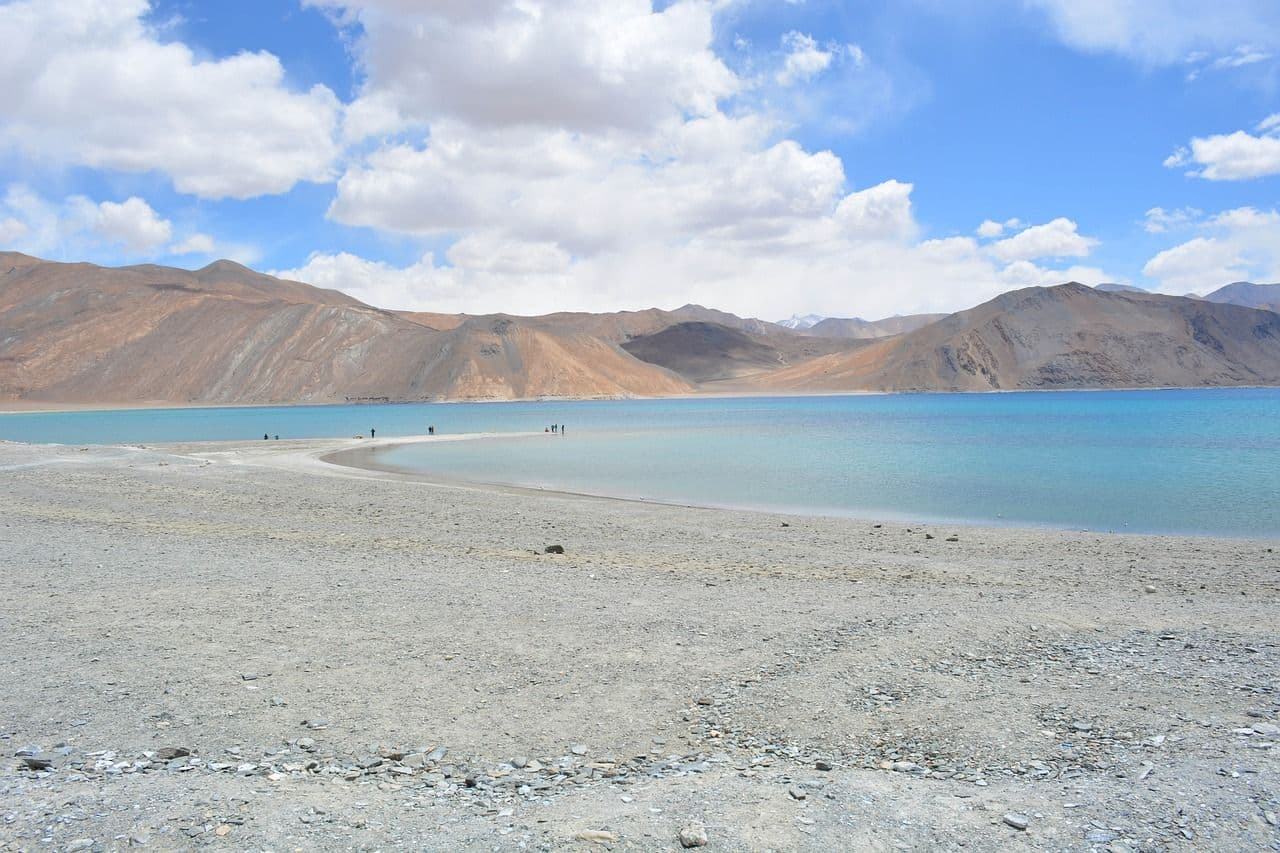
Famous for its changing shades of blue, Pangong Lake remains one of the most iconic places in Ladakh.
Adventure Activities in Ladakh
Adventure is deeply connected with Ladakh travel.
Popular experiences include:
- Trekking
- River rafting
- ATV rides
- High-altitude drives
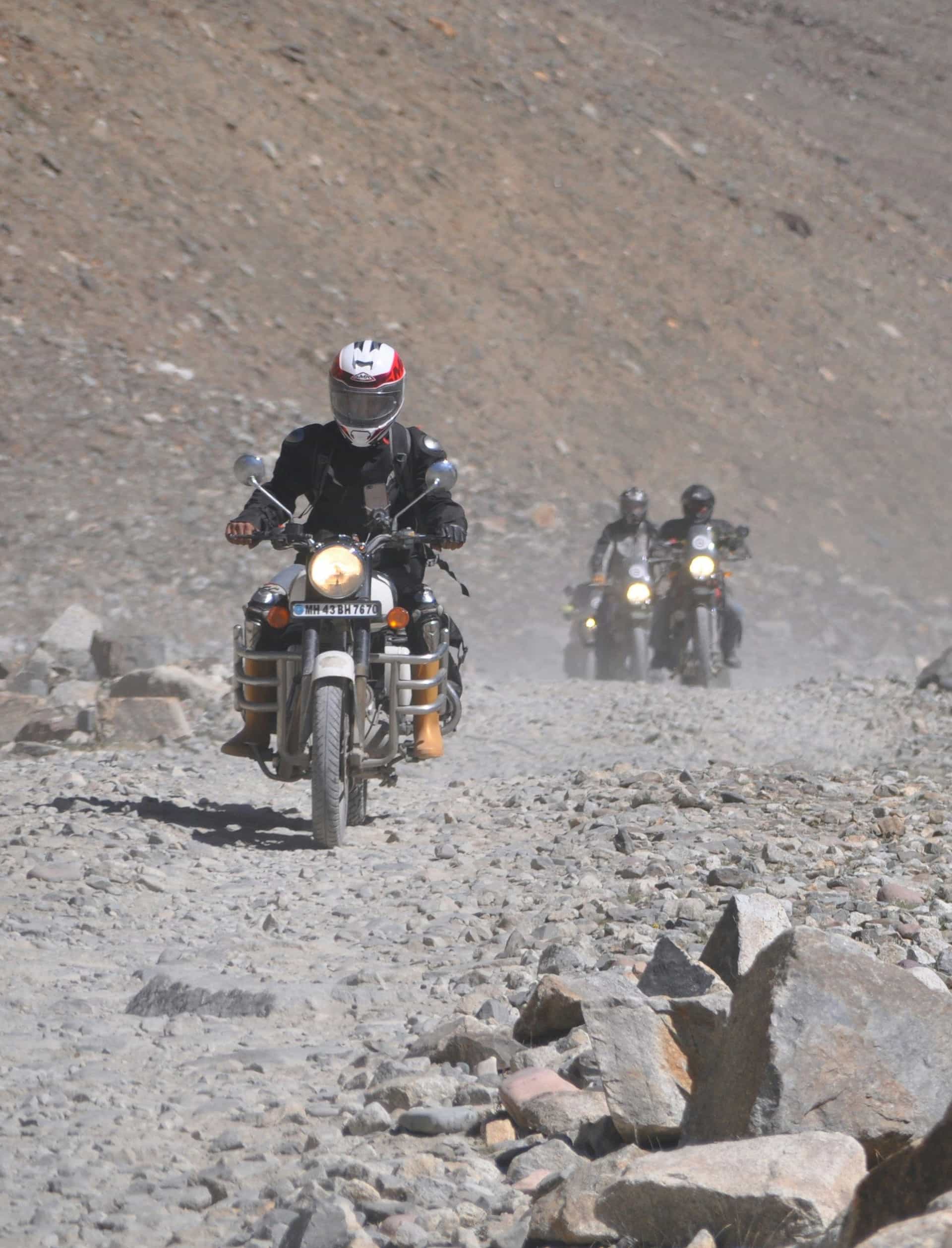
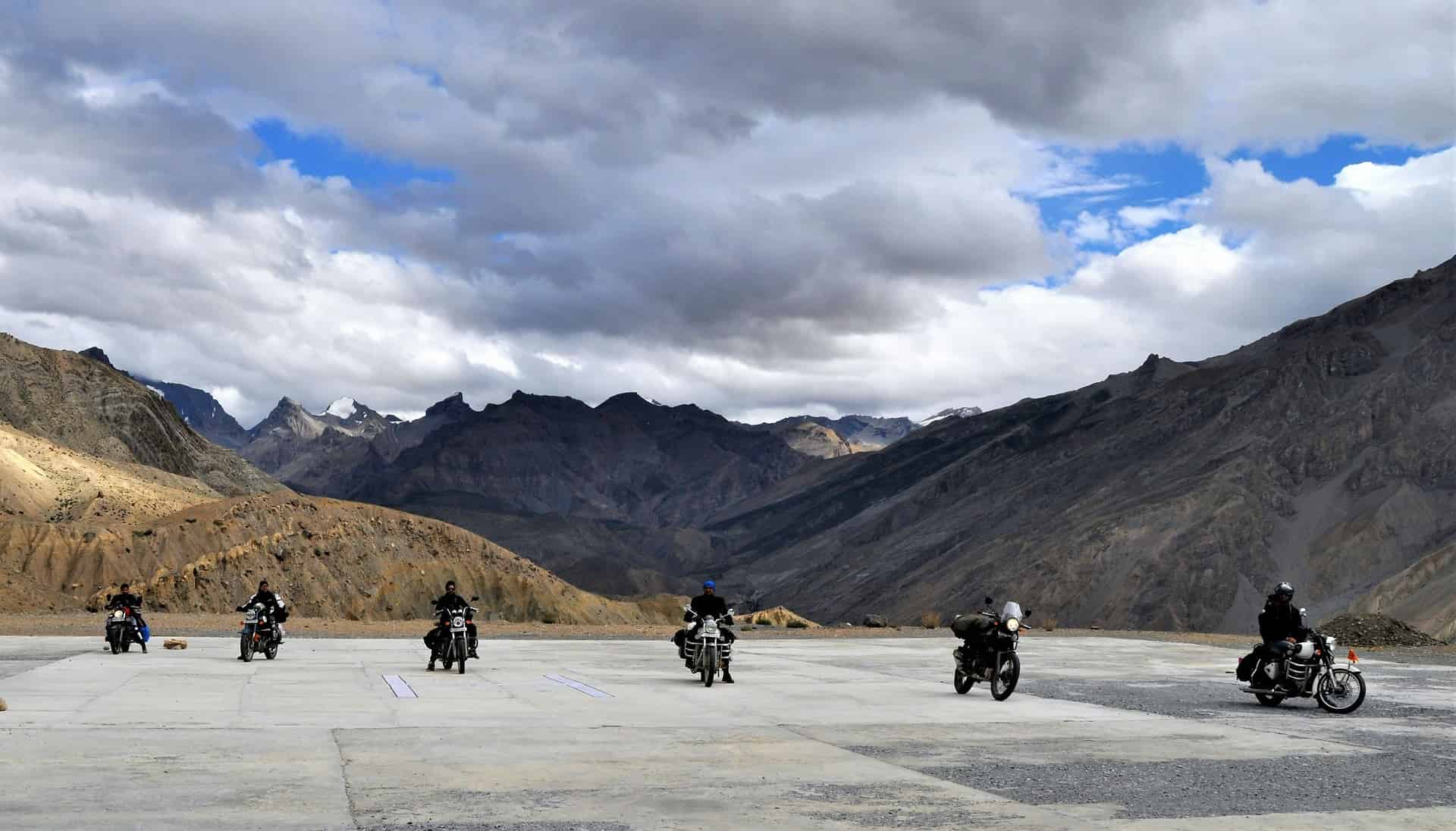
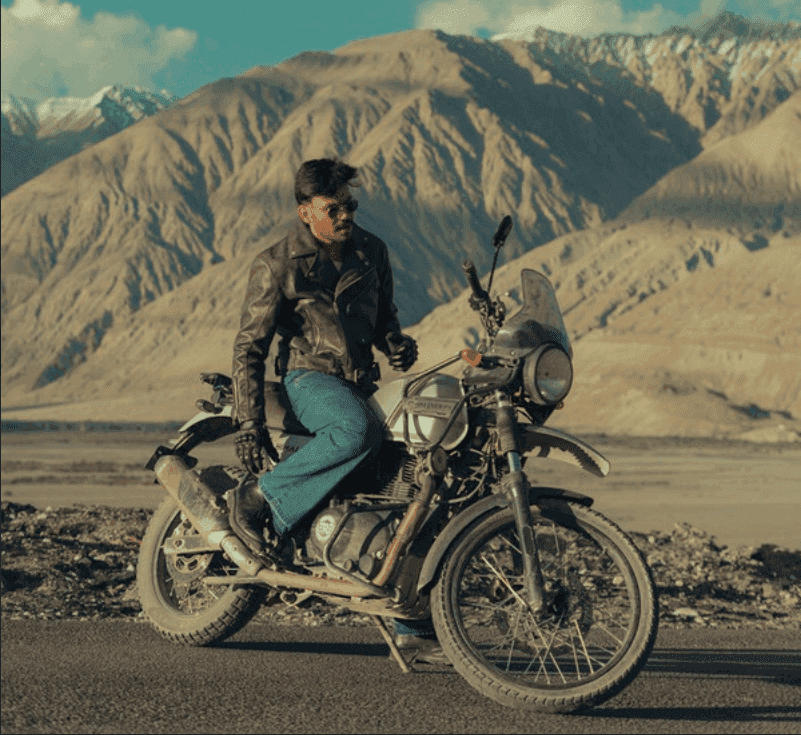
Motorcycle expeditions are especially popular, offering unforgettable journeys across mountain passes. However, riding at high altitude requires preparation and proper route planning. If you’re considering this adventure, explore our complete Ladakh bike tour guide for routes, preparation and safety tips.
Culture & Unique Experiences
Tibetan Buddhism deeply influences Ladakh’s culture. Monasteries, festivals, prayer flags and traditional villages create a peaceful atmosphere that feels timeless.
The region is also known for its incredibly clear night skies. Hanle, located on the Changthang plateau, has become famous for stargazing and astrophotography due to minimal light pollution. Before planning your visit, read our complete guide to Hanle Observatory and stargazing in Ladakh.
Ladakh Trip Cost & Budget Planning
The cost of a Ladakh trip varies depending on travel style, accommodation choices, and transport options.
Budget travelers can manage expenses with shared transport and guesthouses, while private taxis and premium stays increase costs significantly.
For a complete expense breakdown and realistic budgeting advice, explore our detailed Ladakh trip cost guide before finalizing your plans.
Suggested 7-Day Ladakh Itinerary (Quick Overview)
Day 1–2: Arrival in Leh & acclimatization
Day 3: Local sightseeing around Leh
Day 4: Nubra Valley
Day 5: Pangong Lake
Day 6: Return to Leh / local exploration
Day 7: Departure
This itinerary works well for first-time travelers and balances sightseeing with altitude adjustment.
What to Pack for Ladakh
- Layered warm clothing
- Good trekking shoes
- Sunglasses & SPF 50+ sunscreen
- Power bank
- Reusable water bottle
- Lip balm and moisturizer
- Basic medicines
The weather changes quickly, even during summer.
Food & Drink in Ladakh
Local food is simple, warm and perfect for the cold climate.
Try:
- Thukpa (noodle soup)
- Skyu (traditional Ladakhi pasta stew)
- Butter Tea
- Momos and local barley-based dishes
Food is an important part of experiencing Ladakhi culture.
Responsible Travel in Ladakh
Ladakh’s ecosystem is fragile. Responsible travel helps preserve its beauty.
- Carry reusable water bottles.
- Avoid single-use plastics.
- Respect local traditions and monasteries.
- Leave no trace in natural areas.
Small actions make a big difference in mountain regions.
Explore More Ladakh Travel Guides
Planning a deeper Ladakh journey? Explore these detailed resources:
- Ladakh Apricot Blossom Season Guide
- Ladakh Bike Tour Guide
- Turtuk Village Ladakh Travel Guide
- Hanle Observatory & Stargazing Guide
- Best Time to Visit Ladakh Guide
- Ladakh Trip Cost Guide
Final Thoughts
Ladakh is not just a destination, it’s a journey that changes depending on how you choose to explore it. Some come for adventure, some for landscapes and others for the silence that only high mountains offer. With proper planning and realistic expectations, Ladakh becomes one of the most rewarding travel experiences in India.
Use this guide as your starting point, then explore the detailed resources linked throughout to build a trip that truly fits your travel style.