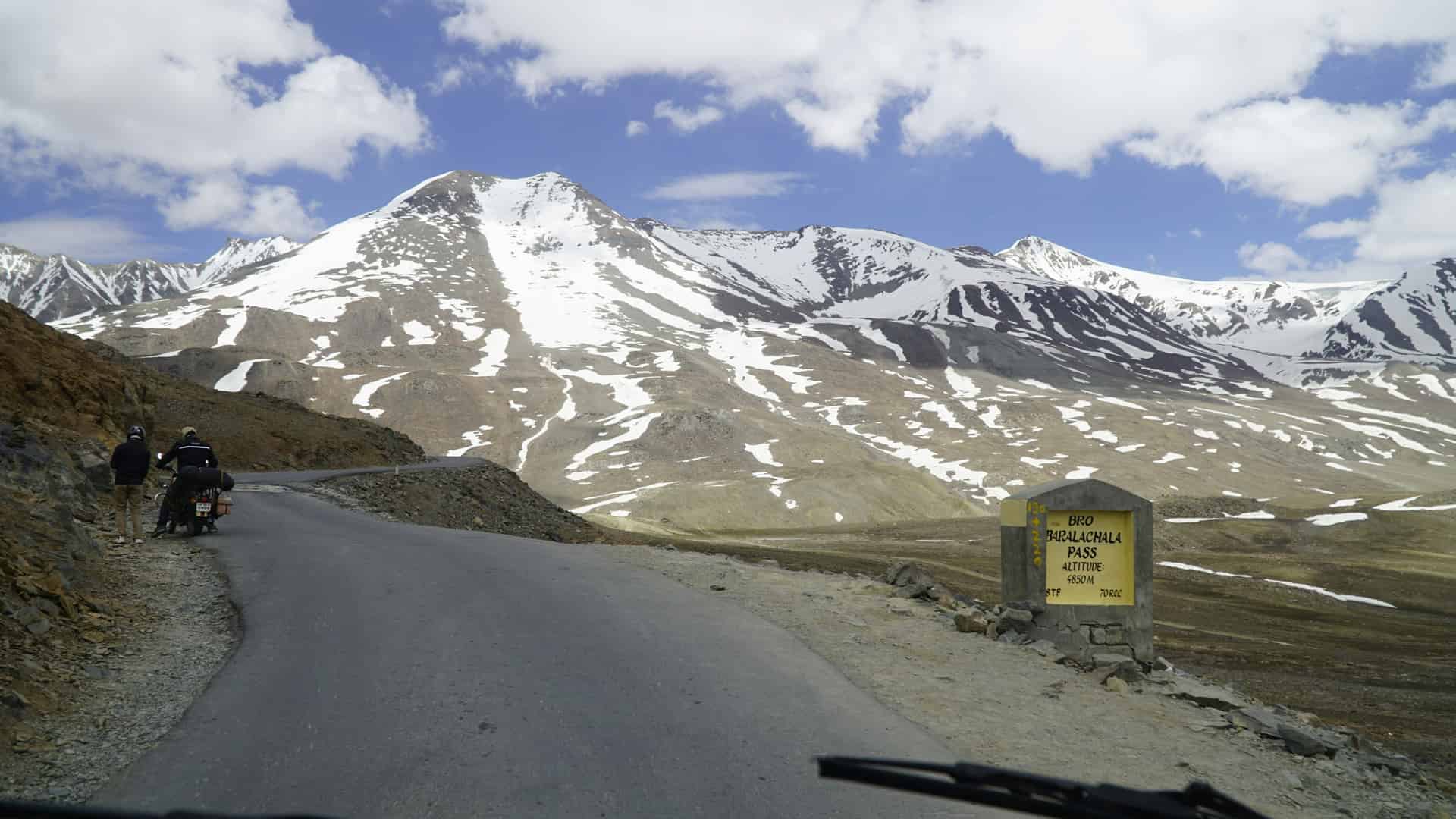
Some journeys change your destination. A Leh Ladakh bike trip changes the rider.
The moment you leave the plains behind and the mountains begin to rise, something shifts. The roads grow quieter, the air thinner and the rhythm of life slows down to the sound of your engine echoing across Himalayan valleys. For many riders, Ladakh is not just another road trip. It is a dream that sits quietly in the background until the day you finally decide to go.
But Ladakh rewards preparation as much as passion. High altitude, long fuel stretches, unpredictable weather and changing permit rules mean the difference between an unforgettable adventure and a stressful ride often comes down to planning.
This guide blends real rider experience with practical planning so you know exactly what to expect in 2026, from choosing the right route to understanding permits, costs and survival tips that no checklist alone can teach.
Why a Ladakh Bike Trip Feels Different from Any Other Ride
Riding in Ladakh is not about speed. It is about rhythm.
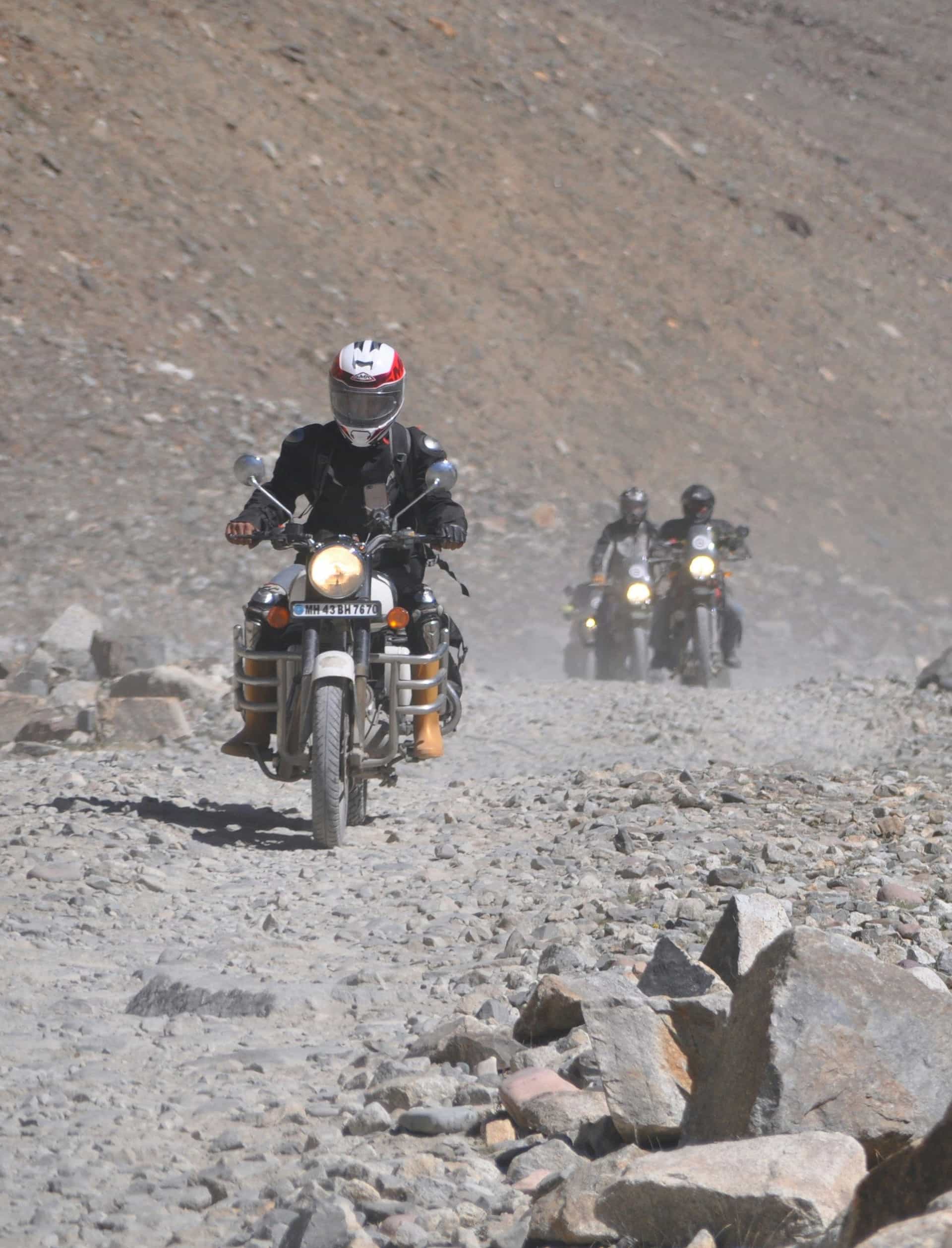
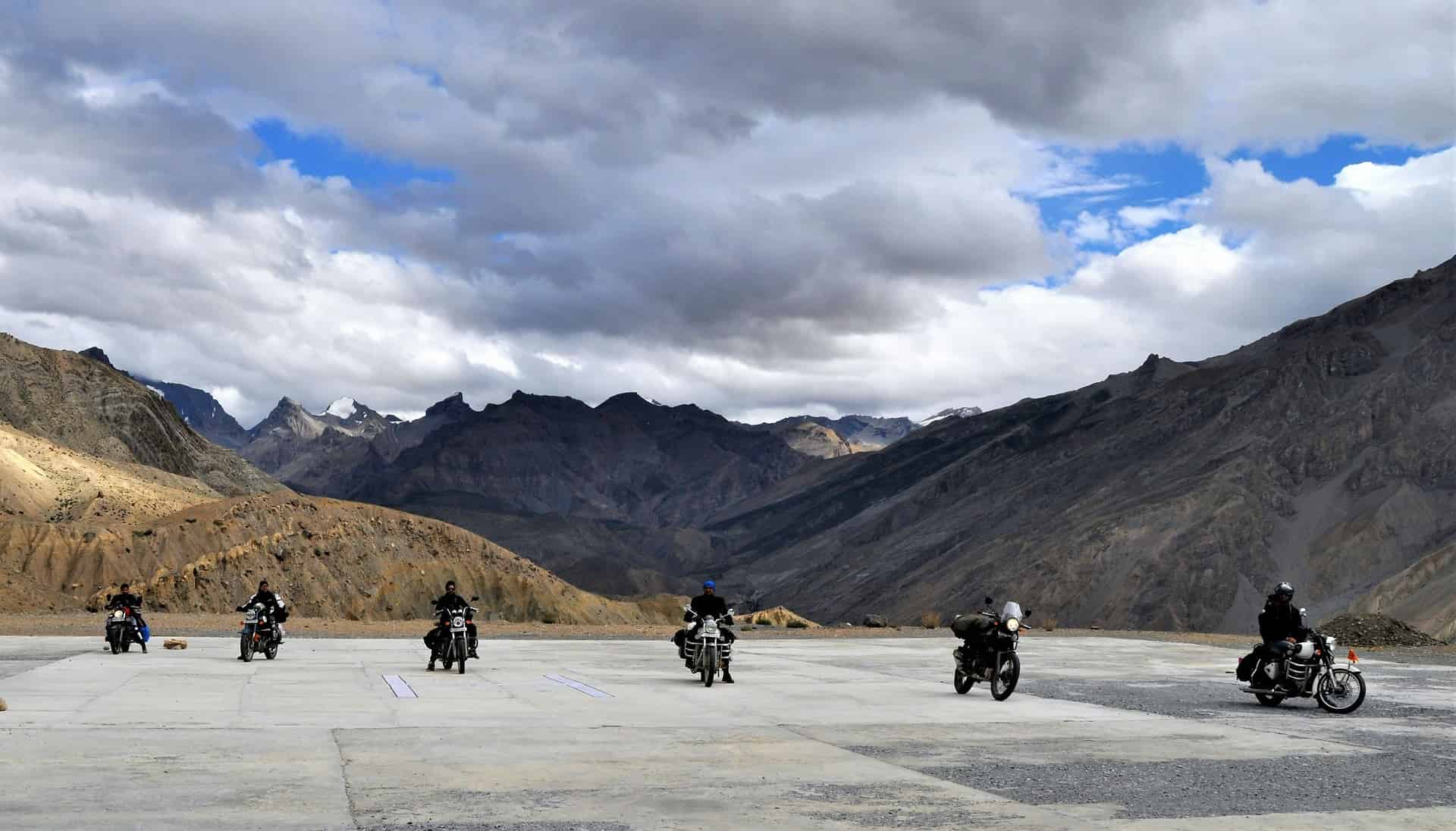
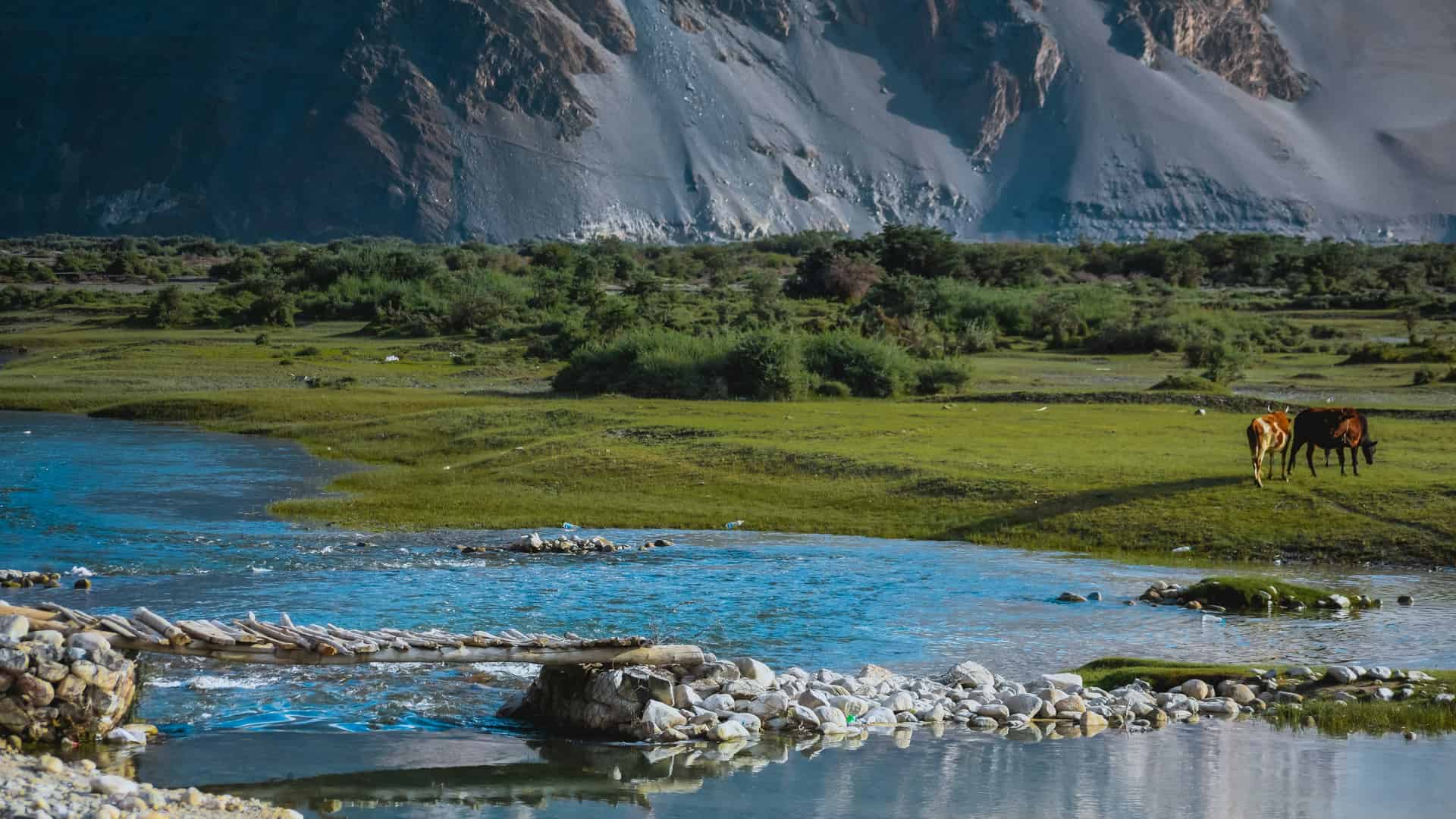
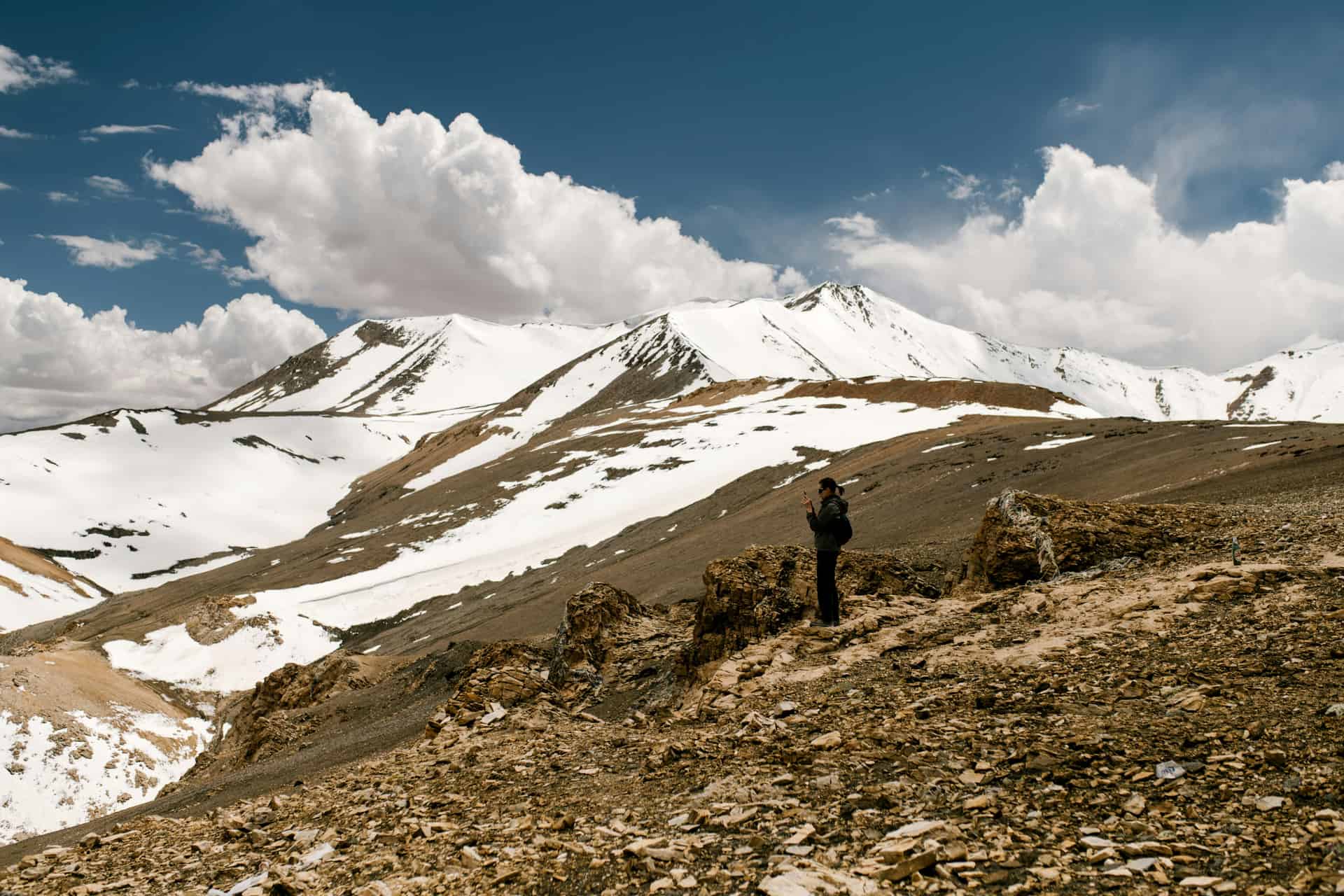
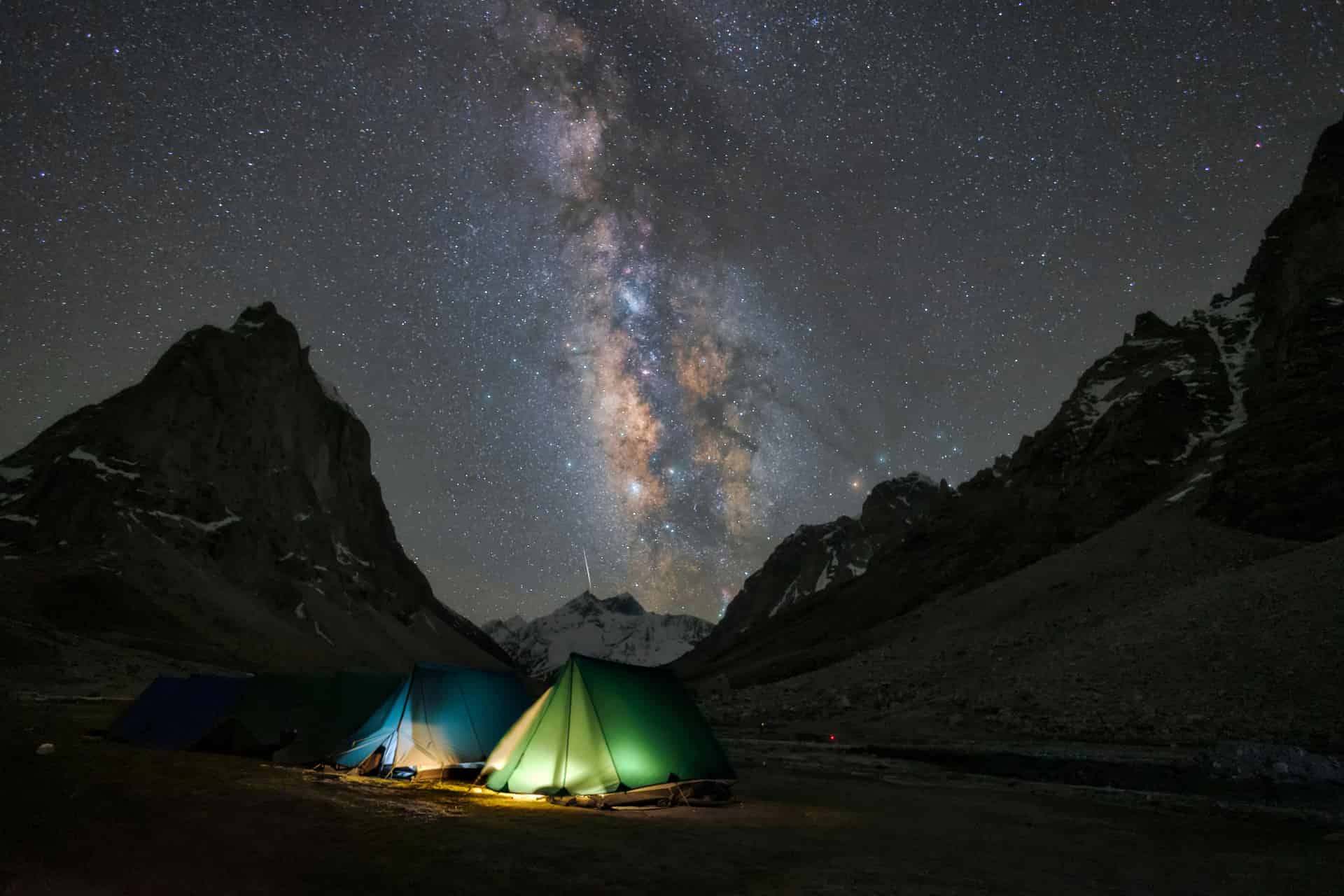
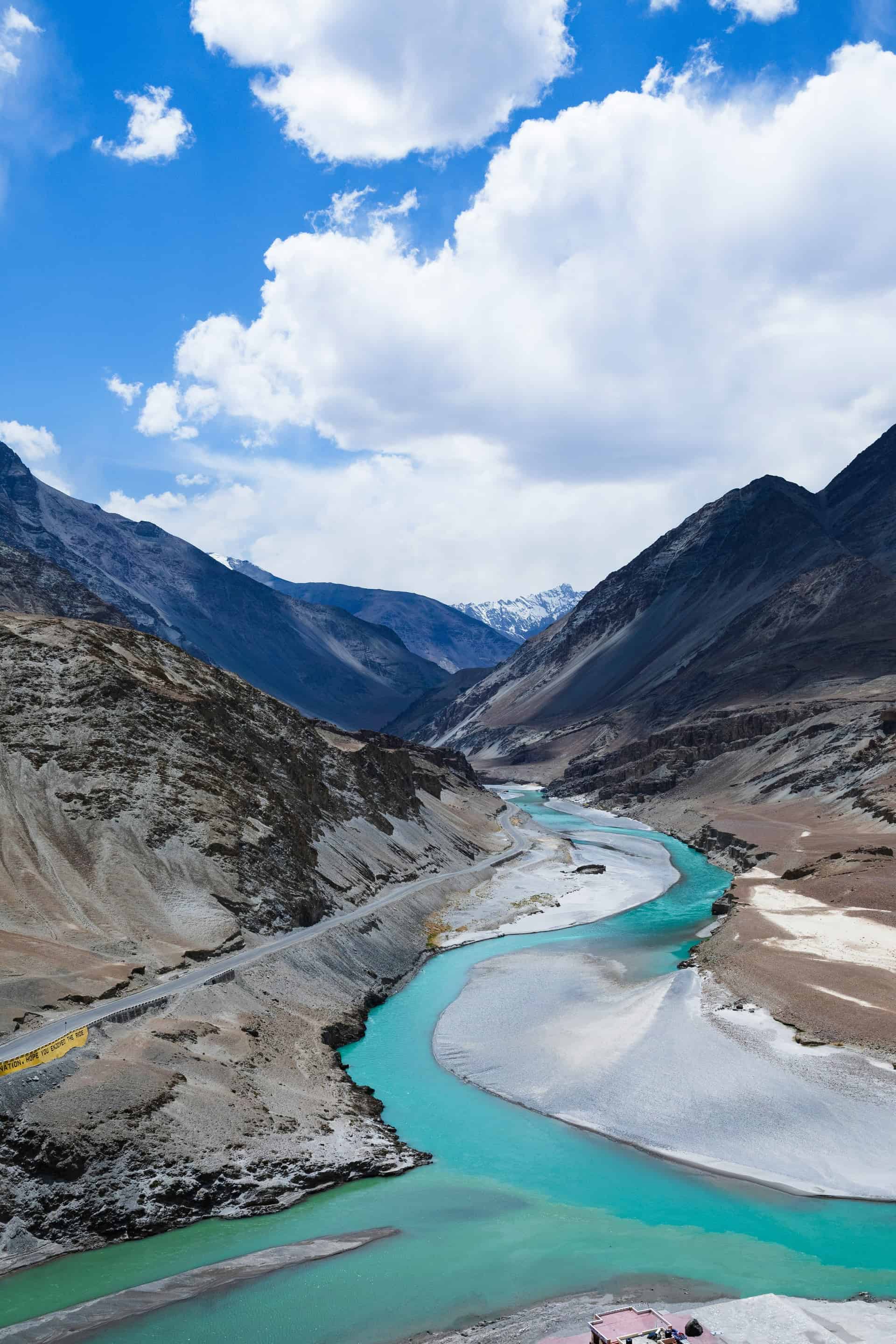
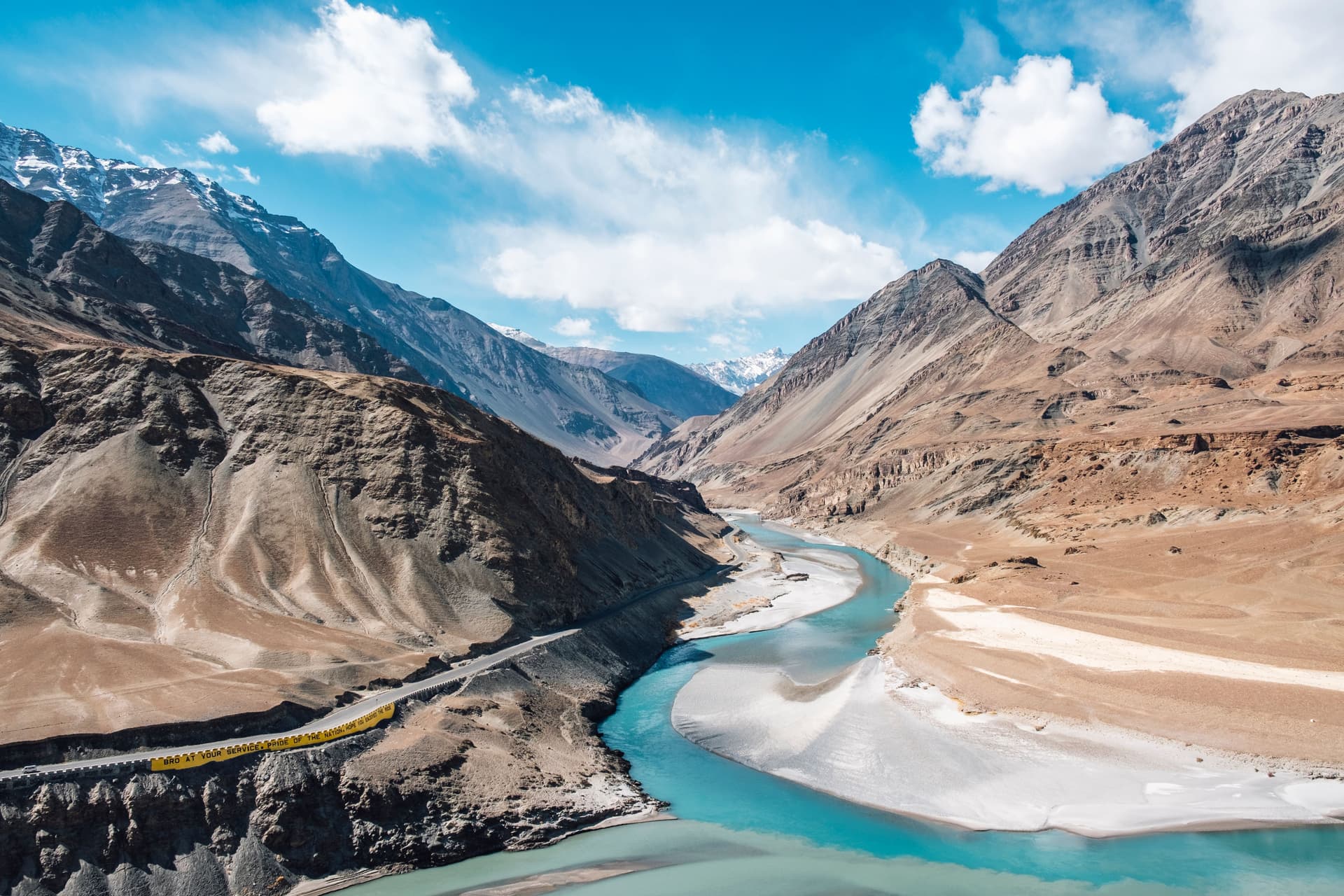
Within a single day, you move from green valleys to barren moon-like landscapes. Roads snake across mountains where civilization feels distant and sometimes the only sound around you is wind against your helmet.
The magic of Ladakh lies in contrasts:
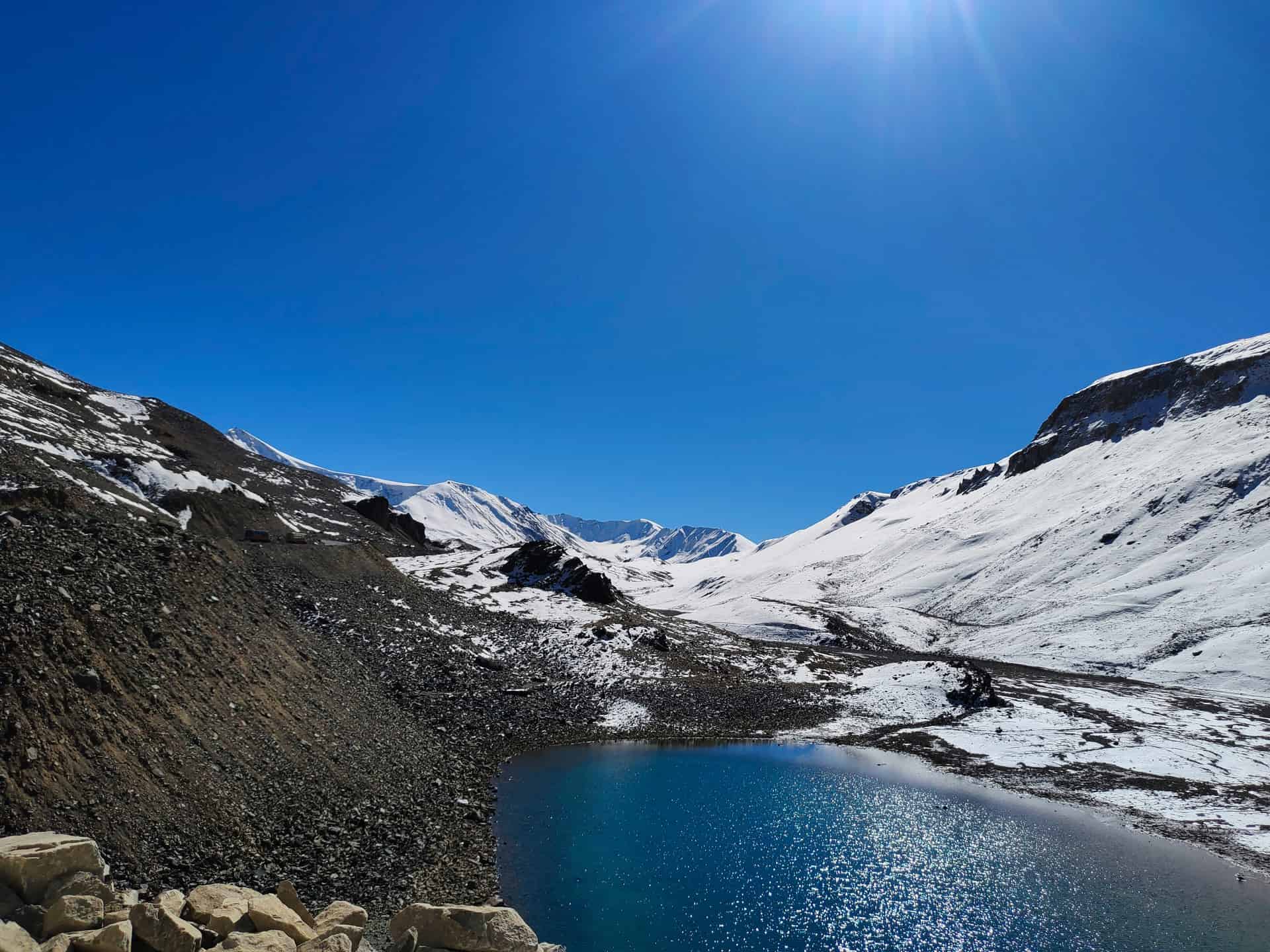
- High passes like Khardung La and Chang La test both rider and machine
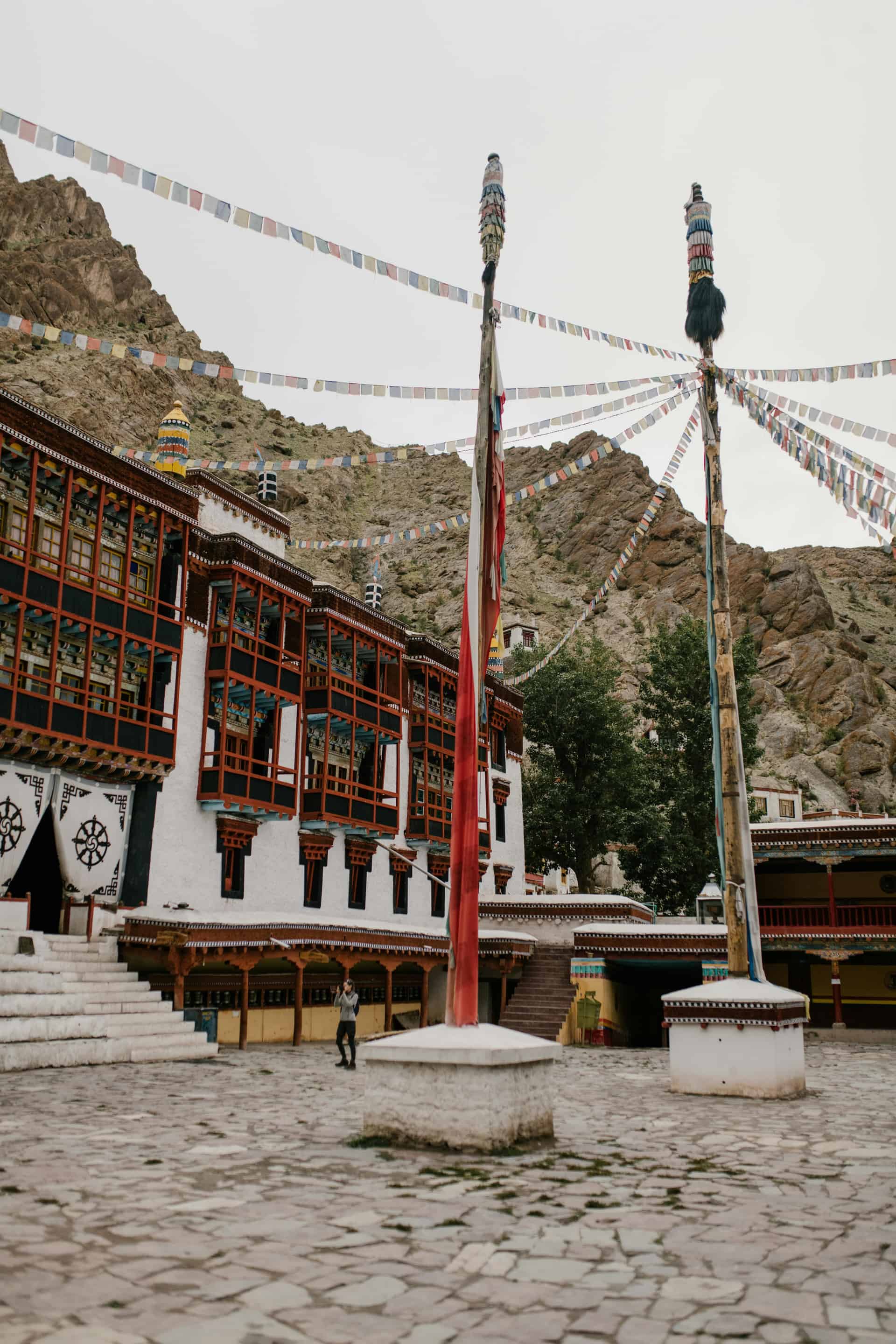
- Quiet monasteries overlooking vast valleys
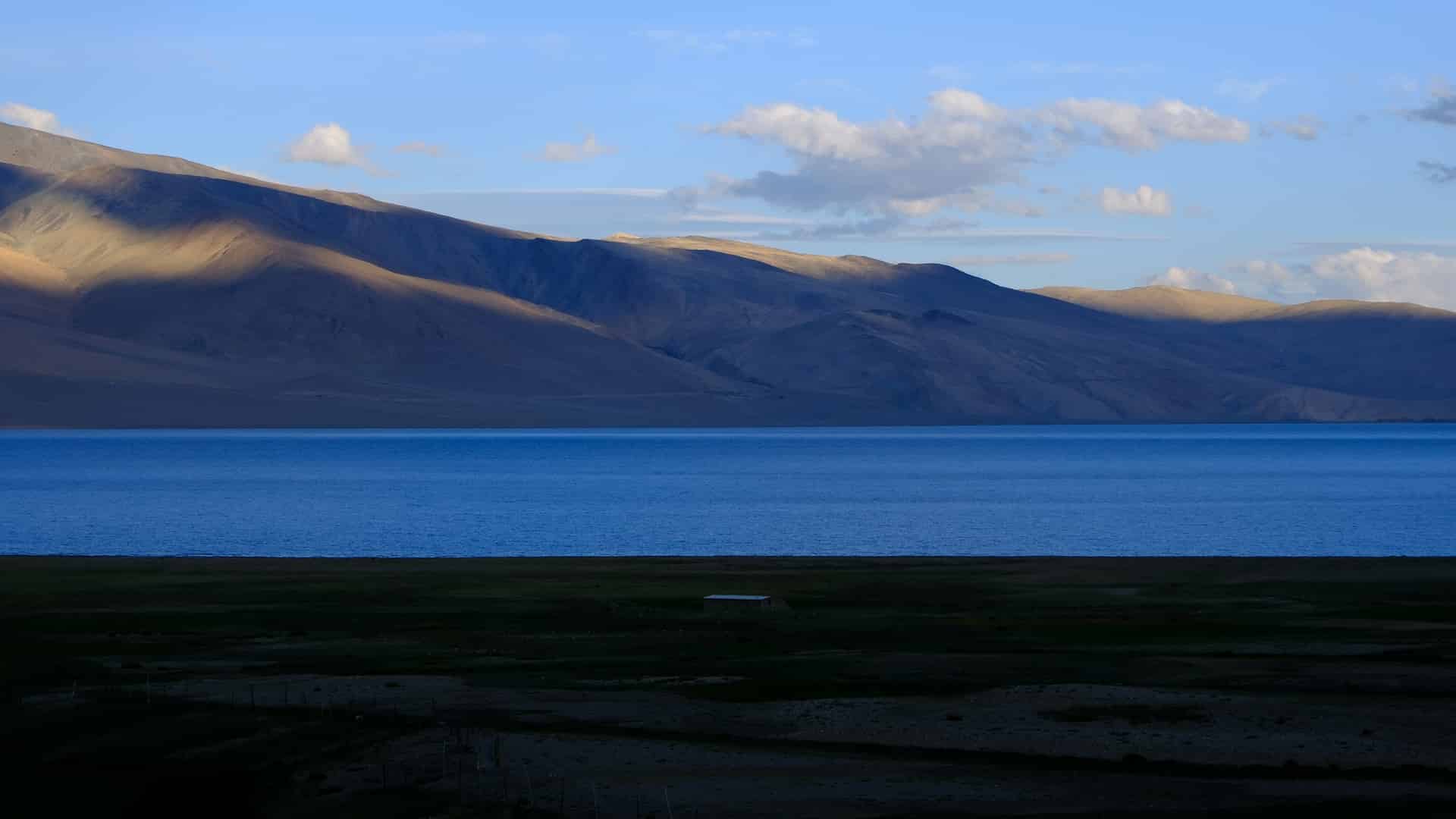
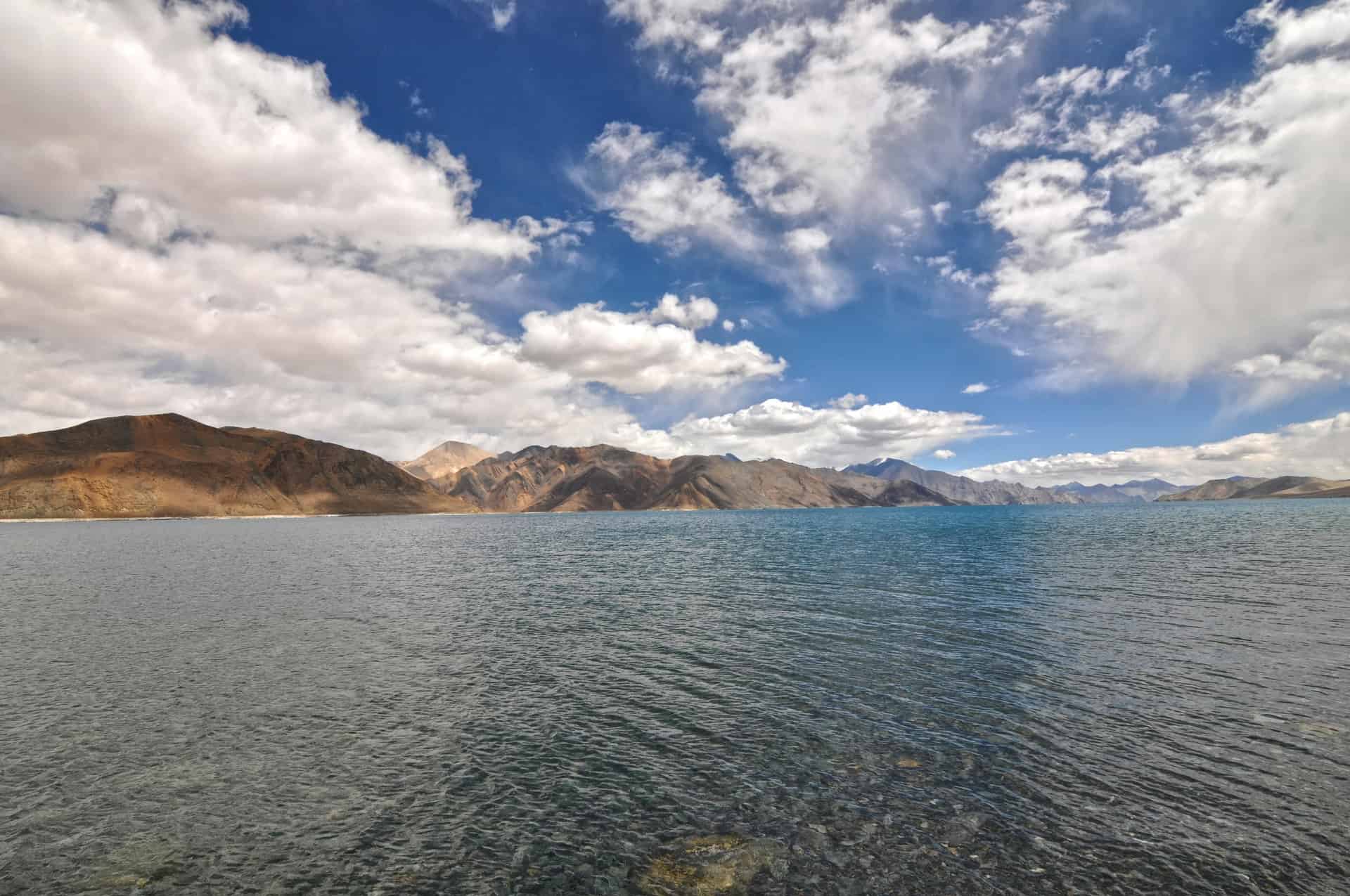
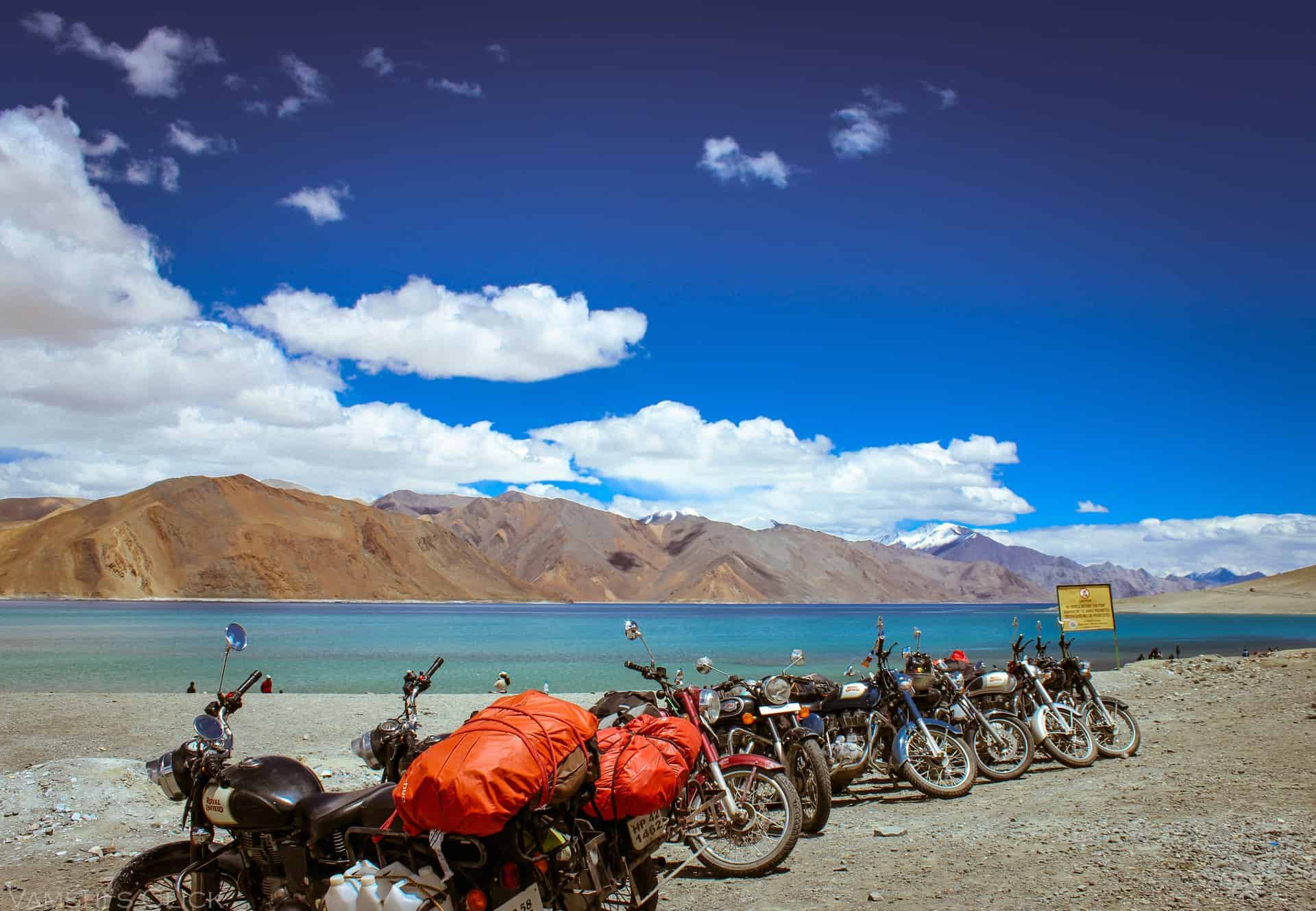
- The surreal beauty of Pangong and Nubra
- Endless stretches where the road feels like it belongs only to you
Many riders describe the journey as more mental than physical. The mountains force patience, and somewhere along the way, riding becomes less about reaching a destination and more about learning to slow down.
Choosing Your Route: Manali vs Srinagar
Every Ladakh rider eventually asks the same question: which road should I take?
The Srinagar to Leh route feels like a gentle introduction. The altitude rises gradually, allowing your body to adapt naturally. Roads are comparatively smoother, landscapes greener and the overall pace easier for first-time Himalayan riders.
The Manali to Leh route is more dramatic. Higher passes appear quickly, the terrain turns rugged, and the adventure feels raw and intense. It is visually spectacular but physically demanding, especially if your body is not yet acclimatized.
Most experienced riders quietly agree on one strategy: enter Ladakh via Srinagar and exit via Manali. This gives you both safety and adventure, in that order.
When to Ride: Best Time for Ladakh Bike Trips
The riding season in Ladakh is short and precious.
From June to September, most routes open up, the weather is more stable, and riding conditions are manageable even for less experienced riders. July and August are particularly popular because roads are clearer and temperatures are more forgiving.
Shoulder months like May or early October can still work, but snow and sudden road closures become real possibilities. If this is your first time, staying within peak season is the safest choice.
Permits in 2026: What Has Changed
Planning a Ladakh ride now involves understanding the updated permit system.
Many areas, including Pangong Lake, Nubra Valley, Tso Moriri and Hanle require permits issued through the online portal. Along with the Inner Line Permit, riders now pay:
- Environmental or Green Tax (around ₹400)
- Red Cross Fund contribution
- Environmental usage fee (around ₹20 per day)
These may sound minor, but forgetting them can disrupt your itinerary. Riders travelling with organised tours often appreciate having these formalities handled for them.
The Real Cost of a Leh Ladakh Bike Trip
One of the most common surprises for first-time riders is that Ladakh is not as cheap as people imagine.
A realistic 7 to 10-day trip usually includes:
- Bike rental between ₹1,200 and ₹2,500 per day
- Fuel costs that increase because of long empty stretches
- Accommodation ranging from homestays to comfortable hotels
- Daily food expenses are higher due to remote logistics
Most riders should budget somewhere between ₹35,000 and ₹70,000, depending on comfort level and riding style. Always keep an extra buffer for emergencies because the mountains rarely follow strict plans.
Choosing the Right Bike in 2026
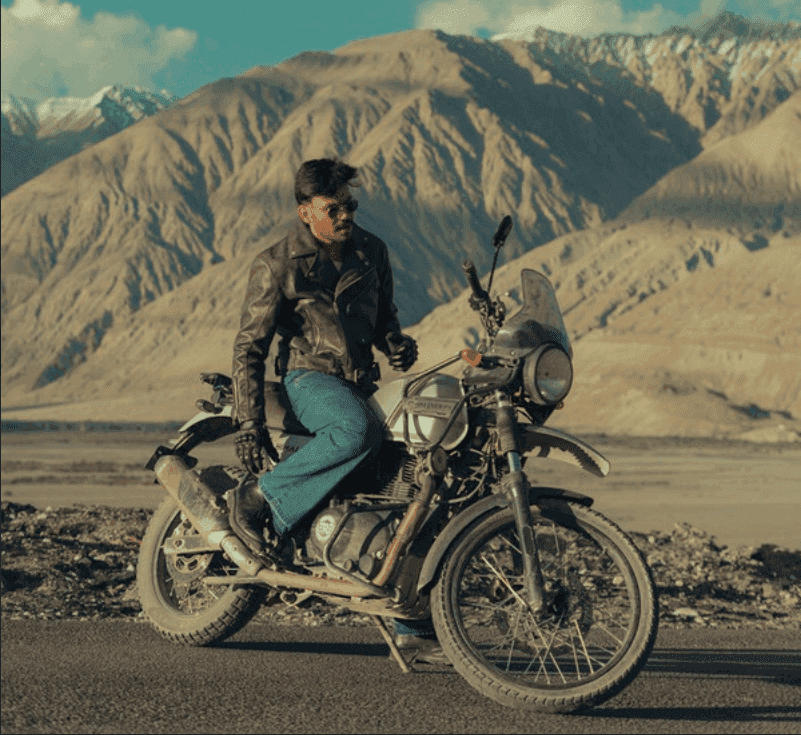
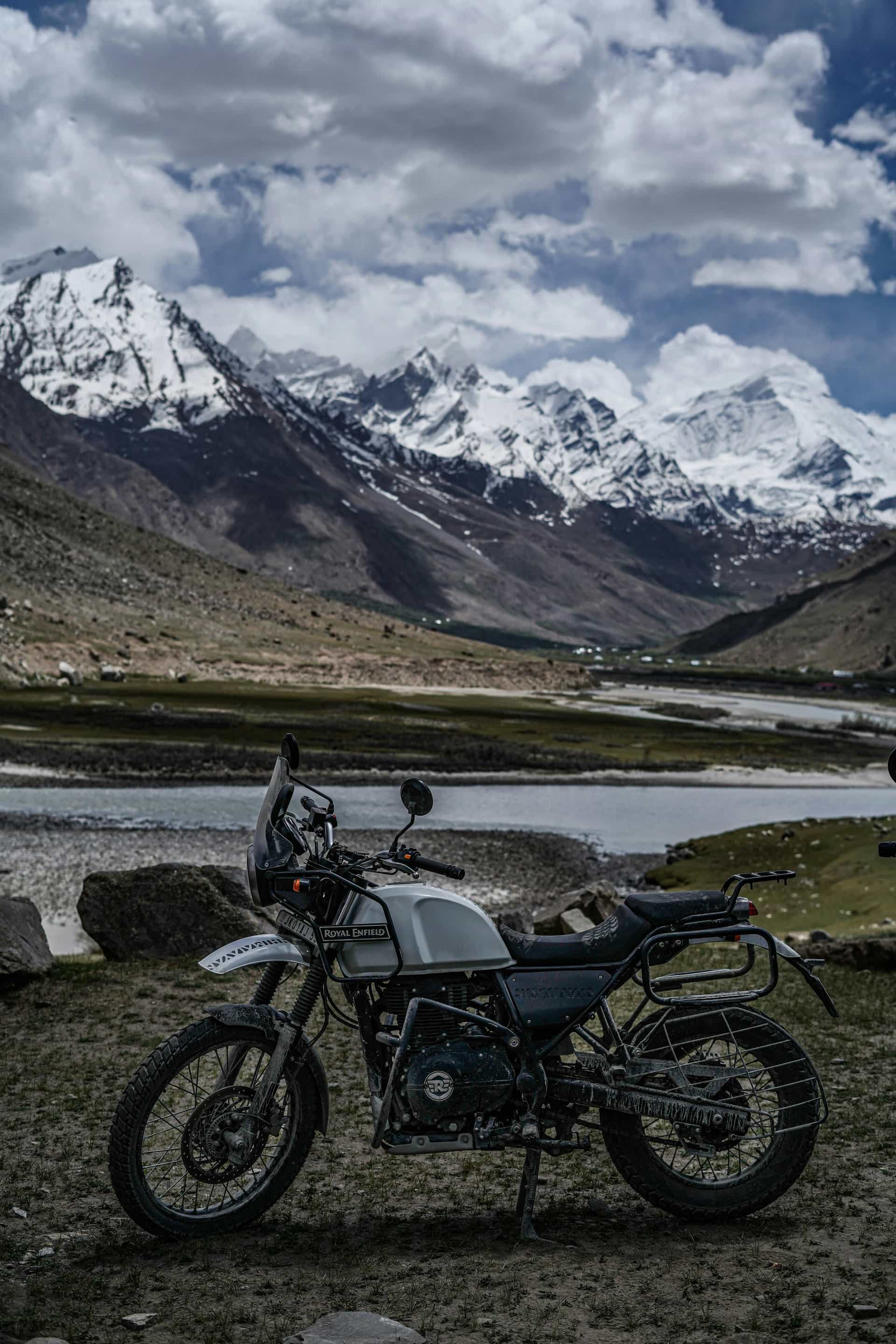
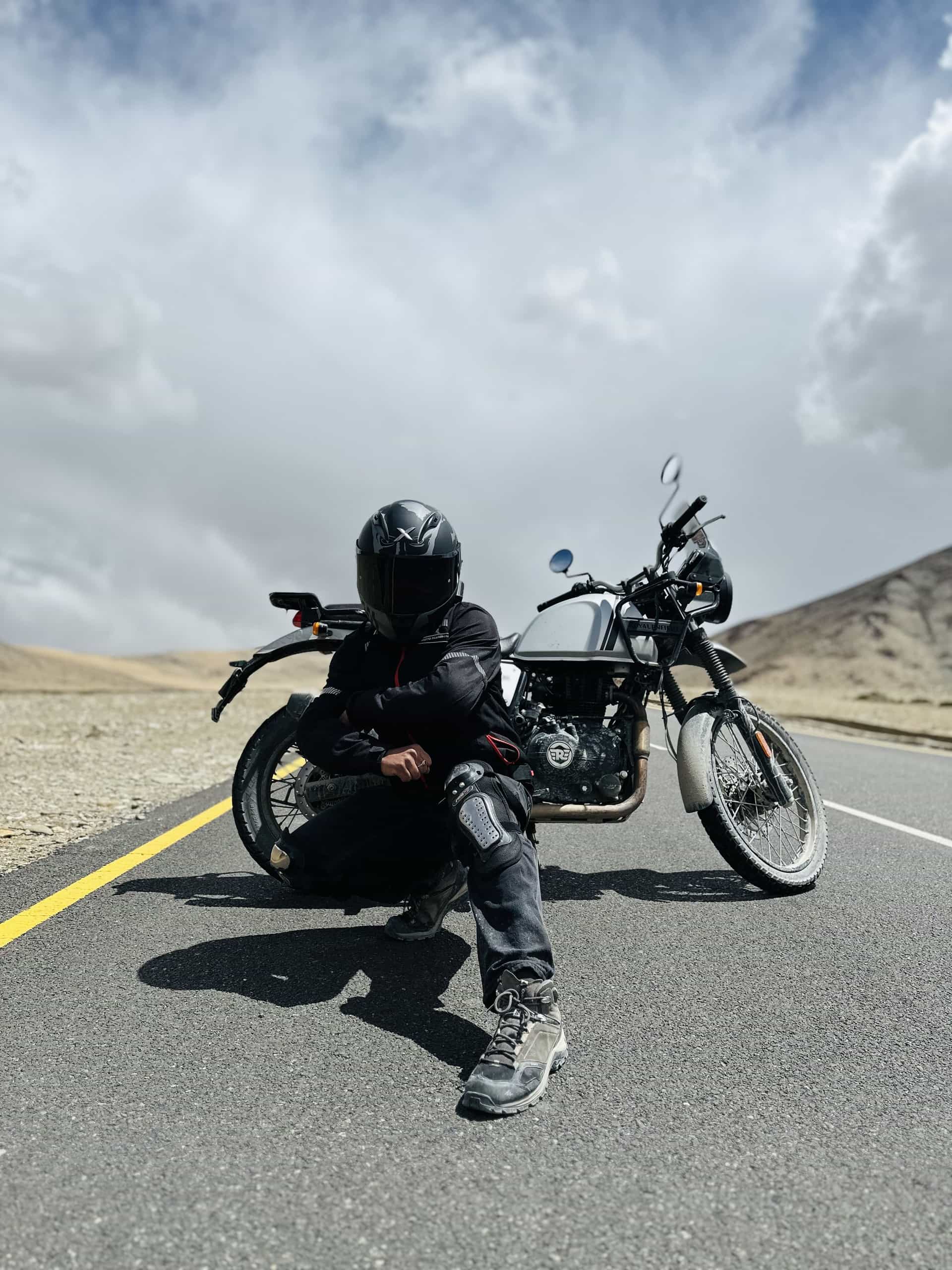
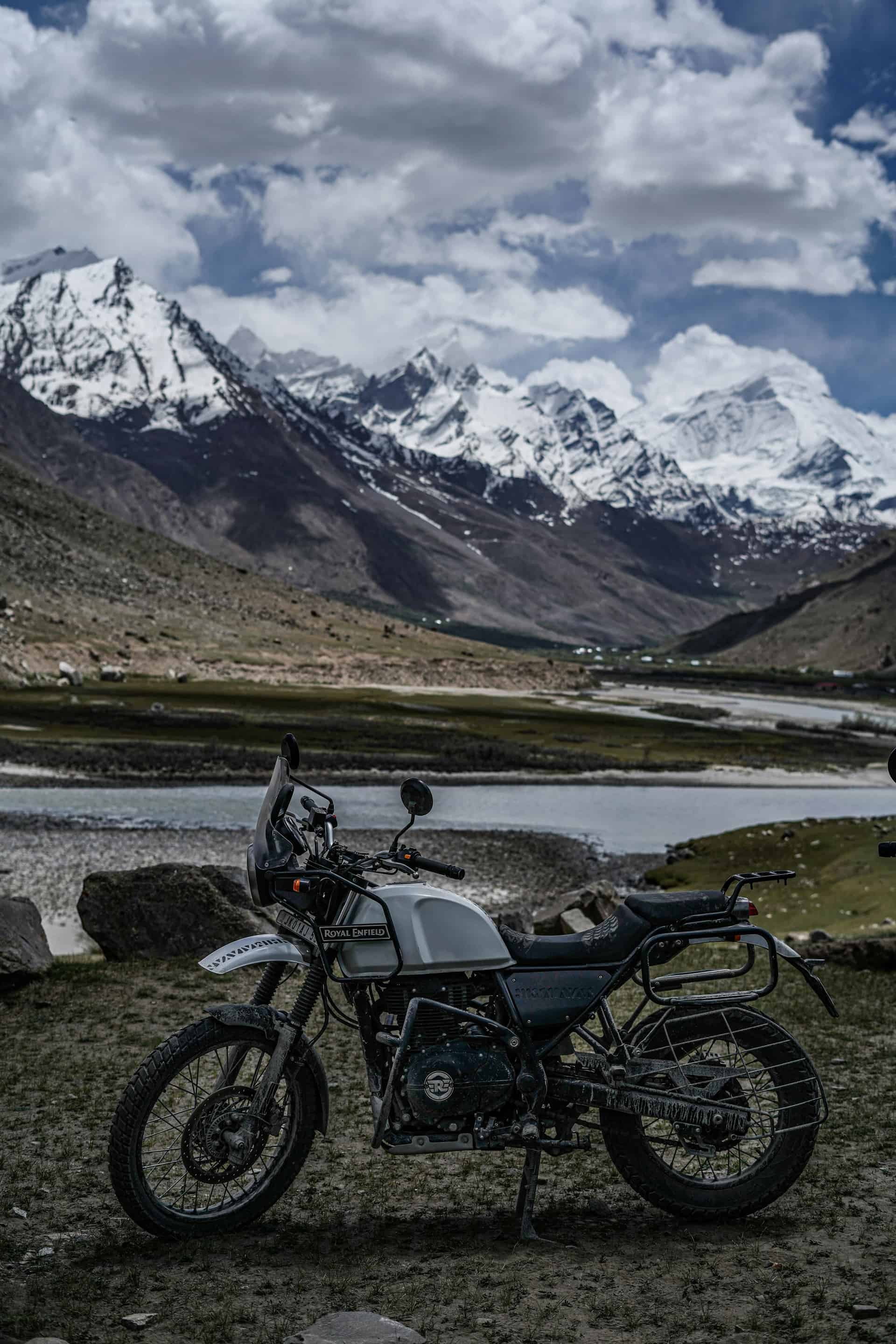
The classic image of Ladakh is a Royal Enfield thumping through the mountains and yes, the Classic 350 still holds emotional value. But the riding landscape has evolved.
Today’s popular choices include:
- Himalayan 450, known for stability and ground clearance
- KTM Adventure 390, preferred by riders who want agility and power
- Fuel-injected Classic 350, still reliable when properly maintained
One important shift: fuel-injected engines perform far better at high altitude than older carbureted models. Thin air makes consistent fuel delivery critical, especially on high passes.
The Rule Most Riders Learn Late
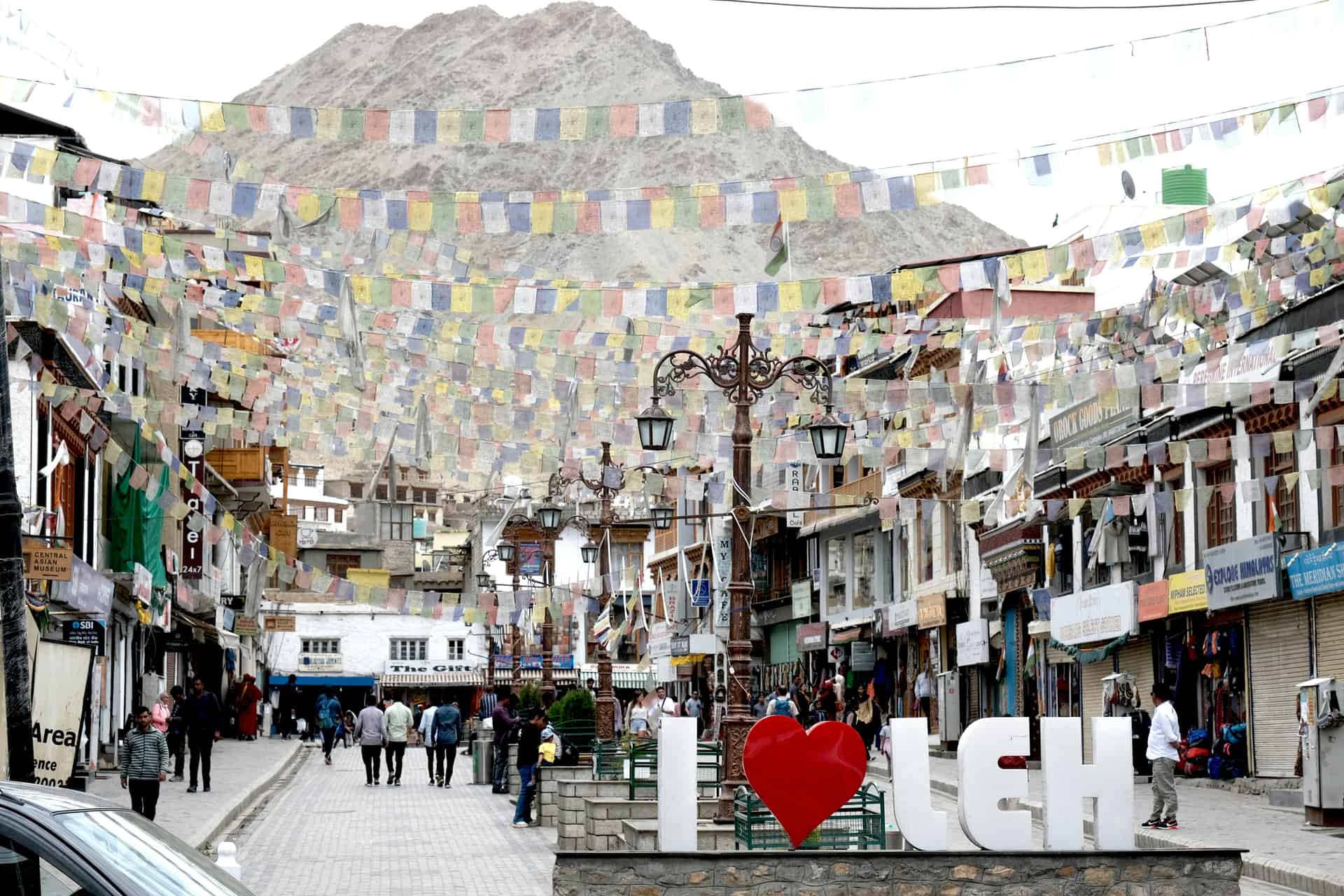
Flying into Leh can be deceptive. The excitement is high, but your body needs time.
A simple guideline many experienced riders swear by:
- Day 1: Sleep and rest
- Day 2: Walk slowly, drink water, take it easy
- Day 3: Start riding
Ignoring this adjustment period leads to headaches, dizziness and fatigue that can ruin the experience. Ladakh is one place where patience is not optional.
Rider Reality: Fuel, Network and Cash
Some lessons only the road teaches.
The fuel stretch between Tandi and Karu, especially on the Manali side, runs roughly 350 kilometers without reliable pumps. Carrying extra fuel is not paranoia. It is smart riding.
Connectivity is unpredictable. Postpaid Jio and Airtel work well around Leh and Nubra, but BSNL often survives in remote regions like Hanle where other networks disappear.
Cash matters too. Outside Leh, ATMs can be rare or empty. Carrying at least ₹10,000 in physical cash is a small decision that can save big trouble.
The Mountain Challenge Most Guides Ignore: Pagal Nallahs
Local riders call them Pagal Nallahs, crazy streams that look harmless in the morning and dangerous by afternoon.
As sunlight melts glacier ice, water levels rise quickly. Streams that seem easy at 10 AM can become deep and aggressive by 3 PM.
The simple rule is timeless: cross water sections early and never rush without watching how other vehicles pass.
A Simple 7-Day Ladakh Bike Itinerary
A balanced first-time route might look like this:
Day 1: Arrive Leh and rest
Day 2: Easy local exploration
Day 3: Ride to Nubra Valley
Day 4: Nubra to Pangong Lake
Day 5: Pangong to Leh
Day 6: Local passes and monasteries
Day 7: Departure or onward ride
This pace gives your body enough time to adapt while still allowing the adventure to unfold naturally.
A Bit of Rider Wisdom
“In Ladakh, you don’t break records. You break your ego. The mountains always have the right of way.”
The sooner you accept this, the more enjoyable the journey becomes.
Solo Ride or Guided Tour?
A solo ride offers unmatched freedom. Every stop, every detour and every sunrise belongs entirely to you. But it also means handling permits, logistics and mechanical surprises alone.
Guided tours remove much of that pressure. With route planning, backup vehicles and local support included, many riders find they can focus more on the experience and less on problem-solving.
If you prefer structured adventure, you can explore our complete Ladakh travel guide for organised Himalayan rides designed around safety and real rider experience.
Desh Videsh Travels 2026 Ladakh Batches
Trip Name | Duration | Price (Starting) |
| 7 Days Leh Ladakh Tour Package With Turtuk - Nubra - Pangong | 07 Days | ₹25,499 |
| Ultimate Ladakh Bike Trip Srinagar to Manali | 12 Days | ₹46,999 |
| Ladakh Bike Trip - Manali Umling La Tso Moriri | 11 Days | ₹42,999 |
| Ladakh Tour Package with Umling La - Manali - Leh - Srinagar | 11 Days | ₹45,999 |
| Thrilling Leh Ladakh Tour Package with Umling La | 09 Days | ₹34,499 |
Final Thoughts
A Ladakh bike trip is not a journey you complete. It is one that quietly stays with you long after the engine stops.
You arrive expecting famous passes and postcard lakes, but what you remember most are the small moments: a silent stretch of road with no one in sight, tea at a roadside tent after hours of riding, or the feeling of breathing slowly at high altitude while the mountains stand still around you.