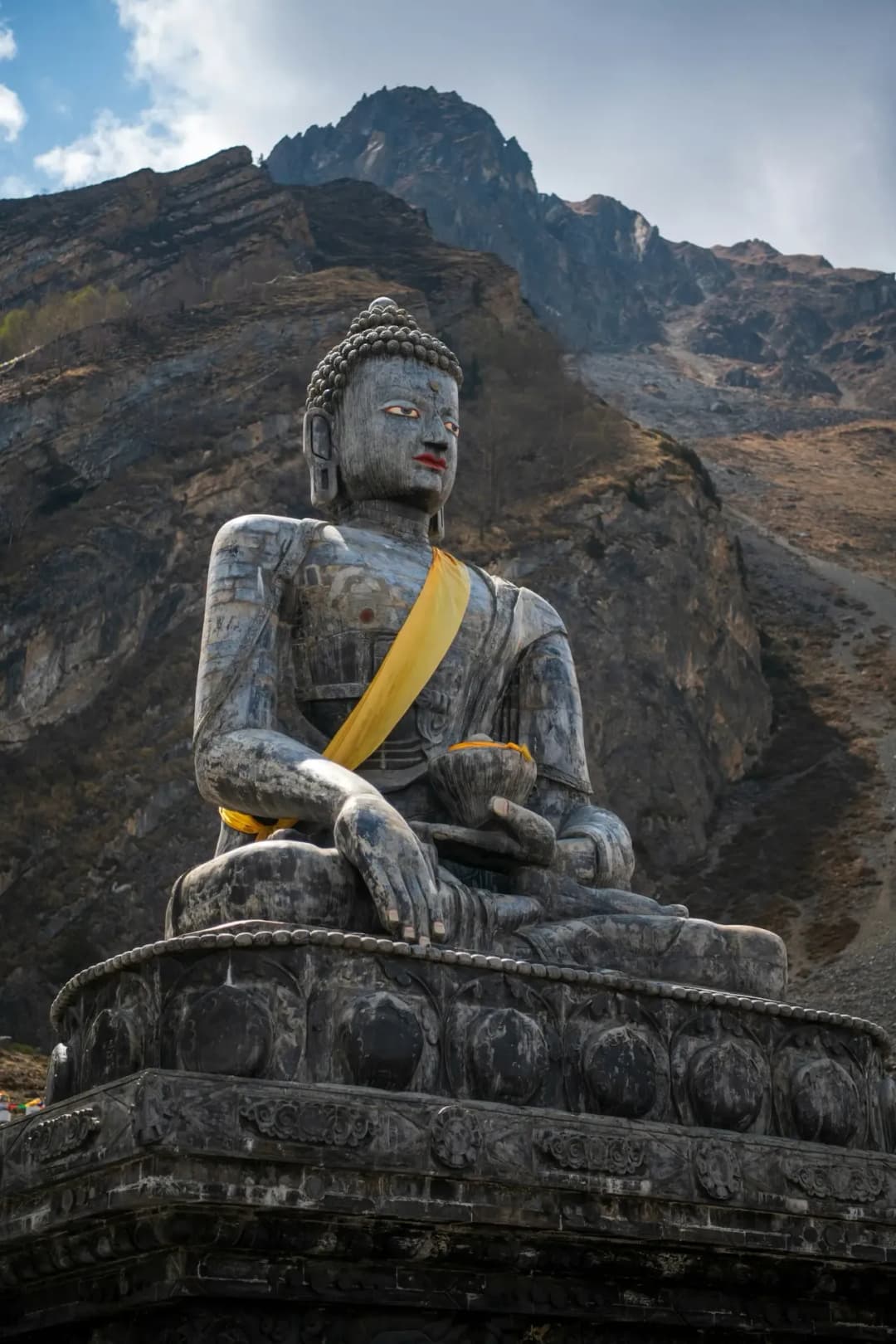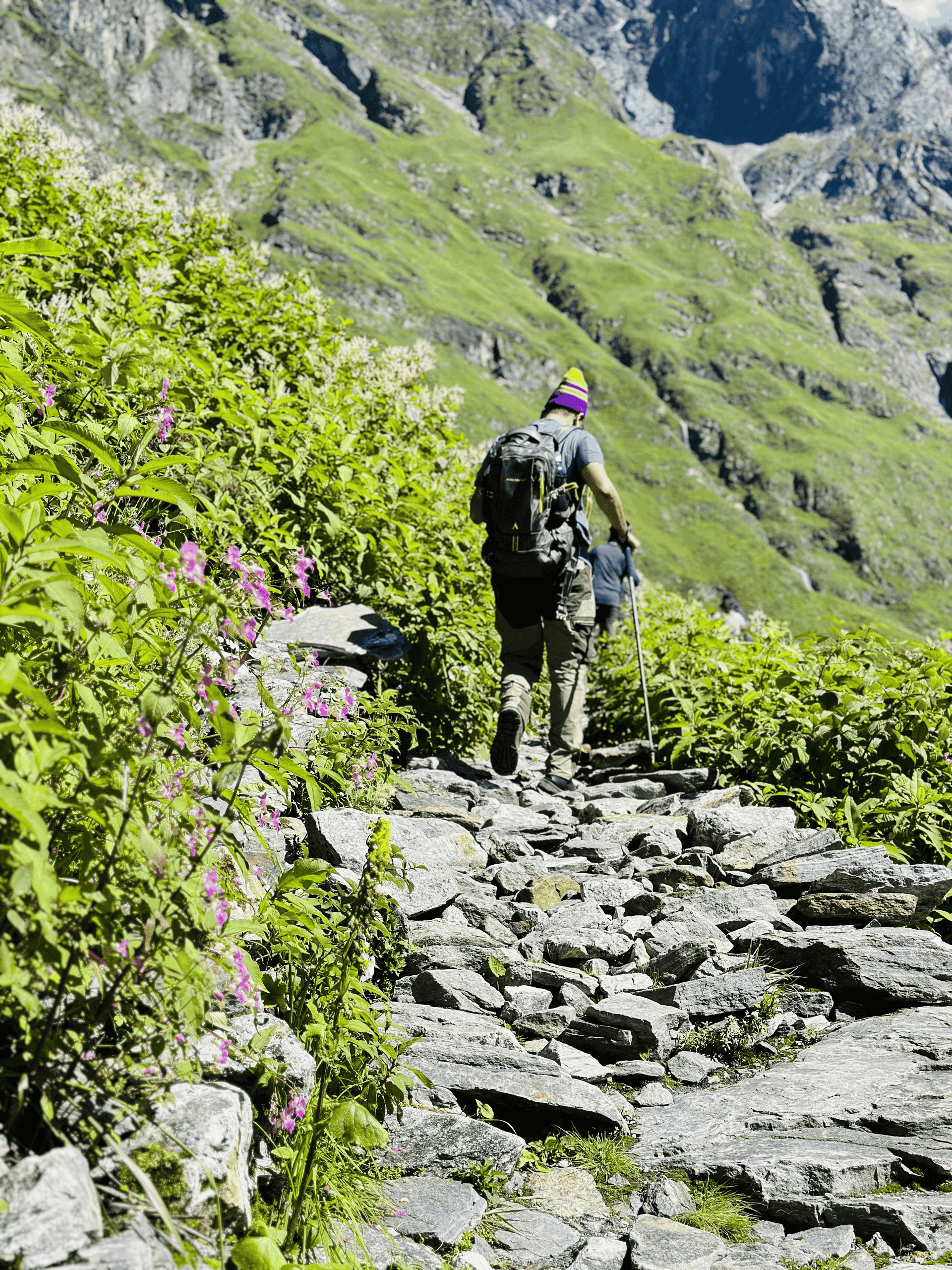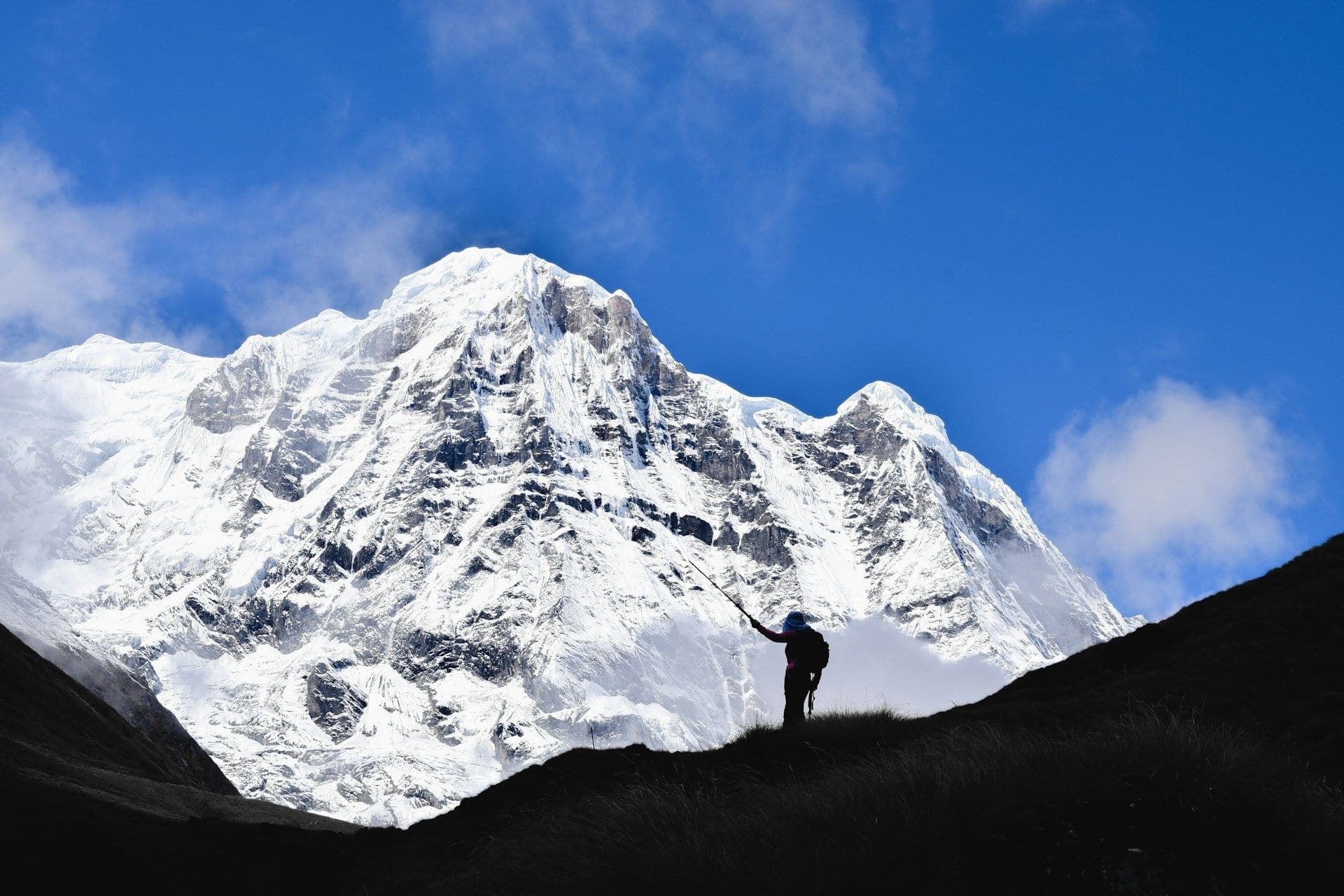
The Annapurna Circuit is one of Nepal's most iconic trekking routes, attracting travelers from around the world with its diverse landscapes, rich cultural experiences and the challenge of crossing Thorong La Pass.
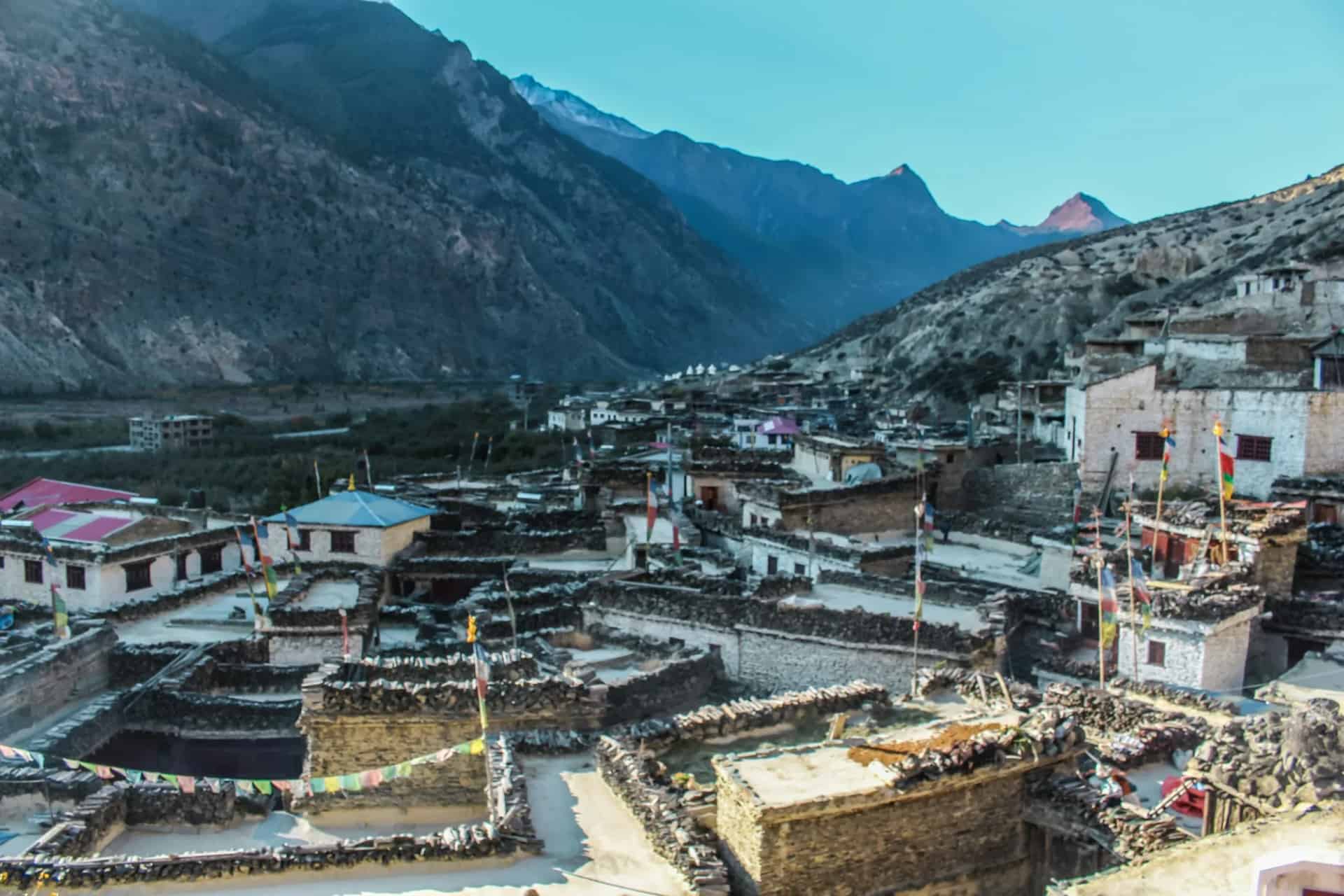
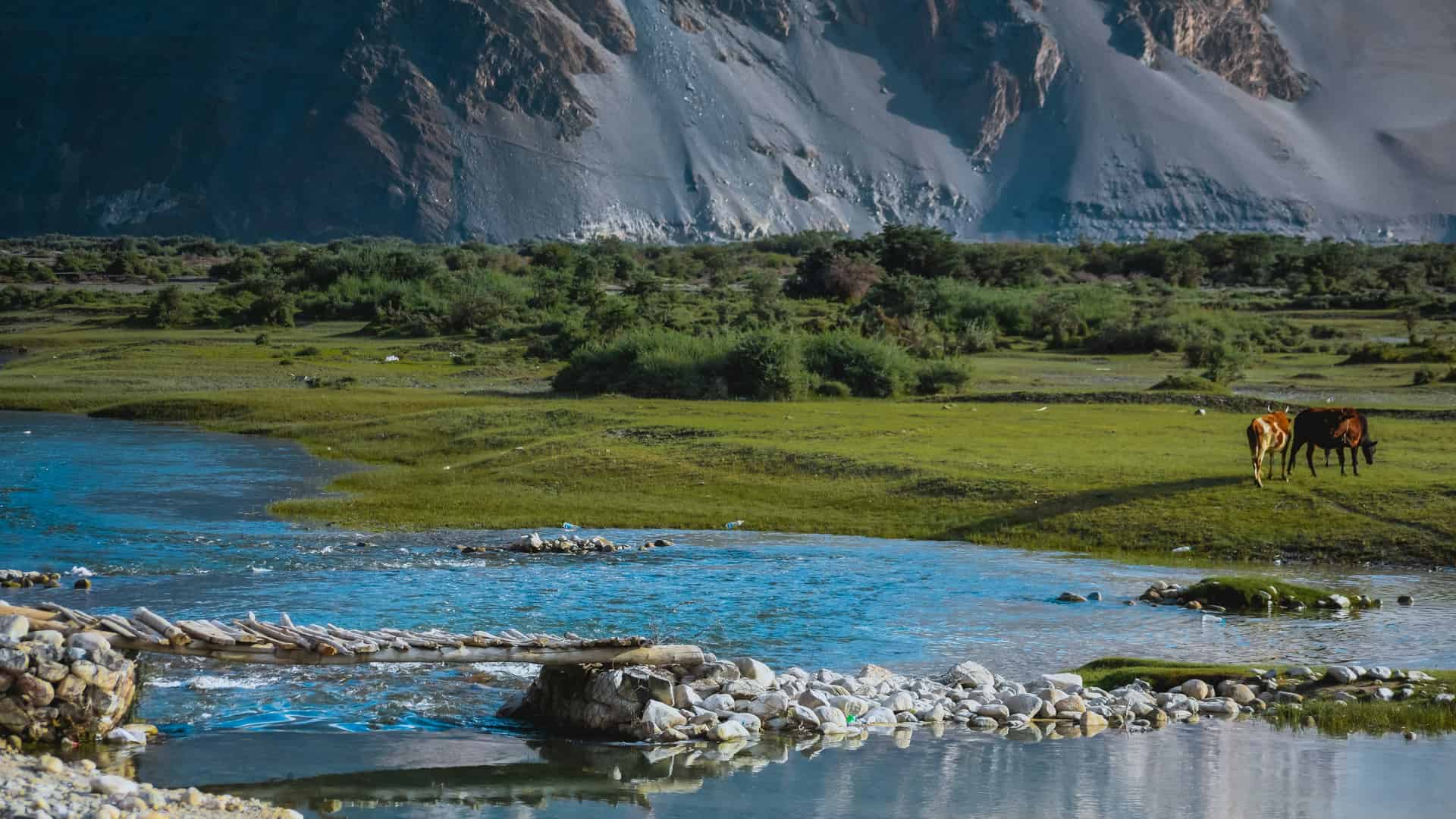
Unlike many treks that focus on reaching a single destination, the Annapurna Circuit is about the journey itself. Over the course of the trek, you'll pass through traditional mountain villages, subtropical forests, deep river valleys, alpine terrain and high-altitude desert landscapes while enjoying spectacular views of some of the Himalayas' most famous peaks.
Although road development has changed parts of the classic route, the Annapurna Circuit remains one of Nepal's most rewarding trekking experiences and is still considered a bucket-list adventure for many hikers.
This guide covers everything you need to know before planning the trek, including the route, difficulty, itinerary, acclimatization and what to expect on the trail.
Quick Facts About the Annapurna Circuit Trek
Detail | Information |
| Location | Annapurna Region, Nepal |
| Duration | 12–18 Days |
| Difficulty | Moderate to Challenging |
| Highest Point | Thorong La Pass (5,416 m) |
| Best Seasons | Spring and Autumn |
| Accommodation | Tea Houses |
| Suitable for Beginners | Yes, with Preparation |
| Major Highlight | Thorong La Pass |
Why the Annapurna Circuit Is One of Nepal's Most Famous Treks
Few treks in the world offer the variety found on the Annapurna Circuit.
Over the course of a single trek, you'll experience:
- Traditional Gurung and Tibetan-influenced villages
- Buddhist monasteries and prayer flags
- Deep river valleys
- Forest trails
- Alpine terrain
- High mountain deserts
- Himalayan viewpoints
- Thorong La Pass
The trek also provides views of several major Himalayan peaks, including:
- Annapurna
- Dhaulagiri
- Manaslu
- Gangapurna
- Tilicho Peak
What makes the Annapurna Circuit special is that the scenery changes dramatically as you gain altitude, making each section of the trek feel different from the last.
Annapurna Circuit Route Overview
The Annapurna Circuit circles part of the Annapurna Massif and gradually climbs from lower elevations toward Thorong La Pass before descending into the Mustang region.
Most trekkers travel through:
- Besisahar
- Chame
- Upper Pisang
- Manang
- Yak Kharka
- Thorong Phedi
- Thorong La Pass
- Muktinath
- Jomsom
The route combines mountain scenery, cultural experiences and changing landscapes, which is why many travelers consider it one of Nepal's most complete trekking experiences.
How Many Days Does the Annapurna Circuit Take?
Most trekkers complete the Annapurna Circuit in 12–18 days.
The exact duration depends on:
- Starting point
- Ending point
- Acclimatization schedule
- Side trips
- Transportation choices
Some modern itineraries use road access to shorten the trek, while others follow a more traditional route and spend additional time exploring villages and viewpoints.
For most first-time trekkers, a 14–16 day itinerary provides a comfortable pace and adequate acclimatization.
Suggested Annapurna Circuit Itinerary
Day | Route |
| 1 | Arrival and Transfer to Trek Start |
| 2–4 | Trek Through Lower Annapurna Region |
| 5–7 | Reach Manang and Acclimatize |
| 8–10 | Trek Toward Thorong Phedi |
| 11 | Cross Thorong La Pass |
| 12–14 | Descend Through Muktinath and Jomsom |
| 15+ | Return to Pokhara |
This itinerary is only a general example. Actual trekking plans vary depending on acclimatization needs, fitness levels and route choices.
Thorong La Pass: The Biggest Challenge
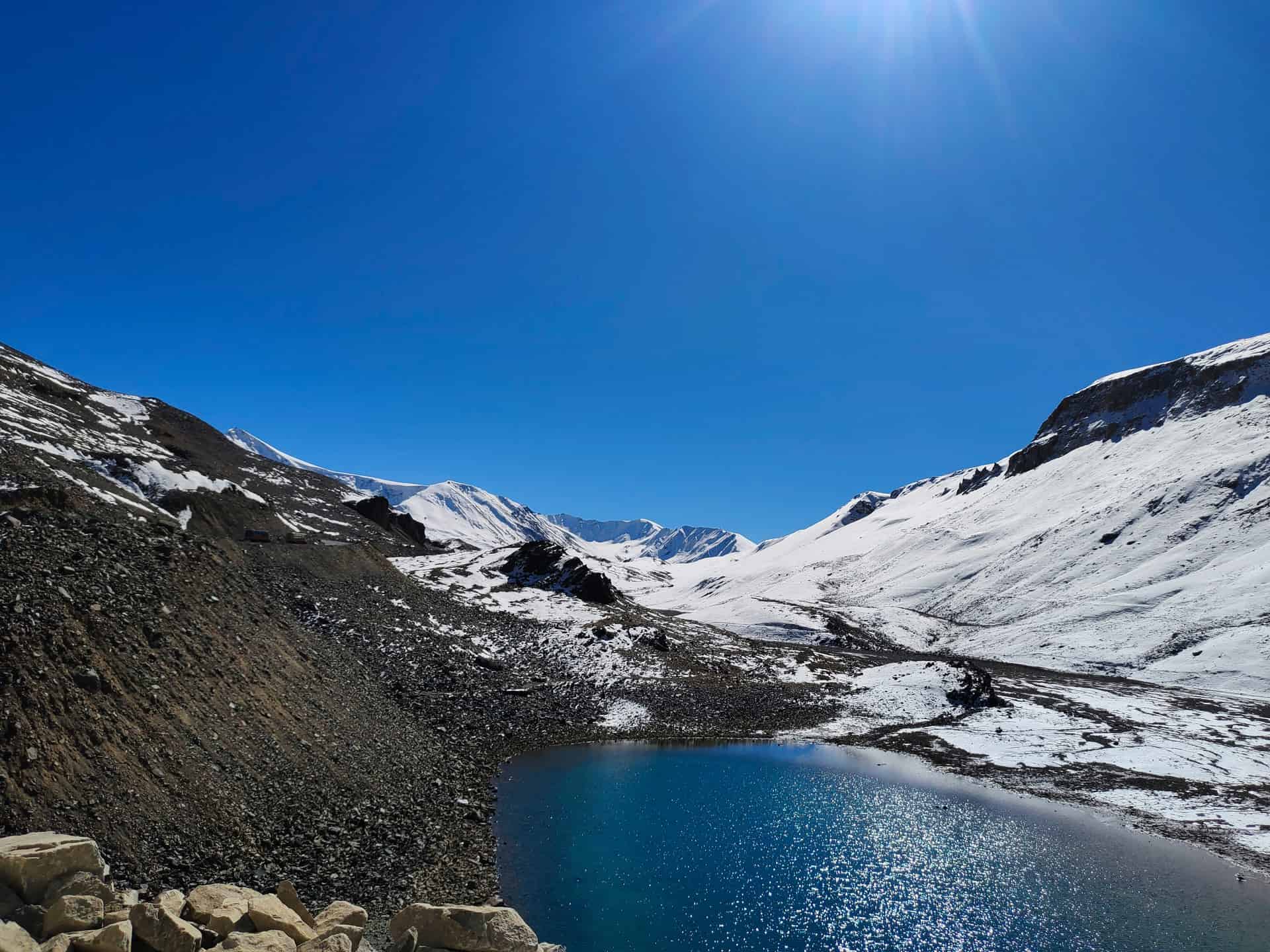
At 5,416 meters, Thorong La Pass is the highest point of the Annapurna Circuit and the section that defines the trek for many travelers.
Crossing the pass typically involves:
- An early morning start
- Cold temperatures
- High altitude
- Several hours of climbing
The trail itself is not technically difficult, but the altitude makes the day physically demanding.
Most trekkers begin before sunrise to take advantage of calmer weather conditions and to complete the crossing before afternoon winds develop.
Standing at the prayer-flag-covered summit of Thorong La Pass is often considered the highlight of the entire journey.
Thorong Phedi vs High Camp: Which Is Better?
One of the most common questions trekkers ask is where to spend the night before crossing Thorong La Pass.
The two most common options are Thorong Phedi and High Camp.
Thorong Phedi
Advantages:
- Lower sleeping altitude
- Better acclimatization
- More comfortable for most trekkers
- Reduced altitude-related risk
The downside is an earlier start and additional climbing before reaching High Camp.
High Camp
Advantages:
- Shorter summit morning
- Less climbing before reaching the pass
However:
- Higher sleeping altitude
- Colder conditions
- Increased discomfort for some trekkers
Recommendation
For most trekkers, particularly beginners, Thorong Phedi is usually the safer and more comfortable choice.
How Difficult Is the Annapurna Circuit Trek?
The Annapurna Circuit is generally considered a moderate-to-challenging trek.
The difficulty comes less from technical terrain and more from the combination of:
- Multiple trekking days
- Long walking hours
- High altitude
- Consecutive days on the trail
- Thorong La Pass
Most people do not need previous mountaineering experience.
However, reasonable fitness and preparation will significantly improve the experience.
If you're preparing for your trek, our How to Prepare Physically for the Everest Base Camp Trek guide contains training advice that applies equally well to Annapurna.
How Many Hours Will You Walk Each Day?
Most trekking days involve:
5–8 hours of walking
The exact duration varies depending on:
- Trail conditions
- Elevation gain
- Weather
- Acclimatization schedule
Some days may be shorter, while the Thorong La Pass crossing day is often longer and more demanding.
One of the biggest mistakes trekkers make is focusing on speed.
A steady, comfortable pace is far more important than walking fast.
Why Manang Is So Important
Manang is one of the most important villages on the entire Annapurna Circuit.
Located at approximately 3,500 meters, it serves as the primary acclimatization stop before trekkers continue toward Thorong La Pass.
Most itineraries include at least one acclimatization day here.
This extra day helps your body adjust to the increasing altitude and can significantly reduce the risk of altitude-related problems later in the trek.
Popular acclimatization hikes around Manang include:
- Gangapurna Lake
- Ice Lake
- Higher ridge viewpoints above the village
These hikes follow the principle of:
"Climb high, sleep low."
Many experienced trekkers consider the acclimatization day in Manang one of the most important parts of a successful Annapurna Circuit trek.
Altitude and Acclimatization
Altitude is one of the biggest challenges on the Annapurna Circuit.
As elevation increases:
- Oxygen levels decrease
- Physical effort feels harder
- Recovery becomes slower
- Sleep quality may be affected
Common symptoms of Acute Mountain Sickness (AMS) include:
- Headache
- Fatigue
- Dizziness
- Loss of appetite
- Nausea
The best ways to reduce risk include:
- Ascending gradually
- Taking acclimatization days
- Staying hydrated
- Avoiding unnecessary rushing
- Listening to your body
It's important to remember that fitness does not guarantee protection from altitude sickness.
Even strong, experienced hikers can experience altitude-related symptoms.
Proper acclimatization remains one of the most important factors in successfully completing the Annapurna Circuit.
Best Time for the Annapurna Circuit Trek
The Annapurna Circuit can be completed during different times of the year, but two seasons are generally considered the best.
Spring (March–May)
Spring is one of the most popular seasons because of:
- Pleasant daytime temperatures
- Rhododendron blooms
- Clear mountain views
- Comfortable trekking conditions
This is an excellent choice for first-time trekkers.
Autumn (September–November)
Autumn is often considered the best overall season.
Advantages include:
- Stable weather
- Excellent visibility
- Dry trails
- Crisp mountain views
Because of these conditions, autumn is also the busiest trekking season.
Winter (December–February)
Winter trekking is possible, but conditions become more challenging.
Expect:
- Colder temperatures
- Snow at higher elevations
- Possible disruptions around Thorong La Pass
Experienced trekkers who prefer quieter trails often choose this season.
Monsoon (June–August)
Monsoon brings:
- Rainfall
- Muddy trails
- Reduced visibility
- Travel disruptions
While parts of the Annapurna region sit within a rain-shadow area, most trekkers still prefer spring or autumn.
For a complete seasonal comparison, see our Best Time for Trekking in Nepal guide.
Annapurna Circuit Trek Cost
The Annapurna Circuit is generally more affordable than Everest Base Camp, making it an attractive option for budget-conscious travelers.
Your overall cost depends on:
- Trek duration
- Accommodation choices
- Transportation
- Guide services
- Porter services
- Personal spending habits
Estimated Budget Range
For Indian travelers, a typical Annapurna Circuit trek often ranges between:
₹35,000–₹90,000+ per person
Budget trekkers can spend less, while guided tours and premium services increase costs.
Typical expenses include:
- Permits
- Transportation
- Accommodation
- Meals
- Guide and porter services (if used)
Accommodation and Food on the Trek
One reason the Annapurna Circuit remains popular is its well-developed tea-house infrastructure.
Most villages offer:
- Basic private rooms
- Shared bathrooms
- Dining halls
- Charging facilities (often for a fee)
Accommodation becomes simpler as altitude increases.
Food Options
Popular meals include:
- Dal Bhat
- Noodles
- Fried rice
- Soups
- Momos
- Pancakes
- Tea and coffee
Dal Bhat remains the most common choice among trekkers because it is filling, affordable and widely available.
Modern Annapurna Circuit: Road Development and NATT Trails
One of the most common questions today is:
Has road construction ruined the Annapurna Circuit?
The short answer is:
No.
However, the route has changed.
Some lower sections of the traditional circuit now have road access and vehicle traffic.
As a result, many trekkers have adapted their itineraries.
Today, it is common to:
- Start closer to Chame or Pisang
- Skip some lower road-connected sections
- Focus on the higher mountain regions
What Are NATT Trails?
Many trekkers use sections of the Natural Annapurna Trekking Trails (NATT) network.
These alternative footpaths help:
- Avoid road sections
- Reduce dust exposure
- Improve mountain views
- Preserve a more traditional trekking experience
One of the most popular alternatives follows the higher route through:
- Ghyaru
- Ngawal
This route offers excellent scenery while bypassing some lower road-connected stretches.
For most trekkers, road development is far less significant than online discussions often suggest.
The core Annapurna Circuit experience remains very much intact.
What to Pack for the Annapurna Circuit
The weather and altitude can change dramatically during the trek, making proper packing essential.
Key items include:
- Trekking boots
- Layered clothing
- Down jacket
- Waterproof jacket
- Trekking pants
- Warm gloves
- Woolen cap
- Sunglasses
- Water bottles
- Daypack
- Basic first-aid kit
For a complete packing checklist, see our What to Pack for Nepal Treks guide.
Do You Need a Guide?
Guide regulations and trekking requirements can change, so always verify the latest rules before planning your trek.
Even when not mandatory, many trekkers choose guides because they provide:
- Local knowledge
- Navigation assistance
- Cultural insights
- Additional safety
Guides can be particularly valuable for first-time Himalayan trekkers.
Annapurna Circuit vs Annapurna Base Camp
Although both treks are located in the Annapurna region, they offer very different experiences.
Annapurna Circuit
Best for:
- Long-distance trekking
- Diverse landscapes
- High mountain passes
- Multi-region experiences
- Adventure-focused travelers
Annapurna Base Camp
Best for:
- Shorter itineraries
- Direct mountain amphitheater views
- First-time trekkers
- Travelers with limited time
The Annapurna Circuit offers greater variety, while Annapurna Base Camp provides a more direct route to spectacular mountain scenery.
Our upcoming Annapurna Base Camp Trek Guide explores this route in detail.
Who Should Choose the Annapurna Circuit?
The Annapurna Circuit is ideal for travelers who:
- Want a classic Nepal trekking experience
- Enjoy long-distance hiking
- Appreciate varied landscapes
- Want cultural immersion
- Are comfortable with moderate-to-challenging trekking
If you're looking for a trek that combines scenery, culture and adventure, the Annapurna Circuit remains one of Nepal's best choices.
Is the Annapurna Circuit Worth It?
Absolutely.
Despite changes over the years, the Annapurna Circuit remains one of the world's most celebrated trekking routes.
Few treks combine:
- Diverse landscapes
- Cultural experiences
- Tea-house trekking
- High mountain passes
- Himalayan scenery
in a single journey.
For travelers seeking more than just mountain views, the Annapurna Circuit delivers a complete Himalayan experience.
Final Thoughts
The Annapurna Circuit continues to earn its reputation as one of Nepal's greatest trekking adventures. From the cultural richness of mountain villages to the challenge of Thorong La Pass and the constantly changing landscapes, the trek offers an experience that few routes in the Himalayas can match.
While road development has altered parts of the traditional route, modern itineraries and NATT trails ensure that trekkers can still enjoy much of what made the Annapurna Circuit famous.
Whether you're planning your first trek in Nepal or returning for another Himalayan adventure, the Annapurna Circuit remains one of the most rewarding journeys in the region.
If you're exploring trekking options, our Everest Base Camp vs Annapurna, How to Prepare Physically for the Everest Base Camp Trek and Best Time for Trekking in Nepal guides can help you plan the right adventure.