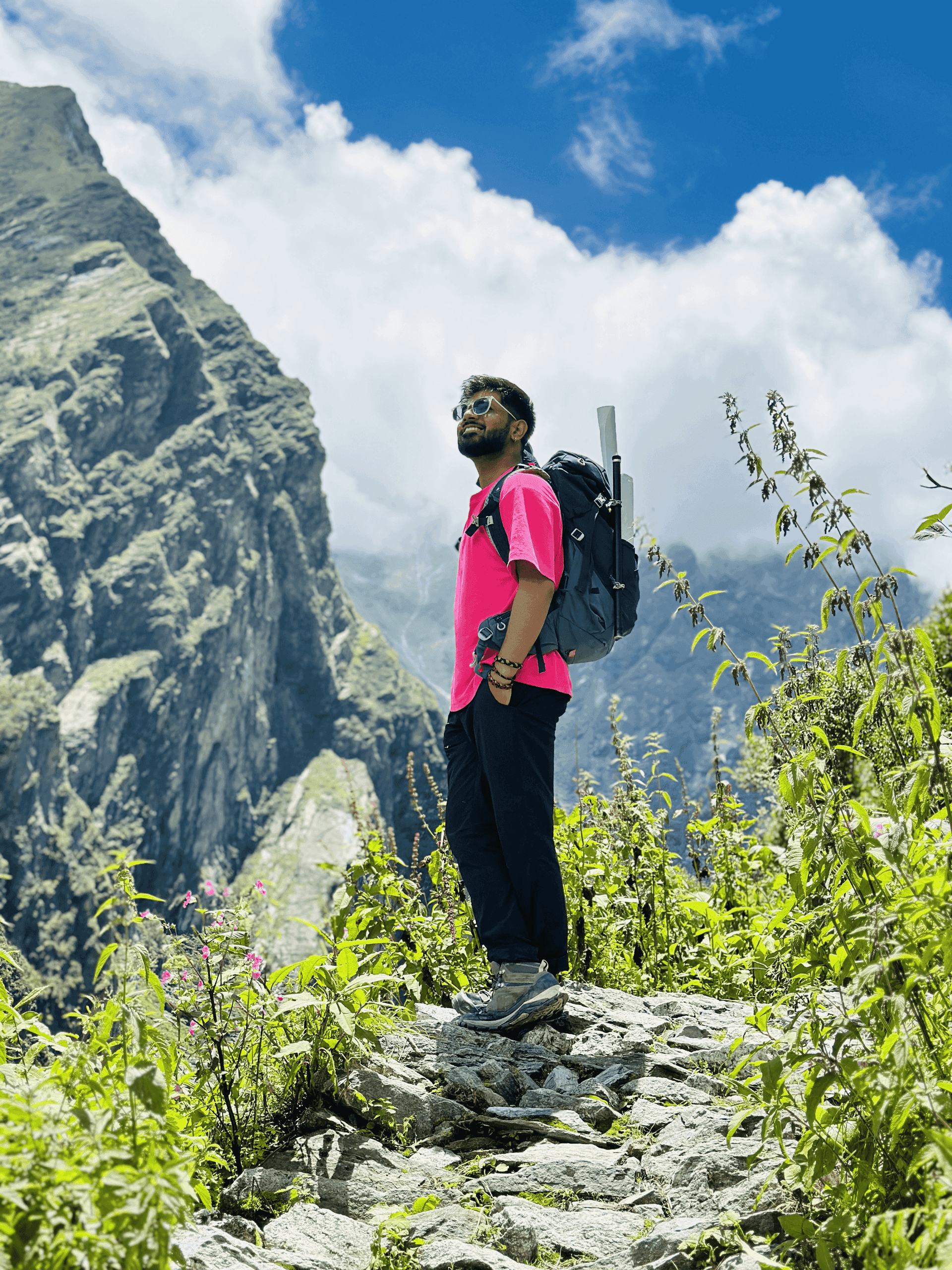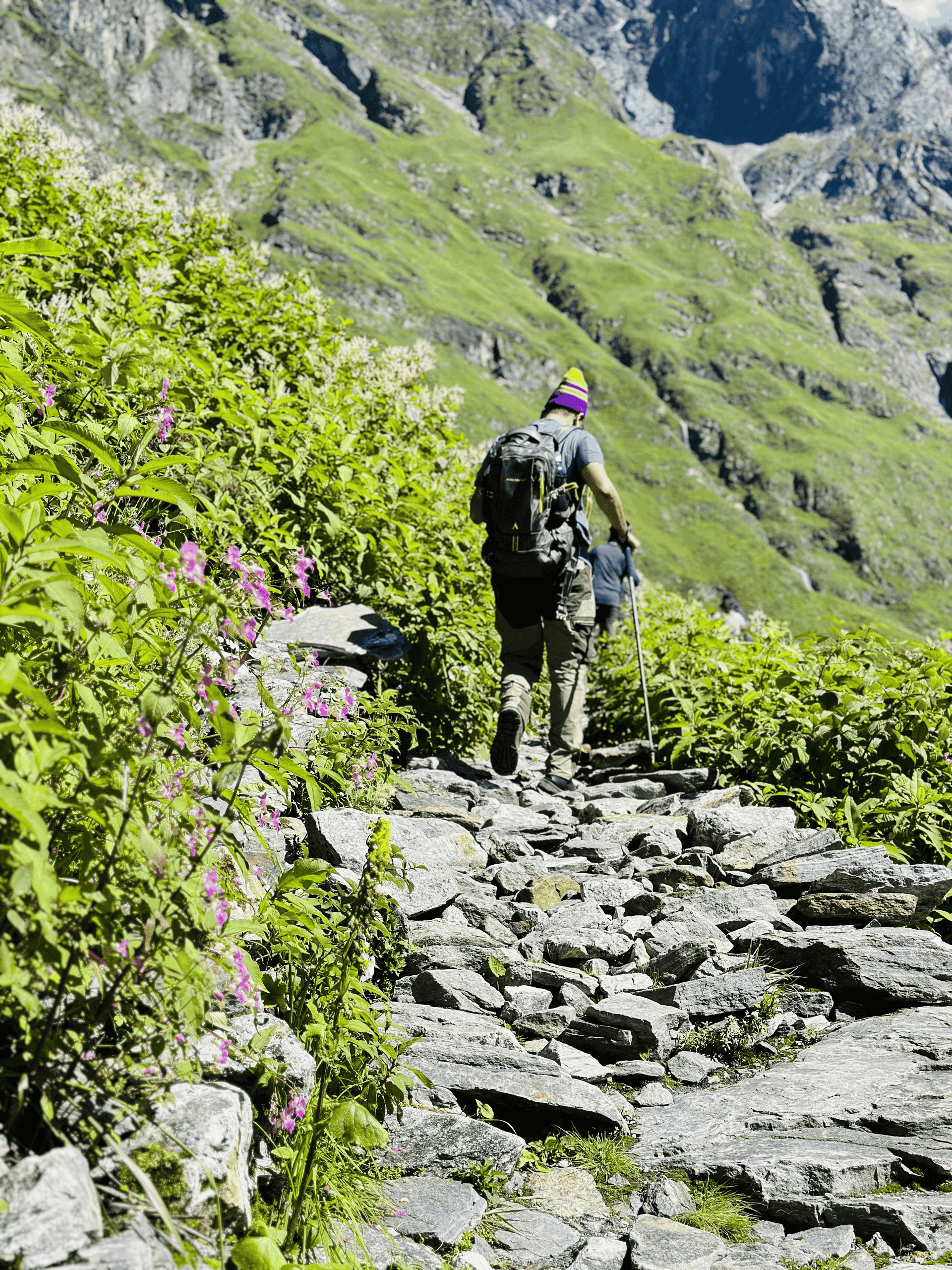
Packing for a Nepal trek can feel overwhelming, especially if it's your first Himalayan adventure. Carry too much and your backpack becomes unnecessarily heavy. Pack too little and you may find yourself unprepared for changing mountain conditions.
The good news is that most trekkers don't need expensive specialist equipment or mountaineering gear. What matters most is packing the right layers, carrying essential trekking items and adapting your gear to the season and route.
Whether you're planning Everest Base Camp, Annapurna Base Camp, the Annapurna Circuit, or another Himalayan trek, this guide explains what to pack, what you can rent in Nepal and the common mistakes first-time trekkers should avoid.
Quick Answer: What Should You Pack for a Nepal Trek?
Most Nepal trekkers should focus on:
- Layered clothing
- Comfortable trekking boots
- A suitable backpack system
- Health and safety essentials
- Important travel documents
- Water and hydration supplies
- Seasonal gear adjustments
The goal is simple: stay warm, dry, comfortable and prepared without carrying unnecessary weight.
Nepal Trekking Packing Checklist at a Glance
Category | Essential |
| Base Layers | ✓ |
| Fleece Jacket | ✓ |
| Down Jacket | ✓ |
| Waterproof Jacket | ✓ |
| Trekking Boots | ✓ |
| Trekking Socks | ✓ |
| Backpack | ✓ |
| Water Bottles | ✓ |
| Headlamp | ✓ |
| Power Bank | ✓ |
| Sunglasses | ✓ |
| First Aid Kit | ✓ |
| Documents | ✓ |
| Trekking Poles | Recommended |
| Sleeping Bag | Route Dependent |
Clothing for Nepal Treks
The Himalayan weather can change quickly, even during peak trekking seasons.
Instead of carrying heavy clothing, experienced trekkers use a simple layering system.
Base Layers
Base layers help regulate body temperature and manage sweat.
Recommended:
- Moisture-wicking t-shirts
- Lightweight thermal tops
- Thermal bottoms for colder routes
Avoid cotton whenever possible because it dries slowly and becomes uncomfortable when wet.
Mid Layers
Mid layers provide warmth during daily trekking.
Examples include:
- Fleece jackets
- Lightweight insulated jackets
- Warm pullovers
These often become the most-used clothing items during a trek.
Insulation Layer
For higher-altitude routes, a warm insulated jacket is essential.
Particularly important for:
- Everest Base Camp
- Annapurna Circuit
- Winter treks
- High-altitude Himalayan routes
Temperatures can drop significantly during mornings and evenings.
Waterproof Layer
A waterproof outer layer helps protect against:
- Rain
- Snow
- Wind
Carry:
- Waterproof jacket
- Waterproof pants (optional but useful)
This becomes especially important during shoulder seasons and monsoon travel.
If you're still deciding when to trek, our Best Time for Trekking in Nepal guide explains how seasonal weather affects trekking conditions across the Himalayas.
Footwear for Nepal Treks
Your footwear choice can have a bigger impact on comfort than almost any other item.
Trekking Boots
A good pair of trekking boots should provide:
- Ankle support
- Grip
- Comfort over long distances
The most important rule:
Never Bring Brand-New Boots
Always wear and test them before your trek.
Many trekking problems start with poorly fitted or untested footwear.
Trekking Socks
Quality socks help prevent:
- Blisters
- Hot spots
- Foot fatigue
Carry multiple pairs and rotate them during the trek.
Merino wool and synthetic trekking socks are usually the most reliable options.
Camp Shoes
Lightweight sandals or comfortable shoes are useful around tea houses after a long day of trekking.
Many trekkers appreciate having a second footwear option once the day's walking is finished.
Duffel Bag vs Daypack: What Do You Actually Carry?
This is one of the biggest areas of confusion for first-time trekkers.
Main Duffel Bag
If you're trekking with a porter or organized group, most of your gear goes into a duffel bag.
Typical contents:
- Extra clothing
- Sleeping bag
- Spare footwear
- Non-essential gear
This bag is transported separately during the trek.
Personal Daypack
Your daypack stays with you throughout the trek.
Typical contents include:
- Water bottles
- Rain jacket
- Down jacket
- Snacks
- Passport
- Cash
- Headlamp
- Power bank
- Personal medication
Choose a comfortable daypack with a hip belt and enough space for daily essentials.
How Heavy Should Your Backpack Be?
Many first-time trekkers pack far more than they need.
As a general guideline:
Daypack
Ideal weight:
5–8 kg
This should include only items you'll need during the day.
Porter Duffel Bag
Ideal weight:
10–15 kg
The lighter your overall load, the more comfortable your trek becomes.
Remember:
Most trekkers regret packing too much rather than too little.
Essential Trekking Gear
Beyond clothing and footwear, a few gear items significantly improve comfort and safety.
Water Bottles
Hydration becomes increasingly important at altitude.
Carry:
- Reusable water bottles
- Water purification tablets or filters
A practical tip used by many trekkers on higher routes is filling a bottle with hot water before bed and placing it inside the sleeping bag to provide warmth during cold nights.
Headlamp
Useful for:
- Early starts
- Power outages
- Nighttime tea house use
- Emergency situations
Always carry spare batteries or a charging solution.
Power Bank
Charging becomes more expensive and less reliable as altitude increases.
A power bank helps keep:
- Phones
- Cameras
- GPS devices
- Headlamps
charged throughout the trek.
Sunglasses
Mountain sunlight can be surprisingly intense.
A good pair of UV-protection sunglasses helps protect your eyes during long trekking days.
Trekking Poles
Not essential, but highly recommended.
Benefits include:
- Better balance
- Reduced knee strain
- Improved stability on descents
They are especially useful on longer routes such as Everest Base Camp and the Annapurna Circuit.
Health and Safety Items
A well-prepared health kit can solve many small problems before they become major issues on the trail.
You don't need a large medical bag, but you should carry a few essentials.
Personal Medications
Bring enough medication for the entire trek, plus a small backup supply.
If you take prescription medication, keep it in your daypack rather than your duffel bag.
Blister Prevention and Foot Care
Foot problems are one of the most common issues during Nepal treks.
Useful items include:
- Blister patches
- Sports tape
- Antiseptic cream
- Small bandages
Preventing blisters is much easier than treating them.
Sun Protection
Many first-time trekkers underestimate Himalayan sun exposure.
Carry:
- Sunscreen (SPF 30+ or higher)
- Lip balm with SPF
- Sunglasses
- Cap or hat
Sunburn is possible even on cold days.
Water Purification
Safe drinking water is essential.
Options include:
- Water purification tablets
- Portable water filters
- UV purification devices
This reduces plastic waste and lowers overall trekking costs.
Basic First Aid Kit
A small trekking first aid kit should include:
- Pain relief medication
- Bandages
- Antiseptic wipes
- Blister treatment
- Personal medication
The goal is to handle minor issues rather than carry a full medical setup.
Documents and Money
Many trekkers focus on gear and forget some of the most important items.
Essential Documents
Carry:
- Passport
- Passport photocopies
- Travel insurance details
- Trek permits (if applicable)
- Emergency contact information
Keep digital backups as well.
Cash
Although digital payments are becoming more common, cash remains important on many trekking routes.
Cash may be needed for:
- Tea houses
- Snacks
- Charging devices
- Hot showers
- Wi-Fi access
Always carry enough cash before leaving major towns.
Travel Insurance
For higher-altitude treks such as Everest Base Camp and Annapurna Circuit, travel insurance that covers trekking and emergency evacuation is strongly recommended.
Before purchasing a policy, carefully check altitude limits and coverage details.
What Can You Buy or Rent in Kathmandu?
One of the biggest mistakes first-time trekkers make is purchasing everything before arriving in Nepal.
Kathmandu's Thamel area is filled with trekking stores where travelers can buy or rent equipment.
For many people, renting gear makes more sense than purchasing expensive items for a single trek.
Common Rental Items
You can usually rent:
- Down jackets
- Sleeping bags
- Trekking poles
- Duffel bags
- Backpacks
This can significantly reduce upfront costs.
Common Purchase Items
Many trekkers buy:
- Gloves
- Buffs
- Wool hats
- Trekking socks
- Base layers
before heading into the mountains.
Should You Bring Everything From India?
Usually not.
Many trekking essentials are widely available in Kathmandu.
However, you should still bring:
- Proper trekking boots
- Prescription medication
- Personal electronics
- Important documents
Anything that requires a precise fit or personal preference is usually better brought from home.
Seasonal Packing Differences
Not every Nepal trek requires the same packing list.
The season you choose can significantly affect what you need to carry.
Spring (March–May)
Spring generally requires:
- Standard layering system
- Light thermals
- Down jacket
- Rain protection
This is often the easiest season to pack for.
Autumn (September–November)
Autumn packing is similar to spring.
Priorities include:
- Layered clothing
- Down jacket
- Sun protection
- Windproof outer layer
Autumn often provides excellent trekking conditions but can still produce cold mornings and evenings.
Winter (December–February)
Winter trekking requires additional preparation.
You may need:
- Heavier thermals
- Warmer gloves
- Additional insulation
- Extra socks
- Better cold-weather protection
If you're planning a winter trek, our Nepal in Winter: What Actually Changes? The guide explains how conditions differ from the peak trekking seasons.
Monsoon (June–August)
Monsoon packing focuses on staying dry.
Essential additions include:
- Waterproof jacket
- Rain cover for backpack
- Quick-dry clothing
- Extra socks
- Waterproof storage bags
Our Nepal During Monsoon: Worth It or Not? The guide explains how seasonal weather affects trekking conditions and route choices.
Things First-Time Trekkers Usually Forget
Many packing lists focus on big gear items and ignore small things that become surprisingly useful.
Frequently forgotten items include:
- Lip balm
- Power bank
- Buff or neck gaiter
- Sunscreen
- Spare trekking socks
- Passport copies
- Zip-lock bags
- Small towel
- Earplugs
- Wet wipes
None of these items takes much space, but they can make the trek noticeably more comfortable.
Common Packing Mistakes
Packing mistakes can make even a well-planned trek less enjoyable.
Packing Too Many Clothes
Most first-time trekkers carry more clothing than they actually use.
Remember:
You will often wear the same trekking layers repeatedly.
Bringing Brand-New Boots
New boots are one of the fastest ways to develop blisters.
Always test footwear before arriving in Nepal.
Carrying Too Many Electronics
Extra gadgets add weight quickly.
Focus on essentials rather than bringing every device you own.
Underestimating Cold Temperatures
Even during spring and autumn, higher elevations can become surprisingly cold.
Always carry suitable insulation layers.
Does Your Packing List Change by Trek?
Yes.
While the core essentials remain similar, certain routes require slightly different packing priorities.
Packing for Everest Base Camp
Everest Base Camp involves:
- Higher elevations
- Colder temperatures
- Greater altitude exposure
- Longer periods above 4,000 meters
Because of this, trekkers should pay extra attention to:
- Warm insulation layers
- Quality gloves
- Thermal base layers
- Sunglasses
- Lip balm
- Hydration systems
Cold mornings and evenings are common even during the main trekking seasons.
If you're planning the trek, our Everest Base Camp Trek Guide for Beginners explains what to expect on the route, while How Difficult Is the Everest Base Camp Trek Really? covers the physical and altitude-related challenges many first-time trekkers encounter.
Packing for Annapurna Treks
The Annapurna region covers a variety of trekking routes.
For most trekkers:
Annapurna Base Camp
Requires:
- Standard layering system
- Rain protection
- Warm jacket
- Comfortable footwear
Annapurna Circuit
Requires slightly more flexibility because conditions can vary significantly depending on altitude and season.
Trekkers should prepare for:
- Warm valley conditions
- Colder high-altitude sections
- Variable weather
Our upcoming Annapurna Base Camp Trek Guide and Annapurna Circuit Trek Guide will provide route-specific packing recommendations.
What Not to Pack for the Treks
Knowing what to leave behind is just as important as knowing what to bring.
Many first-time trekkers carry unnecessary weight that adds little value on the trail.
Too Many Clothes
You do not need a different outfit for every day.
Most trekkers rotate the same clothing layers throughout the journey.
Multiple Pairs of Shoes
One pair of broken-in trekking boots and a lightweight pair of camp shoes are usually sufficient.
Heavy Toiletry Kits
Carry travel-sized essentials instead of full-sized products.
Expensive Valuables
Avoid carrying unnecessary jewelry, expensive accessories or items you would be uncomfortable losing.
Large Books
Books quickly add weight.
Many trekkers prefer:
- E-readers
- Phones
- Audiobooks
instead.
Unnecessary Electronics
Ask yourself:
"Will I actually use this every day?"
If not, leave it behind.
Printable Nepal Trekking Checklist
Clothing
✓ Base layers
✓ Trekking shirts
✓ Fleece jacket
✓ Down jacket
✓ Waterproof jacket
✓ Trekking pants
✓ Thermal bottoms
✓ Gloves
✓ Wool hat
✓ Buff or neck gaiter
✓ Trekking socks
Footwear
✓ Trekking boots
✓ Camp shoes
✓ Spare socks
Trekking Gear
✓ Backpack
✓ Daypack
✓ Water bottles
✓ Water purification tablets
✓ Headlamp
✓ Power bank
✓ Sunglasses
✓ Trekking poles
✓ Sleeping bag (if required)
Health & Safety
✓ Personal medication
✓ First aid kit
✓ Sunscreen
✓ Lip balm
✓ Blister treatment
Documents & Money
✓ Passport
✓ Permit copies
✓ Travel insurance details
✓ Emergency contacts
✓ Cash
Useful Extras
✓ Zip-lock bags
✓ Small towel
✓ Wet wipes
✓ Earplugs
✓ Phone charger
✓ Camera (optional)
Final Thoughts
Most Nepal trekkers don't need expensive gear or oversized backpacks. The key is packing the right essentials, keeping your load manageable and adjusting your gear based on the season and route.
A thoughtful packing strategy can make your trek safer, more comfortable, and far more enjoyable. Whether you're heading to Everest Base Camp, Annapurna or another Himalayan trail, packing light and packing smart will usually serve you better than carrying everything "just in case."
If you're planning a Himalayan adventure, explore our Nepal Tour Packages and trekking resources to find the route and season that best match your travel goals.