Everest Base Camp is one of the world's most famous trekking adventures, but many first-time trekkers assume it is only meant for experienced hikers or mountaineers. In reality, thousands of beginners complete the trek every year.
The biggest surprise for most people is that Everest Base Camp is not a climbing expedition. You do not need technical mountaineering skills, ropes or prior Himalayan experience. The real challenge comes from long walking days, changing weather, basic mountain infrastructure and most importantly, high altitude.
If you're wondering whether Everest Base Camp is realistic for a beginner, this guide covers everything you need to know before planning the trek, including difficulty, fitness requirements, altitude realities, permits, costs, best seasons, common mistakes and practical planning advice.
What Is the Everest Base Camp Trek?
The Everest Base Camp (EBC) Trek is a multi-day Himalayan trek that takes travelers through Nepal's Khumbu region to the base camp of Mount Everest.
The classic route includes:
- Lukla
- Phakding
- Namche Bazaar
- Tengboche
- Dingboche
- Lobuche
- Gorakshep
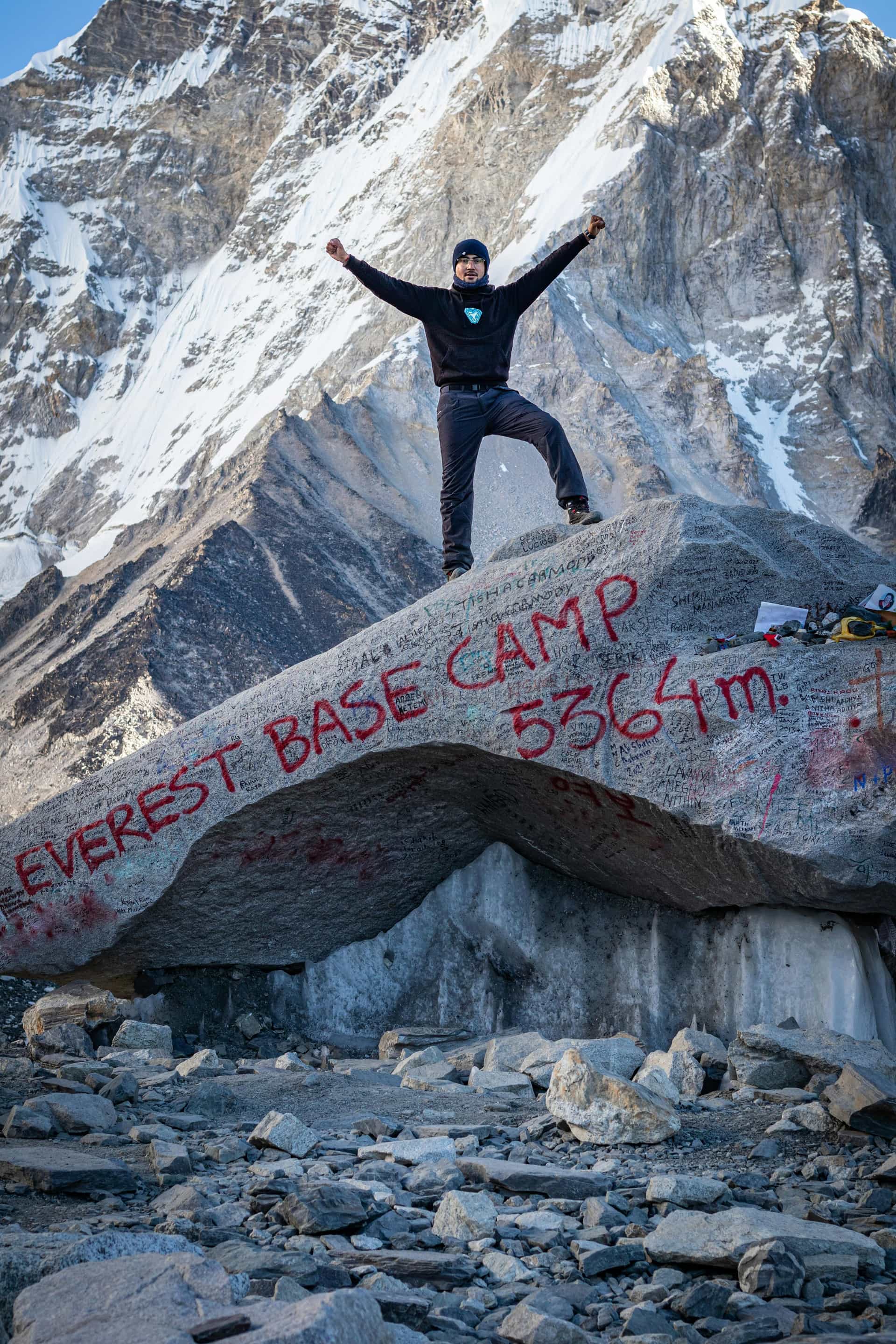
- Everest Base Camp
Most trekkers also visit Kala Patthar, one of the best viewpoints in the Everest region.
The experience combines:
- Himalayan scenery
- Sherpa culture
- suspension bridges
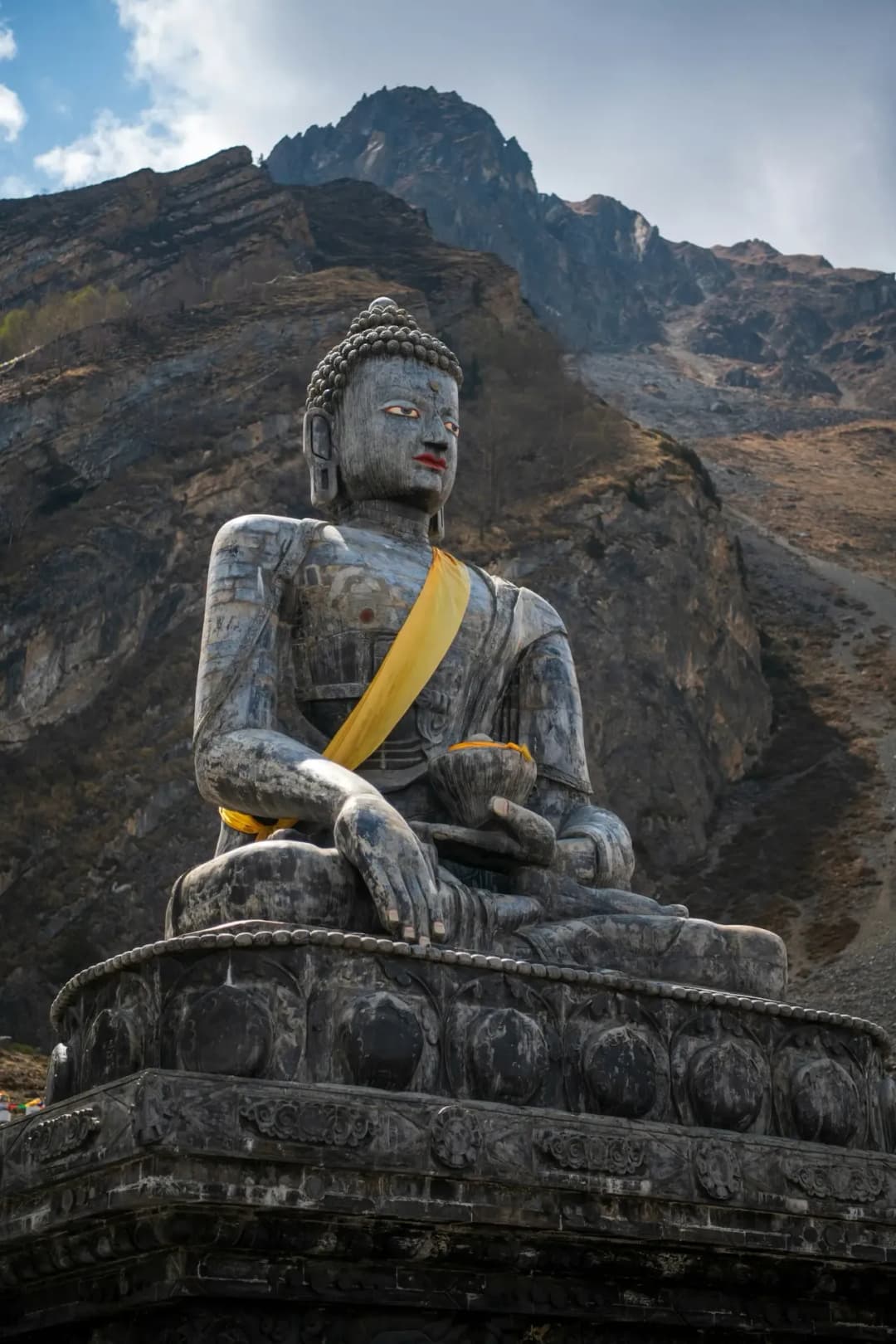
- monasteries
- mountain villages
- high-altitude trekking
rather than technical climbing.
For many trekkers, the appeal of Everest Base Camp is not just the destination itself. The route passes through traditional Sherpa villages, suspension bridges above deep valleys, Buddhist monasteries and some of the most recognizable mountain landscapes in the Himalayas.
Why Is Everest Base Camp So Popular?
Very few treks in the world combine accessibility, scenery and achievement quite like Everest Base Camp.
Trekkers are drawn to the route because it offers:
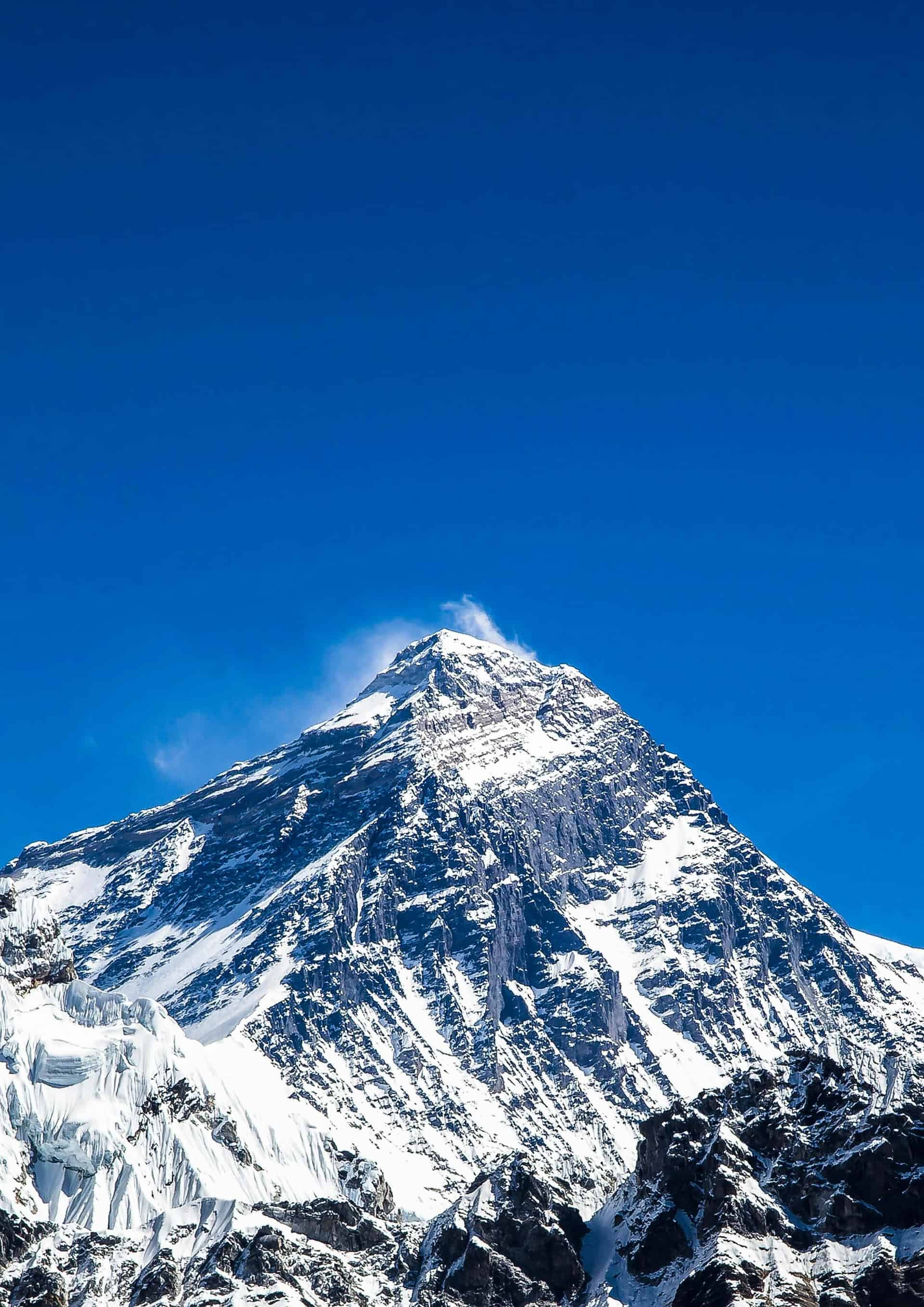
- views of the world's highest mountain
- traditional Sherpa culture
- famous Himalayan villages
- iconic suspension bridges
- high-altitude adventure without technical climbing
For many travelers, Everest Base Camp is not just about reaching a destination. The journey through the Khumbu region, the mountain landscapes and the sense of achievement are what make the experience memorable.
Can Beginners Really Do Everest Base Camp?
Yes.
Most people who complete the Everest Base Camp every year are not professional trekkers.
Many are:
- first-time Himalayan trekkers
- working professionals
- adventure travelers
- photographers
- moderately active individuals
However, being a beginner does not mean you can arrive unprepared.
Success depends on:
- fitness preparation
- proper acclimatization
- realistic expectations
- enough time on the trail
The biggest misconception is believing that Everest Base Camp is difficult because of steep terrain.
For most beginners, altitude becomes a much bigger challenge than the actual walking.
Can an Average Person Do Everest Base Camp?
Yes. Most people who complete the Everest Base Camp every year are ordinary travelers rather than endurance athletes or professional trekkers.
You do not need mountaineering experience, technical climbing skills or exceptional fitness. The key requirements are reasonable physical preparation, enough time for acclimatization and a willingness to walk for several hours each day.
For many travelers, Everest Base Camp becomes their first major trekking experience. The trek is challenging, but it is far more achievable than many beginners initially assume.
How Difficult Is the Everest Base Camp Trek?
Everest Base Camp is generally considered a moderate-to-challenging trek.
The trek is physically demanding but not technically difficult.
Long Walking Days
Most trekking days involve:
- 5–8 hours of walking
- continuous ascents and descents
- uneven terrain
- high-altitude trails
Some days feel much longer because altitude slows recovery and increases fatigue.
High Altitude
The biggest challenge is not the trail itself.
It is trekking above:
- 3,000 meters
- 4,000 meters
- 5,000 meters
where oxygen levels decrease significantly.
Even physically fit travelers can struggle if they ascend too quickly.
Basic Mountain Infrastructure
As altitude increases:
- accommodation becomes simpler
- heating becomes limited
- Wi-Fi becomes less reliable
- charging devices become more expensive
- hot showers become less common
Understanding these realities helps beginners set realistic expectations.
Everest Base Camp Altitude Explained
Altitude is the single most important factor beginners should understand.
Key Altitudes on the Route
Location | Altitude |
| Lukla | 2,860 m |
| Namche Bazaar | 3,440 m |
| Tengboche | 3,860 m |
| Dingboche | 4,410 m |
| Lobuche | 4,940 m |
| Gorakshep | 5,164 m |
| Everest Base Camp | 5,364 m |
| Kala Patthar | 5,545 m |
As altitude increases:
- oxygen decreases
- recovery slows
- sleep quality changes
- hydration becomes more important
- physical effort feels harder
This is why acclimatization days are essential.
What Is Altitude Sickness?
Altitude sickness occurs when your body struggles to adapt to reduced oxygen levels.
Common symptoms include:
- headaches
- nausea
- dizziness
- fatigue
- loss of appetite
- disturbed sleep
Never ignore symptoms.
The most important rule in the Himalayas is simple:
Your health always comes before reaching Everest Base Camp.
How Long Does It Take to Reach Everest Base Camp?
This is one of the most common questions beginners ask.
Most trekkers reach Everest Base Camp approximately 8 days after arriving in Lukla, assuming proper acclimatization days are included.
A typical round-trip trek takes:
- 12–14 days for most travelers
- 14–16 days if buffer days are included
- longer for slower-paced itineraries
Rushing the trek is one of the biggest causes of altitude-related problems, so beginners should always prioritize acclimatization over speed.
Typical Everest Base Camp Itinerary for Beginners
Most beginners should choose a 12–14 day itinerary that includes proper acclimatization.
Sample Route
Day 1
- Fly to Lukla
- Trek to Phakding
Day 2
- Namche Bazaar
Day 3
- Acclimatization Day
Day 4
- Tengboche
Day 5
- Dingboche
Day 6
- Acclimatization Day
Day 7
- Lobuche
Day 8
- Gorakshep
- Everest Base Camp
Day 9
- Kala Patthar
- Begin Descent
Days 10–12
- Return Trek
While the itinerary looks straightforward on paper, the experience changes gradually as you gain altitude. Villages become smaller, temperatures drop and the mountain scenery becomes increasingly dramatic with each day on the trail.
Many travelers also add buffer days because weather delays around Lukla are common.
The Lukla Flight Reality Most Beginners Don't Expect
One of the biggest surprises for first-time trekkers is that "flying from Kathmandu to Lukla" is not always as straightforward as it sounds.
During busy trekking seasons:
- Spring (March–May)
- Autumn (September–November)
many Lukla flights operate from Ramechhap (Manthali Airport) instead of Kathmandu.
This often means:
- leaving Kathmandu during the night
- a long road transfer to Ramechhap
- an early morning mountain flight to Lukla
For beginners, this can make the first day of the trek more tiring than expected.
When booking a trek, always check where your Lukla flight is scheduled to depart from.
Namche Bazaar: The Heart of the Everest Region
Namche Bazaar is far more than just an overnight stop.
Located at 3,440 meters, it serves as:
- the main acclimatization hub
- the largest town on the EBC route
- a trekking supply center
- a cultural hub of the Khumbu region
The climb to Namche Bazaar is often the first day when trekkers truly feel the effects of altitude. It is also where many travelers get their first real sense of the scale of the Himalayas and the adventure that lies ahead.
Many trekkers consider Namche one of the highlights of the journey because of:
- mountain views
- cafés and bakeries
- Sherpa culture
- museums and viewpoints
- lively trekking atmosphere
Many trekkers end up spending more time than expected in Namche's cafés, bakeries and viewpoints, making it one of the most memorable stops on the entire Everest Base Camp route.
Best Time to Trek Everest Base Camp
Choosing the right season makes a huge difference.
For a broader understanding of Nepal's weather patterns, travelers should also read:
- Best Time to Visit Nepal
- Best Time for Trekking in Nepal
Spring (March–May)
Best for:
- beginners
- stable weather
- comfortable temperatures
- rhododendron blooms
One of the most popular seasons.
Autumn (September–November)
Best for:
- clear skies
- excellent visibility
- stable trekking conditions
Generally considered the best overall season.
Winter (December–February)
Possible but more challenging.
Expect:
- freezing temperatures
- fewer trekkers
- clear mountain views
Travelers considering winter should also read Nepal in Winter: What Actually Changes?
Monsoon (June–August)
Generally not recommended for beginners.
Expect:
- rain
- muddy trails
- flight delays
- reduced visibility
Travelers should also read Nepal During Monsoon: Worth It or Not?
How Fit Do You Need to Be?
You do not need to be an athlete.
However, you should be comfortable:
- walking for several hours daily
- climbing stairs regularly
- carrying a daypack
- recovering overnight
Preparation should ideally begin:
- 8–12 weeks before departure
Good training includes:
- walking
- hiking
- stair climbing
- cardio exercises
- leg strengthening
Consistency matters more than extreme fitness.
Do You Need Previous Trekking Experience?
No. Previous trekking experience can be helpful, but it is not required.
Many travelers complete the Everest Base Camp as their first multi-day trek. What matters more is preparing physically before the trip, understanding the effects of altitude and choosing a realistic itinerary that includes acclimatization days.
Beginners who prepare properly often perform better than experienced hikers who underestimate the trek.
Permit Requirements for Everest Base Camp
Every trekker must carry the required permits for the Everest region.
The main permits generally include:
Khumbu Pasang Lhamu Rural Municipality Permit
Required for entering the Khumbu region.
Sagarmatha National Park Permit
Required for entering the national park area.
Permit requirements and fees can change over time, so always verify the latest information before departure.
Guide vs Independent Trek: What Should Beginners Choose?
Trekking regulations in Nepal continue to evolve and requirements may vary by region.