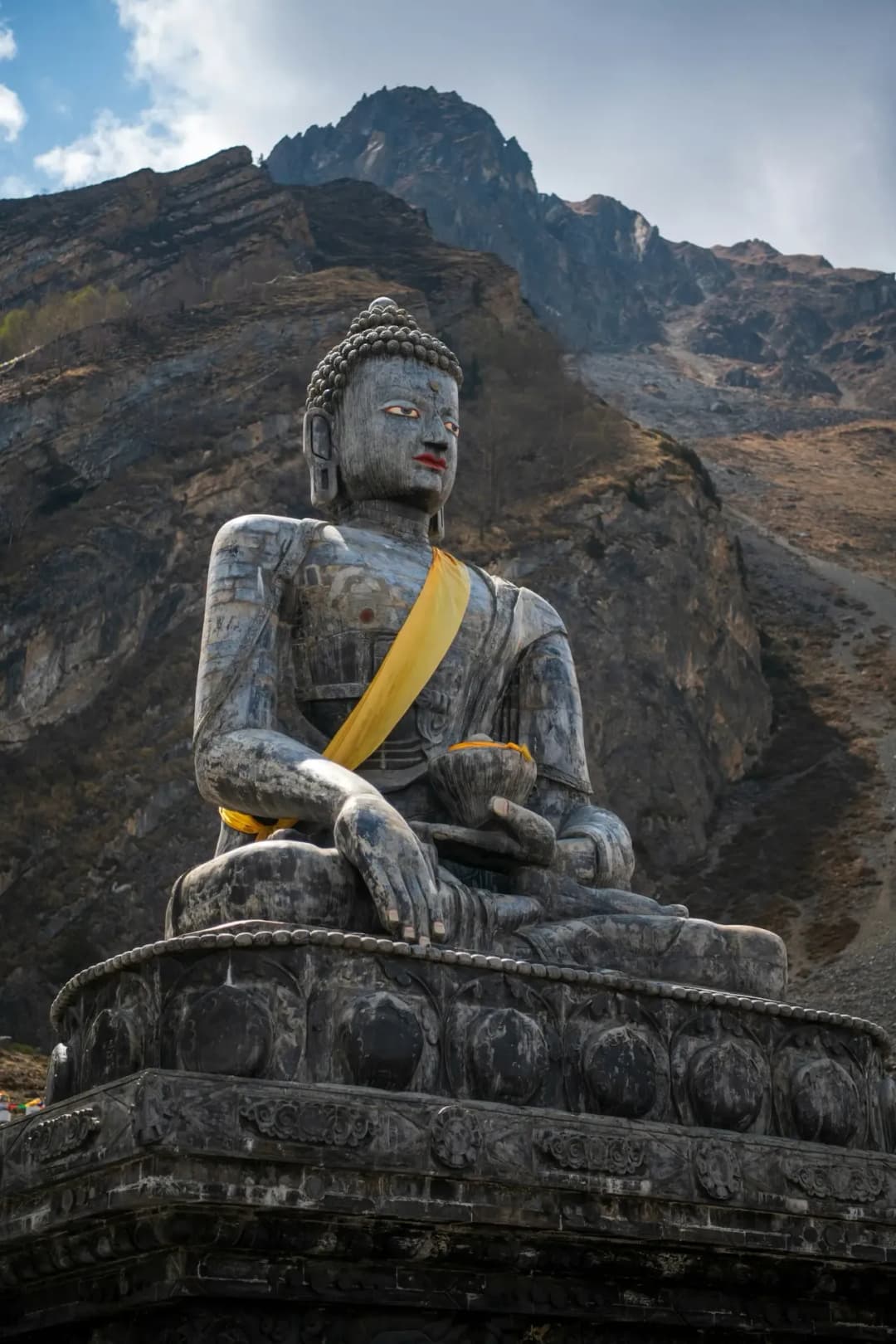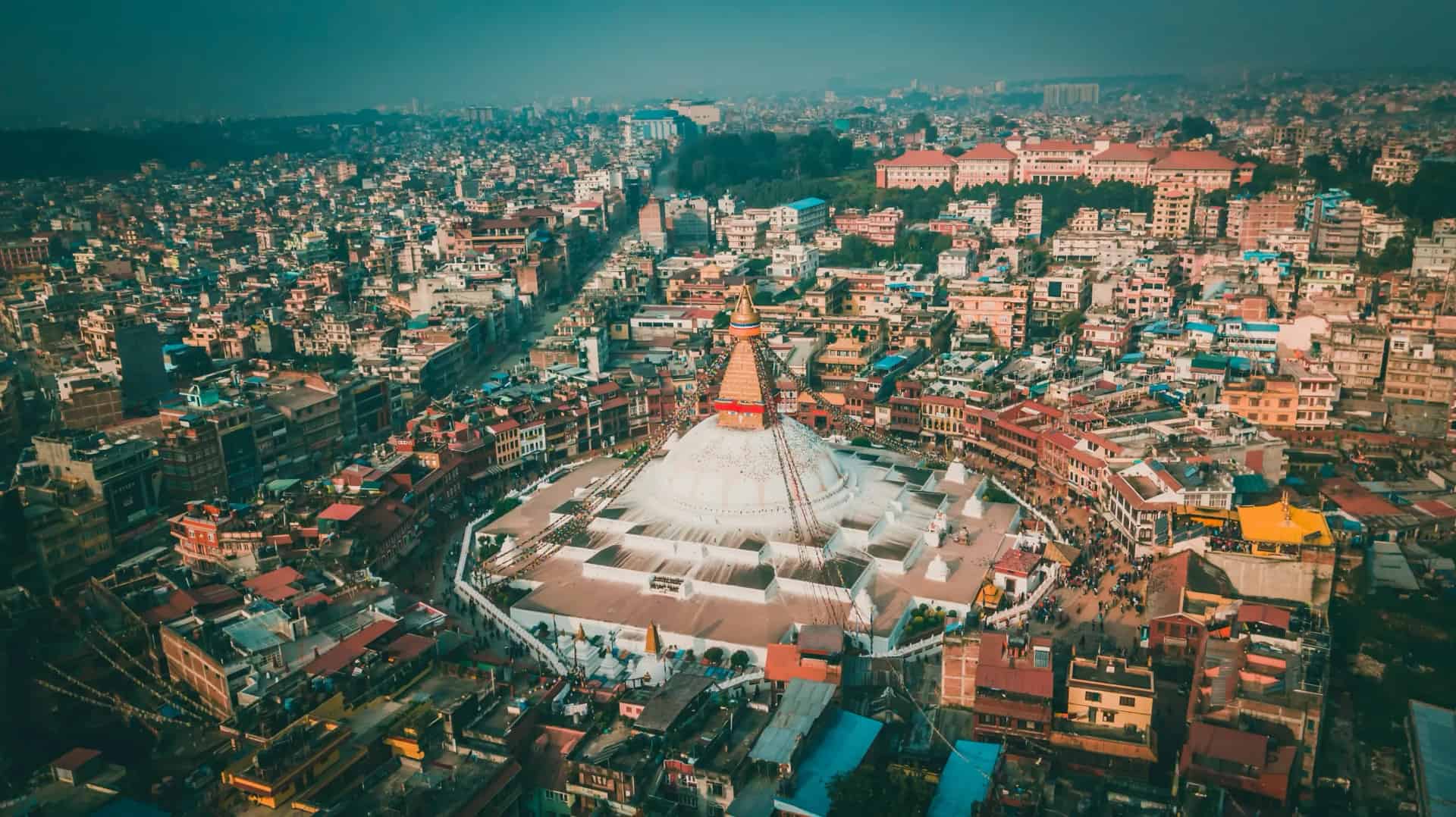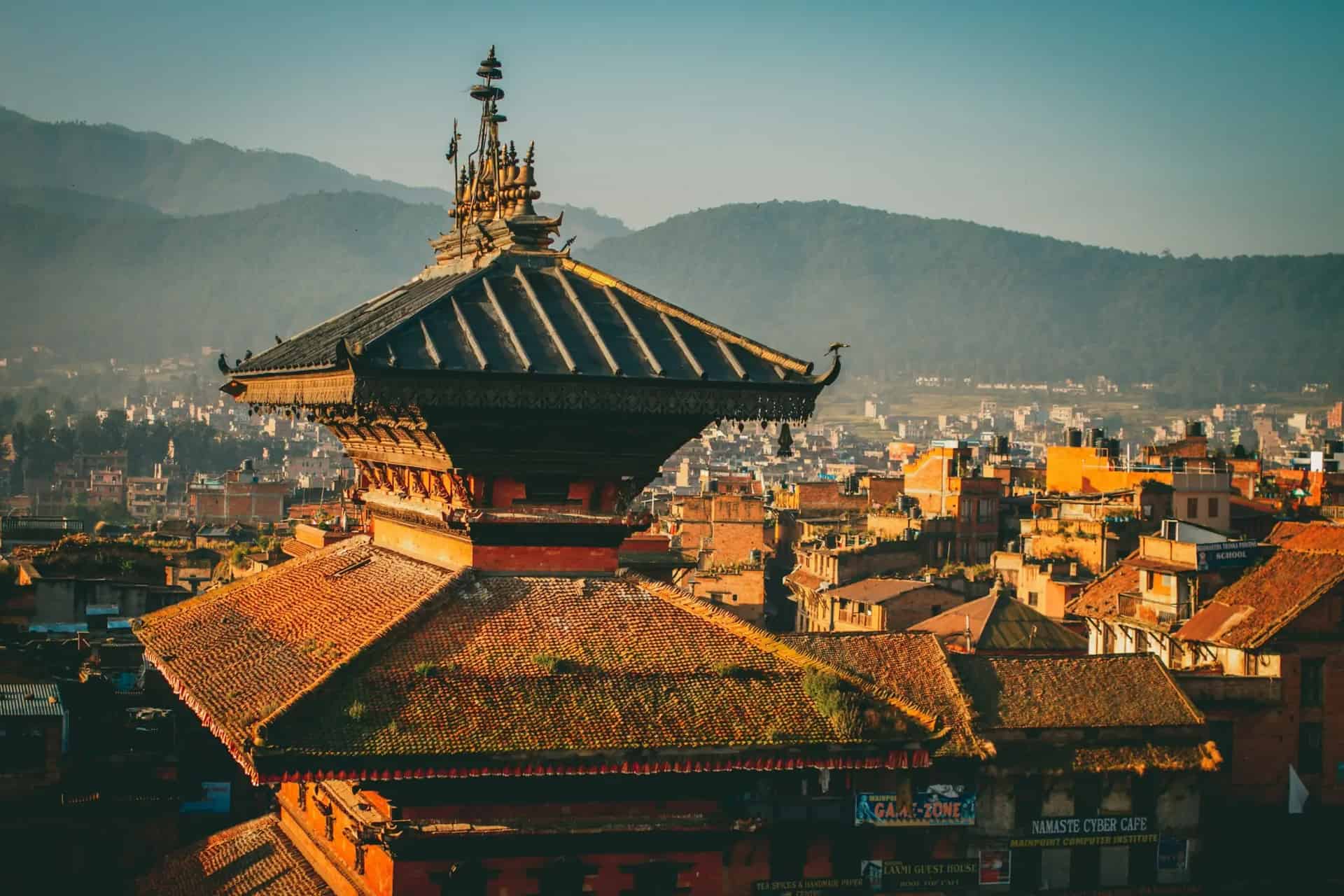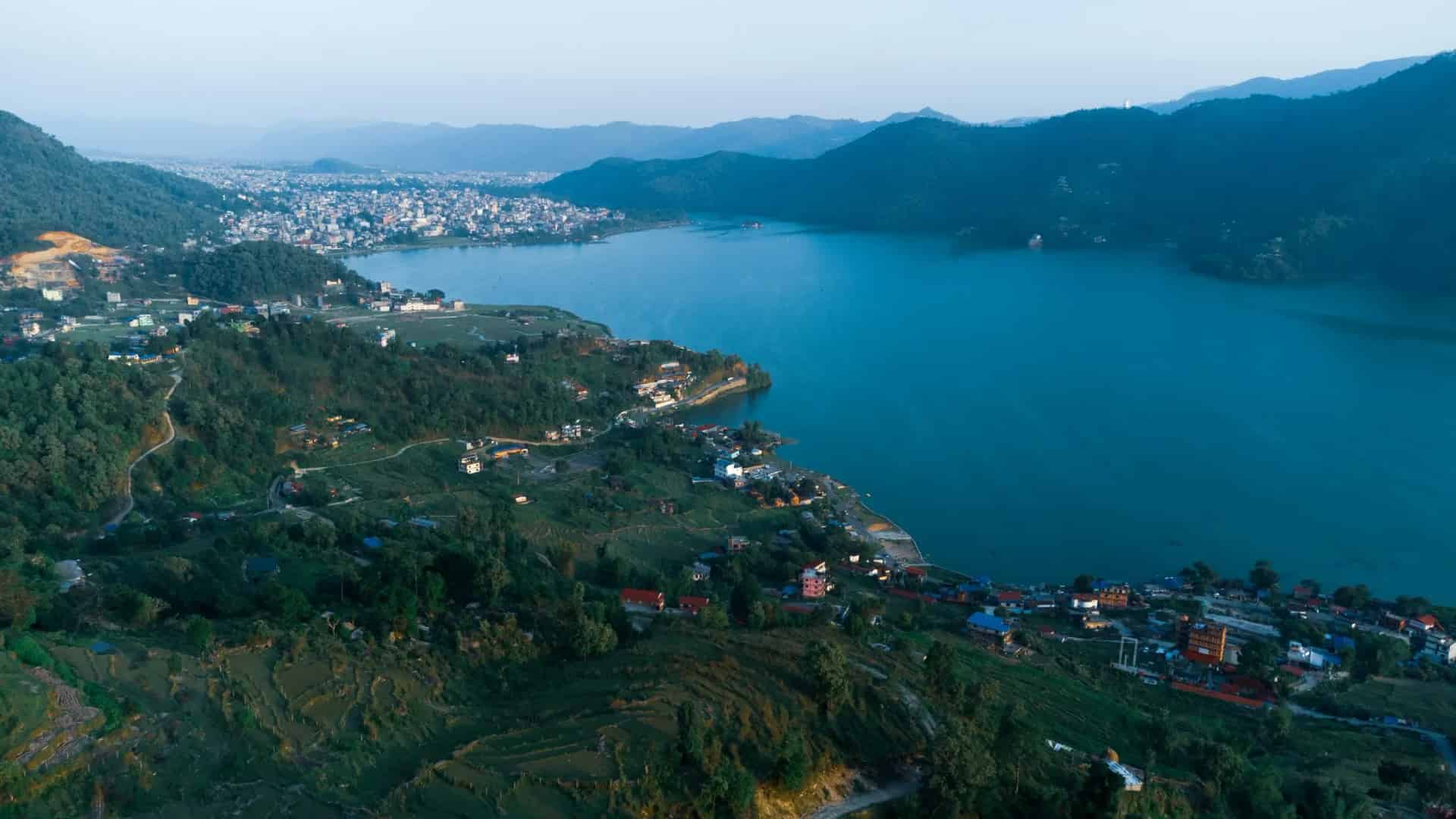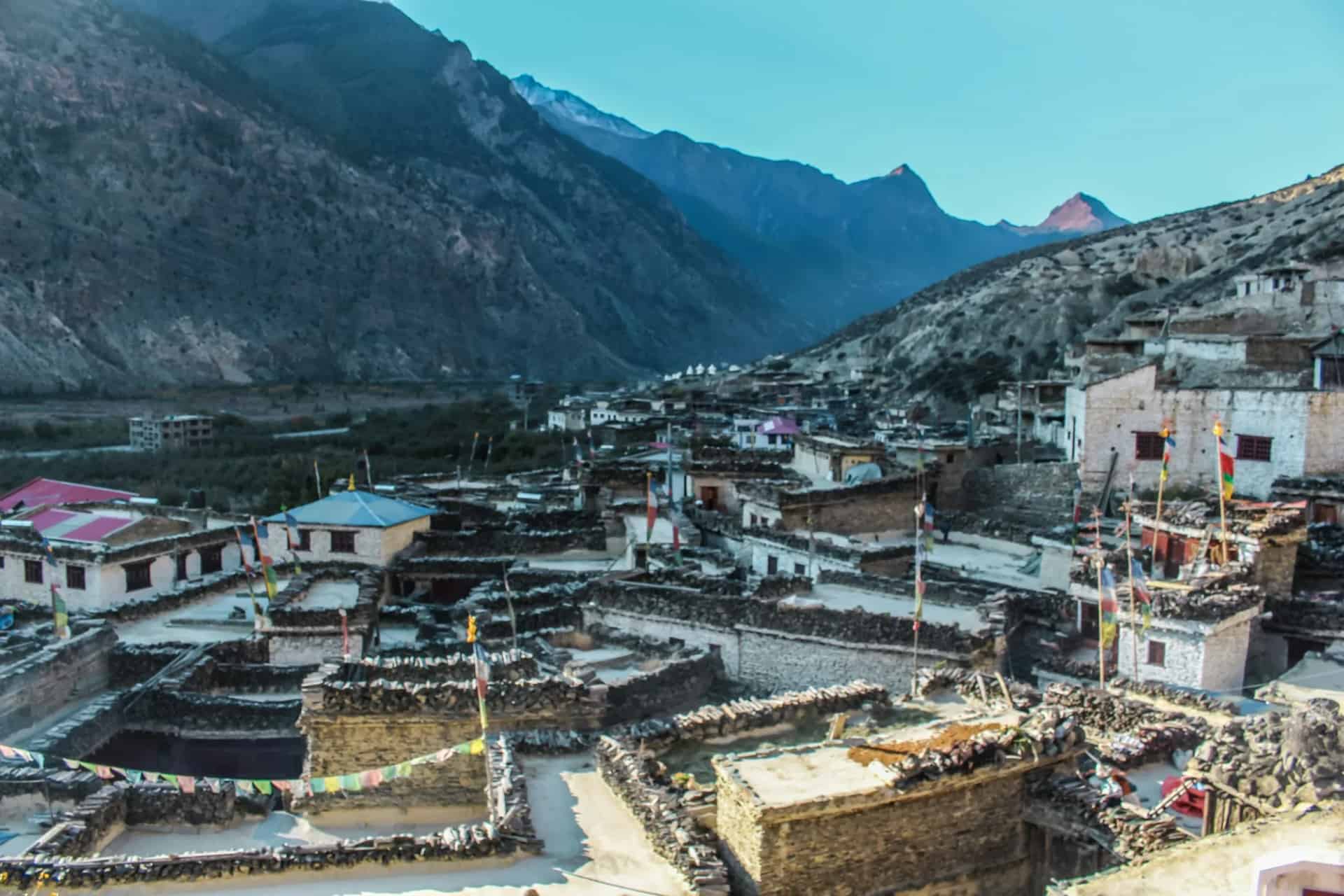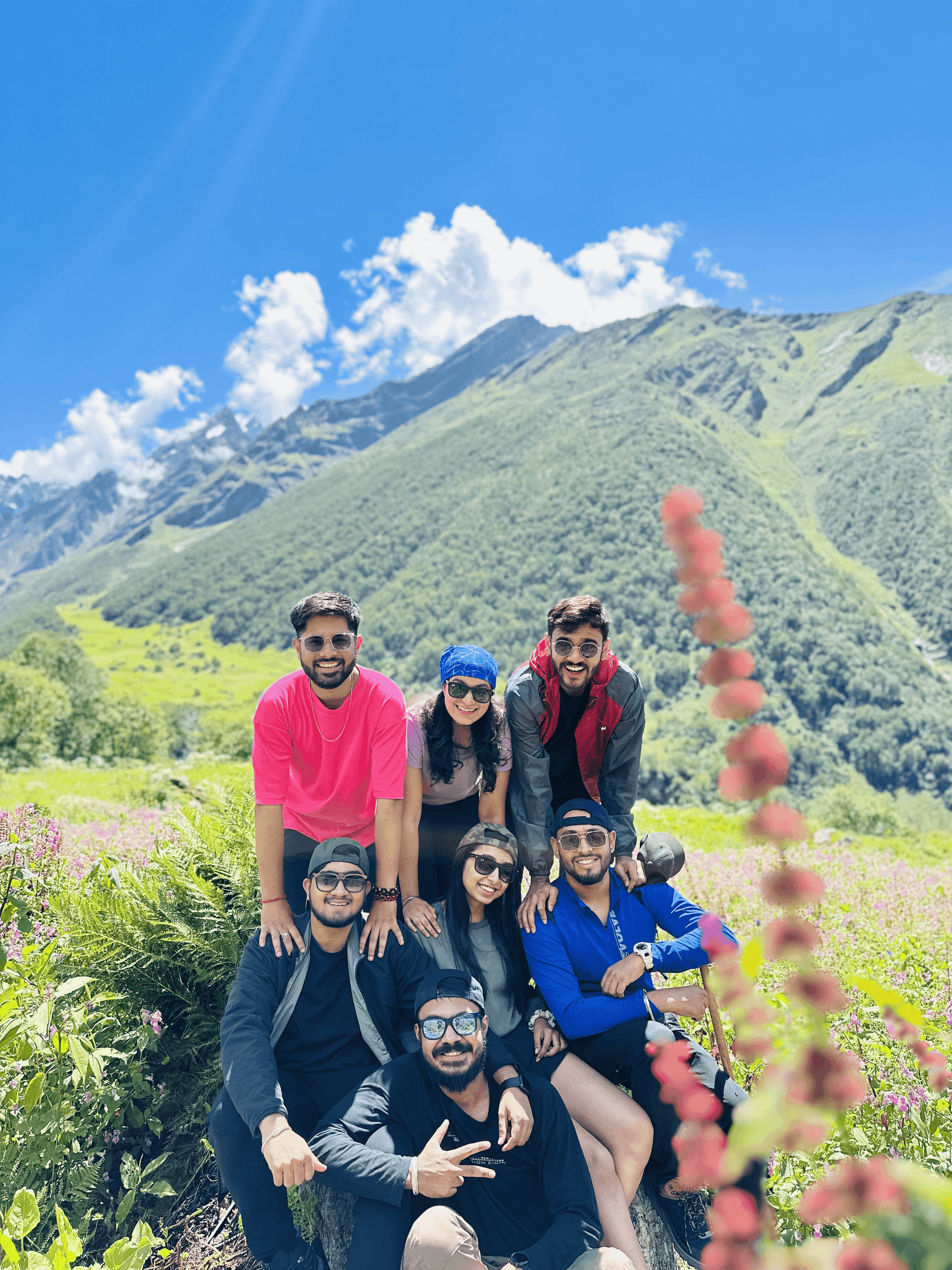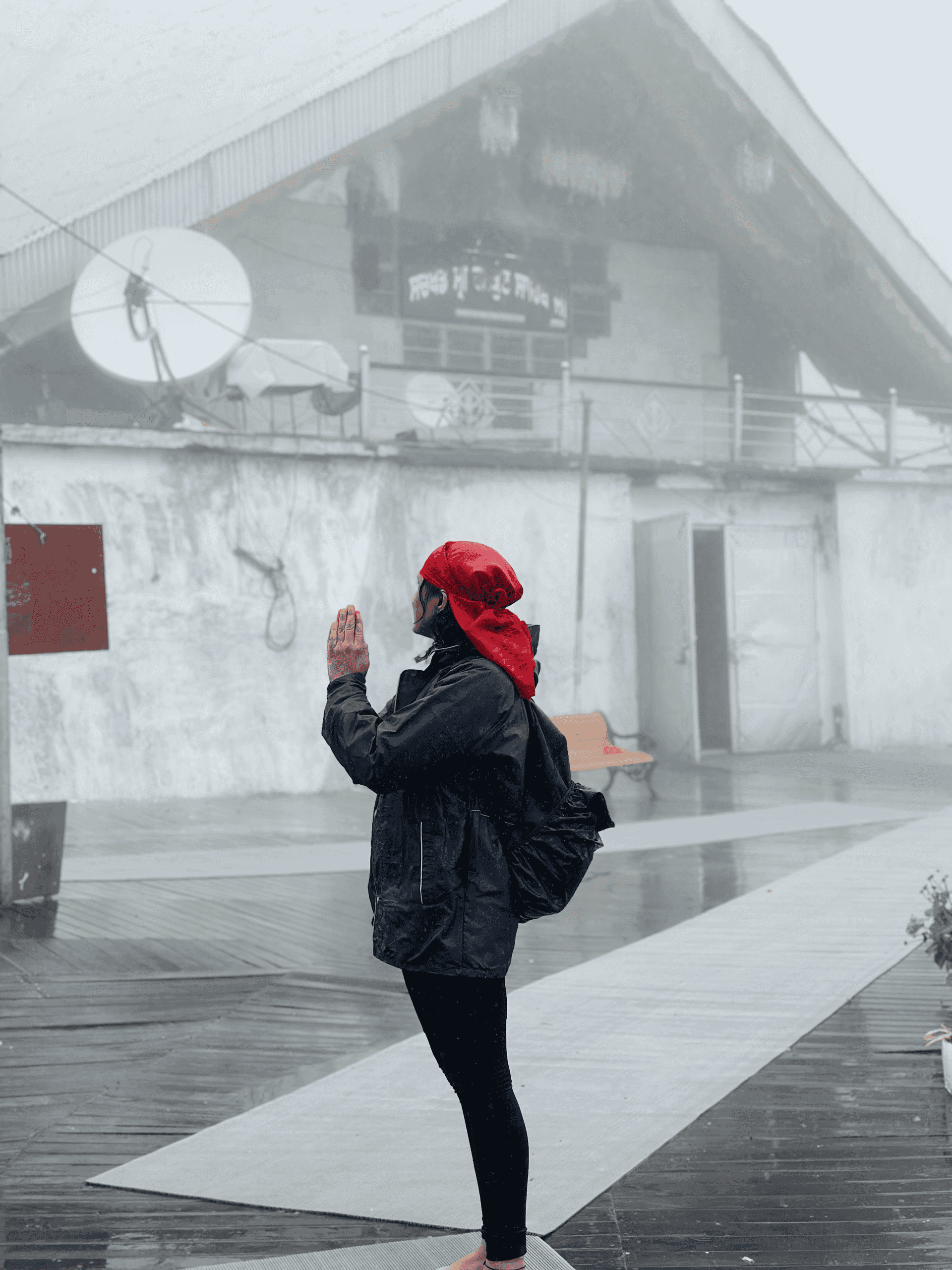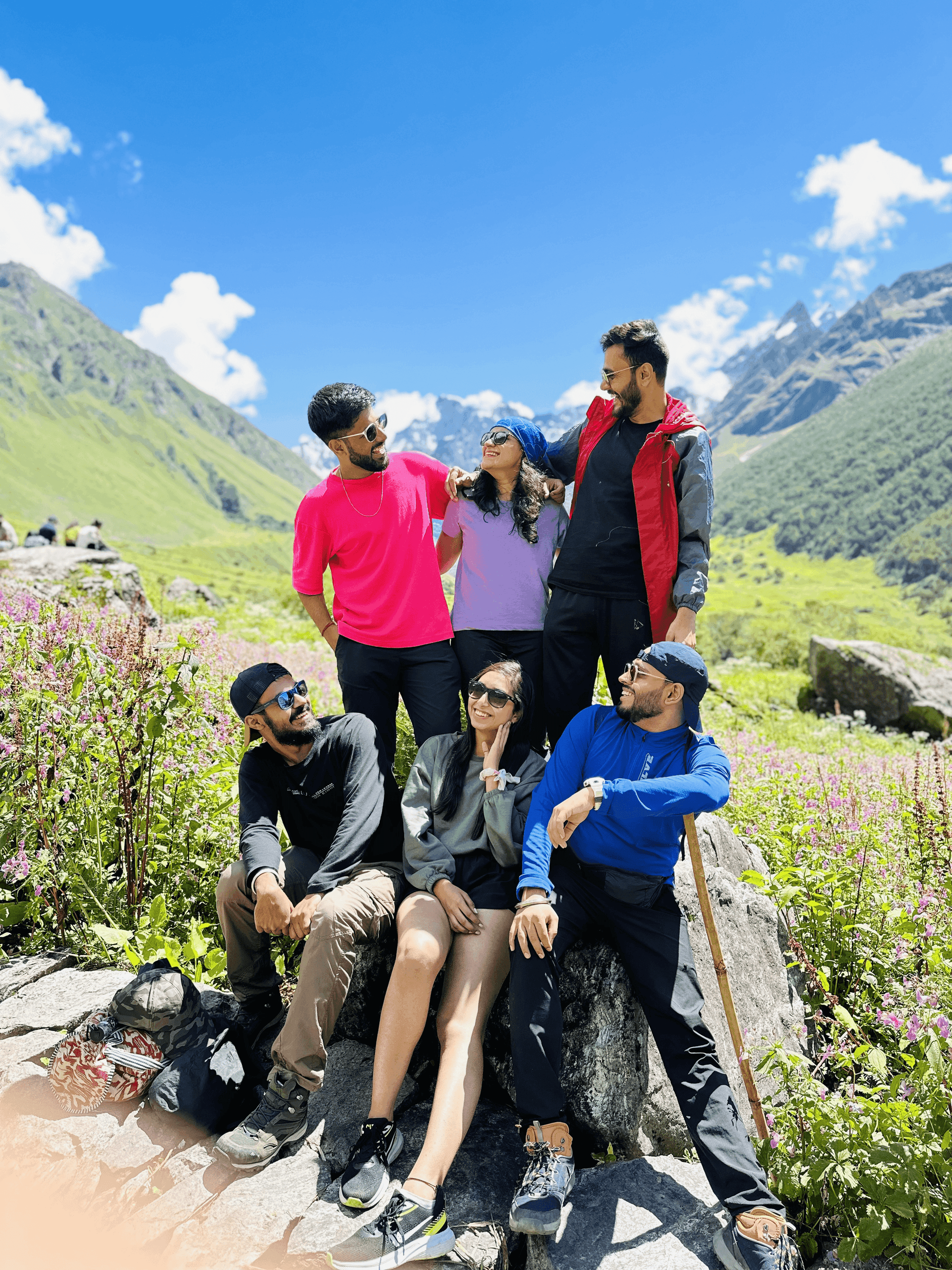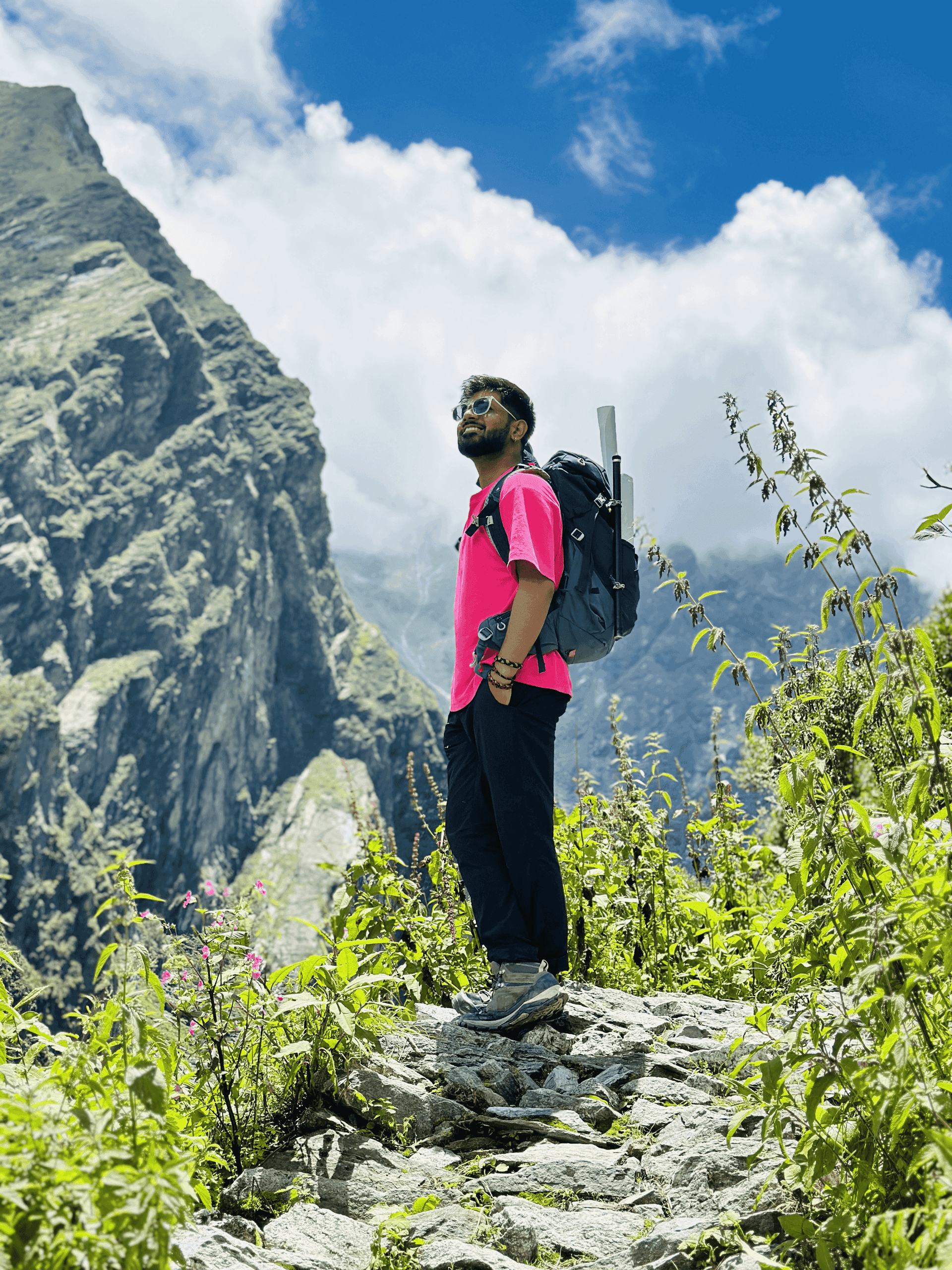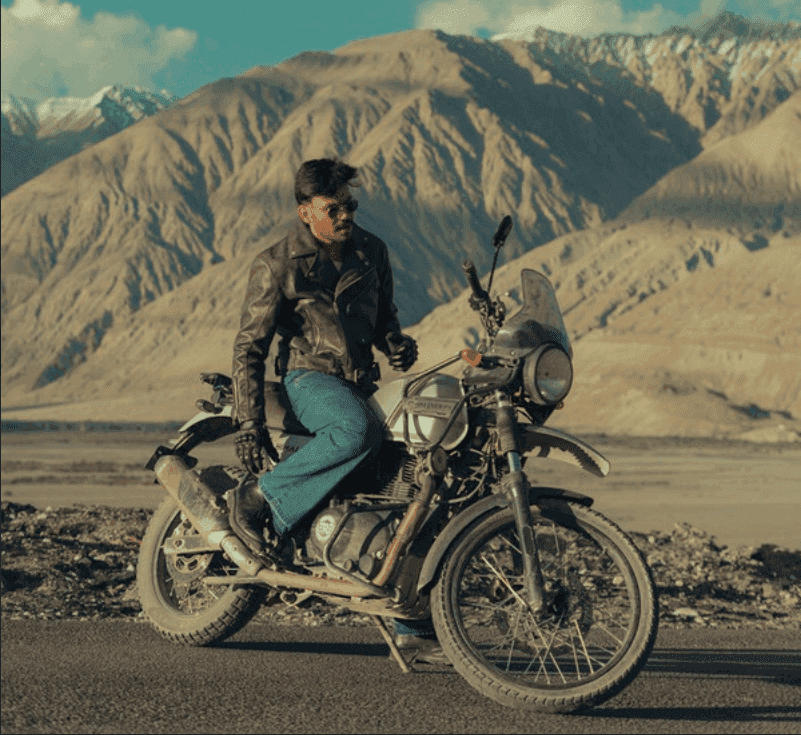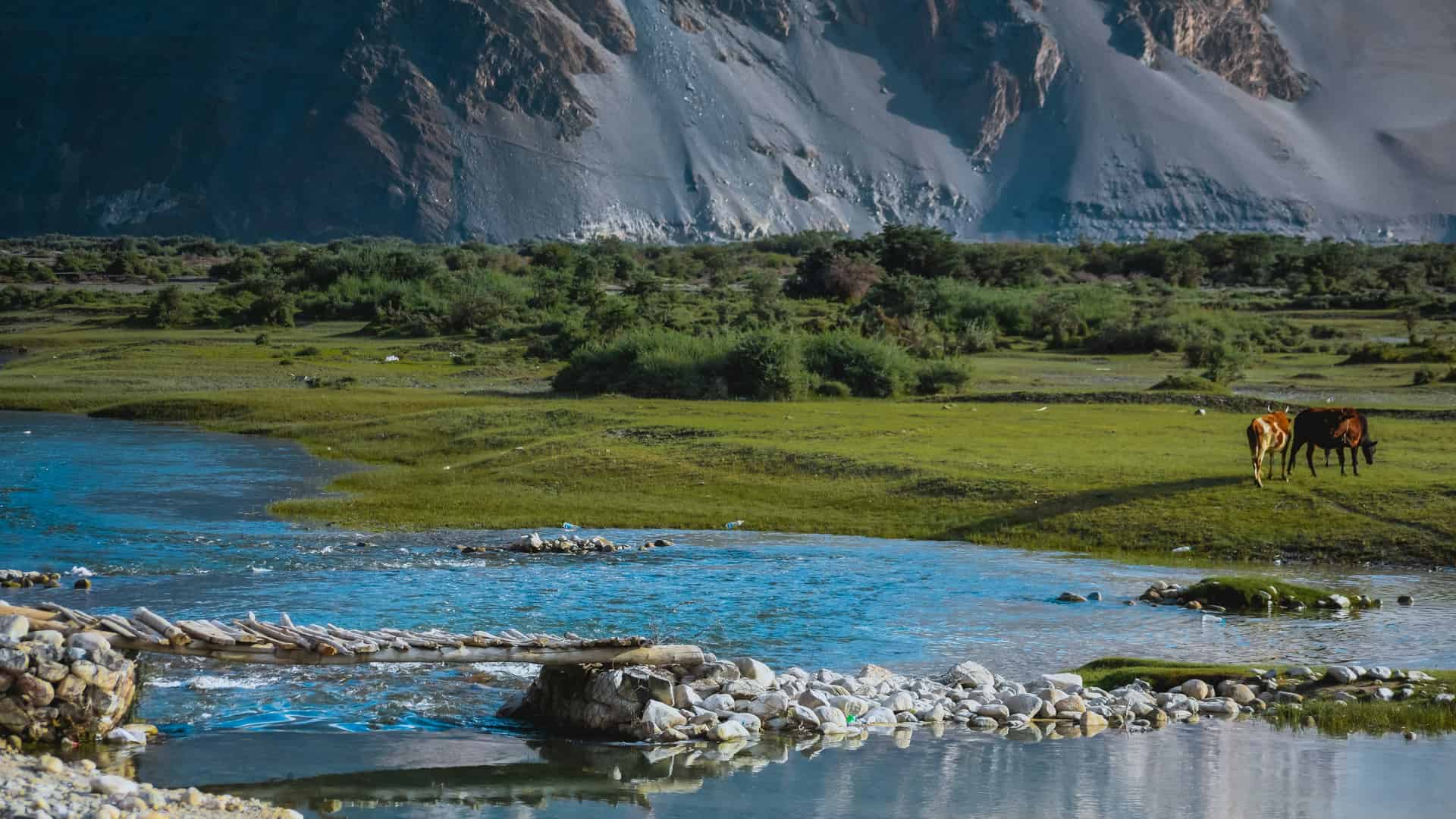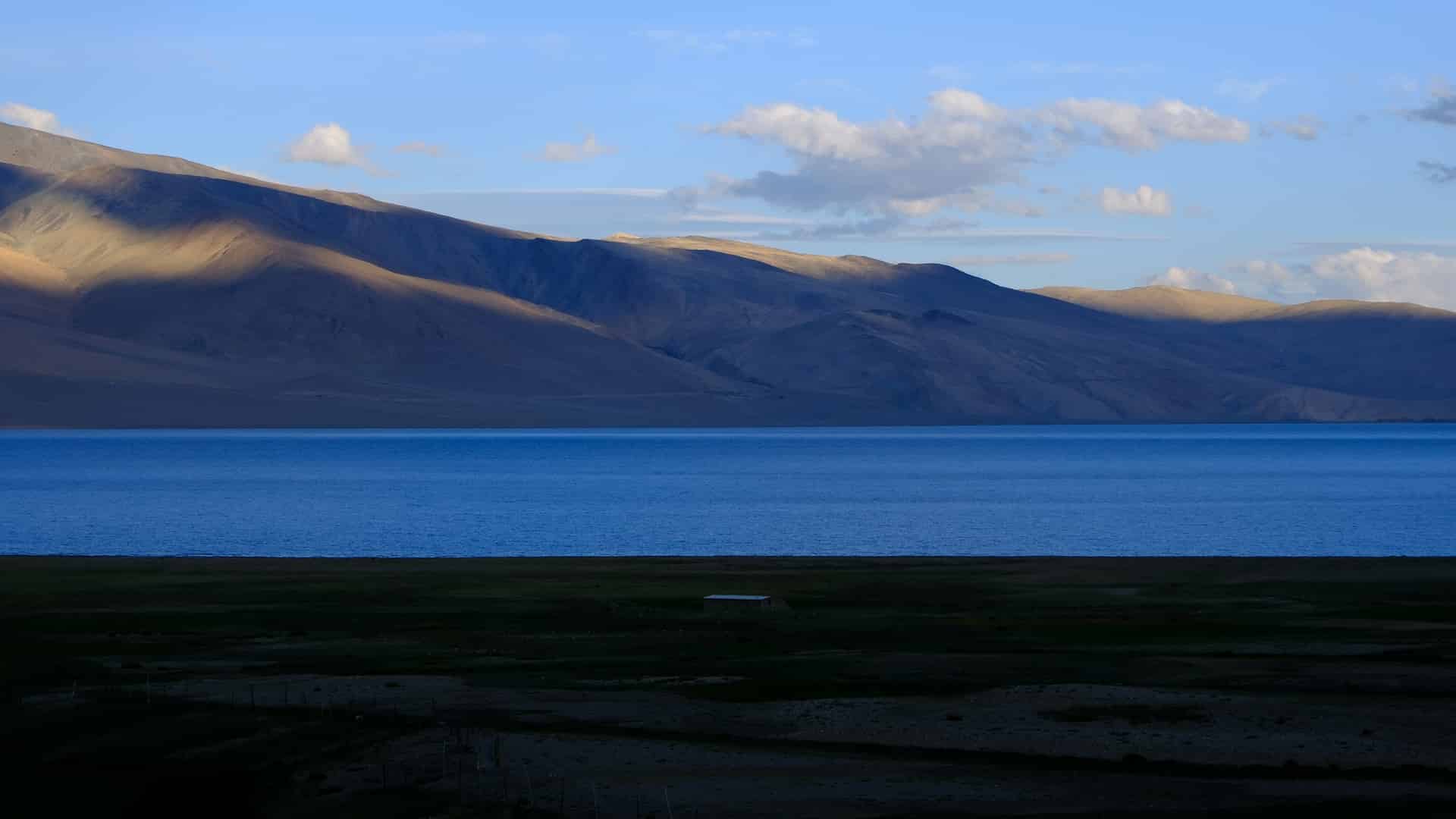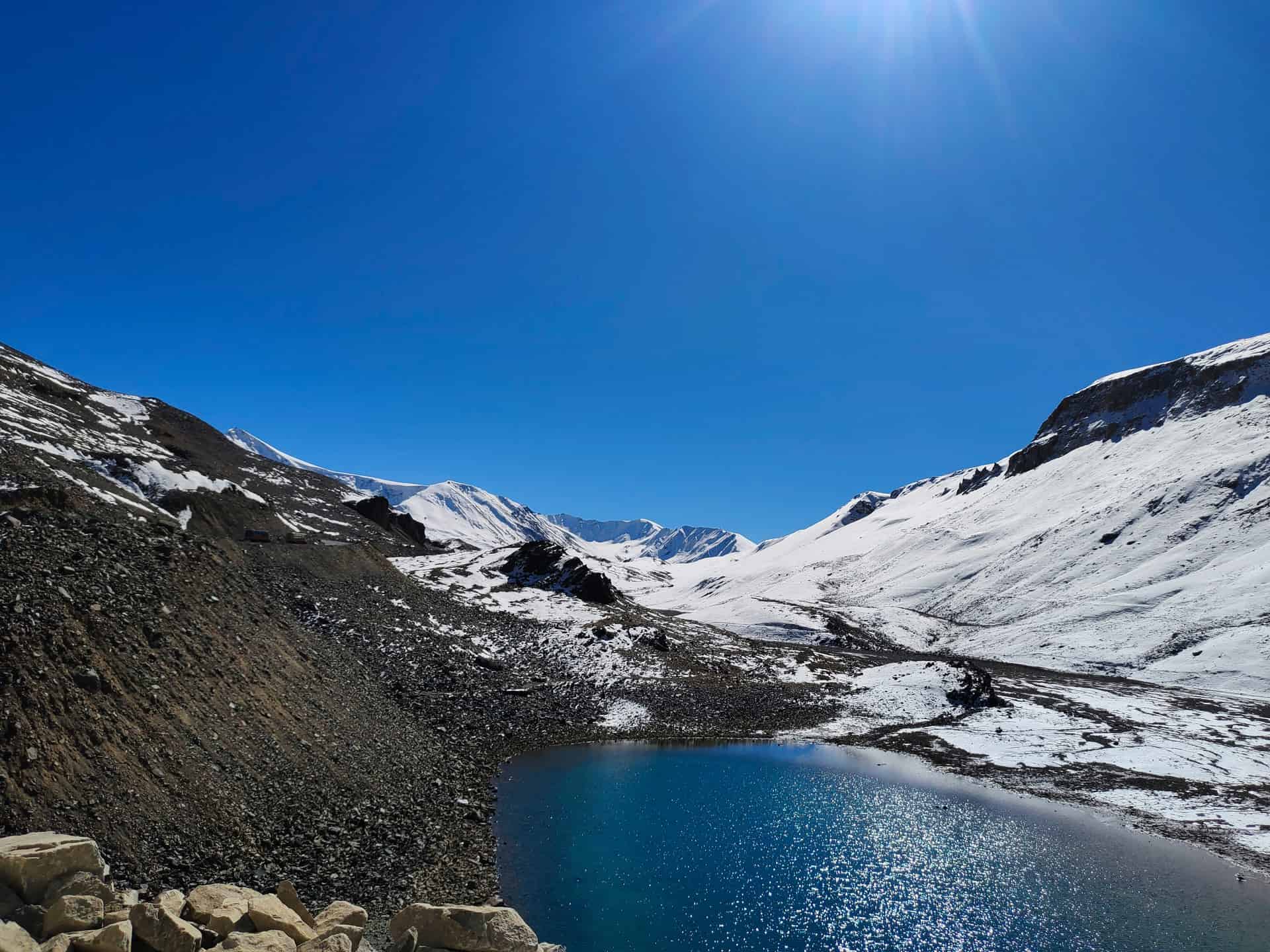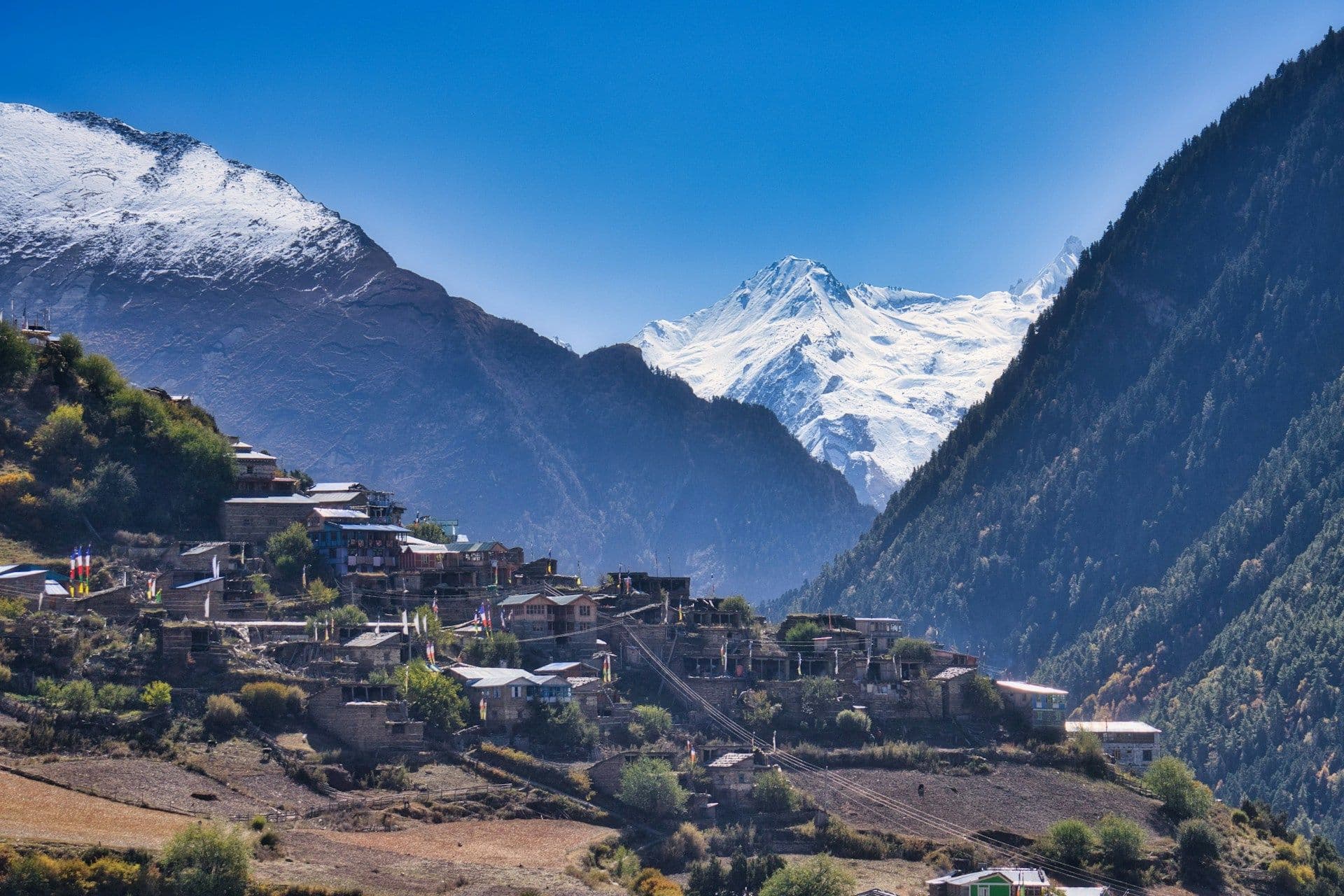
Winter gives Nepal a completely different atmosphere. The mountains look clearer, cities feel quieter, mornings become slower and places like Pokhara and Kathmandu lose much of the rush seen during peak tourist months.
For many travelers, this becomes the best time to experience Nepal. The crowds reduce, Himalayan views improve dramatically and the overall pace of travel feels calmer and more immersive.
But winter in Nepal also comes with realities that many first-time visitors underestimate — colder hotel rooms, fog delays, slower road journeys and much harsher conditions in mountain regions.
This guide explains what actually changes in Nepal during winter, from weather and trekking conditions to transport, heating, visibility, costs and the kind of travel experience you should realistically expect.
When is the winter season in Nepal?
Winter in Nepal usually lasts from:
- late November
- December
- January
- February
In higher Himalayan regions, winter conditions can begin earlier and continue longer depending on altitude.
Compared to the monsoon season, winter is much drier across most parts of Nepal.
Travelers comparing seasons should also read the detailed Best Time to Visit Nepal guide before finalizing their itinerary.
What Actually Changes in Nepal During Winter?
1. Mountain Visibility Improves Dramatically
One of the biggest advantages of winter travel in Nepal is visibility.
After monsoon moisture disappears, skies often become much clearer, especially during:
- December
- January
- early February
This significantly improves:
- Himalayan views
- sunrise viewpoints
- mountain photography
- long-distance visibility
Places like:
- Pokhara
- Sarangkot
- Nagarkot
- Dhulikhel
It often offers stunning winter mountain views on clear mornings.
Travelers comparing city experiences can also explore Pokhara vs Kathmandu before planning their winter route.
2. Mornings & Nights Feel Much Colder Than Expected
This is one of the biggest surprises for first-time Nepal travelers.
Many people expect Nepal to feel similar to the North Indian winter. In reality, winter often feels colder because:
- buildings are less insulated
- room heating is limited
- mountain winds feel sharper
- hotel rooms retain cold temperatures overnight
In cities like Kathmandu and Pokhara:
- mornings can feel extremely cold
- bathrooms may not have heating
- hotel rooms often stay cold until sunlight enters
The colder reality becomes even more noticeable in:
- Mustang
- Jomsom
- Muktinath
- Everest region
Travelers planning spiritual routes should also read the Nepal Pilgrimage Guide for Indians before visiting high-altitude temples during winter.
3. Tourist Crowds Reduce Across Many Destinations
Winter usually brings fewer tourists compared to Nepal’s busy autumn trekking season.
This changes the travel experience significantly:
- quieter cafés
- less crowded viewpoints
- easier hotel availability
- calmer sightseeing experiences
Places like:
- Kathmandu Durbar Square
- Bhaktapur
- Pokhara Lakeside
often feel far more relaxed during winter mornings. In Pokhara especially, clear winter mornings with Annapurna views and quieter lakeside cafés create a much slower and calmer atmosphere compared to peak tourist months.
For travelers who enjoy slower travel and quieter experiences, winter can actually become one of the best seasons to explore Nepal.
4. Winter Aviation & Fog Conditions Become More Unpredictable
One of the most confusing parts of Nepal winter travel is that weather conditions vary completely depending on altitude and region.
While mountain skies may remain clear, southern plains and lowland regions often experience heavy winter fog.
The Terai Fog Reality
During December and January, dense fog frequently affects:
- Janakpur
- Bhairahawa (Lumbini)
- Bharatpur (Chitwan)
- Nepalgunj
This can cause:
- delayed domestic flights
- grounded morning flights
- highway visibility problems
- slower road travel
So while travelers in Pokhara may enjoy crystal-clear mountain views, flights to the Terai regions can still face major delays.
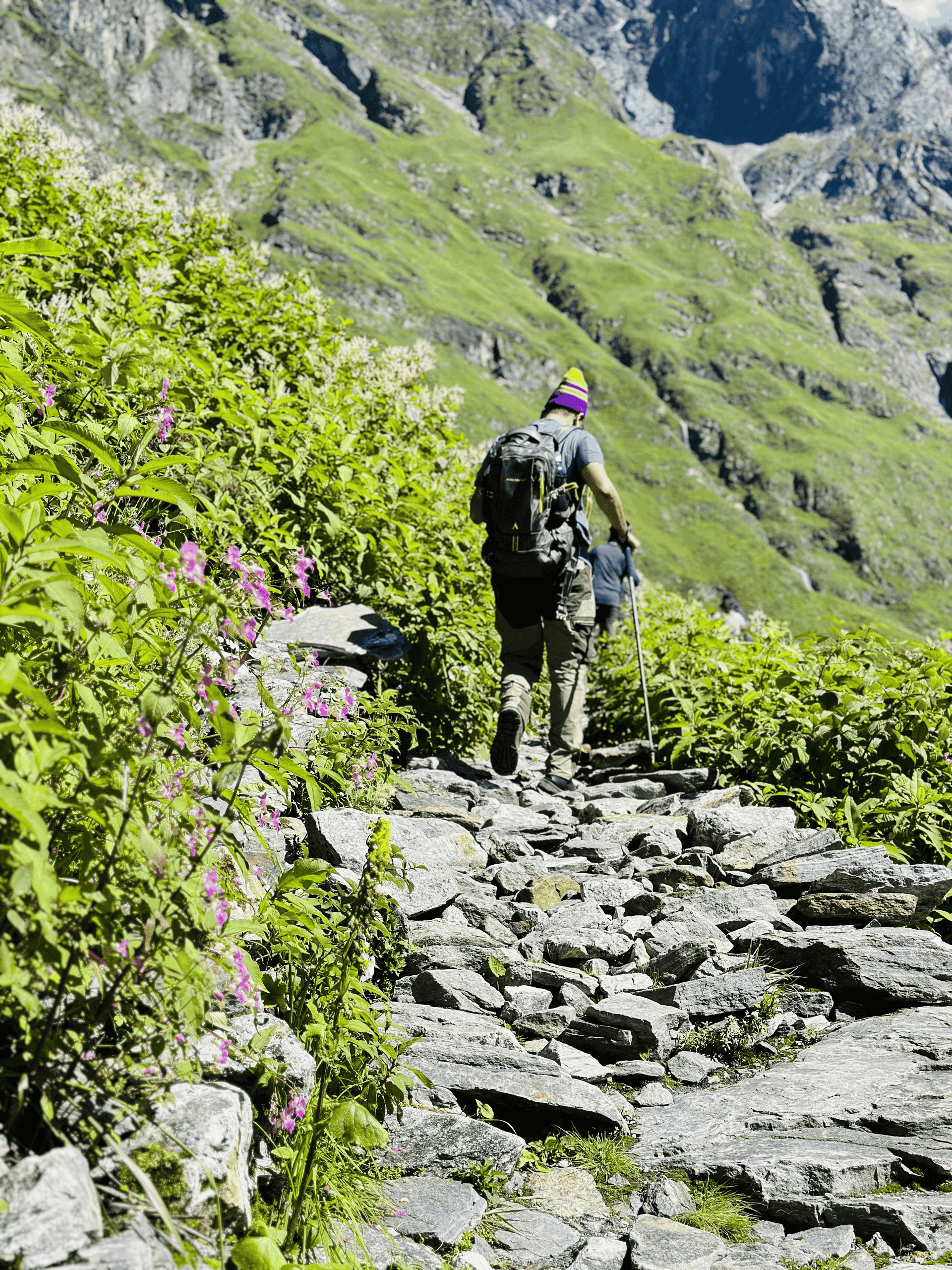
5. Winter Trekking & Mountain Travel Become More Demanding
Winter trekking in Nepal can be beautiful, but it also becomes significantly more demanding.
At higher elevations:
- temperatures drop sharply
- snow accumulation increases
- some mountain passes become inaccessible
- tea house operations reduce in remote areas
- water pipes freeze overnight
Treks like:
- Everest Base Camp
- Annapurna Circuit
- Langtang region
require much better preparation during winter compared to autumn.
Lukla Flight Reality in Winter
During Nepal’s peak trekking seasons, many Lukla flights operate from Ramechhap Airport due to Kathmandu air traffic pressure.
However, during winter:
- some Lukla flights shift back to Kathmandu
- passenger volume reduces
- weather delays still remain common
Travelers heading towards Everest region should always keep at least 1–2 buffer days during winter itineraries.
High-Altitude Passes Can Become Unsafe
Passes like:
- Thorong La Pass
- Cho La Pass
- Renjo La Pass
It can become heavily snow-covered during peak winter months.
This can lead to:
- route closures
- dangerous trail conditions
- extreme cold exposure
For most casual travelers and beginners, winter is usually better for:
- lower-altitude treks
- shorter Himalayan routes
- scenic cultural travel
- city-based itineraries
Travelers planning mountain routes should also read:
- Everest Base Camp Trek Guide for Beginners
- Best Time for Trekking in Nepal
before deciding on winter trekking plans.
6. Road Travel Can Become Slower Than Expected
Many travelers assume that winter road travel becomes easier because monsoon landslides decrease.
In reality, winter often becomes the peak highway construction season in Nepal.
Major routes like:
- Narayanghat–Mugling Highway
- Prithvi Highway
Often experience:
- mountain blasting
- road widening work
- long traffic jams
- one-way traffic systems
- daytime closures
This can significantly increase travel time between:
- Kathmandu
- Pokhara
- Chitwan
- Indian border routes
Travelers planning overland journeys should also understand the realities covered in the Nepal Transport Guide before traveling in winter.
7. Hotel Heating Reality Changes the Entire Experience
One of the most underestimated parts of winter travel in Nepal is accommodation heating.
Many budget and mid-range hotels:
- do not have central heating
- provide limited room heating
- rely mostly on blankets
- experience voltage fluctuations during peak heater usage
Even if daytime temperatures feel comfortable, nights can become extremely cold indoors.
Before booking:
- check heating availability
- confirm hot water timings
- ask about electric blankets or heaters
This becomes especially important for:
- elderly travelers
- families with children
- long winter stays
- workation travelers
Travelers staying longer should also explore the Nepal Workation Guide for practical accommodation planning.
What Winter Feels Like in Different Parts of Nepal
Kathmandu in Winter
Kathmandu becomes:
- colder in the mornings
- less crowded
- more comfortable for daytime sightseeing
Winter mornings often include:
- fog
- cold winds
- slower city movement
But daytime exploration usually feels pleasant under sunlight.
Pokhara in Winter
Pokhara remains one of the best winter destinations in Nepal.
Winter in Pokhara usually means:
- clear Annapurna views
- peaceful lakeside atmosphere
- comfortable daytime weather
- colder mornings and nights
This is one of the best seasons for:
- mountain photography
- café hopping
- slower travel
- sunrise viewpoints
Travelers interested in slower city experiences can also explore Nepal Café Guide and Nepal Food Guide while planning winter itineraries.
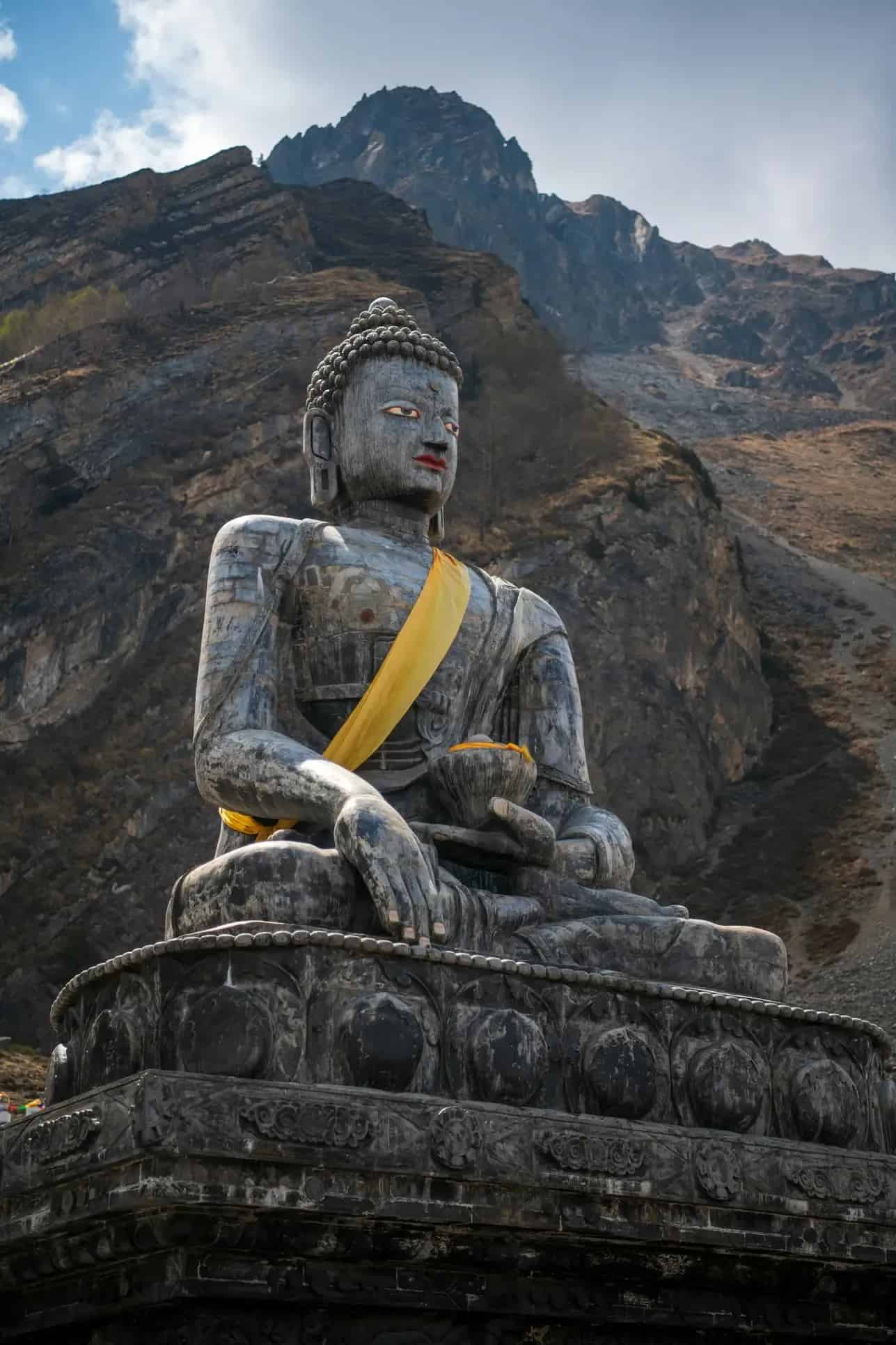
Muktinath & Mustang in Winter
Winter conditions become much harsher in the Mustang region.
Possible challenges include:
- freezing temperatures
- road difficulty
- snowfall
- flight delays
- thinner air
- limited services in remote areas
Winter pilgrimage travel to Muktinath requires significantly better preparation compared to other seasons.
Everest Region in Winter
Winter trekking in the Everest region becomes:
- quieter
- colder
- more physically demanding
However, mountain visibility can become spectacular on clear days.
This season is usually better suited for:
- experienced trekkers
- properly prepared travelers
- people are comfortable with extreme cold
Lumbini & Chitwan in Winter
Compared to Himalayan regions, winter in:
- Lumbini
- Chitwan
feels much milder and more comfortable.
This season works especially well for:
- cultural travel
- wildlife experiences
- family trips
- slower itineraries
Who Will Enjoy Nepal in winter the most?
Winter in Nepal is usually best for:
- travelers who prefer fewer crowds
- photographers chasing clear Himalayan views
- café and slower-travel lovers
- repeat Nepal visitors
- budget-conscious travelers looking for better hotel availability
- pilgrims visiting outside peak rush periods
However, travelers expecting:
- fast-paced itineraries
- warm hotel rooms everywhere
- easy high-altitude travel
- predictable mountain transport
may find winter more challenging than expected.
Is Nepal Cheaper in Winter?
In many cases, yes.
Outside peak holiday periods, winter can offer:
- better hotel deals
- easier room upgrades
- lower crowd pressure
- more flexible availability
However, prices in major trekking areas and premium mountain stays may still remain high during clear-weather windows.
Road delays and weather disruptions can also increase transport unpredictability during winter travel.
Travelers planning budgets in detail should also read the Nepal Trip Cost Guide before finalizing their itinerary.
What to Pack for Nepal in Winter
Many first-time travelers underestimate Nepal winter packing.
Important items include:
- thermal layers
- proper jackets
- gloves
- woolen caps
- warm socks
- comfortable winter footwear
- lip balm & moisturizer
- power banks
- layered clothing for mountain regions
Travelers visiting the Himalayan regions should avoid relying only on light North Indian winter clothing.
Money, Power & Tech Reality in Winter
UPI Usage Is Growing in Nepal
Cross-border UPI payments are expanding rapidly in Nepal.
Many businesses in:
- Kathmandu
- Pokhara
- tourist cafés
- larger hotels
now support QR payments through:
- PhonePe
- Google Pay
- BHIM-linked systems
However, smaller towns and mountain regions still rely heavily on cash.
Travelers should also read the Nepal SIM Card Guide before longer winter trips.
Winter Power Reality
Nepal no longer faces the extreme nationwide power cuts that older travelers may remember.
However, winter still brings:
- voltage fluctuations
- occasional local transformer issues
- temporary outages in smaller regions
This happens because:
- heater usage increases heavily
- hotels run electric blankets and geysers
- mountain infrastructure becomes overloaded
Power banks become extremely useful during winter travel.
Common Winter Travel Mistakes in Nepal
Underestimating Hotel Cold
Many travelers prepare for outdoor cold but forget that hotel rooms can remain cold for long hours.
Overloading Mountain Itineraries
Winter road conditions and shorter daylight hours can slow down travel significantly.
Ignoring Altitude Impact
Cold weather can make high-altitude fatigue feel more intense.
Assuming All Trekking Routes Stay Fully Functional
Some tea houses, transport routes, and mountain passes reduce operations during peak winter.
Packing for “City Winter” Instead of Himalayan Winter
The mountain cold in Nepal feels very different from the urban winter in India.
Winter Travel Tips for Nepal
- Start road journeys early in the morning.
- Keep buffer days for mountain travel.
- Confirm heating before hotel bookings.
- Carry cash in remote regions.
- Dress in layers instead of relying on one heavy jacket.
- Stay hydrated even during cold weather.
- Avoid rushing high-altitude itineraries.
Travelers visiting during colder months should also compare winter travel realities with Nepal During Monsoon: Worth It or Not to understand how both seasons affect Nepal differently.
Final Thoughts
Nepal feels very different in winter compared to the country most travelers experience during peak tourist season. The skies become clearer, mountain views feel sharper, cities slow down and even popular destinations like Pokhara and Kathmandu become noticeably calmer.
At the same time, winter also makes Nepal more raw and practical. Cold mornings, slower road journeys, fog delays and limited heating become part of the experience — especially in mountain regions.
For travelers who prepare realistically, that balance is exactly what makes winter one of the most rewarding times to visit Nepal. The quieter atmosphere, clearer Himalayan landscapes and slower pace of travel often make the journey feel far more memorable than crowded peak-season trips.