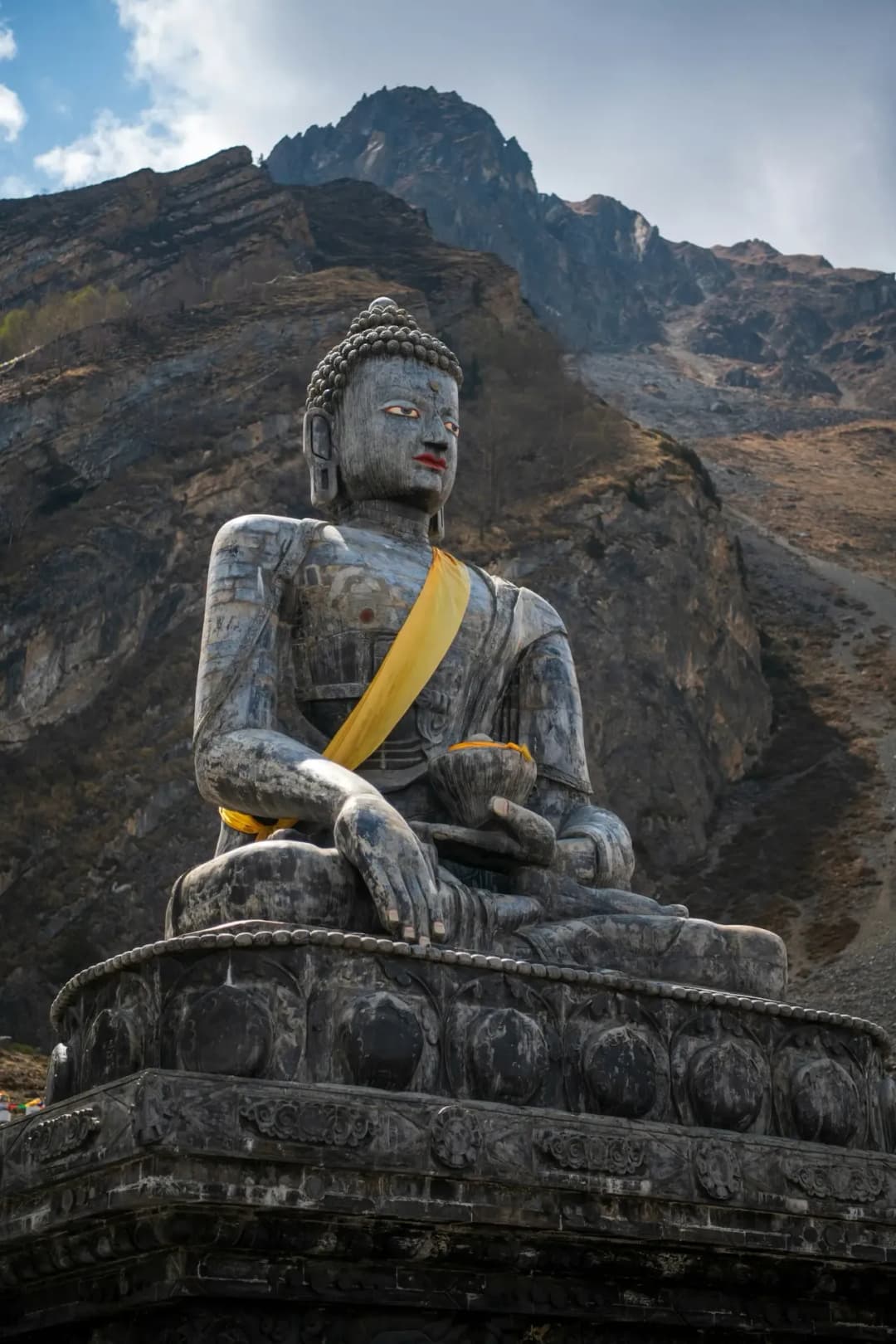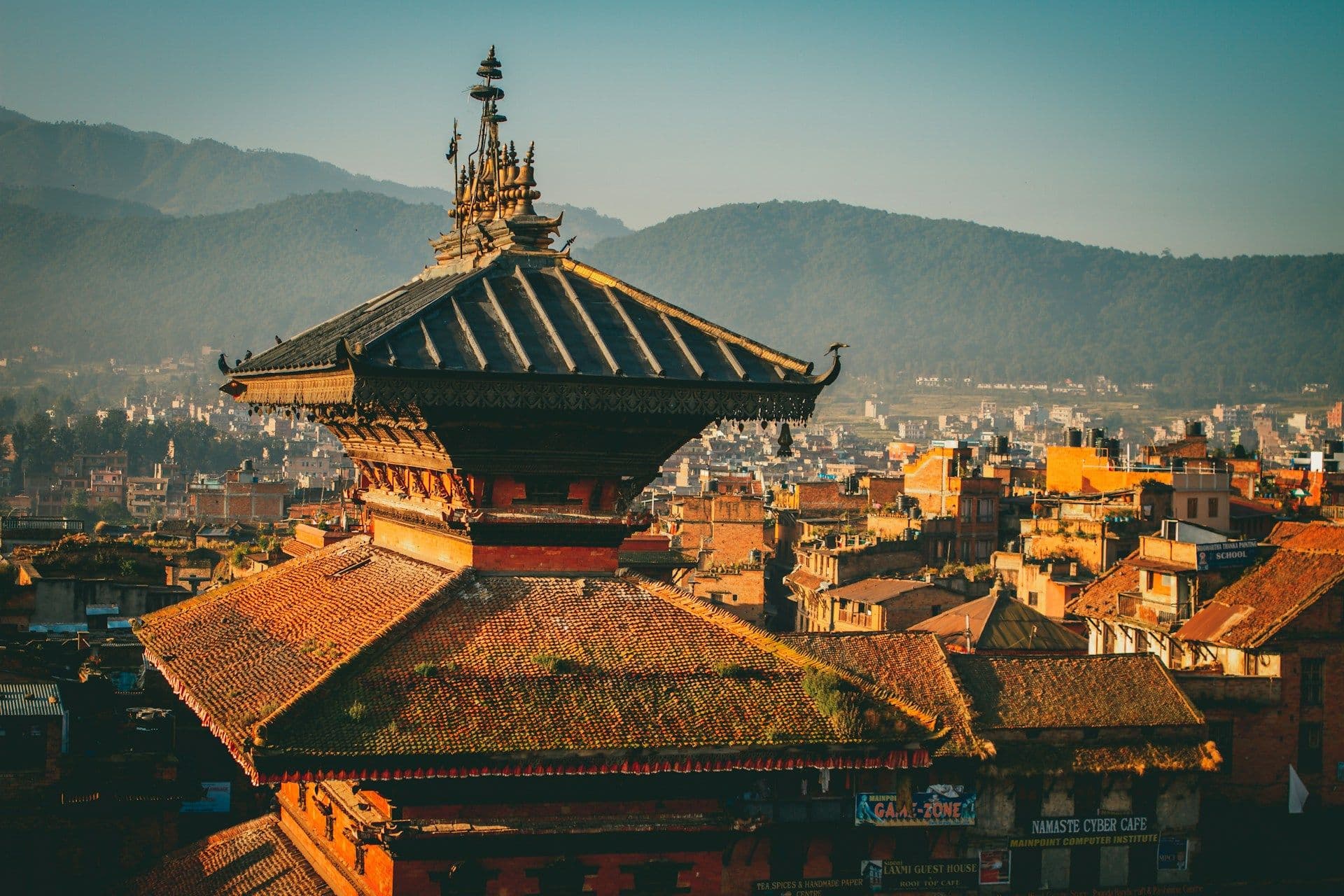
Kathmandu rarely feels impressive in the way travelers expect a capital city to feel.
The traffic is chaotic. Streets feel crowded and unpredictable. Old temples appear between cafés, local shops, tangled electric wires, rooftop restaurants and centuries-old buildings carrying layers of history and spirituality.
For many travelers, the city feels overwhelming during the first day.
But Kathmandu slowly changes once you stop trying to experience it too quickly.
Some of the best moments here are not always the famous landmarks. They happen while sitting inside hidden courtyards, walking through old alleys near temple squares, hearing evening prayer chants around Boudhanath or watching the city slow down from a rooftop café after sunset.
Kathmandu is not built around polished tourism or smooth sightseeing.
It is a city of atmosphere, contrast, culture, spirituality, movement and small experiences that gradually begin to connect.
Whether Kathmandu becomes your main destination or simply the beginning of a larger trip in Nepal, understanding the city properly changes the entire Nepal experience.
Kathmandu Travel Snapshot
Topic | Quick Answer |
| Ideal Stay Duration | 2–4 Days |
| Best Time to Visit | October–March |
| Best Area for First-Time Travelers | Thamel |
| Main Experience | Culture, spirituality, heritage, cafés |
| Airport | Tribhuvan International Airport (TIA) |
| Best For | Culture lovers, backpackers, spiritual travelers |
| City Personality | Chaotic, layered, energetic |
Different travel styles also change how Kathmandu fits into a Nepal route. Our Nepal Itinerary Guide explains the most practical Kathmandu + Pokhara + Chitwan travel combinations.
Nepal Entry & Documentation Rules for Indians
Indian travelers do not need a visa to enter Nepal.
However, travelers flying into Kathmandu should carefully verify their documents before departure.
Accepted Documents for Indian Citizens
You should carry either:
- An original Indian Passport
OR - An original Voter ID Card with a photograph
Documents That Are NOT Accepted for Air Travel
Travelers should avoid relying on:
- Aadhaar Card
- PAN Card
- driving license
- digital ID copies on phones
because airlines and immigration authorities may reject them for entry into Nepal by air.
Travelers planning broader Nepal routes can also explore our Nepal Travel Guide for entry rules, transport planning, budgeting and itinerary preparation.
What Kathmandu Actually Feels Like
Kathmandu is not a “smooth” city.
Travelers expecting:
- organized traffic
- quiet sightseeing
- polished tourist infrastructure
- predictable movement
often struggle during their first day.
The city feels compressed and intense at first. Dust, traffic, temples, cafés, old architecture, hidden courtyards, local markets, rooftop restaurants, momo shops, bakeries and spiritual spaces all exist together inside a surprisingly small urban space.
But once travelers stop trying to rush through Kathmandu, the city starts becoming far more rewarding.
Many people initially see:
- noise
- traffic
- crowded streets
Then slowly begin noticing:
- temple rituals
- incense smoke drifting through alleys
- rooftop cafés during sunset
- prayer chants around Boudhanath
- old carved windows hidden behind busy roads
- local life unfolding quietly inside the chaos
And that shift is usually when Kathmandu becomes memorable.
Is Kathmandu Worth Visiting?
Yes, especially for travelers interested in:
- culture
- spirituality
- history
- architecture
- local experiences
- cafés and slower exploration
Kathmandu is not primarily about:
- luxury
- polished tourism
- perfect infrastructure
The city works best for travelers who enjoy destinations with:
- personality
- cultural depth
- unpredictability
- layered experiences
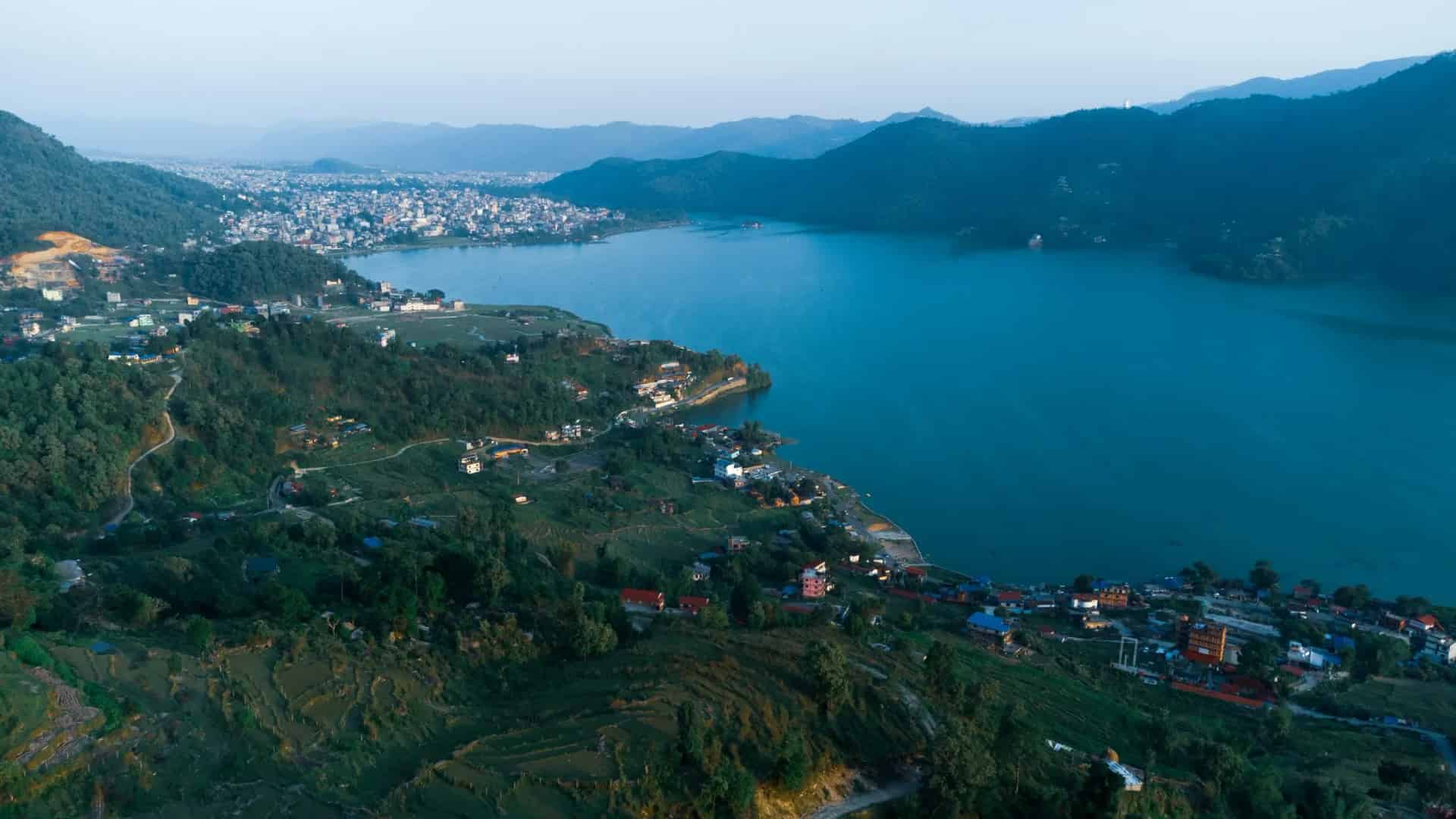
Travelers looking mainly for peaceful mountain scenery often connect more strongly with Pokhara.
But Kathmandu gives Nepal much of its:
- cultural identity
- spiritual atmosphere
- historical depth
Travelers comparing both destinations can also explore our Pokhara Travel Guide to understand how differently the two cities feel.
Best Time to Visit Kathmandu
The best time to visit Kathmandu is usually:
October to March
These months generally offer:
- clearer skies
- more comfortable temperatures
- lower humidity
- better weather for heritage exploration
October and November feel especially vibrant because:
- Skies become clearer after the monsoon
- festival season begins
- Visibility improves around the valley
Winter months feel calmer and quieter, though mornings can occasionally become cold and foggy.
Monsoon season makes Kathmandu feel:
- wetter
- muddier
- slower to navigate
- more congested
Travelers wanting a deeper understanding of Nepal’s seasonal changes can also explore our Best Time to Visit Nepal Guide.
Best Areas to Stay in Kathmandu for First-Time Travelers
Choosing the right area changes the Kathmandu experience significantly.
Thamel (Best for First-Time Travelers)
Thamel is Kathmandu’s main tourist district and usually the easiest area for first-time travelers.
The neighborhood feels busy, energetic and constantly active with:
- cafés
- bakeries
- restaurants
- trekking shops
- hotels
- bars
- backpackers from around the world
Most first-time visitors stay here because walking access improves significantly and tourist services are concentrated nearby.
Thamel can feel noisy and crowded, but it simplifies Kathmandu for travelers still adjusting to the city.
Lazimpat (Quieter & More Comfortable)
Lazimpat feels calmer, cleaner, and more residential compared to Thamel.
The area works well for:
- boutique stays
- quieter hotels
- longer stays
- café-focused travelers
Travelers wanting slower pacing without disconnecting from central Kathmandu often prefer this part of the city.
Boudha Area (Spiritual & Relaxed)
The Boudhanath area feels completely different from central Kathmandu.
The atmosphere here feels slower, calmer and more reflective.
Many travelers stay here for:
- monastery experiences
- spiritual atmosphere
- peaceful cafés
- quieter evenings
- rooftop views around the stupa
Travelers interested in spiritual routes can also explore our Nepal Pilgrimage Guide covering Pashupatinath, Muktinath and Janakpur.
Top Places to Visit in Kathmandu
Kathmandu is best experienced slowly.
Trying to aggressively “cover” attractions usually becomes exhausting because traffic and movement take more energy than most travelers expect.
Kathmandu Durbar Square
One of the city’s most important heritage zones.
The area feels alive with:
- temples
- pigeons
- local vendors
- old architecture
- traditional courtyards
- everyday local life
rather than feeling like a disconnected tourist monument.
Pashupatinath Temple
Pashupatinath is one of Nepal’s most spiritually important places.
The atmosphere feels deeply emotional and intense, especially during evening aarti ceremonies when chants, lamps, smoke and rituals completely transform the temple surroundings.
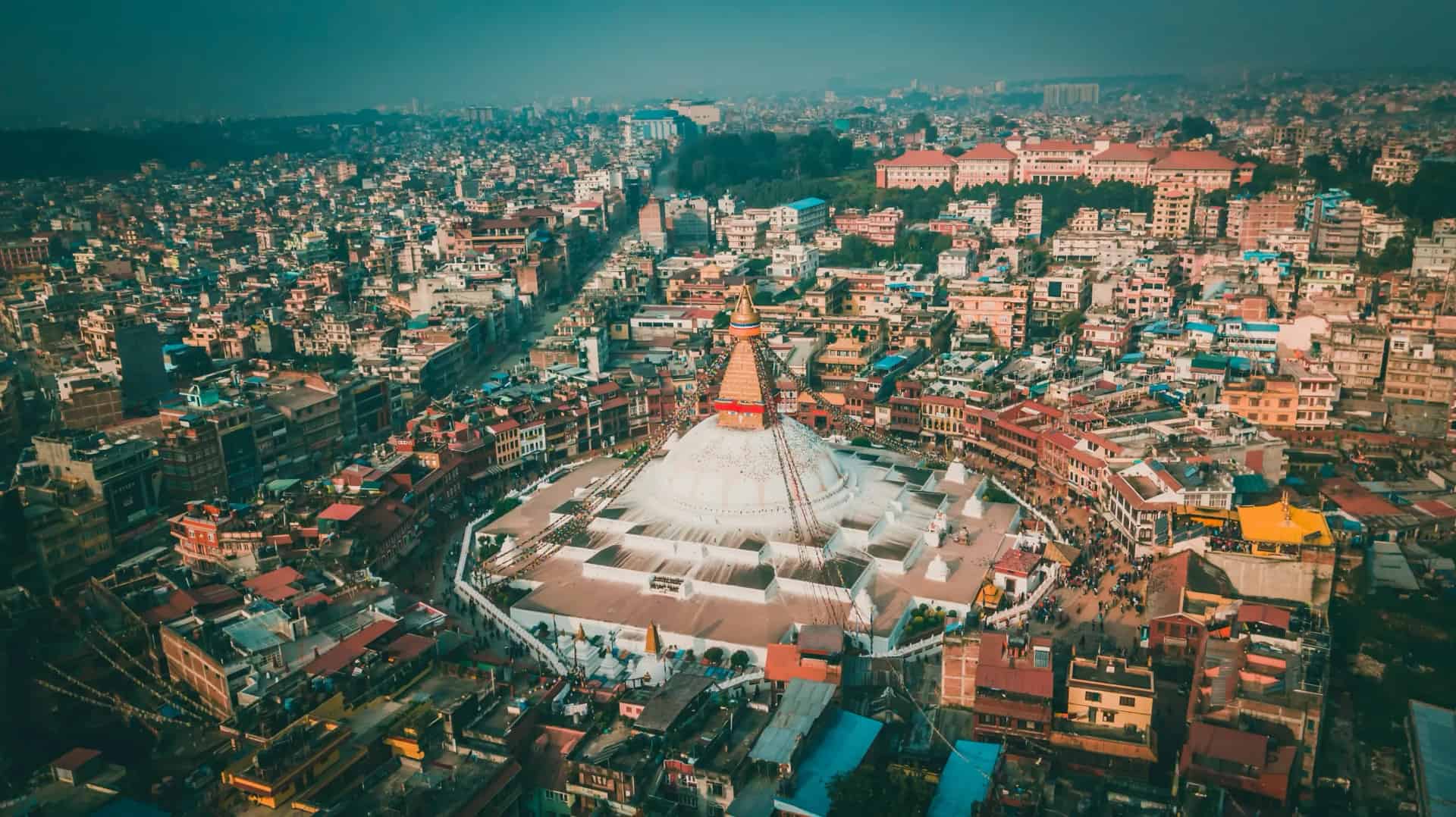
Boudhanath Stupa
Boudhanath feels calmer than most parts of Kathmandu.
Travelers often spend hours here simply:
- walking around the stupa
- sitting inside rooftop cafés
- observing monastery life
- slowing down after busy city movement
Evenings around Boudhanath feel especially peaceful.
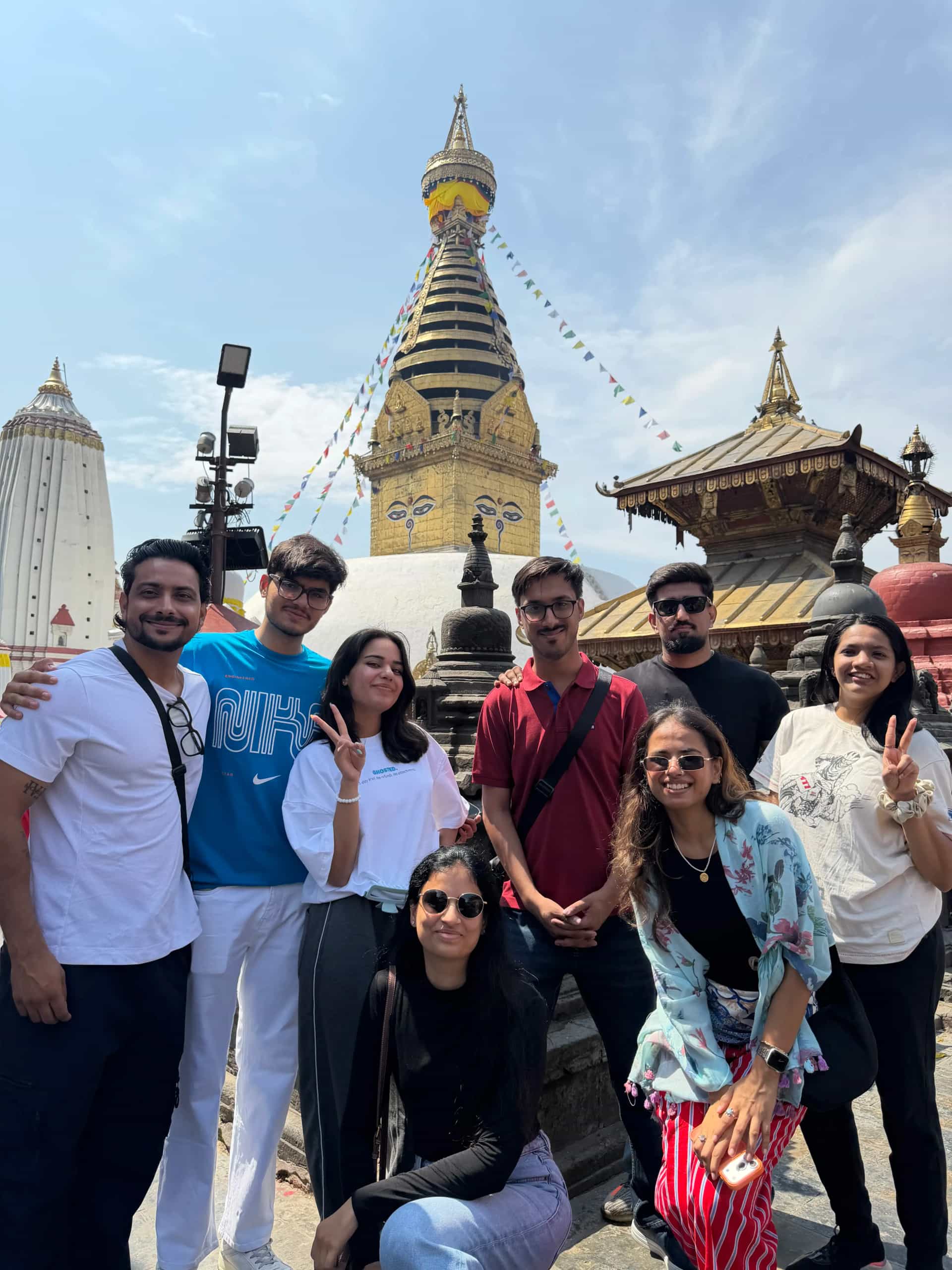
Swayambhunath (Monkey Temple)
One of Kathmandu’s most recognizable viewpoints.
The city views feel best:
- early morning
- late afternoon
When the lighting becomes softer and crowds feel lighter.
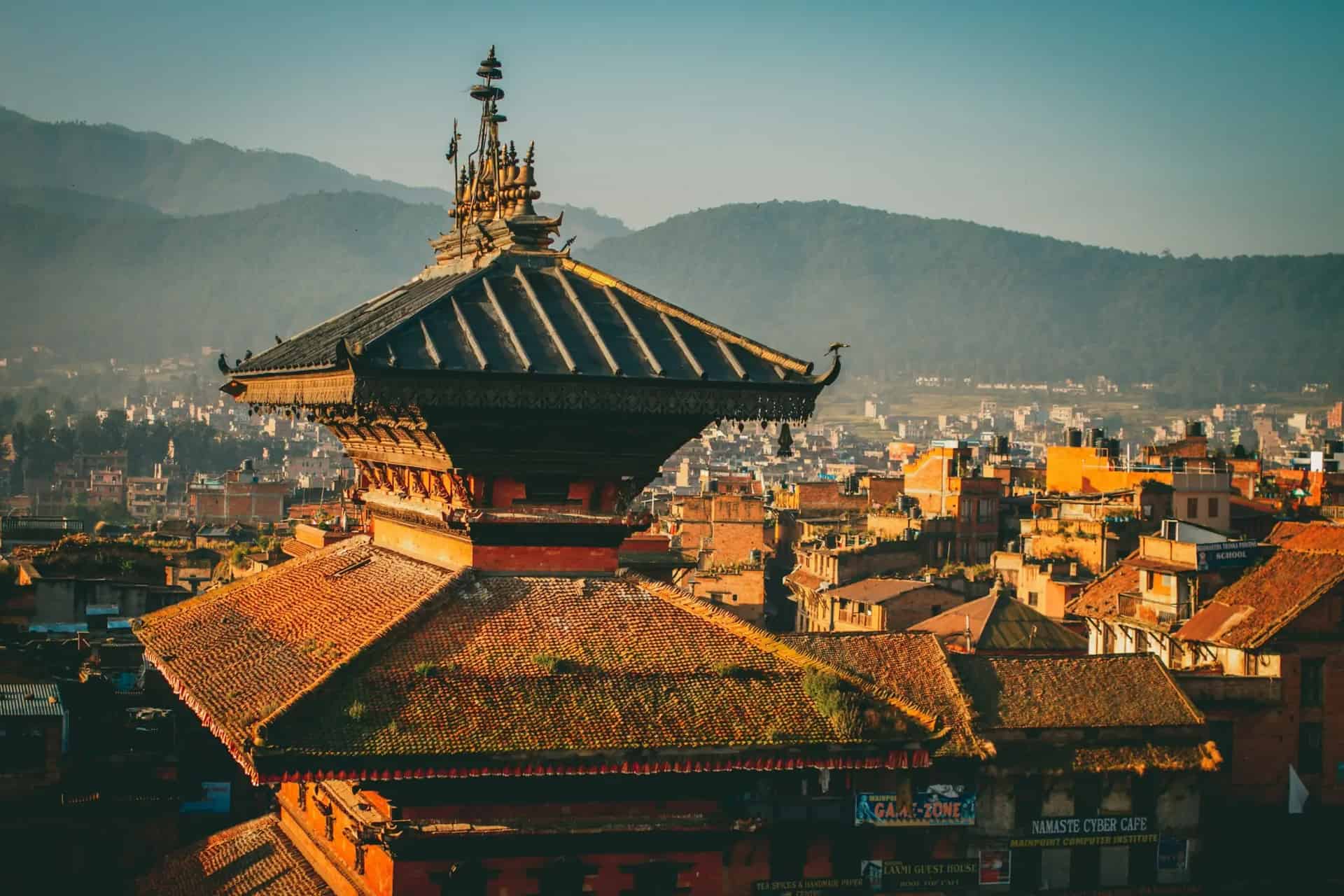
Patan Durbar Square
Patan feels more artistic and relaxed compared to central Kathmandu.
The old courtyards, cafés, brick alleys, and carved architecture create a much slower atmosphere than Thamel.
Many travelers unexpectedly end up spending far longer here than originally planned.
Kathmandu Café & Food Culture: An Unexpected Part of the Experience
One thing many travelers do not expect from Kathmandu is how important cafés and food become to the overall experience.
The city can feel physically intense because of:
- traffic
- noise
- crowded roads
- constant movement
And cafés often become the pause between experiences.
Kathmandu’s café culture feels:
- slower
- creative
- backpacker-friendly
- reflective
especially around:
- Thamel
- Boudha
- Patan
Many travelers remember:
- rooftop coffees
- momo cafés
- fresh bakeries
- Newari food spots
- quiet courtyards hidden behind busy streets
far more than aggressively structured sightseeing itself.
Some of the best Kathmandu moments happen during:
- slow breakfasts
- evening café stops
- rooftop dinners after temple visits
- conversations inside hidden bakeries during rainy afternoons
rather than while trying to “cover” the city quickly.
Getting Around Kathmandu
Movement inside Kathmandu can feel slower than expected because of:
- traffic congestion
- narrow roads
- construction
- crowded intersections
Walking is often easier inside:
- Thamel
- Patan
- Boudha areas
For local rides, most travelers now prefer:
- Pathao
- InDrive
Instead of negotiating random street taxis.
Traffic usually becomes significantly worse during:
- evenings
- office hours
- festival periods
Travelers planning broader Nepal movement can also explore our Nepal Transport Guide for buses, domestic flights, road conditions and realistic travel times.
Airport Taxi Reality: What First-Time Travelers Should Know
One of the first things travelers experience after landing at:
Tribhuvan International Airport (TIA)
is aggressive taxi solicitation outside the terminal.
Many unofficial drivers quote very high prices for short routes into:
- Thamel
- Lazimpat
- Boudha
Most travelers either:
- use the official prepaid taxi counter
OR - book rides using Pathao or InDrive after getting internet access.
Having a local SIM or airport Wi-Fi access immediately after landing makes the process much easier.
The “Dustmandu” Reality Most Travelers Do Not Expect
Kathmandu’s nickname among many backpackers is:
“Dustmandu”
because air quality and dust can occasionally become intense, especially during:
- winter
- dry months
- construction periods
Travelers exploring:
- Thamel
- Asan Bazaar
- busy roadside areas
Often find carrying:
- a mask
- buff
- bandana
much more comfortable during long walking days.
This is one of those small practical realities many travelers only fully understand after arriving.
First 24 Hours in Kathmandu: Practical Tips That Make the City Easier
For many first-time travelers, Kathmandu feels most overwhelming during the first day.
A few small decisions make the experience significantly smoother:
- avoid overpacking Day 1
- get a local SIM early if possible
- stay around Thamel, Lazimpat or Boudha initially
- keep extra buffer time for traffic
- walk shorter local stretches instead of constantly using taxis
- rest properly before long road journeys or treks
Kathmandu usually becomes much more enjoyable once travelers stop trying to “optimize” every hour.
How Many Days Do You Need in Kathmandu?
Most travelers should ideally keep:
2–4 Days
This allows enough time for:
- heritage exploration
- cafés
- slower pacing
- spiritual sites
- nearby viewpoints
- local food experiences
Trying to experience Kathmandu in a single rushed day usually feels exhausting and incomplete.
Kathmandu Before Trekking: Why Many Travelers Stay Here First
Kathmandu often becomes the preparation base before:
- Everest Base Camp
- Annapurna Base Camp
- other Himalayan treks
Many trekkers use the city for:
- gear shopping
- café downtime
- SIM cards
- currency exchange
- rest before mountain travel
Thamel especially has hundreds of trekking shops selling:
- jackets
- trekking poles
- sleeping bags
- hiking gear
- rentals
Travelers heading into trekking regions can also explore our Everest Base Camp Trek Guide and Annapurna Base Camp Trek Guide.
Kathmandu Survival Guide: Common Mistakes & Local Hacks
Mistake 1: Overpacking Sightseeing
Traffic and movement can become tiring quickly.
Fewer places with slower pacing usually feel far more rewarding.
Mistake 2: Treating Kathmandu Only as a Transit City
Many travelers rush toward:
- Pokhara
- trekking routes
without properly experiencing Kathmandu itself.
Mistake 3: Expecting a “Polished” Tourist City
Kathmandu feels:
- chaotic
- layered
- imperfect
Accepting this usually improves the experience significantly.
Mistake 4: Ignoring Traffic & Walking Time
Short distances on maps can still take much longer because of Kathmandu traffic realities.
Mistake 5: Buying Everything Before Nepal
Many trekking travelers overbuy gear before arriving.
Thamel often provides:
- cheaper rentals
- budget trekking gear
- last-minute mountain essentials
Is Kathmandu Safe for Travelers?
Yes, Kathmandu is generally considered safe for travelers.
However, like most busy cities:
- Traffic awareness matters
- Crowded tourist areas require basic caution
- Late-night, isolated streets should be avoided
Most tourist areas like:
- Thamel
- Boudha
- Lazimpat
remain active and comfortable for travelers.
Kathmandu Travel Cost Expectations
Kathmandu can fit:
- backpacker budgets
- mid-range travel
- boutique experiences
- luxury stays
Costs mainly depend on:
- hotel category
- café spending
- transport choices
- trip style
Most travelers find Kathmandu more affordable than many international capital cities.
Travelers planning a detailed Nepal budget can also explore our Nepal Trip Cost Guide.
Who Should Prioritize Kathmandu?
Kathmandu Works Best For:
- culture-focused travelers
- spiritual travelers
- photographers
- backpackers
- café lovers
- slow travelers
- history enthusiasts
Kathmandu May Feel Difficult For:
- travelers expecting smooth infrastructure
- people uncomfortable with chaos
- ultra-fast sightseeing styles
- travelers wanting only peaceful mountain scenery
Those travelers often connect more strongly with Pokhara or slower Himalayan regions.
Final Thoughts
Kathmandu is not the kind of city that impresses everyone immediately.
Some travelers initially notice:
- traffic
- dust
- noise
- crowded streets
Others slowly begin noticing:
- evening prayer chants drifting through old alleys
- rooftop cafés glowing after sunset
- hidden courtyards behind busy roads
- incense smoke near temples
- old brick architecture carrying centuries of history
- spiritual moments quietly unfolding inside the chaos
And that is usually when Kathmandu starts becoming unforgettable.
The city rewards travelers who slow down, observe more carefully and allow the atmosphere to unfold naturally instead of trying to “complete” it quickly.
If you are planning your Nepal journey, you can also explore our Nepal tour packages for cultural trips, pilgrimage routes, trekking journeys, relaxed mountain vacations and customized Nepal itineraries.