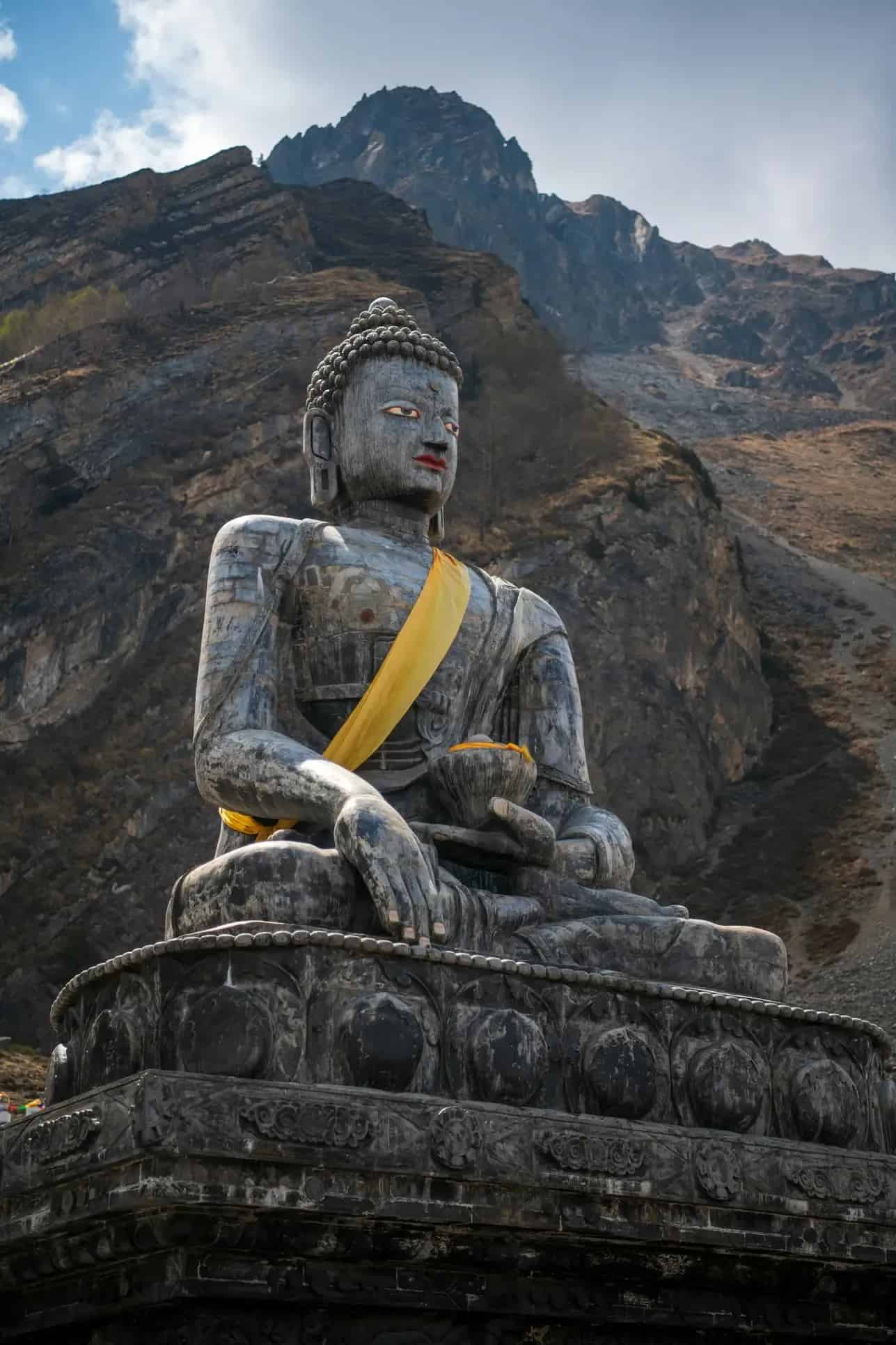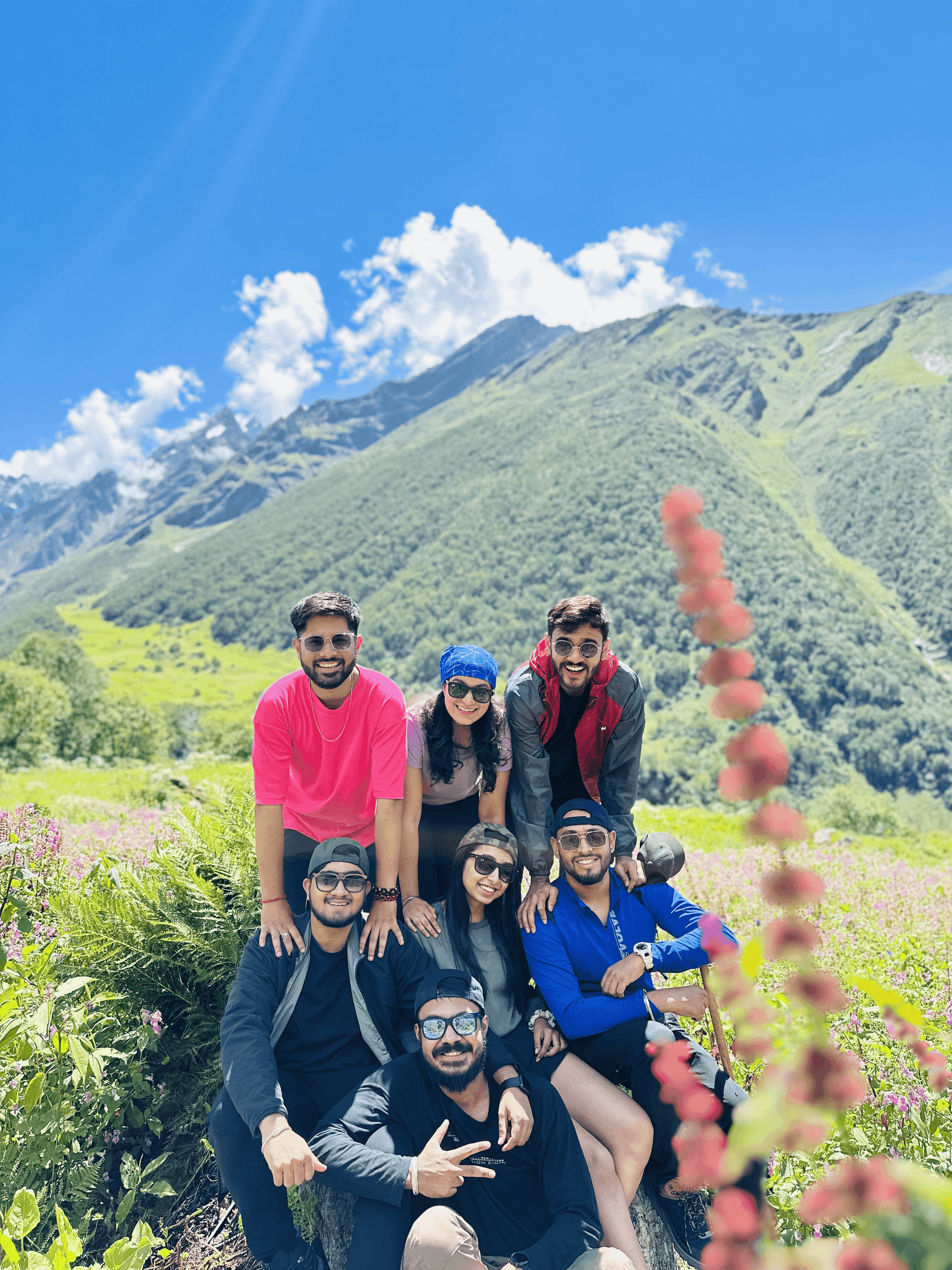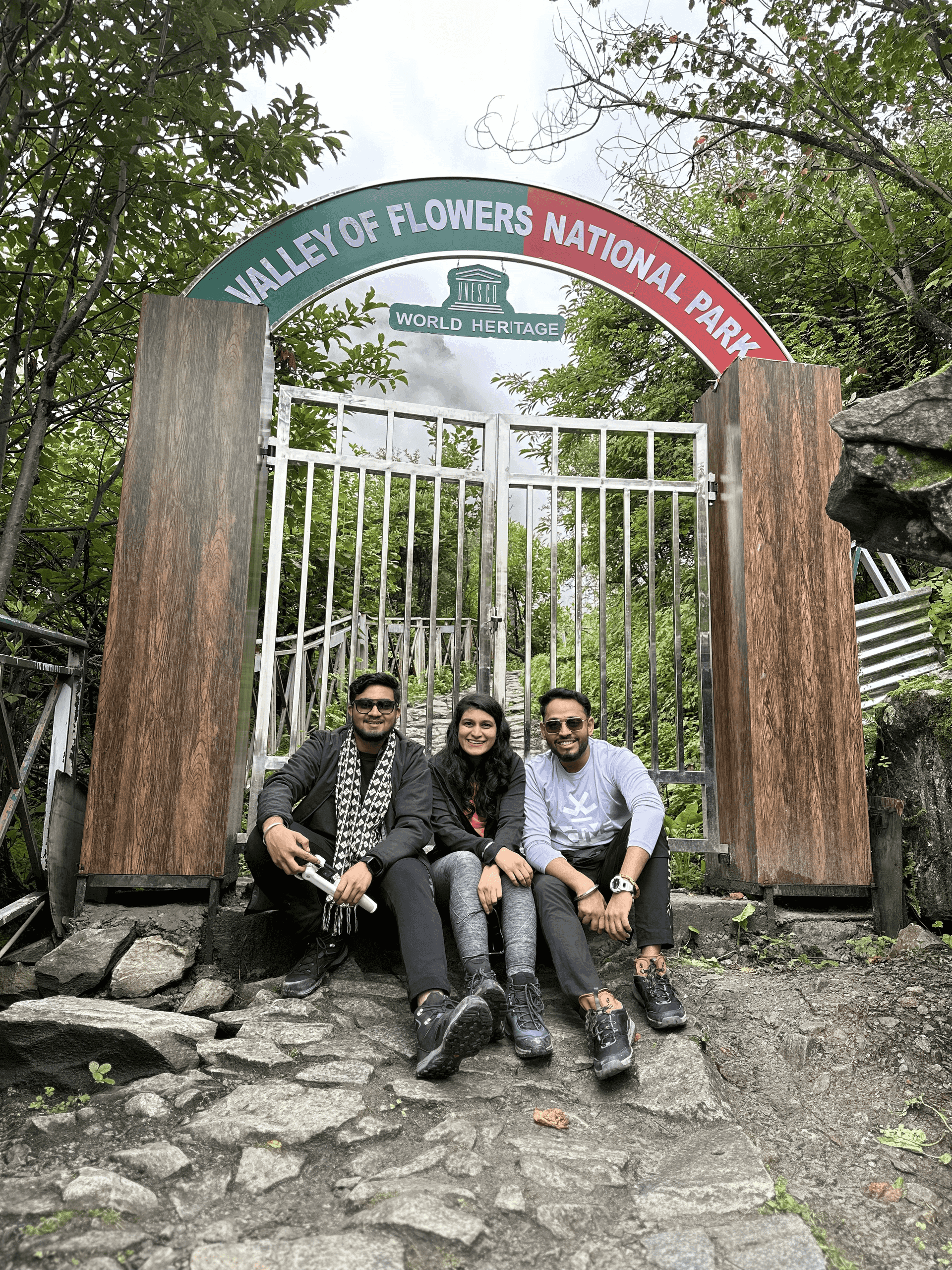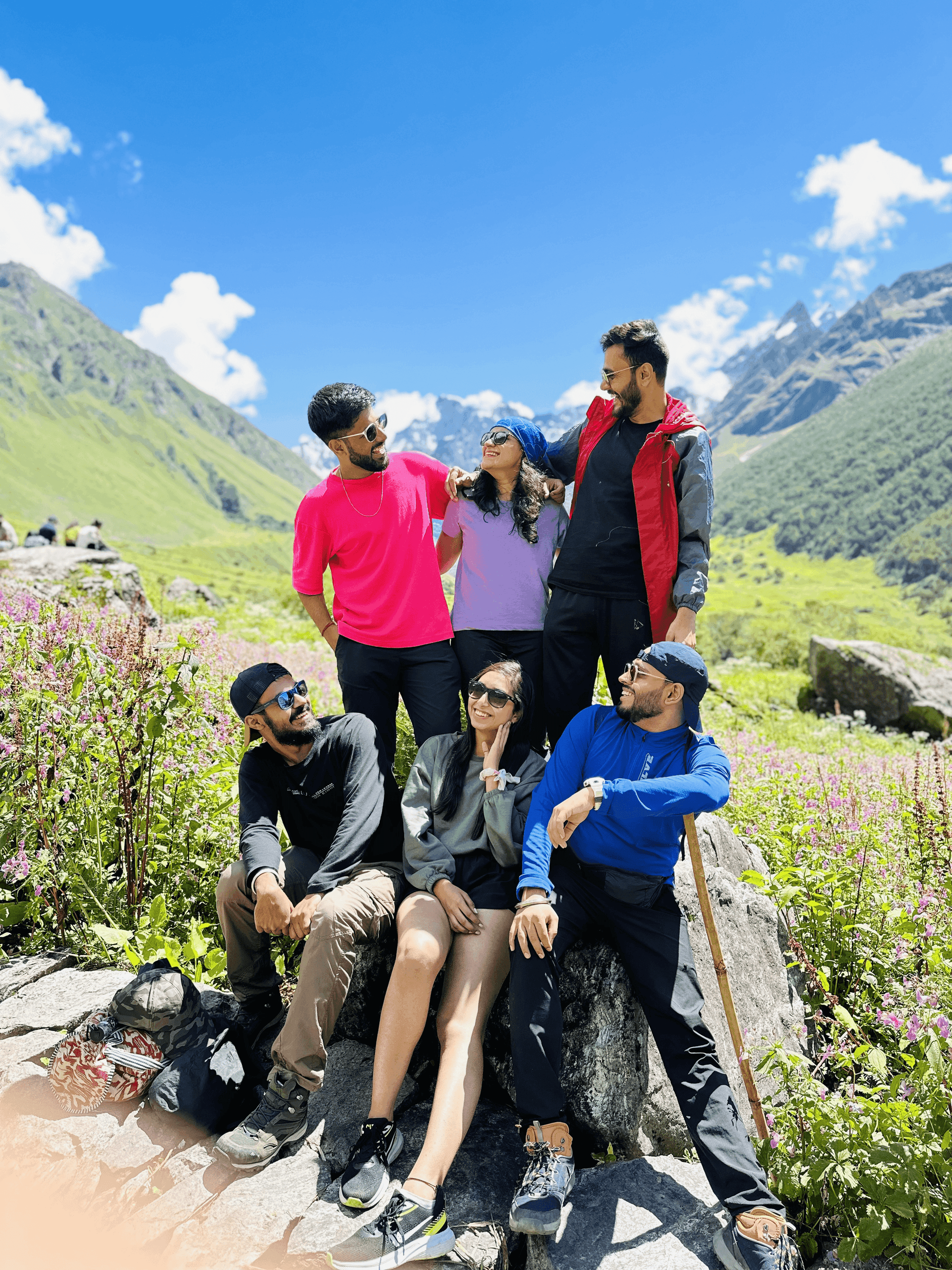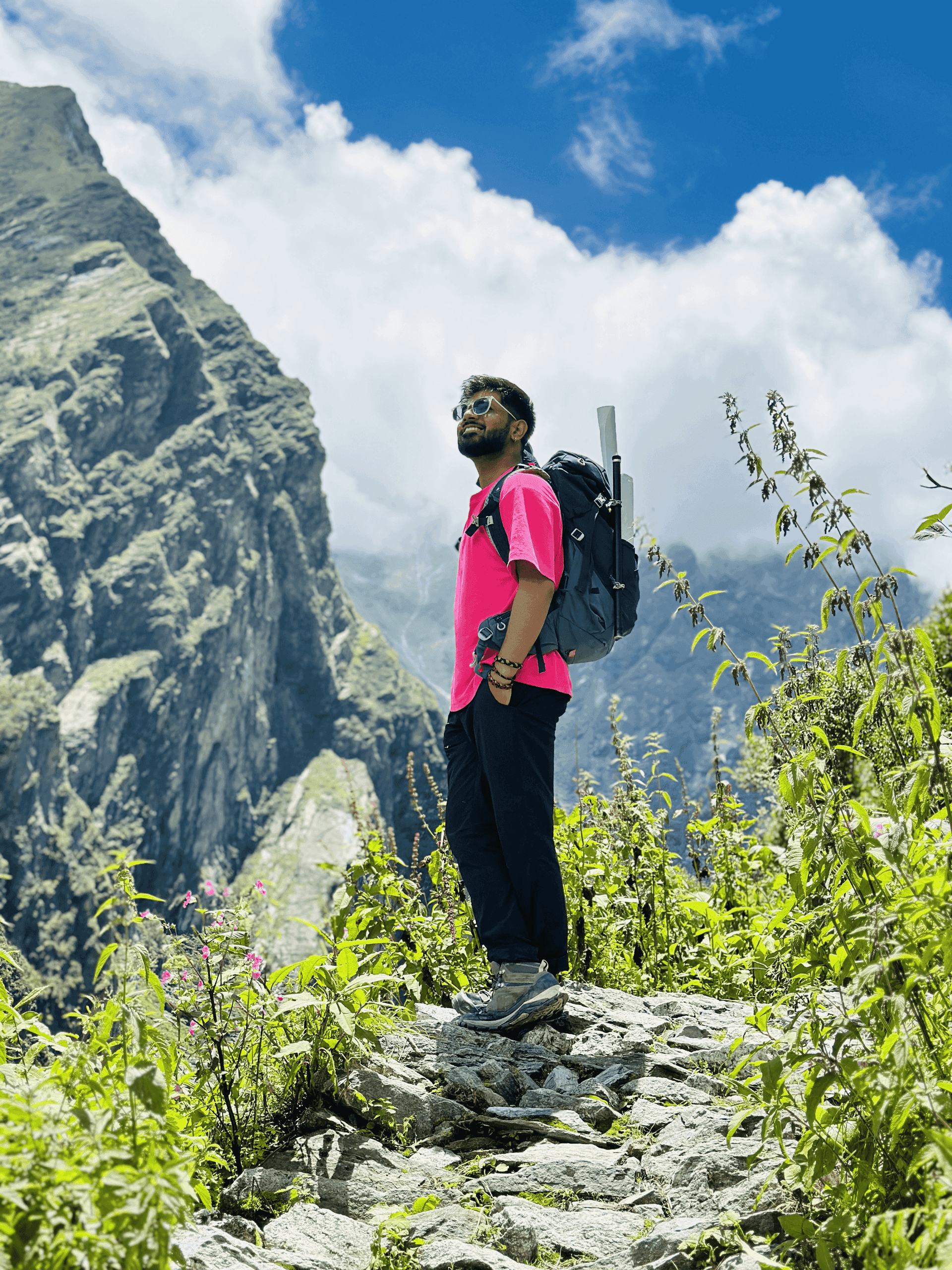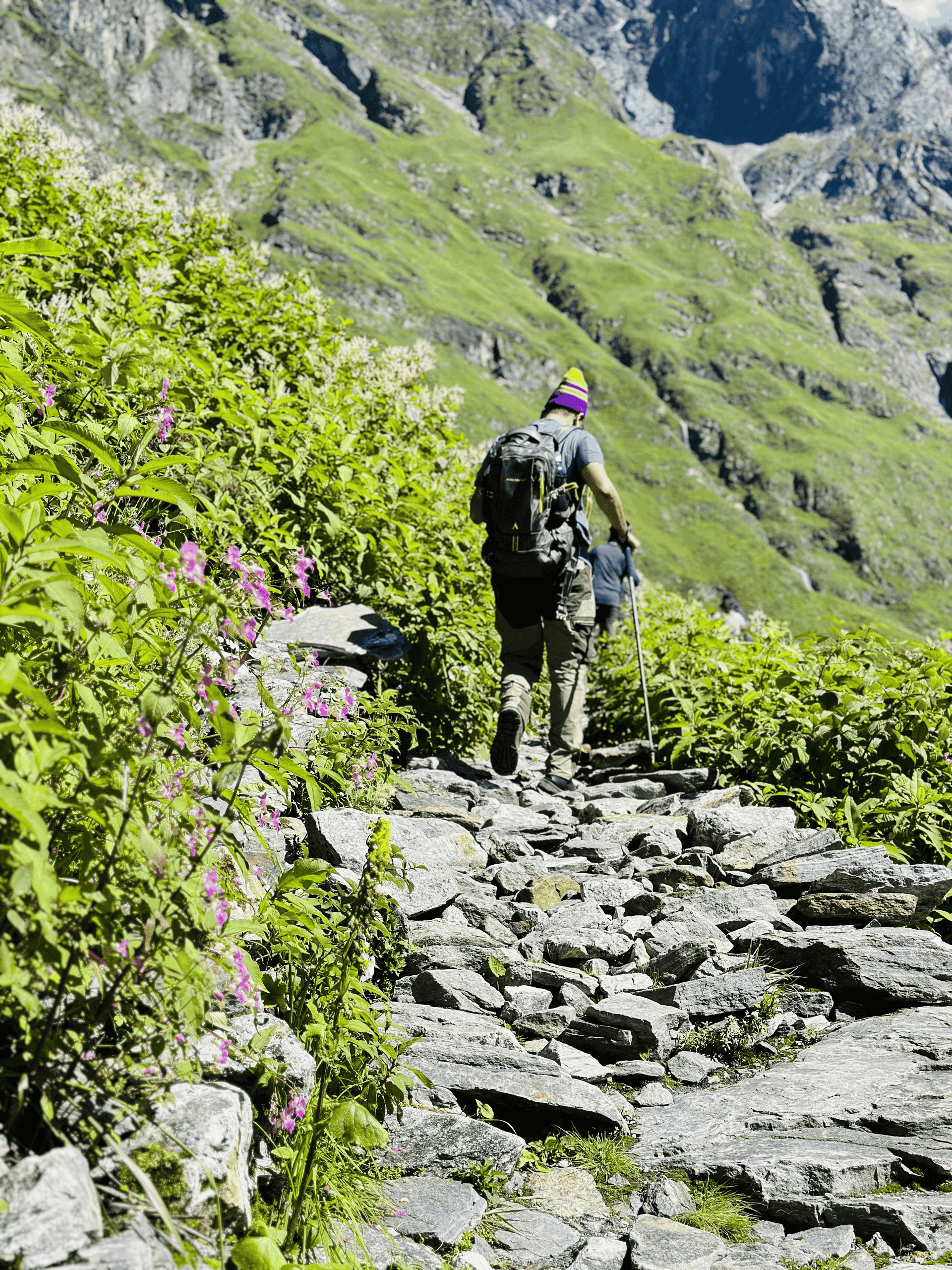
The Annapurna Base Camp Trek is one of Nepal's most popular trekking adventures, offering spectacular Himalayan scenery, traditional mountain villages and a relatively accessible route into the heart of the Annapurna region.
Unlike the Annapurna Circuit, which focuses on a long journey through diverse landscapes, the Annapurna Base Camp (ABC) Trek is centered around a single unforgettable destination: Annapurna Sanctuary. Surrounded by towering peaks and glaciers, the base camp provides one of the most dramatic mountain settings in Nepal.
The trek is suitable for a wide range of travelers, including many first-time trekkers and combines breathtaking scenery with manageable trekking distances and well-established tea-house infrastructure.
This guide covers everything you need to know about the Annapurna Base Camp Trek, including the route, itinerary, difficulty, altitude, costs and whether it's the right trek for you.
Quick Facts About the Annapurna Base Camp Trek
Detail | Information |
| Location | Annapurna Region, Nepal |
| Duration | 7–12 Days |
| Difficulty | Moderate |
| Maximum Altitude | Annapurna Base Camp (4,130 m) |
| Best Seasons | Spring and Autumn |
| Accommodation | Tea Houses |
| Suitable for Beginners | Yes |
| Major Highlight | Annapurna Sanctuary |
Why the Annapurna Base Camp Trek Is So Popular
The Annapurna Base Camp Trek offers something many Himalayan treks cannot.
It combines:
- Stunning mountain scenery
- Relatively short duration
- Comfortable tea-house trekking
- Traditional villages
- Accessible logistics
Most importantly, it leads trekkers directly into the heart of the Annapurna Sanctuary, where massive Himalayan peaks rise dramatically on all sides.
For travelers with limited time, ABC provides one of the best mountain experiences in Nepal without requiring the length or commitment of the Annapurna Circuit.
Annapurna Base Camp Trek Route Overview
Most ABC itineraries begin from the Pokhara region and gradually climb through traditional villages and forest trails before entering the Annapurna Sanctuary.
Common stops include:
- Nayapul
- Ghandruk
- Chhomrong
- Bamboo
- Deurali
- Machhapuchhre Base Camp
- Annapurna Base Camp
Unlike the Annapurna Circuit, the route is generally an out-and-back trek, meaning part of the return journey follows the same trail.
How Many Days Does the Annapurna Base Camp Trek Take?
Most trekkers complete the Annapurna Base Camp Trek in:
7–12 days
The exact duration depends on:
- Starting point
- Walking pace
- Side trips
- Acclimatization schedule
A 9–11 day itinerary is often ideal for first-time trekkers because it provides a comfortable pace without rushing the experience.
Suggested Annapurna Base Camp Trek Itinerary
Day | Route |
| 1 | Pokhara to Trek Start |
| 2 | Trek to Ghandruk or Chhomrong |
| 3 | Trek Through Bamboo Region |
| 4 | Reach Deurali |
| 5 | Trek to Machhapuchhre Base Camp |
| 6 | Reach Annapurna Base Camp |
| 7–9 | Return Journey |
| 10+ | Return to Pokhara |
Actual itineraries vary depending on route choice and available time.
What Is Machhapuchhre Base Camp?
Machhapuchhre Base Camp (MBC) is one of the most memorable stops on the trek and is often overlooked in many guides.
Located at approximately 3,700 meters, MBC serves as the final major stop before Annapurna Base Camp.
For many trekkers, this is where the scenery changes dramatically.
Dense forests give way to alpine terrain and the surrounding Himalayan peaks begin to dominate the landscape.
Many trekkers spend a night here before continuing to Annapurna Base Camp the following morning.
The views of Machhapuchhre (Fishtail Mountain) from this area are among the most photographed scenes on the trek.
What Is Annapurna Base Camp Actually Like?
This is the moment most trekkers remember long after the journey ends.
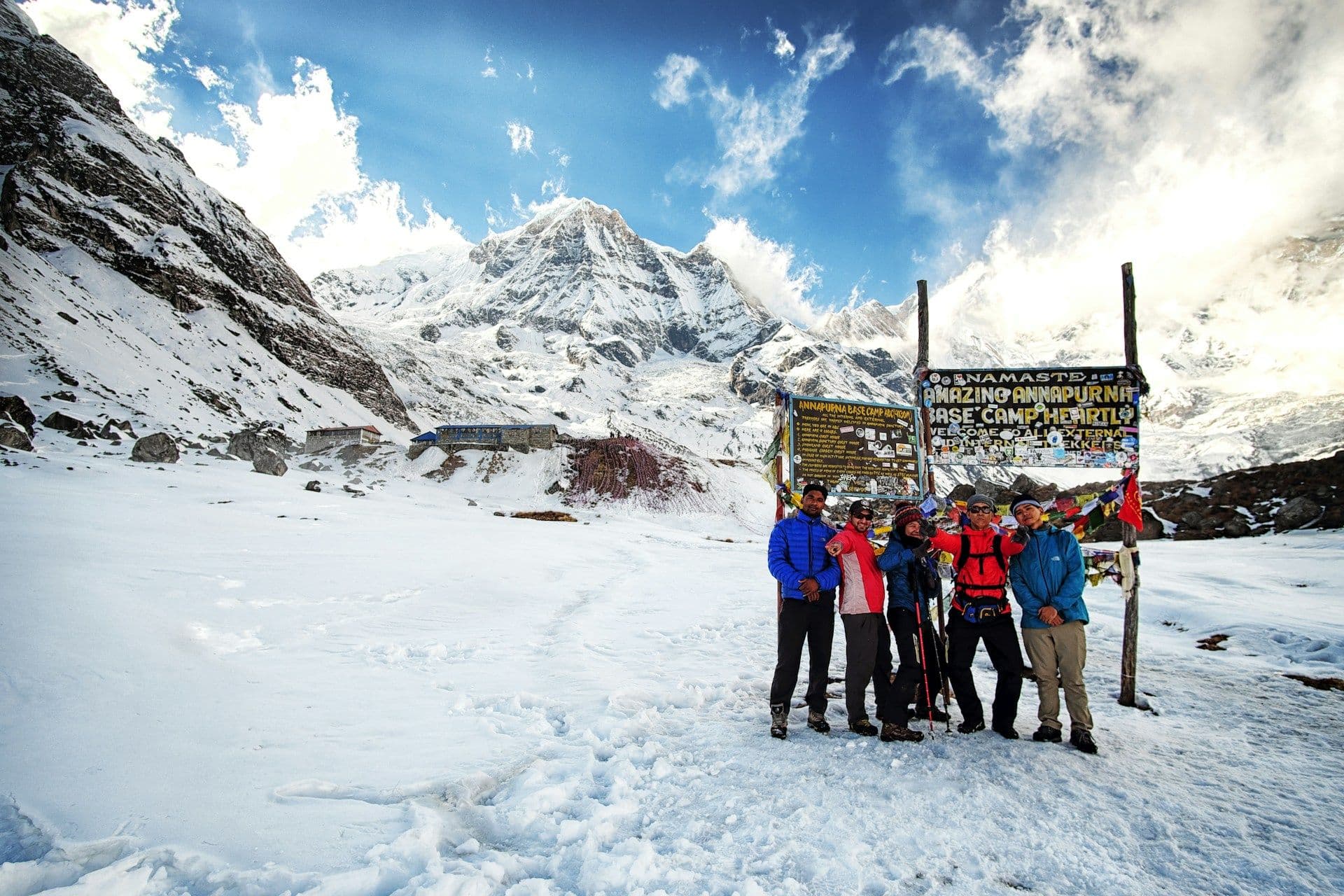
Annapurna Base Camp sits inside the Annapurna Sanctuary, a natural mountain amphitheater surrounded by some of the highest peaks in the Himalayas.
From the base camp, you'll see:
- Annapurna I
- Annapurna South
- Hiunchuli
- Machhapuchhre
- Gangapurna
Unlike many viewpoints where mountains appear in the distance, Annapurna Base Camp places you directly among them.
Sunrise is often considered the highlight of the trek.
As the first light reaches the surrounding peaks, the entire sanctuary glows with changing shades of gold and orange.
For many travelers, this experience alone makes the trek worthwhile.
How High Is Annapurna Base Camp?
Annapurna Base Camp sits at:
4,130 meters (13,550 feet)
While this is lower than Everest Base Camp, the altitude is still significant.
At this elevation:
- Oxygen levels are lower
- Physical effort feels harder
- Acclimatization becomes important
Many first-time trekkers are surprised by how noticeable the altitude can feel near the end of the trek.
How Difficult Is the Annapurna Base Camp Trek?
The Annapurna Base Camp Trek is generally considered a moderate trek.
The challenge comes from:
- Consecutive trekking days
- Elevation gain
- Long stair sections
- Daily walking hours
However, the route does not require:
- Technical climbing
- Mountaineering experience
- Specialized equipment
Most reasonably fit travelers can complete the trek successfully.
The Real Physical Challenge: Chhomrong Stairs
One of the most demanding parts of the trek is the famous Chhomrong stair section.
Trekkers descend hundreds of stone steps to the river below before immediately climbing steep stairs toward Sinuwa.
Because the route is an out-and-back trek, these stairs must also be tackled on the return journey.
Preparing with stair climbing and uphill walking before the trek can make this section much easier.
How Many Hours Will You Walk Each Day?
Most trekking days involve:
4–7 hours of walking
The exact duration varies depending on:
- Trail conditions
- Elevation gain
- Weather
- Itinerary
A steady pace is more important than speed.
Can Beginners Do the Annapurna Base Camp Trek?
Yes.
ABC is often considered one of Nepal's best treks for beginners.
Reasons include:
- Well-established trails
- Tea-house accommodation
- Moderate duration
- Straightforward logistics
- Manageable altitude compared to Everest Base Camp
That said, beginners should still prepare physically and allow enough time for acclimatization.
For many travelers, ABC is the perfect first Himalayan trek.
Altitude and Acclimatization
Although Annapurna Base Camp sits lower than Everest Base Camp, altitude still deserves respect.
Possible symptoms include:
- Headaches
- Fatigue
- Dizziness
- Reduced appetite
To reduce risk:
- Ascend gradually
- Stay hydrated
- Follow your itinerary
- Avoid rushing
Good acclimatization habits remain important throughout the trek.
Seasonal Safety Considerations Near Deurali
The section between Deurali and Machhapuchhre Base Camp passes through terrain that can be affected by snow and avalanche activity during certain seasons.
Guides and local operators regularly monitor:
- Weather conditions
- Snowfall
- Trail safety
Following local advice and remaining flexible with your itinerary is always recommended.
Best Time for the Annapurna Base Camp Trek
Spring (March–May)
Advantages:
- Rhododendron blooms
- Pleasant temperatures
- Clear mountain views
Autumn (September–November)
Advantages:
- Stable weather
- Excellent visibility
- Comfortable trekking conditions
These are generally considered the best seasons.
For a complete seasonal breakdown, see our Best Time for Trekking in Nepal guide.
Annapurna Base Camp Trek Cost
Typical expenses include:
- Permits
- Transportation
- Accommodation
- Food
- Guide services
- Porter services
For Indian travelers, a typical Annapurna Base Camp trek often ranges between:
₹30,000–₹80,000+ per person
Depending on travel style and services included.
Accommodation and Food
Tea houses are available throughout the route.
Most provide:
- Basic rooms
- Shared dining areas
- Hot meals
- Charging facilities
Popular meals include:
- Dal Bhat
- Noodles
- Fried rice
- Soups
- Momos
- Pancakes
Facilities generally become simpler as altitude increases.
Relaxing at Jhinu Danda Hot Springs
One of the most enjoyable parts of the return journey is a stop at Jhinu Danda Hot Springs.
Located near the Modi Khola river, these natural hot springs are a popular place for trekkers to relax after several days on the trail.
Many travelers consider the hot springs the perfect reward before completing the final stages of the trek.
If your itinerary allows, spending some time here is highly recommended.
What to Pack for the Annapurna Base Camp Trek
Essential items include:
- Trekking boots
- Layered clothing
- Down jacket
- Waterproof outer layer
- Daypack
- Sunglasses
- Water bottles
- Basic first-aid kit
For a complete checklist, see our What to Pack for Nepal Treks guide.
Do You Need a Guide?
Trekking regulations in Nepal can evolve and travelers should always verify the latest requirements before planning their trek.
Many trekkers choose licensed guides because they provide:
- Navigation support
- Local knowledge
- Cultural insights
- Emergency assistance
- Logistical support
For first-time Himalayan trekkers, guides can significantly improve the overall experience.
Annapurna Base Camp vs Annapurna Circuit
Annapurna Base Camp
Best for:
- Shorter itineraries
- First-time trekkers
- Direct mountain views
- Travelers with limited time
Annapurna Circuit
Best for:
- Long-distance trekking
- Diverse landscapes
- High mountain passes
- Extended adventures
Our Annapurna Circuit Trek Guide explores the Circuit in greater detail.
Annapurna Base Camp vs Everest Base Camp
Both treks are among the most popular in Nepal, but they offer very different experiences.
Annapurna Base Camp
- Shorter duration
- Lower cost
- Easier logistics
- Better suited to many beginners
Everest Base Camp
- Higher altitude
- Longer itinerary
- More demanding logistics
- Iconic Everest experience
If you're trying to decide between the two, our Everest Base Camp vs Annapurna guide provides a detailed comparison.
Who Should Choose the Annapurna Base Camp Trek?
ABC is ideal for travelers who:
- Want spectacular Himalayan scenery
- Have limited trekking time
- Are trekking in Nepal for the first time
- Prefer a moderate challenge
- Want a classic tea-house trekking experience
For many travelers, Annapurna Base Camp provides the perfect balance between accessibility and adventure.
Is the Annapurna Base Camp Trek Worth It?
Absolutely.
Few treks offer:
- Close-up Himalayan views
- Traditional mountain villages
- Manageable logistics
- Moderate difficulty
- A spectacular final destination
For travelers seeking an unforgettable introduction to trekking in Nepal, Annapurna Base Camp remains one of the strongest choices available.
Final Thoughts
The Annapurna Base Camp Trek continues to be one of Nepal's most rewarding trekking experiences. Combining beautiful mountain scenery, cultural encounters, manageable trekking days, and the unforgettable Annapurna Sanctuary, it offers an experience that appeals to both first-time trekkers and experienced hikers.
If you're looking for a Himalayan trek that balances challenge, accessibility and spectacular scenery, Annapurna Base Camp deserves a place at the top of your shortlist.
For additional planning help, explore our Annapurna Circuit Trek Guide, Everest Base Camp vs Annapurna, How to Prepare Physically for the Everest Base Camp Trek and Best Time for Trekking in Nepal guides.