Nepal is relatively easy to travel across once you understand how transportation actually works on the ground.
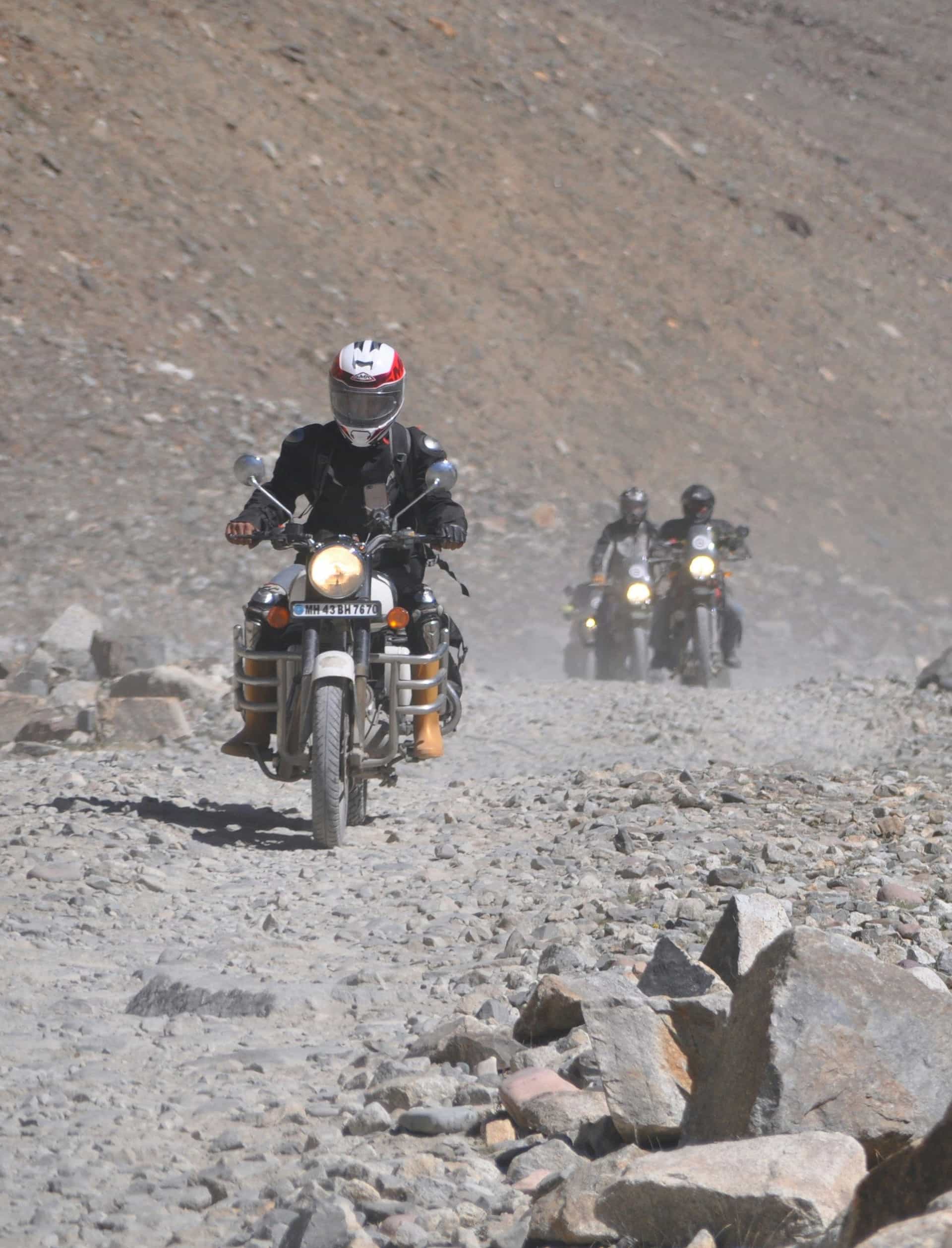
Flights connect major tourist destinations quickly, but many travelers still rely on long mountain road journeys between places like Kathmandu, Pokhara and Chitwan. Distances may look short on maps, yet road conditions, construction work, weather and hill terrain can make travel far slower than expected.
This guide explains flights, tourist buses, road conditions, local transport apps and realistic travel times in Nepal so you can plan your trip more comfortably and avoid common travel mistakes while building your overall Nepal itinerary and understanding how transportation fits into a broader Nepal travel guide for first-time visitors.
How Transportation in Nepal Actually Works
One of the biggest surprises for first-time visitors is how slowly Nepal travel moves compared to what maps suggest.
Distances may appear short online, but mountain roads, construction work, traffic bottlenecks, weather conditions and elevation changes significantly affect travel time.
Route | Approx Distance | Realistic Travel Time |
| Kathmandu to Pokhara | ~200 km | 7–10 hours by road |
| Kathmandu to Chitwan | ~160 km | 5–7 hours |
| Pokhara to Chitwan | ~150 km | 5–6 hours |
| Kathmandu to Lumbini | ~260 km | 9–11 hours |
This catches many travelers off guard because Nepal’s road journeys often feel longer physically than the actual distance suggests.
The country is best experienced with:
- flexible timing
- buffer hours
- slower itineraries
- realistic movement expectations
Once you stop planning Nepal like a fast intercity destination, travel becomes significantly smoother and less exhausting.
Travelers entering Nepal by road from India should also understand major border-crossing routes and transport connectivity before planning long intercity movement.
Flights vs Tourist Buses in Nepal
This is usually the biggest transportation decision travelers make.
Both flights and tourist buses are widely used, but the right option depends on:
- budget
- trip duration
- comfort expectations
- motion sickness tolerance
- travel style
When Flights Make More Sense
Domestic flights are useful when:
- Your itinerary is short
- You want to avoid full-day road journeys
- You're combining multiple destinations quickly
- You're heading toward trekking regions
- You want to reduce travel fatigue
Travelers combining multiple destinations in a shorter Nepal itinerary often prefer flights to reduce long road-transfer fatigue.
The Kathmandu–Pokhara route is especially popular because flights reduce a long road transfer to roughly 25–30 minutes.
Airlines like:
- Buddha Air
- Yeti Airlines
operate some of the most commonly used domestic tourist routes.
Many trekking routes in Nepal also require additional domestic flights or jeep transfers beyond the main tourist circuit.
However, weather delays are common in Nepal, especially during:
- monsoon season
- winter fog
- unstable mountain weather
Morning flights are usually considered more reliable than later departures.
When Tourist Buses Make More Sense
Tourist buses remain the most popular budget-friendly option between:
- Kathmandu
- Pokhara
- Chitwan
- Lumbini
Many budget travelers visiting Nepal for longer durations rely heavily on tourist buses to manage overall trip costs more comfortably.
Many travelers still prefer road travel because:
- The routes are scenic
- Luggage handling is easier
- Buses are more affordable
- departures are frequent
- the journey itself feels more immersive
Tourist buses are different from local public buses and are designed more for travelers.
Most tourist buses typically include:
- reserved seating
- luggage storage
- scheduled rest stops
- air conditioning (varies by operator)
But comfort levels can vary heavily depending on the bus category.
During peak tourist months and festival periods, popular routes like Kathmandu–Pokhara can sell out quickly, so booking at least a day or two in advance is usually safer.
While larger transport operators increasingly support digital payments, smaller roadside stops and local taxis still prefer cash in many regions.
Understanding Nepal’s Tourist Bus Network
Tourist bus operations in Nepal have changed noticeably in recent years, especially in Kathmandu.
Older travel blogs still mention Kantipath as the main departure area, but most tourist buses now operate from:
- Sorhakhutte near Thamel
- Gongabu New Bus Park
For most travelers staying around Thamel, Sorhakhutte is now one of the most common pickup areas for buses heading toward:
- Pokhara
- Chitwan
- Lumbini
In Pokhara, tourist buses usually operate from the central Tourist Bus Park area near Lakeside.
Most long-distance tourist buses depart early in the morning, which is why travelers often begin road journeys shortly after sunrise.
Standard Tourist Buses
These are the most commonly booked buses for budget travelers and backpackers.
They are affordable and functional, though road comfort depends heavily on:
- traffic
- weather
- highway conditions
- ongoing construction work
Good for:
- budget-focused travel
- flexible itineraries
- travelers comfortable with long road journeys
Premium Sofa Buses
Premium sofa buses have become increasingly popular on major tourist routes like Kathmandu–Pokhara.
These buses usually offer:
- wider reclining seats
- more legroom
- better suspension
- charging ports
- smoother overall ride quality
They are especially useful for:
- families
- couples
- older travelers
- travelers sensitive to rough mountain roads
The comfort difference becomes noticeable during longer highway sections.
Road Conditions in Nepal: What Travelers Should Expect
Road conditions in Nepal vary dramatically depending on the region.
Inside Kathmandu and Pokhara, roads continue improving steadily. But intercity mountain highways still experience:
- construction zones
- uneven road surfaces
- traffic bottlenecks
- narrow hill roads
- monsoon-related landslides
Road conditions and landslide risks become more noticeable during Nepal’s monsoon season, especially on mountain road routes.
The Kathmandu–Pokhara highway especially goes through phases of both smooth sections and difficult bottlenecks because of ongoing expansion work.
This is one of the main reasons online travel-time estimates often feel unrealistic.
Mountain Roads Feel Slower Than They Look
Even experienced Indian travelers are sometimes surprised by:
- constant curves
- steep elevation changes
- slow-moving truck traffic
- limited overtaking space
Travel fatigue in Nepal usually comes more from:
- road movement
- unpredictability
- long durations
than from actual distance.
If someone in your group experiences motion sickness, carrying medication for hill travel is extremely useful.
The Mugling–Pokhara Highway Construction Reality
One of the biggest factors affecting road travel times in Nepal right now is the ongoing Mugling–Pokhara highway expansion project.
Some sections now feel significantly smoother than before, especially near city-entry stretches. But other parts still experience:
- temporary single-lane diversions
- dust-heavy construction zones
- active roadwork delays
- slow-moving cargo traffic
This creates a travel experience where roads alternate between:
- smoother stretches
and - sudden bottlenecks.
This is also why many travelers still choose flights despite the relatively short map distance between Kathmandu and Pokhara.
If you plan to travel by road, earlier morning departures usually feel more manageable than afternoon departures.
Realistic Travel Times in Nepal
One of the best ways to improve a Nepal itinerary is simply avoiding overpacked schedules.
A common mistake is trying to cover:
- Kathmandu
- Pokhara
- Chitwan
- Lumbini
within very few days.
On paper, the distances appear manageable.
In reality, Nepal travel moves more slowly and becomes physically tiring when road transfers are stacked too closely together.
A Better Nepal Travel Rhythm
Most travelers enjoy Nepal more with:
- fewer destination jumps
- longer stays
- flexible transfer days
- slower pacing
For example:
- Kathmandu: 2–3 nights
- Pokhara: 3 nights
- Chitwan: 2 nights
usually feels far more balanced than rushing aggressively across multiple cities.
This becomes even more important during:
- monsoon season
- tourist rush periods
- active highway construction phases
Kathmandu to Pokhara: Flight or Road?
Pokhara is one of the most visited destinations in Nepal and is commonly combined with Kathmandu in most first-time itineraries.
This is Nepal’s most popular tourist route and usually the biggest transportation decision travelers make.
By Flight
Best for:
- short itineraries
- comfort-focused travelers
- travelers avoiding mountain-road fatigue
Flight duration:
- approximately 25–30 minutes
However, weather delays and schedule adjustments remain common in Nepal’s domestic aviation network.
By Tourist Bus
Most buses leave early in the morning and travel through scenic river-valley highways.
The route itself can feel beautiful during clear weather, but delays are common because of:
- roadwork
- traffic congestion
- landslides
- weather conditions
Realistically, it should be viewed as:
- a full-day road journey
rather than a short transfer.
By Private Vehicle
Private cars offer:
- greater flexibility
- hotel pickup convenience
- customizable stops
- more personal comfort
This option works well for:
- families
- groups
- slower-paced trips
But even private transport cannot fully avoid Nepal’s highway limitations.
Local Transportation Inside Nepal Cities
Inside Kathmandu and Pokhara, most travelers rely on:
- taxis
- ride-hailing apps
- hotel transport
- walking around tourist districts
Ride Apps Like Pathao & InDrive
Ride-hailing apps now play a major role in urban transportation across Nepal.
Platforms like:
- Pathao
- inDrive
They are widely used in Kathmandu and increasingly common in Pokhara.
They are especially useful for:
- airport pickups
- avoiding taxi overcharging
- short city rides
- navigating traffic-heavy areas
Ride apps also work best with stable mobile internet access inside larger cities like Kathmandu and Pokhara.
Pathao also offers bike-taxi options, which many solo travelers use for faster movement through dense traffic.
InDrive allows passengers and drivers to negotiate fares inside the app itself.
Taxis in Nepal
Taxis remain widely available, especially around:
- Thamel
- Lakeside Pokhara
- airport areas
But many drivers still negotiate fares directly rather than relying consistently on meters.
For shorter rides, basic fare negotiation is expected.
Walking Around Tourist Areas
Tourist-heavy areas like:
- Thamel in Kathmandu
- Lakeside in Pokhara
They are surprisingly walkable compared to many larger South Asian cities.
Many cafés, restaurants, shops and hotels are clustered closely together, making walking one of the easiest ways to explore these neighborhoods.
Is Nepal Safe for Road Travel?
For most travelers, yes — but Nepal road travel requires patience more than speed.
Helpful travel habits include:
- avoiding ultra-tight itineraries
- keeping buffer time before flights
- carrying snacks and water during long drives
- avoiding unnecessary late-night highway travel
Monsoon season especially affects:
- landslides
- visibility
- road closures
- highway delays
Weather flexibility is simply part of mountain travel in Nepal.
Should You Choose Flights or Buses in Nepal?
There’s no single correct answer because Nepal's transportation depends heavily on:
- trip duration
- comfort preference
- budget
- travel style
Travel Style | Better Option |
| Short Nepal trip | Flights |
| Budget travel | Tourist buses |
| Scenic experience | Tourist buses |
| Motion sickness issues | Flights |
| Family comfort | Private car or flights |
| Slow travel experience | Buses + relaxed itinerary |
Many travelers actually combine both.
For example:
- flying one route
- taking a scenic road journey on another
usually creates the best balance between:
- comfort
- experience
- budget
- travel fatigue
Final Thoughts
Travel in Nepal takes more time and flexibility than many first-time visitors expect, especially on mountain road routes. But once you plan with realistic travel times and a slower pace, moving around the country becomes fairly manageable.
A slower itinerary almost always leads to a better Nepal experience, especially when long road journeys become part of the trip rather than something you’re rushing through.
Travelers booking a Nepal tour package often prefer balancing flights and road journeys carefully to avoid unnecessary travel fatigue during shorter itineraries.