For Indian travelers, Nepal is one of the easiest international destinations to manage financially.
UPI now works across many tourist areas, Indian travelers already understand the rough value of prices, and daily spending in cities like Kathmandu or Pokhara usually feels straightforward after the first day or two.
At the same time, payment experiences in Nepal can change quickly once travelers move beyond major tourist hubs.
A café in Thamel may accept QR payments instantly, while a mountain highway stop or small local shop may still prefer Nepalese cash.
This guide explains how currency, UPI, cash, cards, ATMs and Indian Rupee usage actually work in Nepal for Indian travelers.
If you are still planning your Nepal journey, our Nepal Travel Guide explains routes, budgeting, itineraries and destinations in much greater detail.
Can Indians Use Indian Currency in Nepal?
Yes, Indian currency is legally accepted in Nepal under specific conditions.
Smaller Indian currency notes like:
- ₹10
- ₹20
- ₹50
- ₹100
They are widely accepted across many parts of Nepal.
Modern post-demonetization:
- ₹200
- ₹500
Notes are also legally permitted in Nepal within official limits.
However, ground reality still differs slightly from legal policy.
While hotels, tourist businesses, larger restaurants, and agencies usually accept ₹500 notes without major issues, smaller businesses sometimes struggle with:
- change availability
- liquidity
- note familiarity
especially in:
- smaller towns
- roadside cafés
- mountain regions
- local markets
Because of this, travelers should still carry:
- smaller INR notes
- Nepalese cash
- digital payment backups
instead of depending entirely on ₹500 notes.
Nepal Currency Basics for Indian Travelers
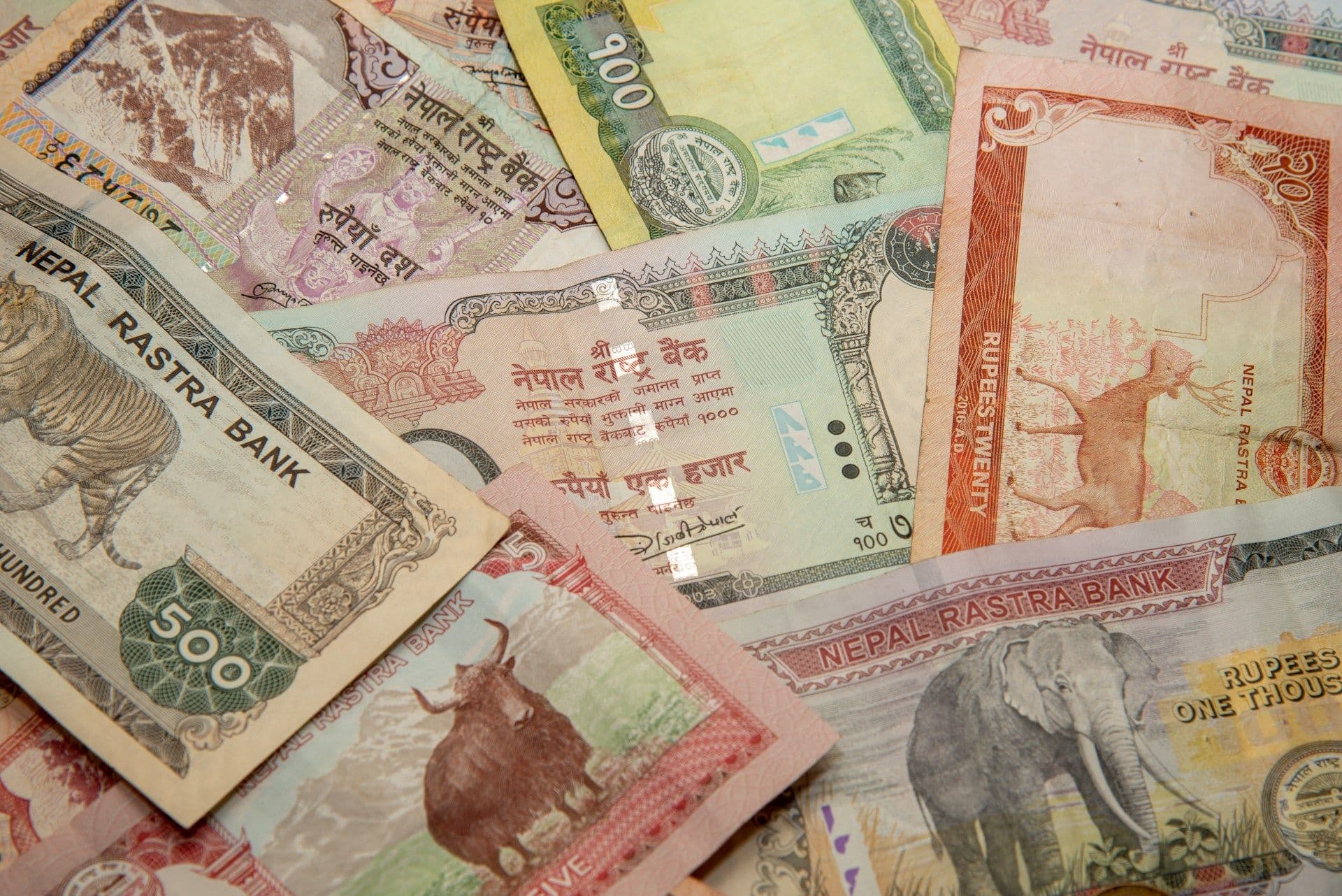
Nepal uses: Nepalese Rupee (NPR)
The approximate exchange rate constantly changes, but most Indian travelers roughly compare prices using: 1 INR ≈ 1.6 NPR
You do not need to constantly calculate exact conversions during the trip because:
- Tourist areas regularly deal with Indian travelers
- Pricing becomes easy to understand after a day or two
- Most daily travel spending feels relatively manageable for short trips
However, carrying at least some Nepalese cash remains extremely important.
Especially outside major tourist centers.
Indian Currency Note Rules in Nepal
For years, many travel blogs warned travelers not to carry high-value Indian currency notes into Nepal.
That information is now outdated.
Under updated Nepal financial regulations and Nepal Rastra Bank guidelines, modern Indian:
- ₹200
- ₹500
Notes are legally allowed inside Nepal within official carrying limits.
Indian Currency Note | Legal Status in Nepal | Practical Ground Reality |
| ₹10, ₹20, ₹50 | Fully Legal | Widely accepted almost everywhere |
| ₹100 | Fully Legal | Most preferred Indian note |
| ₹200 & ₹500 | Legal up to official limits | Usually accepted by hotels, tourist businesses & larger restaurants |
| ₹2000 | Avoid Carrying | Not practical or recommended |
Indian travelers can legally carry modern ₹200 and ₹500 notes into Nepal within an approximate limit of ₹25,000 per passenger.
This generally works smoothly for:
- hotels
- tour agencies
- premium cafés
- tourist restaurants
- larger businesses
However, smaller businesses often still prefer:
- Nepalese cash
OR - smaller Indian notes
especially for:
- local transport
- tea stalls
- mountain cafés
- local shops
- roadside purchases
because change availability becomes difficult in smaller towns.
Travelers entering Nepal by road can also explore our How to Travel to Nepal From India Guide.
Using UPI in Nepal
Yes, UPI now works across many parts of Nepal.
This has become one of the biggest changes in Nepal travel for Indian tourists over the last few years.
Through cross-border payment integration between:
- NPCI (India)
and - Nepal’s Fonepay network
Indian travelers can now use:
- PhonePe
- BHIM
- Select Google Pay support
to scan fonepay QR codes inside Nepal.
For many travelers, this makes Nepal feel financially much easier than before.
UPI works best in:
- cafés
- restaurants
- hotels
- tourist stores
- supermarkets
- urban tourist zones
especially in:
- Kathmandu
- Pokhara
- Thamel
- Lakeside
- Chitwan tourist areas
Some travelers now complete large parts of their Nepal trip using mostly UPI + backup cash.
Where UPI Still Becomes Unreliable
This is where Nepal still feels very different from major Indian cities.
UPI often becomes unreliable in:
- mountain villages
- trekking regions
- local buses
- remote cafés
- smaller roadside stalls
- poor network areas
Sometimes:
- QR systems stop working
- internet connectivity fails
- Nepal bank servers temporarily go down
- payment verification delays happen
That is why cash still matters heavily in Nepal, especially outside major tourist cities.
Another important reality:
Some smaller Nepalese businesses still prefer cash over QR payments because cross-border payment systems occasionally involve settlement or processing costs on the merchant side.
This is more noticeable in:
- local cafés
- small shops
- mountain towns
- low-margin businesses
rather than larger hotels or tourist restaurants.
Travelers planning mountain routes can also explore our Nepal Itinerary Guide and Best Time to Visit Nepal Guide.
Nepal Cash vs Card Reality
Many first-time travelers assume Nepal works similarly to major Indian cities, where cards and UPI dominate almost everywhere.
That is not fully true.
Nepal still operates with a strong cash culture.
Especially in:
- transport
- local markets
- trekking routes
- roadside food stalls
- smaller hotels
Cards are increasingly accepted in:
- Kathmandu
- Pokhara
- premium cafés
- larger hotels
- tourist restaurants
But many smaller businesses still prefer:
- cash
OR - direct QR payments.
Payment Method Reliability in Nepal
Payment Method | Kathmandu | Pokhara | Trekking Areas | Recommended |
| UPI | Strong | Strong | Limited | Yes |
| Cash (NPR) | Excellent | Excellent | Essential | Best Backup |
| INR ₹100 & below | Common | Common | Less Reliable | Partial |
| Debit/Credit Card | Good | Moderate | Weak | Backup Only |
| ₹500 Notes | Legal but inconsistent in smaller areas | Mixed | Weak | Carry smaller notes too |
Should You Exchange Currency Before Entering Nepal?
Usually not necessary.
Many travelers simply:
- Withdraw NPR from ATMs in Nepal
OR - exchange small amounts after arrival.
This is often easier than exchanging money heavily inside India before the trip.
However, travelers entering Nepal through:
- road borders
- late-night arrivals
- remote crossings
should still carry:
- smaller INR notes
- some Nepalese cash if possible
for immediate expenses like:
- taxis
- food
- buses
- SIM cards
ATM & Card Reality in Nepal
ATMs are widely available in:
- Kathmandu
- Pokhara
- Chitwan
- major tourist towns
However, Nepal ATMs are not always perfectly reliable.
Especially during:
- peak tourist seasons
- weekends
- festivals
- power issues
- network failures
Some ATMs:
- run out of cash
- reject cards
- stop working temporarily
That is why experienced travelers avoid depending entirely on a single ATM withdrawal plan.
Most Nepal ATMs charge international withdrawal fees. Common charges usually range between: NPR 400–700
depending on:
- bank
- card type
- withdrawal amount
Your Indian bank may also charge:
- forex conversion fees
- international transaction fees
Because of this, many travelers prefer:
- fewer large withdrawals
instead of: - many small ATM transactions.
Before entering Nepal, travelers should also check their banking app and ensure:
- international usage is enabled
- ATM withdrawal permissions are active
- international transactions are turned on
Otherwise, many Nepal ATMs reject the card instantly.
Visa and Mastercard generally offer the smoothest compatibility across:
- Nepal ATMs
- hotels
- tourist businesses
- larger restaurants
RuPay support is gradually expanding across Nepal, especially in:
- premium hotels
- selected POS systems
- tourist zones
However, smaller ATMs and businesses may still show:
- intermittent acceptance
- software rejection
- inconsistent processing
Because of this, carrying a Visa or Mastercard backup card is still the safest option.
Commonly Used Nepal ATMs for Indian Travelers
ATM / Bank | Reliability | Approx Fee |
| Nabil Bank | Good | Moderate |
| Himalayan Bank | Good | Moderate |
| Global IME Bank | Good | Moderate |
| Nepal SBI Bank | Familiar for Indians | Moderate |
| Smaller Local ATMs | Variable | Variable |
ATM conditions can change quickly, so travelers should always keep:
- backup cash
- secondary cards
- alternate payment methods
especially before entering mountain regions.
How Much Cash Should Travelers Carry in Nepal?
This depends heavily on:
- travel style
- destination
- duration
- trekking plans
But for most travelers, carrying a balanced mix works best.
A practical setup usually includes:
- UPI for cities
- NPR cash for smaller expenses
- backup debit/credit card
- small INR notes for emergencies
Travelers relying entirely on:
- cards
OR - UPI only
sometimes struggle outside major tourist zones.
Hidden Payment Problems Travelers Face in Nepal
Carrying Mostly ₹500 Notes
One of the most common mistakes is especially during road travel and border crossings.
Depending Completely on UPI
UPI is improving rapidly, but internet and banking failures still happen.
Not Carrying Cash During Long Road Journeys
Highway stops and local cafés often prefer cash.
Assuming Cards Work Everywhere
Many smaller businesses still avoid card machines because of:
- internet instability
- transaction costs
- machine limitations
Running Out of Small Notes
Smaller businesses often struggle with change during busy tourist periods.
Is Nepal Expensive for Indian Travelers?
For most Indian travelers, Nepal usually feels moderately affordable.
Especially compared to:
- International mountain destinations
- premium Himalayan tourism regions
However, Nepal can become expensive if travelers rely heavily on:
- domestic flights
- luxury stays
- private vehicles
- trekking logistics
For realistic budgeting, travelers can also explore our Nepal Trip Cost Guide.
Payment Reality in Kathmandu vs Pokhara
Kathmandu generally feels:
- busier
- more digital
- more card-friendly
especially in:
- Thamel
- tourist cafés
- shopping areas
Pokhara feels:
- slower
- more relaxed
- easier for UPI usage around Lakeside
But even in Pokhara, travelers moving toward:
- trekking zones
- mountain villages
- remote areas
should still carry sufficient cash.
Travelers planning destination stays can also explore our Kathmandu Travel Guide and Pokhara Travel Guide.
Final Thoughts
For Indian travelers, Nepal is financially much easier to navigate today than many first-time visitors expect.
UPI works across large parts of Kathmandu and Pokhara, ATMs are widely available in major tourist areas, and everyday travel usually becomes smoother once travelers understand where cash still matters more than digital payments.
And as the journey moves from busy city cafés toward mountain highways, lakeside towns, trekking routes, and slower Himalayan travel, spending habits in Nepal gradually begin feeling different too — less rushed, more local and often more cash-driven outside the main tourist centers.
Keeping a simple mix of:
- UPI
- Nepalese cash
- smaller INR notes
- backup cards
is usually enough for a smooth Nepal trip.
If you are planning your Nepal journey, you can also explore our Nepal tour packages for customized itineraries, trekking routes, mountain vacations, honeymoon trips and slow-travel experiences.